
Nutrition comparison
Biryani vs Brown Rice Bowl: Which Is Healthier for Daily Eating?
Compare Biryani and Brown Rice Bowl on calories, blood sugar impact, weight management, and daily sustainability. Find out which fits your health goals and when to choose each.
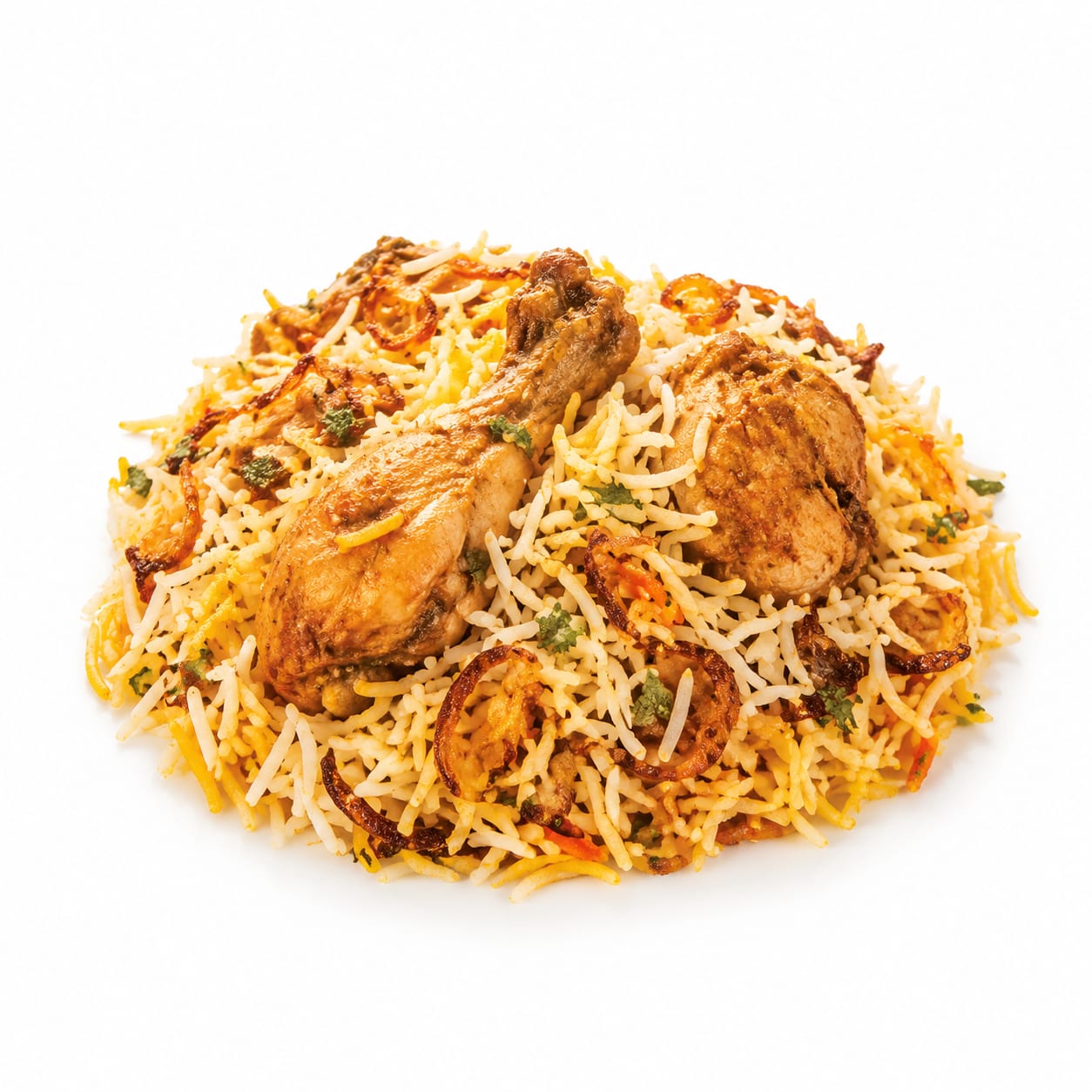
Biryani
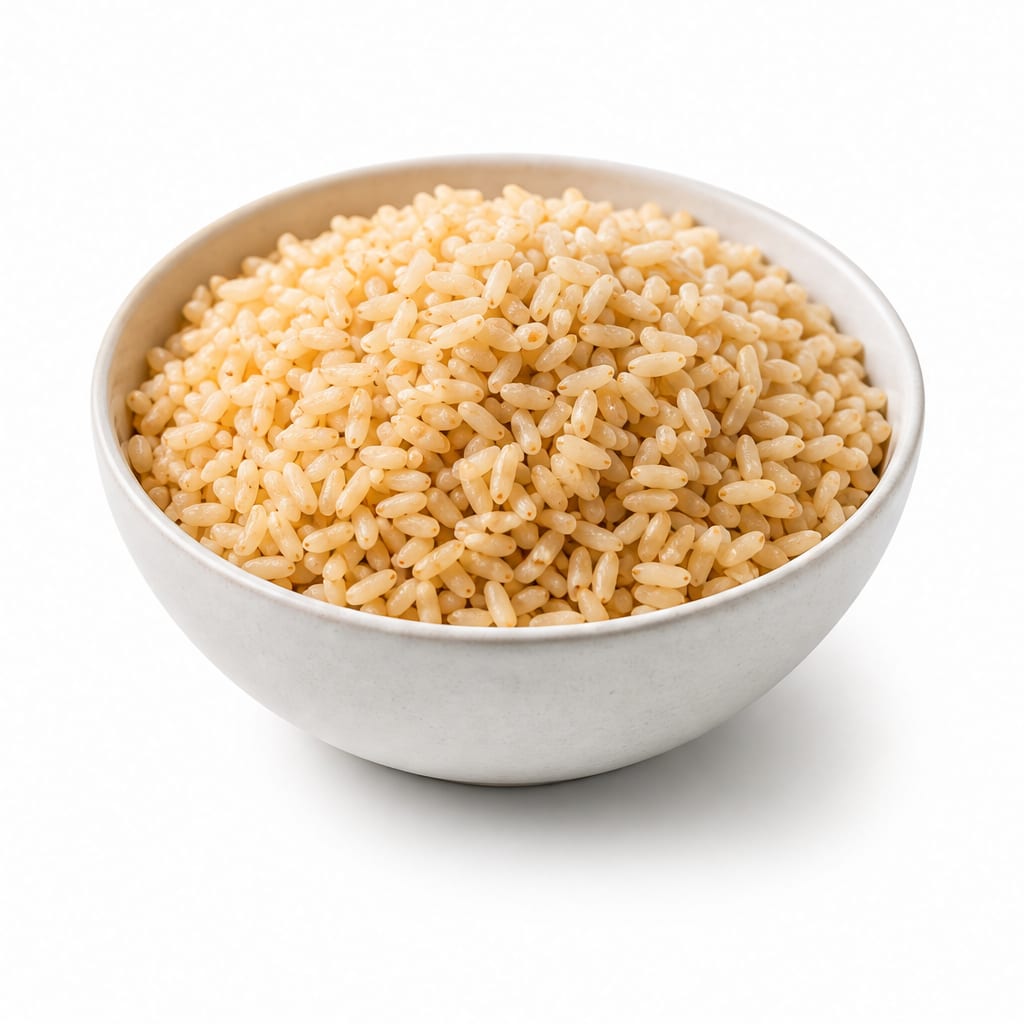
Brown Rice Bowl
Brown Rice Bowl wins for daily health and weight management, but Biryani delivers far more satisfaction and cultural enjoyment as an occasional meal.
Brown Rice Bowl scores notably higher due to superior metabolic profile, fiber content, and daily sustainability. Biryani remains valuable for enjoyment but carries significant calorie, sodium, and glycemic tradeoffs that limit regular use.
Flavor and emotional reward versus metabolic consistency and calorie control.
At a glance
Executive summary
Overall
It depends
Healthier
Brown Rice Bowl
More practical
Brown Rice Bowl
Daily use
Brown Rice Bowl
Key comparison lenses
Everyday meal choice between indulgent and clean eating
Users comparing these two are typically deciding between a flavorful comfort meal and a health-conscious staple
Weight management and calorie control
Biryani is significantly more calorie-dense, making this a critical decision factor
Blood sugar and metabolic health
White rice in biryani versus brown rice creates a meaningful glycemic difference
Long-term dietary sustainability
Repeated consumption patterns matter greatly between these two options
Satiety versus overeating potential
Biryani's richness can lead to overeating while brown rice bowls offer steadier fullness
Best choice for
Biryani
- Occasional celebratory meals
- Cultural and social gatherings
- Days when you need high calorie intake
- Post-illness recovery when appetite is low
- Breaking monotony in a restrictive diet
Brown Rice Bowl
- Daily lunch or dinner staple
- Weight loss or maintenance phases
- Blood sugar management
- Consistent energy without crashes
- Meal prep and weekly planning
Least suitable for
Biryani
- Daily consumption
- Strict calorie-controlled diets
- Diabetes or insulin resistance management
- Late-night meals
- Those watching sodium intake
Brown Rice Bowl
- Special occasions needing celebratory food
- Anyone needing to gain healthy weight
- People who find plain meals unsustainable
- High-performance athletes needing quick energy
- Cold days when comfort food matters emotionally
Deep comparison
Dimension by dimension
Each lens scores both foods and breaks down who each option suits.
- Dimension 1 · Priority 95Brown Rice Bowl
Calorie Density and Weight Management
Biryani · 35Brown Rice Bowl · 82Biryani can easily pack 600-900 calories per serving due to ghee, oil, and refined rice. A Brown Rice Bowl typically lands between 350-500 calories with similar volume.
Tradeoff
You sacrifice rich flavor and mouthfeel for significantly better calorie control.
Why it matters
A single Biryani meal can consume half your daily calorie budget, making weight management very difficult if eaten regularly.
Real-world impact
Eating Biryani twice a week instead of a Brown Rice Bowl could mean an extra 800+ calories weekly, which adds up to roughly 12 pounds gained per year.
Biryani
- Underweight individuals needing calories
- Hard-training days with high energy expenditure
Better for
- Consistent weight gain risk
- Difficulty controlling portions due to palatability
Worse for
Brown Rice Bowl
- Steady weight maintenance
- Calorie deficit diets
- Portion control without feeling deprived
Better for
- May feel too light for very active people
- Requires intentional protein additions to feel complete
Worse for
- Dimension 2 · Priority 90Brown Rice Bowl
Blood Sugar Stability
Biryani · 30Brown Rice Bowl · 75Biryani uses white basmati rice which causes faster blood sugar spikes. Brown rice retains its bran layer, slowing glucose release considerably.
Tradeoff
The refined rice in Biryani tastes fluffier and more delicate but hits your bloodstream faster.
Why it matters
Post-meal energy crashes after Biryani are common, especially for sedentary eaters. Brown rice provides steadier energy for hours.
Real-world impact
After a Biryani lunch, you may feel sluggish by 3 PM. A Brown Rice Bowl keeps you more alert through the afternoon.
Biryani
- Post-workout when quick glycogen replenishment helps
- Endurance athletes mid-event
Better for
- Insulin spikes followed by crashes
- Increased hunger 2-3 hours after eating
Worse for
Brown Rice Bowl
- Prediabetes or diabetes management
- Avoiding afternoon energy crashes
- PCOS and metabolic syndrome
Better for
- Slower energy availability if you need quick fuel
Worse for
- Dimension 3 · Priority 85It depends
Satiety and Fullness
Biryani · 72Brown Rice Bowl · 70Biryani feels more immediately satisfying due to fat content and intense flavor. Brown Rice Bowl provides longer-lasting steady fullness from fiber.
Tradeoff
Immediate pleasure versus sustained satisfaction over hours.
Why it matters
Biryani's richness can actually trigger overeating because it is so palatable. Brown rice fills you without the same overeating risk.
Real-world impact
You might go back for a second helping of Biryani but rarely do that with a Brown Rice Bowl.
Biryani
- Meals where emotional satisfaction is the priority
- Breaking a long fasting period
Better for
- Hyper-palatability drives overconsumption
- Heaviness can cause food coma
Worse for
Brown Rice Bowl
- Staying full between meals without snacking
- Controlling late-night hunger
Better for
- May feel boring or unsatisfying emotionally
- Needs thoughtful toppings to feel like a complete meal
Worse for
- Dimension 4 · Priority 80Brown Rice Bowl
Fiber and Digestive Health
Biryani · 25Brown Rice Bowl · 85Brown rice delivers 3-4 times more fiber than the white rice in Biryani. Most Biryani preparations lack significant vegetable content.
Tradeoff
You give up the lighter, fluffier rice texture for substantially better gut health and digestion.
Why it matters
Fiber from brown rice feeds beneficial gut bacteria, supports regular bowel movements, and helps lower cholesterol over time.
Real-world impact
Regular Brown Rice Bowl eaters report better digestion and less bloating compared to frequent Biryani consumption.
Biryani
- Acute digestive upset when you need bland, low-residue food
Better for
- Very low fiber contribution
- Can contribute to sluggish digestion
Worse for
Brown Rice Bowl
- Chronic constipation relief
- Gut microbiome support
- Cholesterol management
Better for
- Excess fiber can cause gas if transitioning too quickly from white rice
Worse for
- Dimension 5 · Priority 75Brown Rice Bowl
Sodium and Heart Health
Biryani · 30Brown Rice Bowl · 75Biryani relies heavily on salt, spice blends, and often stock cubes for its signature flavor. A Brown Rice Bowl with light seasoning contains far less sodium.
Tradeoff
Bold, complex seasoning versus cardiovascular-friendly sodium levels.
Why it matters
A single Biryani serving can contain 800-1500mg sodium. Daily Brown Rice Bowls with minimal salt stay well under 400mg.
Real-world impact
If you have hypertension, regular Biryani consumption makes blood pressure management significantly harder.
Biryani
- Post-sweat rehydration when sodium replenishment is needed
Better for
- Bloating from sodium retention
- Blood pressure spikes
Worse for
Brown Rice Bowl
- Hypertension management
- Heart-healthy eating patterns
- Kidney health preservation
Better for
- Can taste bland without intentional seasoning strategies
Worse for
- Dimension 6 · Priority 70Biryani
Emotional and Cultural Satisfaction
Biryani · 92Brown Rice Bowl · 45Biryani carries deep cultural significance, celebration associations, and an unmatched flavor experience. Brown Rice Bowls feel functional by comparison.
Tradeoff
Joy and tradition versus nutritional optimization.
Why it matters
Food is not just fuel. Emotional satisfaction affects long-term dietary adherence and quality of life.
Real-world impact
Completely removing Biryani from your life can feel like punishment and lead to binge-restrict cycles. A balanced approach works better.
Biryani
- Family gatherings and celebrations
- Comfort during stress or illness
- Maintaining cultural food traditions
Better for
- Emotional attachment can override hunger cues
- Guilt after overindulging
Worse for
Brown Rice Bowl
- Routine meals where food is functional fuel
- Building consistent healthy habits
Better for
- Dietary fatigue and boredom risk
- Feeling deprived of cultural foods
Worse for
- Dimension 7 · Priority 65Brown Rice Bowl
Practicality and Meal Prep
Biryani · 35Brown Rice Bowl · 88Brown Rice Bowls are modular, easy to batch-cook, and store well for days. Biryani requires significant preparation and does not reheat as gracefully.
Tradeoff
Culinary artistry versus weekday convenience.
Why it matters
The meal you can consistently prepare and eat will always beat the meal that is theoretically better but impractical.
Real-world impact
You can meal-prep five Brown Rice Bowls on Sunday. Biryani is typically a weekend project or restaurant order.
Biryani
- Weekend cooking as an enjoyable activity
- Impressing guests
Better for
- Time-intensive preparation
- Reheated biryani loses texture and appeal
Worse for
Brown Rice Bowl
- Busy professionals needing grab-and-go meals
- Consistent weekly meal planning
- Budget-friendly batch cooking
Better for
- Can feel monotonous without rotating toppings and sauces
Worse for
Timeline
Health impact over time
Short-term
Hours to days
Biryani
- Post-meal drowsiness from high calorie and refined carb load
- Possible bloating from rich spices and ghee
- Blood sugar spike within 30-60 minutes
- Sodium-related thirst and water retention
Brown Rice Bowl
- Steady energy without crash
- Comfortable fullness without heaviness
- Stable blood sugar response
- Possible adjustment period if transitioning from white rice with mild gas
Long-term
Months to years
Biryani
- Weight gain risk with frequent consumption
- Increased insulin resistance with regular white rice intake
- Higher cardiovascular risk from saturated fat and sodium
- Potential for elevated blood pressure
Brown Rice Bowl
- Improved insulin sensitivity from consistent fiber intake
- Better weight management and satiety signaling
- Support for healthy gut microbiome diversity
- Reduced cardiovascular risk with low-sodium preparations
Risk profile
Safety & processing
Biryani involves refined white rice and often includes commercial spice mixes with added preservatives or flavor enhancers. Brown Rice Bowl uses whole grains with minimal intervention, though toppings and sauces can change this.
Biryani
Foodborne illness from improper meat storage
highBiryani often contains meat that sits at room temperature during social gatherings, creating bacterial growth risk if not kept hot.
Stale spice contamination
lowOld or improperly stored spices can develop aflatoxins or lose antimicrobial properties.
Brown Rice Bowl
Arsenic in brown rice
mediumBrown rice retains more arsenic than white rice because arsenic concentrates in the bran. Varying grain sources and rinsing thoroughly reduces exposure.
Bacterial growth in meal-prepped bowls
lowStored rice can harbor Bacillus cereus if not cooled and refrigerated promptly after cooking.
Who wins for whom
Audience fit
Same foods, different winners depending on your goal.
children
It dependsBiryani offers more calories and protein for growing kids but can be too sodium-heavy. Brown Rice Bowl is gentler nutritionally but may not provide enough energy for active children without additions.
daily consumption
Brown Rice BowlConsistent fiber, stable blood sugar, lower sodium, and calorie predictability make Brown Rice Bowl a sustainable daily choice.
diabetes
Brown Rice BowlBrown rice causes a slower, lower glycemic response. The fiber helps blunt glucose absorption compared to white basmati rice.
elderly
Brown Rice BowlLower sodium, easier blood sugar management, and better fiber for digestive regularity make Brown Rice Bowl more appropriate for aging bodies.
muscle gain
BiryaniBiryani provides more calories and often more protein from meat, supporting the surplus needed for muscle building.
weight loss
Brown Rice BowlLower calorie density, higher fiber, and less hyper-palatable fat make Brown Rice Bowl far easier to fit into a calorie deficit.
Your move
Decision guide
Choose Biryani
- You are celebrating a special occasion or cultural event
- You had an intense training day and need calorie replenishment
- You meal-prep Brown Rice Bowls all week and need a joyful break
- You are underweight or recovering from illness and need appealing calories
- Social eating where refusing would feel isolating
Choose Brown Rice Bowl
- You want a reliable everyday meal that supports health goals
- You are managing weight, blood sugar, or blood pressure
- You meal-prep and need something that stores and reheats well
- You want steady afternoon energy without a crash
- You are building long-term sustainable eating habits
Either works if
- You rotate between both for balance and sanity
- You eat Biryani occasionally and Brown Rice Bowls most days
- You adjust portions rather than choosing one exclusively
Avoid both if
- You have a rice allergy or severe grain sensitivity
- You are on a strict ketogenic diet
- You have severe arsenic concerns and need to limit all rice intake
Final recommendation
Make Brown Rice Bowl your weekday default and save Biryani for weekends or celebrations. This gives you metabolic consistency without sacrificing the joy and culture that makes food meaningful. The healthiest diet is one you can sustain, and that includes the foods you love.
Practical
Consumer tips
- 1
Rinse brown rice thoroughly before cooking to reduce arsenic content by up to 30%
- 2
When ordering Biryani, ask for less oil or ghee and pair it with a side salad to add fiber
- 3
Build Brown Rice Bowls with lean protein, roasted vegetables, and a light dressing to keep them interesting
- 4
Limit Biryani to once or twice per week maximum if weight management is a goal
- 5
Refrigerate leftover rice within one hour to prevent Bacillus cereus growth
- 6
Vary your grains occasionally with quinoa, millet, or farro to reduce arsenic exposure from rice
- 7
Add raita to Biryani for probiotics and to help digestion
- 8
Pre-cook a large batch of brown rice and freeze portions for instant meal prep