
Nutrition comparison
Biryani vs Tandoori Chicken: Which Is Healthier for You?
Compare Biryani and Tandoori Chicken on calories, protein, blood sugar impact, and weight loss. Find out which Indian dish fits your health goals better.
Overall winner · Tandoori Chicken
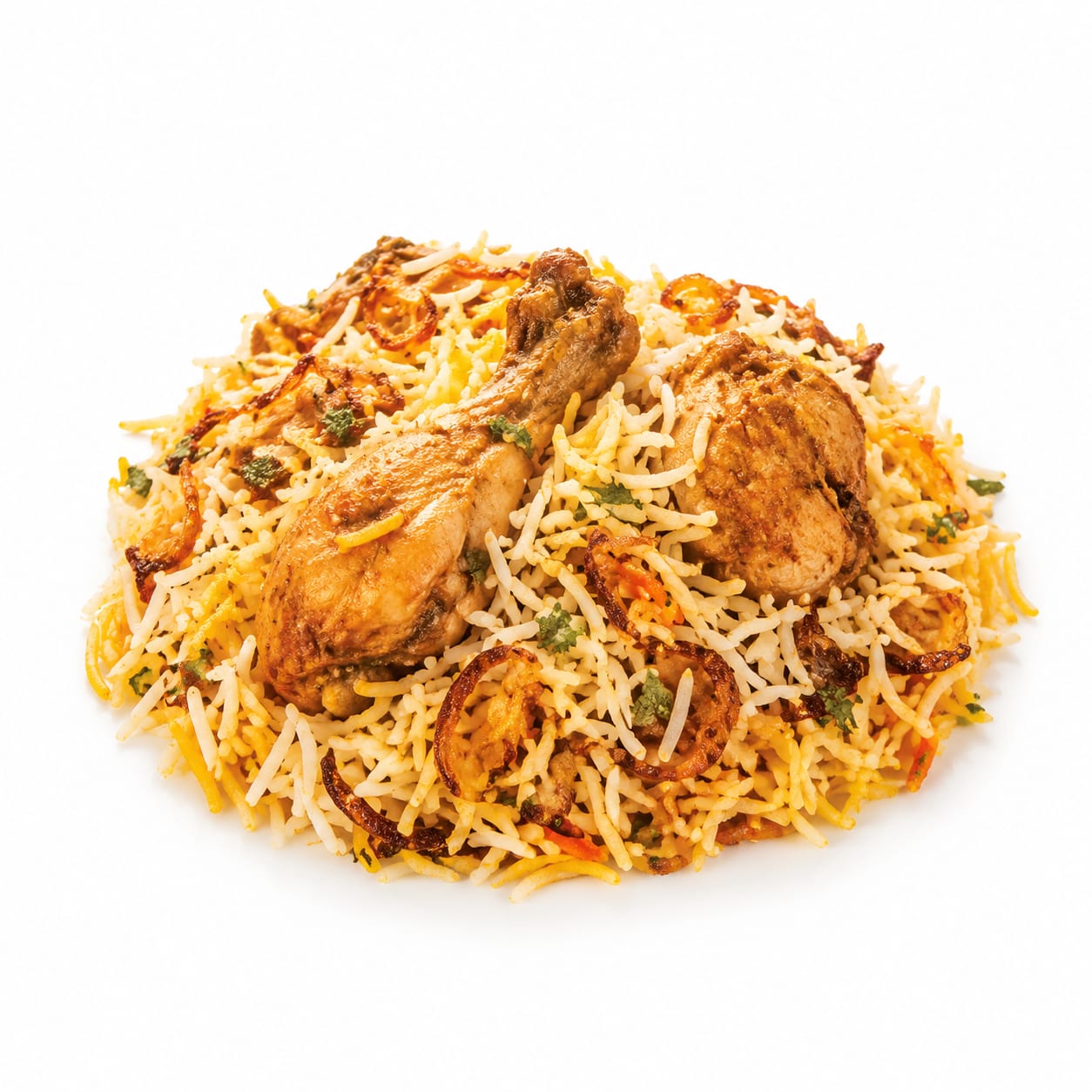
Biryani
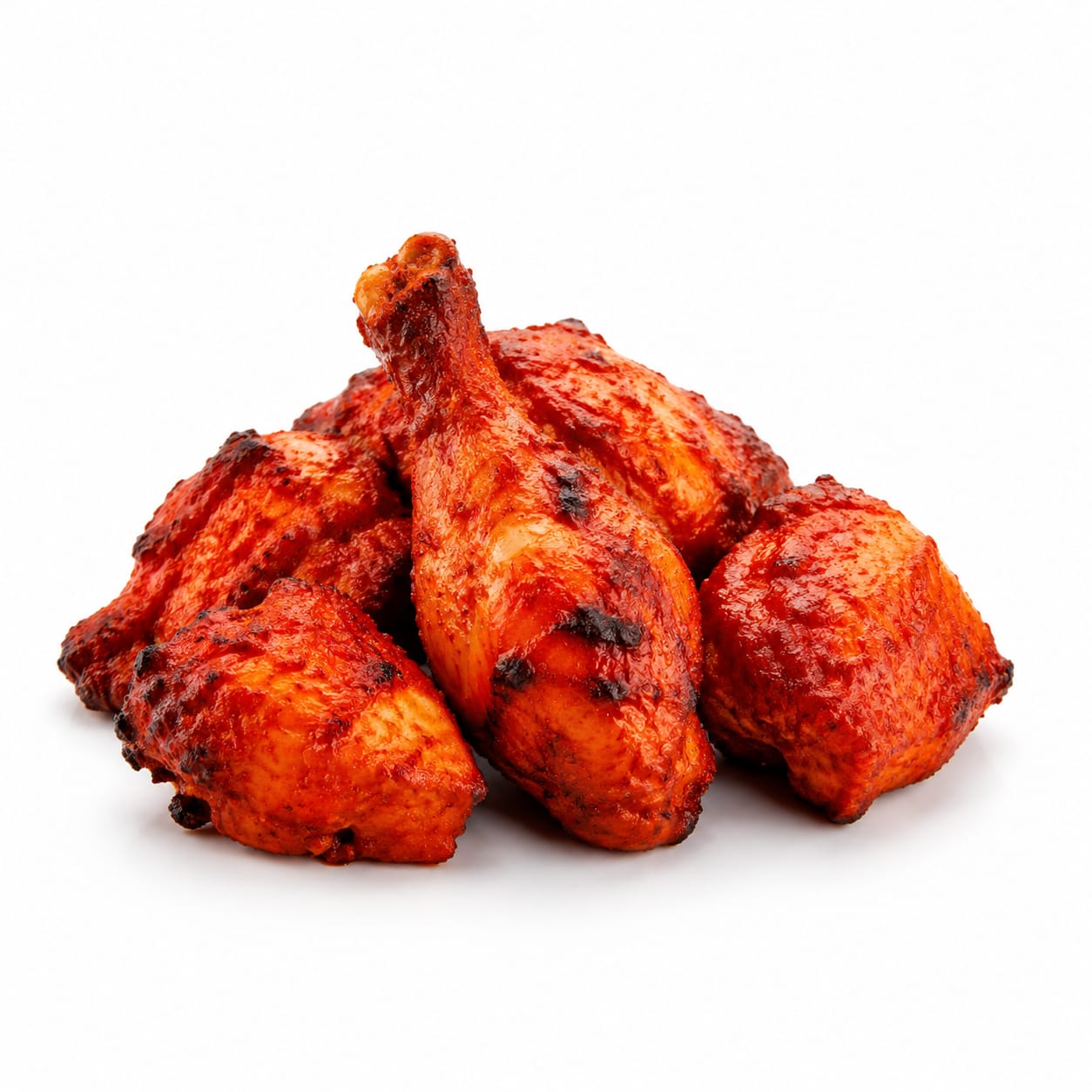
Tandoori Chicken
Tandoori Chicken wins for most health goals due to its lean protein profile and minimal carbs, but Biryani delivers a more satisfying, comforting meal experience that's harder to replicate.
Tandoori Chicken scores significantly higher due to its superior protein-to-calorie ratio, minimal carbs, and cleaner cooking method. Biryani loses ground on blood sugar impact, calorie density, and fat content, though it remains a culturally rich and satisfying option for occasional enjoyment.
Flavorful indulgence and fullness from Biryani versus clean protein and metabolic advantage from Tandoori Chicken.
At a glance
Executive summary
Overall
Tandoori Chicken
Healthier
Tandoori Chicken
More practical
It depends
Daily use
Tandoori Chicken
Key comparison lenses
weight management and calorie control
Biryani is carb-heavy and calorie-dense while Tandoori Chicken is lean protein, making this the most critical decision factor
blood sugar impact
Rice-heavy Biryani causes significant glucose spikes versus near-zero carbs in Tandoori Chicken
protein intake and muscle support
Tandoori Chicken delivers far more protein per calorie, a key differentiator for fitness-focused eaters
everyday meal sustainability
Users often wonder if they can eat these regularly without health consequences
heart health and fat quality
Biryani often uses ghee and fried onions while Tandoori Chicken relies on dry heat cooking
Best choice for
Biryani
- Post-workout carb refueling when you need both protein and energy
- Social gatherings and celebrations where food is the experience
- People struggling to eat enough calories or gain weight
- Anyone needing a satisfying one-pot meal that feels complete
Tandoori Chicken
- Weight loss and fat loss diets
- Low-carb and keto-friendly eating
- Diabetes management and blood sugar control
- High-protein meal prep for muscle maintenance
Least suitable for
Biryani
- People with diabetes or insulin resistance
- Anyone on a calorie-restricted diet
- Those avoiding refined carbs or high-glycemic foods
- Sedentary individuals who don't need the carb load
Tandoori Chicken
- People who find dry proteins unsatisfying and end up overeating later
- Those needing carb fuel for endurance training
- Anyone looking for a complete meal in one dish without sides
Deep comparison
Dimension by dimension
Each lens scores both foods and breaks down who each option suits.
- Dimension 1 · Priority 92Tandoori Chicken
Calorie Density and Weight Management
Biryani · 35Tandoori Chicken · 82A typical plate of Biryani packs 500-700 calories, largely from rice and ghee. Tandoori Chicken delivers satisfying protein at roughly 250-350 calories per serving.
Tradeoff
Biryani feels more filling in the moment, but the calorie cost is steep. Tandoori Chicken keeps you leaner but may feel less indulgent.
Why it matters
If weight management is your goal, the calorie gap between these two is decisive. You could eat nearly double the Tandoori Chicken for the same calories as one Biryani plate.
Real-world impact
Eating Biryani regularly makes calorie surplus easy and weight loss hard. Tandoori Chicken lets you eat a full portion without budgeting your entire day around it.
Biryani
- Athletes needing calorie surplus for performance
- Underweight individuals trying to gain
Better for
- Sedentary office workers who don't burn the carb load
- Anyone prone to overeating calorie-dense foods
Worse for
Tandoori Chicken
- Anyone tracking calories for weight loss
- People who want a large satisfying portion without the guilt
Better for
- People who feel deprived without carbs and binge later
Worse for
- Dimension 2 · Priority 88Tandoori Chicken
Blood Sugar Stability
Biryani · 25Tandoori Chicken · 90Biryani's rice base causes significant blood sugar spikes. Tandoori Chicken has virtually zero carbs, keeping glucose steady.
Tradeoff
Biryani gives quick energy but comes with the crash. Tandoori Chicken provides steady fuel without the rollercoaster.
Why it matters
Blood sugar spikes drive hunger, fatigue, and long-term metabolic damage. This is the starkest difference between these two foods.
Real-world impact
After Biryani, you may feel sluggish in 2 hours and crave more food. After Tandoori Chicken, energy stays even and hunger stays away longer.
Biryani
- Endurance athletes who need rapid glycogen replenishment
Better for
- Insulin-resistant individuals
- People trying to reverse metabolic syndrome
Worse for
Tandoori Chicken
- People with diabetes or prediabetes
- Anyone trying to reduce sugar cravings
- Those following low-carb diets
Better for
- Athletes in carb-loading phases before competition
Worse for
- Dimension 3 · Priority 85Tandoori Chicken
Protein Quality and Muscle Support
Biryani · 45Tandoori Chicken · 92Tandoori Chicken is almost pure protein with complete amino acids. Biryani dilutes its protein content with rice and fat.
Tradeoff
You get more total protein per bite from Tandoori Chicken, but Biryani provides carbs that help shuttle protein into muscles post-workout.
Why it matters
For muscle retention, growth, and satiety, protein density matters more than total protein. Tandoori Chicken wins this decisively.
Real-world impact
A Tandoori Chicken leg gives you roughly 30g of lean protein. A Biryani serving gives you maybe 20g alongside 60g of carbs and extra fat.
Biryani
- Post-workout recovery where carbs aid protein absorption
Better for
- People who need high protein without the carb baggage
Worse for
Tandoori Chicken
- Daily protein targets without excess calories
- Older adults preserving muscle mass
- Anyone on a cutting phase
Better for
- Those who find dry chicken hard to eat in large quantities
Worse for
- Dimension 4 · Priority 75Tandoori Chicken
Heart Health and Fat Profile
Biryani · 38Tandoori Chicken · 75Biryani often uses ghee and fried onions, adding saturated fat. Tandoori Chicken uses dry heat with minimal added fat.
Tradeoff
Ghee adds rich flavor but increases saturated fat intake. Tandoori Chicken's dry cooking keeps fat naturally low.
Why it matters
Frequent saturated fat consumption from ghee-heavy Biryani can raise LDL cholesterol over time, especially if eaten regularly.
Real-world impact
Eating Biryani multiple times a week can quietly push your cholesterol numbers up. Tandoori Chicken is far gentler on your heart long-term.
Biryani
- Occasional meals where the fat content is negligible in context
Better for
- Those already exceeding saturated fat limits from other meals
Worse for
Tandoori Chicken
- People with family history of heart disease
- Anyone managing high cholesterol
Better for
- People who add heavy sauces or butter to compensate for dryness
Worse for
- Dimension 5 · Priority 78It depends
Satiety and Meal Satisfaction
Biryani · 80Tandoori Chicken · 68Biryani feels like a complete, comforting meal. Tandoori Chicken is satisfying but often needs sides to feel like a full meal.
Tradeoff
Biryani satisfies emotionally and physically in one plate. Tandoori Chicken satisfies physically but may leave you wanting more variety.
Why it matters
Real-world adherence depends on whether a meal feels satisfying. A technically healthier meal that leaves you snacking later defeats its purpose.
Real-world impact
Biryani is a one-dish celebration. Tandoori Chicken often needs a side salad or vegetables to feel complete, which is actually an opportunity to add fiber.
Biryani
- Situations where you need one dish to do everything
- Emotional eating where comfort matters
Better for
- People who overeat because it tastes too good to stop
Worse for
Tandoori Chicken
- People who prefer controlling each component of their plate
- Those who naturally pair protein with vegetable sides
Better for
- Anyone who finds plain protein boring and ends up ordering naan or rice anyway
Worse for
- Dimension 6 · Priority 65It depends
Digestive Comfort
Biryani · 55Tandoori Chicken · 70Biryani's spice blend and fat content can trigger acid reflux or bloating in sensitive people. Tandoori Chicken is gentler but dry chicken can be hard to digest for some.
Tradeoff
Biryani's richness can cause heaviness and reflux. Tandoori Chicken is lighter but the char and spice marinade may irritate sensitive stomachs.
Why it matters
If you have GERD, IBS, or a sensitive gut, the wrong choice can mean hours of discomfort.
Real-world impact
A heavy Biryani dinner often means discomfort at bedtime. Tandoori Chicken is more likely to sit comfortably, especially with a light side.
Biryani
- People with strong digestion who tolerate rich foods well
Better for
- Those with GERD or sensitive stomachs
- People who eat close to bedtime
Worse for
Tandoori Chicken
- Anyone prone to acid reflux or bloating
- People eating late at night
Better for
- People irritated by charred food or strong spice marinades
Worse for
Timeline
Health impact over time
Short-term
Hours to days
Biryani
- Noticeable energy spike followed by a crash within 2-3 hours
- Heavy fullness that may reduce physical activity willingness
- Potential bloating or reflux from spice and fat combination
Tandoori Chicken
- Steady energy without the post-meal crash
- Comfortable lightness that allows activity after eating
- Possible desire for a side dish to feel fully satisfied
Long-term
Months to years
Biryani
- Regular consumption increases risk of weight gain and metabolic issues
- High refined carb intake may worsen insulin sensitivity over time
- Ghee and fried onion habit can elevate LDL cholesterol with frequent intake
Tandoori Chicken
- Supports lean muscle maintenance and healthy body composition
- Minimal carb load helps preserve insulin sensitivity
- Low saturated fat intake is gentler on cardiovascular health long-term
Risk profile
Safety & processing
Both dishes use whole-food ingredients and traditional spice blends. Biryani is classified as processed due to the multiple cooking stages, frying, and ghee addition. Tandoori Chicken is essentially marinated meat cooked over fire, keeping it closer to its natural state. Neither typically involves artificial preservatives or ultra-processed components when made traditionally.
Biryani
Improper rice storage and reheating
mediumLeftover rice that sits at room temperature can grow Bacillus cereus. Biryani should be refrigerated promptly and reheated thoroughly.
Cross-contamination in layered preparation
mediumRaw meat and rice are handled in close proximity during layering, increasing contamination risk if hygiene is poor.
Tandoori Chicken
Undercooking thick pieces
highThick chicken pieces may char on the outside while remaining raw inside, especially in home tandoor setups. Internal temperature must reach 165°F.
HCAs from high-heat charring
mediumCooking chicken at high temperatures over open flame produces heterocyclic amines, which are potentially carcinogenic with frequent consumption.
Who wins for whom
Audience fit
Same foods, different winners depending on your goal.
children
BiryaniBiryani offers balanced macros for growing kids and is easier to eat. Tandoori Chicken can be dry and the spice level may be too intense for young palates.
daily consumption
Tandoori ChickenTandoori Chicken can reasonably be eaten daily without metabolic consequences. Biryani as a daily meal would likely lead to weight gain and blood sugar issues over time.
diabetes
Tandoori ChickenNear-zero carbs in Tandoori Chicken make it diabetes-friendly. Biryani's rice base is a significant glucose spike risk that requires careful portioning and medication adjustment.
elderly
Tandoori ChickenOlder adults need protein for muscle preservation and benefit from lower carb intake. Tandoori Chicken is easier to digest and supports healthy aging, though it should be paired with soft vegetables.
muscle gain
Tandoori ChickenHigher protein density per calorie makes Tandoori Chicken superior for muscle building. Biryani can work in a bulking phase but adds unnecessary fat alongside the protein.
weight loss
Tandoori ChickenTandoori Chicken provides high protein and low calories, making it far easier to maintain a deficit. Biryani's carb and fat density works against fat loss goals.
Your move
Decision guide
Choose Biryani
- You're celebrating and want the meal to feel special and complete
- You're an active person who burns through carbs and needs the energy
- You're underweight or struggling to eat enough calories
- You're eating after intense physical training and need both carbs and protein
Choose Tandoori Chicken
- You're trying to lose weight or maintain a lean physique
- You have diabetes, prediabetes, or want to avoid blood sugar spikes
- You eat Indian food frequently and need a healthier default option
- You're meal prepping for the week and want clean protein
- You have high cholesterol or a family history of heart disease
Either works if
- You're eating occasionally and both fit your calorie budget
- You're ordering for a group and want variety on the table
Avoid both if
- You have severe spice intolerance or GERD triggered by Indian spices
- You're on a strict sodium-restricted diet, as both can be high in salt
Final recommendation
Make Tandoori Chicken your everyday choice and treat Biryani as a weekly or biweekly celebration meal. If you love Biryani, try portion control: half the rice, double the protein side, and add a raita or salad to balance the plate. This way you keep the joy without the metabolic cost.
Practical
Consumer tips
- 1
Ask for Biryani with less ghee or oil when ordering at restaurants, as preparation varies widely
- 2
Pair Tandoori Chicken with a side salad or grilled vegetables to make it a complete meal
- 3
If making Biryani at home, use brown rice or a 50-50 mix with cauliflower rice to cut carbs significantly
- 4
Remove chicken skin from Tandoori Chicken to reduce fat further if weight loss is your goal
- 5
For Biryani, eat a smaller portion and add extra raita to increase protein and probiotics while reducing glycemic load
- 6
Avoid eating Biryani late at night as the carb and fat combo disrupts sleep quality in many people
- 7
When meal prepping, Tandoori Chicken stores and reheats better than Biryani, which can dry out or become gummy