
Nutrition comparison
Biryani vs Risotto: Which Rice Dish Is Healthier?
Compare Biryani and Risotto on blood sugar impact, protein content, heart health, and digestibility. Discover which rice dish better fits your health goals and when to choose each.
Overall winner · Biryani
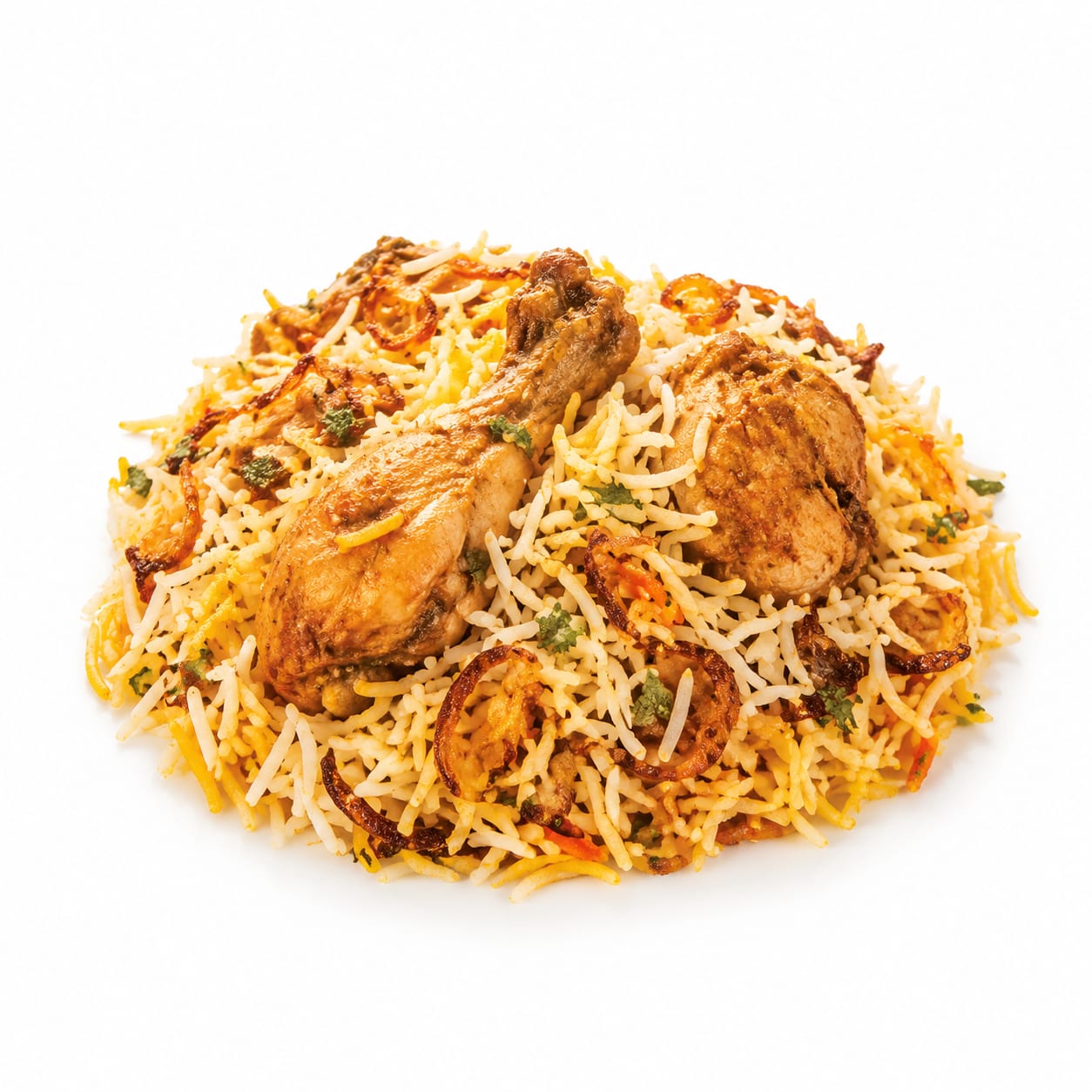
Biryani
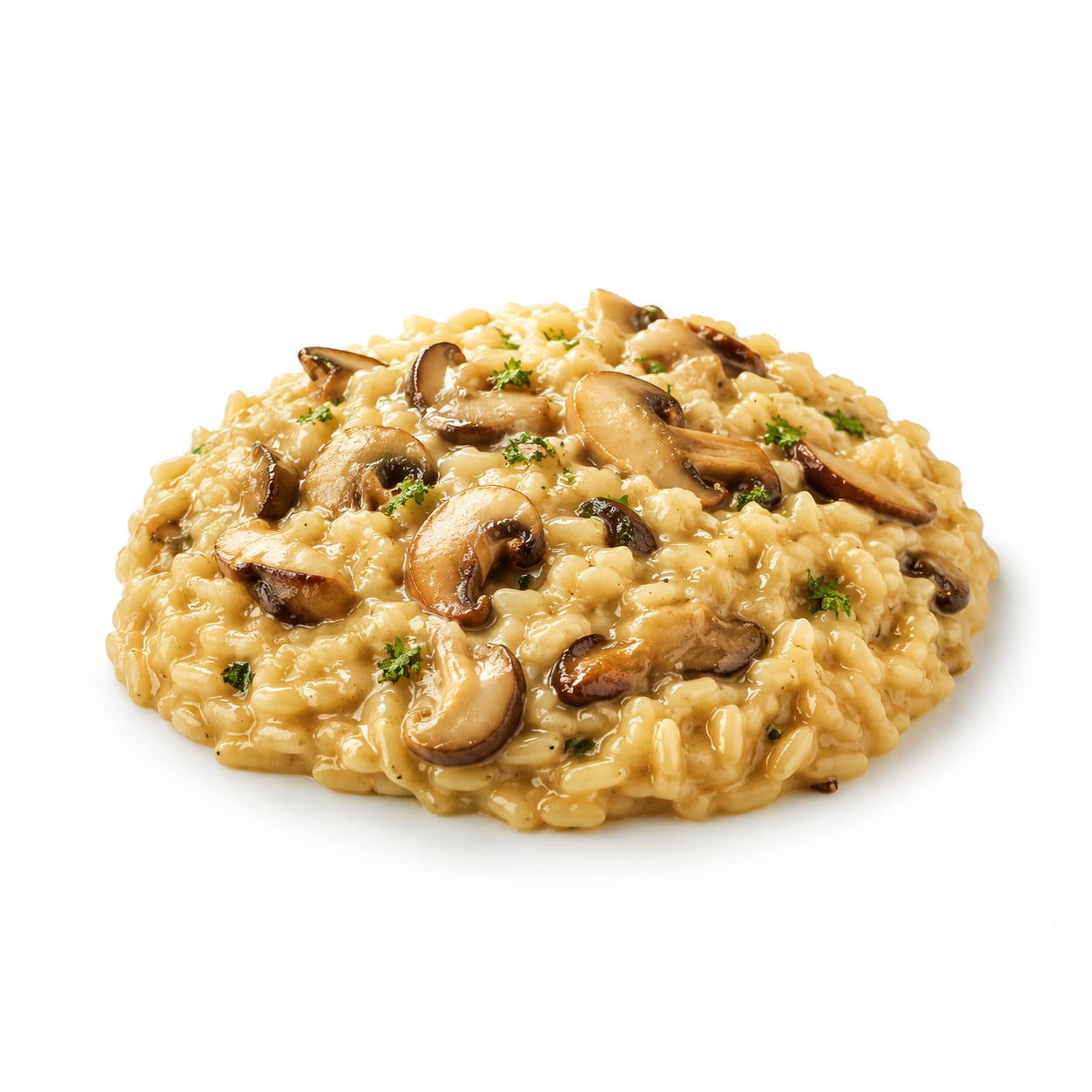
Risotto
Biryani edges ahead thanks to lower glycemic rice, powerful anti-inflammatory spices, and typically higher protein content, though Risotto wins for digestive comfort and creamy satisfaction.
Biryani scores moderately higher due to basmati rice's glycemic advantage, spice-driven anti-inflammatory benefits, and typically greater protein content. Risotto remains competitive for digestibility and comfort but loses ground on blood sugar impact and saturated fat load.
Biryani gives you steadier energy and therapeutic spices but demands more from your digestive system; Risotto delivers velvety comfort and easier digestion but spikes blood sugar faster and carries more saturated fat.
At a glance
Executive summary
Overall
Biryani
Healthier
Biryani
More practical
It depends
Daily use
Biryani
Key comparison lenses
blood sugar impact and glycemic load comparison
Biryani uses long-grain basmati rice with a lower glycemic index, while Risotto uses short-grain arborio rice that releases starch rapidly, making blood sugar response the most meaningful differentiator
anti-inflammatory and spice benefit evaluation
Biryani's spice blend including turmeric, cloves, and cardamom offers measurable anti-inflammatory advantages that Risotto simply cannot match
satiety and portion control practicality
Both dishes are calorie-dense comfort foods, but their satiety profiles differ significantly due to protein content, spice-driven fullness, and starch behavior
heart health and saturated fat tradeoffs
Risotto's butter and Parmesan create a higher saturated fat load, while Biryani's ghee usage varies but typically allows more control over fat quantity
digestive tolerance and comfort eating suitability
Risotto's creamy mildness suits sensitive stomachs, while Biryani's spice complexity can challenge digestion but may also support gut health through antimicrobial spices
Best choice for
Biryani
- People managing blood sugar or insulin resistance
- Those seeking anti-inflammatory dietary patterns
- Active individuals needing sustained energy release
- Anyone wanting higher protein per calorie from a rice dish
Risotto
- People with sensitive digestion or acid reflux
- Those recovering from illness needing gentle calories
- Anyone craving creamy comfort without spice heat
- Situations calling for elegant but mild flavors
Least suitable for
Biryani
- People with IBS or spice sensitivity
- Those on low-sodium diets eating restaurant versions
- Anyone with acid reflux triggered by spices
Risotto
- People managing diabetes or insulin resistance
- Those tracking saturated fat for heart health
- Anyone needing sustained energy without a crash
Deep comparison
Dimension by dimension
Each lens scores both foods and breaks down who each option suits.
- Dimension 1 · Priority 92Biryani
Blood Sugar Stability
Biryani · 72Risotto · 45Basmati rice in Biryani has a glycemic index around 50-58, while arborio rice in Risotto ranges from 65-75, meaning Biryani provides noticeably steadier energy.
Tradeoff
Biryani's slower carb release prevents the afternoon crash, but Risotto's rapid starch absorption can feel more immediately satisfying after intense physical activity.
Why it matters
Steadier blood sugar means fewer cravings, better focus, and less fat storage over time — advantages that compound with regular consumption.
Real-world impact
After Biryani, you are more likely to stay full and energized for 3-4 hours. After Risotto, hunger may return within 2 hours accompanied by a energy dip.
Biryani
- Sustained afternoon energy without crashing
- Better pre-meeting or pre-study meal choice
- More stable mood and focus after eating
Better for
- Not ideal when you need rapid glycogen replenishment post-workout
Worse for
Risotto
- Quick replenishment after intense exercise
- When immediate comfort outweighs sustained energy
Better for
- Risks energy crash during long work afternoons
- Can trigger hunger spikes sooner than expected
Worse for
- Dimension 2 · Priority 88Biryani
Anti-Inflammatory Potential
Biryani · 82Risotto · 35Biryani's turmeric, cloves, cardamom, cinnamon, and cumin deliver documented anti-inflammatory and antioxidant compounds. Risotto's butter and refined carbs lean slightly inflammatory.
Tradeoff
You gain real medicinal spice benefits with Biryani, but the heat and complexity may irritate sensitive stomachs. Risotto avoids irritation but offers negligible anti-inflammatory value.
Why it matters
Chronic inflammation drives heart disease, joint pain, and fatigue. Regular intake of anti-inflammatory spices creates meaningful long-term protection.
Real-world impact
Eating Biryani weekly contributes to your body's inflammation-fighting reserves. Risotto, while comforting, does not move that needle.
Biryani
- Long-term joint and heart health protection
- Antioxidant support from multiple spice sources
- Potential reduction in chronic low-grade inflammation
Better for
- Spices can temporarily irritate existing GI inflammation
Worse for
Risotto
- Avoids spice-triggered digestive inflammation in sensitive individuals
Better for
- Saturated fat from butter and cheese promotes inflammatory pathways
- Refined starch without spice antioxidants offers no counterbalance
Worse for
- Dimension 3 · Priority 85Biryani
Satiety and Fullness
Biryani · 78Risotto · 65Biryani typically contains more protein from meat or legumes and spice-driven thermogenesis that enhances fullness signaling. Risotto's creaminess creates immediate satisfaction but fades faster.
Tradeoff
Biryani keeps you fuller longer through protein and spice complexity, while Risotto delivers a more immediate creamy satisfaction that may not last.
Why it matters
Staying full longer reduces snacking, lowers total calorie intake, and makes portion control feel natural rather than forced.
Real-world impact
A plate of Biryani at lunch often carries you to dinner. Risotto at lunch may have you reaching for a snack by 4 PM.
Biryani
- Longer-lasting fullness between meals
- Higher protein content supports muscle maintenance
- Spice complexity signals satisfaction to the brain more effectively
Better for
- Can feel too heavy if you need a light meal before activity
Worse for
Risotto
- Immediate creamy mouthfeel creates instant comfort
- Easier to eat when appetite is low due to mild texture
Better for
- Creaminess can encourage overeating beyond actual hunger
- Fullness fades faster, leading to earlier snacking
Worse for
- Dimension 4 · Priority 80Biryani
Heart Health and Fat Quality
Biryani · 62Risotto · 48Biryani cooked with moderate ghee or oil and spices that support cardiovascular health compares favorably to Risotto's butter-Parmesan combination that delivers significant saturated fat.
Tradeoff
Biryani offers more heart-friendly fat potential and cardiovascular spice benefits, but restaurant versions can still be heavy. Risotto's saturated fat load is more consistent and harder to modify.
Why it matters
Saturated fat directly impacts LDL cholesterol. Reducing it at meal level accumulates into meaningful heart health differences over years.
Real-world impact
Choosing Biryani with controlled oil over Risotto with butter and cheese a few times per month can meaningfully reduce saturated fat intake.
Biryani
- Spices like turmeric and cinnamon support vascular health
- Ghee in moderation contains beneficial short-chain fatty acids
- Easier to reduce fat content by adjusting cooking method
Better for
- Restaurant Biryani can be extremely oily and sodium-heavy
Worse for
Risotto
- Olive oil-based Risotto variations can improve fat quality
Better for
- Butter and Parmesan create a reliable saturated fat hit
- Less flexibility to reduce fat without losing the dish's identity
Worse for
- Dimension 5 · Priority 75Risotto
Digestive Comfort
Biryani · 48Risotto · 78Risotto's soft, creamy, mild nature is gentle on the digestive tract. Biryani's spices, potential heat, and richer seasoning can irritate sensitive stomachs.
Tradeoff
Risotto is the safer choice for upset stomachs, acid reflux, or IBS flares. Biryani's spices may challenge digestion but also offer antimicrobial gut benefits for tolerant individuals.
Why it matters
Eating should not cause discomfort. For those with GI conditions, the wrong choice can mean hours of heartburn or bloating.
Real-world impact
After a stomach bug or during a stressful week, Risotto feels soothing. Biryani might trigger heartburn or bloating in the same scenario.
Biryani
- Spices like cumin and ginger support healthy digestion in tolerant individuals
- Antimicrobial spice properties may support gut microbiome diversity
Better for
- Common trigger for heartburn and acid reflux
- Can cause bloating in spice-sensitive individuals
Worse for
Risotto
- Gentle on acid reflux and heartburn
- Soft texture requires less digestive effort
- Safe choice during GI recovery or IBS management
Better for
- Low fiber content may contribute to sluggish digestion over time
- Cheese and butter can slow gastric emptying uncomfortably for some
Worse for
- Dimension 6 · Priority 72Biryani
Protein Quality and Quantity
Biryani · 75Risotto · 50Biryani typically features larger portions of meat, chicken, or legumes as the protein centerpiece. Risotto's protein comes mainly from Parmesan and broth, which is less substantial.
Tradeoff
Biryani delivers more complete protein per serving, supporting muscle and satiety. Risotto's protein is supplementary at best unless you add chicken or seafood.
Why it matters
Adequate protein at meals preserves muscle, stabilizes blood sugar, and keeps hunger at bay. Rice dishes often fall short here.
Real-world impact
Biryani can reasonably serve as a post-workout meal with solid protein. Risotto needs protein additions to fill that role.
Biryani
- Higher protein per serving from meat or legumes
- More complete amino acid profile from animal or legume protein
- Better standalone meal without needing protein sides
Better for
- Vegetable Biryani versions may still lack sufficient protein
Worse for
Risotto
- Seafood Risotto variations can provide excellent lean protein
Better for
- Relies heavily on cheese for modest protein amounts
- Typically needs added protein to qualify as a balanced meal
Worse for
- Dimension 7 · Priority 68It depends
Sodium Load
Biryani · 45Risotto · 50Both dishes can be sodium-heavy. Biryani gets sodium from spice blends, salt, and pickles. Risotto gets it from broth, Parmesan, and added salt. Neither is a low-sodium winner.
Tradeoff
Restaurant Biryani often edges higher in sodium due to spice mixes and accompaniments. Homemade versions of either allow sodium control.
Why it matters
High sodium intake raises blood pressure and causes bloating. Frequent consumption of either dish from restaurants is a concern.
Real-world impact
After either dish at a restaurant, you may feel bloated and thirsty. Home cooking both dishes gives you full sodium control.
Biryani
- Homemade Biryani allows precise salt and spice control
Better for
- Restaurant spice blends often contain hidden sodium
- Accompaniments like raita and pickles add significant salt
Worse for
Risotto
- Homemade Risotto with low-sodium broth is easier to moderate
- Can reduce Parmesan quantity without destroying the dish
Better for
- Commercial broth is extremely sodium-dense
- Parmesan is one of the highest-sodium cheeses
Worse for
Timeline
Health impact over time
Short-term
Hours to days
Biryani
- Steadier energy for 3-4 hours due to lower glycemic rice
- Potential mild digestive warmth or heartburn from spices
- Higher satiety reducing snacking urge
- Possible thirst from sodium in restaurant versions
Risotto
- Quick comfort and satisfaction from creamy texture
- Energy peak followed by dip within 2-3 hours
- Gentle on stomach with minimal digestive irritation
- Bloated feeling possible from cheese and starch combination
Long-term
Months to years
Biryani
- Anti-inflammatory spice intake supports joint and heart health
- Better blood sugar patterns reduce diabetes risk over time
- Consistent protein intake supports muscle preservation
- Sodium exposure from frequent restaurant consumption remains a concern
Risotto
- Higher saturated fat intake may impact cholesterol over time
- Frequent blood sugar spikes increase metabolic risk
- Lower fiber and spice intake offers less chronic disease protection
- Comfort food pattern may reinforce emotional eating habits
Risk profile
Safety & processing
Both dishes are traditionally prepared from whole ingredients. Biryani uses whole spices, rice, meat, and yogurt with minimal processing. Risotto relies on rice, broth, butter, and cheese. Neither typically requires artificial additives in authentic preparation, though restaurant versions of both may use flavor enhancers or pre-made spice mixes.
Biryani
Improper meat storage and reheating
highBiryani often contains meat that is cooked, layered, and then steamed. Inadequate temperature control during layering or delayed steaming creates bacterial growth risk, especially in large-batch preparations.
Spice contamination
mediumSome spice blends used in Biryani may contain adulterants or heavy metals, particularly with non-reputable sources. Turmeric has been flagged for lead chromate contamination in some supply chains.
Rice holding temperature
mediumBacillus cereus spores survive cooking and multiply when rice is held at room temperature. Biryani's layered cooking method can create temperature danger zones if not monitored.
Risotto
Dairy spoilage and cheese safety
mediumRisotto relies on butter and Parmesan, which are generally safe, but cream-based variations or improper refrigeration of leftover Risotto creates listeria risk.
Broth contamination
lowHomemade broth is safe, but commercial broths can harbor high sodium and occasional quality concerns. Leftover broth stored too long develops bacterial risk.
Wine alcohol interaction
lowRisotto typically uses wine that cooks off, but incomplete alcohol evaporation in quick preparations may be a concern for those avoiding alcohol entirely.
Who wins for whom
Audience fit
Same foods, different winners depending on your goal.
children
RisottoRisotto's mild, creamy texture appeals to children and is easier on developing digestive systems. Biryani's spice level and complexity often reduce children's willingness to eat adequately.
daily consumption
BiryaniBiryani's better blood sugar profile, higher protein, and anti-inflammatory spices make it more sustainable as a regular meal. Risotto's saturated fat and glycemic load become problematic with daily consumption.
diabetes
BiryaniBasmati rice has a meaningfully lower glycemic index than arborio rice, and Biryani's spices may improve insulin sensitivity. Risotto's rapid starch release is problematic for blood sugar management.
elderly
RisottoRisotto's soft texture requires less chewing and is gentler on aging digestive systems. Biryani's spices can aggravate common elderly GI issues like acid reflux and reduced stomach lining resilience.
muscle gain
BiryaniBiryani delivers more complete protein per serving from meat or legumes. Risotto would need added chicken or shrimp to compete.
weight loss
BiryaniHigher protein and spice-driven thermogenesis in Biryani support greater satiety and slightly higher calorie burn. Risotto's creaminess encourages larger portions and faster return of hunger.
Your move
Decision guide
Choose Biryani
- You want sustained energy without a mid-afternoon crash
- Anti-inflammatory eating matters for your health goals
- You need more protein from your rice dish
- Blood sugar management is a priority
- You enjoy complex spice flavors and have a tolerant stomach
Choose Risotto
- Your stomach is sensitive or you are recovering from illness
- You crave creamy comfort without spice heat
- You are cooking for children or elderly family members
- You want an elegant dish that feels restaurant-quality at home
- Acid reflux or heartburn is a regular concern for you
Either works if
- You are eating occasionally and both fit your calorie budget
- You are dining out and want to enjoy the experience without overthinking
- Neither dish will be a regular part of your eating pattern
Avoid both if
- You are on a strict low-carb or ketogenic diet
- You need a low-sodium meal for blood pressure management
- You are looking for a light meal under 500 calories
- You have severe rice allergies or gluten-like sensitivities to certain rice varieties
Final recommendation
For most health-conscious eaters, Biryani is the better regular choice due to its glycemic advantage, protein content, and medicinal spice benefits. Reserve Risotto for when comfort and digestibility matter more than metabolic optimization. If choosing Risotto, add lean protein and use olive oil instead of butter to narrow the gap.
Practical
Consumer tips
- 1
Ask for Biryani with less oil when ordering at restaurants — most kitchens will accommodate
- 2
Make Risotto with low-sodium broth and half the Parmesan to significantly reduce sodium and saturated fat
- 3
Choose chicken or legume Biryani over mutton for better protein-to-fat ratio
- 4
Add vegetables to either dish to increase fiber and slow carb absorption further
- 5
Reheat leftover Biryani until steaming hot throughout to eliminate Bacillus cereus risk
- 6
Use olive oil instead of butter in Risotto to swap saturated fat for heart-healthy monounsaturated fat
- 7
Pair Biryani with extra raita for probiotic benefits and cooling digestive relief
- 8
Avoid eating either dish right before intense exercise — both are too heavy for comfortable movement