
Nutrition comparison
Biryani vs Fried Rice: Nutritional Comparison & Healthier Choice
Comparing Biryani and Fried Rice? Discover the nutritional differences, protein content, sodium levels, and which rice dish is better for your health goals.
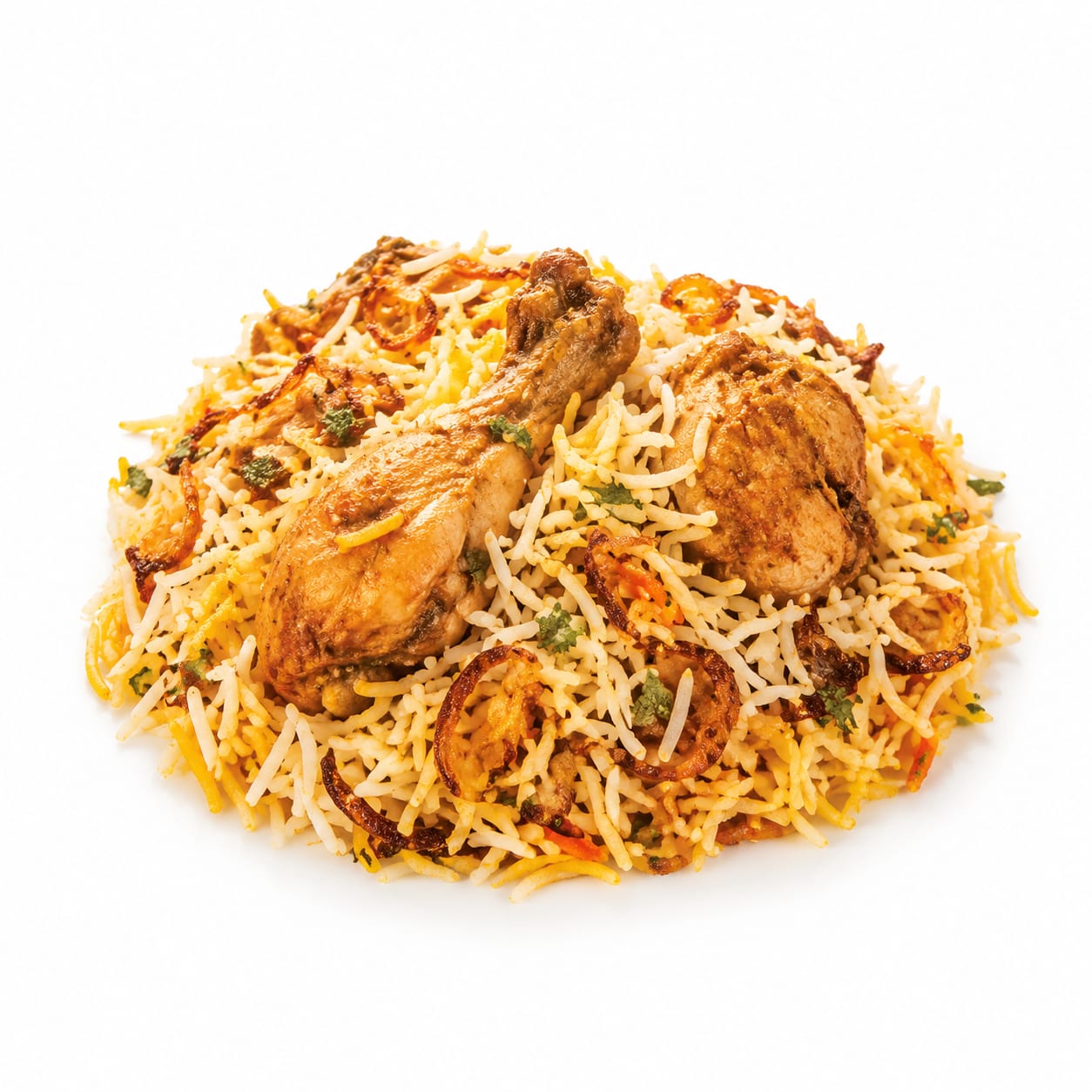
Biryani
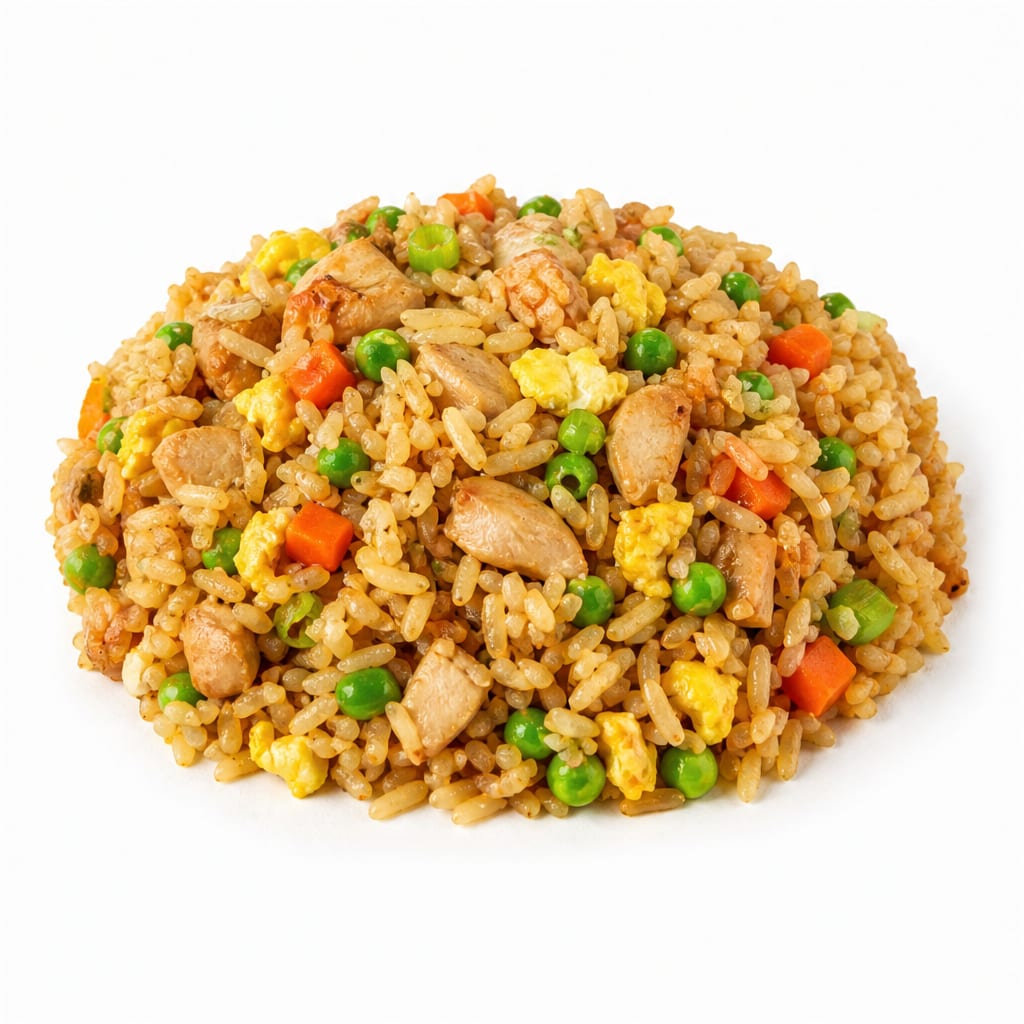
Fried Rice
Biryani delivers a more satisfying, protein-rich meal with anti-inflammatory spices, while Fried Rice is a lighter, quicker option that often hides massive amounts of sodium.
Biryani scores slightly higher due to its superior protein content and beneficial spice profile, though both are heavy carb dishes that require portion control. Fried Rice loses points mainly on sodium density and lower satiety.
Deep, sustained fullness and richer nutrition from Biryani versus the faster, lighter convenience of Fried Rice at the cost of higher sodium and less protein.
At a glance
Executive summary
Overall
It depends
Healthier
Biryani
More practical
Fried Rice
Daily use
It depends
Key comparison lenses
Carbohydrate load and blood sugar impact
Both are rice-centric dishes, making glycemic response a primary concern for energy and diabetes management
Protein content and satiety
Biryani typically features substantial meat portions, while Fried Rice often relies on smaller additions, affecting fullness
Sodium and heart health
Fried Rice heavily features soy sauce, creating a high-sodium trap, whereas Biryani relies more on whole spices
Fat quality and calorie density
Both use significant cooking fats like ghee or wok oil, impacting calorie counts heavily
Digestive comfort and spice tolerance
Biryani's complex spice blends can be tough on sensitive stomachs, while Fried Rice is generally milder
Best choice for
Biryani
- Post-workout recovery needing solid protein
- Long days requiring sustained energy
- Those seeking anti-inflammatory spice benefits
Fried Rice
- Quick weeknight dinners using leftovers
- Milder palates and sensitive stomachs
- Days when you want a lighter carb load
Least suitable for
Biryani
- Late-night eating due to heavy digestion load
- Those watching calorie intake strictly
- People with severe spice sensitivity
Fried Rice
- Blood pressure management due to high sodium
- High-protein diet requirements
- Those prone to bloating from soy sauce
Deep comparison
Dimension by dimension
Each lens scores both foods and breaks down who each option suits.
- Dimension 1 · Priority 90Biryani
Satiety and Fullness
Biryani · 85Fried Rice · 65Biryani keeps you full much longer thanks to its hearty meat portions and fat content.
Tradeoff
That fullness comes with a heavier digestive load, making Biryani a risk for afternoon food comas.
Why it matters
Staying full prevents mindless snacking, but feeling overly stuffed disrupts productivity.
Real-world impact
A Biryani lunch will likely carry you to dinner without a snack; Fried Rice might leave you hunting for food by 3 PM.
Biryani
- Long workdays with no snack breaks
- Active individuals needing lasting fuel
Better for
- Right before a workout
- Late-night dinners
Worse for
Fried Rice
- Light lunches before a sedentary afternoon
- Smaller appetites
Better for
- Recovering from heavy physical labor
- Controlling late-day cravings
Worse for
- Dimension 2 · Priority 85It depends
Blood Sugar Stability
Biryani · 60Fried Rice · 58Both are carb-heavy, but Biryani's protein and fat slow down sugar absorption, while Fried Rice's resistant starch from cooled rice offers a slight edge.
Tradeoff
Biryani buffers the carb spike with fat and protein, whereas Fried Rice relies on day-old rice for a modest resistant starch benefit.
Why it matters
Rapid blood sugar spikes lead to energy crashes and increased fat storage.
Real-world impact
Either dish can cause an energy crash if portions are too large, but pairing them with fiber-rich sides helps stabilize the ride.
Biryani
- Meals where protein and fat buffer the glycemic load
- Those who eat smaller rice portions
Better for
- Massive restaurant portions that overload carbs
- Sedentary evenings
Worse for
Fried Rice
- Using leftover cooled rice for resistant starch benefits
- Meals paired with high-fiber vegetables
Better for
- Eating freshly made white rice versions
- Meals lacking protein sides
Worse for
- Dimension 3 · Priority 75Biryani
Sodium and Heart Health
Biryani · 70Fried Rice · 40Fried Rice is a sodium bomb due to heavy soy sauce and seasoning, while Biryani relies on whole spices rather than salt liquids.
Tradeoff
Choosing Fried Rice means trading heart-friendly sodium levels for intense umami flavor.
Why it matters
High sodium intake directly drives up blood pressure and causes water retention.
Real-world impact
Eating Fried Rice regularly can easily push you over daily sodium limits, leaving you bloated and thirsty.
Biryani
- Managing blood pressure
- Reducing water retention
Better for
- Restaurant versions with heavy salt seasoning
Worse for
Fried Rice
- Those who sweat heavily and need sodium replenishment
Better for
- Daily consumption
- Those with hypertension
Worse for
- Dimension 4 · Priority 80Biryani
Protein Quality and Quantity
Biryani · 85Fried Rice · 50Biryani is built around substantial meat or legumes, delivering high-quality protein. Fried Rice usually contains only trace amounts of egg or tiny meat bits.
Tradeoff
You get genuine muscle-fueling protein in Biryani, whereas Fried Rice is essentially a fat-and-carb side dish masquerading as a main.
Why it matters
Protein is essential for muscle maintenance, metabolic health, and true satiety.
Real-world impact
If you eat Fried Rice as a main, you will likely need to add a separate protein source to feel satisfied.
Biryani
- Muscle recovery
- Meeting daily protein targets
Better for
- Strict vegetarian diets unless specifically made with plant proteins
Worse for
Fried Rice
- Light carb-loading before endurance events
Better for
- Main meals requiring balanced macros
- Older adults needing higher protein
Worse for
- Dimension 5 · Priority 70It depends
Calorie Density and Oil Usage
Biryani · 55Fried Rice · 55Both are calorie-dense due to liberal use of ghee in Biryani and wok oil in Fried Rice.
Tradeoff
Biryani's ghee offers rich flavor and stable fats, while Fried Rice's wok oil spreads thinly but coats every grain.
Why it matters
Hidden oils easily double the calorie count of rice dishes without making you feel fuller.
Real-world impact
A standard restaurant plate of either dish can easily exceed 800 calories just from oil and carbs alone.
Biryani
- Those utilizing healthy fats for hormone production
Better for
- Weight loss diets unless portions are strictly controlled
Worse for
Fried Rice
- Home-cooked versions where oil can be tightly measured
Better for
- Those unaware of how much oil absorbs into the rice during frying
Worse for
Timeline
Health impact over time
Short-term
Hours to days
Biryani
- Deep satisfaction and fullness lasting hours
- Potential sluggishness or food coma from heavy digestion
- Possible heartburn from rich spices and fats
Fried Rice
- Quick energy replenishment
- High thirst and bloating from sodium
- Hunger returning within a few hours
Long-term
Months to years
Biryani
- Anti-inflammatory benefits from turmeric, ginger, and other spices
- Weight gain if large portions are eaten frequently
- Improved muscle maintenance from consistent protein intake
Fried Rice
- Increased blood pressure risk from habitual high sodium intake
- Blood sugar management challenges from high refined carb load
- Potential weight gain from calorie-dense but low-satiety meals
Risk profile
Safety & processing
Biryani generally uses whole-food ingredients and natural spices. Fried Rice relies on ultra-processed condiments like soy sauce and MSG, adding hidden sodium and artificial preservatives.
Biryani
Undercooked meat or poultry
highSlow-cooked layered meat must reach safe internal temperatures to avoid foodborne illness
Bacillus cereus from leftover rice
mediumRice left at room temperature too long can harbor this spore-forming bacteria, causing vomiting
Fried Rice
Bacillus cereus from leftover rice
highFried rice syndrome is specifically named because cooled rice used for frying is a common carrier if not handled properly
Cross-contamination
mediumRapid wok cooking means raw meats and eggs may not always reach fully safe temperatures before mixing
Who wins for whom
Audience fit
Same foods, different winners depending on your goal.
children
Fried RiceFried Rice is milder, easier to chew, and less overwhelming for developing palates compared to Biryani's complex spice profile.
daily consumption
It dependsNeither should be a daily staple due to carb and fat loads, but a lighter homemade Fried Rice with plenty of veggies is easier to moderate daily.
diabetes
It dependsBoth are high in carbs, but Biryani's fat and protein slow glucose release. Fried Rice made with day-old rice offers resistant starch. Both require strict portion control.
elderly
Fried RiceFried Rice is softer and gentler on digestion, provided sodium is kept in check. Biryani's heavy spices and dense meat can be difficult to break down.
muscle gain
BiryaniBiryani provides a substantial amount of complete protein from chicken, mutton, or yogurt, which is essential for muscle repair.
weight loss
It dependsNeither is ideal, but home-cooked Biryani with lean meat offers better satiety per calorie, while a light vegetable Fried Rice can work for lower calorie volume.
Your move
Decision guide
Choose Biryani
- You need a deeply satisfying meal that will keep you full for hours
- You want a complete meal with high-quality protein built in
- You crave complex flavors and anti-inflammatory spice benefits
Choose Fried Rice
- You want a quick, lighter meal that won't weigh you down
- You are eating late and want something easier on the stomach
- You have day-old rice and leftover veggies to use up quickly
Either works if
- You are carb-loading for endurance activities
- You are ordering takeout and want a comforting rice bowl
- You are willing to balance the rest of your day with lean proteins and vegetables
Avoid both if
- You are on a strict low-carb or ketogenic diet
- You have severe blood sugar instability and cannot manage large carb portions
- You are on a strict sodium-restricted diet for heart failure
Final recommendation
Choose Biryani when you need a robust, protein-packed meal that satisfies for hours, especially for lunch or post-workout. Opt for Fried Rice when you want something quicker, lighter, and milder, but be mindful of the hidden sodium and lack of protein. For either dish, controlling your portion size and adding extra vegetables is the best way to make it work for your health goals.
Practical
Consumer tips
- 1
Ask for Fried Rice with half the soy sauce to drastically cut sodium and bloating
- 2
Pair either dish with a side of fresh cucumber raita or a light salad to add volume without heavy calories
- 3
Make Biryani with brown basmati rice or Fried Rice with cauliflower rice to lower the carb impact
- 4
Eat a protein-rich breakfast if you know you are having Fried Rice for lunch to stabilize your day's macros
- 5
Always cool leftover rice quickly and refrigerate to prevent Bacillus cereus growth