
Nutrition comparison
Biryani vs Chicken Curry with Rice: Which Is Healthier?
Compare Biryani and Chicken Curry with Rice on calories, fat, protein, blood sugar impact, and everyday practicality. Find out which is better for weight loss, diabetes, and daily meals.
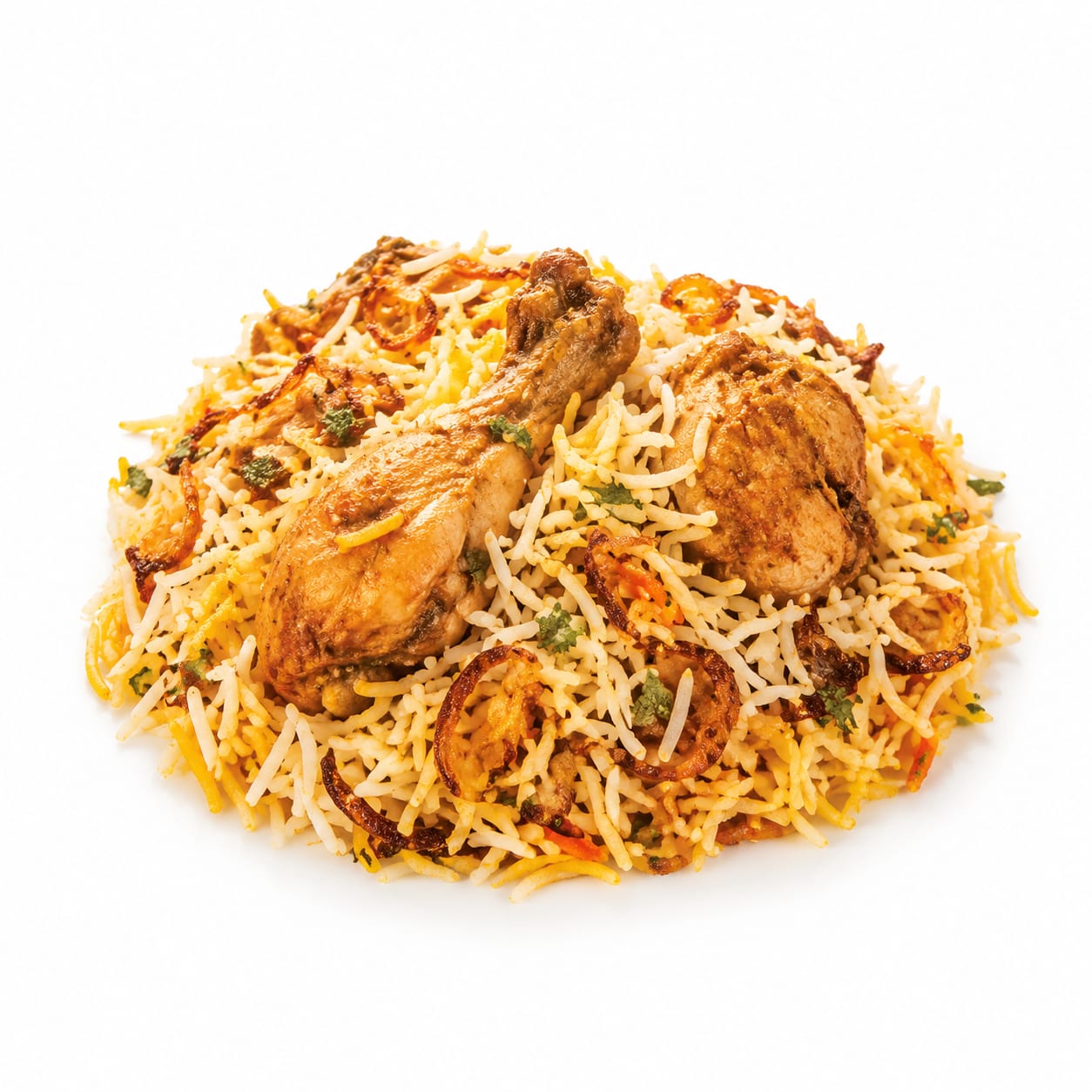
Biryani
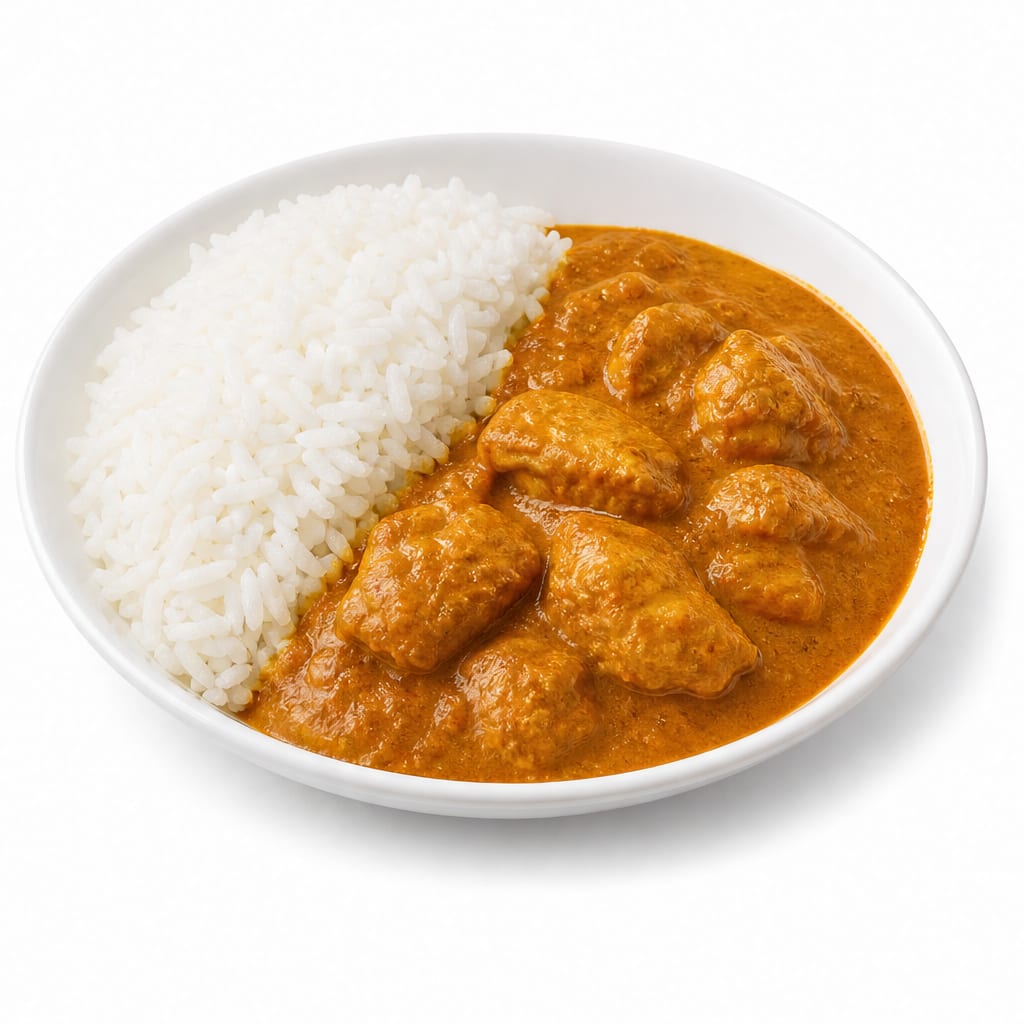
Chicken Curry with Rice
Chicken Curry with Rice is the smarter everyday choice with easier portion control and lower calorie density, while Biryani is a richer, more indulgent meal best enjoyed occasionally.
Chicken Curry with Rice scores higher primarily due to better everyday practicality, easier portion management, and lower calorie density. Biryani is not unhealthy per se, but its richness makes it harder to incorporate frequently without overconsuming calories.
Biryani delivers a more complex, satisfying flavor experience but packs significantly more calories and saturated fat per serving than Chicken Curry with Rice.
At a glance
Executive summary
Overall
It depends
Healthier
Chicken Curry with Rice
More practical
Chicken Curry with Rice
Daily use
Chicken Curry with Rice
Key comparison lenses
calorie density and weight management
Biryani is significantly more calorie-dense due to layered ghee, fried onions, and oil-coated rice, making portion control critical
everyday meal sustainability
Users deciding between these foods are often choosing between a celebratory meal and a routine dinner, so long-term habit fit matters
blood sugar impact
Both are rice-centric meals, but the fat content in Biryani slows glucose absorption while Chicken Curry with Rice offers easier portion control over carbs
satiety and overeating risk
Biryani's rich flavor profile encourages larger portions, while Chicken Curry with Rice has more natural stopping points
heart health and fat quality
Ghee-heavy Biryani raises saturated fat concerns, while curry sauces vary widely in cream and oil content
Best choice for
Biryani
- Special occasions and celebrations
- Maximum flavor satisfaction in a single meal
- Those who eat slowly and naturally stop when full
- Anyone needing a high-calorie meal after intense physical labor
Chicken Curry with Rice
- Weeknight dinners and meal prep
- Controlling carb and calorie intake without giving up comfort food
- People managing weight or blood sugar
- Consistent daily nutrition without heavy food coma
Least suitable for
Biryani
- Daily consumption during a weight loss phase
- Anyone closely monitoring saturated fat intake
- People prone to post-meal food coma or sluggishness
- Those who struggle with portion control at buffets
Chicken Curry with Rice
- Those seeking a rich, celebratory dining experience
- Situations where a single showstopper dish is expected
- Anyone needing very high calorie intake easily
Deep comparison
Dimension by dimension
Each lens scores both foods and breaks down who each option suits.
- Dimension 1 · Priority 92Chicken Curry with Rice
Calorie Density and Portion Control
Biryani · 40Chicken Curry with Rice · 72Biryani can easily exceed 700-900 calories per serving due to ghee, fried onions, and oil-coated rice. Chicken Curry with Rice typically lands between 500-650 calories with more controllable portions.
Tradeoff
Biryani's richness is what makes it special, but that same richness makes it easy to overeat without realizing it.
Why it matters
A single large plate of Biryani can account for nearly half your daily calorie needs, while Chicken Curry with Rice leaves more room in your budget.
Real-world impact
Eating Biryani twice a week instead of Chicken Curry with Rice could mean an extra 400-600 calories weekly, which adds up to several pounds over a year.
Biryani
- Those who need calorie-dense meals after heavy physical work
Better for
- Consistent weight management efforts
- Avoiding that heavy, sluggish feeling after lunch
Worse for
Chicken Curry with Rice
- Anyone tracking calories or trying to maintain weight
- People who prefer feeling satisfied but not stuffed
Better for
- Situations where you need maximum calories in limited volume
Worse for
- Dimension 2 · Priority 85It depends
Blood Sugar Stability
Biryani · 55Chicken Curry with Rice · 60Both meals center on white rice, which spikes blood sugar. Biryani's higher fat content slightly slows glucose absorption, but the larger rice portions often cancel this benefit. Chicken Curry with Rice lets you easily reduce the rice and increase the curry.
Tradeoff
Biryani's fat slows sugar absorption, but you can't separate the rice from the richness. With Chicken Curry with Rice, you control the rice-to-protein ratio on your plate.
Why it matters
For anyone watching blood sugar, the ability to adjust carb portions matters more than a slight fat-based slowing of absorption.
Real-world impact
Having Chicken Curry with half the usual rice keeps blood sugar far steadier than a full Biryani plate, even though Biryani's fat offers a small buffer.
Biryani
- Those who eat small portions and benefit from fat slowing absorption
Better for
- Large Biryani portions can cause significant blood sugar spikes
- Hard to modify the rice-to-dish ratio
Worse for
Chicken Curry with Rice
- People with diabetes or insulin resistance who need carb flexibility
- Anyone who wants to reduce rice without sacrificing flavor
Better for
- Eating a huge rice portion with minimal curry negates the advantage
Worse for
- Dimension 3 · Priority 80Chicken Curry with Rice
Satiety and Overeating Risk
Biryani · 50Chicken Curry with Rice · 70Biryani is intensely rewarding to eat, which sounds like a positive but actually drives overconsumption. Chicken Curry with Rice has a natural stopping point when the curry is finished, while Biryani invites endless scooping.
Tradeoff
Biryani's layered flavors keep you eating for pleasure long after you are full. Chicken Curry with Rice satisfies hunger without the same pull to overeat.
Why it matters
The food that makes you stop naturally is usually the better choice for weight maintenance.
Real-world impact
At a buffet or family gathering, most people eat 30-50% more Biryani than they would Chicken Curry with Rice, simply because it is harder to stop.
Biryani
- Those who eat mindfully and stop at one measured serving
Better for
- Mindless eating situations like buffets and parties
- Post-meal sluggishness that kills afternoon productivity
Worse for
Chicken Curry with Rice
- Anyone who eats until the plate is empty rather than until full
- People prone to late-afternoon food coma
Better for
- Those who find plain rice unsatisfying and snack later
Worse for
- Dimension 4 · Priority 75Chicken Curry with Rice
Heart Health and Fat Quality
Biryani · 45Chicken Curry with Rice · 62Traditional Biryani relies heavily on ghee, which is high in saturated fat. Chicken Curry varies widely, but tomato- or yogurt-based curries are generally lighter than cream-based ones, and you can choose your sauce.
Tradeoff
Ghee adds authentic flavor to Biryani but brings significant saturated fat. Chicken Curry offers more sauce options, some of which are far lighter.
Why it matters
Frequent high saturated fat meals raise LDL cholesterol over time, especially when eaten multiple times per week.
Real-world impact
Switching from Biryani twice a week to Chicken Curry with Rice could reduce weekly saturated fat intake by 15-25 grams, a meaningful change for heart health.
Biryani
- Occasional meals where saturated fat impact is minimal
Better for
- Regular consumption adds up quickly for cardiovascular risk
Worse for
Chicken Curry with Rice
- People with family history of heart disease
- Anyone with elevated cholesterol
Better for
- Cream-based curries like butter chicken can be just as heavy as Biryani
Worse for
- Dimension 5 · Priority 70It depends
Protein Quality and Amount
Biryani · 60Chicken Curry with Rice · 65Both provide chicken protein, but Chicken Curry with Rice often has a higher meat-to-rice ratio in practice. Biryani is rice-forward with chicken pieces mixed in, while curry is protein-forward with rice on the side.
Tradeoff
Biryani spreads small amounts of chicken through a large rice base. A bowl of Chicken Curry can pack more protein per bite if you keep rice moderate.
Why it matters
Higher protein-to-calorie ratio means better muscle maintenance and more satiety per calorie consumed.
Real-world impact
A typical Chicken Curry with Rice serving might deliver 35-45g protein, while a comparable Biryani plate often lands at 25-35g due to the rice-heavy composition.
Biryani
- Meat-heavy Biryani variants like Lucknowi that use more chicken
Better for
- Rice-dominant restaurant Biryani with minimal chicken pieces
Worse for
Chicken Curry with Rice
- Muscle gain goals where protein per calorie matters
- Athletes who need efficient protein delivery
Better for
- Watered-down curries with less actual chicken
Worse for
- Dimension 6 · Priority 65Biryani
Anti-Inflammatory Spices
Biryani · 78Chicken Curry with Rice · 70Both dishes use turmeric, cumin, coriander, and other anti-inflammatory spices. Biryani often includes additional whole spices like star anise, bay leaves, and saffron that contribute unique anti-inflammatory compounds.
Tradeoff
Biryani's more complex spice blend offers slightly more anti-inflammatory diversity, but the higher saturated fat partially counteracts this benefit.
Why it matters
Spices are one of the most underrated health benefits of South Asian cuisine, and both dishes deliver well here.
Real-world impact
The spice difference between these two meals is modest and unlikely to matter much compared to the bigger impact of fat and calorie differences.
Biryani
- Those who appreciate the health bonus of diverse whole spices
Better for
- Anti-inflammatory spice benefits are offset by high saturated fat if eaten frequently
Worse for
Chicken Curry with Rice
- Still excellent spice benefits, especially with turmeric-rich curries
Better for
- Simpler spice profiles in some curry variations
Worse for
- Dimension 7 · Priority 72Chicken Curry with Rice
Convenience and Meal Prep
Biryani · 40Chicken Curry with Rice · 78Chicken Curry with Rice is straightforward to batch cook, stores well, and reheats cleanly. Biryani is labor-intensive, best fresh, and tends to dry out or become mushy when reheated.
Tradeoff
Biryani is a special-occasion dish that rewards effort with extraordinary flavor. Chicken Curry with Rice is a reliable weeknight workhorse.
Why it matters
The meal you can consistently prepare and enjoy at home will always beat the meal you only eat at restaurants.
Real-world impact
You can meal-prep Chicken Curry with Rice for 3-4 days without quality loss. Day-old Biryani is often disappointing, leading to food waste or ordering out.
Biryani
- Celebrations where the cooking process itself is part of the experience
Better for
- Quick weeknight dinners
- Meal prep that needs to last several days
Worse for
Chicken Curry with Rice
- Busy professionals who need reliable weekly meal prep
- Families who cook in batches
Better for
- Impressing guests with a showstopper dish
Worse for
Timeline
Health impact over time
Short-term
Hours to days
Biryani
- Heavy fullness and potential food coma due to high calorie and fat content
- Sustained energy from fat-slowed digestion, but with initial sluggishness
- Possible acid reflux from rich spices and ghee, especially if eaten late
Chicken Curry with Rice
- Comfortable satiety without excessive heaviness when portions are balanced
- Moderate energy with less post-meal crash if rice portion is controlled
- Easier on digestion, particularly with yogurt-based curry variations
Long-term
Months to years
Biryani
- Frequent consumption increases saturated fat intake, raising cardiovascular risk over years
- Higher calorie density makes gradual weight gain more likely without mindful portioning
- Spice diversity offers meaningful anti-inflammatory and antioxidant benefits
Chicken Curry with Rice
- Easier to maintain stable weight when eaten as a regular meal with controlled rice
- Better long-term heart health profile, especially with tomato- or yogurt-based curries
- Consistent protein intake supports muscle maintenance as you age
Risk profile
Safety & processing
Both are traditionally home-cooked dishes made from whole ingredients. Restaurant versions of either can include added food coloring in Biryani or commercial curry pastes with preservatives, but homemade versions of both are clean, whole-food meals.
Biryani
Improper holding temperature at buffets
highBiryani is commonly served at large gatherings where it sits at room temperature for extended periods, creating ideal conditions for bacterial growth, especially Bacillus cereus from rice.
Synthetic food coloring in restaurant versions
mediumSome restaurants use artificial orange or yellow coloring to make Biryani appear more vibrant, which may cause reactions in sensitive individuals.
Chicken Curry with Rice
Undercooked chicken in curry
mediumThick curry sauce can mask undercooked chicken pieces. Unlike Biryani where chicken is often cooked separately first, curry chicken must be verified for doneness throughout.
Cream-based curry spoilage
mediumCurries made with dairy cream spoil faster at room temperature than tomato or yogurt-based versions, requiring more careful storage.
Who wins for whom
Audience fit
Same foods, different winners depending on your goal.
children
Chicken Curry with RiceMilder Chicken Curry with Rice is easier for kids to eat and adjust to their appetite. Biryani's complex spice layering can be overwhelming for young palates.
daily consumption
Chicken Curry with RiceChicken Curry with Rice is sustainable as a near-daily meal without calorie or fat overload. Biryani is best limited to once or twice a month to avoid excessive saturated fat intake.
diabetes
Chicken Curry with RiceThe ability to reduce rice and increase curry gives Chicken Curry with Rice a clear advantage for blood sugar management. Biryani locks you into a high-carb, high-fat combination.
elderly
Chicken Curry with RiceChicken Curry with Rice is gentler on digestion, especially yogurt-based variants. Biryani's richness can trigger acid reflux and heaviness that older adults tolerate poorly.
muscle gain
Chicken Curry with RiceChicken Curry with Rice delivers more protein per calorie when you control the rice portion, making it easier to hit protein targets without excess calories.
weight loss
Chicken Curry with RiceChicken Curry with Rice allows easy portion control, especially reducing rice while keeping the protein-rich curry. Biryani's calorie density makes it far too easy to overshoot daily targets.
Your move
Decision guide
Choose Biryani
- You are celebrating and want the meal to feel special and memorable
- You have been active and need a calorie-dense, satisfying meal
- You are eating at a renowned Biryani spot and want the authentic experience
- You naturally eat moderate portions and stop when satisfied
Choose Chicken Curry with Rice
- It is a regular weeknight and you want something comforting but not heavy
- You are managing your weight, blood sugar, or cholesterol
- You meal prep and need food that stores and reheats well
- You want to control how much rice you eat without sacrificing flavor
Either works if
- You are eating at a quality restaurant where both are made fresh
- You have no specific health concerns and eat both in moderation
- You are sharing with others and want variety
Avoid both if
- You are on a strict low-carb or ketogenic diet, as both are rice-heavy
- You have severe spice sensitivity or GERD triggered by aromatic spices
- You are significantly overweight and need to reduce calorie-dense meals overall
Final recommendation
Make Chicken Curry with Rice your default weeknight dinner and treat Biryani as a celebration meal. You get the comfort and nutrition of curry regularly while still enjoying Biryani's extraordinary flavors when it matters most. This approach gives you better health outcomes without sacrificing the joy of either dish.
Practical
Consumer tips
- 1
When ordering Chicken Curry with Rice, ask for half the rice and extra curry to boost protein while cutting carbs significantly.
- 2
At restaurants, watch for Biryani portions that are two to three servings disguised as one. Sharing is the smartest move.
- 3
Choose tomato- or yogurt-based curries over cream-based ones to keep saturated fat closer to Biryani levels but with better portion control.
- 4
If making Biryani at home, reduce ghee by half and use more vegetables in the layers. You keep the flavor structure with far fewer calories.
- 5
For both dishes, adding a side of raita or a simple cucumber salad helps with digestion and adds volume without many calories.
- 6
Reheat leftover rice dishes to steaming hot to kill any Bacillus cereus spores. Never eat rice that has been at room temperature for over two hours.