
Mixed Grain Dish
Bibimbap
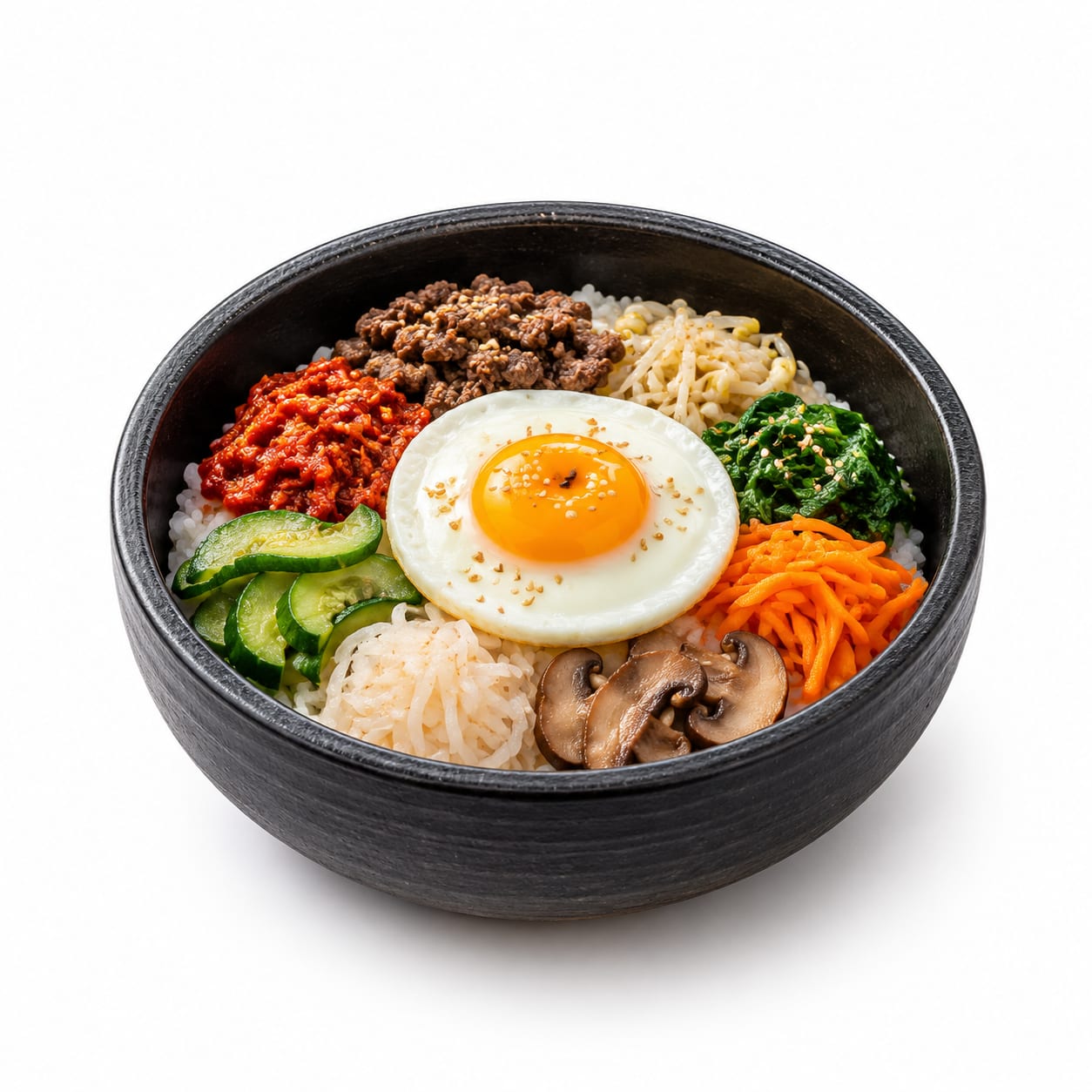
Bibimbap is a Korean rice bowl mixed with vegetables, meat, egg, and spicy gochujang sauce.
Bibimbap is a traditional Korean dish consisting of steamed white rice topped with sautéed vegetables, chili pepper paste (gochujang), sliced meat (usually beef), and a fried or raw egg.
balanced macro rice bowl with fermented vegetable condiments
Typical serving · 350g
Common varieties · dolsot bibimbap, jeonju bibimbap, vegetarian bibimbap, yukhoe bibimbap, tuna bibimbap
Overall context score across nutrition, safety, and diet fit
At a glance
Quick facts
Simple indicators based on nutrition, processing, and diet fit.
The story
What makes it unique
Bibimbap combines fast-digesting white rice with slower-digesting proteins, fibrous vegetables, and fermented gochujang. Satiety is moderate to high due to mixed macronutrients and food volume, but the white rice base triggers a rapid initial glycemic response. The dish offers diverse micronutrients from vegetables but carries a high sodium load from the sauce and seasoned vegetables.
Varieties: dolsot bibimbap · jeonju bibimbap · vegetarian bibimbap · yukhoe bibimbap · tuna bibimbap
Per 100g
Nutrition breakdown
Macro balance and key metrics at a glance.
Energy
Density 1.40 kcal/g
Protein
Carbs
Fat
Fiber
Sugar
2.5 g
Sodium
380 mg
Potassium
160 mg
Glycemic index
65
Glycemic load
12
Water content
65%
Standout compounds
Nutrient highlights
Iron
moderateSupports oxygen transport in blood
Vitamin A
moderatePromotes eye health and immune function from carrots and spinach
Sodium
highElectrolyte balance but easily consumed in excess
B Vitamins
moderateEnergy production from rice and beef
Fiber
moderateSupports digestion and gut microbiome
Wellness map
Health scores & processing
NOVA processing scale
mixed processed and unprocessed · Whole food
Base ingredients are minimally processed, but the dish relies on processed culinary ingredients like gochujang, soy sauce, and sesame oil for flavor.
Diet compatibility
- Weight loss
- Muscle gain
- Diabetes
- Gut health
- Low carb
- High protein
- Heart health
Relative standing
Food rankings
Qualitative ranks compared to similar whole foods.
- Satietygood
- Blood sugarpoor
- Nutrient densitymoderate
- Fitness fuelexcellent
- Processing qualitygood
Eat with confidence
Food safety profile
Standard bibimbap with fully cooked meat and egg poses low risk. Traditional versions using raw beef or raw egg yolk carry moderate microbial contamination risk.
Evidence confidence 85%
- Pesticideslow
- Antibioticsmoderate
- Heavy metalslow
- Contaminationmoderate
Watch for
- salmonella
- e. coli
- hepatitis a
Safer choices
Use pasteurized eggs and thoroughly cooked beef to reduce pathogen risk.
Prep tips
Wash all vegetables thoroughly. Ensure meat reaches safe internal temperatures. Use pasteurized eggs if preferring a runny yolk.
Risk associated with undercooked eggs or raw beef (yukhoe) in traditional preparations.
Deep dive
Health analysis
How this food may fit different goals and preparation choices.
Weight loss
Can be calorie-dense due to rice, oil, and sauce; portion control is essential for weight loss.
Blood sugar
White rice base creates a high glycemic load; swapping to brown rice improves blood sugar control.
Fitness & energy
Excellent post-workout meal providing fast-digesting carbs to replenish glycogen and protein for muscle repair.
Gut health
Fermented gochujang and fiber-rich vegetables support microbiome diversity, though high sodium may cause bloating.
Processing quality
Whole food ingredients are combined with processed sauces, making it a moderately processed meal depending on preparation.
Food safety
Safest when prepared with fully cooked proteins; raw egg or beef variations require high-quality sourcing.
Common mistakes
Adding excessive gochujang or sesame oil drastically increases sodium and calorie content.
Best preparation
Use brown or cauliflower rice, lean protein, lots of vegetables, and sauce on the side.
Practical guide
Best use cases
When and how this food fits real eating patterns.
Post-workout recovery
Provides an ideal ratio of fast carbs for glycogen replenishment and complete protein for muscle repair.
Balanced macro meal prep
Easy to batch cook and portion into containers with a precise balance of carbs, protein, and vegetables.
Vegetable intake boost
An effective way to consume multiple servings of different vegetables in one palatable meal.
Balance sheet
Pros & cons
Upsides
- Balanced macronutrient profile from whole food ingredients
- High vegetable variety provides diverse micronutrients
- Contains fermented gochujang which supports gut health
- Excellent source of post-workout carbohydrates
- Highly customizable for different dietary needs
Trade-offs
- White rice base causes rapid blood sugar spikes
- Gochujang and marinades make it high in sodium
- Restaurant versions often use excessive sesame oil adding hidden calories
- Traditional raw egg or beef additions pose food safety risks
- Can be calorie-dense if rice and fat portions are large
Fit check
Who is it for?
Great match
- post-workout recovery
- balanced macro dieting
- athletes needing carb fuel
- increasing vegetable variety
Consider alternatives
- strict low-carb diets
- sodium-restricted diets
- blood sugar management
- calorie restrictive diets
Side by side
How it compares
Open the full head-to-head analysis for nutrition, safety, and practical tradeoffs.
This food
Bibimbap
VS85% alike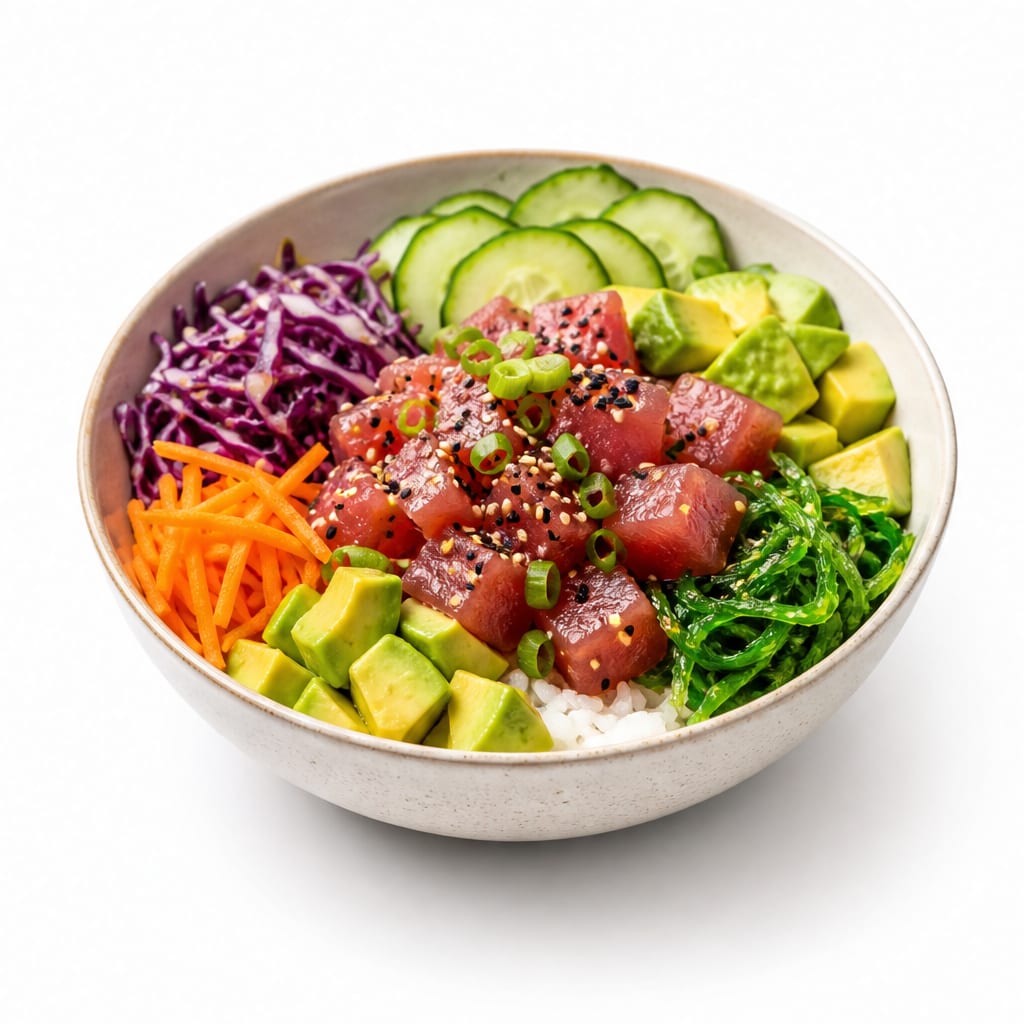
Compare with
Poke Bowl
Bibimbap offers warm cooked vegetables and beef, while poke provides raw fish and lighter Japanese seasonings.
Bibimbap provides warmer, heartier satiety and better post-workout carbs, while poke is lower in calories and sodium for weight loss.
This food
Bibimbap
VS80% alike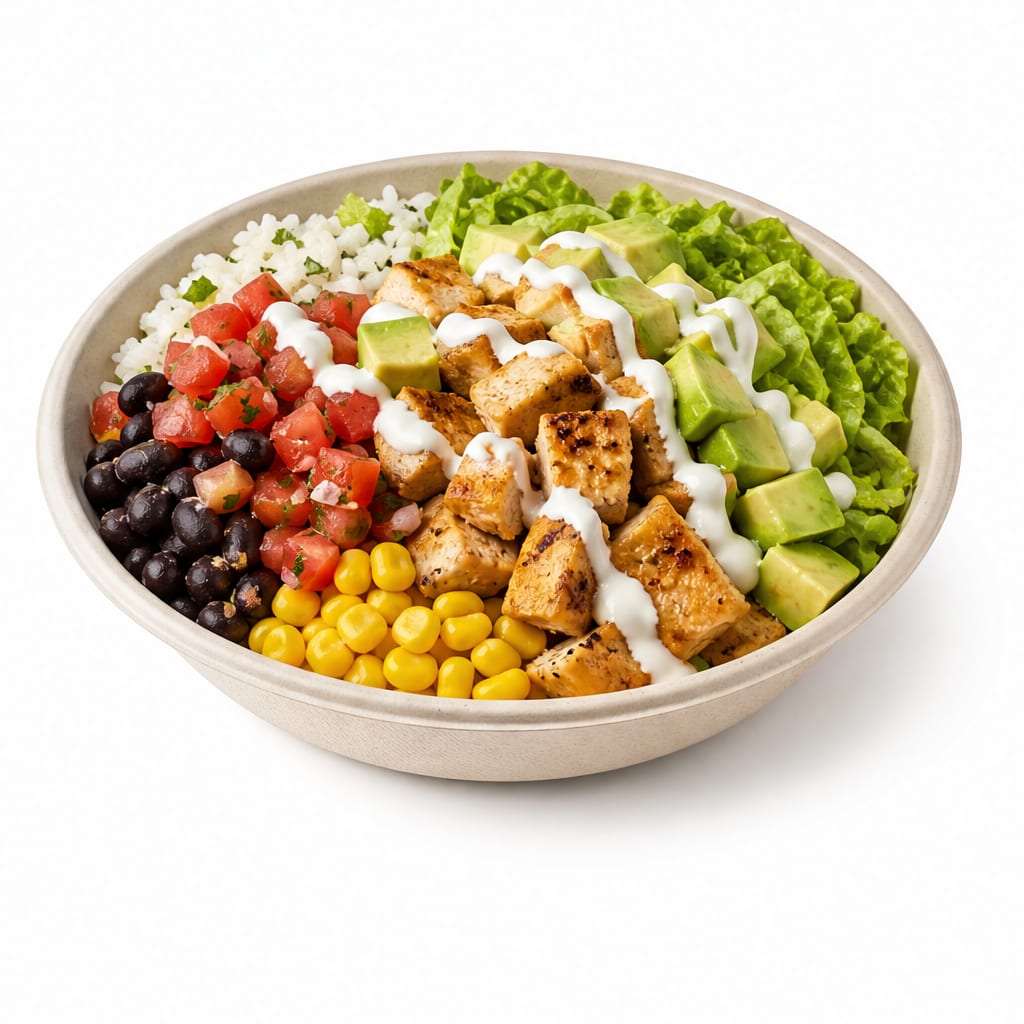
Compare with
Burrito Bowl
Bibimbap relies on Korean gochujang and sesame oil, whereas burrito bowls use Latin spices, beans, and salsa.
Bibimbap is usually lower in calories than a burrito bowl due to the absence of cheese and sour cream, making it better for weight loss.
This food
Bibimbap
VS75% alike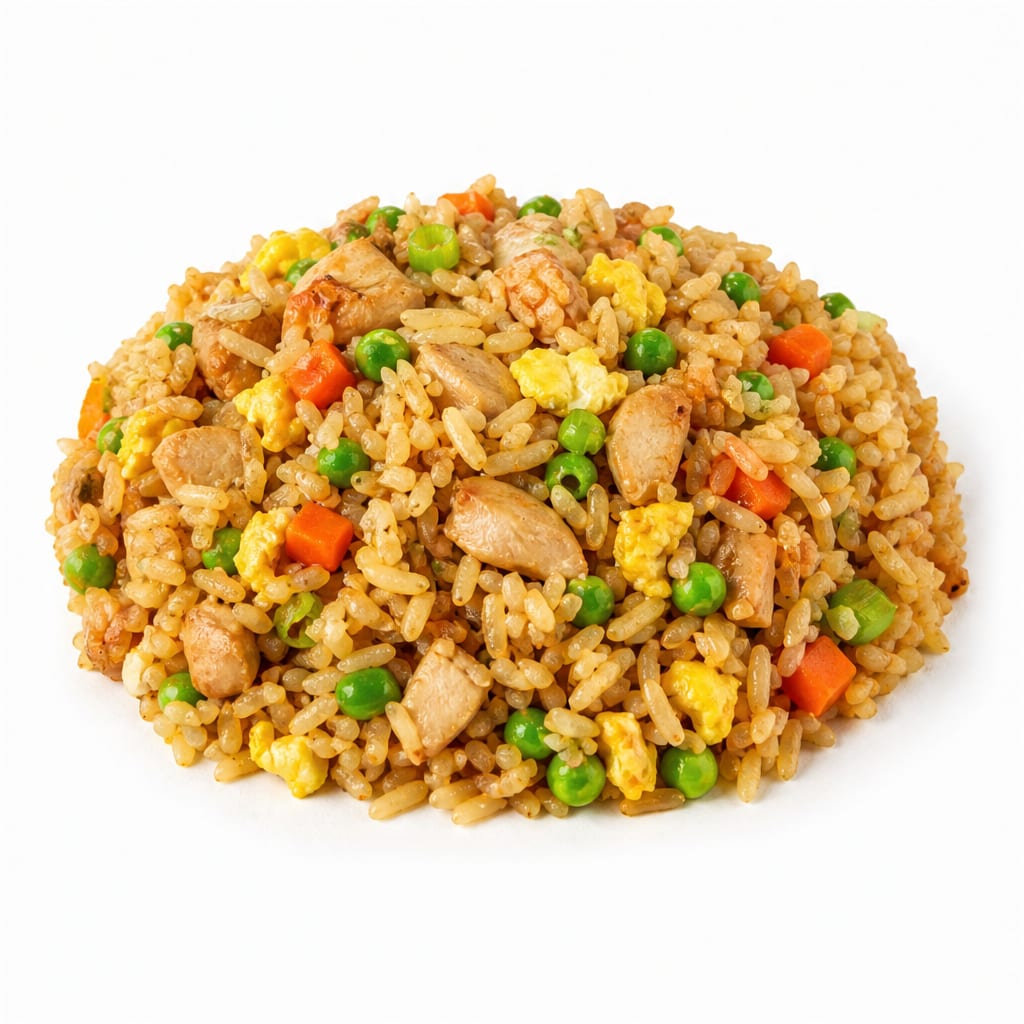
Compare with
Fried Rice
Bibimbap keeps ingredients separated until eating and uses less oil, while fried rice is cooked in high oil and mixed.
Bibimbap is significantly lower in fat and calories than fried rice because it avoids heavy oil usage during cooking.
This food
Bibimbap
VS70% alike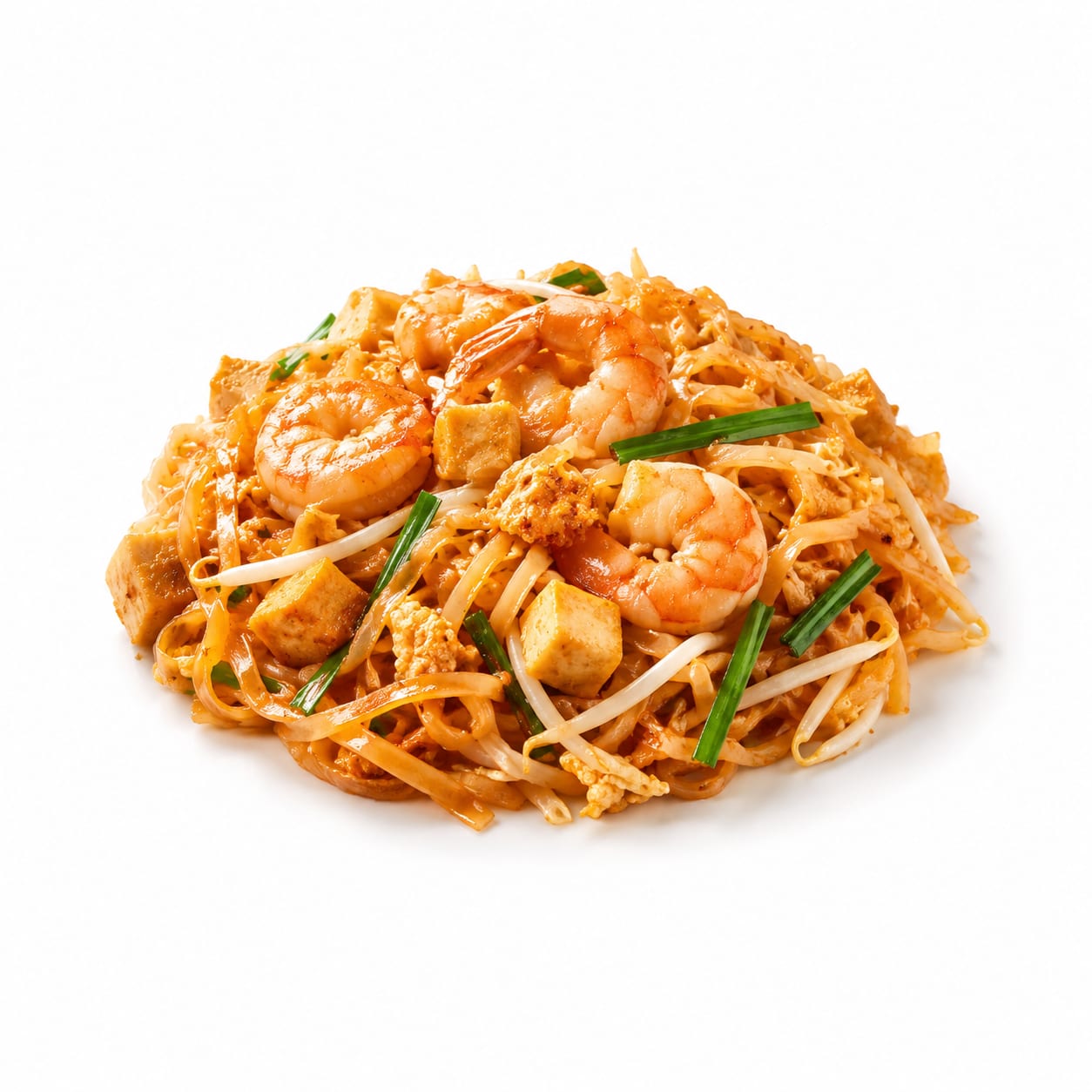
Compare with
Pad Thai
Pad Thai uses rice noodles and is stir-fried with high-sugar tamarind sauce, whereas bibimbap uses steamed rice and gochujang.
Bibimbap is lower in sugar and unhealthy fats than Pad Thai, offering better nutrient density and blood sugar control.
This food
Bibimbap
VS80% alike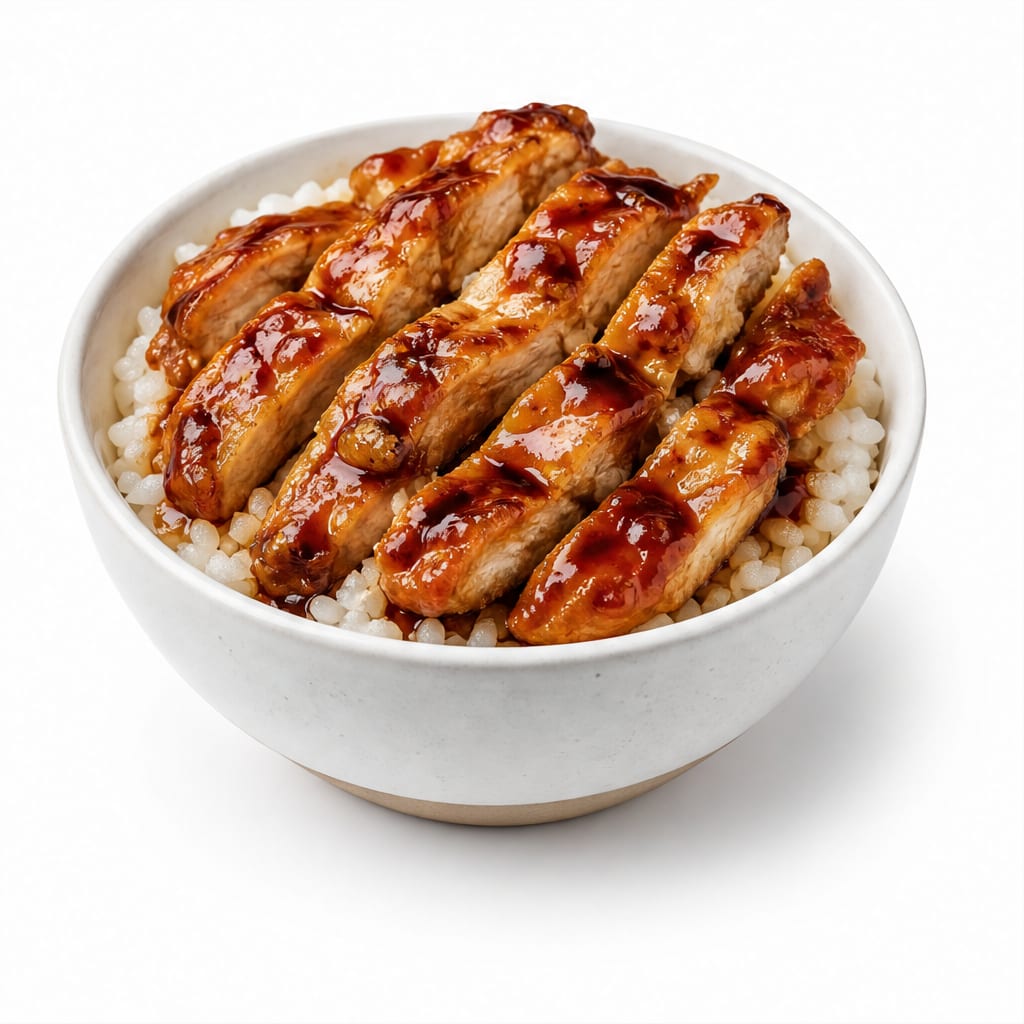
Compare with
Chicken Teriyaki Bowl
Teriyaki bowls often use heavily sweetened store-bought sauces, while bibimbap's gochujang offers more complex micronutrients and fermentation benefits.
Bibimbap provides more vegetable diversity and less refined sugar than a typical chicken teriyaki bowl.
This food
Bibimbap
VS65% alike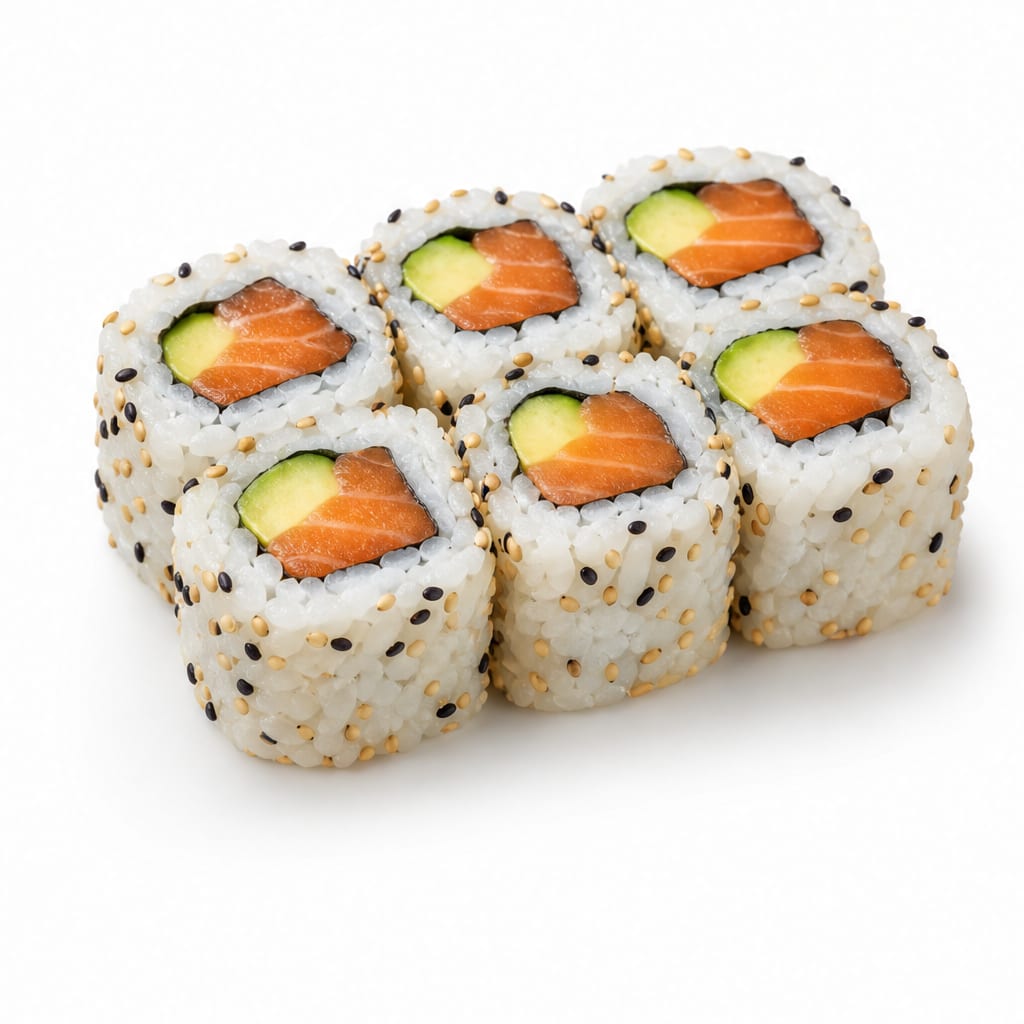
Compare with
Sushi Roll
Sushi uses vinegared rice and raw fish, while bibimbap uses plain steamed rice with cooked vegetables and gochujang.
Bibimbap offers more protein and satiety from beef and egg, while sushi rolls are lower in calories and fat.
This food
Bibimbap
VS60% alike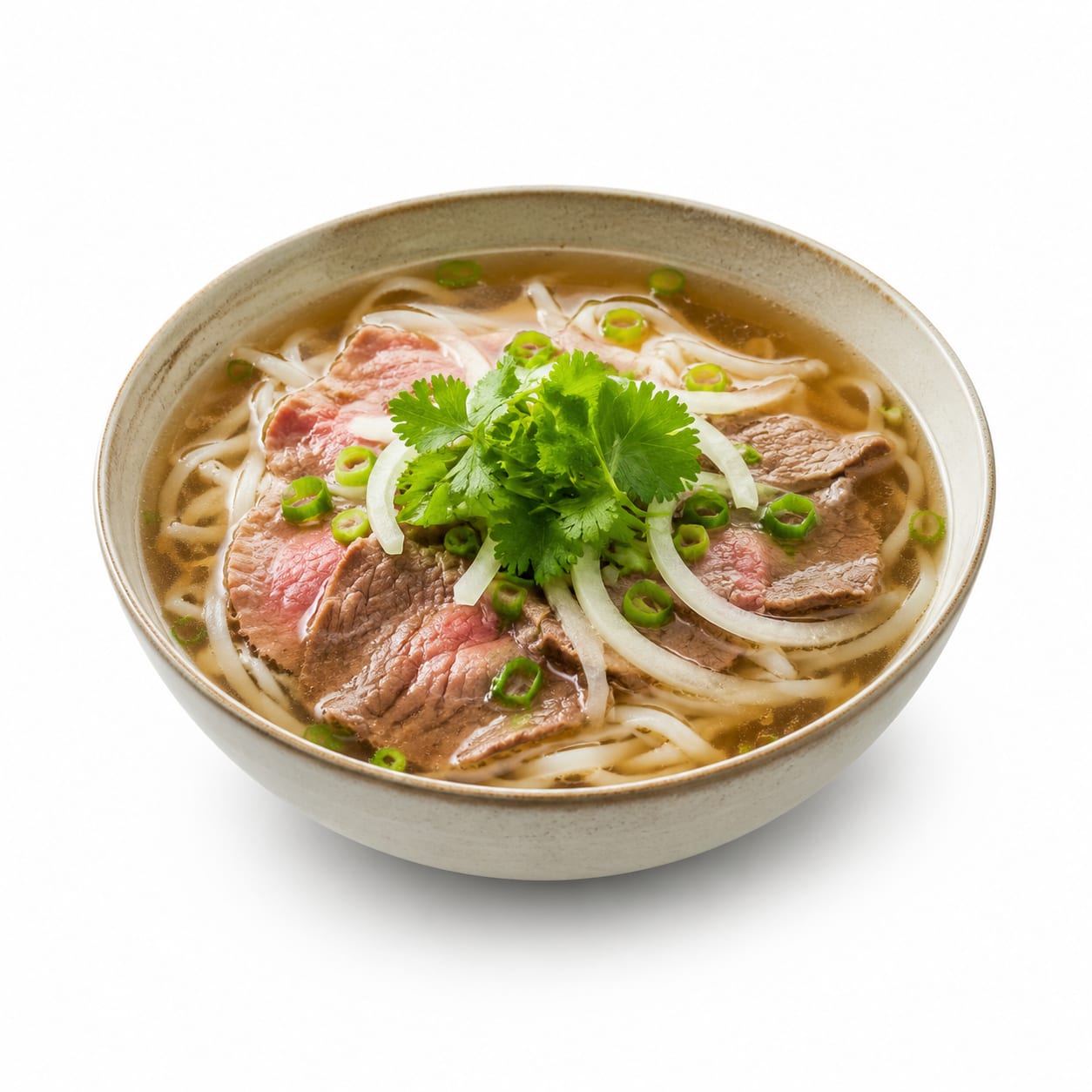
Compare with
Pho
Pho is a broth-based soup with rice noodles, while bibimbap is a dry rice bowl with heavier toppings.
Pho is lower in calories and easier on blood sugar due to the broth base, while bibimbap provides more solid food volume and protein for satiety.
This food
Bibimbap
VS70% alike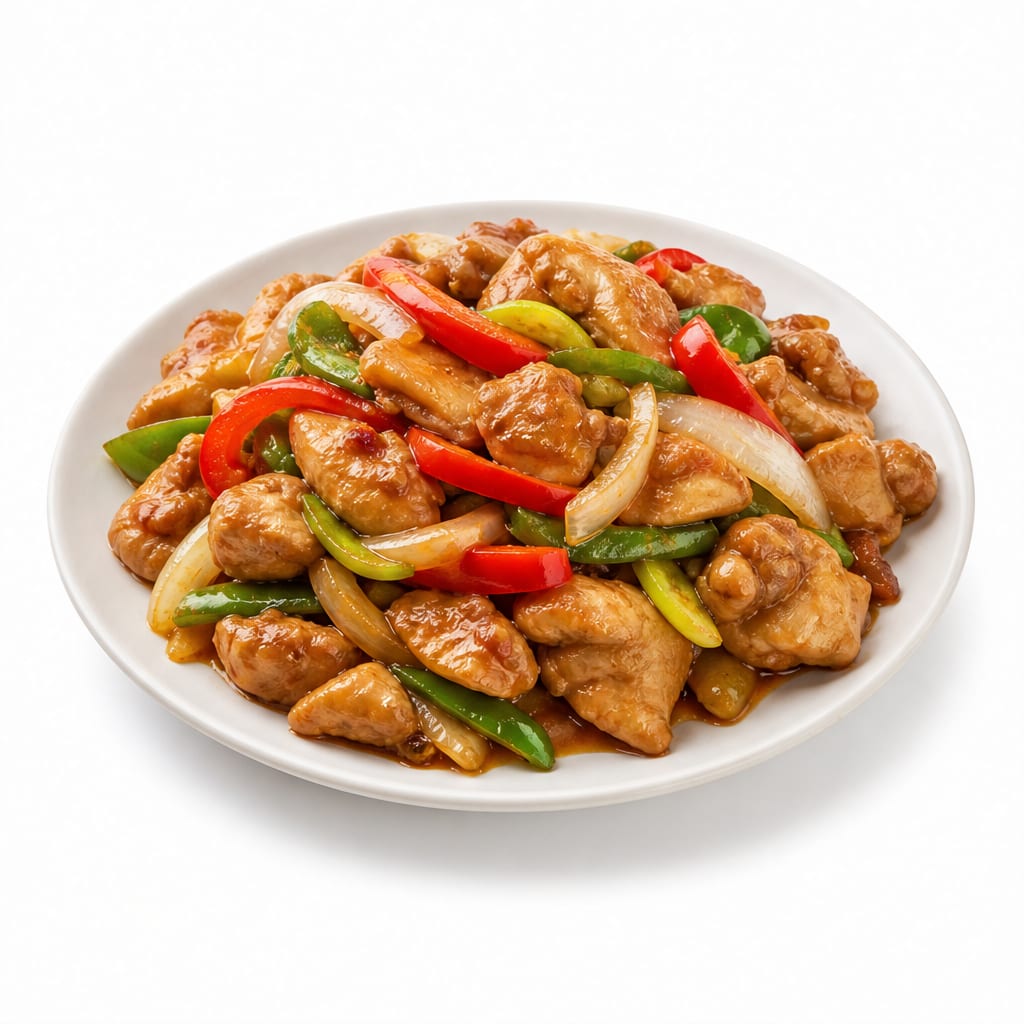
Compare with
Chicken Stir-Fry
Stir-fry is cooked entirely in a wok with oil, while bibimbap components are mostly steamed or lightly sautéed.
Bibimbap typically uses less cooking oil than a chicken stir-fry, resulting in fewer calories, while offering similar protein benefits.
This food
Bibimbap
VS55% alike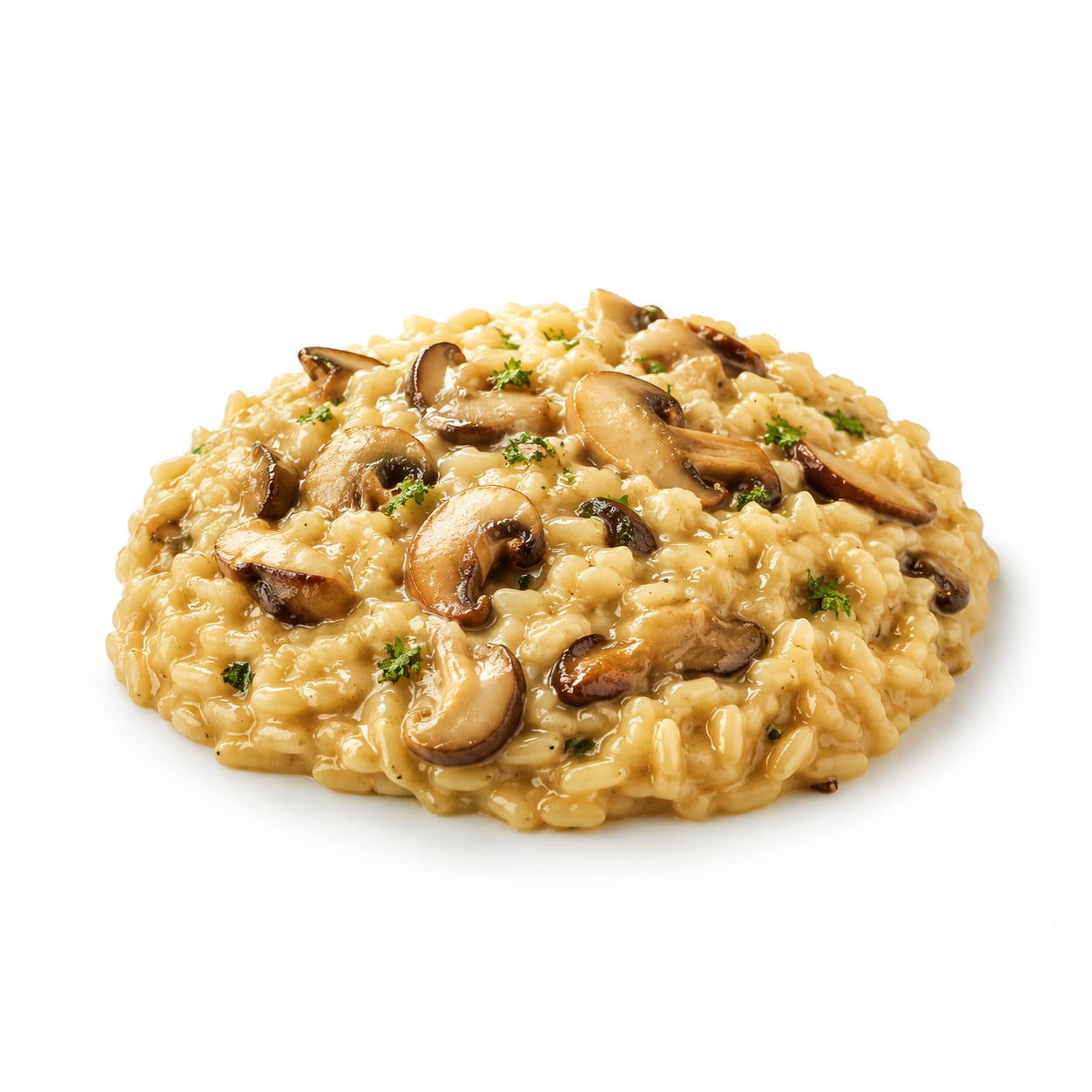
Compare with
Risotto
Risotto relies on butter, cheese, and arborio rice, while bibimbap uses sesame oil, vegetables, and gochujang.
Bibimbap is lower in saturated fat and higher in vegetable nutrients than risotto, making it the healthier choice for weight loss.
This food
Bibimbap
VS75% alike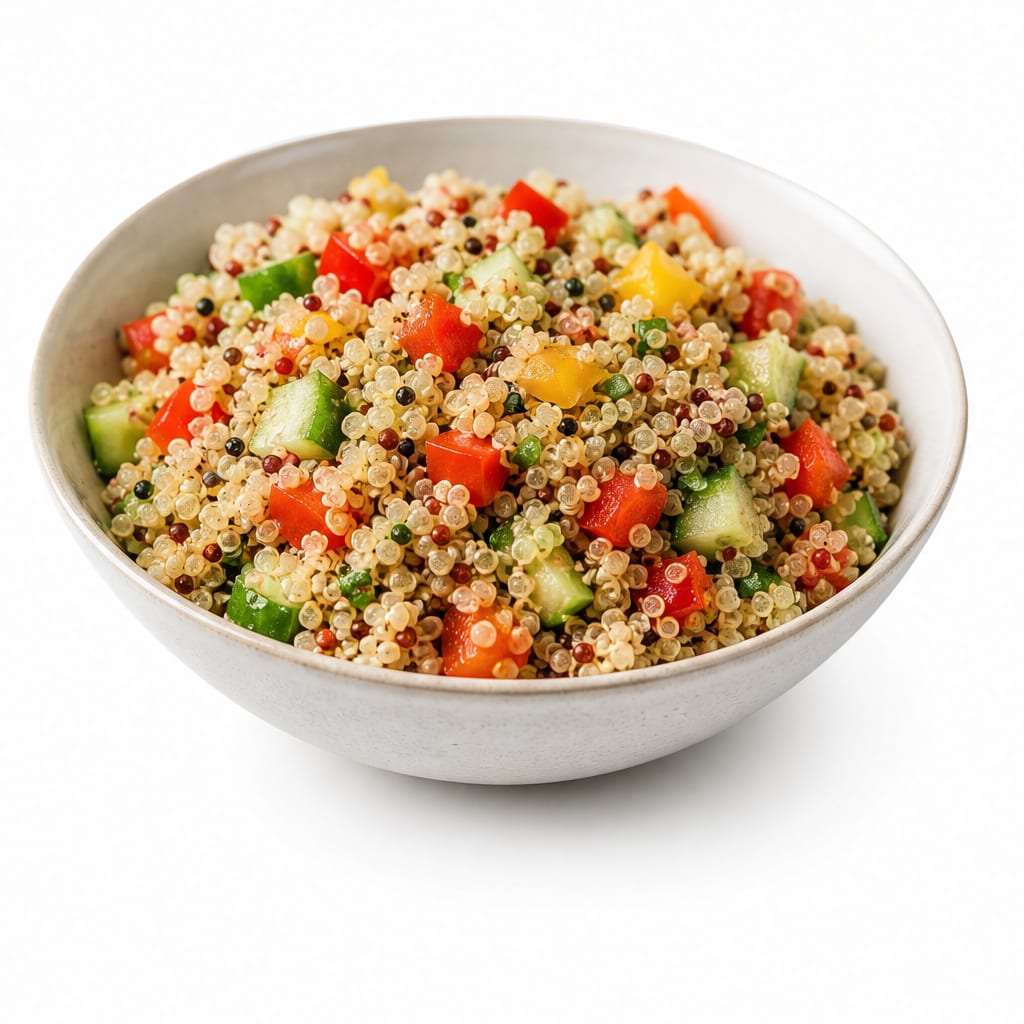
Compare with
Quinoa Bowl
Quinoa bowls replace white rice with a high-protein whole grain, significantly improving the fiber and protein content.
A quinoa bowl beats bibimbap for blood sugar control and protein, but bibimbap offers better post-workout fast carbs and unique fermented gut benefits.
Common questions
FAQ
Answers aligned with how people search for this food.
Is bibimbap good for weight loss?
Traditional bibimbap can be high in calories and carbs due to the white rice and oil. For weight loss, request less rice, extra vegetables, and sauce on the side.
How many calories are in a bowl of bibimbap?
A standard restaurant bowl of bibimbap contains roughly 500 to 700 calories, depending on the amount of rice, meat, and oil used.
Is bibimbap high in carbs?
Yes, bibimbap is high in carbohydrates because the base is predominantly white steamed rice, contributing to a high glycemic load.
Can diabetics eat bibimbap?
Traditional bibimbap with white rice can spike blood sugar. Diabetics should opt for brown rice or cauliflower rice and use gochujang sparingly due to its sugar content.
Is bibimbap a good post-workout meal?
Yes, the combination of fast-digesting carbs from rice and protein from beef and egg makes it an excellent meal for muscle recovery and glycogen replenishment.
Why is bibimbap so high in sodium?
The high sodium content comes from the gochujang sauce, soy sauce used to marinate the meat, and salted vegetables like bean sprouts and spinach.
Is dolsot bibimbap healthier than regular bibimbap?
Nutritionally they are similar, but dolsot bibimbap cooked in a hot stone bowl may have slightly more calories due to the sesame oil crisping the rice.
Is the raw egg in bibimbap safe to eat?
Traditional bibimbap often uses a raw or sunny-side-up egg. To minimize risk of salmonella, use pasteurized eggs or ensure the egg is fully cooked by mixing it into the hot rice.
Transparency
Data confidence
Estimated confidence for nutrition data, interpretation, safety notes, and comparisons.
Nutrition data
Health analysis
Food safety
Comparisons