
Nutrition comparison
Bibimbap vs Chicken Teriyaki Bowl: Which Rice Bowl Is Healthier?
Compare Bibimbap and Chicken Teriyaki Bowl on nutrition, sugar, protein, and meal prep practicality. Find out which bowl fits your health goals better.
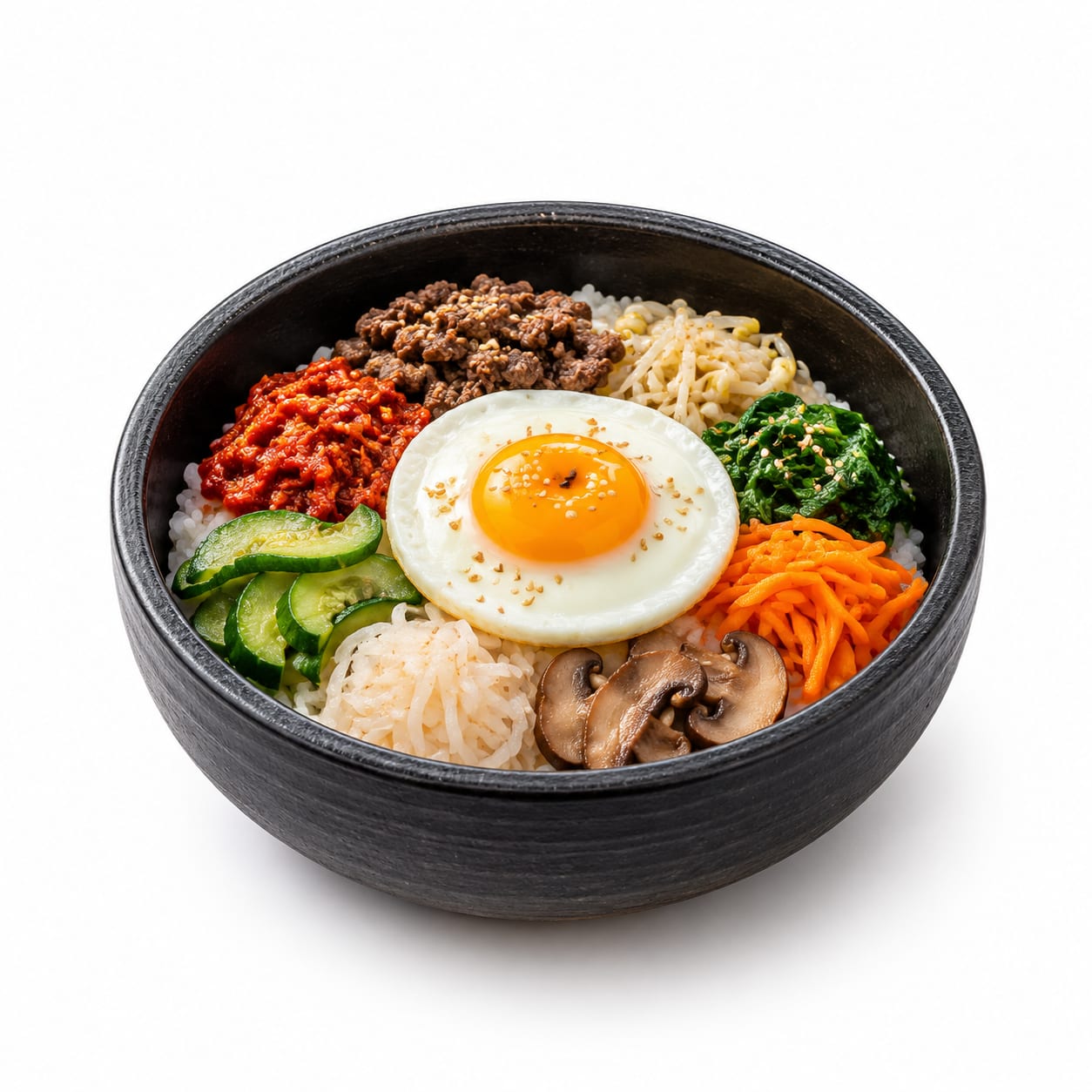
Bibimbap
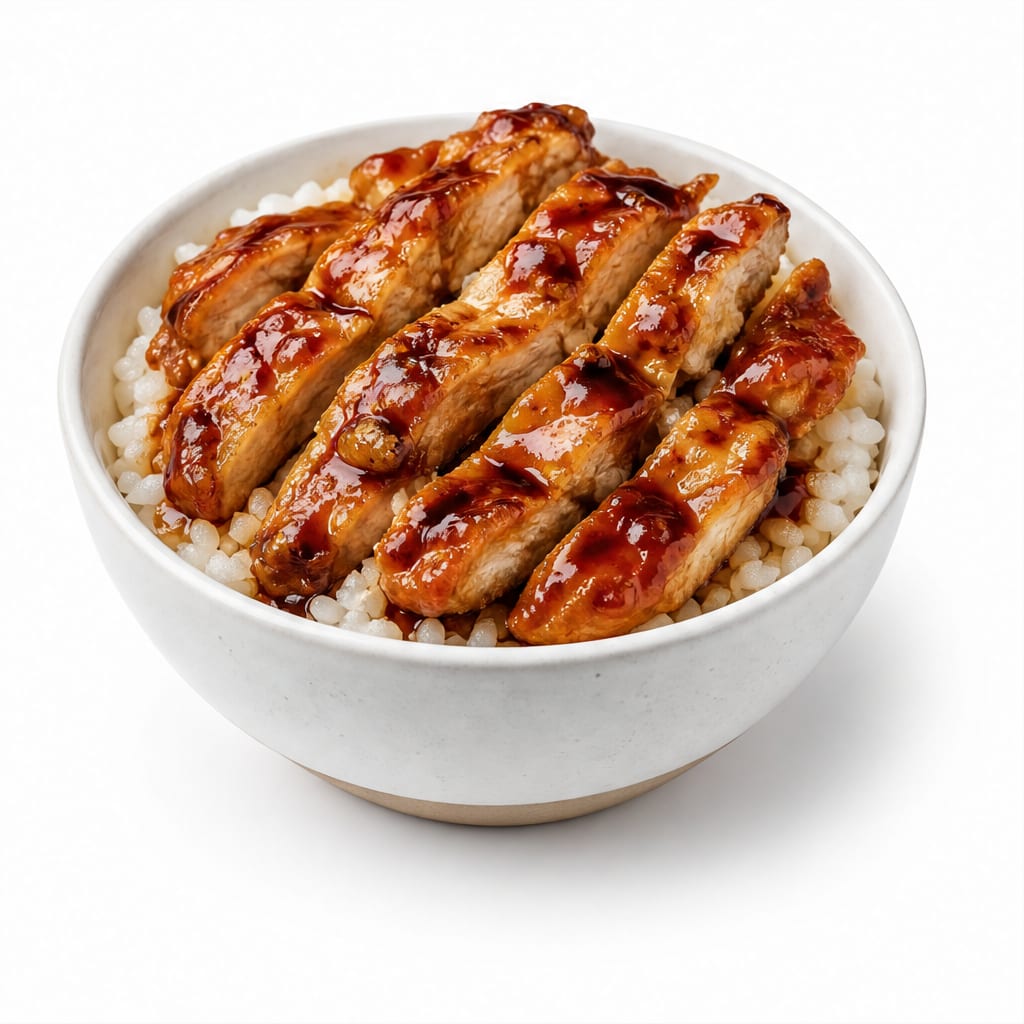
Chicken Teriyaki Bowl
Bibimbap wins on nutrient diversity and vegetable intake, while Chicken Teriyaki Bowl delivers more reliable protein with simpler prep. Your goal determines the winner.
Bibimbap scores higher due to superior vegetable diversity, fermented sauce benefits, and broader micronutrient coverage. Chicken Teriyaki Bowl remains competitive through reliable protein content and practical convenience, but its higher sugar load and limited veggie variety create a meaningful gap.
Colorful micronutrient variety versus consistent lean protein — Bibimbap feeds your cells more broadly, Chicken Teriyaki Bowl fuels your muscles more directly.
At a glance
Executive summary
Overall
It depends
Healthier
Bibimbap
More practical
Chicken Teriyaki Bowl
Daily use
It depends
Key comparison lenses
vegetable diversity and micronutrient intake
Bibimbap typically includes 5-7 different vegetables while Chicken Teriyaki Bowl often has minimal veggie coverage
sugar and sodium load from sauces
Teriyaki sauce is significantly higher in sugar than gochujang, while both carry substantial sodium
protein quality and satiety
Chicken Teriyaki Bowl delivers more consistent lean protein, while Bibimbap's protein depends heavily on whether egg or meat is included
meal sustainability and blood sugar stability
Both are rice-based bowls that can spike blood sugar, but fiber and fat content differences affect how long you stay full
processing and additive exposure
Commercial teriyaki sauce often contains more additives and preservatives than traditional gochujang
Best choice for
Bibimbap
- People prioritizing vegetable intake and micronutrient diversity
- Those wanting fermented food benefits from gochujang
- Anyone eating for gut health and phytonutrient variety
- Vegetarians who skip the egg or meat add-on
Chicken Teriyaki Bowl
- Athletes and gym-goers needing reliable lean protein
- People meal-prepping for the week who want simplicity
- Anyone recovering from illness needing easy-to-digest protein
- Those who find vegetable-heavy meals hard to finish
Least suitable for
Bibimbap
- People strictly limiting sodium intake
- Anyone avoiding white rice for blood sugar reasons
- Those who find complex meals overwhelming to prepare
Chicken Teriyaki Bowl
- People managing sugar intake or insulin resistance
- Anyone seeking diverse micronutrient coverage from one meal
- Those sensitive to high-sodium sauces
Deep comparison
Dimension by dimension
Each lens scores both foods and breaks down who each option suits.
- Dimension 1 · Priority 92Bibimbap
Vegetable Diversity & Micronutrients
Bibimbap · 91Chicken Teriyaki Bowl · 42Bibimbap typically stacks 5-7 different vegetables — spinach, bean sprouts, carrots, zucchini, mushrooms, fernbrake — delivering a wide spectrum of vitamins, minerals, and antioxidants. Chicken Teriyaki Bowl often includes just broccoli or a simple mixed veggie medley.
Tradeoff
You gain far more phytonutrient variety with Bibimbap, but preparation time and ingredient shopping become significantly more demanding.
Why it matters
Different colored vegetables provide different antioxidants. A bowl with six vegetables can cover more cellular defense pathways than a bowl with one or two.
Real-world impact
Eating Bibimbap regularly means you are likely hitting more of your micronutrient needs without supplements. Chicken Teriyaki Bowl leaves gaps you need to fill elsewhere.
Bibimbap
- Meeting daily vegetable variety goals in one meal
- Getting diverse antioxidants from multiple color families
- Supporting gut microbiome diversity through different plant fibers
Better for
- Grocery bills increase with many fresh vegetables
- Prep time can exceed 40 minutes for all components
Worse for
Chicken Teriyaki Bowl
- Keeping meals simple when vegetable prep feels overwhelming
- Avoiding food waste when you cannot finish multiple veggie sides
Better for
- Risk of micronutrient gaps if this is your default lunch
- Less fiber variety for gut bacteria
Worse for
- Dimension 2 · Priority 85Chicken Teriyaki Bowl
Protein Quality & Satiety
Bibimbap · 58Chicken Teriyaki Bowl · 82Chicken Teriyaki Bowl delivers consistent, high-quality complete protein from chicken breast. Bibimbap's protein depends on whether you add egg or beef — without it, you get minimal protein from vegetables and rice alone.
Tradeoff
Chicken Teriyaki Bowl keeps you fuller longer through reliable protein content, while Bibimbap without added protein can leave you hungry within two hours despite feeling initially full from volume.
Why it matters
Protein is the most satiating macronutrient. Meals below 20g protein often trigger earlier snacking and overeating later in the day.
Real-world impact
After a Chicken Teriyaki Bowl, you are more likely to make it to your next meal without reaching for snacks. After a vegetable-only Bibimbap, the 3pm energy crash and cravings are real.
Bibimbap
- When Bibimbap includes egg and beef for complete protein
- Providing a broader amino acid profile when multiple protein sources are combined
Better for
- Protein content varies wildly depending on preparation
- Vegetable-only versions may deliver under 10g protein
Worse for
Chicken Teriyaki Bowl
- Consistent 25-35g protein per serving from chicken breast
- More reliable fullness that reduces between-meal snacking
- Better post-workout recovery fuel
Better for
- Chicken breast can feel dry and less satisfying than mixed textures
Worse for
- Dimension 3 · Priority 88Bibimbap
Sugar & Sauce Impact
Bibimbap · 68Chicken Teriyaki Bowl · 45Teriyaki sauce is built on sugar, mirin, and soy sauce — a single serving can contain 15-25g of added sugar. Gochujang has some sugar but far less per typical serving, and its fermented nature provides beneficial compounds.
Tradeoff
Bibimbap's sauce adds flavor with less metabolic cost. Chicken Teriyaki Bowl's sauce satisfies sweet cravings but creates a sharper blood sugar spike on top of the white rice base.
Why it matters
Added sugar on top of white rice creates a double glucose hit. This combination can trigger energy crashes and increase cravings within 90 minutes.
Real-world impact
That post-lunch energy dip hits harder and sooner after a Chicken Teriyaki Bowl. Bibimbap with gochujang provides steadier energy, though neither is ideal for strict blood sugar management.
Bibimbap
- Lower added sugar per serving with gochujang
- Fermented compounds in gochujang may support gut health
- Less likely to trigger sugar cravings later in the day
Better for
- Gochujang still contains some sugar and significant sodium
Worse for
Chicken Teriyaki Bowl
- Teriyaki's sweetness can satisfy cravings without turning to dessert
Better for
- Teriyaki sauce can deliver 15-25g added sugar per bowl
- Combined with white rice, creates a steep glucose curve
- Commercial teriyaki sauces often include corn syrup and preservatives
Worse for
- Dimension 4 · Priority 78It depends
Sodium Load
Bibimbap · 52Chicken Teriyaki Bowl · 48Both bowls are sodium-heavy. Bibimbap gets sodium from gochujang, soy sauce, and salted vegetables. Chicken Teriyaki Bowl loads sodium through teriyaki sauce and soy sauce. Neither is low-sodium.
Tradeoff
The sodium difference is marginal — both land in the 800-1500mg range per bowl. Choosing between them on sodium alone is not meaningful; portion control of sauce matters more.
Why it matters
Regular high-sodium meals contribute to blood pressure issues over time, especially for salt-sensitive individuals.
Real-world impact
If you have hypertension or are sodium-sensitive, both bowls require sauce modification. Asking for sauce on the side cuts sodium by 30-40% for either option.
Bibimbap
- Slightly more control over sodium since gochujang is added separately
- Sesame oil can replace some salty flavor with nutty richness
Better for
- Traditional salted fermented vegetables add hidden sodium
Worse for
Chicken Teriyaki Bowl
- Grilled chicken itself is low-sodium before sauce is added
- Easier to request light teriyaki and still have a flavorful meal
Better for
- Teriyaki sauce soaks into rice, making sodium reduction harder
Worse for
- Dimension 5 · Priority 75Chicken Teriyaki Bowl
Practicality & Meal Prep
Bibimbap · 45Chicken Teriyaki Bowl · 84Chicken Teriyaki Bowl is straightforward to batch-cook and reheat. Bibimbap requires preparing multiple vegetable components separately, making it time-intensive and less ideal for weekly meal prep.
Tradeoff
You invest more time for more nutrients with Bibimbap, or you save time and get reliable protein with Chicken Teriyaki Bowl. Convenience has a nutritional cost here.
Why it matters
The meal you actually cook consistently beats the meal that feels too complicated. Over-reliance on difficult recipes leads to ordering takeout instead.
Real-world impact
On a busy Wednesday, you are far more likely to actually make the Chicken Teriyaki Bowl. Bibimbap often becomes a weekend project or restaurant order rather than a weekday staple.
Bibimbap
- Leftover bibimbap components can be mixed into other meals throughout the week
- Visually impressive for entertaining and sharing
Better for
- Each vegetable needs separate cooking and seasoning
- Multiple components create more dishes to wash
- Reheated vegetables can lose texture and appeal
Worse for
Chicken Teriyaki Bowl
- One-pan chicken and simple rice preparation
- Reheats well without texture degradation
- Fewer ingredients to shop for and store
- Easy to scale for family meal prep
Better for
- Repetitive flavor profile can lead to meal fatigue over time
Worse for
- Dimension 6 · Priority 80Bibimbap
Blood Sugar Stability
Bibimbap · 55Chicken Teriyaki Bowl · 40Both bowls are white rice-based, which means a significant glucose spike is inevitable. However, Bibimbap's higher fiber and fat content from vegetables and sesame oil slows absorption somewhat. Chicken Teriyaki Bowl's sugar-laden sauce accelerates it.
Tradeoff
Neither bowl is blood sugar-friendly, but Bibimbap creates a slightly gentler curve. The real solution for both is swapping to brown rice or cauliflower rice.
Why it matters
White rice plus sweet sauce is essentially a glucose delivery system. For prediabetics or anyone monitoring energy stability, both need modification.
Real-world impact
After either bowl, you may feel sleepy or sluggish within an hour if you are sensitive to carbs. Bibimbap's vegetables take the edge off slightly, but the difference is modest.
Bibimbap
- More fiber from diverse vegetables slows glucose absorption
- Healthy fats from sesame oil further moderate the spike
- Gochujang has less sugar than teriyaki sauce
Better for
- White rice base still delivers a significant glucose load
- Without protein add-ons, blood sugar crashes are likely
Worse for
Chicken Teriyaki Bowl
- Higher protein content helps stabilize blood sugar after the initial spike
Better for
- Teriyaki sugar plus white rice creates a steep double glucose hit
- Lower fiber means faster absorption and sharper spike
Worse for
Timeline
Health impact over time
Short-term
Hours to days
Bibimbap
- Steadier energy compared to sugar-sauced alternatives due to fiber and fat content
- Possible bloating from large vegetable volume if you are not used to high-fiber meals
- Satisfaction from diverse textures and flavors reduces desire to snack
Chicken Teriyaki Bowl
- Stronger post-meal energy dip from combined sugar and white rice
- Reliable protein keeps hunger away for 3-4 hours
- Sodium may cause noticeable thirst and mild water retention
Long-term
Months to years
Bibimbap
- Better micronutrient status from consistent vegetable diversity
- Fermented gochujang may support gut microbiome health over time
- High sodium intake remains a concern for blood pressure if eaten frequently
Chicken Teriyaki Bowl
- Consistent protein intake supports muscle maintenance and metabolic health
- Higher sugar exposure from teriyaki sauce may contribute to insulin resistance with frequent consumption
- Limited vegetable variety could create micronutrient gaps if this is your default meal
Risk profile
Safety & processing
Traditional Bibimbap uses whole vegetables, rice, egg, and fermented gochujang — all recognizable ingredients with minimal processing. Chicken Teriyaki Bowl's processing level depends heavily on the teriyaki sauce; commercial versions often contain corn syrup, caramel color, and preservatives that push it into more processed territory.
Bibimbap
Foodborne illness from raw egg
mediumTraditional Bibimbap sometimes includes a raw or lightly cooked egg. Using a fully fried egg eliminates this risk.
Bacterial growth in fermented condiments
lowProperly stored gochujang is safe, but homemade versions without adequate salt or refrigeration can harbor harmful bacteria.
Chicken Teriyaki Bowl
Undercooked chicken
highChicken must reach 165°F internally. Restaurant preparation is generally reliable, but home cooks sometimes undercook thicker pieces.
Preservatives in commercial teriyaki sauce
lowSome bottled teriyaki sauces contain sodium benzoate and artificial preservatives. Making sauce from scratch avoids this entirely.
Who wins for whom
Audience fit
Same foods, different winners depending on your goal.
children
Chicken Teriyaki BowlKids generally prefer the simpler, sweeter flavor profile of teriyaki chicken. Bibimbap's spicy gochujang and mixed vegetable textures can be a hard sell for picky eaters.
daily consumption
It dependsChicken Teriyaki Bowl is easier to prepare daily but its sugar content makes daily consumption risky. Bibimbap offers better daily nutrition but requires more effort. Rotating between both is the smartest approach.
diabetes
BibimbapBibimbap's higher fiber and lower sugar sauce create a gentler blood sugar response. Both need brown rice substitution to be truly appropriate for diabetes management.
elderly
BibimbapBibimbap's softer cooked vegetables and diverse nutrients support aging bodies better. The fermented gochujang may also aid digestion, though sodium should be monitored.
muscle gain
Chicken Teriyaki BowlChicken Teriyaki Bowl delivers more consistent, complete protein per serving. Bibimbap can match it only when loaded with beef and egg, which also adds saturated fat.
weight loss
It dependsBibimbap with less rice and no added meat is lower in calories, but Chicken Teriyaki Bowl's higher protein content preserves muscle and controls hunger better during a deficit. Choose based on which strategy works for your eating style.
Your move
Decision guide
Choose Bibimbap
- You want to maximize vegetable and micronutrient intake in a single meal
- You value fermented food benefits and gut health
- You are comfortable with longer prep times or ordering at restaurants
- Blood sugar stability matters more to you than maximum protein
Choose Chicken Teriyaki Bowl
- You need reliable lean protein after workouts or for muscle maintenance
- Meal prep convenience is a top priority for your schedule
- You prefer simpler flavor profiles and sweeter sauces
- You are feeding kids or picky eaters who resist mixed vegetables
Either works if
- You are ordering at a restaurant that makes both well
- You plan to modify the rice base to brown rice or cauliflower rice
- You will control sauce portions by asking for it on the side
Avoid both if
- You are on a strict low-sodium diet without room for sauce modifications
- You are managing diabetes and cannot swap the white rice base
- You are following a low-carb or ketogenic eating plan
Final recommendation
Choose Bibimbap when nutrient density and vegetable variety are your priorities. Choose Chicken Teriyaki Bowl when protein reliability and convenience matter more. For the best of both worlds, add extra chicken to Bibimbap or load more vegetables into your Chicken Teriyaki Bowl. Either way, swapping white rice for brown rice and controlling sauce portions transforms both options from decent to genuinely healthy.
Practical
Consumer tips
- 1
Ask for sauce on the side at restaurants — you will likely use half what they normally pour, cutting sugar and sodium significantly
- 2
Swap white rice for brown rice at either bowl to improve blood sugar response and add fiber
- 3
Add extra vegetables to Chicken Teriyaki Bowl to close the micronutrient gap with Bibimbap
- 4
Make teriyaki sauce at home with reduced sugar — you can cut added sugar by 60% while keeping the flavor
- 5
If making Bibimbap for meal prep, prepare all vegetables on Sunday and assemble bowls throughout the week
- 6
Choose a fully cooked egg over raw egg in Bibimbap to eliminate food safety concerns without losing nutrition
- 7
Use low-sodium soy sauce in either dish to reduce sodium by 30-40%