
Nutrition comparison
Bibimbap vs Pho: Which Asian Bowl Is Healthier for You?
Compare Bibimbap and Pho nutrition, calories, sodium, and health impact. Discover which Korean rice bowl or Vietnamese soup fits your diet goals better.
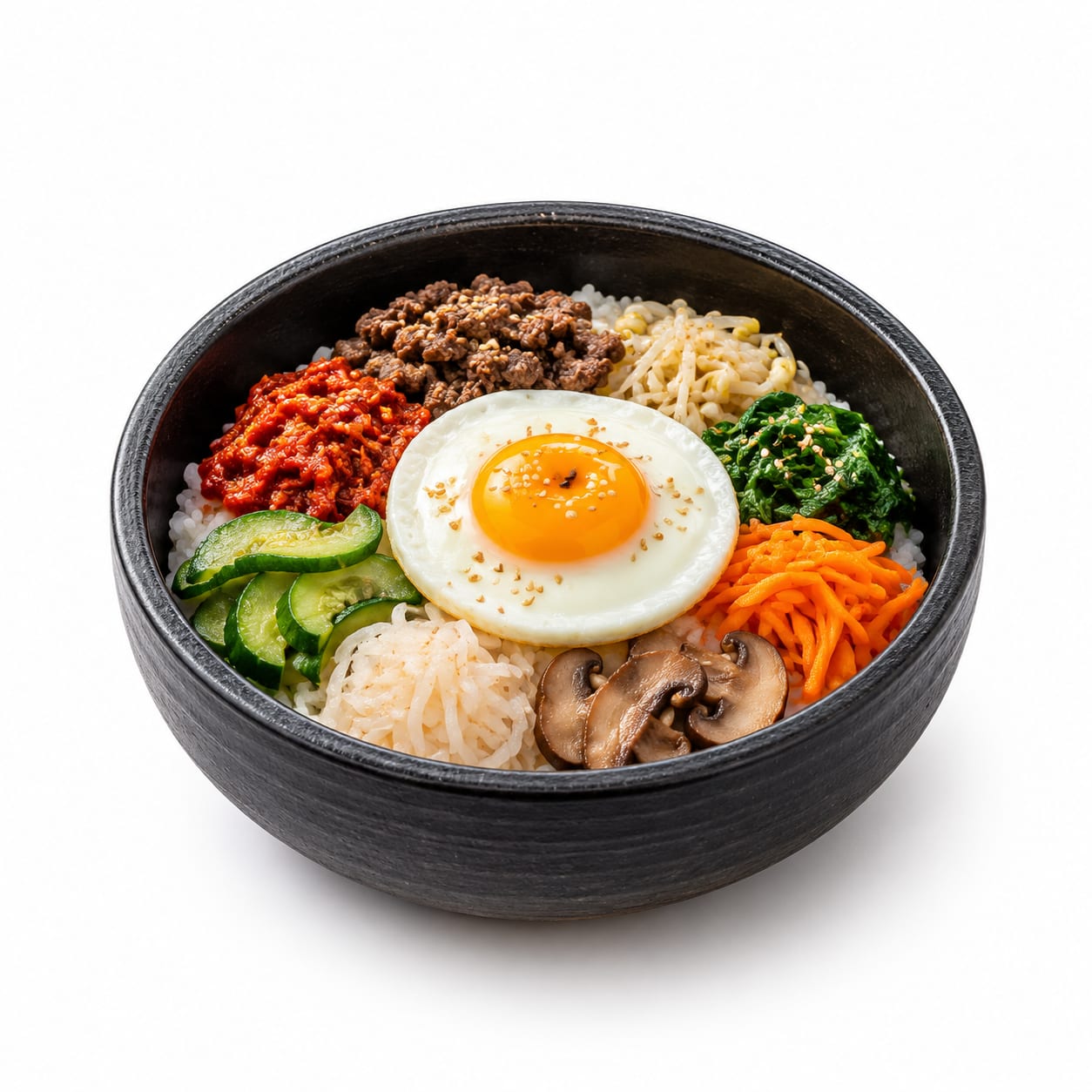
Bibimbap
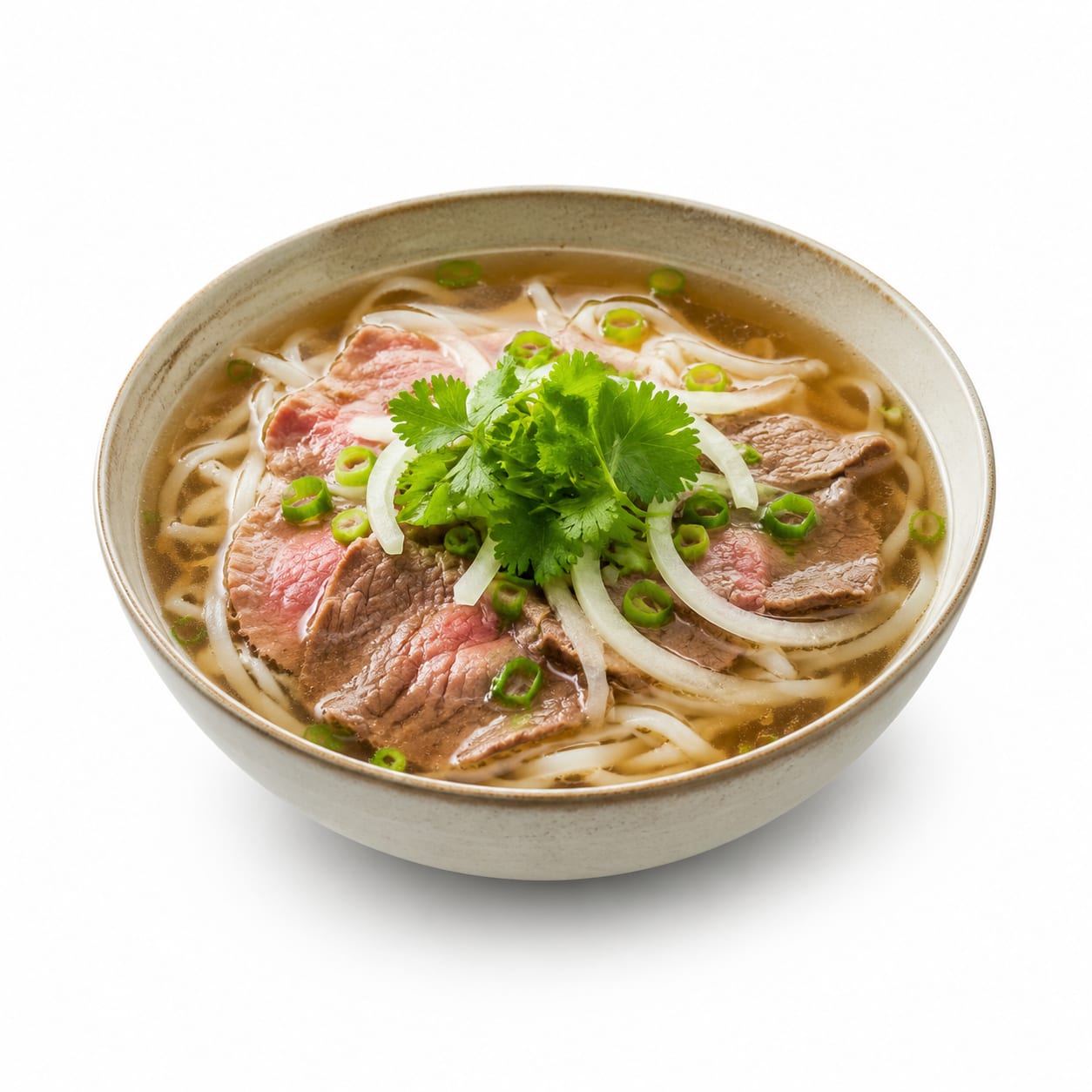
Pho
Pho is lighter and easier on digestion, while Bibimbap delivers more nutrients and staying power. Your pick depends on whether you want comfort in a bowl or fuel on a plate.
Pho edges ahead mainly through lower calorie density and easier digestion, but Bibimbap's superior nutrient variety and satiety keep it competitive. The small gap reflects that both are solid choices with different strengths.
Bibimbap fills you longer with more protein and veggies, but Pho keeps you lighter and more hydrated with less calorie density.
At a glance
Executive summary
Overall
It depends
Healthier
It depends
More practical
Pho
Daily use
Pho
Key comparison lenses
comfort food comparison for Asian cuisine lovers
Both are iconic comfort dishes, so taste satisfaction and emotional eating compatibility matter deeply
weight management and calorie awareness
Bibimbap is rice-heavy and calorie-dense while Pho is broth-based and lighter, creating a clear weight-related tradeoff
sodium and heart health concerns
Both dishes can be sodium bombs from different sources—gochujang and soy in Bibimbap, broth in Pho
digestive comfort and gut friendliness
Pho's warm broth soothes the stomach while Bibimbap's spice and mixed textures can challenge sensitive digestion
blood sugar stability
Both rely on refined carbs—white rice versus rice noodles—making glycemic impact a key concern
Best choice for
Bibimbap
- Active people needing sustained energy
- Anyone wanting a complete balanced meal in one bowl
- Those who struggle with hunger between meals
- Vegetable lovers wanting variety in every bite
- Post-workout recovery meals
Pho
- Weight-conscious eaters wanting big portions without big calories
- People with sensitive stomachs or digestive issues
- Anyone feeling under the weather or needing hydration
- Light lunch seekers who hate afternoon food comas
- Cold-weather comfort without heaviness
Least suitable for
Bibimbap
- People watching their calorie intake closely
- Anyone on a low-sodium diet unless modified
- Those who get sleepy after carb-heavy meals
- People with spicy food sensitivity
Pho
- Athletes needing calorie-dense recovery meals
- People who find soup unsatisfying as a standalone meal
- Anyone avoiding high-sodium restaurant broths
- Those needing long-lasting satiety from protein and fat
Deep comparison
Dimension by dimension
Each lens scores both foods and breaks down who each option suits.
- Dimension 1 · Priority 92Pho
Calorie Density and Satiety
Bibimbap · 55Pho · 78Bibimbap packs more calories per bowl due to rice, oil, egg, and meat, while Pho's broth fills volume with minimal calories.
Tradeoff
Bibimbap keeps you full longer but at a higher caloric cost. Pho lets you eat a large portion for fewer calories but hunger returns sooner.
Why it matters
If you're watching portions without feeling deprived, Pho gives you more food volume per calorie. If you need one meal to carry you through hours of work, Bibimbap has more staying power.
Real-world impact
A typical Bibimbap runs 600-900 calories. A large Pho sits around 350-500 calories. That difference decides whether you need a snack by 3pm or coast to dinner.
Bibimbap
- Long workdays without meal breaks
- Active individuals burning through calories
- Anyone tired of feeling hungry an hour after eating
Better for
- Sedentary office workers eating at their desk
- Anyone tracking calories closely
- Late dinners close to bedtime
Worse for
Pho
- Weight loss or maintenance phases
- Big eaters who want large portions
- People who feel uncomfortably stuffed after heavy meals
Better for
- Growing teenagers needing calorie density
- Endurance athletes refueling after training
- Anyone who finds soup alone unsatisfying
Worse for
- Dimension 2 · Priority 85It depends
Sodium Load
Bibimbap · 45Pho · 42Both dishes are sodium landmines. Bibimbap gets it from gochujang, soy sauce, and seasoned vegetables. Pho gets it from long-simmered broth.
Tradeoff
Neither wins here. Bibimbap's sodium is more concentrated in the sauce, so you can control it by using less. Pho's sodium permeates the entire broth, harder to reduce without sacrificing flavor.
Why it matters
A single bowl of either can deliver 1500-3000mg of sodium. That's your entire daily limit in one meal if you have blood pressure concerns.
Real-world impact
If you're salt-sensitive, both require modification. Asking for sauce on the side for Bibimbap or broth on the side for Pho can cut sodium by 30-40%.
Bibimbap
- People willing to control sauce portions manually
- Home cooks who can reduce gochujang amount
Better for
- Anyone who mixes all the sauce in automatically
- People unaware that gochujang is sodium-dense
Worse for
Pho
- Those who can sip broth sparingly and eat mostly noodles and toppings
- People who make broth from scratch with less salt
Better for
- Broth lovers who drink every drop
- People with hypertension eating at restaurants
Worse for
- Dimension 3 · Priority 88Bibimbap
Nutrient Diversity
Bibimbap · 85Pho · 60Bibimbap delivers a rainbow of vegetables—spinach, carrots, zucchini, bean sprouts, mushrooms—plus egg and meat. Pho offers herbs and bean sprouts but less overall variety.
Tradeoff
Bibimbap's multiple vegetable toppings provide broader micronutrient coverage. Pho's herbs add antioxidants but in smaller quantities.
Why it matters
Eating diverse plant foods feeds different gut bacteria and covers more vitamin and mineral bases. Bibimbap naturally achieves this in one bowl.
Real-world impact
A standard Bibimbap might give you 5-7 different vegetables. Pho typically offers 2-3 plant additions unless you load up on sides.
Bibimbap
- Anyone trying to eat more vegetables without thinking about it
- People who want micronutrient diversity in a single dish
- Those following the 'eat the rainbow' principle
Better for
- Restaurant versions that skimp on vegetable variety
- Dolsot Bibimbap where veggies cook down excessively
Worse for
Pho
- People who prefer getting vegetables from separate side dishes
- Anyone who adds extra herbs and sprouts generously
Better for
- Standard orders with minimal herb garnish
- People who skip the bean sprout and herb plate entirely
Worse for
- Dimension 4 · Priority 80Pho
Digestive Comfort
Bibimbap · 50Pho · 82Pho's warm broth is inherently soothing and easier to break down. Bibimbap mixes heavy rice, spice, and fat which can challenge sensitive stomachs.
Tradeoff
Pho feels like medicine when your stomach is upset. Bibimbap can feel like a heavy weight if you're already bloated or sensitive to spice.
Why it matters
If you have IBS, acid reflux, or just a delicate stomach, the difference between broth-based and rice-heavy meals is night and day.
Real-world impact
Pho is the dish Vietnamese families eat when someone is sick. Bibimbap is the dish that might cause heartburn if your gochujang tolerance is low.
Bibimbap
- People with iron stomachs who enjoy spicy food
- Those who find warm liquids unsatisfying
Better for
- Anyone with heartburn triggered by spice
- People with IBS sensitive to mixed textures and fats
Worse for
Pho
- Anyone recovering from illness
- People with acid reflux or GERD
- Those who feel bloated after heavy meals
- Mornings after a rough night
Better for
- Those who feel soup doesn't count as a real meal
- People who get hungry again within an hour
Worse for
- Dimension 5 · Priority 78It depends
Blood Sugar Impact
Bibimbap · 48Pho · 52Both are built on refined carbs—white rice in Bibimbap, rice noodles in Pho. Neither is ideal for blood sugar stability.
Tradeoff
Bibimbap's protein, fat, and fiber from vegetables slow glucose absorption somewhat. Pho's broth may slightly delay stomach emptying, but the noodles digest quickly.
Why it matters
If you're prediabetic or monitoring blood sugar, both require modification. Swapping to brown rice or adding extra protein helps Bibimbap. Choosing less noodles and more meat helps Pho.
Real-world impact
Either dish can cause an energy crash 90 minutes later if you don't balance the carbs with enough protein and fiber.
Bibimbap
- People who eat the full protein and vegetable content with the rice
- Anyone willing to request brown rice at Korean restaurants
Better for
- Anyone eating white rice in large quantities
- People who skip the vegetables and just eat rice with sauce
Worse for
Pho
- Those who eat Pho slowly, giving the body time to process
- People who add extra protein and eat fewer noodles
Better for
- Slurping noodles quickly on an empty stomach
- Anyone drinking the sugary broth-heavy portions first
Worse for
- Dimension 6 · Priority 75Pho
Hydration and Lightness
Bibimbap · 35Pho · 88Pho is essentially a hydrating meal in liquid form. Bibimbap is dense and dry by comparison, requiring you to drink water separately.
Tradeoff
Pho contributes to daily fluid intake significantly. Bibimbap can actually draw water into your gut from its sodium and dry rice content.
Why it matters
Most people are mildly dehydrated. A soup-based meal helps. A dry, salty meal can make dehydration worse.
Real-world impact
After Pho, you feel comfortably hydrated. After Bibimbap, you might reach for two glasses of water to wash it down.
Bibimbap
- Cold weather when you want warmth without liquid
- People who dislike eating soup as a meal
Better for
- People who already struggle with hydration
- Anyone eating Bibimbap without a beverage
Worse for
Pho
- Hot days when you need both food and fluids
- Post-exercise rehydration with calories
- Anyone who forgets to drink water throughout the day
Better for
- Those who find soup inconvenient to eat at their desk
- People who need portable meals
Worse for
Timeline
Health impact over time
Short-term
Hours to days
Bibimbap
- Strong satiety from combined protein, fat, and carbs
- Possible heartburn from gochujang if spice-sensitive
- Energy spike from white rice followed by moderate crash
- Thirst from higher sodium concentration in sauce
Pho
- Immediate comfort and warmth from hot broth
- Light feeling in the stomach despite full portion size
- Quick energy from rice noodles that may fade within 2 hours
- Hydration boost from broth volume
Long-term
Months to years
Bibimbap
- Better micronutrient intake if vegetable variety is maintained consistently
- Potential sodium-related blood pressure concerns with frequent consumption
- Possible weight gain if portion sizes are large and frequent
- Gut microbiome benefits from diverse vegetable fiber
Pho
- Easier weight maintenance from lower calorie density per meal
- Sodium exposure from restaurant broth could impact blood pressure over time
- Lower overall fiber intake unless supplemented with other meals
- Consistent hydration benefits from broth-based meals
Risk profile
Safety & processing
Both are traditionally made with whole ingredients, but restaurant versions differ. Bibimbap's gochujang is fermented and relatively natural. Pho broth from restaurants often contains MSG and commercial bouillon concentrates. Homemade versions of either are clean and wholesome.
Bibimbap
Undercooked egg
mediumThe fried egg on top is often served with a runny yolk, which carries salmonella risk if the egg quality is poor.
Rice holding temperature
mediumRice left at warm temperatures for extended periods can develop bacillus cereus, especially in buffet-style Bibimbap.
Pho
Raw herb contamination
mediumThe fresh basil, cilantro, and bean sprouts served with Pho are common sources of foodborne illness if not washed properly.
MSG sensitivity
lowRestaurant Pho broth often contains MSG, which can cause headaches or flushing in sensitive individuals.
Extended broth simmering
lowBones simmered for very long periods can leach small amounts of heavy metals into the broth, though this is typically minimal.
Who wins for whom
Audience fit
Same foods, different winners depending on your goal.
children
PhoPho's mild broth and soft noodles are easier for kids to eat and digest. Bibimbap's spice and mixed textures can be overwhelming for picky eaters.
daily consumption
PhoPho's lighter profile makes it more sustainable as a daily meal. Bibimbap's heaviness and calorie density make it better as an occasional hearty meal.
diabetes
It dependsNeither is ideal. Bibimbap's vegetable fiber helps slow glucose absorption, but both are built on refined carbs that spike blood sugar. Modification is essential for either.
elderly
PhoPho requires less chewing, is easier to digest, and provides hydration—all critical for older adults. Bibimbap's chewier textures and spice can be challenging.
muscle gain
BibimbapBibimbap provides more total protein from both meat and egg, plus the carbs and calories needed to support muscle recovery and growth.
weight loss
PhoPho's broth fills you up on fewer calories, making portion control feel effortless. Bibimbap's rice density adds calories quickly.
Your move
Decision guide
Choose Bibimbap
- You need a meal that carries you for 5-6 hours without snacking
- You're active and burning through calories regularly
- You want maximum vegetable variety in a single dish
- You're recovering from intense exercise and need carbs plus protein
- You find soup-based meals unsatisfying and always need something more substantial
Choose Pho
- You want comfort food that doesn't leave you stuffed and sluggish
- You're watching your weight but still want a satisfying meal
- Your stomach is sensitive or you're recovering from illness
- It's hot out and you want something that hydrates while it nourishes
- You prefer eating larger volumes of food without the calorie penalty
Either works if
- You're eating at a restaurant that makes both well and just want something delicious
- You're willing to modify either dish to fit your health goals
- You rotate meals throughout the week and want variety
Avoid both if
- You're on a strict low-sodium diet and can't control preparation
- You're avoiding refined carbohydrates entirely
- You have severe MSG sensitivity and are eating at restaurants
- You need a portable meal that doesn't require a bowl and spoon
Final recommendation
Keep Pho in your regular rotation for lighter days and Bibimbap for when you need serious fuel. If you eat either at restaurants, ask for sauce or broth on the side to control sodium, and always add extra vegetables when possible. Neither should be an everyday staple unless you're modifying them at home.
Practical
Consumer tips
- 1
Ask for Bibimbap sauce on the side and add gradually—you'll likely use less than the full portion
- 2
Request Pho broth on the side and dip noodles instead of swimming them to cut sodium by up to 40%
- 3
Add extra bean sprouts and herbs to Pho for more fiber and nutrients without significant calories
- 4
Choose brown rice Bibimbap when available—it dramatically improves blood sugar response
- 5
Skip the fried egg on Bibimbap if you're watching cholesterol, or keep it if you need the protein
- 6
Drink extra water after Bibimbap to offset the sodium and dry rice
- 7
Order small Pho instead of large—the size difference is often just more broth and noodles, not more protein
- 8
Make either at home to control sodium, oil, and carb amounts—both are surprisingly achievable for home cooks