
Nutrition comparison
Bibimbap vs Risotto: Which Rice Bowl Is Healthier?
Compare Bibimbap and Risotto on nutrition, satiety, blood sugar impact, and heart health. See which dish fits your goals better with practical tradeoff analysis.
Overall winner · Bibimbap
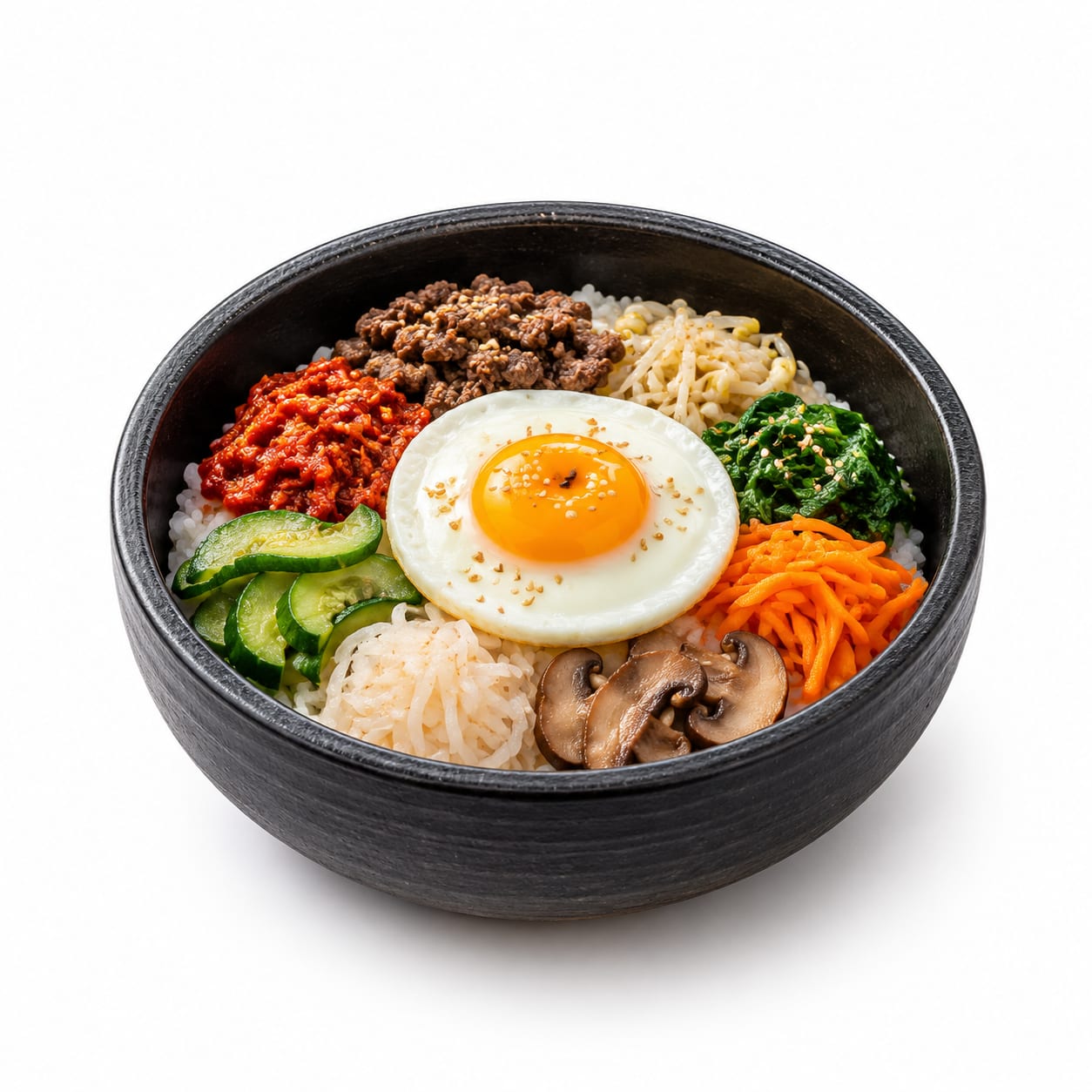
Bibimbap
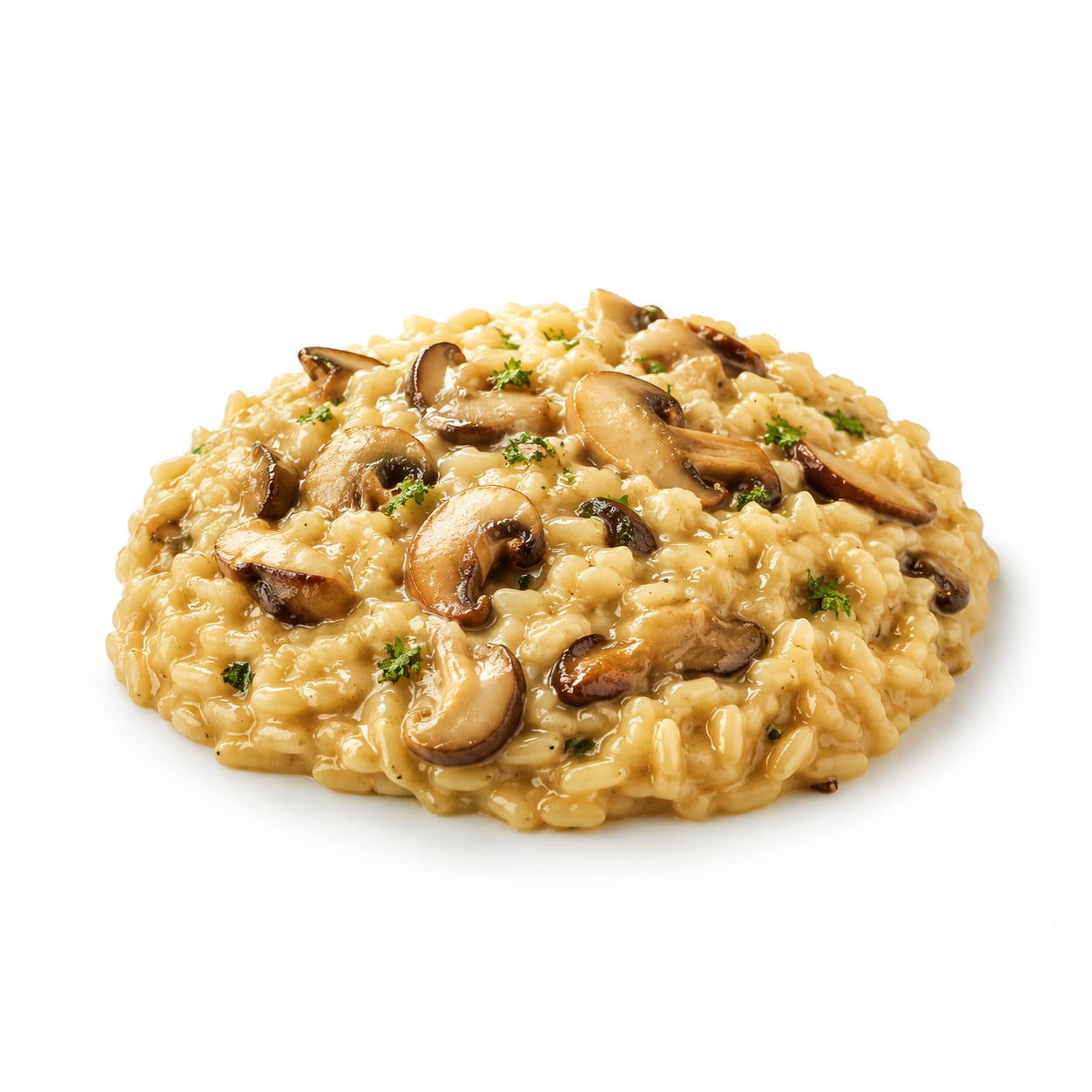
Risotto
Bibimbap offers broader nutrition and better satiety per calorie, while Risotto delivers comfort and simplicity at the cost of higher saturated fat and fewer micronutrients.
Bibimbap scores notably higher due to superior nutrient density, more protein, better fiber, and lower saturated fat. Risotto is not unhealthy in isolation but falls short on vegetables, fiber, and heart-health markers. The 18-point gap reflects meaningful nutritional differences that compound over time.
You trade the cozy, creamy indulgence of Risotto for the colorful, vegetable-packed balance of Bibimbap—and the health gap is meaningful.
At a glance
Executive summary
Overall
Bibimbap
Healthier
Bibimbap
More practical
It depends
Daily use
Bibimbap
Key comparison lenses
nutrient density and vegetable intake
Bibimbap delivers far more vegetable variety and micronutrients than typical risotto, making this the single most impactful difference
blood sugar and energy stability
Both are rice-centric dishes, but the protein, fiber, and fat composition differences significantly affect how steady your energy feels afterward
heart health and saturated fat
Risotto relies heavily on butter and Parmesan, while Bibimbap uses leaner proteins and plant-based fats
weight management and calorie density
Risotto's creaminess comes at a caloric cost, while Bibimbap's volume comes largely from low-calorie vegetables
sodium and sauce awareness
Both dishes carry sodium risks—gochujang in Bibimbap and broth plus cheese in Risotto—worth understanding for blood pressure management
Best choice for
Bibimbap
- Anyone wanting more vegetables without trying hard
- People managing blood sugar who still want a satisfying rice bowl
- Those seeking higher protein intake from whole food sources
- Meal preppers who want a bowl that reheats well
- Anyone eating for sustained energy without the afternoon crash
Risotto
- Comfort food seekers wanting something warm and creamy
- People with lower vegetable tolerance or picky eaters
- Those who prefer simpler, fewer-ingredient meals
- Dinner parties where elegant presentation matters
- Anyone needing a calorie-dense meal for weight gain
Least suitable for
Bibimbap
- People sensitive to spicy food or gochujang
- Those on a low-sodium diet who cannot control sauce portions
- Anyone avoiding nightshades or fermented soy ingredients
Risotto
- Anyone watching saturated fat or cholesterol
- People managing diabetes or insulin resistance
- Those seeking high-fiber meals
- Anyone trying to increase vegetable intake
Deep comparison
Dimension by dimension
Each lens scores both foods and breaks down who each option suits.
- Dimension 1 · Priority 95Bibimbap
nutrient_density
Bibimbap · 88Risotto · 42Bibimbap delivers a wide spectrum of vitamins and minerals through its variety of vegetables, egg, and meat. Risotto offers mostly refined carbs with limited micronutrients.
Tradeoff
Risotto's simplicity means fewer nutrients per bite, but also fewer ingredients to source and prepare.
Why it matters
Consistently choosing nutrient-dense meals reduces the need for supplements and supports long-term health without extra effort.
Real-world impact
After Bibimbap, you have checked multiple vegetable boxes for the day. After Risotto, you still need to find your greens elsewhere.
Bibimbap
- Meeting daily vitamin and mineral needs effortlessly
- Getting diverse antioxidants from multiple vegetable sources
- Supporting immune function through varied micronutrients
Better for
- Soy-based sauce may be problematic for those with soy allergies
Worse for
Risotto
- Simpler digestion when your stomach prefers fewer ingredients
- Lower risk of ingredient-specific allergic reactions
Better for
- Reliance on refined arborio rice strips away B vitamins and minerals
- Minimal vegetable content means almost no vitamin C or potassium
Worse for
- Dimension 2 · Priority 90Bibimbap
protein_quality_and_satiety
Bibimbap · 82Risotto · 48Bibimbap combines egg and lean meat for complete protein that keeps you full. Risotto's protein comes mainly from Parmesan, which adds saturated fat alongside it.
Tradeoff
Risotto's cheese protein comes wrapped in sodium and saturated fat, while Bibimbap's protein is leaner and more filling per calorie.
Why it matters
Protein quality determines how long you stay satisfied and how well your body maintains muscle and repairs tissue.
Real-world impact
Bibimbap at lunch likely carries you to dinner. Risotto at lunch may leave you hunting for a snack by 3 PM.
Bibimbap
- Staying full for 4-5 hours without snacking
- Supporting muscle maintenance with complete amino acids
- Getting more protein per calorie consumed
Better for
- Protein amount varies depending on portion size and meat choice
Worse for
Risotto
- Cheese provides some slow-digesting casein protein
Better for
- Low total protein makes it inadequate as a standalone meal for active people
- High fat-to-protein ratio reduces satiety efficiency
Worse for
- Dimension 3 · Priority 85Bibimbap
blood_sugar_stability
Bibimbap · 68Risotto · 45Both dishes center on white rice, but Bibimbap's fiber, protein, and fat slow glucose absorption. Risotto's starch-cream combo digests quickly and spikes blood sugar faster.
Tradeoff
Neither dish is ideal for strict blood sugar control, but Bibimbap's toppings act as a natural brake on the glucose response.
Why it matters
Steadier blood sugar means fewer energy crashes, less cravings, and better metabolic health over years.
Real-world impact
Risotto can feel energizing initially but may leave you sluggish an hour later. Bibimbap provides a smoother, longer energy curve.
Bibimbap
- Fiber from vegetables slows sugar absorption meaningfully
- Protein and egg fat buffer the glycemic impact of rice
Better for
- White rice base still presents a significant glycemic load
- Gochujang contains some added sugar
Worse for
Risotto
- Butter fat does slow gastric emptying slightly
Better for
- Arborio rice has a high glycemic index even by white rice standards
- Minimal fiber means almost nothing slows the glucose spike
- Cream-based dishes can cause insulin resistance patterns with frequent consumption
Worse for
- Dimension 4 · Priority 80Bibimbap
heart_health
Bibimbap · 72Risotto · 40Bibimbap uses lean protein and vegetable-based fats. Risotto relies on butter and Parmesan, delivering substantial saturated fat and cholesterol in a single serving.
Tradeoff
Risotto's signature creaminess comes from ingredients that raise LDL cholesterol over time. Bibimbap's fats are more heart-friendly but still include sesame oil.
Why it matters
Saturated fat intake is one of the most modifiable risk factors for heart disease. Small daily choices compound into large cardiovascular outcomes.
Real-world impact
Eating Risotto several times a week could meaningfully impact cholesterol numbers. Bibimbap at the same frequency is far less concerning.
Bibimbap
- Vegetable-heavy profile supports healthy blood pressure
- Leaner protein reduces saturated fat intake substantially
- Sesame oil provides some heart-protective compounds
Better for
- Sesame oil is still calorie-dense and should be used moderately
Worse for
Risotto
- Can be modified with olive oil and less cheese for a heart-healthier version
Better for
- A single serving can deliver 15-25g of saturated fat
- Butter and cheese combination is a double hit of animal saturated fat
- High sodium from broth and cheese stresses blood vessels
Worse for
- Dimension 5 · Priority 75Bibimbap
calorie_density_and_weight_management
Bibimbap · 74Risotto · 46Bibimbap fills you up with low-calorie vegetables before the rice even matters. Risotto packs calories densely through butter and cheese with less volume to signal fullness.
Tradeoff
Risotto is easier to overeat because calorie-dense foods bypass fullness signals. Bibimbap's vegetable volume naturally limits overconsumption.
Why it matters
Satiety per calorie is the single most important factor for sustainable weight management without constant willpower.
Real-world impact
You can eat a large bowl of Bibimbap for roughly 500-650 calories and feel very full. The same fullness from Risotto might cost you 800-1000 calories.
Bibimbap
- Vegetable volume triggers stretch receptors in the stomach for natural portion control
- Higher protein increases thermic effect and calorie burn during digestion
Better for
- Large rice portions can still push calories up if you are not careful
Worse for
Risotto
- Useful for underweight individuals who need calorie density
- Smaller portions feel satisfying due to richness
Better for
- Very easy to consume 800+ calories without feeling full
- Butter and cheese make it hard to stop at a reasonable portion
Worse for
- Dimension 6 · Priority 70It depends
sodium_load
Bibimbap · 55Risotto · 50Both dishes are sodium landmines. Bibimbap's gochujang and soy sauce compete with Risotto's broth and Parmesan for salt content.
Tradeoff
Neither wins here. Bibimbap's sodium is more controllable if you serve sauce on the side. Risotto's sodium is baked into every bite.
Why it matters
High sodium meals cause water retention, bloating, and elevated blood pressure. For salt-sensitive individuals, both dishes require caution.
Real-world impact
After either meal, you might notice thirst, puffiness, or a tight ring on your finger. The source of salt differs but the effect is similar.
Bibimbap
- Sauce can be served on the side for portion control
- Vegetables provide potassium that partially counters sodium
Better for
- Gochujang and soy sauce together can deliver 1000-1500mg sodium easily
- Restaurant versions are often heavily salted
Worse for
Risotto
- Homemade broth allows sodium control that restaurant versions do not
Better for
- Parmesan alone adds 300-400mg sodium per serving
- Commercial broth can contain 800-1200mg sodium per cup
Worse for
Timeline
Health impact over time
Short-term
Hours to days
Bibimbap
- Sustained energy for 3-5 hours due to balanced macronutrients
- Possible mild bloating if sensitive to fermented gochujang
- Satiety from vegetable volume and protein combination
- Potential thirst from sodium in sauce
Risotto
- Quick energy surge followed by possible fatigue within 1-2 hours
- Heavy, full feeling from cream and butter density
- Comfort and satisfaction from rich umami flavors
- Noticeable thirst from cheese and broth sodium
Long-term
Months to years
Bibimbap
- Better cardiovascular markers due to lower saturated fat intake
- Improved micronutrient status from consistent vegetable consumption
- More stable blood sugar patterns with regular consumption
- Potential sodium concerns if sauce portions are not managed
Risotto
- Elevated LDL cholesterol possible with frequent consumption
- Lower fiber intake may affect gut health and digestion regularity
- Higher calorie habits could contribute to gradual weight gain
- Increased saturated fat intake is a modifiable heart disease risk factor
Risk profile
Safety & processing
Both dishes use whole-food ingredients but include processed components. Bibimbap's gochujang is a fermented paste with some added sugar and salt. Risotto's broth and cheese are processed staples. Neither contains artificial preservatives or emulsifiers when made traditionally, but restaurant versions of both may include additives for shelf stability or flavor enhancement.
Bibimbap
foodborne_illness_from_raw_egg
mediumTraditional Bibimbap often includes a raw or lightly cooked egg yolk. Use pasteurized eggs or cook the egg fully to eliminate Salmonella risk.
sodium_overload_from_sauce
mediumGochujang and soy sauce together can push sodium well above daily limits in a single meal, especially relevant for those with hypertension.
fermented_sauce_contamination
lowCommercial gochujang is generally safe, but homemade or improperly stored fermented pastes can harbor harmful bacteria.
Risotto
high_saturated_fat_burden
mediumRegular consumption of butter-heavy risotto contributes to elevated cholesterol and cardiovascular risk over time, especially with minimal vegetable offset.
sodium_from_broth_and_cheese
mediumCommercial broth and Parmesan combine for substantial sodium. A single restaurant serving can approach 2000mg sodium.
undercooked_rice_bacillus_cereus
lowRice held at improper temperatures can develop Bacillus cereus. Risotto should be served fresh and not left at room temperature.
Who wins for whom
Audience fit
Same foods, different winners depending on your goal.
children
It dependsRisotto's mild, creamy texture appeals to picky eaters, while Bibimbap introduces more vegetable variety. Choose based on the child's willingness to try different textures.
daily consumption
BibimbapBibimbap's broader nutrient profile and lower saturated fat make it more sustainable as a regular meal without accumulating cardiovascular risk.
diabetes
BibimbapNeither is ideal, but Bibimbap's fiber and protein slow glucose absorption more effectively than Risotto's refined starch and cream combination.
elderly
RisottoRisotto's soft, easy-to-chew texture is gentler for those with dental issues or swallowing difficulties. Bibimbap's mixed textures can be challenging.
muscle gain
BibimbapHigher complete protein from egg and beef supports muscle repair better than Risotto's cheese-based protein with its high fat ratio.
weight loss
BibimbapBibimbap's vegetable volume and lean protein create better satiety per calorie, making portion control feel natural rather than forced.
Your move
Decision guide
Choose Bibimbap
- You want to eat more vegetables without feeling like you are eating a salad
- Sustained energy matters more than creamy comfort
- You are watching your cholesterol or saturated fat intake
- You prefer meals where you can control the sauce amount
- You want a single bowl that covers protein, fiber, and micronutrients
Choose Risotto
- Comfort and warmth are the priority today
- You need a calorie-dense meal for weight gain or recovery
- You are cooking for someone who avoids vegetables or mixed textures
- You want an elegant dish for a dinner party
- You are willing to add a side salad to balance the meal
Either works if
- You are eating out and both options are available in authentic quality
- You plan to modify the dish with extra vegetables or lighter sauce
- You are eating it as an occasional meal rather than a daily staple
Avoid both if
- You are on a strict low-sodium diet and cannot control preparation
- You have a rice allergy or are avoiding all refined carbohydrates
- You need a low-calorie meal under 400 calories
Final recommendation
For most people eating regularly, Bibimbap is the stronger choice because it delivers more nutrition, better satiety, and less cardiovascular risk per bowl. Risotto is a beautiful comfort food best enjoyed occasionally or modified with less butter, more vegetables, and lighter cheese. If you eat rice bowls multiple times a week, Bibimbap is the one your future self will thank you for.
Practical
Consumer tips
- 1
Ask for Bibimbap sauce on the side so you control the sodium and sugar load
- 2
Use brown rice in either dish to roughly double the fiber and flatten the blood sugar curve
- 3
Add a side of steamed or roasted vegetables to Risotto to close the nutrient gap
- 4
Swap half the butter in Risotto for olive oil to reduce saturated fat without losing creaminess
- 5
Choose lean beef or tofu in Bibimbap instead of fatty cuts to keep the heart-health advantage
- 6
Make Risotto with homemade low-sodium broth to cut sodium by 50% or more
- 7
If ordering Bibimbap, request the egg cooked through if you are concerned about food safety
- 8
Use less gochujang and add fresh chili flakes if you want heat with less sugar and sodium