
Nutrition comparison
Bibimbap vs Chicken Stir-Fry: Which Is Healthier?
Compare Bibimbap and Chicken Stir-Fry on protein, calories, blood sugar impact, and meal-prep practicality. Find out which bowl fits your health goals better.
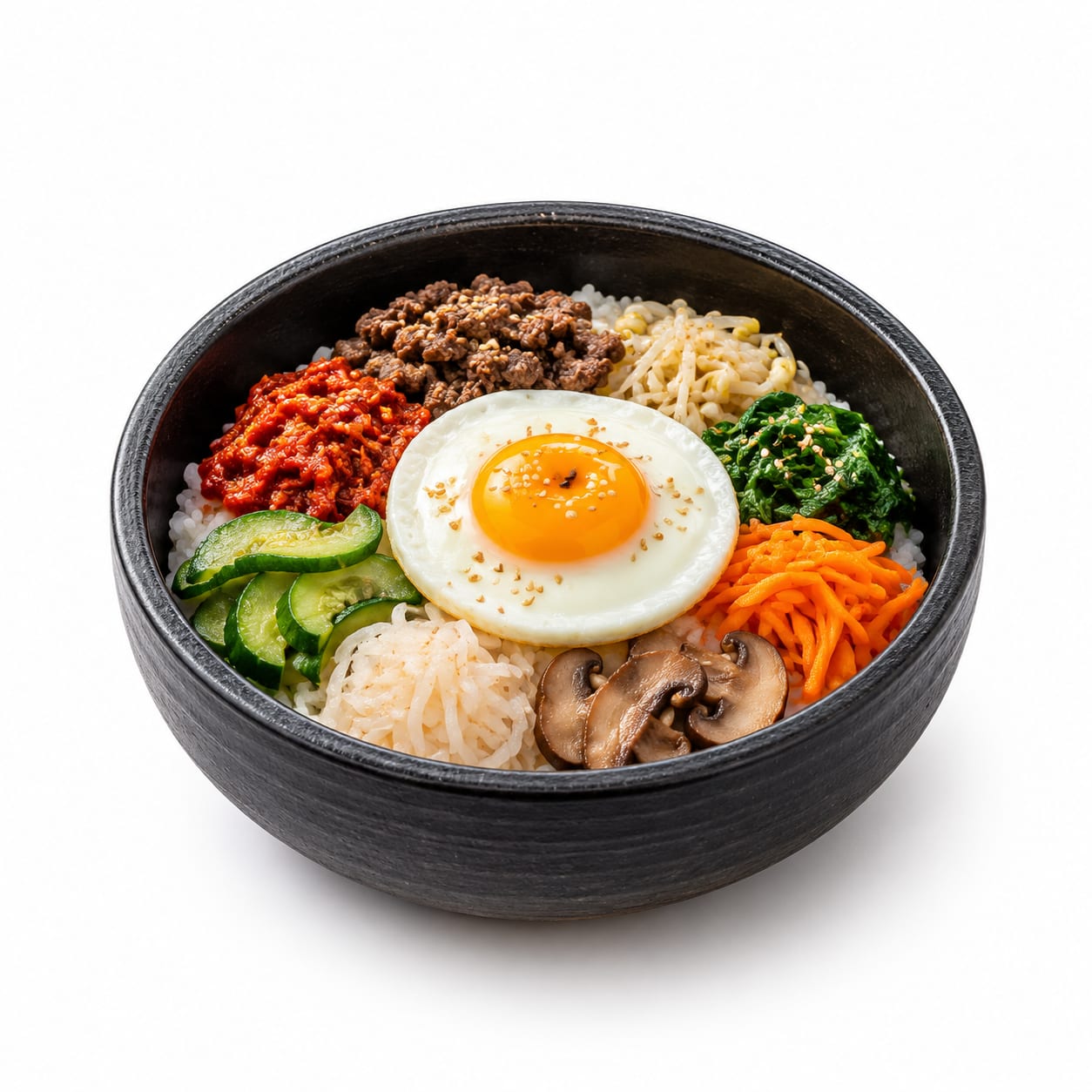
Bibimbap
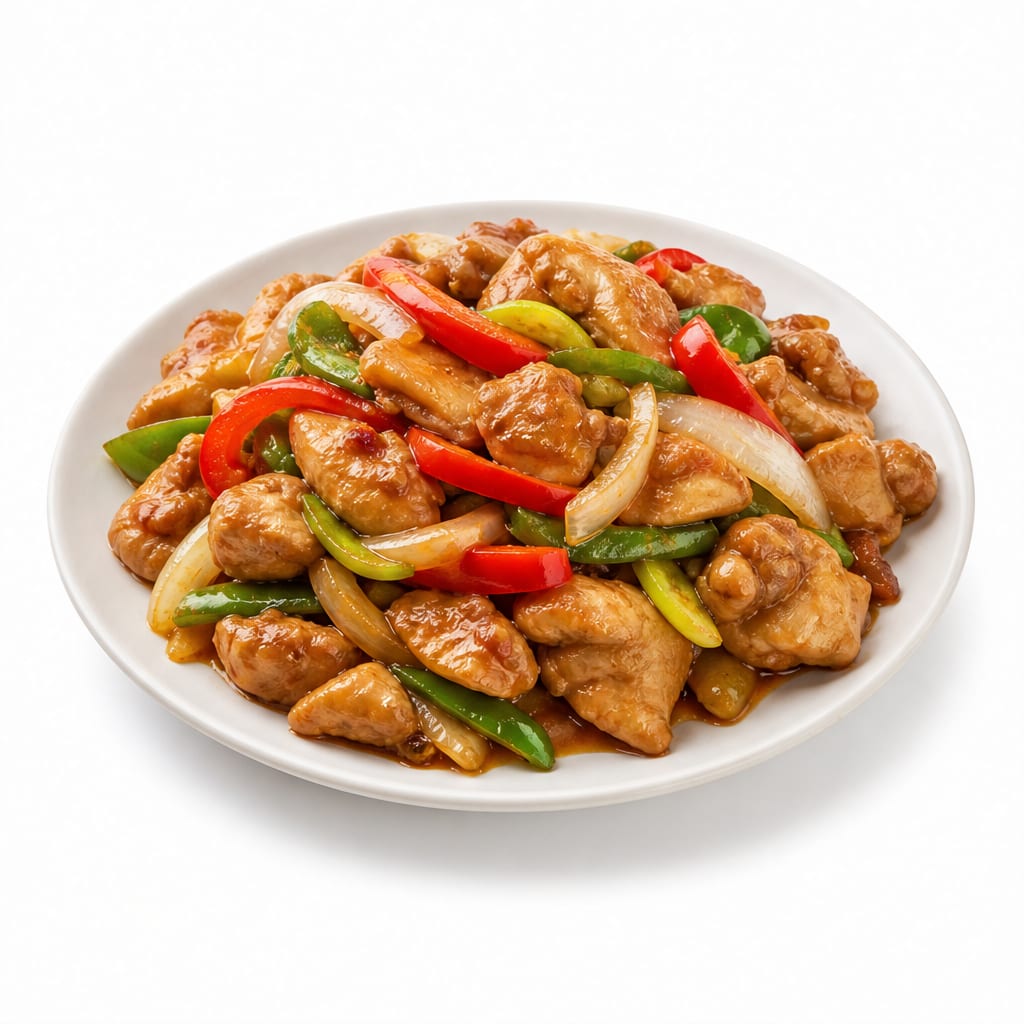
Chicken Stir-Fry
Bibimbap offers more vegetable diversity and a comforting bowl format, while Chicken Stir-Fry delivers leaner protein with fewer carbs and easier portion control.
Chicken Stir-Fry edges ahead due to better protein-to-calorie ratio and easier portion control. Bibimbap scores well for micronutrient diversity but loses ground on carb load and calorie density from rice and sesame oil.
Bibimbap gives you broader micronutrients from varied vegetables but packs more carbs and calories from rice. Chicken Stir-Fry keeps protein high and carbs lower but with less vegetable variety.
At a glance
Executive summary
Overall
It depends
Healthier
It depends
More practical
Chicken Stir-Fry
Daily use
Chicken Stir-Fry
Key comparison lenses
balanced meal selection
Both are complete meals with protein, vegetables, and carbs, so users want to know which balances nutrients better
weight management
Rice-heavy bibimbap versus protein-forward stir-fry creates a clear calorie density tradeoff
everyday meal prepping
Both are popular meal-prep dishes but differ significantly in preparation effort and storage
sodium and sauce awareness
Gochujang and soy sauce both deliver high sodium, but users rarely compare them directly
blood sugar control
Bibimbap's rice ratio is typically higher, making glycemic impact a key differentiator
Best choice for
Bibimbap
- Plant-curious eaters wanting more vegetable variety
- Those seeking a satisfying comfort meal with complex flavors
- People who enjoy fermented food benefits from gochujang
Chicken Stir-Fry
- Anyone tracking protein intake or building muscle
- People managing carb intake or blood sugar
- Busy cooks wanting a faster weeknight meal
Least suitable for
Bibimbap
- Strict low-carb dieters
- People watching calorie density closely
- Those sensitive to high sodium from gochujang
Chicken Stir-Fry
- Vegetarians and vegans
- People wanting diverse micronutrients from many vegetable sources
- Those who find soy sauce-heavy dishes too salty
Deep comparison
Dimension by dimension
Each lens scores both foods and breaks down who each option suits.
- Dimension 1 · Priority 90Chicken Stir-Fry
protein_quality_and_quantity
Bibimbap · 62Chicken Stir-Fry · 85Chicken Stir-Fry delivers substantially more lean protein per serving. Bibimbap's protein depends on a smaller meat portion mixed with rice.
Tradeoff
Bibimbap spreads protein across a larger calorie base, meaning you eat more calories to get the same protein.
Why it matters
Higher protein per calorie keeps you fuller longer and supports muscle maintenance without overeating.
Real-world impact
After Chicken Stir-Fry, you stay satisfied for 3-4 hours. After Bibimbap, you may feel hungry again within 2 hours due to the higher carb ratio.
Bibimbap
- Occasional eaters who do not prioritize protein
Better for
- Athletes needing high protein intake
- People trying to lose weight while preserving muscle
Worse for
Chicken Stir-Fry
- Anyone doing strength training
- People trying to eat less while staying full
- Older adults needing muscle support
Better for
- Those who find high-protein meals too heavy
Worse for
- Dimension 2 · Priority 88Bibimbap
vegetable_diversity_and_micronutrients
Bibimbap · 88Chicken Stir-Fry · 65Bibimbap typically includes 5-7 different vegetables like spinach, zucchini, bean sprouts, carrots, and mushrooms. Chicken Stir-Fry usually relies on 2-3 vegetables.
Tradeoff
More vegetable variety means broader vitamins and minerals, but Bibimbap's vegetables are often lightly cooked in sesame oil, adding calories.
Why it matters
Diverse plant intake supports gut microbiome health and covers more micronutrient gaps in a single meal.
Real-world impact
A single Bibimbap bowl can cover half your daily vegetable variety needs. Chicken Stir-Fry covers maybe a quarter.
Bibimbap
- Anyone eating limited vegetables across the day
- People wanting gut microbiome diversity
- Those seeking a nutrient-dense comfort meal
Better for
- Those counting every calorie, since oiled vegetables add up
Worse for
Chicken Stir-Fry
- People who supplement micronutrients separately
- Those who prefer simpler ingredient lists
Better for
- Anyone relying on one meal for most of their vegetable intake
Worse for
- Dimension 3 · Priority 85Chicken Stir-Fry
blood_sugar_stability
Bibimbap · 55Chicken Stir-Fry · 74Bibimbap's large rice base creates a bigger blood sugar spike. Chicken Stir-Fry typically has less rice and more protein, which slows glucose absorption.
Tradeoff
Bibimbap's fermented gochujang may slightly help glucose metabolism, but not enough to offset the high rice ratio.
Why it matters
Steadier blood sugar means fewer afternoon energy crashes and less craving-driven snacking.
Real-world impact
After Bibimbap, you might feel a food coma within an hour. Chicken Stir-Fry keeps energy more even-keeled through the afternoon.
Bibimbap
- Active people who burn through carbs quickly
- Those eating smaller rice portions by choice
Better for
- Diabetics managing post-meal glucose
- Sedentary office workers
Worse for
Chicken Stir-Fry
- People with prediabetes or insulin resistance
- Anyone trying to avoid the 2pm energy slump
- Low-carb or moderate-carb eaters
Better for
- Endurance athletes needing more carbs
Worse for
- Dimension 4 · Priority 80It depends
sodium_load
Bibimbap · 58Chicken Stir-Fry · 55Both dishes are sodium-heavy. Bibimbap gets sodium from gochujang and soy seasoning. Chicken Stir-Fry gets it from soy sauce and oyster sauce.
Tradeoff
Gochujang adds fermented food benefits alongside sodium. Soy sauce adds sodium without those probiotic advantages.
Why it matters
High sodium meals can cause bloating and raise blood pressure over time, especially for salt-sensitive people.
Real-world impact
Either dish can deliver 800-1500mg of sodium per serving. That is half or more of your daily limit in one meal.
Bibimbap
- Those who value fermented food benefits alongside the sodium
Better for
- People with hypertension who cannot control the gochujang amount
Worse for
Chicken Stir-Fry
- Those who can easily request reduced-sauce preparation
Better for
- People sensitive to soy sauce who cannot adjust restaurant preparation
Worse for
- Dimension 5 · Priority 82Chicken Stir-Fry
calorie_density_and_portion_control
Bibimbap · 52Chicken Stir-Fry · 75Bibimbap is calorie-dense due to rice, sesame oil on vegetables, and sometimes a fried egg. Chicken Stir-Fry is easier to keep lean by controlling sauce and oil.
Tradeoff
Bibimbap feels more like a complete indulgent meal, which is psychologically satisfying but harder to portion-control.
Why it matters
Calorie density determines how easily you can eat to satisfaction without overconsuming.
Real-world impact
A standard Bibimbap bowl can easily hit 700-900 calories. A controlled Chicken Stir-Fry can stay around 400-550 calories with similar fullness.
Bibimbap
- Active people who need calorie surplus
- Those recovering from illness who need to eat more
Better for
- Those who underestimate calories in restaurant bowls
- People trying to lose weight
Worse for
Chicken Stir-Fry
- Anyone cutting calories without feeling deprived
- People who prefer lighter meals that still satisfy
Better for
- Hard gainers who struggle to eat enough
Worse for
- Dimension 6 · Priority 75Chicken Stir-Fry
convenience_and_meal_prep
Bibimbap · 50Chicken Stir-Fry · 82Chicken Stir-Fry comes together in 15-20 minutes with one pan. Bibimbap requires preparing multiple vegetable toppings separately before assembling.
Tradeoff
Bibimbap's elaborate preparation yields a more visually impressive and varied meal, but the time investment is significant.
Why it matters
Meals that are easier to cook get cooked more often, making healthy eating more sustainable.
Real-world impact
On a busy Tuesday, Chicken Stir-Fry is realistic. Bibimbap is more of a weekend project unless using meal-prepped components.
Bibimbap
- Meal preppers who batch-cook vegetable toppings on Sunday
- Those who enjoy cooking as a relaxing activity
Better for
- Anyone who cannot dedicate 40+ minutes to cooking
- People who dislike multi-step recipes
Worse for
Chicken Stir-Fry
- Weeknight cooks with limited time
- Beginners who want a reliable easy meal
Better for
- Those who find simple stir-fries boring over time
Worse for
- Dimension 7 · Priority 70Bibimbap
digestive_tolerance
Bibimbap · 78Chicken Stir-Fry · 68Bibimbap's softer cooked vegetables and rice base are gentler on digestion. Chicken Stir-Fry can sometimes be greasier and harder to digest depending on sauce thickness.
Tradeoff
Bibimbap's gochujang adds spice that may irritate sensitive stomachs, while stir-fry sauces can feel heavy and sit longer.
Why it matters
Meals that digest comfortably avoid bloating and let you function well after eating.
Real-world impact
After Bibimbap, you feel comfortably full. After a heavy Chicken Stir-Fry, you might feel weighed down if the sauce is too rich.
Bibimbap
- People with sensitive digestion who tolerate mild spice
- Those who prefer softer food textures
Better for
- People with GERD or acid reflux triggered by spice
Worse for
Chicken Stir-Fry
- People who find rice-heavy meals cause bloating
- Those who tolerate richer sauces well
Better for
- People with gallbladder issues sensitive to oily sauces
Worse for
Timeline
Health impact over time
Short-term
Hours to days
Bibimbap
- Quick energy from white rice, followed by a potential crash within 1-2 hours
- Comforting and satisfying eating experience from varied textures and flavors
- Possible bloating from large portion size and rice volume
Chicken Stir-Fry
- Sustained energy from higher protein-to-carb ratio
- Good post-workout recovery due to lean protein content
- Possible thirst from high sodium in soy-based sauces
Long-term
Months to years
Bibimbap
- Better micronutrient coverage if eaten regularly with varied vegetable toppings
- Risk of weight gain if rice portions are not managed
- Potential blood pressure concerns from consistent high sodium intake
Chicken Stir-Fry
- Better muscle maintenance and satiety regulation from consistent high protein
- Easier weight management due to lower calorie density when portions are controlled
- Sodium exposure remains a concern with frequent soy sauce use
Risk profile
Safety & processing
Both dishes use whole-food ingredients but rely on processed condiments. Gochujang is fermented but contains added sugar and salt. Soy sauce and oyster sauce are highly processed seasonings. Neither dish is ultra-processed, but neither is purely whole-food either.
Bibimbap
Improperly stored gochujang contamination
lowCommercial gochujang is shelf-stable, but homemade or opened containers can harbor mold if not refrigerated properly.
Undercooked egg in traditional preparations
mediumThe raw or sunny-side egg on top can carry salmonella risk if not cooked to safe temperature, especially concerning for pregnant women and immunocompromised individuals.
Rice leftover handling
mediumCooked rice left at room temperature can develop bacillus cereus, a common cause of food poisoning from rice-based dishes.
Chicken Stir-Fry
Undercooked chicken
highChicken must reach 165°F internally. Stir-fry's quick cooking method increases the risk of uneven cooking, especially with thicker pieces.
Cross-contamination during prep
mediumRaw chicken juices on cutting boards or utensils can contaminate vegetables if hygiene is not strict.
Soy sauce allergen exposure
lowSoy sauce contains soy and wheat, which are common allergens often overlooked in restaurant settings.
Who wins for whom
Audience fit
Same foods, different winners depending on your goal.
children
BibimbapBibimbap's colorful vegetable arrangement and interactive mixing make it more appealing and nutritionally diverse for growing kids. The egg also provides choline for brain development.
daily consumption
Chicken Stir-FryChicken Stir-Fry is easier to vary, quicker to prepare, and has a macronutrient profile better suited for regular rotation without excessive calorie accumulation.
diabetes
Chicken Stir-FryLower carb ratio and higher protein content create a gentler blood sugar response. Bibimbap's large rice portion is a significant glucose spike risk.
elderly
BibimbapSofter textures from cooked vegetables and rice are easier to chew and digest. The varied nutrients support healthy aging, though sodium should be monitored.
muscle gain
Chicken Stir-FryHigher protein content per serving from chicken supports muscle protein synthesis more effectively than the smaller meat portions in Bibimbap.
weight loss
Chicken Stir-FryChicken Stir-Fry provides more protein with fewer calories, making it easier to maintain a calorie deficit while staying full.
Your move
Decision guide
Choose Bibimbap
- You want maximum vegetable variety in a single meal
- Comfort food satisfaction is a priority today
- You are cooking on a weekend with time to prepare multiple components
- You are feeding kids who enjoy mixing colorful bowls
- You have been eating low-carb and need a satisfying carb refeed
Choose Chicken Stir-Fry
- Protein intake is your primary goal
- You want a filling meal under 600 calories
- You are meal-prepping for a busy week
- You need steady energy without a post-meal crash
- You are managing blood sugar or trying to lose weight
Either works if
- You are eating at a Korean or Chinese restaurant and both are available
- You want a warm, savory meal with vegetables and protein
- Sodium is not a primary concern for you today
Avoid both if
- You are on a strict low-sodium diet for hypertension
- You have severe soy or gluten allergies and cannot verify ingredients
- You are following a ketogenic or very low-carb protocol
Final recommendation
For most people eating regularly, Chicken Stir-Fry is the more practical and metabolically supportive choice. But Bibimbap earns a strong place as a weekly treat that delivers unmatched vegetable diversity and a deeply satisfying eating experience. Alternate between both to get the best of both worlds.
Practical
Consumer tips
- 1
Ask for Bibimbap with less rice and extra vegetables to improve its calorie-to-nutrient ratio
- 2
Request Chicken Stir-Fry with sauce on the side to cut sodium by 30-50%
- 3
Use brown rice or cauliflower rice in either dish to lower the glycemic impact significantly
- 4
Meal-prep Bibimbap vegetable toppings in batches on Sunday to make weekday assembly fast
- 5
Choose bibimbap in a regular bowl instead of dolsot to avoid the extra sesame oil from the hot stone coating
- 6
Add extra chicken to your stir-fry and reduce the sauce to boost protein while cutting sodium
- 7
If ordering either dish at a restaurant, ask for low-sodium soy sauce or less gochujang