
Nutrition comparison
Bibimbap vs Burrito Bowl: Which Bowl Meal Is Healthier?
Compare Bibimbap and Burrito Bowl on nutrition, satiety, sodium, weight loss, and daily health. Find out which bowl is better for your goals and when to choose each.
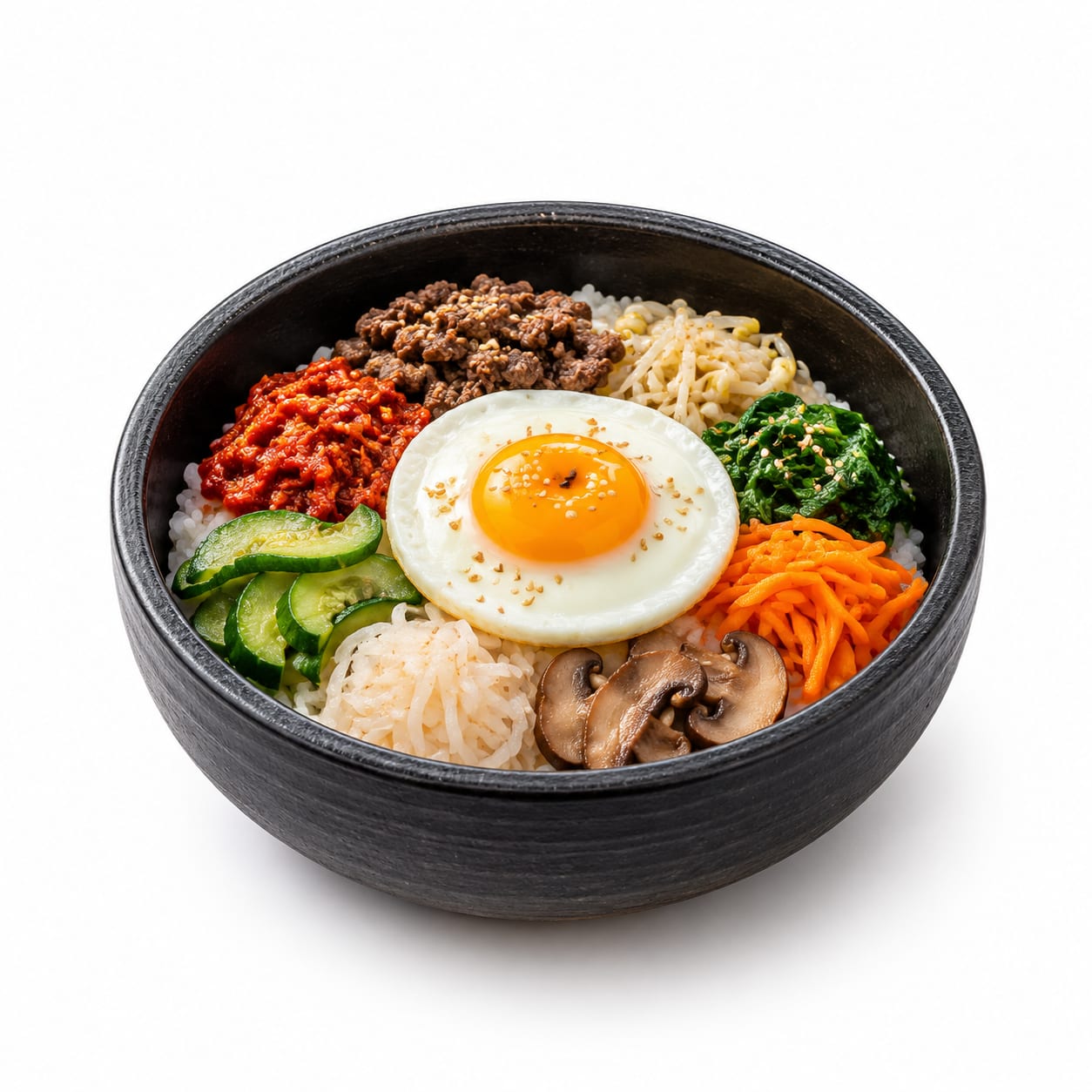
Bibimbap
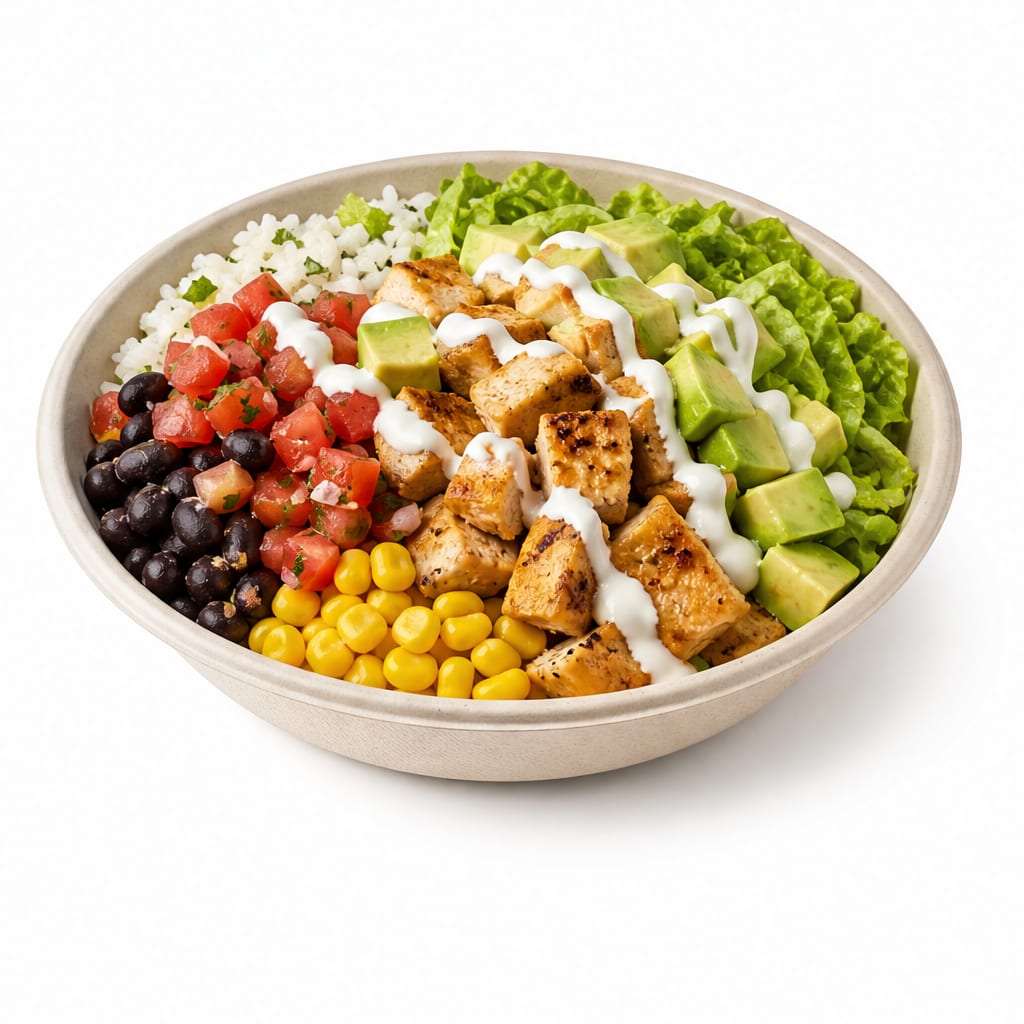
Burrito Bowl
Bibimbap wins on vegetable diversity and lighter eating, while Burrito Bowls win on satiety and fiber. Your pick depends on whether you prioritize nutrient variety or staying full longer.
Bibimbap scores slightly higher due to superior vegetable diversity, lighter calorie profile, and fermented food benefits. Burrito Bowls score close behind thanks to excellent fiber and satiety but lose ground on calorie density and sodium variability at restaurants.
Bibimbap offers broader micronutrients from varied vegetables but less staying power. Burrito Bowls deliver stronger satiety from beans and healthy fats but can pack more calories and sodium.
At a glance
Executive summary
Overall
It depends
Healthier
Bibimbap
More practical
Burrito Bowl
Daily use
It depends
Key comparison lenses
Which bowl meal is healthier for regular lunches?
Both are popular lunch bowl options people eat weekly, making long-term health impact the top concern
Which keeps me fuller longer without afternoon crash?
Bowl meals are often chosen for sustained energy during workdays, so satiety and blood sugar stability matter enormously
Which has better vegetable diversity and micronutrients?
Both dishes are vegetable-forward but in very different ways, affecting nutritional completeness
Which is safer regarding sodium and blood pressure?
Both dishes carry significant sodium risks from different sources that impact cardiovascular health
Which is more customizable for dietary restrictions?
People frequently need to adapt bowl meals for gluten-free, dairy-free, or vegetarian needs
Best choice for
Bibimbap
- People wanting lighter meals that do not cause afternoon drowsiness
- Those seeking wider vegetable and micronutrient variety
- Anyone watching calorie intake while still eating a satisfying meal
- Fans of fermented foods and gut-friendly ingredients
Burrito Bowl
- Athletes and active people needing sustained energy and higher protein
- Anyone who gets hungry again within two hours of eating
- People prioritizing fiber intake for digestive regularity
- Those wanting easy high-protein meal prep with simple customization
Least suitable for
Bibimbap
- People sensitive to spicy foods or gochujang
- Anyone needing very high protein intake without supplementation
- Those watching sodium who frequently eat at Korean restaurants
- People with egg allergies since the fried egg is central
Burrito Bowl
- People strictly limiting calories since portions easily exceed 800
- Anyone with dairy sensitivities unless modifications are made
- Those avoiding nightshades due to tomatoes and peppers
- People on low-sodium diets who eat at chain restaurants
Deep comparison
Dimension by dimension
Each lens scores both foods and breaks down who each option suits.
- Dimension 1 · Priority 95Bibimbap
Vegetable Diversity and Micronutrients
Bibimbap · 88Burrito Bowl · 62Bibimbap typically includes 5-7 different vegetables compared to 2-3 in a standard Burrito Bowl.
Tradeoff
You get broader micronutrient coverage with Bibimbap but fewer gut-filling legumes that Burrito Bowls provide through beans.
Why it matters
Eating diverse vegetables feeds different gut bacteria and provides a wider spectrum of vitamins and minerals that single vegetables cannot match.
Real-world impact
Regular Bibimbap eaters likely hit more of their daily vegetable variety goals without thinking about it, while Burrito Bowl fans may need to add vegetables elsewhere in their day.
Bibimbap
- Meeting daily vegetable variety targets easily
- Getting broader antioxidant and phytonutrient coverage
- People who struggle to eat enough different colored vegetables
Better for
- Missing the concentrated fiber dose that beans deliver
Worse for
Burrito Bowl
- Fiber intake from beans which most people severely lack
- Folate and iron from legumes that leafy vegetables provide less of
Better for
- Limited color diversity means fewer antioxidant families
- Restaurant versions often skimp on vegetable portions
Worse for
- Dimension 2 · Priority 92Burrito Bowl
Satiety and Fullness Duration
Bibimbap · 65Burrito Bowl · 84Burrito Bowls keep you full significantly longer thanks to beans, avocado, cheese, and higher overall calorie density.
Tradeoff
That satisfying fullness comes with a higher calorie price tag. A Burrito Bowl can easily hit 900 calories while Bibimbap sits closer to 550-650.
Why it matters
If you are hungry again two hours after lunch, you are more likely to snack on whatever is available, which often means less healthy choices.
Real-world impact
A Burrito Bowl at noon likely carries you to dinner. Bibimbap may leave you reaching for a snack by 3pm, especially on active days.
Bibimbap
- People who prefer eating lighter and having a planned afternoon snack
- Anyone trying to avoid that overly stuffed post-lunch feeling
Better for
- May not provide enough sustained energy for physically demanding afternoons
Worse for
Burrito Bowl
- Long workdays where you cannot stop for a snack
- Active people who burn through lighter meals quickly
- Anyone tired of being hungry again by mid-afternoon
Better for
- That heavy fullness can cause afternoon sluggishness if you overeat
- Higher calorie load requires more awareness of portion sizes
Worse for
- Dimension 3 · Priority 88Burrito Bowl
Blood Sugar Stability
Bibimbap · 60Burrito Bowl · 73Burrito Bowls have more fiber and fat to slow carbohydrate absorption, while Bibimbap's rice hits faster with less buffering.
Tradeoff
Bibimbap's gochujang sauce has some sugar content, but Burrito Bowl rice portions are often much larger, creating a tradeoff depending on portion control.
Why it matters
Steady blood sugar means steady energy and fewer cravings. Rapid spikes lead to crashes that trigger sugar cravings and brain fog.
Real-world impact
After Bibimbap you might feel an energy dip around 90 minutes later. A Burrito Bowl with beans and avocado provides a slower, steadier energy release.
Bibimbap
- Smaller rice portions can mean less glucose load if you control the serving
Better for
- White rice with limited fat or fiber creates faster glucose absorption
- Gochujang contains sugar that adds to the glycemic load
Worse for
Burrito Bowl
- Beans are one of the best foods for blood sugar stability
- Higher fat content from avocado slows gastric emptying
- More balanced macronutrient ratio prevents sharp spikes
Better for
- Massive rice portions at restaurants can override the fiber benefits
Worse for
- Dimension 4 · Priority 85It depends
Sodium and Blood Pressure Risk
Bibimbap · 58Burrito Bowl · 55Both dishes are sodium landmines, but from different sources. Bibimbap gets sodium from gochujang and soy sauce, while Burrito Bowls get it from seasoning, salsa, and cheese.
Tradeoff
Restaurant versions of both easily exceed 1500mg sodium per meal. Home preparation gives you control with either option.
Why it matters
Regular high-sodium meals directly raise blood pressure over time and increase cardiovascular risk, even if you feel fine now.
Real-world impact
Eating either bowl at a restaurant 3-4 times per week likely pushes you over the recommended 2300mg daily sodium limit from those meals alone.
Bibimbap
- Homemade versions with reduced gochujang can be lower in sodium
Better for
- Gochujang is very sodium-dense and hard to substitute authentically
- Soy sauce in the marinade adds hidden sodium
Worse for
Burrito Bowl
- Easier to request no salt or light seasoning at build-your-own restaurants
- Cheese and sour cream can be removed to cut sodium significantly
Better for
- Chain restaurant seasoning packets are extremely sodium-heavy
- Cheese, salsa, and beans all contribute sodium in combination
Worse for
- Dimension 5 · Priority 82Burrito Bowl
Protein Quality and Quantity
Bibimbap · 62Burrito Bowl · 80Burrito Bowls typically deliver more protein from combined meat and beans, while Bibimbap relies on a single protein source and one egg.
Tradeoff
Bibimbap's egg provides highly bioavailable protein, but the total amount is usually lower. Burrito Bowls combine animal and plant protein for a higher total dose.
Why it matters
Adequate protein at meals supports muscle maintenance, keeps you satisfied, and prevents the muscle loss that accelerates with age.
Real-world impact
A Burrito Bowl with chicken and beans easily hits 40-50g protein. Bibimbap typically lands around 20-30g unless you double the meat.
Bibimbap
- Egg protein has the highest biological value of any whole food
- Less protein can be preferable for smaller appetites or lower calorie goals
Better for
- Total protein may be insufficient for active people or older adults
- Beef bulgogi adds protein but also saturated fat
Worse for
Burrito Bowl
- Combined animal and plant protein provides complementary amino acids
- Higher total protein supports muscle recovery and growth
- Beans add protein without adding saturated fat
Better for
- Higher protein from large meat portions increases saturated fat if you choose fatty cuts
Worse for
- Dimension 6 · Priority 78It depends
Gut Health and Digestive Tolerance
Bibimbap · 74Burrito Bowl · 70Bibimbap offers fermented food benefits from gochujang and kimchi, while Burrito Bowls provide superior fiber from beans. Both help your gut in different ways.
Tradeoff
If you are not used to eating beans regularly, a Burrito Bowl can cause significant bloating. Bibimbap's fermented elements are usually gentler on digestion.
Why it matters
Gut health affects everything from immunity to mood. Both fiber and fermented foods feed beneficial bacteria, but they work through different mechanisms.
Real-world impact
If beans cause you discomfort, Bibimbap is the safer lunch meeting choice. If you tolerate beans well, the fiber payoff is substantial.
Bibimbap
- Fermented ingredients support beneficial gut bacteria diversity
- Generally easier to digest if you have sensitive digestion
- Kimchi provides probiotics that beans cannot offer
Better for
- Lower total fiber means less bulk for regular digestion
- Spicy gochujang can irritate sensitive stomachs
Worse for
Burrito Bowl
- Bean fiber feeds gut bacteria that produce short-chain fatty acids
- More total fiber supports regular bowel movements
- Avocado provides prebiotic fiber alongside healthy fats
Better for
- Sudden large bean portions cause gas and bloating in unaccustomed eaters
- Dairy from cheese and sour cream can trigger IBS symptoms
Worse for
- Dimension 7 · Priority 80Bibimbap
Calorie Density and Weight Management
Bibimbap · 78Burrito Bowl · 58Bibimbap is naturally lighter, typically 550-650 calories, while Burrito Bowls easily exceed 800-1000 calories with standard toppings.
Tradeoff
Bibimbap's lighter calorie load is great for weight management but may leave you under-fueled if you are active. Burrito Bowls can support activity but easily overshoot calorie needs.
Why it matters
Consistently eating meals that exceed your calorie needs by even 200 calories leads to gradual weight gain that is hard to notice until it accumulates.
Real-world impact
Ordering a Burrito Bowl with all the toppings can quietly deliver half your daily calorie needs in one meal. Bibimbap leaves more room for snacks and other meals.
Bibimbap
- Easier to stay within calorie targets without meticulous tracking
- Less risk of accidental overconsumption
- Better for sedentary workdays with lower energy expenditure
Better for
- May not provide enough calories for very active people
- Could trigger overeating later if the meal was insufficient
Worse for
Burrito Bowl
- Higher calorie meals support active lifestyles and muscle building
- More satisfying for people who feel deprived on lighter meals
Better for
- Calories add up invisibly from cheese, sour cream, and guacamole
- Large portions normalize overeating at single meals
Worse for
- Dimension 8 · Priority 72Burrito Bowl
Customizability and Dietary Flexibility
Bibimbap · 60Burrito Bowl · 82Burrito Bowls are built for customization with clear substitution options, while Bibimbap's integrated preparation makes modifications harder.
Tradeoff
Bibimbap's traditional preparation creates a cohesive flavor profile that is lost when you start removing components. Burrito Bowls are designed to be modular.
Why it matters
People with dietary restrictions need meals that adapt easily. Rigid dishes force compromises that can mean going hungry or eating something that does not agree with you.
Real-world impact
At a Burrito Bowl restaurant, going dairy-free or gluten-free is straightforward. At a Korean restaurant, modifying Bibimbap often means deconstructing the entire dish.
Bibimbap
- Naturally dairy-free in traditional preparations
- Can be made vegetarian by omitting the meat and egg
Better for
- Soy sauce makes gluten-free difficult without special preparation
- Removing gochujang changes the fundamental character of the dish
- Restaurant modifications often require special requests
Worse for
Burrito Bowl
- Build-your-own format makes every dietary need easy to accommodate
- Gluten-free is simple with rice instead of tortilla
- Vegan options are straightforward with beans as protein base
- Portion control for each component is more transparent
Better for
- Removing too many components leaves a bland rice and beans bowl
Worse for
Timeline
Health impact over time
Short-term
Hours to days
Bibimbap
- Lighter post-meal feeling with less likelihood of food coma
- Possible afternoon hunger within 2-3 hours due to lower calorie density
- Gentle energy from balanced carbohydrates without heavy fat slowdown
- Spicy gochujang may cause mild heartburn in sensitive individuals
Burrito Bowl
- Strong satiety that easily lasts 4-5 hours after eating
- Possible sluggishness immediately after a large portion due to digestive load
- Beans may cause bloating or gas within a few hours if not consumed regularly
- Higher sodium can cause noticeable thirst and water retention
Long-term
Months to years
Bibimbap
- Better vegetable diversity supports long-term micronutrient adequacy
- Fermented food intake may strengthen gut microbiome resilience over time
- Lower calorie default helps maintain healthy weight with regular consumption
- Sodium exposure from regular restaurant Bibimbap could raise blood pressure risk
Burrito Bowl
- Consistent bean intake strongly correlates with reduced cardiovascular disease risk
- Higher fiber intake supports colorectal health and digestive regularity
- Regular high-calorie portions may contribute to gradual weight gain without awareness
- Frequent restaurant sodium levels increase hypertension risk over years
Risk profile
Safety & processing
Traditional Bibimbap uses whole vegetables, rice, egg, and fermented paste with minimal processing. Burrito Bowls from restaurants often include pre-seasoned proteins with added preservatives, commercially prepared salsas with stabilizers, and cheese with anti-caking agents. Homemade versions of both are quite clean, but the gap widens significantly at restaurants.
Bibimbap
Egg cross-contamination
mediumThe sunny-side-up egg on Bibimbap is traditionally runny, posing a salmonella risk if eggs are not properly handled or pasteurized.
Rice holding temperature
mediumBibimbap rice held at improper temperatures can breed Bacillus cereus, a common cause of food poisoning from rice dishes.
Fermented sauce contamination
lowGochujang is generally safe due to its salt content and fermentation, but improper storage can introduce unwanted organisms.
Burrito Bowl
Bean undercooking
lowUndercooked kidney beans contain phytohaemagglutinin, which causes gastrointestinal illness. Commercial restaurants properly cook beans, but home preparation requires attention.
Cross-contamination at assembly
mediumBuild-your-own assembly lines increase risk of ingredient cross-contamination, especially concerning for people with allergies.
Guacamole oxidation and spoilage
lowAvocado-based toppings spoil quickly at room temperature. Restaurants holding guacamole past safe timeframes create minor food safety risk.
Who wins for whom
Audience fit
Same foods, different winners depending on your goal.
children
Burrito BowlBurrito Bowls offer milder flavor options that kids accept more readily. Bibimbap's spicy gochujang and mixed vegetable presentation can be challenging for young palates.
daily consumption
It dependsBibimbap is better for daily variety due to lighter calorie impact, but Burrito Bowls are more practical for consistent meal prep. Rotating between both provides the best long-term balance.
diabetes
Burrito BowlBeans significantly slow glucose absorption, and higher fat content from avocado creates a steadier blood sugar response. Both require rice portion awareness, but Burrito Bowls have better built-in glycemic buffers.
elderly
BibimbapBibimbap's softer vegetables and egg are easier to chew and digest. The lighter calorie load suits lower metabolic needs, and fermented foods support the gut changes that come with aging.
muscle gain
Burrito BowlBurrito Bowls deliver more total protein and calories, both essential for muscle building. The combination of meat and beans provides a sustained amino acid supply.
weight loss
BibimbapBibimbap's lower default calorie count makes it easier to maintain a calorie deficit without feeling deprived. Burrito Bowls can work for weight loss but require careful portion control and topping selection.
Your move
Decision guide
Choose Bibimbap
- You want a lighter lunch that will not slow you down in the afternoon
- You are focused on eating more diverse vegetables without meal planning effort
- You enjoy fermented foods and want gut benefits without taking supplements
- You are watching calories and want a satisfying meal that stays under 700
- You prefer meals where vegetables are the star rather than protein
Choose Burrito Bowl
- You have a physically demanding schedule and need lasting energy
- You struggle with afternoon hunger and want a meal that carries you to dinner
- You are actively building muscle or need higher protein intake
- You want a meal that is easy to customize for any dietary restriction
- You are meal prepping and need something that stores and reheats well
Either works if
- You are eating at home where you can control rice portions and sodium
- You want a balanced bowl meal and can adjust the other meals in your day
- You are generally healthy and just want a satisfying lunch
- You rotate between both to get the benefits of each
Avoid both if
- You are on a strict low-sodium diet and eating at restaurants
- You have severe rice sensitivity or are following a low-carb diet
- You have multiple food allergies that make bowl meals risky at restaurants
- You are sensitive to both spicy foods and beans simultaneously
Final recommendation
Alternate between both for the best overall health outcome. Eat Bibimbap when you want lighter meals with more vegetable diversity, and choose Burrito Bowls when you need sustained energy and higher protein. For either option, request less rice and more vegetables to improve the nutritional profile. If you eat one of these more than twice weekly, Bibimbap is the gentler choice for your waistline and blood pressure, provided you watch the gochujang portion.
Practical
Consumer tips
- 1
Ask for half rice in either bowl to immediately cut calories and improve blood sugar response
- 2
Request gochujang on the side for Bibimbap so you can control the sodium and spice level
- 3
Choose brown rice when available for either dish to add fiber and slow glucose absorption
- 4
Skip sour cream and cheese in Burrito Bowls to save 200 calories and significant sodium
- 5
Add extra vegetables to either bowl for almost no calorie cost but major nutrient gains
- 6
Make Bibimbap at home with reduced-sodium gochujang to cut sodium by 40% or more
- 7
If beans cause bloating, start with smaller portions and gradually increase over two weeks
- 8
Order Burrito Bowls with fajita vegetables added to boost the vegetable count closer to Bibimbap levels