
Nutrition comparison
Bibimbap vs Poke Bowl: Nutrition, Health & Taste Comparison
Comparing Bibimbap and Poke Bowl? Discover which bowl is better for protein, weight loss, and safety, plus the hidden sodium trap in both meals.
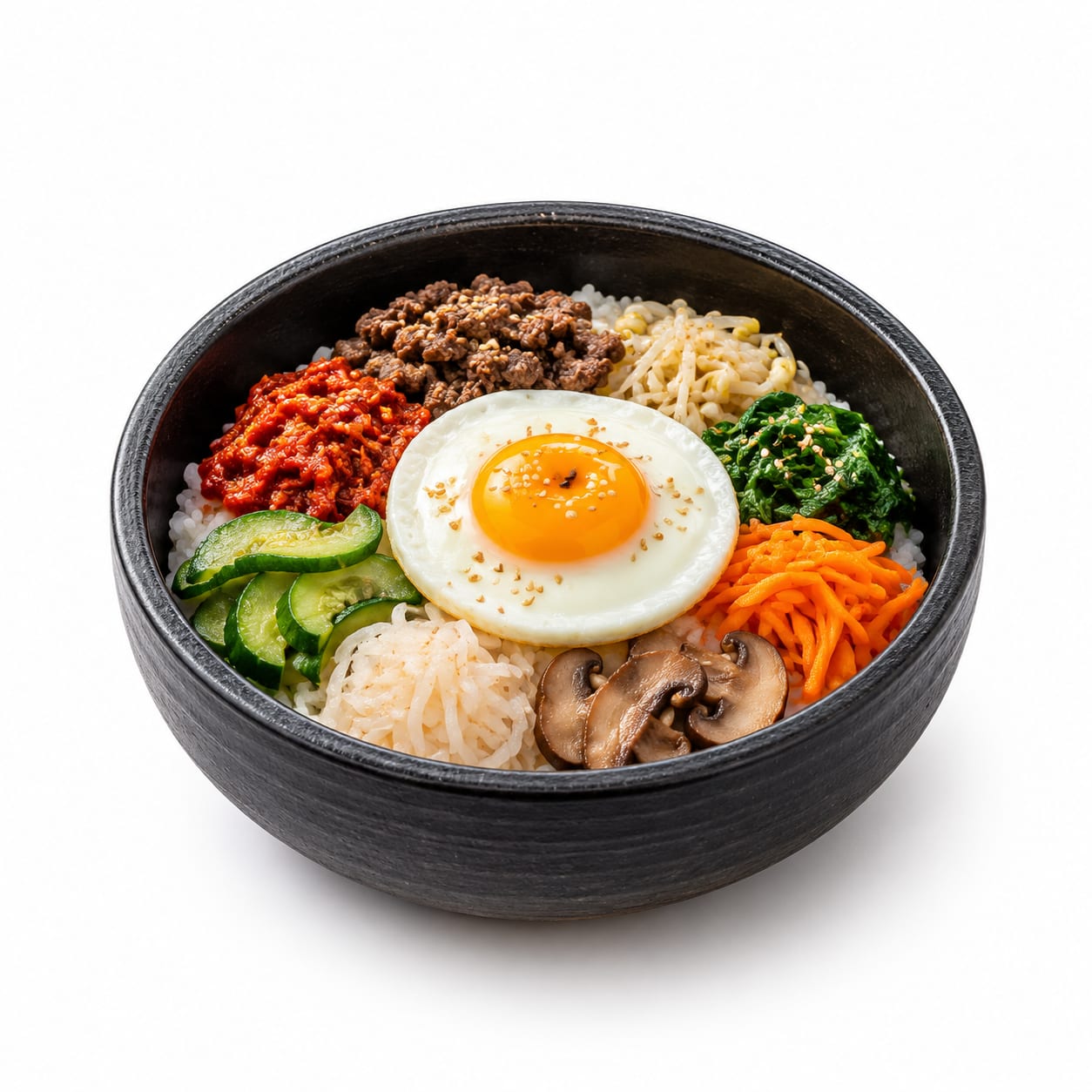
Bibimbap
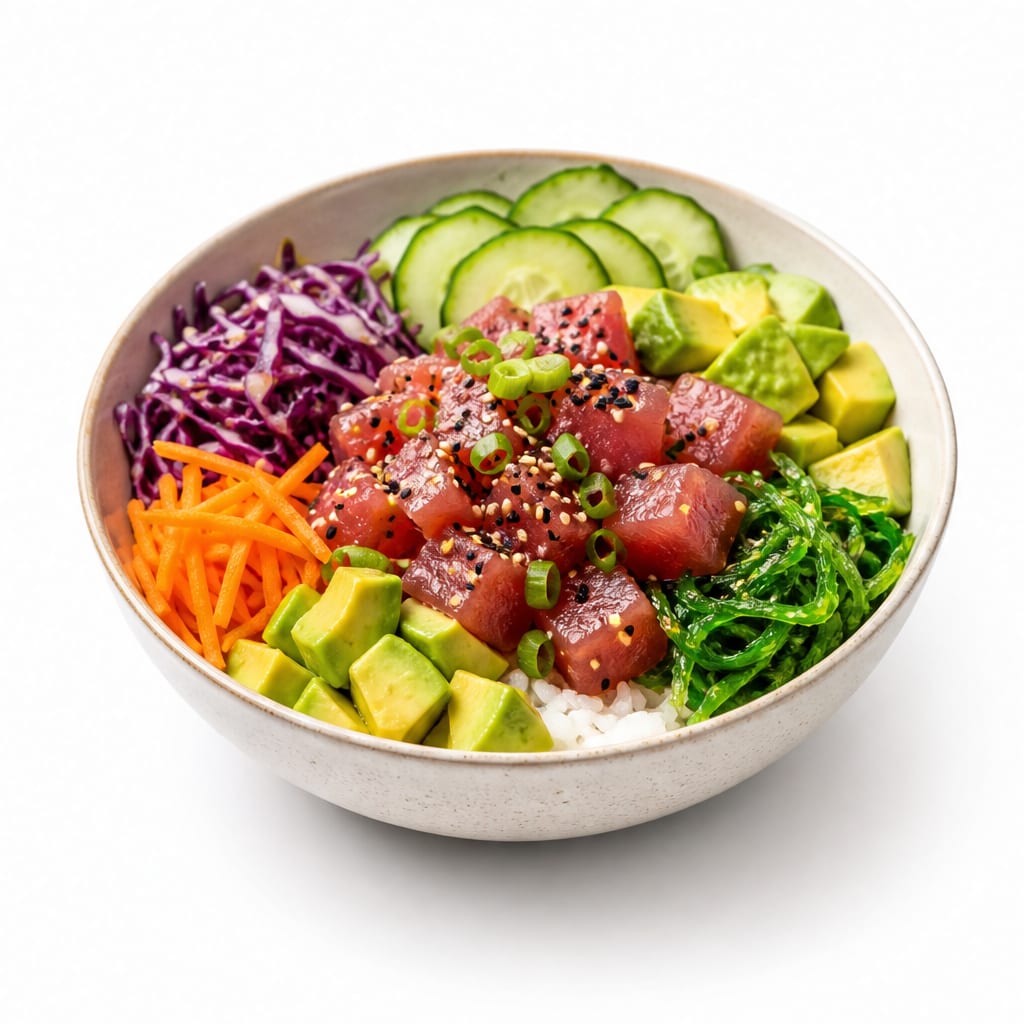
Poke Bowl
Poke Bowl delivers stronger protein and omega-3s, while Bibimbap offers warm comfort and diverse cooked vegetables.
Poke Bowl edges ahead due to superior protein quality and omega-3 content, though Bibimbap's vegetable diversity keeps it competitive.
You trade the lean, fresh protein of a Poke Bowl for the comforting, carb-driven warmth of Bibimbap.
At a glance
Executive summary
Overall
It depends
Healthier
Poke Bowl
More practical
It depends
Daily use
Poke Bowl
Key comparison lenses
Macronutrient balance and protein quality
Poke Bowl relies heavily on fish for protein while Bibimbap is carb-dominant with vegetable and egg protein
Sodium and sugar load from sauces
Both bowls are drenched in sodium-heavy sauces, but gochujang adds hidden sugars to Bibimbap
Food safety and raw ingredient risks
Poke Bowl features raw fish which carries inherent contamination risks compared to the fully cooked Bibimbap
Temperature and eating comfort
Bibimbap is a warm comfort meal while Poke Bowl is served cold, impacting digestion and satisfaction differently
Best choice for
Bibimbap
- Cold weather meals when you need warmth
- Avoiding raw fish during pregnancy or immune compromise
- Getting a wide variety of cooked vegetables
Poke Bowl
- Post-workout recovery needing fast protein
- Boosting omega-3 intake for heart health
- Hot summer days when cold food sounds refreshing
Least suitable for
Bibimbap
- Strict low-carb or keto diets
- Those managing severe sodium restrictions
Poke Bowl
- Pregnant individuals due to raw fish risk
- People who find cold meals unsatisfying or hard to digest
Deep comparison
Dimension by dimension
Each lens scores both foods and breaks down who each option suits.
- Dimension 1 · Priority 95Poke Bowl
Macronutrient Balance
Bibimbap · 65Poke Bowl · 88Poke Bowl is protein-forward with healthy fats, while Bibimbap is heavily carb-dominant.
Tradeoff
You get more sustained energy and muscle support from Poke Bowl's fish, but Bibimbap's carbs make it better for intense physical labor or carb-loading.
Why it matters
A higher protein-to-carb ratio keeps you fuller longer and prevents the afternoon energy crash.
Real-world impact
Eating Bibimbap might leave you hungry again by 3 PM, whereas a Poke Bowl typically carries you easily to dinner.
Bibimbap
- Carb-loading before endurance events
- Heavy labor workers needing quick calories
Better for
- Sedentary office workers
- Those managing insulin resistance
Worse for
Poke Bowl
- Muscle maintenance and growth
- Steady energy without the carb crash
Better for
- Extremely active individuals needing massive carb fuel
Worse for
- Dimension 2 · Priority 90It depends
Sodium and Sugar Load
Bibimbap · 55Poke Bowl · 60Both are sodium bombs, but Bibimbap sneaks in extra sugar through its signature gochujang sauce.
Tradeoff
Bibimbap's red pepper paste adds sugar and sodium, while Poke Bowl's soy-based marinade adds mostly sodium.
Why it matters
High sodium leads to bloating and blood pressure spikes, while hidden sugars disrupt metabolic health.
Real-world impact
You might feel noticeably bloated and thirsty after either bowl, making sauce-on-the-side a mandatory request.
Bibimbap
- Those who prefer a sweeter, spicier flavor profile
Better for
- Anyone watching blood sugar and sodium simultaneously
Worse for
Poke Bowl
- People strictly monitoring added sugar intake
Better for
- Those highly sensitive to soy sauce sodium spikes
Worse for
- Dimension 3 · Priority 85Bibimbap
Food Safety
Bibimbap · 92Poke Bowl · 68Bibimbap uses cooked ingredients, making it far safer than raw-fish-centric Poke Bowls.
Tradeoff
You accept a real risk of foodborne illness with Poke Bowl in exchange for the raw fish texture and omega-3 benefits.
Why it matters
Raw fish carries parasites, histamine risks, and faster spoilage, especially if the bowl sits out.
Real-world impact
A Poke Bowl from a low-turnover spot could ruin your week, whereas Bibimbap is incredibly forgiving even at average restaurants.
Bibimbap
- Pregnant women
- Elderly diners
- Anyone with a compromised immune system
Better for
- No specific safety downside
Worse for
Poke Bowl
- Those who trust high-end, high-turnover sushi-grade suppliers
Better for
- People leaving takeout in the fridge for days
Worse for
- Dimension 4 · Priority 80It depends
Micronutrient Density
Bibimbap · 82Poke Bowl · 84Bibimbap offers diverse cooked veggies and fiber, while Poke Bowl excels in omega-3s and B-vitamins.
Tradeoff
You choose between the broad vitamin profile of cooked greens and the deep brain-health benefits of marine fats.
Why it matters
Diverse vegetables feed your gut microbiome, while omega-3s lower inflammation and support brain function.
Real-world impact
Bibimbap keeps your digestion regular, while Poke Bowl actively reduces systemic inflammation over time.
Bibimbap
- Improving digestive regularity
- Broad-spectrum vitamin intake
Better for
- Those needing anti-inflammatory fats
Worse for
Poke Bowl
- Reducing joint inflammation
- Supporting cognitive health
Better for
- Those severely lacking daily fiber
Worse for
- Dimension 5 · Priority 75Bibimbap
Satiety and Comfort
Bibimbap · 88Poke Bowl · 75Bibimbap is a warm, comforting meal that feels like a hug, while Poke Bowl eats light and fresh.
Tradeoff
Warm food digests more comfortably for many, but the lighter Poke Bowl avoids that heavy, sluggish feeling.
Why it matters
Emotional satisfaction from food matters for long-term dietary adherence and stress reduction.
Real-world impact
On a stressful, rainy day, Bibimbap feels deeply soothing; on a hot afternoon, Poke Bowl feels perfectly refreshing.
Bibimbap
- Emotional eaters seeking comfort
- Cold days requiring internal warmth
Better for
- Those who hate feeling overly full
Worse for
Poke Bowl
- Hot days when heavy food sounds awful
- Preferring a light post-meal feeling
Better for
- People who find cold meals emotionally unsatisfying
Worse for
Timeline
Health impact over time
Short-term
Hours to days
Bibimbap
- Quick energy from white rice, but the carb crash might leave you hungry sooner
- Warm food is easier on the stomach and promotes comfortable digestion
Poke Bowl
- Steadier energy from high protein, though high sodium might cause immediate bloating
- Raw fish digests slowly, keeping you full for hours
Long-term
Months to years
Bibimbap
- Excellent fiber intake from varied vegetables supports long-term gut health
- Frequent high-sodium sauce intake can steadily raise blood pressure if not managed
Poke Bowl
- Consistent omega-3 intake supports cardiovascular and cognitive health
- Regular raw fish consumption increases cumulative heavy metal exposure risk
Risk profile
Safety & processing
Both bowls are composed of whole, recognizable ingredients. The only processing comes from the sauces, which are commercial condiments containing preservatives and high sodium.
Bibimbap
Undercooked egg
mediumTraditional Bibimbap uses a raw or sunny-side egg, posing a slight salmonella risk for vulnerable populations.
Sodium overload
mediumGochujang and soy sauce can push sodium to extreme levels, impacting blood pressure acutely.
Poke Bowl
Raw fish contamination
highParasites, listeria, and salmonella are real risks if the fish is not sushi-grade or handled improperly.
Mercury and heavy metals
mediumTuna-based poke bowls can contain significant mercury, which accumulates if eaten frequently.
Histamine toxicity
lowImproperly stored fish can build up histamine, causing allergic-like reactions even if the fish is cooked afterward.
Who wins for whom
Audience fit
Same foods, different winners depending on your goal.
children
BibimbapFully cooked ingredients and a milder flavor profile make Bibimbap much safer and more appealing for kids.
daily consumption
Poke BowlAssuming safe sourcing, the daily protein and omega-3 baseline from a Poke Bowl is more beneficial for active adults.
diabetes
Poke BowlThe protein and healthy fats in a Poke Bowl buffer the white rice better than the carb-heavy Bibimbap, though both require caution.
elderly
BibimbapWarm, cooked food is easier to chew and digest, and it eliminates the severe foodborne illness risk of raw fish.
muscle gain
Poke BowlThe high-quality, complete protein from raw fish provides superior amino acids for muscle repair.
weight loss
Poke BowlHigher protein and lower carbs in a Poke Bowl keep you fuller longer with fewer insulin spikes.
Your move
Decision guide
Choose Bibimbap
- You want a warm, comforting meal on a cold day
- You are pregnant or immune-compromised and must avoid raw fish
- You want a wide variety of cooked vegetables in one sitting
Choose Poke Bowl
- You need a high-protein meal after a workout
- It is a hot day and cold food sounds refreshing
- You want to actively boost your omega-3 intake
Either works if
- You ask for sauce on the side to control the sodium
- You swap white rice for brown rice or greens in either bowl
Avoid both if
- You are on a strict low-sodium diet for kidney or blood pressure issues
- You have severe allergies to soy, sesame, or rice
Final recommendation
Let your protein needs and the weather decide. Choose a Poke Bowl when you need lean protein and a light, refreshing meal, but opt for Bibimbap when you crave warm comfort and a safer, veggie-packed bite. Always get the sauce on the side.
Practical
Consumer tips
- 1
Ask for sauce on the side for both bowls to easily cut sodium and sugar by half
- 2
Swap white rice for brown rice or a half-rice-half-greens base to stabilize blood sugar
- 3
Choose salmon over tuna in Poke Bowls to lower mercury exposure if eating weekly
- 4
Ask for a fully cooked egg in Bibimbap if you are concerned about food safety