
Nutrition comparison
Bibimbap vs Pad Thai: Which Is Healthier?
Compare Bibimbap and Pad Thai nutrition including calories, sugar, sodium, protein, and health impact. Find out which Asian dish is better for weight loss, diabetes, and daily eating.
Overall winner · Bibimbap
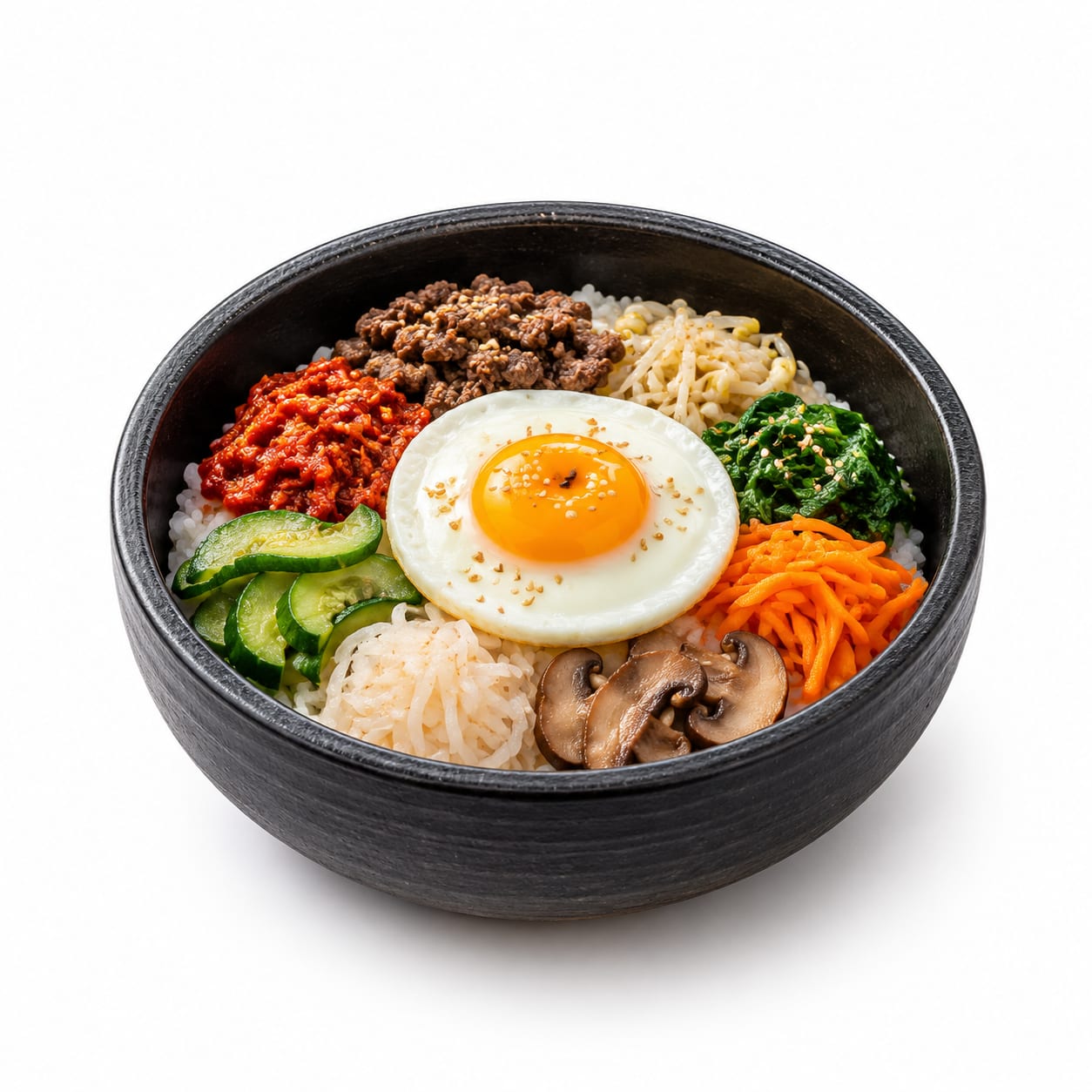
Bibimbap
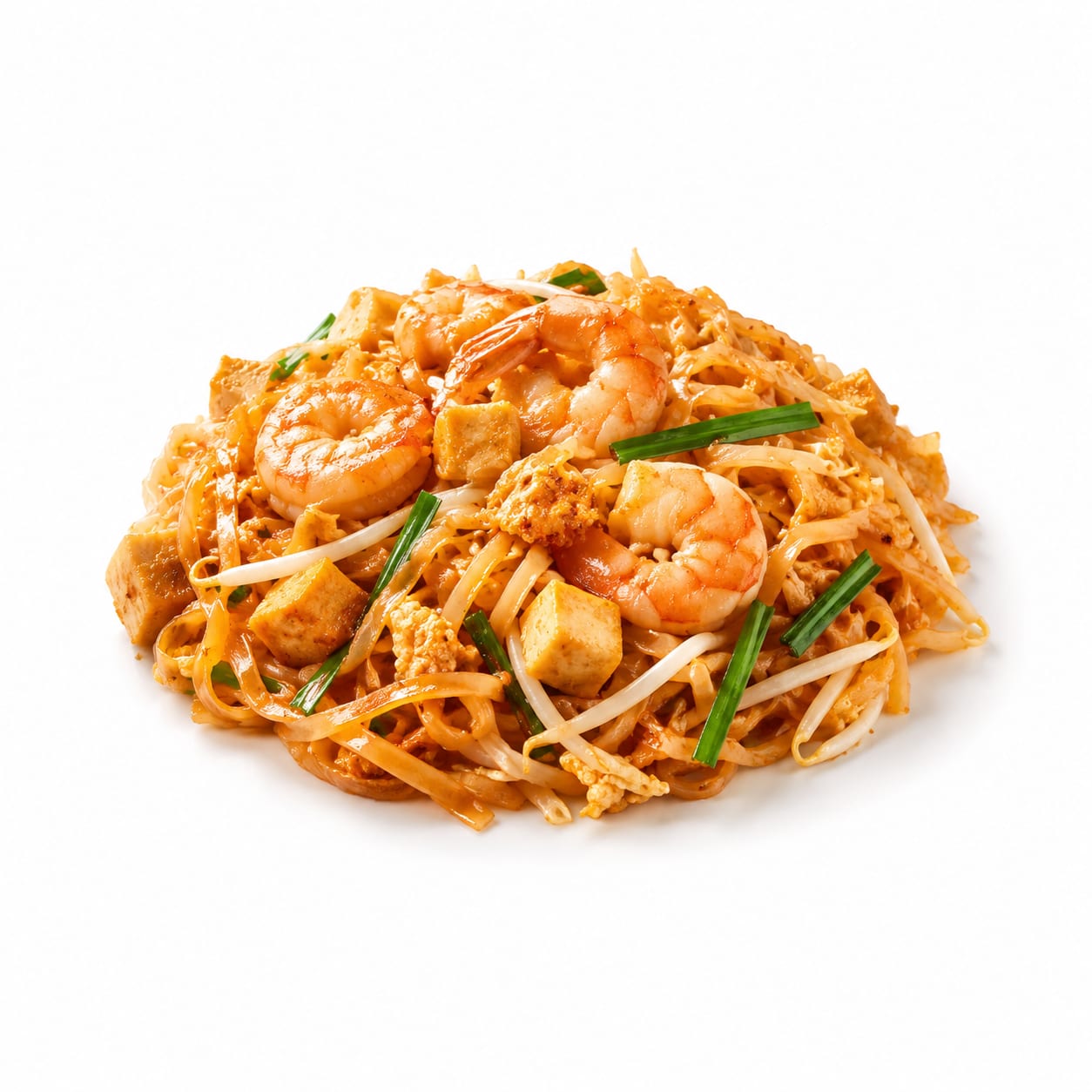
Pad Thai
Bibimbap wins on nutritional balance and vegetable diversity, while Pad Thai is lighter but sneakily high in sugar and sodium.
Bibimbap scores notably higher due to superior vegetable content, protein variety, and lower added sugar. Pad Thai loses ground primarily from high added sugar and sodium while offering fewer micronutrients.
Bibimbap gives you more vegetables, protein, and lasting fullness — but Pad Thai feels lighter and is easier to find as quick takeout.
At a glance
Executive summary
Overall
Bibimbap
Healthier
Bibimbap
More practical
Pad Thai
Daily use
Bibimbap
Key comparison lenses
Which Asian rice/noodle dish is healthier for regular consumption?
Both are popular restaurant takeout options people choose between frequently
Blood sugar and carbohydrate impact comparison
Both are carb-heavy meals built around white rice or rice noodles
Sodium and sugar load from sauces
Gochujang and fish sauce both deliver high sodium, but sugar content differs significantly
Vegetable diversity and micronutrient value
Bibimbap typically includes far more vegetable varieties than Pad Thai
Weight management and satiety
Both are satisfying meals but differ in calorie density and fullness staying power
Best choice for
Bibimbap
- People wanting a balanced meal with vegetables and protein
- Anyone managing blood sugar who needs steadier energy
- Those seeking more micronutrient variety from vegetables
- Meal preppers who want a satisfying lunch that prevents afternoon crashes
Pad Thai
- Someone wanting a lighter-feeling meal
- Gluten-sensitive individuals avoiding wheat-based noodles
- People craving something tangy and sweet rather than savory
- Those who prefer noodle dishes over rice bowls
Least suitable for
Bibimbap
- People strictly limiting carbohydrate intake
- Anyone avoiding spicy food due to gochujang
- Those watching portion sizes who struggle with large bowls
Pad Thai
- People managing diabetes or insulin resistance due to high sugar content
- Anyone on a low-sodium diet
- Those avoiding added sugars in savory meals
Deep comparison
Dimension by dimension
Each lens scores both foods and breaks down who each option suits.
- Dimension 1 · Priority 95Bibimbap
Vegetable Diversity & Micronutrients
Bibimbap · 88Pad Thai · 42Bibimbap typically includes 5-7 different vegetables like spinach, bean sprouts, carrots, zucchini, mushrooms, and fernbrake, delivering a wide spectrum of vitamins and minerals.
Tradeoff
Pad Thai relies mainly on bean sprouts and scallions with minimal vegetable variety, sacrificing micronutrient breadth for a more unified flavor profile.
Why it matters
Eating diverse vegetables daily is one of the strongest predictors of long-term health outcomes, and most people fall short on variety.
Real-world impact
A Bibimbap lunch easily covers half your daily vegetable needs. Pad Thai barely makes a dent.
Bibimbap
- Meeting daily vegetable intake goals
- Getting diverse antioxidants and minerals
- Supporting gut microbiome diversity through plant variety
Better for
- Nothing significant — this is Bibimbap's strongest advantage
Worse for
Pad Thai
- Nothing significant in this category
Better for
- Reaching daily vegetable targets
- Getting adequate potassium and folate
- Supporting long-term disease prevention through plant diversity
Worse for
- Dimension 2 · Priority 92Bibimbap
Added Sugar Content
Bibimbap · 70Pad Thai · 35Pad Thai sauce relies heavily on sugar and tamarind paste with added sweeteners, often packing 15-25 grams of added sugar per serving. Bibimbap's gochujang contains some sugar but far less overall.
Tradeoff
That sweet-tangy Pad Thai flavor comes at a real metabolic cost, while Bibimbap achieves its flavor profile with less sugar reliance.
Why it matters
Added sugar in savory meals is a hidden driver of blood sugar spikes, cravings, and metabolic strain that many people do not account for.
Real-world impact
One Pad Thai can contain as much added sugar as a can of soda, hidden behind a savory meal. Bibimbap keeps sugar more honest.
Bibimbap
- Keeping blood sugar more stable after eating
- Avoiding hidden sugar in savory meals
- Reducing daily added sugar intake without feeling deprived
Better for
- Gochujang still contains some sugar, so it is not sugar-free
Worse for
Pad Thai
- Nothing — this is Pad Thai's clearest nutritional weakness
Better for
- Blood sugar spikes followed by energy crashes
- Increased cravings later in the day
- Higher risk of exceeding daily sugar limits without realizing it
Worse for
- Dimension 3 · Priority 88Bibimbap
Protein Quality & Satiety
Bibimbap · 78Pad Thai · 55Bibimbap typically includes beef and a fried egg, providing complete protein with all essential amino acids. Pad Thai relies more on small amounts of shrimp and tofu, offering less total protein per serving.
Tradeoff
Bibimbap keeps you full for hours thanks to solid protein content. Pad Thai may leave you hungry again within two to three hours.
Why it matters
Protein is the main driver of meal satisfaction and helps prevent overeating later in the day.
Real-world impact
After Bibimbap, you are likely satisfied until dinner. After Pad Thai, you may be snacking by mid-afternoon.
Bibimbap
- Sustained fullness lasting 4-5 hours
- Complete protein from beef and egg combined
- Better muscle maintenance with higher leucine content
Better for
- Beef adds saturated fat some people prefer to limit
Worse for
Pad Thai
- Lighter feeling if you prefer not feeling full
- Shrimp provides lean protein if portion is adequate
Better for
- Less total protein per typical serving
- More likely to cause hunger return within 2-3 hours
- Tofu protein is less bioavailable than animal sources
Worse for
- Dimension 4 · Priority 85It depends
Sodium Load
Bibimbap · 45Pad Thai · 40Both dishes are sodium-heavy from their respective sauces. Pad Thai uses fish sauce and soy sauce, while Bibimbap relies on gochujang and soy sauce. Restaurant versions of both easily exceed 1500mg sodium.
Tradeoff
Neither dish wins on sodium — both are high-salt meals that require awareness if you are watching blood pressure.
Why it matters
Regular high-sodium meals are a leading contributor to hypertension, and restaurant Asian cuisine is consistently sodium-dense.
Real-world impact
Either dish can deliver nearly a full day's sodium allowance. If blood pressure is a concern, both require modification.
Bibimbap
- Slightly more control over sauce amount since gochujang is served on the side often
Better for
- Still easily exceeds 1000mg sodium per serving
- Gochujang is deceptively salty alongside its sweetness
Worse for
Pad Thai
- Can request less fish sauce in preparation
Better for
- Fish sauce is extremely sodium-dense per tablespoon
- Sodium is integrated throughout the dish, harder to reduce
Worse for
- Dimension 5 · Priority 83It depends
Carbohydrate Quality & Blood Sugar Impact
Bibimbap · 55Pad Thai · 48Bibimbap uses white rice while Pad Thai uses rice noodles — both are refined carbohydrates with high glycemic impact. However, Bibimbap's protein, fat, and fiber from vegetables slow absorption somewhat.
Tradeoff
Both will raise blood sugar noticeably, but Bibimbap's better protein and fiber content softens the spike compared to Pad Thai's sugar-accelerated carb load.
Why it matters
For the millions managing prediabetes or insulin resistance, carb-heavy Asian dishes require strategic pairing with protein and fiber.
Real-world impact
Bibimbap gives a gentler blood sugar curve. Pad Thai hits faster and harder due to the sugar-noodle combination.
Bibimbap
- More fiber from vegetables slows glucose absorption
- Higher protein content further moderates the spike
- Better choice for steady energy without crashes
Better for
- White rice base still causes significant blood sugar rise
- Large portions can deliver 60-80g carbohydrates easily
Worse for
Pad Thai
- Rice noodles are gluten-free for those with celiac sensitivity
Better for
- Added sugar amplifies the glycemic impact of rice noodles
- Less fiber means faster glucose absorption
- Higher risk of post-meal energy crash
Worse for
- Dimension 6 · Priority 78Pad Thai
Calorie Density & Portion Control
Bibimbap · 50Pad Thai · 62Pad Thai portions are often smaller in volume and can feel lighter, while Bibimbap arrives as a large bowl that encourages eating beyond fullness. However, Pad Thai's oil content can make it deceptively calorie-dense.
Tradeoff
Pad Thai feels lighter in the moment but may pack hidden calories from oil. Bibimbap looks like more food but the vegetable volume adds bulk without excessive calories.
Why it matters
Perceived portion size versus actual calorie content often misleads people trying to manage intake.
Real-world impact
You might eat a full Bibimbap bowl because it is in front of you, consuming 700-900 calories. A Pad Thai portion might look smaller but still hit 600-800 calories from oil.
Bibimbap
- Vegetable bulk helps fill you up on fewer calories per bite
- Easier to stop eating when satisfied due to volume
Better for
- Large bowl presentation encourages overeating
- Easy to consume more rice than intended
Worse for
Pad Thai
- Smaller visual portion may prevent overeating
- Feels lighter in the stomach after eating
Better for
- Oil-heavy cooking method hides significant calories
- Less satisfying volume leads to sooner hunger return
Worse for
- Dimension 7 · Priority 72It depends
Digestive Tolerance
Bibimbap · 60Pad Thai · 58Bibimbap's vegetable fiber supports digestion for most people but may cause bloating in sensitive individuals. Pad Thai's lighter vegetable content is easier on some stomachs but the oil and spice can trigger reflux.
Tradeoff
Choose based on your specific digestive sensitivity — fiber-heavy or oil-heavy meals affect people differently.
Why it matters
Digestive comfort after lunch directly affects afternoon productivity and well-being.
Real-world impact
If raw or lightly cooked vegetables bloat you, Pad Thai may sit better. If greasy food gives you heartburn, Bibimbap is the safer bet.
Bibimbap
- Fiber supports regular digestion and gut health
- Less cooking oil reduces reflux risk
Better for
- High vegetable fiber can cause bloating in sensitive people
- Spicy gochujang may irritate those with GERD
Worse for
Pad Thai
- Fewer vegetables means less fermentable fiber
- May feel lighter and easier to digest for some
Better for
- Stir-fry oil can trigger heartburn and reflux
- Bean sprouts cause gas in some individuals
Worse for
Timeline
Health impact over time
Short-term
Hours to days
Bibimbap
- Sustained energy for 3-4 hours due to balanced macros
- Possible slight bloating from high vegetable fiber
- Moderate blood sugar rise that stabilizes relatively quickly
Pad Thai
- Quick energy surge followed by potential crash within 2 hours
- Thirst from high sodium content
- Possible heartburn from oil and lime acidity
Long-term
Months to years
Bibimbap
- Better micronutrient status from regular vegetable diversity
- Improved gut microbiome from varied plant fibers
- Risk of excessive sodium intake if eaten frequently at restaurants
Pad Thai
- Higher cumulative added sugar intake from regular consumption
- Potential blood pressure concerns from consistent high sodium
- Lower vegetable intake may contribute to nutrient gaps over time
Risk profile
Safety & processing
Both are cooked dishes with processed sauce components, but Bibimbap's ingredients are closer to whole foods. Pad Thai's sauce often contains preservatives in commercial fish sauce and tamarind paste, and restaurant versions may include MSG and food coloring.
Bibimbap
Egg undercooking
mediumThe fried egg is often served with a runny yolk, which carries salmonella risk if eggs are not pasteurized.
Rice holding temperature
mediumBibimbap rice held at improper temperatures can breed bacillus cereus, a common fried rice syndrome risk.
Pad Thai
Shellfish contamination
highShrimp in Pad Thai can carry vibrio or other seafood pathogens if undercooked or improperly stored.
Peanut allergen cross-contamination
highCrushed peanuts are a standard garnish, making Pad Thai risky for those with peanut allergies even if requested without.
Fish sauce histamine
lowFermented fish sauce contains high histamine levels that may trigger reactions in sensitive individuals.
Who wins for whom
Audience fit
Same foods, different winners depending on your goal.
children
Pad ThaiMilder sweet flavor and softer noodle texture appeal more to kids, and the peanut garnish adds healthy fats for growing bodies.
daily consumption
BibimbapBetter nutritional balance and lower added sugar make Bibimbap more sustainable as a regular meal, though sodium should still be monitored.
diabetes
BibimbapLess added sugar and more fiber result in a gentler blood sugar response, though both require portion awareness.
elderly
BibimbapSofter vegetables and egg are easier to chew than stir-fried noodles, and the nutrient density supports healthy aging.
muscle gain
BibimbapBeef and egg deliver more complete protein with higher leucine content per serving than shrimp and tofu.
weight loss
BibimbapHigher protein and vegetable content provides better satiety per calorie, making it easier to eat less overall throughout the day.
Your move
Decision guide
Choose Bibimbap
- You want a meal that keeps you full for hours without crashing
- Vegetable intake is a priority in your daily nutrition
- You are watching added sugar but still want flavorful food
- You need sustained energy for an active afternoon
- You are meal prepping and want something that reheats well
Choose Pad Thai
- You want something that feels light and fresh
- You are avoiding gluten and need a wheat-free option
- You prefer sweet and tangy flavors over savory and spicy
- You are eating a smaller meal and do not need lasting fullness
- You crave the specific comfort of noodle dishes
Either works if
- You are eating out and both are available — pick based on what you genuinely crave
- You plan to modify the dish by requesting less sauce or smaller rice portions
Avoid both if
- You are on a strict low-sodium diet and cannot control sauce amounts
- You are following a very low-carb or ketogenic eating plan
- You have severe sensitivity to spicy food and cannot confirm preparation details
Final recommendation
For most people eating Asian takeout a few times per month, Bibimbap is the stronger nutritional choice. It delivers more vegetables, better protein, and less hidden sugar than Pad Thai. That said, Pad Thai is perfectly fine occasionally — just know you are getting a sugar-sodium combo disguised as a light meal. If you choose Pad Thai, consider asking for light sauce and extra bean sprouts to improve the balance.
Practical
Consumer tips
- 1
Ask for Bibimbap sauce on the side so you can control the sodium and sugar amount yourself
- 2
Request Pad Thai with less sugar — most restaurants will accommodate, and you will taste the difference immediately
- 3
Swap white rice in Bibimbap for brown rice when available to improve fiber content and blood sugar response
- 4
Add extra vegetables to Pad Thai if the restaurant allows substitutions — broccoli or bok choy work well
- 5
Drink extra water after either meal to help your body process the sodium load
- 6
Split a large Bibimbap bowl and save half for later rather than eating the entire portion at once
- 7
Check if the restaurant uses MSG in Pad Thai if you are sensitive to it — many do not disclose this