
Nutrition comparison
Bibimbap vs Quinoa Bowl: Which Grain Bowl is Healthier?
Compare Bibimbap vs Quinoa Bowl for weight loss, blood sugar, and daily health. Discover the nutritional tradeoffs between Korean mixed rice and quinoa bowls.
Overall winner · Quinoa Bowl
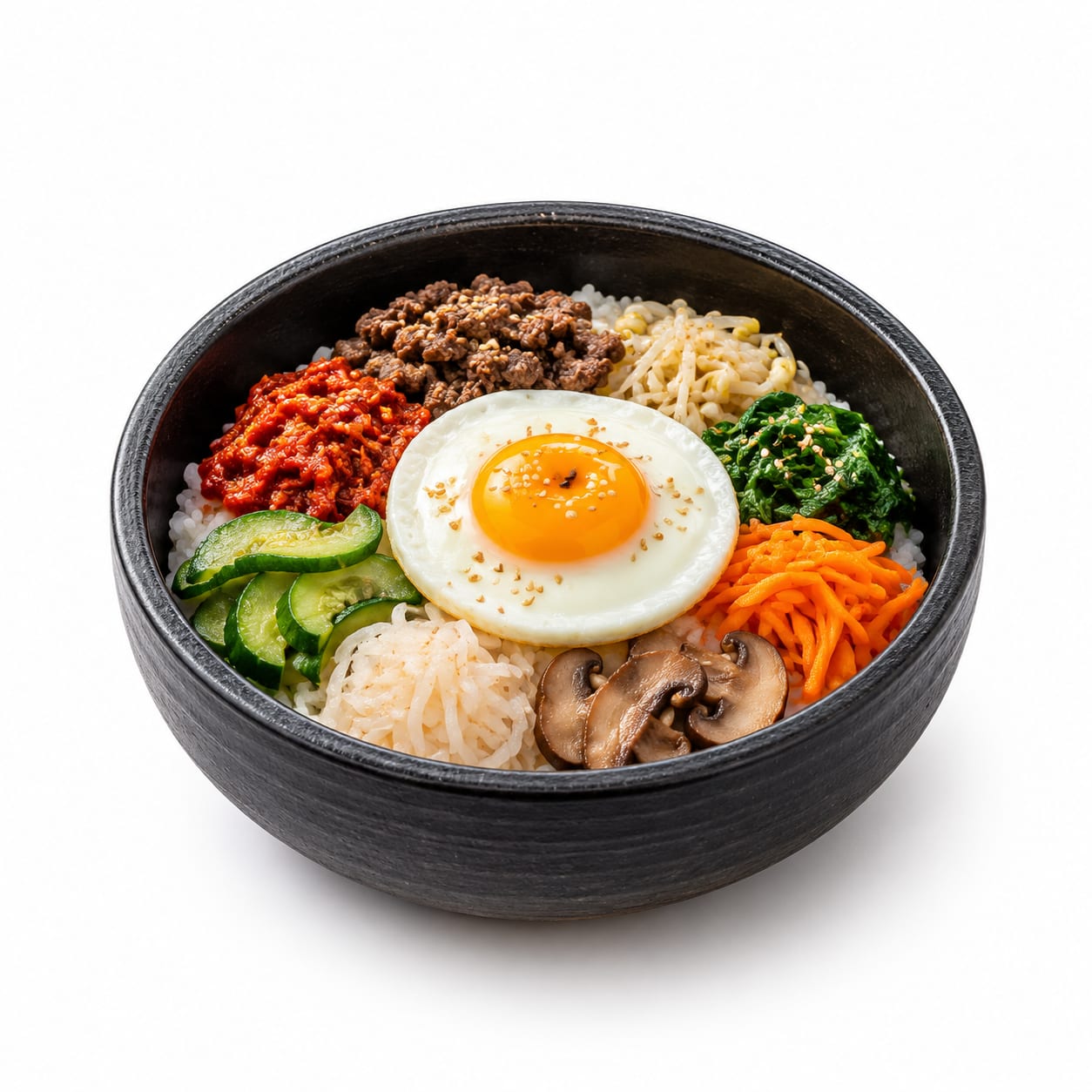
Bibimbap
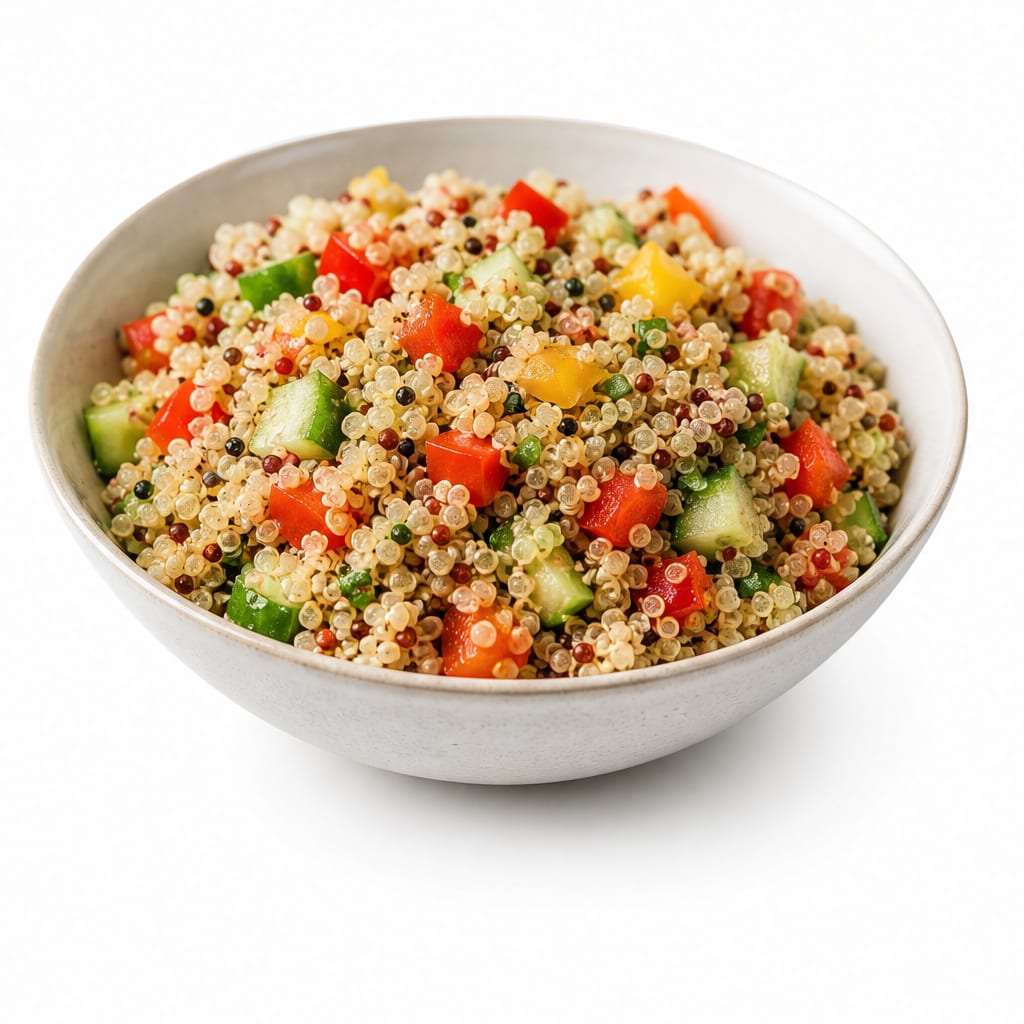
Quinoa Bowl
Quinoa Bowl wins for daily health and steady energy, but Bibimbap delivers a more satisfying, comforting flavor experience.
Quinoa Bowl scores higher due to superior carbohydrate quality, lower sodium, and better daily sustainability. Bibimbap remains a strong, nutrient-dense option but is held back by its high sodium and blood sugar impact.
You trade the comforting, bold flavors of Bibimbap for the blood-sugar-friendly, lower-sodium profile of a Quinoa Bowl.
At a glance
Executive summary
Overall
Quinoa Bowl
Healthier
Quinoa Bowl
More practical
Quinoa Bowl
Daily use
Quinoa Bowl
Key comparison lenses
Carbohydrate quality and blood sugar impact
White rice in Bibimbap spikes blood sugar faster than the complex carbs in a Quinoa Bowl.
Sodium intake and heart health
Bibimbap relies on gochujang and soy sauce, making it significantly higher in sodium than a typical Quinoa Bowl.
Satiety and energy stability
Quinoa's fiber and protein provide longer-lasting fullness, while Bibimbap's white rice can lead to an afternoon energy crash.
Meal prep and convenience
Quinoa Bowls are easier to batch-cook and store, whereas Bibimbap is best fresh with crispy rice.
Best choice for
Bibimbap
- Craving bold, savory Korean flavors
- Needing a comforting, hot meal on a cold day
- Post-workout carb refueling
- Dining out at a Korean restaurant
Quinoa Bowl
- Steady afternoon energy without a crash
- Managing blood pressure or sodium intake
- Easy weekly meal prep
- Gluten-free dietary needs
Least suitable for
Bibimbap
- Daily consumption due to high sodium
- Strict low-carb or keto diets
- Those managing hypertension
Quinoa Bowl
- Craving hot, crispy, comforting food
- Those on a tight budget (quinoa can be pricey)
- People who find quinoa's texture too grainy
Deep comparison
Dimension by dimension
Each lens scores both foods and breaks down who each option suits.
- Dimension 1 · Priority 95Quinoa Bowl
Carbohydrate Quality & Blood Sugar
Bibimbap · 55Quinoa Bowl · 90Quinoa provides slow-digesting complex carbs, while Bibimbap's white rice causes a quicker blood sugar spike.
Tradeoff
Bibimbap gives immediate satisfying energy, but Quinoa Bowl prevents the subsequent energy crash.
Why it matters
Steady blood sugar means fewer cravings and better focus throughout the afternoon.
Real-world impact
Eating a Quinoa Bowl keeps you full until dinner; Bibimbap might leave you reaching for a snack by 3 PM.
Bibimbap
- Quick pre-workout energy
Better for
- Diabetes management
- Avoiding afternoon fatigue
Worse for
Quinoa Bowl
- Sustained focus during long workdays
- Managing insulin resistance
Better for
- Immediate post-run glycogen replenishment
Worse for
- Dimension 2 · Priority 90Quinoa Bowl
Sodium & Heart Health
Bibimbap · 40Quinoa Bowl · 85Bibimbap's gochujang and soy sauce pack a massive sodium punch, whereas Quinoa Bowls are typically lightly dressed.
Tradeoff
You sacrifice the deeply savory umami flavor of Bibimbap to protect your blood pressure with a Quinoa Bowl.
Why it matters
High sodium intake is a leading driver of hypertension and bloating.
Real-world impact
A Bibimbap dinner can leave you waking up puffy and thirsty; a Quinoa Bowl won't.
Bibimbap
- Replenishing sodium after heavy sweating
Better for
- Heart health
- Daily consumption
Worse for
Quinoa Bowl
- Keeping blood pressure in check
- Avoiding water retention
Better for
- Intense flavor satisfaction
Worse for
- Dimension 3 · Priority 85It depends
Protein & Satiety
Bibimbap · 80Quinoa Bowl · 80Both can be protein powerhouses, but it depends entirely on the toppings. Bibimbap usually has egg and beef; Quinoa Bowls often feature chicken or legumes.
Tradeoff
Bibimbap offers high-quality animal protein by default, while Quinoa Bowl provides more fiber-assisted satiety.
Why it matters
Protein keeps you full, but fiber amplifies that effect without adding calories.
Real-world impact
Both bowls keep you full for hours if built correctly, but Quinoa's fiber makes the fullness feel lighter.
Bibimbap
- Complete amino acid profile from egg and beef
- Higher fat content for longer satiety
Better for
- Can feel heavy due to fat and carbs combined
Worse for
Quinoa Bowl
- Fiber-enhanced fullness
- Easier to customize with lean proteins
Better for
- Plant-based versions might need careful combining for complete proteins
Worse for
- Dimension 4 · Priority 75It depends
Micronutrient Density
Bibimbap · 82Quinoa Bowl · 85Bibimbap offers fermented food benefits and varied vegetables, while Quinoa brings unique minerals like magnesium and manganese.
Tradeoff
Bibimbap gives you gut-friendly fermented veggies; Quinoa Bowl delivers more hard-to-get minerals.
Why it matters
Gut health and mineral intake are both crucial for long-term energy and immunity.
Real-world impact
Bibimbap supports digestion through fermentation; Quinoa supports muscle relaxation and sleep through magnesium.
Bibimbap
- Gut microbiome support from fermented kimchi/bean sprouts
- Iron from beef
Better for
- Nutrient absorption can be blocked by high phytic acid in some raw veggies
Worse for
Quinoa Bowl
- Magnesium for muscle recovery and sleep
- Manganese for bone health
Better for
- Lacks the probiotic punch of fermented sides
Worse for
Timeline
Health impact over time
Short-term
Hours to days
Bibimbap
- Quick energy surge from white rice
- Potential bloating and thirst from high sodium
- High satisfaction from umami and fat
Quinoa Bowl
- Steady, crash-free energy
- Comfortable digestion without heaviness
- Mild, neutral flavor that might feel less indulgent
Long-term
Months to years
Bibimbap
- Risk of elevated blood pressure if eaten frequently
- Potential weight gain from calorie density if portions are large
- Good micronutrient intake from varied vegetables
Quinoa Bowl
- Improved blood sugar regulation
- Better heart health markers due to low sodium and high fiber
- Sustained weight management from high satiety
Risk profile
Safety & processing
Bibimbap's sauces often contain added sugars, preservatives, and MSG in restaurant settings. Quinoa Bowls typically use whole foods with simple dressings like olive oil and lemon.
Bibimbap
Foodborne illness from raw egg
mediumTraditional Bibimbap uses a raw egg yolk, which carries a Salmonella risk if not using pasteurized eggs.
High sodium overload
mediumRestaurant gochujang and soy sauce can push sodium to extreme levels, straining kidneys short-term.
Quinoa Bowl
Saponin irritation
lowUnrinsed quinoa contains saponins that can cause stomach upset and a bitter taste.
Cross-contamination in salad bars
lowPre-made Quinoa Bowls can harbor bacteria if left at improper temperatures.
Who wins for whom
Audience fit
Same foods, different winners depending on your goal.
children
BibimbapKids often prefer the mild, slightly sweet rice and familiar egg of Bibimbap over the earthy, grainy texture of quinoa.
daily consumption
Quinoa BowlA Quinoa Bowl is sustainable daily due to low sodium and steady energy; Bibimbap is better as a weekly treat.
diabetes
Quinoa BowlQuinoa has a much lower glycemic index than white rice, preventing dangerous blood sugar spikes.
elderly
Quinoa BowlLower sodium and better blood sugar control are critical for older adults, though the chewy quinoa might need extra cooking.
muscle gain
It dependsBibimbap's beef and egg offer high-quality protein, but a Quinoa Bowl with chicken matches it with better carb fueling.
weight loss
Quinoa BowlQuinoa's fiber keeps you full on fewer calories, and the lack of heavy sauces makes portion control easier.
Your move
Decision guide
Choose Bibimbap
- You are craving something deeply savory and comforting
- You just finished a heavy workout and need fast carbs and protein
- You are eating out and want a balanced but satisfying meal
Choose Quinoa Bowl
- You are meal-prepping for the workweek
- You need to watch your blood pressure or sodium intake
- You want to avoid the 3 PM energy crash
- You are eating a late dinner and want something lighter
Either works if
- You want a vegetable-forward, balanced meal
- You are customizing your own grain bowl at a build-your-own restaurant
Avoid both if
- You are on a strict ketogenic or very low-carb diet
- You have severe digestive issues with high-fiber or spicy foods
Final recommendation
Make a Quinoa Bowl your weekday staple for steady energy and heart health, and save Bibimbap for a rewarding weekend dinner when you can enjoy the bold flavors without the daily sodium consequences.
Practical
Consumer tips
- 1
Ask for less gochujang or sauce on the side when ordering Bibimbap to cut sodium by half.
- 2
Swap white rice for brown rice in Bibimbap to improve the blood sugar impact significantly.
- 3
Always rinse quinoa thoroughly before cooking to remove bitter saponins and improve digestion.
- 4
Add a squeeze of lime or lemon to your Quinoa Bowl to boost iron absorption from the greens.
- 5
If making Bibimbap at home, use low-sodium soy sauce and a fried egg instead of raw for safety.