
Nutrition comparison
Bibimbap vs Fried Rice: Which Rice Bowl Is Actually Healthier?
Compare Bibimbap and Fried Rice nutrition, calories, and health impact. Discover which Korean and Chinese rice dish better supports weight loss, energy, and long-term health.
Overall winner · Bibimbap
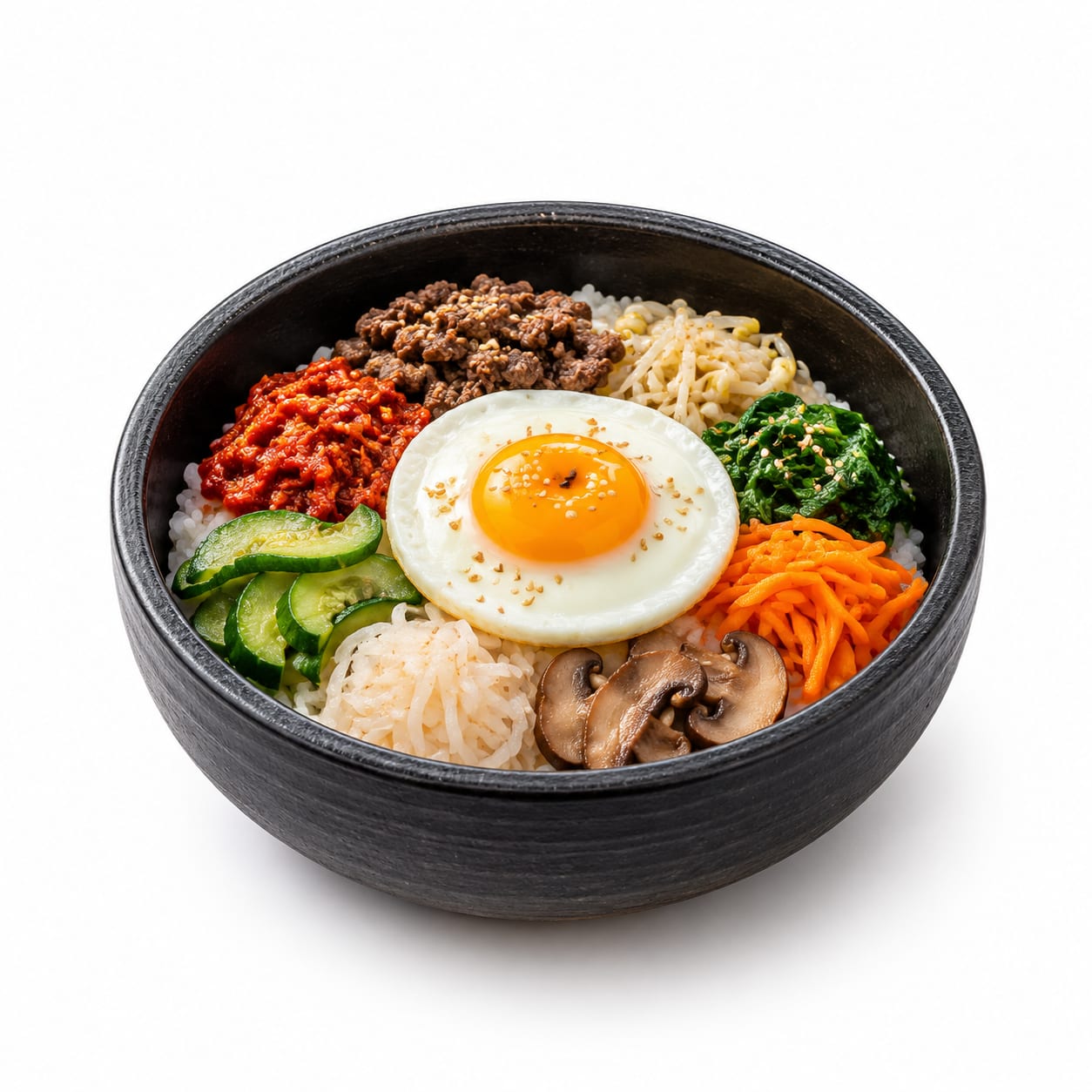
Bibimbap
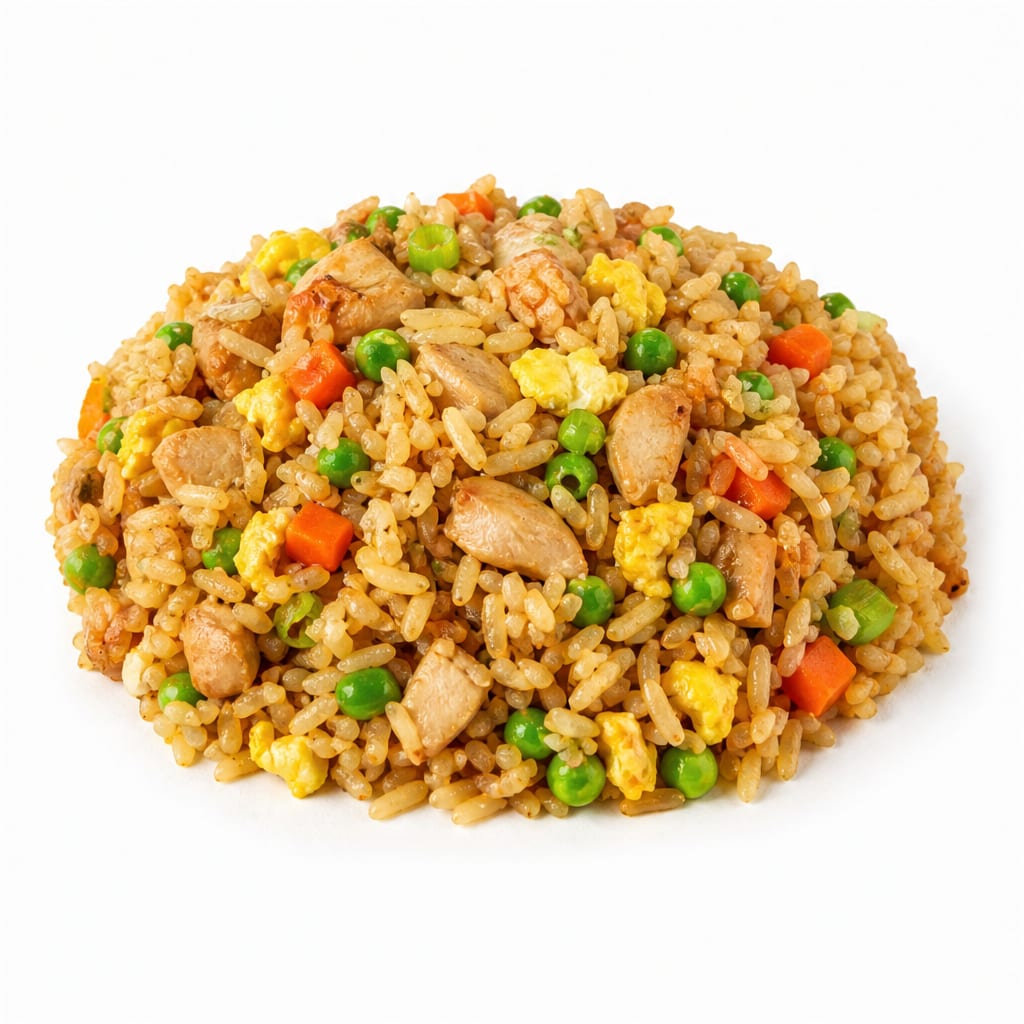
Fried Rice
Bibimbap delivers significantly more vegetables, less oil, and better micronutrient diversity, making it the stronger choice for regular meals. Fried Rice wins on convenience and comfort but carries a heavier calorie and sodium load.
Bibimbap scores notably higher due to superior vegetable content, lower oil usage, and better micronutrient profile. Fried Rice loses ground on calorie density and nutritional balance but remains a satisfying, accessible option. The gap reflects real health differences, not that Fried Rice is inherently bad.
Bibimbap trades convenience for nutritional quality. You get more colors on your plate but may need to seek out a Korean restaurant or prep more ingredients at home.
At a glance
Executive summary
Overall
Bibimbap
Healthier
Bibimbap
More practical
Fried Rice
Daily use
Bibimbap
Key comparison lenses
which is healthier for regular meals
Both are popular rice-based dishes people eat frequently, making long-term health impact the primary concern
vegetable intake and micronutrient diversity
Bibimbap is vegetable-heavy while Fried Rice typically uses vegetables as garnish, creating a major nutritional gap
calorie and oil control for weight management
Fried Rice absorbs significant oil during cooking, making calorie density a key differentiator
sodium and blood pressure concerns
Both dishes rely on salty condiments but from different sources, affecting sodium load differently
convenience and restaurant availability
Fried Rice is universally available while Bibimbap requires Korean restaurants or more prep at home
Best choice for
Bibimbap
- People prioritizing vegetable intake and micronutrient diversity
- Anyone managing weight who wants lower calorie density per bite
- Those seeking steadier energy without the post-meal grease crash
- Gut health conscious eaters who benefit from fermented gochujang
Fried Rice
- Busy weeknights when you need comfort food fast
- Post-workout refueling when higher carbs and fat are welcome
- Picky eaters who prefer milder, more familiar flavors
- Budget-conscious diners at standard takeout spots
Least suitable for
Bibimbap
- Someone craving quick comfort food with minimal effort
- Diners at restaurants without Korean options
- People sensitive to spicy gochujang sauce
Fried Rice
- Anyone strictly monitoring oil intake or calorie density
- People aiming to increase daily vegetable variety
- Those managing hypertension who need lower sodium meals
Deep comparison
Dimension by dimension
Each lens scores both foods and breaks down who each option suits.
- Dimension 1 · Priority 95Bibimbap
Vegetable Diversity and Micronutrient Intake
Bibimbap · 90Fried Rice · 40Bibimbap typically includes 5-8 distinct vegetables like spinach, zucchini, bean sprouts, carrots, and mushrooms. Fried Rice usually contains 1-3 vegetables in small quantities.
Tradeoff
You sacrifice the convenience of a one-pot dish for significantly more vitamins, minerals, and phytonutrients in Bibimbap.
Why it matters
Vegetable variety is one of the strongest predictors of long-term health. Different colors mean different antioxidants and protective compounds.
Real-world impact
A single Bibimbap bowl can cover half your daily vegetable needs. Fried Rice barely makes a dent.
Bibimbap
- Meeting daily vegetable targets without trying hard
- Getting diverse antioxidants from multiple plant sources
- Supporting gut microbiome diversity through varied fiber types
Better for
- Nothing notable in this category
Worse for
Fried Rice
- Nothing meaningful in this category
Better for
- Falling short on vegetable intake if Fried Rice is a regular meal
- Missing out on fat-soluble vitamins that vegetables provide alongside the rice
- Lower fiber intake leading to faster digestion and earlier hunger
Worse for
- Dimension 2 · Priority 90Bibimbap
Calorie Density and Oil Content
Bibimbap · 78Fried Rice · 45Fried Rice requires substantial oil to prevent sticking and achieve the right texture. Bibimbap vegetables are typically lightly sautéed or blanched with minimal oil.
Tradeoff
Fried Rice delivers a richer mouthfeel and more satisfying bite, but each serving quietly packs 200-400 extra calories from oil alone.
Why it matters
Oil calories add up fast without increasing fullness. A dish that feels like one meal can actually contain the calories of two.
Real-world impact
A standard restaurant Fried Rice can hit 800-1200 calories. Bibimbap typically lands between 500-750 calories with more volume and nutrients.
Bibimbap
- Controlling calories without feeling deprived since the bowl looks full
- Avoiding the heavy sluggish feeling that follows oily meals
- Eating a satisfying portion size that aligns with weight goals
Better for
- Nothing significant in this category
Worse for
Fried Rice
- Situations where higher calories are actually desired, like after intense exercise
Better for
- Stealth calorie surplus from oil that does not trigger fullness signals
- Greater risk of unintended weight gain with frequent consumption
- Heavier digestion that can sap afternoon energy
Worse for
- Dimension 3 · Priority 82Bibimbap
Sodium Load
Bibimbap · 55Fried Rice · 40Both dishes are sodium-heavy from soy sauce and condiments. Fried Rice often uses more soy sauce directly on the rice, while Bibimbap relies on gochujang which is also salty but typically applied in smaller amounts.
Tradeoff
Neither dish wins convincingly here. Bibimbap has a slight edge because the sauce is more controllable and often served on the side.
Why it matters
Regular high-sodium meals keep blood pressure elevated and increase cardiovascular risk over time.
Real-world impact
Restaurant versions of both dishes can deliver 1500-3000mg sodium. That is your entire daily allowance in one meal.
Bibimbap
- Gochujang can be served separately, letting you control the amount
- Less soy sauce soaked into every grain compared to Fried Rice
Better for
- Gochujang and kimchi still contribute significant sodium
- Restaurant versions are pre-seasoned with limited control
Worse for
Fried Rice
- Home-cooked versions can use reduced-sodium soy sauce effectively
Better for
- Soy sauce permeates every bite, making portion control of sodium nearly impossible
- Restaurant Fried Rice often adds MSG and salt on top of soy sauce
Worse for
- Dimension 4 · Priority 80Bibimbap
Blood Sugar Stability
Bibimbap · 68Fried Rice · 48Bibimbap's higher fiber and vegetable content slows carbohydrate absorption. Fried Rice's oil-coated grains and lower fiber content can cause sharper blood sugar swings despite the fat.
Tradeoff
Bibimbap provides steadier energy but contains enough carbs to still matter for diabetics. Fried Rice's fat delays the spike but can cause a prolonged elevation.
Why it matters
Steadier blood sugar means better focus, fewer cravings between meals, and less metabolic strain over years.
Real-world impact
After Bibimbap you are more likely to feel comfortably full for 3-4 hours. After Fried Rice, you might feel stuffed initially but hungry again sooner.
Bibimbap
- Fiber from multiple vegetables slows glucose absorption naturally
- Protein from egg and meat provides additional blood sugar stabilization
- Less dramatic energy crashes between meals
Better for
- White rice base still poses glycemic challenges for sensitive individuals
Worse for
Fried Rice
- Higher fat content slightly delays gastric emptying
Better for
- Oil-coated rice digests quickly once the fat layer clears
- Low fiber means less natural braking on carbohydrate absorption
- More likely to trigger cravings a few hours later
Worse for
- Dimension 5 · Priority 75Bibimbap
Gut Health and Fermented Food Benefits
Bibimbap · 80Fried Rice · 35Bibimbap often includes fermented elements like gochujang and sometimes kimchi, providing probiotics and beneficial compounds. Fried Rice has no fermented components.
Tradeoff
The probiotic benefit is real but modest if gochujang is the only fermented element. Still, it meaningfully outperforms Fried Rice which offers zero gut health support.
Why it matters
Fermented foods support digestion, immune function, and even mood regulation through the gut-brain axis.
Real-world impact
Regular Bibimbap eaters get small but consistent probiotic exposure. Fried Rice offers nothing in this department.
Bibimbap
- Gochujang provides lactobacillus probiotics from fermentation
- Diverse vegetable fibers feed beneficial gut bacteria
- Kimchi as a side dish amplifies probiotic benefits significantly
Better for
- Probiotic content varies widely depending on gochujang preparation
Worse for
Fried Rice
- Nothing meaningful for gut health
Better for
- Zero fermented food contribution
- Low fiber provides minimal prebiotic fuel for gut bacteria
Worse for
- Dimension 6 · Priority 72Fried Rice
Convenience and Accessibility
Bibimbap · 40Fried Rice · 85Fried Rice is available at virtually every Chinese and Asian fusion restaurant, and home cooks can make it quickly with leftover rice. Bibimbap requires Korean restaurants or more elaborate home preparation.
Tradeoff
You trade nutritional quality for ease of access. Fried Rice is the path of least resistance on a busy night.
Why it matters
The healthiest meal only matters if you actually eat it. Convenience often determines what ends up on your plate.
Real-world impact
You can find Fried Rice at nearly any takeout spot. Bibimbap requires finding a Korean restaurant or keeping specific ingredients stocked.
Bibimbap
- Meal prep versions can be assembled efficiently with pre-cut vegetables
Better for
- Requires more distinct ingredients and preparation steps
- Harder to find at non-Korean restaurants
- Gochujang may not be stocked in standard grocery stores
Worse for
Fried Rice
- Available almost everywhere Asian food is sold
- Quick to make at home with day-old rice and basic ingredients
- Forgiving recipe that works with whatever vegetables you have
- Excellent use of leftover rice and random fridge contents
Better for
- Nothing significant regarding convenience
Worse for
- Dimension 7 · Priority 70It depends
Protein Quality and Satiety
Bibimbap · 70Fried Rice · 65Both dishes typically include egg and some meat. Bibimbap often has more protein variety with options like beef bulgogi. Fried Rice usually contains smaller protein portions scattered throughout.
Tradeoff
Protein content depends more on what you order than which dish you choose. Both can be protein-adequate or protein-poor depending on preparation.
Why it matters
Adequate protein determines how long you stay full and whether the meal supports muscle maintenance.
Real-world impact
Ask for extra protein in either dish and the gap disappears. Default restaurant portions are roughly comparable.
Bibimbap
- Bulgogi beef option provides high-quality complete protein
- Egg yolk adds choline and additional protein
- More filling per calorie due to higher volume and fiber
Better for
- Protein is concentrated in specific sections rather than mixed throughout
Worse for
Fried Rice
- Egg is thoroughly mixed throughout, distributing protein evenly
- Easy to add chicken, shrimp, or tofu for protein boosting
Better for
- Default portions often skimp on protein relative to rice volume
- Higher calorie load means lower protein-to-calorie ratio
Worse for
Timeline
Health impact over time
Short-term
Hours to days
Bibimbap
- Sustained energy for 3-4 hours without crash
- Comfortable fullness without heaviness
- Possible mild digestive stimulation from gochujang spice
- Satisfaction from diverse flavors and textures in one bowl
Fried Rice
- Initial fullness from high calorie density that may fade within 2-3 hours
- Possible sluggishness from oil-heavy preparation
- Quick satisfaction from familiar comfort food flavors
- Thirst from high sodium content
Long-term
Months to years
Bibimbap
- Better cardiovascular profile from lower oil intake and more vegetables
- Improved gut microbiome diversity from fermented foods and varied fiber
- Lower risk of nutrient deficiencies from broader micronutrient intake
- Easier weight maintenance due to lower calorie density
Fried Rice
- Higher risk of calorie surplus and gradual weight gain if eaten frequently
- Increased sodium exposure affecting blood pressure over time
- Potential inflammatory effects from repeated high-heat oil consumption
- Lower vegetable intake may contribute to suboptimal micronutrient status
Risk profile
Safety & processing
Both are cooked dishes, but Bibimbap uses simpler preparation methods like blanching and light sautéing. Fried Rice requires high-heat oil cooking and restaurant versions frequently include MSG. Bibimbap's ingredients stay closer to their natural state.
Bibimbap
Gochujang histamine content
lowFermented gochujang contains histamine which may affect sensitive individuals with headaches or flushing
Egg safety with runny yolk
mediumTraditional Bibimbap often features a raw or lightly cooked egg yolk that requires fresh, safe eggs to avoid salmonella risk
Rice holding temperature
lowBibimbap served in hot stone bowls is typically safe, but cold versions held at improper temperatures could foster bacterial growth
Fried Rice
High-heat cooking oil degradation
mediumRepeated high-heat stir-frying can oxidize cooking oils, creating compounds that may promote inflammation
MSG sensitivity
lowRestaurant Fried Rice commonly contains MSG which triggers sensitivity symptoms in a small percentage of people
Day-old rice bacillus cereus
mediumFried Rice is traditionally made with leftover rice that, if improperly stored, can harbor bacillus cereus causing food poisoning
Who wins for whom
Audience fit
Same foods, different winners depending on your goal.
children
Fried RiceMilder flavors and familiar egg-rice combination make Fried Rice more appealing to kids. Bibimbap's spice and mixed textures can be off-putting
daily consumption
BibimbapBetter nutritional profile and lower oil content make Bibimbap more sustainable as a regular meal without accumulating health drawbacks
diabetes
BibimbapHigher fiber and vegetable content slow glucose absorption, leading to more manageable blood sugar responses despite the white rice base
elderly
BibimbapSofter vegetables and balanced nutrition support aging bodies. The diverse micronutrients and fermented elements benefit digestive and immune health
muscle gain
It dependsBoth can support muscle gain with added protein. Bibimbap with bulgogi offers slightly better protein quality, but Fried Rice is easier to eat in larger quantities
weight loss
BibimbapLower calorie density and higher vegetable volume make Bibimbap more filling per calorie, supporting portion control without hunger
Your move
Decision guide
Choose Bibimbap
- You want to maximize vegetable intake without eating a salad
- Weight management or steady energy is a priority
- You have access to a good Korean restaurant or enjoy meal prep
- Gut health and fermented food benefits appeal to you
- You are comfortable with bolder flavors and some spice
Choose Fried Rice
- Convenience and availability matter more than nutritional optimization
- You need comfort food after a long or stressful day
- You are eating with picky eaters or children
- You are refueling after intense exercise and want higher calories
- You only have leftover rice and basic ingredients on hand
Either works if
- You are eating out and both options are available in similar quality
- Neither dish will be a regular part of your diet
- You plan to modify the dish with extra protein or vegetables regardless
Avoid both if
- You are strictly limiting sodium for blood pressure management
- You require low-carb meals for ketogenic or diabetes management
- You have a rice allergy or severe gluten sensitivity from soy sauce
Final recommendation
Make Bibimbap your default rice bowl when you have the choice. The vegetable diversity, lower oil content, and fermented food benefits create a meaningful nutritional advantage that compounds over time. Save Fried Rice for when convenience or comfort truly matters, and when you do order it, ask for extra vegetables and less oil to narrow the gap.
Practical
Consumer tips
- 1
Ask for gochujang on the side with Bibimbap to control sodium and spice levels
- 2
Request less oil and extra vegetables when ordering Fried Rice to improve its nutritional profile
- 3
Choose brown rice for either dish when available to boost fiber and stabilize blood sugar
- 4
Add extra protein like chicken, tofu, or shrimp to Fried Rice to improve satiety and reduce the carb-heavy ratio
- 5
If making Bibimbap at home, prep vegetables in bulk on weekends for quick assembly during the week
- 6
Be cautious with restaurant portion sizes for both dishes as they often serve 2-3 cups of rice per order
- 7
Pair either dish with a side of kimchi for additional probiotic benefits