
Nutrition comparison
Bibimbap vs Sushi Roll: Which Korean or Japanese Meal Is Healthier?
Compare bibimbap and sushi rolls on nutrition, calories, safety, and satiety. Find out which rice bowl fits your health goals, lifestyle, and dietary needs better.
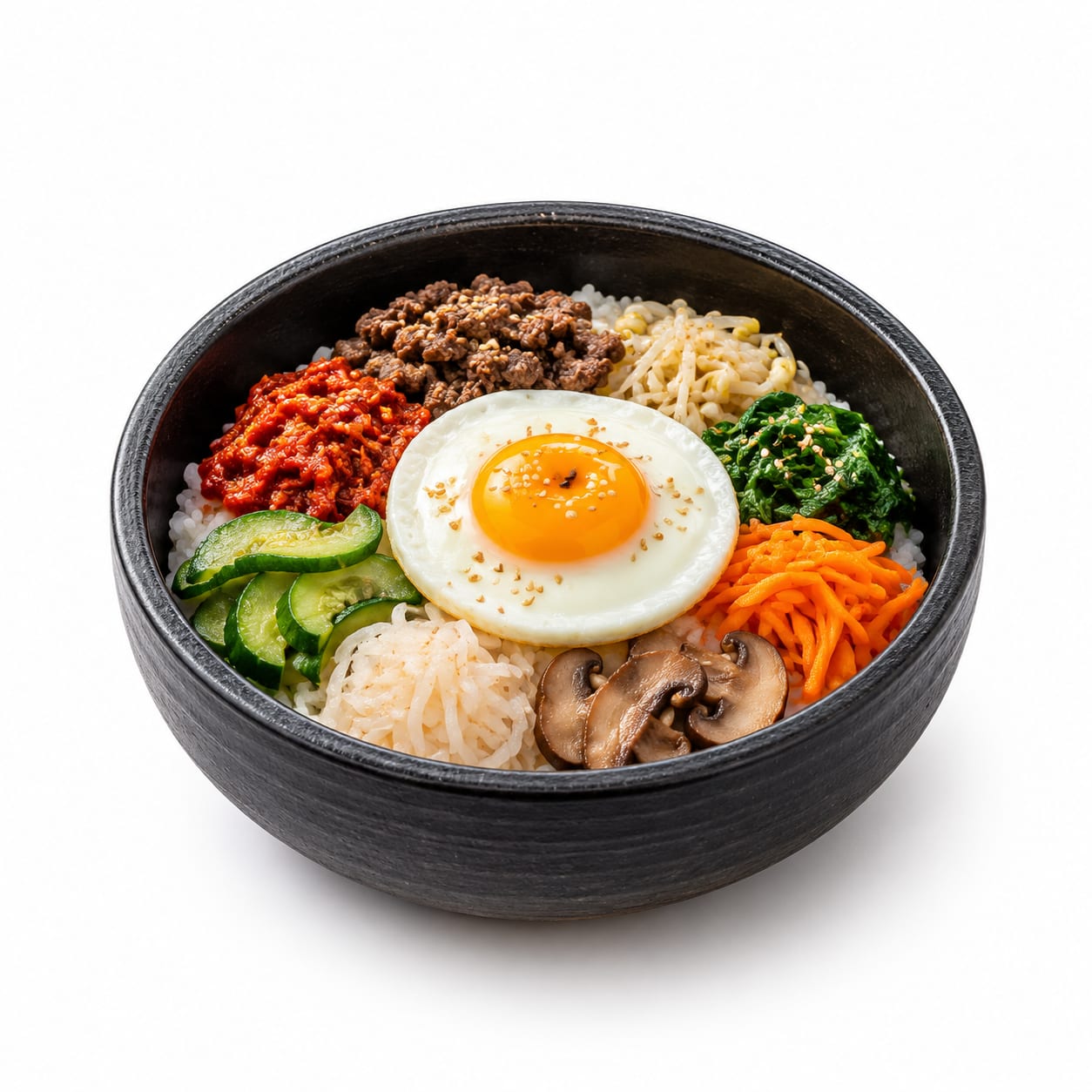
Bibimbap
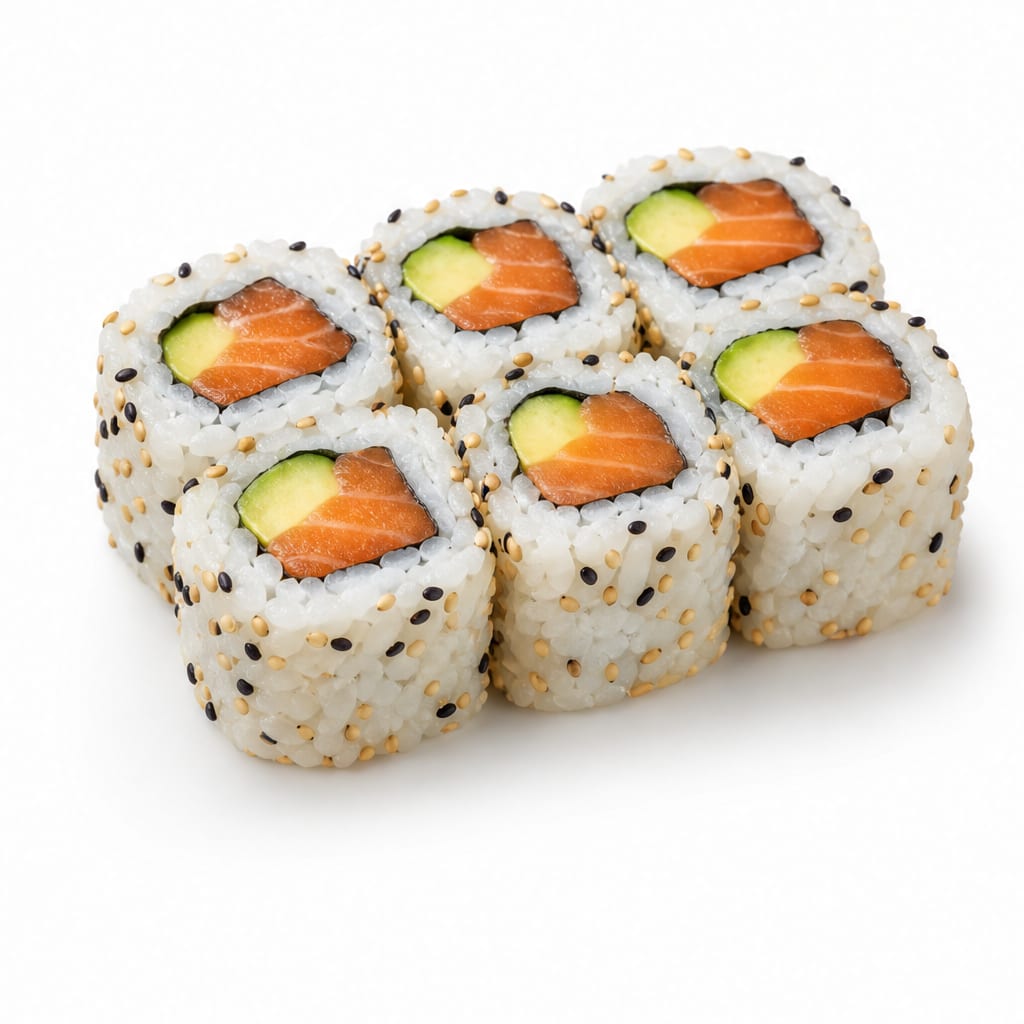
Sushi Roll
Bibimbap delivers a more filling, nutrient-diverse meal while sushi rolls offer a lighter, omega-3-rich option with easier portion control.
Bibimbap edges ahead on satiety and nutrient diversity, but sushi rolls remain competitive through lighter calories and omega-3 benefits. The close scores reflect how context-dependent the better choice really is.
Satiety and nutritional completeness versus lighter calories and heart-healthy fats from fish.
At a glance
Executive summary
Overall
It depends
Healthier
It depends
More practical
Sushi Roll
Daily use
Bibimbap
Key comparison lenses
balanced meal replacement
Both foods are complete meals with carbs, protein, and vegetables, making them direct lunch or dinner competitors
weight management
Calorie density and portion control differ significantly between these two options
food safety with raw ingredients
Sushi rolls contain raw fish which introduces unique safety concerns not present in bibimbap
sodium and blood pressure concerns
Bibimbap's gochujang sauce and fermented vegetables create a high-sodium meal that matters for many diners
convenience and portability
Sushi rolls are handheld and portable while bibimbap requires a bowl and sitting down
Best choice for
Bibimbap
- People needing a satisfying, filling lunch that prevents afternoon hunger
- Those wanting maximum vegetable variety in a single meal
- Anyone avoiding raw fish due to pregnancy or immune concerns
- Active individuals needing sustained energy for hours
Sushi Roll
- People seeking a lighter meal that won't cause afternoon sluggishness
- Those prioritizing heart health and omega-3 intake
- Anyone needing portable food for commuting or desk lunches
- Calorie-conscious eaters who prefer built-in portion control
Least suitable for
Bibimbap
- People watching sodium intake for blood pressure management
- Anyone needing a quick portable meal on the go
- Those sensitive to spicy foods or nightshades
Sushi Roll
- Pregnant women due to raw fish risks
- People with compromised immune systems
- Those needing a filling meal to stay satisfied for hours
- Anyone with mercury accumulation concerns from frequent fish consumption
Deep comparison
Dimension by dimension
Each lens scores both foods and breaks down who each option suits.
- Dimension 1 · Priority 90Bibimbap
satiety_and_fullness
Bibimbap · 85Sushi Roll · 60Bibimbap keeps you full significantly longer thanks to more protein, more vegetables, and a larger overall volume.
Tradeoff
That fullness comes with more calories and a heavier feeling that some people find sluggishness-inducing.
Why it matters
If you have a long gap until your next meal, staying full matters more than feeling light.
Real-world impact
After bibimbap you likely skip the 3pm snack. After sushi rolls, you might be hunting for something by mid-afternoon.
Bibimbap
- Long work shifts without break access
- Skipping between-meal snacking
- Physically active days
Better for
- Late dinners close to bedtime
- Hot summer days when heavy meals feel oppressive
Worse for
Sushi Roll
- Light lunch before an important meeting
- Eating before exercise
- Avoiding that post-lunch food coma
Better for
- Recovery after intense workouts
- Days with irregular meal timing
Worse for
- Dimension 2 · Priority 88Sushi Roll
heart_health_and_fats
Bibimbap · 55Sushi Roll · 82Sushi rolls deliver omega-3 fatty acids from fish that support heart and brain health, while bibimbap's beef and sesame oil add more saturated fat.
Tradeoff
The omega-3 benefit depends heavily on which fish the sushi roll contains, and frequent consumption raises mercury concerns.
Why it matters
Regular omega-3 intake is one of the most evidence-backed dietary strategies for cardiovascular protection.
Real-world impact
Eating sushi rolls twice weekly gives you meaningful omega-3 intake. Bibimbap's beef doesn't offer that same heart-protective benefit.
Bibimbap
- People who already supplement omega-3s separately
- Those avoiding fish due to allergies
Better for
- Daily consumption may increase saturated fat intake beyond optimal levels
Worse for
Sushi Roll
- Long-term cardiovascular risk reduction
- Brain health and cognitive function support
- Anti-inflammatory dietary patterns
Better for
- Pregnant women who need to limit mercury exposure
- Those eating tuna-heavy rolls frequently
Worse for
- Dimension 3 · Priority 82Sushi Roll
sodium_and_blood_pressure
Bibimbap · 35Sushi Roll · 65Bibimbap's gochujang sauce, soy sauce, and fermented vegetables create a sodium load that can easily exceed 1500mg per bowl.
Tradeoff
Sushi rolls still contain soy sauce for dipping, but the base roll has far less sodium before you add condiments.
Why it matters
For the 45% of adults with hypertension, sodium is the single most impactful dietary factor they can control.
Real-world impact
One bibimbap bowl can deliver nearly a full day's sodium allowance. A sushi roll without heavy soy sauce use stays well under half that.
Bibimbap
- Athletes who lose significant sodium through sweat
- People with naturally low blood pressure
Better for
- Consistent daily consumption risks chronic high blood pressure
- Fluid retention and bloating
Worse for
Sushi Roll
- Anyone monitoring blood pressure
- Older adults more sensitive to sodium
- Kidney health maintenance
Better for
- Heavy soy sauce dipping negates the advantage entirely
Worse for
- Dimension 4 · Priority 85Bibimbap
nutrient_diversity
Bibimbap · 88Sushi Roll · 68Bibimbap typically includes 5-8 different vegetables plus egg and meat, creating a broader micronutrient profile than most sushi rolls.
Tradeoff
Sushi rolls provide iodine and minerals from seaweed that bibimbap lacks, and fish delivers vitamin D and B12.
Why it matters
Eating a wide variety of plant foods is strongly associated with better gut microbiome diversity and long-term health outcomes.
Real-world impact
A single bibimbap bowl might cover your vitamin A, folate, iron, and fiber needs better than most meals. Sushi rolls are more limited in vegetable variety.
Bibimbap
- Maximizing vegetable intake in one meal
- Gut microbiome diversity support
- Covering multiple micronutrient bases simultaneously
Better for
- Missing the unique marine-sourced nutrients only seaweed and fish provide
Worse for
Sushi Roll
- Vitamin D and B12 intake from fish
- Iodine from seaweed wraps
- Trace minerals like selenium from fish
Better for
- Fiber intake typically falls short
- Limited vegetable variety in most standard rolls
Worse for
- Dimension 5 · Priority 78Bibimbap
food_safety_and_contamination
Bibimbap · 82Sushi Roll · 55Bibimbap uses cooked ingredients throughout, while sushi rolls contain raw fish that carries parasite, bacterial, and mercury risks.
Tradeoff
Proper sushi-grade handling makes raw fish reasonably safe, but the risk is never zero and accumulates with frequency.
Why it matters
Foodborne illness from raw fish ranges from unpleasant to dangerous, especially for vulnerable populations.
Real-world impact
A bad sushi experience can mean 24-48 hours of severe illness. Bibimbap's cooked ingredients make this outcome far less likely.
Bibimbap
- Pregnant women who must avoid raw fish
- Immune-compromised individuals
- Children and elderly diners
- Anyone eating at restaurants with uncertain hygiene standards
Better for
- Leftover rice kept at room temperature can cause bacillus cereus food poisoning
Worse for
Sushi Roll
- High-end sushi restaurants with rigorous sourcing
- Healthy adults eating occasionally
Better for
- Listeria and salmonella risk from raw fish
- Parasite exposure even in sushi-grade fish
- Mercury accumulation with frequent tuna consumption
Worse for
- Dimension 6 · Priority 72Sushi Roll
convenience_and_portability
Bibimbap · 40Sushi Roll · 88Sushi rolls are designed as handheld food perfect for eating anywhere, while bibimbap requires a bowl, mixing, and sitting down.
Tradeoff
Bibimbap's bowl format allows more food and better ingredient separation, but sacrifices all portability.
Why it matters
The best meal nutritionally is useless if your lifestyle prevents you from eating it regularly.
Real-world impact
You can eat sushi rolls at your desk, in your car, or walking between meetings. Bibimbap demands a table and at least 15 minutes.
Bibimbap
- Sit-down restaurant meals where you can enjoy the experience
- Home dinners with time to eat properly
Better for
- Any situation requiring eating while moving
- Quick grab-and-go scenarios
Worse for
Sushi Roll
- Lunch breaks with limited time
- Commuting or travel meals
- Desk lunches during busy workdays
- Picnics and outdoor eating
Better for
- Formal dining situations where finger food feels inappropriate
Worse for
- Dimension 7 · Priority 76Bibimbap
blood_sugar_stability
Bibimbap · 70Sushi Roll · 55Bibimbap's higher protein and fiber content slows carbohydrate absorption, while sushi rice digests quickly and can spike blood sugar.
Tradeoff
Both meals are rice-heavy, so neither is ideal for strict blood sugar management without modifications.
Why it matters
Post-meal energy crashes and cravings are directly tied to how quickly your meal's carbohydrates enter your bloodstream.
Real-world impact
After sushi rolls you might feel a quick energy surge followed by a dip. Bibimbap's protein and fat buffer creates a steadier energy curve.
Bibimbap
- Preventing afternoon energy crashes
- Managing prediabetes with food choices
- Sustained energy for long work periods
Better for
- The rice base still poses challenges for diabetics without portion control
Worse for
Sushi Roll
- Pre-workout energy when you want faster carbohydrate availability
Better for
- White sushi rice has a high glycemic index
- Quick digestion can trigger hunger returning faster
Worse for
Timeline
Health impact over time
Short-term
Hours to days
Bibimbap
- Strong satiety that prevents snacking for 4-5 hours
- Possible bloating from the large volume and fermented vegetables
- Steady energy without significant crashes
- Thirst from high sodium content
Sushi Roll
- Light feeling that some find energizing and others find unsatisfying
- Possible quick energy spike from white rice followed by mild dip
- Fresh, clean taste that feels easy on the stomach
- Risk of digestive upset if fish quality is subpar
Long-term
Months to years
Bibimbap
- Excellent vegetable diversity supports gut microbiome health
- High sodium intake may contribute to hypertension if eaten frequently
- Iron and B-vitamin intake supports energy metabolism
- Saturated fat from beef may impact cardiovascular markers if consumed daily
Sushi Roll
- Regular omega-3 intake supports heart and brain health long-term
- Mercury accumulation risk increases with frequent tuna-containing rolls
- Iodine from seaweed supports thyroid function
- Lower overall calorie intake may support weight maintenance
Risk profile
Safety & processing
Sushi rolls use simpler, less processed ingredients overall—just rice, fish, seaweed, and vegetables. Bibimbap's gochujang sauce and fermented vegetables involve more processing, though still traditional fermentation rather than industrial additives.
Bibimbap
High sodium from sauces and fermented vegetables
mediumRegular consumption can contribute to elevated blood pressure over time, especially concerning for those already hypertensive.
Bacillus cereus from improperly stored rice
lowLeftover bibimbap rice kept at room temperature for extended periods can harbor this toxin-producing bacteria.
Sushi Roll
Raw fish parasite and bacterial contamination
mediumEven sushi-grade fish carries some risk of anisakis parasites and listeria. Proper freezing protocols reduce but don't eliminate this risk.
Mercury accumulation from frequent consumption
mediumTuna-containing rolls are the biggest concern. Frequent consumption can lead to mercury levels that affect neurological health over time.
Cross-contamination in preparation
lowBusy sushi bars may have cross-contamination between raw fish and other ingredients, posing risks for those with allergies or immune concerns.
Who wins for whom
Audience fit
Same foods, different winners depending on your goal.
children
BibimbapCooked ingredients eliminate raw fish risks, and the colorful vegetable presentation can encourage kids to eat more plants.
daily consumption
BibimbapGreater nutrient diversity and no raw fish risk make bibimbap more sustainable as a daily meal, though sodium should be monitored.
diabetes
BibimbapHigher protein and fiber content slows glucose absorption, though both meals require rice portion management for optimal blood sugar control.
elderly
BibimbapCooked food is safer for immune systems that weaken with age, and the softer texture is easier to chew and digest.
muscle gain
BibimbapBibimbap provides more total protein from beef and egg, plus more calories to support muscle building and recovery.
weight loss
Sushi RollSushi rolls offer built-in portion control and lower calorie density, making it easier to maintain a caloric deficit without feeling deprived.
Your move
Decision guide
Choose Bibimbap
- You want one meal to keep you full and energized for hours
- You're avoiding raw fish for safety or pregnancy reasons
- Maximum vegetable variety in a single dish matters to you
- You need substantial calories for an active lifestyle
- You're eating at home or somewhere you can sit down properly
Choose Sushi Roll
- You want a lighter meal that won't slow you down afterward
- Heart health and omega-3 intake are priorities for you
- You need portable food for a busy schedule
- You're managing calorie intake for weight loss
- You're dining at a high-quality sushi restaurant with trusted sourcing
Either works if
- You just want a satisfying rice-based meal and both are available
- You're eating out with friends and social context matters more than nutrition
- Neither food is a daily staple in your diet
Avoid both if
- You have a rice allergy or severe gluten sensitivity from soy sauce
- You're following a strict low-carb or ketogenic diet
- You need a very low-sodium meal for acute blood pressure management
Final recommendation
Eat bibimbap when you need a filling, nutrient-packed meal and have time to sit down. Choose sushi rolls when you want something lighter, portable, and heart-healthy. For most people, alternating between both gives the best of both worlds—bibimbap's vegetable diversity and satiety plus sushi's omega-3s and lighter calorie load. Just go easy on the soy sauce with either option.
Practical
Consumer tips
- 1
Ask for less gochujang sauce on bibimbap to cut sodium by 30-40% without sacrificing much flavor
- 2
Choose salmon or avocado rolls over tuna rolls to reduce mercury exposure while keeping omega-3 benefits
- 3
Request brown rice for sushi rolls when available—it adds fiber and slows blood sugar response
- 4
Mix bibimbap thoroughly before eating to distribute the sauce and avoid concentrated sodium bites
- 5
Limit sushi rolls with raw fish to 2-3 times per week to keep mercury exposure in safe range
- 6
Drink extra water after bibimbap to help your body process the higher sodium load
- 7
If buying sushi from a grocery store, check that it was prepared fresh that same day