
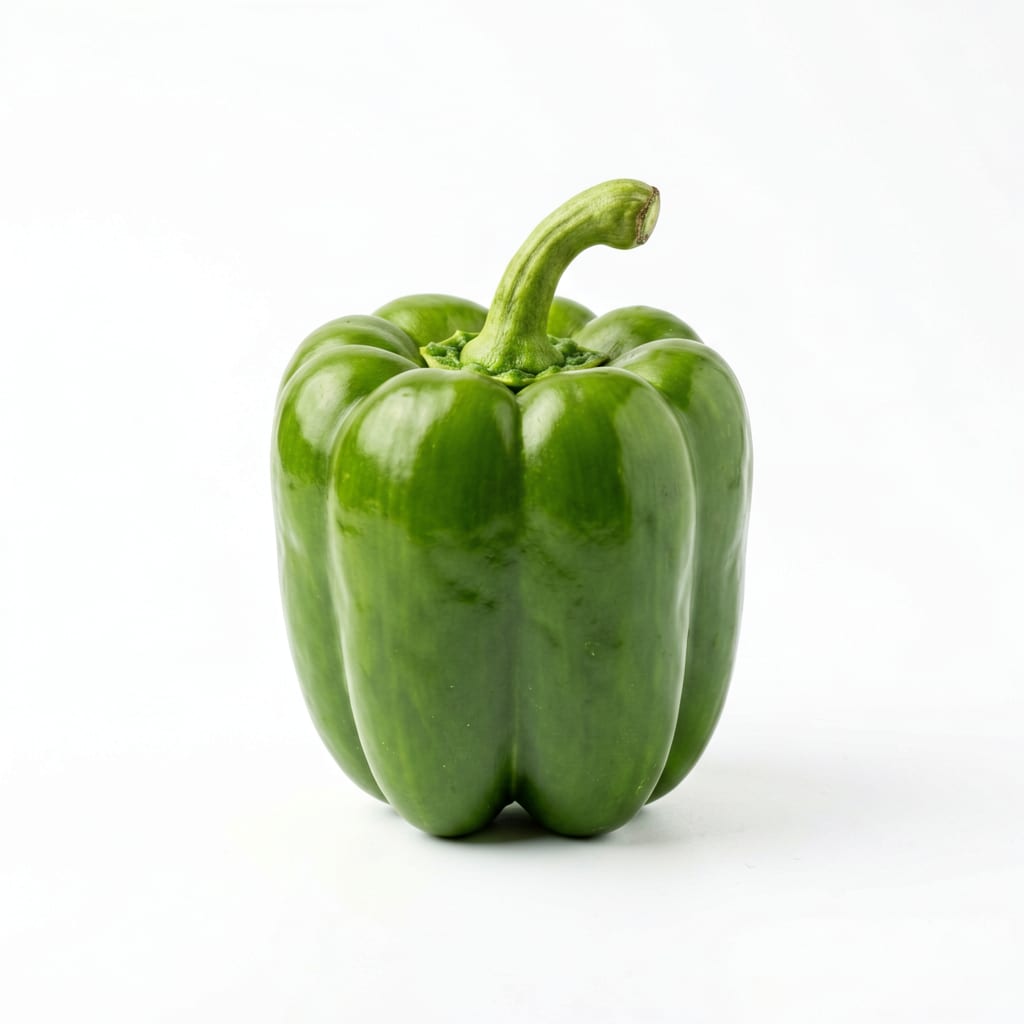
Vegetable
Bell Pepper
A low-calorie, nutrient-dense vegetable known for high vitamin C content and sweet crunch.
A crisp, sweet, non-spicy fruit from the Capsicum annuum species, widely used as a vegetable in culinary contexts and available in different colors indicating ripeness.
high-volume low-calorie vegetable
Typical serving · 119g
Common varieties · green bell pepper, red bell pepper, yellow bell pepper, orange bell pepper
Overall context score across nutrition, safety, and diet fit
At a glance
Quick facts
Simple indicators based on nutrition, processing, and diet fit.
The story
What makes it unique
Bell peppers are low-energy, high-water vegetables with a very low glycemic index. They provide moderate satiety through fiber and bulk, while their macronutrient profile is predominantly carbohydrate with minimal fat and protein. As a raw whole food, they undergo no processing and retain heat-sensitive vitamins like vitamin C.
Varieties: green bell pepper · red bell pepper · yellow bell pepper · orange bell pepper
Per 100g
Nutrition breakdown
Macro balance and key metrics at a glance.
Energy
Density 0.31 kcal/g
Protein
Carbs
Fat
Fiber
Sugar
4.2 g
Sodium
4 mg
Potassium
212 mg
Glycemic index
15
Glycemic load
1
Water content
92%
Standout compounds
Nutrient highlights
Vitamin C
highSupports immune function and collagen synthesis
Vitamin A
highPromotes eye health and provides antioxidant protection
Vitamin B6
moderateAids in brain development and function
Fiber
moderateSupports digestive health and satiety
Wellness map
Health scores & processing
NOVA processing scale
minimally processed · Whole food
Raw bell peppers are unprocessed whole plant foods requiring no alteration before consumption.
Diet compatibility
- Weight loss
- Muscle gain
- Diabetes
- Gut health
- Low carb
- High protein
- Heart health
Relative standing
Food rankings
Qualitative ranks compared to similar whole foods.
- Satietygood
- Blood sugarexcellent
- Nutrient densityexcellent
- Fitness fuelmoderate
- Processing qualityexcellent
Eat with confidence
Food safety profile
Bell peppers are generally safe from microbial contamination but often carry pesticide residues on their skins due to standard agricultural practices.
Evidence confidence 90%
- Pesticidesmoderate
- Antibioticslow
- Heavy metalslow
- Contaminationlow
Watch for
- pesticide residues
Safer choices
Organic bell peppers significantly reduce pesticide exposure risk.
Prep tips
Wash thoroughly under running water and rub the skin, or peel if highly concerned about pesticide exposure.
Conventional bell peppers frequently appear on the EWG Dirty Dozen list due to pesticide residue detection on their skins.
Deep dive
Health analysis
How this food may fit different goals and preparation choices.
Weight loss
Extremely low energy density allows large portions for minimal calories, promoting fullness through physical volume.
Blood sugar
Minimal impact on blood sugar due to low carbohydrate density and high water content, making them ideal for glucose management.
Fitness & energy
Provides hydration and vitamin C for antioxidant support, but lacks the macronutrients required for direct muscle fueling or recovery.
Gut health
Fiber supports healthy digestion and feeds beneficial gut bacteria without causing bloating in most individuals.
Processing quality
Whole, unprocessed food with no added ingredients, preservatives, or artificial substances.
Food safety
Primary concern is pesticide residue on the skin; washing thoroughly or choosing organic mitigates this risk effectively.
Common mistakes
Overcooking bell peppers destroys heat-sensitive vitamin C and reduces their crisp texture and nutritional value.
Best preparation
Raw for maximum vitamin C retention, or lightly stir-fried to maintain crunch and enhance beta-carotene absorption.
Practical guide
Best use cases
When and how this food fits real eating patterns.
raw snack with hummus
Provides a low-calorie, crunchy vehicle for dips, replacing higher-calorie crackers or chips.
salad volume booster
Adds bulk, color, and nutrients to salads without adding significant calories.
stir-fry base
Offers texture and flavor while maintaining a low energy density in cooked meals.
Balance sheet
Pros & cons
Upsides
- Very low in calories and high in water content
- Excellent source of vitamin C, especially red varieties
- Low glycemic impact suitable for diabetics
- Versatile for raw or cooked preparations
- Rich in antioxidants like beta-carotene
Trade-offs
- Low in protein and fat, not satiating alone
- High pesticide residue risk in conventional farming
- Green varieties can cause mild digestive discomfort in sensitive individuals
- Relatively expensive out of season
Fit check
Who is it for?
Great match
- low calorie dieting
- vitamin C supplementation through food
- diabetic meal planning
- raw vegetable snacking
Consider alternatives
- strict ketogenic diets
- high-protein diets
- heavy calorie bulking
Side by side
How it compares
Open the full head-to-head analysis for nutrition, safety, and practical tradeoffs.
This food
Bell Pepper
VS90% alike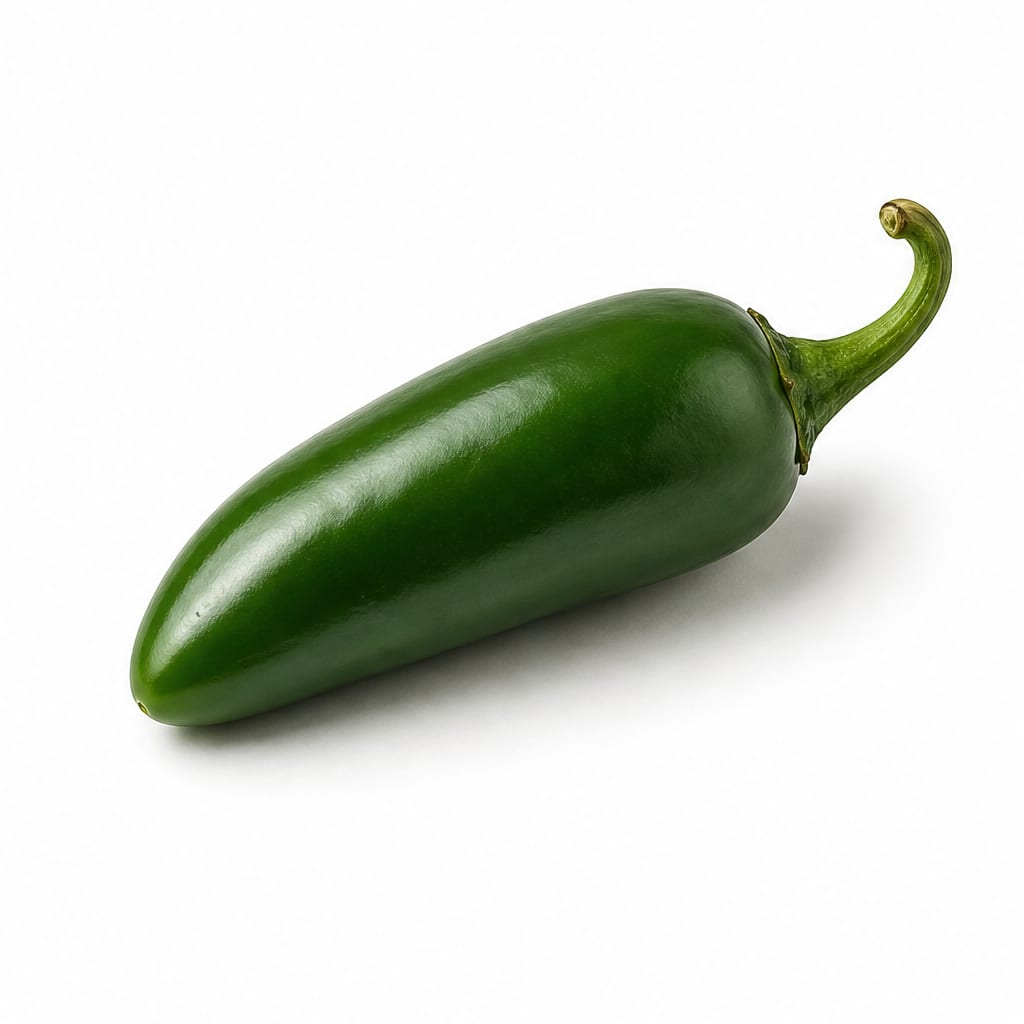
Compare with
Jalapeno
Bell peppers are sweeter and much milder, while jalapenos add heat and capsaicin but less vitamin C per mild serving.
Bell peppers are sweeter and milder with more vitamin C, while jalapenos provide capsaicin and heat.
This food
Bell Pepper
VS85% alike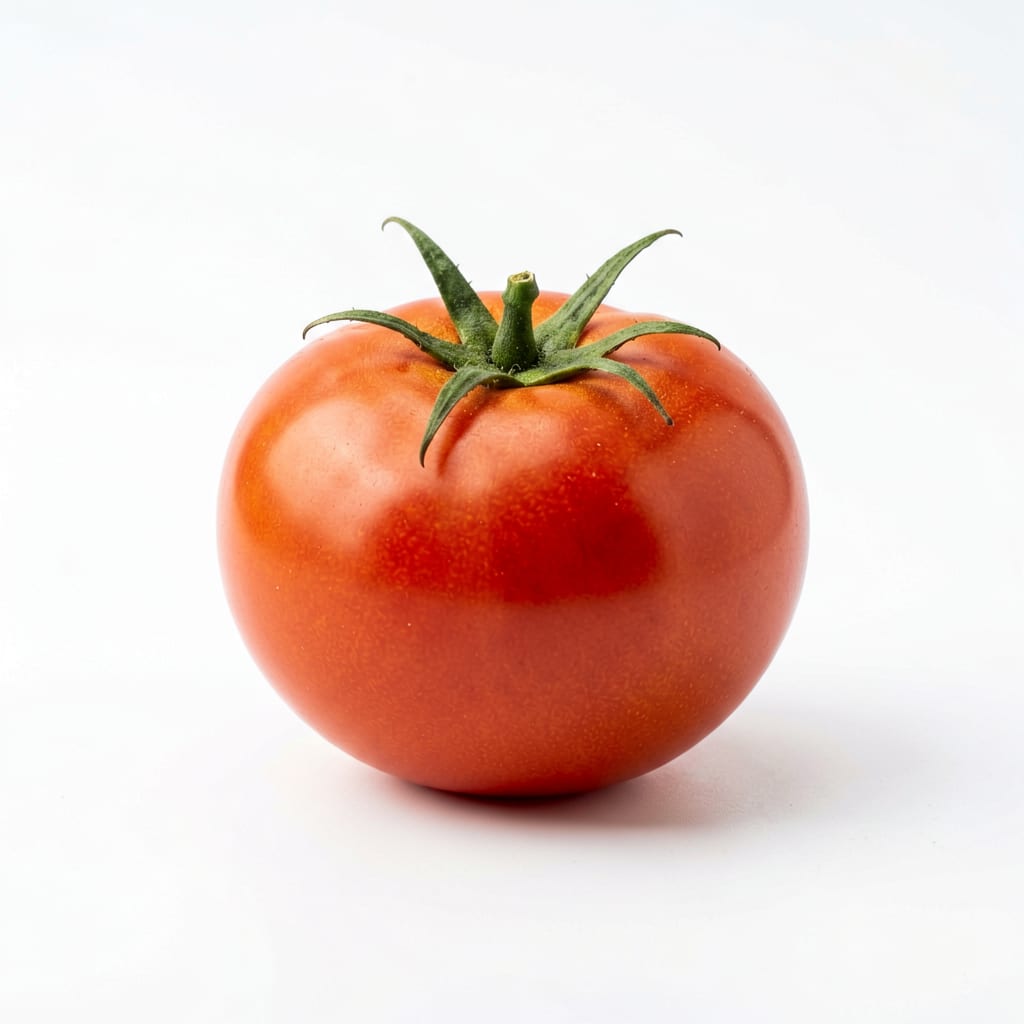
Compare with
Tomato
Bell peppers are crunchier and lower in sugar, while tomatoes are softer and richer in lycopene.
Bell peppers are crunchier and lower in sugar, while tomatoes are softer and richer in lycopene.
This food
Bell Pepper
VS80% alike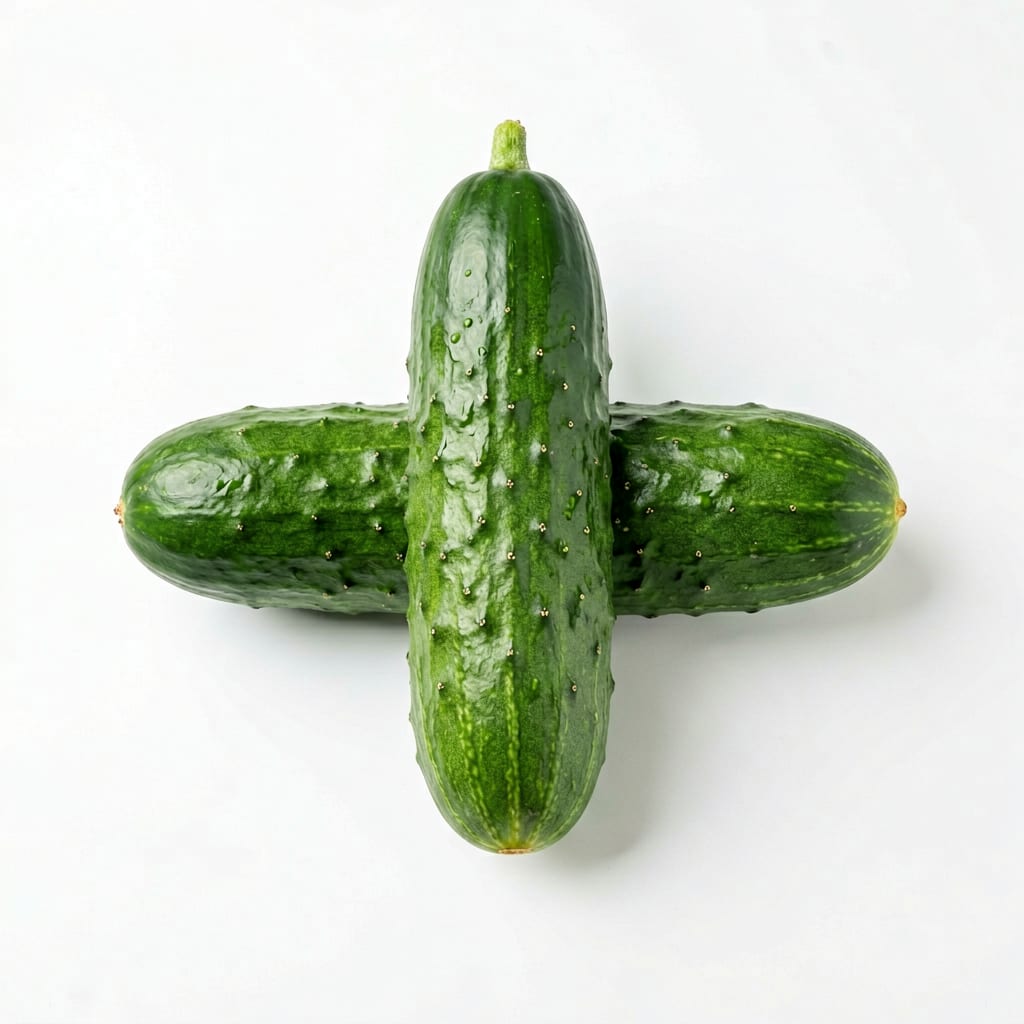
Compare with
Cucumber
Bell peppers offer significantly more vitamin C and fiber, while cucumbers are even lower in calories and higher in water.
Bell peppers provide more vitamin C and fiber, while cucumbers are even lower in calories.
This food
Bell Pepper
VS80% alike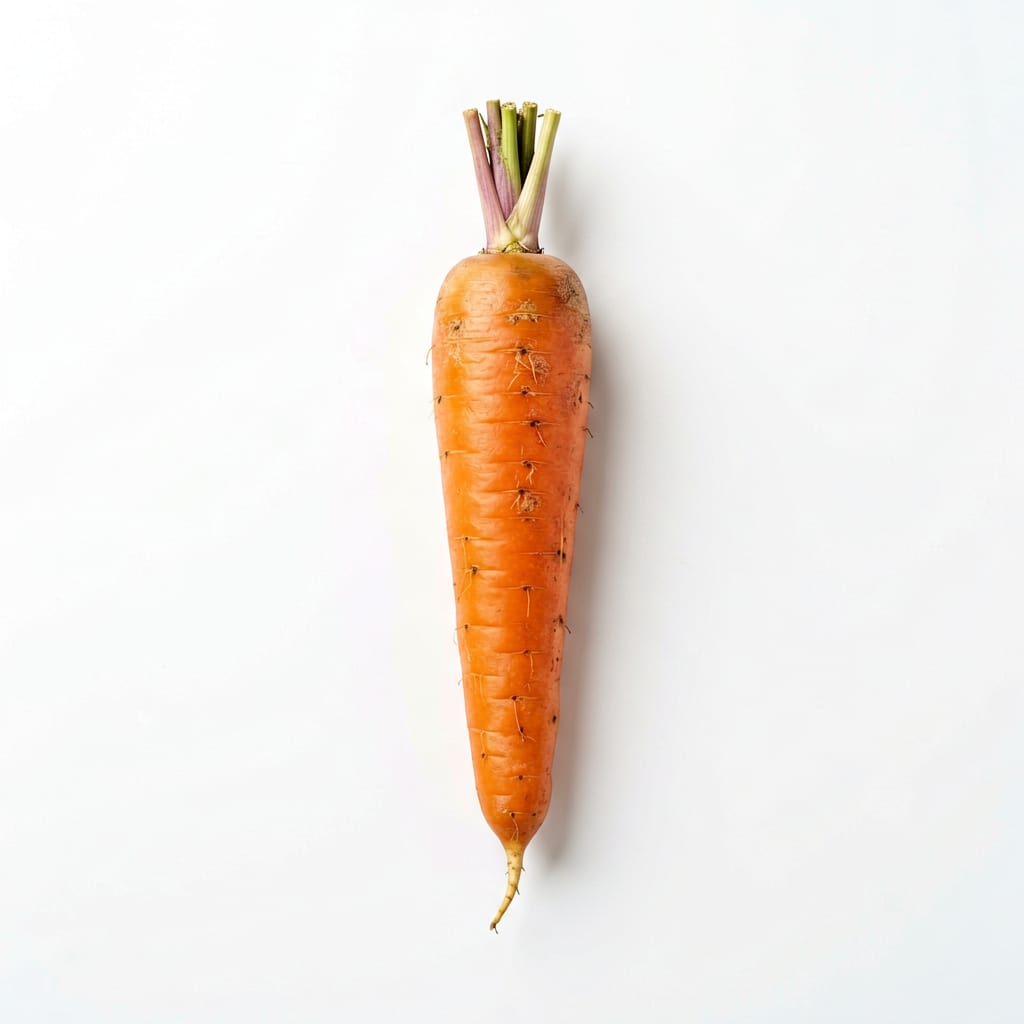
Compare with
Carrot
Bell peppers provide more vitamin C, while carrots are notably higher in beta-carotene and slightly higher in sugar.
Bell peppers are lower in sugar and higher in vitamin C, while carrots provide much more beta-carotene.
This food
Bell Pepper
VS75% alike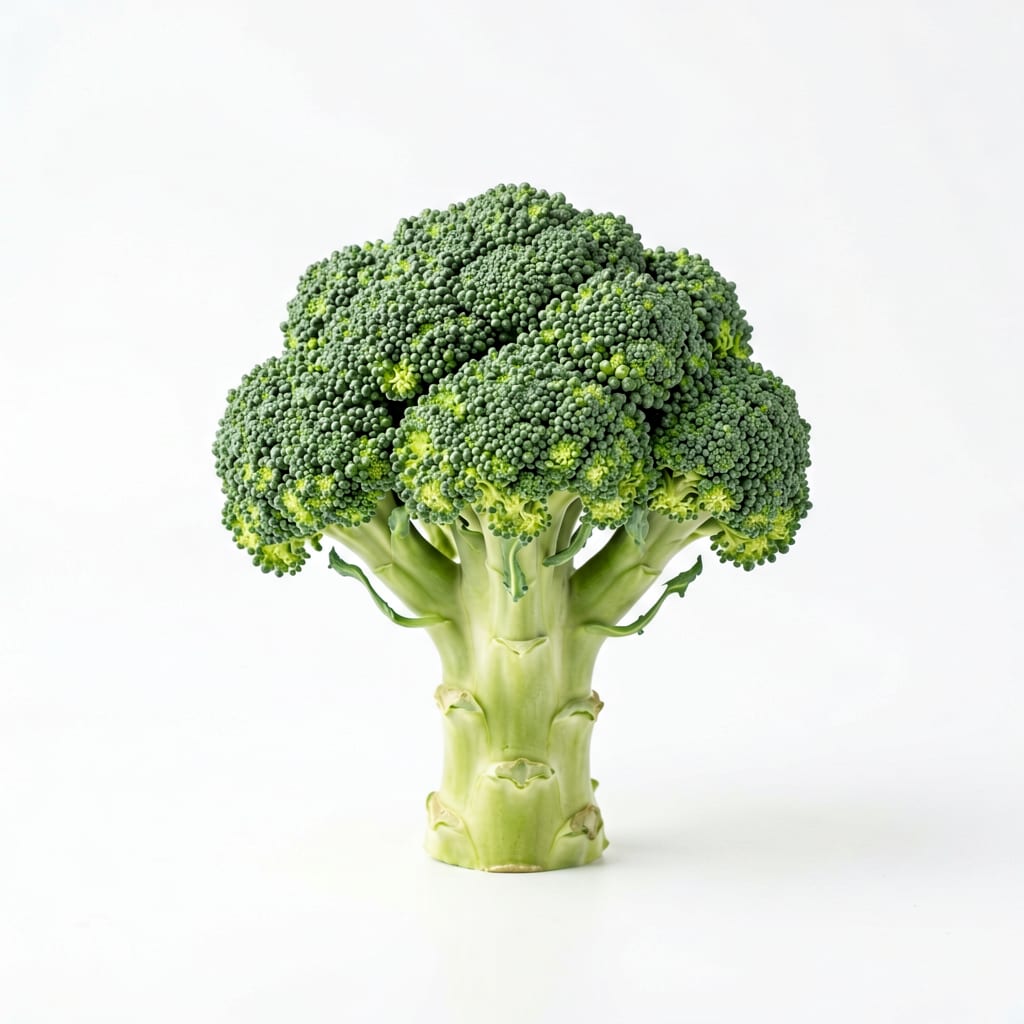
Compare with
Broccoli
Bell peppers are sweeter and lower in fiber, while broccoli offers more protein and fiber per calorie.
Broccoli offers more protein and fiber for satiety, while bell peppers are sweeter and higher in vitamin C.
This food
Bell Pepper
VS75% alike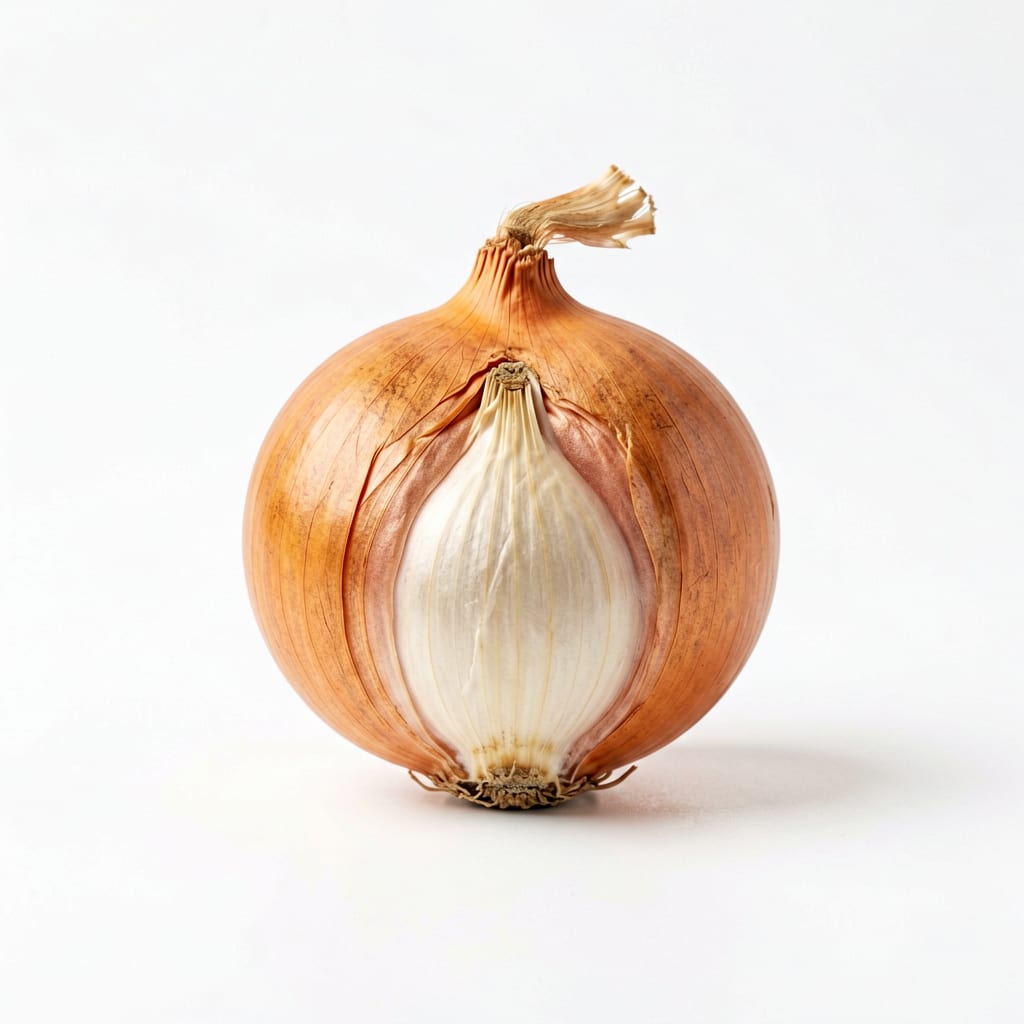
Compare with
Onion
Bell peppers are nutrient-dense snacks, while onions are primarily used for flavor and contain fewer vitamins.
Bell peppers are better as a nutrient-dense snack, while onions are mainly used for cooking flavor.
This food
Bell Pepper
VS80% alike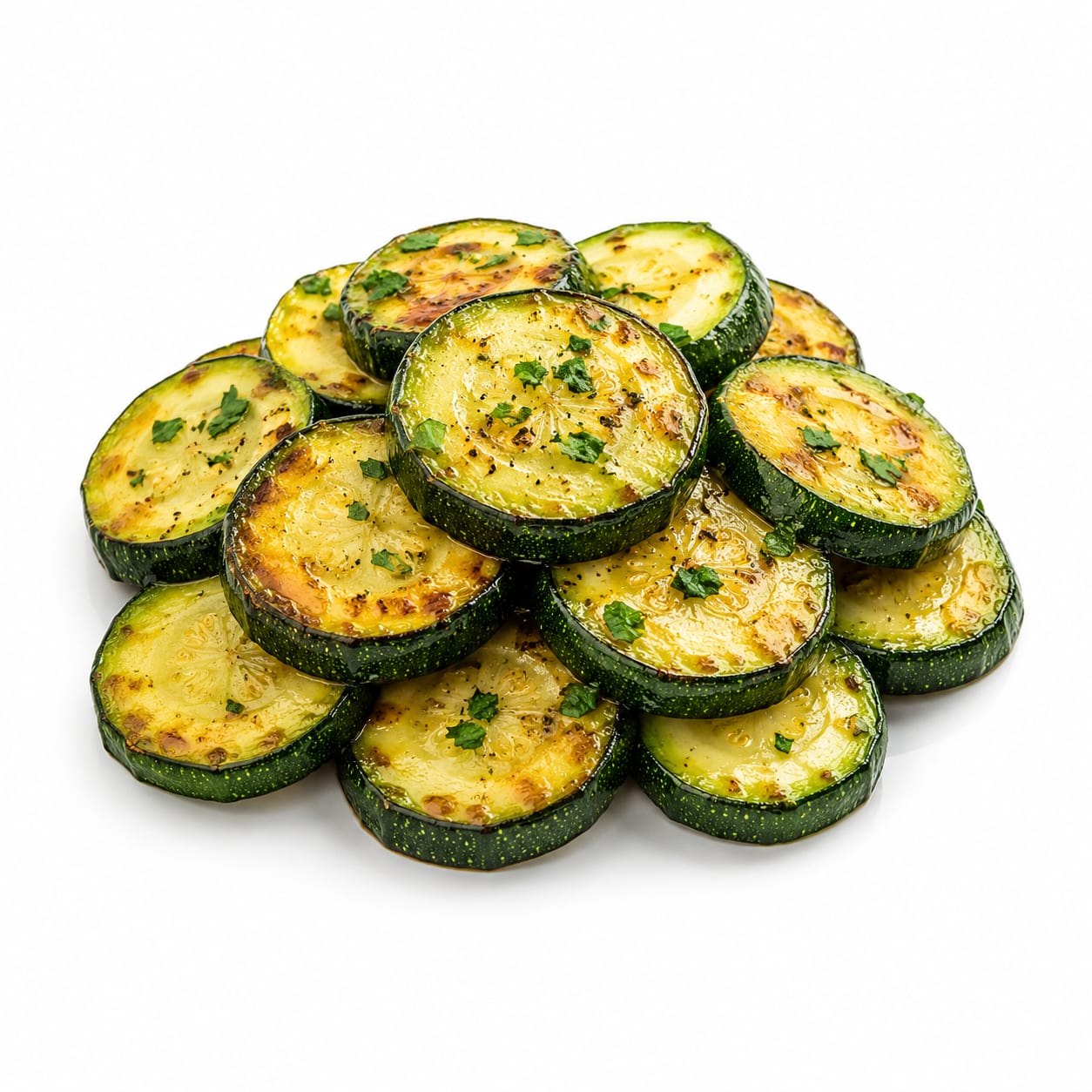
Compare with
Zucchini
Bell peppers are higher in vitamin C and sugar, while zucchini is lower in carbs and calories.
Zucchini is lower in calories and carbs, while bell peppers are much higher in vitamin C.
This food
Bell Pepper
VS75% alike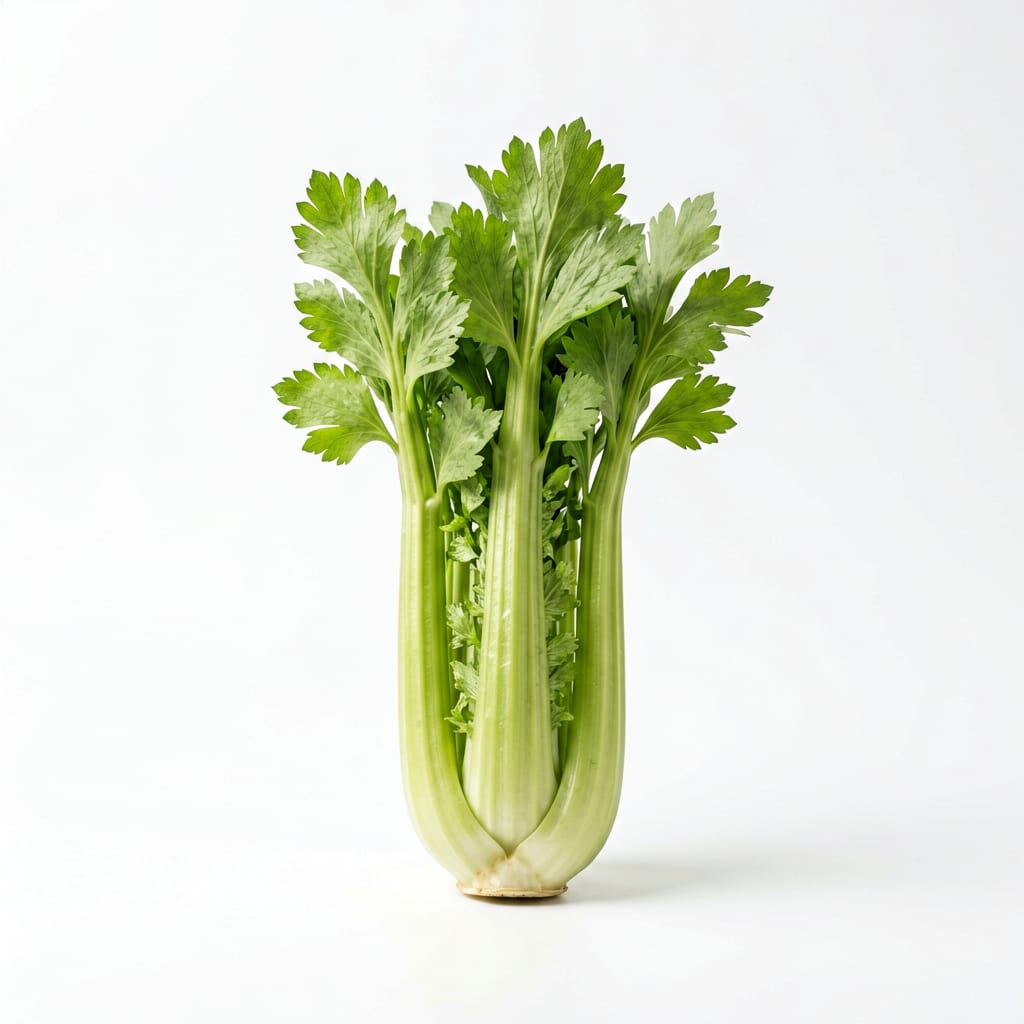
Compare with
Celery
Bell peppers provide much more vitamin C and antioxidants, while celery is lower in calories and sugar.
Celery is lower in calories and sugar, while bell peppers offer significantly more vitamin C.
This food
Bell Pepper
VS75% alike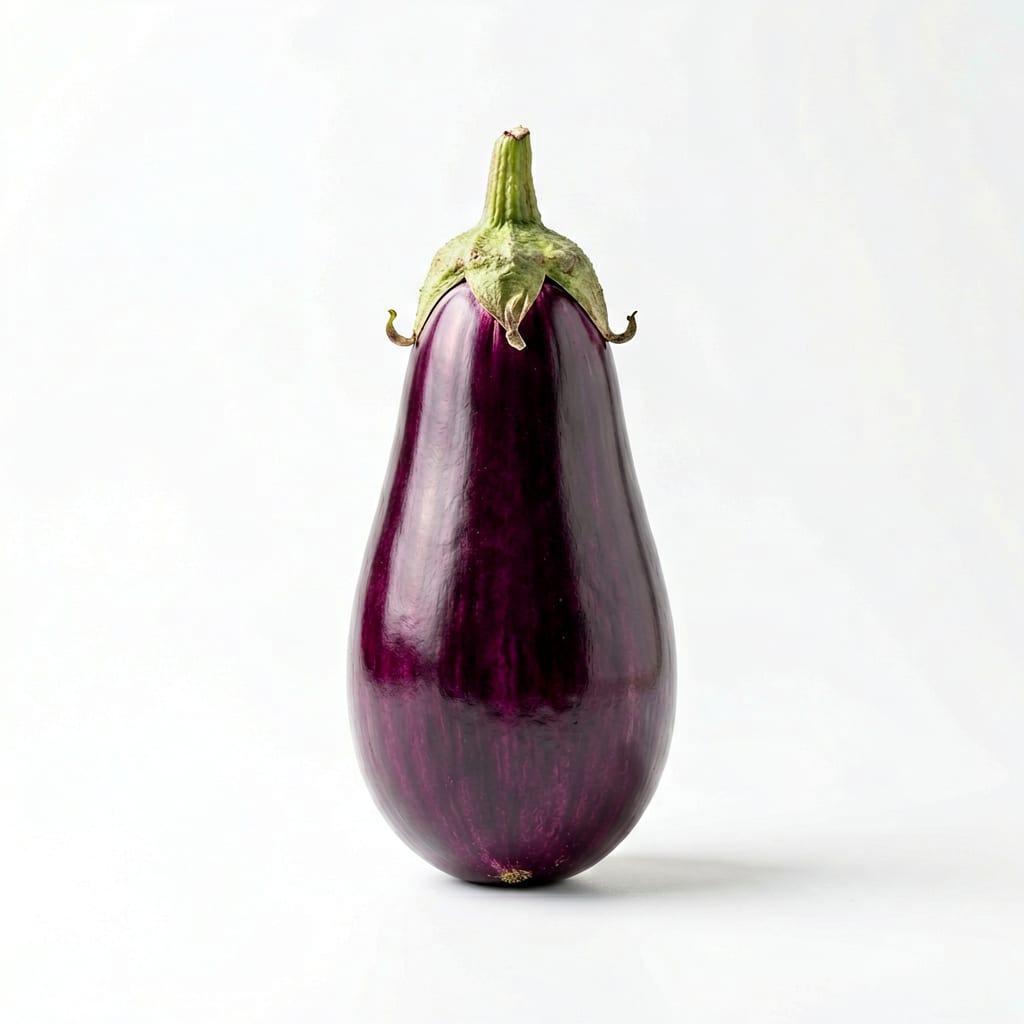
Compare with
Eggplant
Bell peppers are crunchier and higher in vitamin C, while eggplant is softer and slightly higher in fiber when cooked.
Bell peppers are crunchier and richer in vitamin C, while eggplant offers a meatier texture for cooking.
This food
Bell Pepper
VS70% alike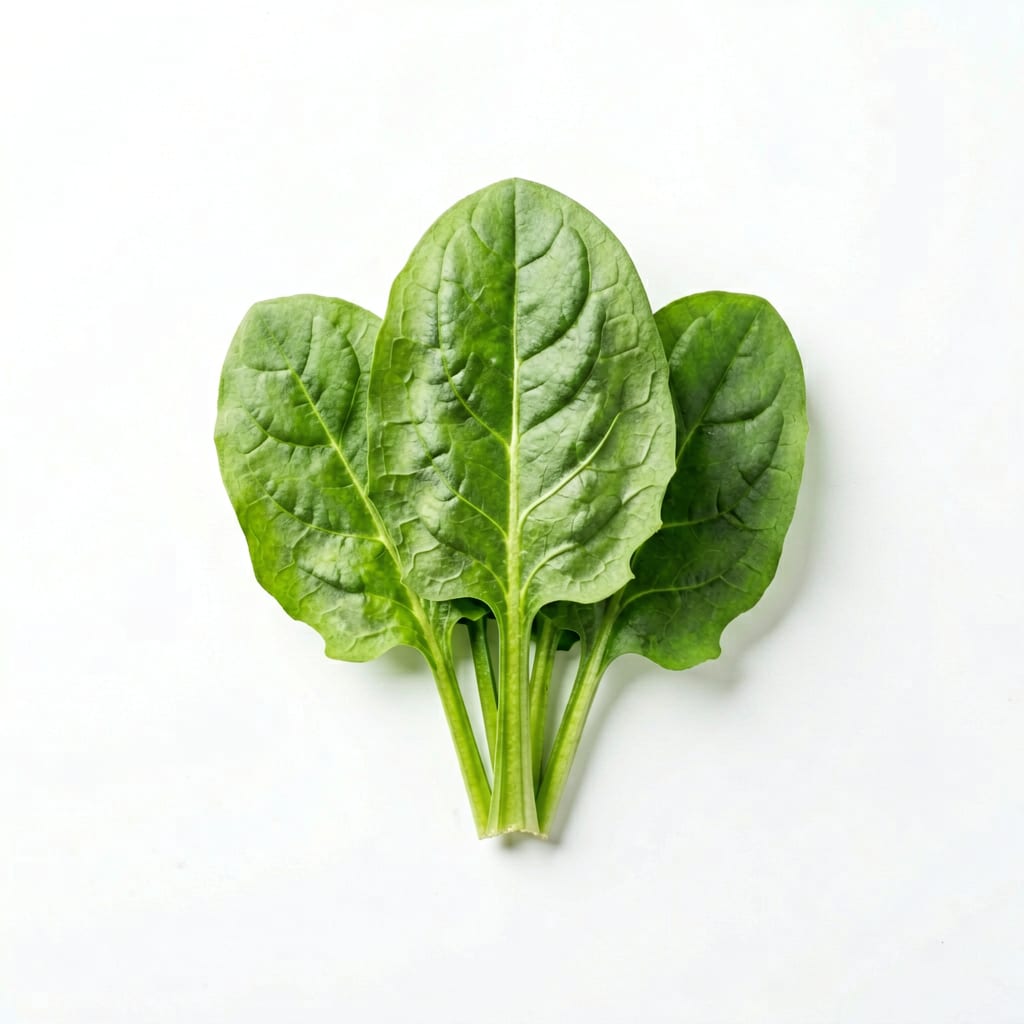
Compare with
Spinach
Bell peppers are higher in vitamin C and sugar, while spinach is drastically lower in calories and higher in iron and folate.
Spinach is much lower in calories and higher in iron, while bell peppers provide far more vitamin C.
Common questions
FAQ
Answers aligned with how people search for this food.
Are bell peppers good for weight loss?
Yes, they are very low in calories and high in water and fiber, which helps you feel full without consuming excess energy.
Which color bell pepper is the healthiest?
Red bell peppers are generally the healthiest because they are fully ripened, containing the most vitamin C and beta-carotene compared to green or yellow varieties.
Can diabetics eat bell peppers?
Yes, bell peppers have a very low glycemic index and load, making them an excellent choice for blood sugar control.
Do bell peppers have a lot of sugar?
No, a whole medium bell pepper contains only about 4 to 5 grams of natural sugar, which is very low.
Are green bell peppers just unripe red peppers?
Yes, green bell peppers are harvested before they fully ripen, which is why they are slightly bitter and less nutritious than red ones.
Is it better to eat bell peppers raw or cooked?
Raw bell peppers retain more vitamin C, but light cooking can make certain antioxidants like beta-carotene more absorbable by the body.
Why are bell peppers on the dirty dozen list?
Conventional bell peppers often test positive for high levels of pesticide residue on their skins, so buying organic or washing thoroughly is recommended.
Transparency
Data confidence
Estimated confidence for nutrition data, interpretation, safety notes, and comparisons.
Nutrition data
Health analysis
Food safety
Comparisons