
Nutrition comparison
Bell Pepper vs Broccoli: Which Vegetable Is Healthier for You?
Compare bell pepper and broccoli nutrition including vitamin C, fiber, cancer-fighting compounds, and pesticide risk. Find out which is better for your health goals.
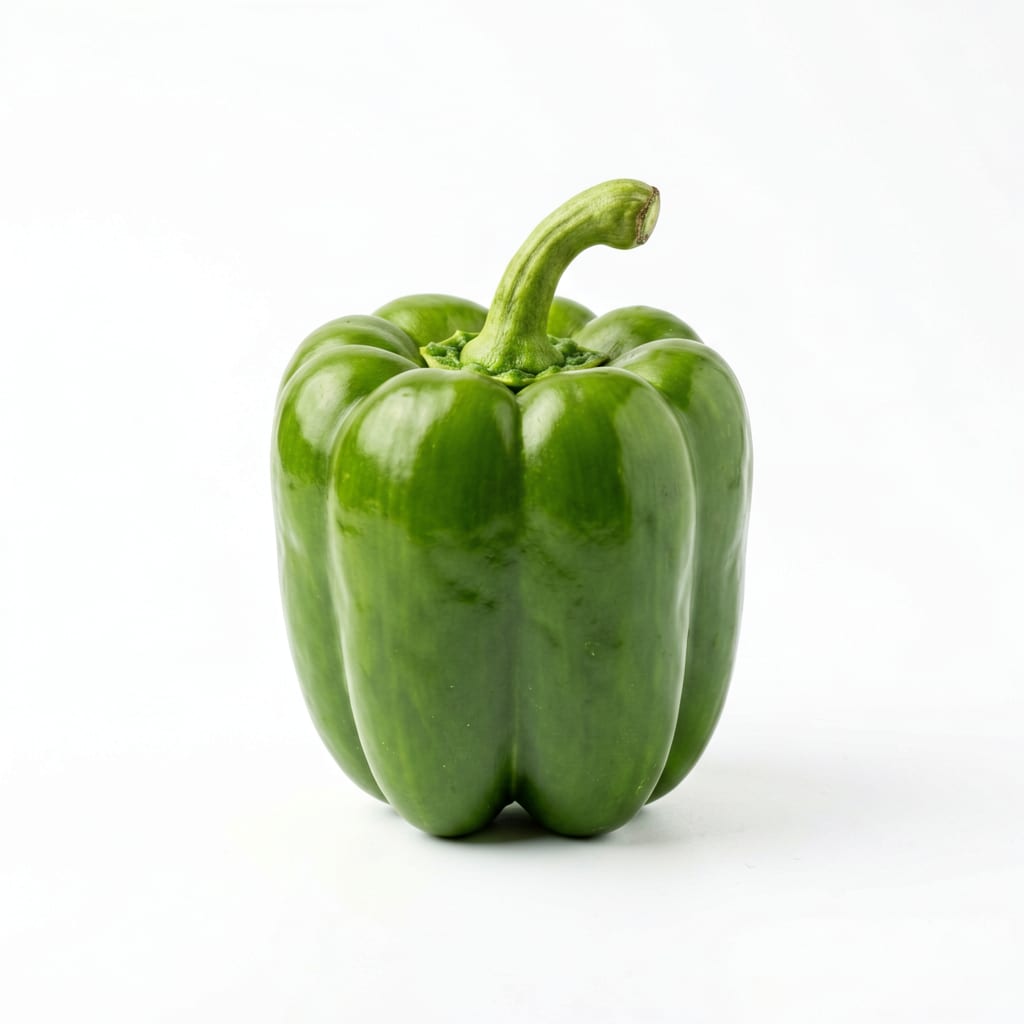
Bell Pepper
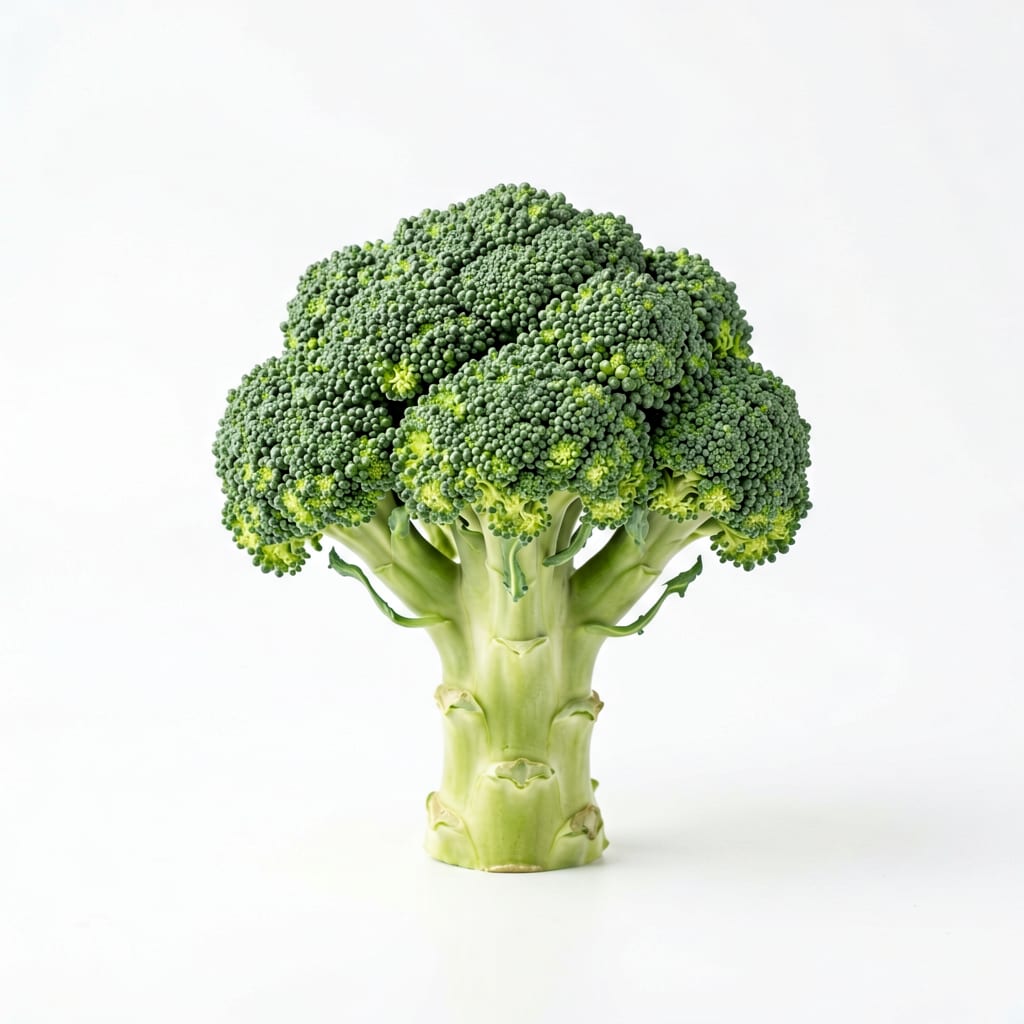
Broccoli
Broccoli edges ahead for disease-fighting power and satiety, but bell peppers win on vitamin C, raw snack appeal, and digestibility for sensitive stomachs.
Broccoli scores higher due to its superior fiber, vitamin K, and unique sulforaphane content that supports long-term disease prevention. Bell peppers remain excellent, especially for vitamin C and raw convenience, but offer less overall nutritional depth.
Broccoli delivers deeper long-term health protection through sulforaphane and fiber, while bell peppers offer an easier, sweeter, more snackable way to get massive vitamin C.
At a glance
Executive summary
Overall
It depends
Healthier
Broccoli
More practical
Bell Pepper
Daily use
Broccoli
Key comparison lenses
vitamin c and antioxidant comparison
Bell peppers are among the richest vitamin C sources available, while broccoli offers a different but potent antioxidant profile including sulforaphane
cancer prevention potential
Broccoli contains sulforaphane, one of the most studied natural anti-cancer compounds, making this a key differentiator
raw vs cooked versatility
Bell peppers are commonly enjoyed raw as a snack, while broccoli is more often cooked, affecting practical daily use
digestive tolerance and comfort
Broccoli can cause bloating in sensitive people, while bell peppers may trigger nightshade sensitivities or heartburn
pesticide exposure risk
Bell peppers frequently appear on the Dirty Dozen list, making pesticide residue a relevant concern for comparison
Best choice for
Bell Pepper
- People who want a crunchy, sweet raw snack
- Anyone needing a massive vitamin C boost
- Those with sensitive digestion who struggle with cruciferous vegetables
- Meal preppers who want a low-prep vegetable that lasts in the fridge
- Kids or picky eaters who prefer sweeter vegetables
Broccoli
- People focused on cancer prevention and long-term disease protection
- Anyone wanting more fiber and fullness from their vegetables
- Those prioritizing bone health through vitamin K
- People who enjoy cooked vegetables and don't mind the prep
- Anyone following a heart-health-focused eating pattern
Least suitable for
Bell Pepper
- People with nightshade sensitivities or arthritis flares triggered by solanine
- Those prone to heartburn from acidic vegetables
- Anyone strictly avoiding pesticide residue without organic access
Broccoli
- People with IBS or severe bloating from cruciferous vegetables
- Those taking blood thinners who need consistent vitamin K intake
- Anyone who strongly dislikes the taste and would simply skip vegetables altogether
Deep comparison
Dimension by dimension
Each lens scores both foods and breaks down who each option suits.
- Dimension 1 · Priority 92Bell Pepper
vitamin_c_power
Bell Pepper · 95Broccoli · 72Bell peppers deliver roughly double the vitamin C of broccoli per serving, with red bell peppers offering even more than oranges.
Tradeoff
You get a bigger immediate vitamin C hit from bell peppers, but broccoli provides a broader spectrum of other protective compounds.
Why it matters
Vitamin C supports immune function, skin health, and iron absorption. A single red bell pepper can exceed your daily needs.
Real-world impact
Eating a raw bell pepper with your lunch can meaningfully boost iron absorption from that meal more effectively than broccoli would.
Bell Pepper
- Immune support during cold season
- Enhancing iron absorption from plant-based meals
- Skin health and collagen production
Better for
- Vitamin C degrades significantly with cooking, reducing the advantage if you always cook them
Worse for
Broccoli
- Sustained antioxidant protection beyond just vitamin C
Better for
- Lower total vitamin C means less immediate immune-boosting impact per serving
Worse for
- Dimension 2 · Priority 90Broccoli
cancer_and_disease_prevention
Bell Pepper · 62Broccoli · 93Broccoli contains sulforaphane, a compound with strong evidence for cancer-fighting properties that bell peppers simply do not offer.
Tradeoff
Choosing bell peppers means missing out on the most powerful disease-fighting compound found in everyday vegetables.
Why it matters
Sulforaphane activates cellular defense pathways and has been linked to reduced risk of several cancers in extensive research.
Real-world impact
Regular broccoli consumption is associated with measurable reductions in cancer biomarkers in as little as a few weeks.
Bell Pepper
- Carotenoid antioxidants that support eye health
Better for
- No glucosinolate or sulforaphane content
- Less studied for direct disease-prevention outcomes
Worse for
Broccoli
- Sulforaphane-driven cancer risk reduction
- Detoxification enzyme activation
- Anti-inflammatory compound production through glucosinolates
Better for
- Overcooking destroys myrosinase, the enzyme needed to activate sulforaphane
Worse for
- Dimension 3 · Priority 82Broccoli
fiber_and_satiety
Bell Pepper · 55Broccoli · 85Broccoli provides nearly twice the fiber per serving, making it significantly more filling and better for gut health.
Tradeoff
Bell peppers are lighter and less filling, which can be either an advantage or disadvantage depending on your goals.
Why it matters
Higher fiber means steadier blood sugar, better digestion, and longer-lasting fullness between meals.
Real-world impact
A cup of steamed broccoli with dinner will keep you satisfied longer than the same volume of raw bell pepper strips.
Bell Pepper
- Light snacking without feeling heavy
- Lower fiber when you need gentle digestion
Better for
- Less satiety per calorie consumed
- Minimal prebiotic fiber for gut microbiome support
Worse for
Broccoli
- Staying full between meals without extra calories
- Feeding beneficial gut bacteria
- Supporting regular digestion
Better for
- High fiber can cause uncomfortable bloating in sensitive individuals
Worse for
- Dimension 4 · Priority 78Bell Pepper
raw_snackability_and_convenience
Bell Pepper · 90Broccoli · 55Bell peppers are naturally sweet, crunchy, and delicious raw, while raw broccoli is an acquired taste for many.
Tradeoff
Bell peppers are easier to eat without preparation, but broccoli rewards you more nutritionally when you take the time to cook it properly.
Why it matters
The best vegetable is the one you actually eat. Convenience and taste drive real-world consistency more than nutrient density.
Real-world impact
Slicing a bell pepper for a quick afternoon snack takes seconds and feels satisfying. Raw broccoli requires dip or willpower most people lack.
Bell Pepper
- Quick no-cook snacking
- Natural sweetness that appeals to kids
- Easy addition to salads without blanching
Better for
- Can get slimy when cut and stored too long
Worse for
Broccoli
- Holds up well in meal prep when cooked
- Absorbs flavors from sauces and seasonings effectively
Better for
- Raw texture is off-putting to many people
- Requires cooking for most people to enjoy it
Worse for
- Dimension 5 · Priority 75Broccoli
vitamin_k_and_bone_health
Bell Pepper · 40Broccoli · 92Broccoli is a standout source of vitamin K1, essential for bone density and proper blood clotting, while bell peppers provide minimal amounts.
Tradeoff
If bone health is a priority, broccoli is clearly superior, but this matters less for younger people with otherwise adequate intake.
Why it matters
Vitamin K directs calcium into bones rather than soft tissues, playing a critical role in fracture prevention as you age.
Real-world impact
A serving of broccoli covers roughly half your daily vitamin K needs, while bell peppers contribute almost nothing toward this target.
Bell Pepper
- No significant vitamin K interference for those on blood thinners
Better for
- Negligible vitamin K contribution
- Less support for long-term skeletal health
Worse for
Broccoli
- Stronger bone density support over decades
- Better calcium utilization throughout the body
Better for
- Vitamin K content requires careful monitoring for people on warfarin or similar medications
Worse for
- Dimension 6 · Priority 70Broccoli
pesticide_and_contamination_risk
Bell Pepper · 50Broccoli · 78Bell peppers consistently rank on the Environmental Working Group's Dirty Dozen list for pesticide residues, while broccoli typically tests cleaner.
Tradeoff
Choosing conventional bell peppers may expose you to more pesticide residue, but organic options eliminate this concern at higher cost.
Why it matters
Chronic low-level pesticide exposure has been linked to hormonal disruption and neurological concerns, especially in children.
Real-world impact
If you eat bell peppers daily, buying organic becomes more important than it is for broccoli, which is usually safer conventionally grown.
Bell Pepper
- Thick skin that can be washed more effectively than thin-skinned produce
Better for
- Frequent detection of multiple pesticide residues on conventional samples
- Higher priority for organic purchasing
Worse for
Broccoli
- Naturally lower pesticide residue in conventional farming
- Generally found on the Clean Fifteen list
Better for
- Minimal concern overall
Worse for
Timeline
Health impact over time
Short-term
Hours to days
Bell Pepper
- Quick vitamin C boost supporting immune function within hours
- Light, hydrating crunch that satisfies without heaviness
- Possible heartburn or reflux in sensitive individuals due to mild acidity
Broccoli
- Noticeable fullness after eating due to fiber density
- Potential gas and bloating within 30 minutes for those unaccustomed to cruciferous vegetables
- Sulforaphane begins activating detoxification pathways within hours of consumption
Long-term
Months to years
Bell Pepper
- Consistent vitamin C intake supports skin elasticity and immune resilience over years
- Carotenoid accumulation in skin may provide mild UV protection
- Low fiber intake means less gut microbiome diversity compared to cruciferous alternatives
Broccoli
- Regular sulforaphane exposure associated with reduced cancer biomarkers in multiple studies
- High fiber intake supports cardiovascular health and cholesterol reduction over time
- Vitamin K contribution helps maintain bone mineral density, especially important post-menopause
Risk profile
Safety & processing
Both bell peppers and broccoli are whole, unprocessed vegetables with no additive concerns. The main difference is that bell peppers are more often available pre-cut in packages, which slightly increases food safety considerations from surface exposure.
Bell Pepper
Pesticide residue
mediumBell peppers are consistently flagged for multiple pesticide residues on conventional produce. Washing helps but does not eliminate all residues. Organic is preferable for frequent consumption.
Nightshade sensitivity
lowBell peppers contain solanine and capsaicinoids that may trigger joint pain or digestive discomfort in a small subset of people with nightshade sensitivities.
Broccoli
Goitrogenic compounds
lowRaw broccoli contains goitrogens that can interfere with thyroid function in susceptible individuals, especially those with existing iodine deficiency. Cooking significantly reduces this concern.
Bacterial contamination when pre-cut
lowPre-cut broccoli florets have more surface area for bacterial growth. Use within a few days and avoid packages with excess moisture.
Who wins for whom
Audience fit
Same foods, different winners depending on your goal.
children
Bell PepperBell peppers are sweeter, crunchier, and more appealing to most kids as a raw snack, making them more likely to actually get eaten.
daily consumption
BroccoliBroccoli offers a wider range of protective compounds and more fiber, making it the stronger daily staple for long-term health outcomes.
diabetes
BroccoliBroccoli's higher fiber slows glucose absorption more effectively, and sulforaphane has been shown to improve insulin sensitivity in emerging research.
elderly
BroccoliBroccoli's vitamin K and fiber are especially valuable for bone density and digestion in older adults, provided they can tolerate the fiber.
muscle gain
BroccoliBroccoli provides slightly more protein per serving and its vitamin K supports bone health under heavy training loads, though neither vegetable is a significant protein source.
weight loss
BroccoliBroccoli's higher fiber content creates more fullness per calorie, making it easier to eat less overall without feeling deprived.
Your move
Decision guide
Choose Bell Pepper
- You want a raw, snackable vegetable that requires zero cooking
- You need maximum vitamin C from a single food source
- Cruciferous vegetables cause you uncomfortable bloating
- You are feeding kids who resist bitter or dense vegetables
- You want a sweet crunch in salads without dressing
Choose Broccoli
- Long-term disease prevention is your top nutritional priority
- You want more fiber and fullness from your vegetable servings
- Bone health and vitamin K intake matter to you
- You enjoy cooked vegetables and don't mind the preparation
- You want the broadest spectrum of protective phytonutrients in one food
Either works if
- You are simply trying to eat more vegetables overall and enjoy both
- You are building a colorful stir-fry or roasted vegetable medley
- You rotate vegetables weekly and want variety rather than a single staple
Avoid both if
- You have a known allergy or severe intolerance to either food
- You are on strict blood thinner protocols and have not discussed vitamin K intake with your doctor
Final recommendation
Eat both, but lean into broccoli as your daily staple and use bell peppers as your raw snack and vitamin C booster. Broccoli gives you more disease-fighting depth per bite, while bell peppers make healthy eating easier and more enjoyable in the moment. The ideal approach is rotating both throughout your week.
Practical
Consumer tips
- 1
Buy organic bell peppers when possible since they rank high for pesticide residue, but conventional broccoli is generally fine
- 2
Let chopped broccoli sit for 40 minutes before cooking to maximize sulforaphane production, or add mustard powder after cooking to restore the enzyme
- 3
Red bell peppers contain significantly more vitamin C and beta-carotene than green ones, making them worth the higher price
- 4
Steam broccoli rather than boiling to preserve up to 90% more of its vitamin C and sulforaphane potential
- 5
Freeze bell peppers in strips for easy smoothie additions or quick stir-fry prep without waste
- 6
If broccoli causes bloating, start with small portions and gradually increase to let your gut microbiome adapt over a few weeks