
Nutrition comparison
Bell Pepper vs Jalapeno: Nutrition, Health Benefits, and Which to Choose
Compare bell pepper vs jalapeno nutrition, vitamin C, capsaicin benefits, and digestive tolerance. Learn which pepper fits your health goals and how to use both effectively.
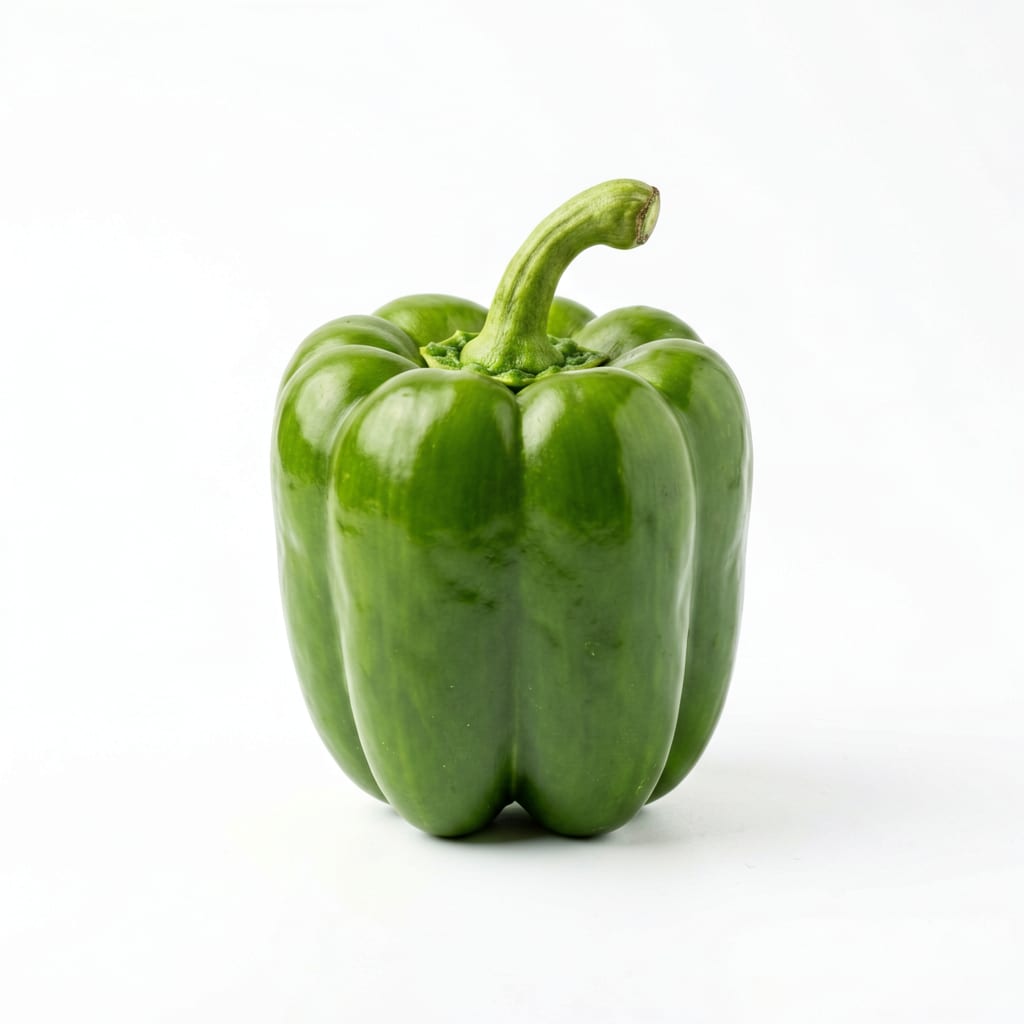
Bell Pepper
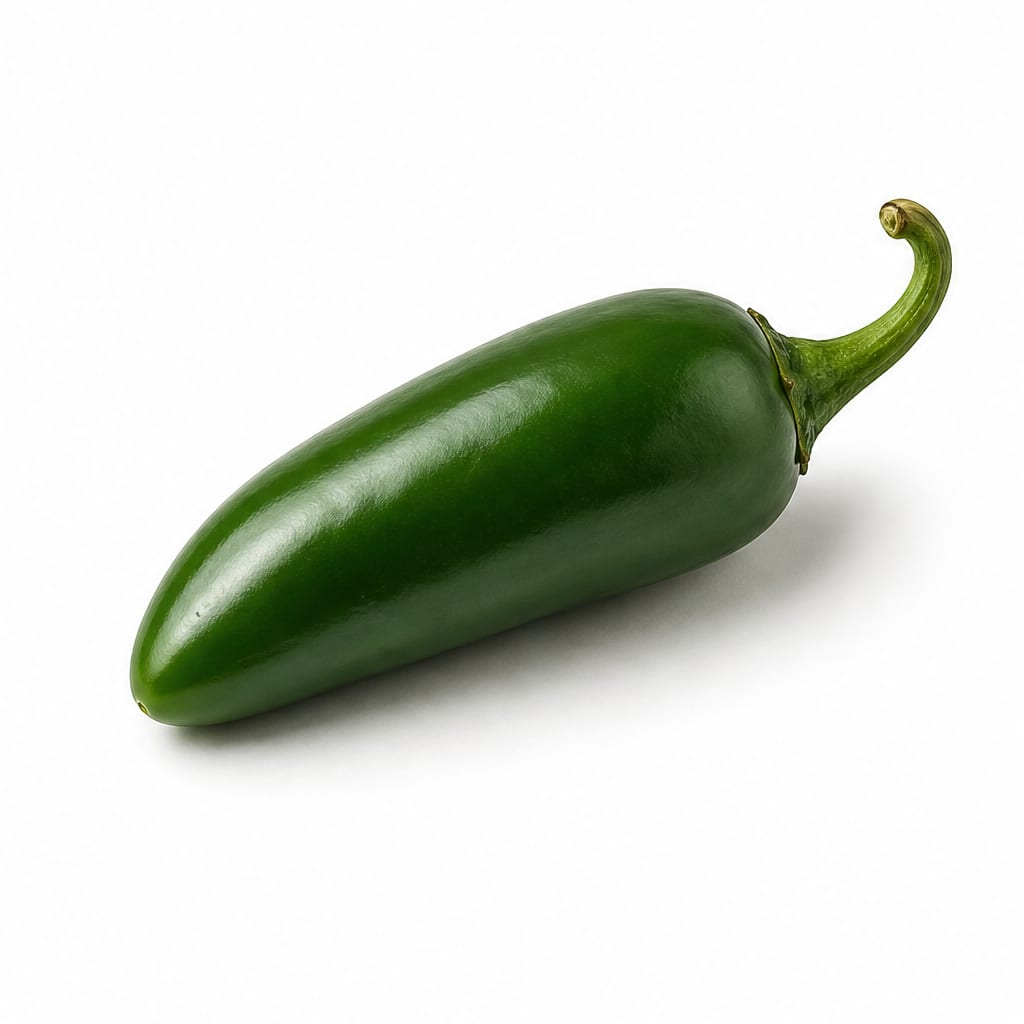
Jalapeno
Bell peppers win on volume nutrition and daily versatility, while jalapenos deliver unique metabolic benefits through capsaicin that no mild pepper can replicate.
Bell peppers score higher for everyday nutrition and practicality, but jalapenos earn strong marks for unique bioactive compounds. The gap reflects that most people can eat far more bell pepper volume, making its nutrients more accessible in real meals.
You get more total nutrients and easier daily eating with bell peppers, but you miss the anti-inflammatory and metabolism-boosting capsaicin that makes jalapenos special.
At a glance
Executive summary
Overall
It depends
Healthier
It depends
More practical
Bell Pepper
Daily use
Bell Pepper
Key comparison lenses
nutrient density per realistic serving
Bell peppers are eaten in much larger quantities than jalapenos, dramatically changing actual nutrient intake
anti-inflammatory and metabolic benefits
Jalapenos deliver capsaicin which offers unique metabolic and anti-inflammatory effects bell peppers cannot match
digestive tolerance and daily usability
Spice tolerance varies wildly and determines whether jalapenos can be a regular food or an occasional garnish
vitamin C comparison in real-world portions
Both are excellent vitamin C sources but the serving size gap changes the math significantly
culinary versatility and meal integration
Bell peppers work in nearly any dish while jalapenos are limited to specific flavor profiles
Best choice for
Bell Pepper
- People who want a filling, low-calorie snack they can eat by the cup
- Anyone with sensitive digestion who avoids spicy food
- Families needing a mild vegetable kids will actually eat
- Meal preppers who want bulk veggies for stir-fries and salads
Jalapeno
- People seeking natural metabolism and anti-inflammatory support
- Those who enjoy spicy food and can eat it regularly without discomfort
- Anyone looking to add flavor without calories or salt
- Individuals interested in capsaicin's potential pain-relief benefits
Least suitable for
Bell Pepper
- People specifically seeking capsaicin's metabolic benefits
- Those wanting intense flavor in very small portions
- Anyone who finds bell peppers cause bloating or nightshade sensitivity
Jalapeno
- People with IBS, acid reflux, or sensitive stomachs
- Children and anyone with very low spice tolerance
- Those on blood-thinning medications who should limit capsaicin
Deep comparison
Dimension by dimension
Each lens scores both foods and breaks down who each option suits.
- Dimension 1 · Priority 90Bell Pepper
vitamin C delivery per real serving
Bell Pepper · 92Jalapeno · 58A single cup of chopped bell pepper delivers roughly 190% of your daily vitamin C, while a typical jalapeno serving gives about 20-30%.
Tradeoff
Jalapenos have impressive vitamin C density per gram, but almost nobody eats a cup of jalapenos the way they would a bell pepper.
Why it matters
Vitamin C supports immunity, skin health, and iron absorption. The food you actually eat more of usually wins this race.
Real-world impact
Tossing a cup of bell pepper into your stir-fry meaningfully moves your vitamin C needle. Adding one jalapeno is a nice bonus but not your main source.
Bell Pepper
- Hitting daily vitamin C targets easily
- Boosting iron absorption from plant meals
- Supporting skin collagen production through diet
Better for
- Situations where you only want a tiny flavor addition, not a bulk vegetable
Worse for
Jalapeno
- Getting a small vitamin C bump alongside metabolic benefits
- Adding vitamin C to dishes where you only want a tiny amount of pepper
Better for
- Anyone relying on a single pepper as their main vitamin C source
Worse for
- Dimension 2 · Priority 88Jalapeno
anti-inflammatory and metabolic boost
Bell Pepper · 45Jalapeno · 89Jalapenos contain capsaicin, a well-studied compound that reduces inflammation, boosts metabolism slightly, and may help with pain relief. Bell peppers have no capsaicin.
Tradeoff
You give up the mild, sweet eating experience to get these benefits, and not everyone tolerates spice well enough to eat jalapenos consistently.
Why it matters
Chronic inflammation drives heart disease, joint pain, and aging. Capsaicin is one of the few food compounds with direct anti-inflammatory evidence.
Real-world impact
Eating jalapenos a few times a week may slightly increase calorie burn and reduce inflammatory markers. The effect is modest but real and accumulates over time.
Bell Pepper
- People who need zero-digestive-irritation foods during flare-ups
- Anyone whose stomach is already inflamed from medication or illness
Better for
- Missing out on capsaicin's unique bioactive benefits entirely
Worse for
Jalapeno
- Reducing systemic inflammation naturally over time
- Slight metabolic boost for weight management efforts
- Natural pain management for joint or nerve discomfort
Better for
- Anyone with active digestive inflammation where capsaicin worsens symptoms
Worse for
- Dimension 3 · Priority 85Bell Pepper
digestive tolerance and comfort
Bell Pepper · 88Jalapeno · 42Bell peppers are gentle on most digestive systems. Jalapenos can trigger heartburn, stomach pain, and bathroom urgency in sensitive people.
Tradeoff
The compound that makes jalapenos metabolically beneficial is the same one that makes them rough on sensitive stomachs.
Why it matters
A food you cannot comfortably eat regularly cannot be your health food, no matter how beneficial its compounds are.
Real-world impact
If jalapenos give you heartburn, you will naturally avoid them. Bell peppers rarely cause this problem, making them a more sustainable daily choice.
Bell Pepper
- People with GERD, acid reflux, or heartburn
- Anyone with IBS or sensitive digestion
- Post-surgical digestive recovery when spice is contraindicated
Better for
- No specific digestive downside beyond rare nightshade sensitivity
Worse for
Jalapeno
- People with hardy digestion who tolerate spice effortlessly
Better for
- Heartburn and acid reflux sufferers
- People with diarrhea-predominant IBS
- Anyone recovering from stomach ulcers
Worse for
- Dimension 4 · Priority 78Bell Pepper
volume eating and satiety
Bell Pepper · 85Jalapeno · 25You can easily eat a full cup of bell pepper for under 40 calories and feel satisfied. Jalapenos are eaten in such small amounts they barely register on satiety.
Tradeoff
Jalapenos add excitement to meals but do not fill you up. Bell peppers fill you up but some people find them boring without seasoning.
Why it matters
Feeling full on fewer calories is one of the most practical weight management strategies available.
Real-world impact
Snacking on raw bell pepper strips with hummus is a genuinely filling afternoon option. Eating jalapenos alone is not a snack, it is a condiment.
Bell Pepper
- Weight management through high-volume low-calorie eating
- Replacing higher-calorie snacks with something crunchy and satisfying
- Building meals that physically fill your stomach without excess calories
Better for
- Meals where you want intense flavor impact without adding bulk
Worse for
Jalapeno
- Adding flavor satisfaction to meals so you eat less of higher-calorie components
Better for
- Anyone looking for a food that actually fills them up between meals
Worse for
- Dimension 5 · Priority 75Bell Pepper
culinary versatility and ease of use
Bell Pepper · 90Jalapeno · 55Bell peppers work raw, roasted, grilled, stuffed, sauteed, or blended into sauces. Jalapenos shine in specific dishes but overpower many recipes.
Tradeoff
Jalapenos make certain foods incredible but ruin others if used too generously. Bell peppers are safe almost everywhere.
Why it matters
The best healthy food is one you actually want to cook with multiple times a week without getting bored or frustrated.
Real-world impact
You can throw bell peppers into eggs, pasta, salads, sandwiches, and sheet pan dinners without thinking. Jalapenos require more intention and restraint.
Bell Pepper
- Cooking for groups with mixed spice preferences
- Meal prep where one vegetable needs to work across multiple dishes
- Families with children who reject spicy food
Better for
- Dishes where sweetness fights the flavor profile you want
Worse for
Jalapeno
- Mexican, Thai, Indian, and other cuisine traditions that center heat
- Making bland healthy food exciting enough to eat consistently
- Hot sauce and condiment enthusiasts
Better for
- Delicate dishes where heat overwhelms subtle flavors
- Breakfast meals for people who cannot stomach spice early
Worse for
- Dimension 6 · Priority 70It depends
antioxidant diversity
Bell Pepper · 80Jalapeno · 78Red bell peppers are loaded with beta-carotene and vitamin C. Jalapenos bring capsaicinoids and flavonoids like luteolin. Both offer valuable but different antioxidant profiles.
Tradeoff
Neither pepper covers all antioxidant bases. Eating both gives you broader protection than choosing just one.
Why it matters
Different antioxidants protect different parts of your cells. Variety matters more than loading one type.
Real-world impact
A diet that includes both sweet and spicy peppers covers more cellular defense pathways than relying on either alone.
Bell Pepper
- Eye health support through beta-carotene and lutein
- Skin protection from UV-related oxidative stress
Better for
- Missing the specific anti-inflammatory antioxidant action of capsaicin
Worse for
Jalapeno
- Cellular defense against inflammation-driven oxidative damage
- Unique capsaicinoid antioxidants not found in mild peppers
Better for
- Lower total carotenoid intake compared to red bell peppers
Worse for
Timeline
Health impact over time
Short-term
Hours to days
Bell Pepper
- Quick vitamin C boost supporting immune function within hours
- Mild digestive comfort with no irritation risk
- Hydration support from high water content
Jalapeno
- Temporary metabolic rate increase from capsaicin
- Potential digestive discomfort or heartburn in sensitive people
- Immediate flavor satisfaction that may reduce cravings for salty processed snacks
Long-term
Months to years
Bell Pepper
- Consistent vitamin C and carotenoid intake supports skin aging defense
- Regular low-calorie volume eating helps maintain healthy weight
- Antioxidant variety from different colored bell peppers protects cellular health
Jalapeno
- Regular capsaicin intake associated with modest reduction in all-cause mortality in large studies
- Potential reduction in inflammatory markers over months of consistent consumption
- Possible improved insulin sensitivity with regular spicy food consumption
Risk profile
Safety & processing
Both peppers are whole foods eaten close to their natural state. Fresh bell peppers and fresh jalapenos are equally clean choices. Watch out for pickled jalapenos, which add sodium and sometimes preservatives.
Bell Pepper
pesticide residue on conventional bell peppers
mediumBell peppers consistently appear on EWG's Dirty Dozen list. Washing helps but does not remove all residues. Choose organic when possible, especially for frequently consumed amounts.
nightshade sensitivity
lowA small percentage of people experience joint pain or inflammation from nightshade vegetables. This is uncommon but worth noting if you have unexplained symptoms.
Jalapeno
capsaicin skin and eye irritation during prep
mediumHandling jalapenos then touching your eyes or face causes burning. Wear gloves or wash hands thoroughly immediately after cutting. This is the most common safety issue with jalapenos.
pickled jalapeno sodium content
mediumPickled jalapenos can contain 400-600mg sodium per serving. If you eat them frequently, this adds up fast and works against blood pressure management.
aggravation of existing digestive conditions
highFor people with ulcers, GERD, or IBS, capsaicin can worsen symptoms significantly. This is not a safety issue for healthy individuals but a real concern for those with existing conditions.
Who wins for whom
Audience fit
Same foods, different winners depending on your goal.
children
Bell PepperMost children cannot tolerate capsaicin and will refuse jalapenos entirely. Bell peppers are mild, sweet, crunchy, and can be cut into fun shapes for lunchboxes.
daily consumption
Bell PepperYou can eat bell peppers every single day without any downside. Daily jalapeno consumption is fine for some but causes cumulative irritation for many others.
diabetes
JalapenoCapsaicin has been shown to improve insulin sensitivity with regular consumption. Both peppers have minimal impact on blood sugar, but jalapenos offer a slight metabolic edge for glucose regulation.
elderly
Bell PepperAging digestive systems often become more sensitive to spice. Bell peppers provide gentle nutrition without irritation risk. Jalapenos may aggravate common elderly digestive issues.
muscle gain
It dependsNeither pepper is a protein source. Bell peppers offer more vitamin C which supports collagen and tissue repair. Jalapenos may slightly boost metabolism. Both are supporting players, not main events.
weight loss
Bell PepperBell peppers let you eat large volumes for minimal calories, creating physical fullness. Jalapenos add flavor that can help you eat less of other foods, but the volume eating advantage of bell peppers is more directly useful.
Your move
Decision guide
Choose Bell Pepper
- You want a vegetable you can eat by the cupful without thinking twice
- Spicy food gives you heartburn, stomach pain, or reflux
- You are cooking for a family with kids or mixed spice preferences
- You need more volume and crunch in your meals without adding calories
- You want reliable daily vitamin C from a food you actually enjoy eating
Choose Jalapeno
- You tolerate spice well and want anti-inflammatory and metabolic benefits
- Your healthy meals feel bland and you need excitement to stay consistent
- You are interested in capsaicin's potential for pain management or metabolism
- You cook a lot of cuisines that naturally feature spicy peppers
- You want maximum flavor impact per calorie in small portions
Either works if
- You want more vegetable variety and antioxidant diversity in your diet
- You are building a healthy meal pattern and both fit your taste preferences
- You have no digestive issues and enjoy both sweet and spicy flavors
Avoid both if
- You have a confirmed nightshade allergy or sensitivity
- You are on a very restricted diet that limits all peppers due to a specific protocol
Final recommendation
Eat both. Use bell peppers as your daily vegetable foundation for volume, vitamin C, and meal versatility. Add jalapenos a few times a week for capsaicin benefits and flavor excitement. This combination gives you the broadest antioxidant coverage, the most sustainable eating pattern, and the best of both worlds. If you must choose only one, bell peppers are the safer daily staple, but you leave real health benefits on the table without occasional jalapenos.
Practical
Consumer tips
- 1
Buy organic bell peppers when possible since they rank high for pesticide residue, especially if you eat them daily
- 2
Wear gloves when cutting jalapenos and never touch your eyes afterward. The burning is real and lasts a long time
- 3
Remove jalapeno seeds and membranes to reduce heat by roughly 80% while keeping most of the nutritional benefits
- 4
Red bell peppers contain about 50% more vitamin C than green ones and dramatically more beta-carotene. Choose red when available
- 5
Pickled jalapenos are delicious but can pack 500mg sodium per serving. Use fresh jalapenos most of the time and pickled as an occasional treat
- 6
Roasting bell peppers actually increases the bioavailability of certain antioxidants. Try roasting before adding to salads or sandwiches
- 7
Start with tiny amounts of jalapeno if you are new to spicy food. Tolerance builds gradually over weeks of consistent exposure