
Nutrition comparison
Bell Pepper vs Zucchini: Nutrition, Calories, and Health Comparison
Compare Bell Pepper vs Zucchini to see which is better for weight loss, digestion, and vitamins. Discover the key nutritional differences and best uses for each vegetable.
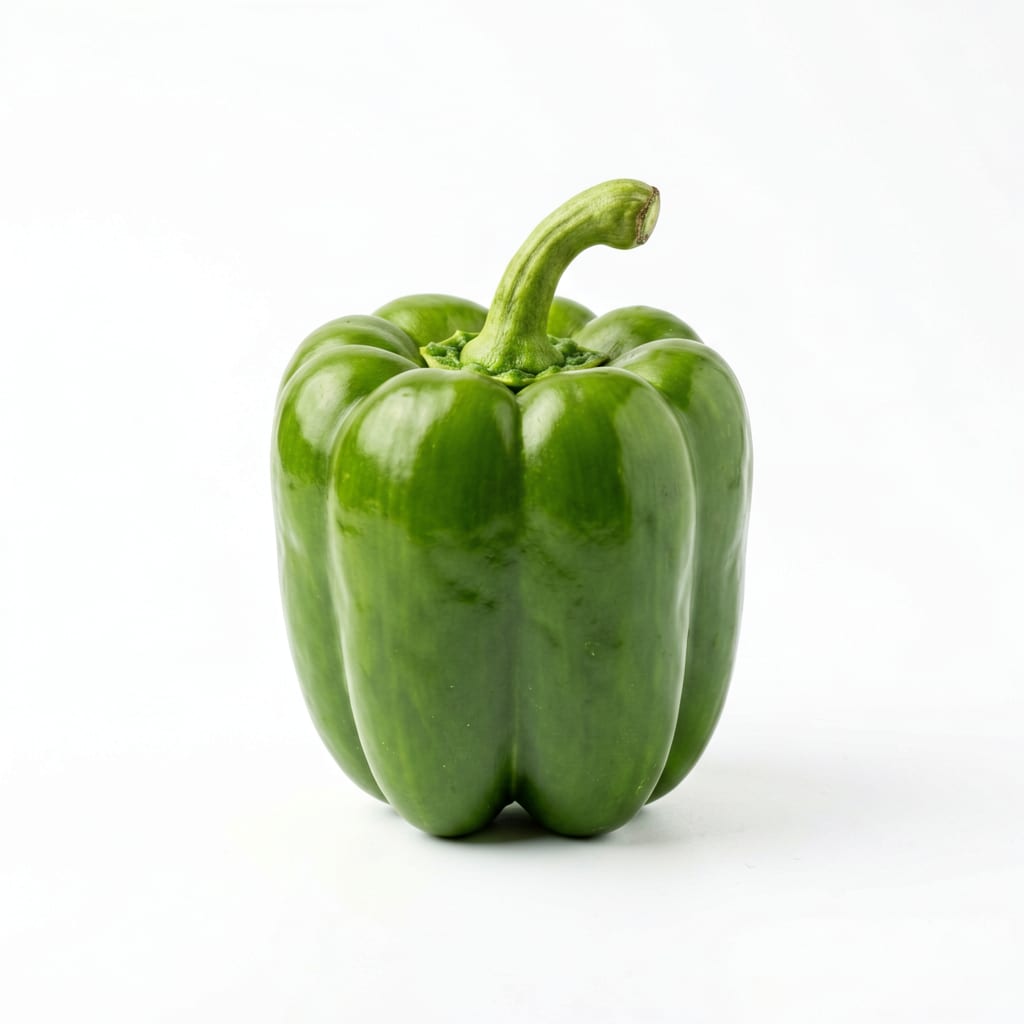
Bell Pepper
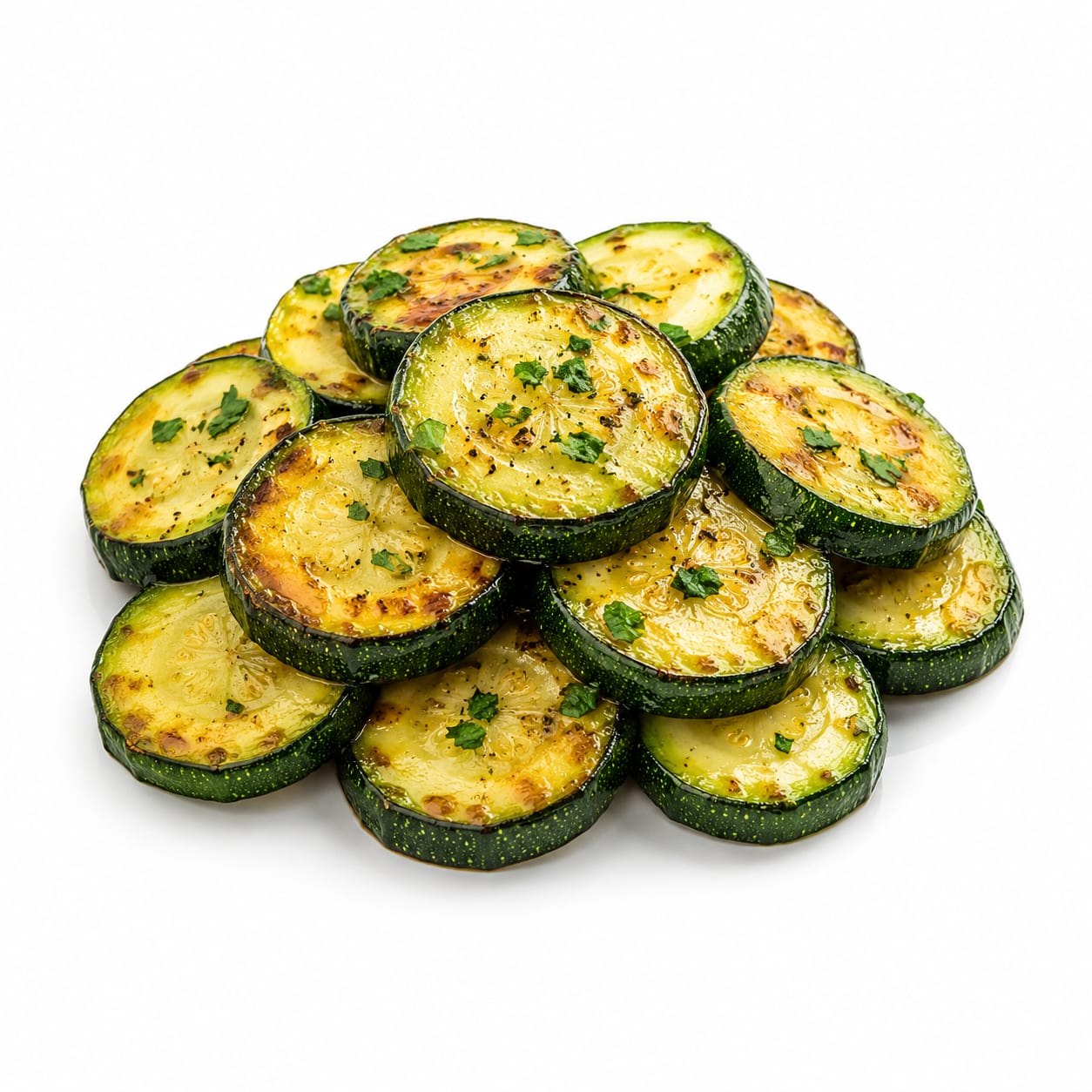
Zucchini
Bell Pepper delivers a massive micronutrient punch, especially Vitamin C, while Zucchini offers unmatched low-calorie bulk and is gentler on the stomach.
Bell Pepper scores slightly higher due to its exceptional Vitamin C and antioxidant content, but Zucchini stays competitive because of its outstanding calorie efficiency and digestive gentleness.
You are choosing between Bell Pepper's superior vitamin and antioxidant density and Zucchini's greater volume-per-calorie and easier digestion.
At a glance
Executive summary
Overall
It depends
Healthier
Bell Pepper
More practical
Zucchini
Daily use
It depends
Key comparison lenses
micronutrient density
Bell Pepper is famously rich in Vitamin C and Vitamin A, vastly outperforming Zucchini in this area.
low calorie volume eating
Zucchini is a staple for bulk-eating on a diet due to its extremely high water and low calorie content.
digestive tolerance
Bell Pepper is a nightshade and can cause bloating or reflux in sensitive individuals, whereas Zucchini is generally very easy to digest.
culinary versatility
Users often choose between these for roasting, stir-frying, or low-carb substitutions, where texture and flavor profiles differ greatly.
Best choice for
Bell Pepper
- Boosting immune function and skin health
- Adding crunch and vibrant flavor to meals
- Increasing antioxidant intake
Zucchini
- Maximizing portion sizes on a calorie deficit
- Replacing high-carb pasta or noodles
- Soothing a sensitive digestive system
Least suitable for
Bell Pepper
- People with severe nightshade sensitivities or IBS
- Those prone to acid reflux after eating acidic vegetables
Zucchini
- Individuals looking for a strong, standalone flavor profile
- Those specifically seeking high Vitamin C from this food item
Deep comparison
Dimension by dimension
Each lens scores both foods and breaks down who each option suits.
- Dimension 1 · Priority 95Bell Pepper
micronutrient_density
Bell Pepper · 95Zucchini · 55Bell Pepper absolutely dominates the micronutrient space, particularly with Vitamin C and Vitamin A.
Tradeoff
You get significantly more immune-boosting vitamins with Bell Pepper, but Zucchini offers decent potassium and mild hydration benefits.
Why it matters
A single Bell Pepper can provide over 100% of your daily Vitamin C needs, making it a highly efficient way to support skin and immunity.
Real-world impact
Eating Bell Pepper regularly can help ward off colds and keep skin glowing, whereas Zucchini acts more as a hydrating filler.
Bell Pepper
- Fighting off seasonal colds
- Improving iron absorption when eaten with iron-rich foods
- Supporting collagen production for skin
Better for
- Those avoiding high-acid foods during reflux flare-ups
Worse for
Zucchini
- Maintaining mild hydration
- Getting a small potassium boost without sugar
Better for
- Preventing Vitamin C deficiencies
Worse for
- Dimension 2 · Priority 85Zucchini
calorie_efficiency_and_satiety
Bell Pepper · 70Zucchini · 92Zucchini provides much more physical volume per calorie, making it the ultimate diet food.
Tradeoff
Zucchini fills your plate and stomach for almost zero calories, while Bell Pepper offers more nutritional weight per bite but less physical bulk.
Why it matters
When cutting calories, physical fullness matters. Zucchini lets you eat a massive portion without breaking your calorie budget.
Real-world impact
Spiralized Zucchini can replace a giant bowl of pasta for under 50 calories, leaving you physically full without the carb crash.
Bell Pepper
- Snacking raw with a dip for a satisfying crunch
Better for
- Volume eaters who need large portions to feel full
Worse for
Zucchini
- Creating massive, low-calorie dinner bowls
- Replacing high-calorie carbs in comfort meals
Better for
- People who need calorie-dense foods to maintain weight
Worse for
- Dimension 3 · Priority 80Zucchini
digestive_tolerance
Bell Pepper · 55Zucchini · 90Zucchini is incredibly gentle on the gut, while Bell Pepper can be problematic for sensitive digestive systems.
Tradeoff
Bell Pepper's tough skin and nightshade status can trigger bloating or heartburn, whereas Zucchini cooks down into an easily digestible, soothing mush.
Why it matters
If you have IBS, acid reflux, or a sensitive stomach, raw Bell Pepper is a common trigger, limiting how often you can enjoy it.
Real-world impact
A stir-fry with Zucchini feels light and comforting in the stomach, while a raw Bell Pepper salad might cause afternoon bloating.
Bell Pepper
- People with very robust digestion who tolerate raw veggies well
Better for
- Individuals with nightshade sensitivities
- People prone to gas from raw crucifers and nightshades
Worse for
Zucchini
- Those with IBS or sensitive stomachs
- Anyone recovering from a stomach bug
- People who experience heartburn from acidic foods
Better for
- Those who need high-fiber roughage to stimulate digestion
Worse for
- Dimension 4 · Priority 75Bell Pepper
antioxidant_profile
Bell Pepper · 90Zucchini · 50Bell Pepper, especially the red variety, is loaded with unique antioxidants like capsanthin, which Zucchini lacks.
Tradeoff
You get powerful, colorful antioxidants that fight cellular damage with Bell Pepper, while Zucchini offers mainly basic lutein for eye health.
Why it matters
Antioxidants from Bell Pepper help reduce inflammation and protect against chronic disease more aggressively than the mild compounds in Zucchini.
Real-world impact
Eating a variety of Bell Peppers actively fights oxidative stress from daily pollution and stress, offering more long-term protective benefits.
Bell Pepper
- Reducing systemic inflammation
- Protecting skin from UV and environmental damage
Better for
- Those who only eat green peppers, which are less antioxidant-dense than red
Worse for
Zucchini
- Supporting basic eye health via lutein
Better for
- Providing broad-spectrum antioxidant protection
Worse for
Timeline
Health impact over time
Short-term
Hours to days
Bell Pepper
- Quick boost in Vitamin C for immediate immune support
- Potential for indigestion or heartburn if eaten raw in large amounts
Zucchini
- Immediate physical fullness from water and fiber content
- Light, energizing feeling without digestive heaviness
Long-term
Months to years
Bell Pepper
- Enhanced skin elasticity and anti-aging from high Vitamin C
- Better iron absorption and anemia prevention
- Potential for chronic joint pain if sensitive to nightshades
Zucchini
- Easier long-term weight maintenance due to low calorie density
- Consistent digestive regularity from gentle fiber
- Lower risk of metabolic syndrome from replacing refined carbs
Risk profile
Safety & processing
Both Bell Pepper and Zucchini are whole, natural vegetables typically eaten in their unprocessed state, making them equally clean choices.
Bell Pepper
Pesticide residue
highBell Peppers are consistently on the EWG's Dirty Dozen list, meaning conventional versions often carry high pesticide loads. Washing or buying organic is advised.
Nightshade sensitivity
mediumContains solanine, which can trigger inflammation or digestive distress in people with nightshade intolerances.
Zucchini
Cucurbitacin toxicity
lowRarely, Zucchini can contain cucurbitacins, which cause extreme bitterness and can lead to stomach cramps or vomiting. Always spit out unusually bitter Zucchini.
Pesticide residue
lowZucchini generally has lower pesticide residue concerns compared to Bell Pepper.
Who wins for whom
Audience fit
Same foods, different winners depending on your goal.
children
Bell PepperThe sweet taste and fun crunch of Bell Pepper make it more appealing to kids, while providing essential vitamins for growth.
daily consumption
It dependsZucchini is safer for daily gut comfort, but Bell Pepper provides daily immune support; rotating both is the best approach.
diabetes
ZucchiniZucchini has a slightly lower carbohydrate and sugar content, making it an ideal bulk food that will not spike blood sugar at all.
elderly
ZucchiniZucchini is much easier to chew and digest, which is vital for aging digestive systems and dental issues.
muscle gain
It dependsNeither is a significant protein source, but Bell Pepper's high Vitamin C aids in collagen synthesis for joint repair, which is crucial for heavy lifting.
weight loss
ZucchiniZucchini's incredibly low calorie count and high water content allow for massive portion sizes that keep you full without overeating.
Your move
Decision guide
Choose Bell Pepper
- You want to boost your immune system and skin health
- You need a satisfying, crunchy snack to eat with hummus
- You are making a stir-fry or fajitas and want bold flavor
Choose Zucchini
- You are trying to lose weight and need to increase portion sizes
- You have a sensitive stomach or suffer from acid reflux
- You want a low-carb substitute for pasta or noodles
Either works if
- You need non-starchy vegetables for a sheet pan roast
- You are meal-prepping a big batch of vegetable soup
- You just want to add more color and fiber to your dinner plate
Avoid both if
- You are looking for a high-protein food to anchor your meal
- You need a calorie-dense food for weight gain
Final recommendation
Let your immediate goals guide you: choose Bell Pepper when your body needs a Vitamin C and antioxidant boost, and choose Zucchini when you need gentle, low-calorie bulk to keep you full. For the best of both worlds, roast them together with olive oil.
Practical
Consumer tips
- 1
Buy organic Bell Peppers when possible, as conventional versions rank high in pesticide residue.
- 2
If raw Bell Pepper upsets your stomach, try roasting it and removing the skin to make it much easier to digest.
- 3
Use a spiralizer or vegetable peeler to turn Zucchini into low-carb noodles; just salt them lightly and pat dry to avoid a watery sauce.
- 4
Choose red or yellow Bell Peppers over green for nearly double the Vitamin C and a sweeter taste.
- 5
If your Zucchini tastes unusually bitter, do not eat it; this indicates toxic cucurbitacins.