
Nutrition comparison
Eggplant vs Bell Pepper: Nutrition, Taste, and Health Comparison
Compare Eggplant and Bell Pepper side by side. Discover which is better for weight loss, vitamins, blood sugar, and daily meals with practical nutrition insights.
Overall winner · Bell Pepper
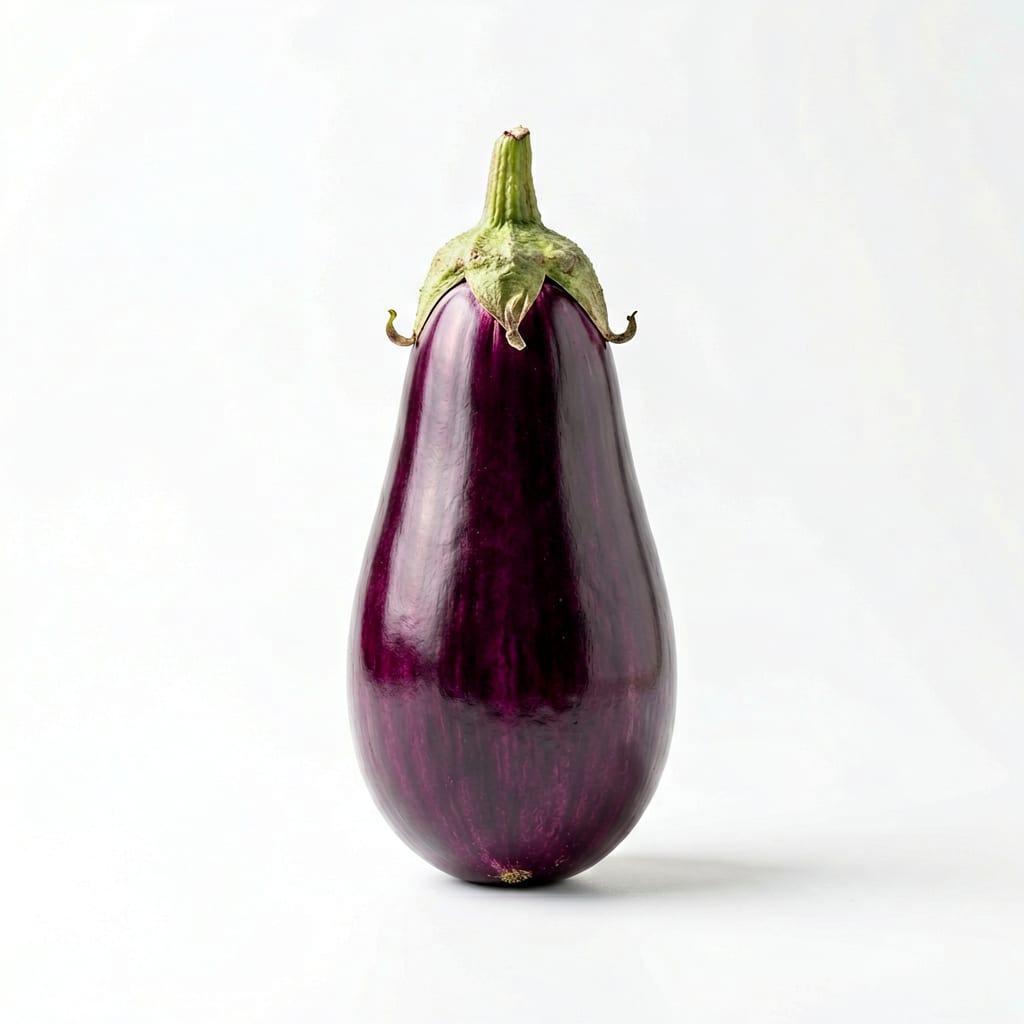
Eggplant
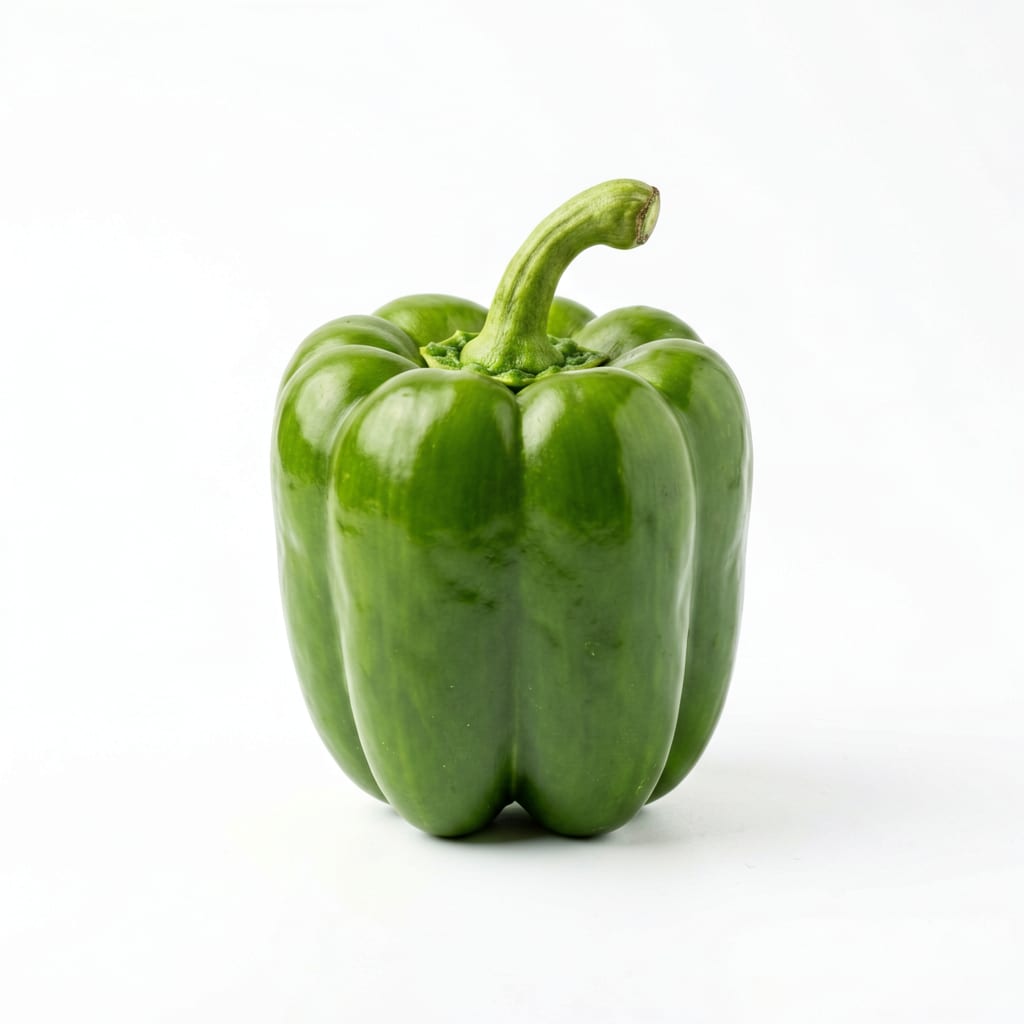
Bell Pepper
Bell Pepper wins for everyday nutrition thanks to its exceptional vitamin C content and raw-eating convenience, but Eggplant offers unique antioxidants and deeper satiety when prepared well.
Bell Pepper scores notably higher due to its superior vitamin C and A content, raw versatility, and lower risk of becoming a hidden calorie bomb during cooking. Eggplant remains valuable but is more niche — its strengths shine in specific dishes rather than broad daily use.
Bell Pepper gives you more vitamins and easier snacking; Eggplant gives you more fiber, a meatier bite, and a different antioxidant profile — but demands careful cooking to avoid becoming a grease sponge.
At a glance
Executive summary
Overall
Bell Pepper
Healthier
Bell Pepper
More practical
Bell Pepper
Daily use
Bell Pepper
Key comparison lenses
nutrient density comparison
Bell Pepper delivers dramatically more vitamin C and vitamin A, making it the clear micronutrient powerhouse between the two
versatility and convenience
Bell Pepper can be eaten raw or cooked while Eggplant requires cooking, creating a major practical difference for meal prep
weight management and satiety
Both are low-calorie vegetables but Eggplant's sponginess absorbs cooking oil, potentially increasing calorie intake significantly
antioxidant diversity
Each offers unique antioxidants — nasunin in Eggplant skin versus capsanthin and vitamin C in Bell Pepper — making them complementary
digestive tolerance and nightshade sensitivity
Both are nightshades containing solanine, which can trigger inflammation or joint pain in sensitive individuals
Best choice for
Eggplant
- People wanting heavier, more satisfying vegetable dishes
- Anyone seeking nasunin antioxidants for brain health
- Low-carb dieters looking for a pasta substitute
- Meal preppers making stews and casseroles
- People who find raw vegetables hard to digest
Bell Pepper
- Anyone needing a quick vitamin C boost
- Raw snackers and salad builders
- Families wanting kid-friendly crunchy vegetables
- People watching cooking oil intake
- Anyone meal-prepping on tight schedules
Least suitable for
Eggplant
- People sensitive to nightshades or solanine
- Anyone prone to oil-heavy cooking habits
- Those wanting grab-and-go raw snacks
- People with oxalate-related kidney stone concerns
Bell Pepper
- People with severe nightshade sensitivity
- Anyone avoiding even moderate natural sugars
- Those with bell pepper allergies or oral allergy syndrome
Deep comparison
Dimension by dimension
Each lens scores both foods and breaks down who each option suits.
- Dimension 1 · Priority 92Bell Pepper
Vitamin and Micronutrient Density
Eggplant · 45Bell Pepper · 90Bell Pepper is a micronutrient champion, especially red and yellow varieties. Eggplant is surprisingly modest in vitamins despite its deep color.
Tradeoff
Eggplant's rich purple skin looks like it should be vitamin-dense, but most of its value comes from unique antioxidants rather than classic vitamins.
Why it matters
A single red Bell Pepper delivers over 150% of your daily vitamin C. You would need to eat enormous amounts of Eggplant to match that.
Real-world impact
Adding Bell Pepper to your day meaningfully moves the needle on immune support and skin health. Eggplant barely moves it on vitamins alone.
Eggplant
- Unique nasunin antioxidant protection
- Manganese intake for bone and metabolism support
Better for
- Very low vitamin C content
- Minimal vitamin A compared to red or yellow Bell Pepper
Worse for
Bell Pepper
- Vitamin C for immunity and collagen
- Vitamin A for vision and skin
- Vitamin B6 for energy and brain function
- Folate for cell repair
Better for
- Lacks nasunin and chlorogenic acid found in Eggplant
Worse for
- Dimension 2 · Priority 80Eggplant
Fiber and Satiety
Eggplant · 78Bell Pepper · 62Eggplant provides more fiber per serving and a denser, more filling eating experience when cooked properly.
Tradeoff
Eggplant fills you up more but only if you avoid oil-heavy preparations that undermine the calorie advantage.
Why it matters
Higher fiber means steadier digestion and longer-lasting fullness, which helps with portion control throughout the day.
Real-world impact
A roasted Eggplant dish feels like a real meal. Raw Bell Pepper slices are refreshing but leave you hungry again within an hour.
Eggplant
- More fiber per calorie for digestive regularity
- Denser texture creates stronger satiety signals
- Works as a low-carb substitute for pasta or bread
Better for
- Oil absorption during cooking can negate calorie benefits
- Requires preparation effort to achieve satisfying texture
Worse for
Bell Pepper
- Lighter crunch satisfies without heaviness
- Easier to eat large volumes raw for bulk eating strategies
Better for
- Lower total fiber content
- Less filling as a standalone snack
Worse for
- Dimension 3 · Priority 75It depends
Antioxidant Diversity
Eggplant · 80Bell Pepper · 80This is a tie with different strengths. Eggplant skin delivers nasunin for brain protection; Bell Pepper provides capsanthin and vitamin C for immune and anti-inflammatory support.
Tradeoff
You are choosing between brain-protective and immune-supportive antioxidants. Both are valuable, and ideally you eat both.
Why it matters
Different antioxidants protect different systems. Nasunin shields cell membranes in the brain, while capsanthin fights inflammation more broadly.
Real-world impact
Eating both vegetables regularly gives you broader antioxidant coverage than loading up on just one.
Eggplant
- Nasunin protects brain cell membranes from oxidative damage
- Chlorogenic acid supports blood sugar regulation
- Deep purple skin indicates concentrated anthocyanin content
Better for
- Most antioxidants are concentrated in the skin, which some people peel
- Lower total antioxidant variety compared to red Bell Pepper
Worse for
Bell Pepper
- Capsanthin reduces inflammatory markers
- High vitamin C acts as both vitamin and antioxidant
- Carotenoid family supports eye health
Better for
- Lacks the specific brain-protective compounds found in Eggplant skin
Worse for
- Dimension 4 · Priority 85Bell Pepper
Cooking Versatility and Convenience
Eggplant · 50Bell Pepper · 88Bell Pepper works raw in salads, cooked in stir-fries, or stuffed and baked. Eggplant demands cooking and specific technique to shine.
Tradeoff
Eggplant rewards careful cooking with rich, satisfying dishes but punishes lazy preparation with spongy, oily results.
Why it matters
The vegetable you can use in more situations is the one you will actually eat consistently.
Real-world impact
Bell Pepper slices take zero effort for snacking. Eggplant requires slicing, salting, draining, and cooking — a 30-minute commitment minimum.
Eggplant
- Absorbs flavors beautifully in stews and curries
- Creates meaty texture for vegetarian dishes
- Grills and roasts into deeply satisfying caramelized dishes
Better for
- Cannot be eaten raw enjoyably
- Absorbs excessive oil if not salted and drained first
- Bitter if undercooked or poorly prepared
Worse for
Bell Pepper
- Eats raw as a crunchy snack with zero prep
- Quick-cooks in stir-fries within minutes
- Stuffs easily for complete meal recipes
- Colorful presentation for meal appeal
Better for
- Can become soggy and lose crunch if overcooked
- Less satisfying as a main dish component
Worse for
- Dimension 5 · Priority 72Eggplant
Blood Sugar and Metabolic Impact
Eggplant · 82Bell Pepper · 70Both are low-glycemic, but Eggplant's higher fiber and chlorogenic acid give it a slight edge for blood sugar stability.
Tradeoff
Bell Pepper contains more natural sugar, which is still modest but slightly less ideal for strict blood sugar management.
Why it matters
For people monitoring glucose closely, even small differences in fiber-to-sugar ratio matter for post-meal stability.
Real-world impact
After an Eggplant dish, blood sugar stays flatter. After Bell Pepper, there is a tiny uptick — negligible for most people but relevant for diabetics.
Eggplant
- Higher fiber slows glucose absorption more effectively
- Chlorogenic acid may improve insulin sensitivity
- Lower natural sugar content per serving
Better for
- Common cooking methods add oil that can slow digestion excessively for some
Worse for
Bell Pepper
- Still very low glycemic load overall
- Vitamin C helps reduce oxidative stress from blood sugar spikes
Better for
- Red and yellow varieties contain more sugar than Eggplant
- Slightly faster digestion means quicker glucose entry
Worse for
- Dimension 6 · Priority 65Eggplant
Pesticide and Contamination Risk
Eggplant · 72Bell Pepper · 55Bell Pepper consistently appears on the EWG Dirty Dozen list for pesticide residue. Eggplant ranks lower on contamination concerns.
Tradeoff
Choosing organic matters more for Bell Pepper than Eggplant if you want to minimize pesticide exposure.
Why it matters
Pesticide residue is a real concern with Bell Pepper, especially for children and pregnant women.
Real-world impact
If budget forces a choice, buy organic Bell Pepper and conventional Eggplant for the biggest risk reduction per dollar.
Eggplant
- Lower pesticide residue in conventional farming
- Thicker skin that is often peeled reduces exposure further
Better for
- Wax coatings sometimes used on store-bought Eggplant
Worse for
Bell Pepper
- Easy to wash thoroughly due to smooth surface
Better for
- Consistently high pesticide residue in conventional samples
- Often requires organic purchase to avoid significant exposure
Worse for
Timeline
Health impact over time
Short-term
Hours to days
Eggplant
- Provides filling fiber that reduces between-meal hunger
- May cause mild digestive discomfort if undercooked
- Requires cooking oil which adds calories quickly if not measured
Bell Pepper
- Delivers immediate vitamin C boost for energy and immune support
- Crunchy texture satisfies snack cravings without heavy calories
- Raw consumption preserves all heat-sensitive nutrients
Long-term
Months to years
Eggplant
- Nasunin may support cognitive health and protect against age-related decline
- Consistent fiber intake promotes gut microbiome diversity
- Solanine from nightshades may aggravate joint pain in susceptible individuals
Bell Pepper
- Sustained vitamin C intake supports collagen production and skin aging defense
- Carotenoid consumption protects against macular degeneration over time
- Regular antioxidant intake reduces chronic inflammation markers
Risk profile
Safety & processing
Both Eggplant and Bell Pepper are whole vegetables typically sold fresh and unprocessed. Neither carries significant artificial additive concerns in their natural form. The main processing risk for Eggplant is pre-breaded or frozen preparations that add sodium and fillers.
Eggplant
Solanine sensitivity
lowEggplant contains solanine as a nightshade. Most people tolerate it fine, but those with nightshade sensitivity may experience joint pain or digestive upset.
Oxalate content
lowEggplant contains moderate oxalates. Not a concern for most people, but those with a history of calcium oxalate kidney stones should moderate intake.
Bell Pepper
Pesticide residue
mediumBell Pepper is consistently ranked among the most pesticide-contaminated vegetables by the EWG. Organic options significantly reduce this risk.
Oral allergy syndrome
lowSome people with pollen allergies experience mouth itching from raw Bell Pepper due to cross-reactivity. Cooking usually eliminates this reaction.
Who wins for whom
Audience fit
Same foods, different winners depending on your goal.
children
Bell PepperKids respond better to the sweet crunch of raw Bell Pepper strips than to Eggplant's softer, more complex texture and slightly bitter notes.
daily consumption
Bell PepperBell Pepper is easier to incorporate daily — toss it in salads, eat it raw, or quick-cook it. Eggplant demands more preparation effort, making daily use less realistic.
diabetes
EggplantEggplant's higher fiber and chlorogenic acid content provide slightly better blood sugar stabilization, though both are excellent choices.
elderly
Bell PepperBell Pepper's vitamin C and carotenoids support immune function and eye health, both critical concerns for aging adults. Its raw versatility also helps when cooking energy is low.
muscle gain
Bell PepperNeither is a protein source, but Bell Pepper's vitamin C helps with collagen synthesis for connective tissue repair during training.
weight loss
It dependsEggplant has fewer calories per serving but absorbs cooking oil easily, potentially negating its advantage. Bell Pepper is safer for weight loss if you snack raw, but Eggplant wins if you cook with minimal oil and need something more filling.
Your move
Decision guide
Choose Eggplant
- You want a hearty, satisfying vegetable that replaces heavier carbs
- You are making stews, curries, or Mediterranean dishes where Eggplant shines
- You are focused on brain health and want nasunin antioxidants
- You need deeper satiety from your vegetable portions
- You are managing blood sugar and want maximum fiber per calorie
Choose Bell Pepper
- You want a grab-and-go raw snack with real nutritional payoff
- You need more vitamin C and vitamin A in your diet
- You are cooking for kids who prefer sweet crunch over soft texture
- You want to minimize cooking oil in your meals
- You are meal-prepping and need a versatile vegetable for multiple uses
Either works if
- You want more vegetable variety in your diet overall
- You are building a stir-fry and both would add value
- You have no nightshade sensitivity and tolerate both well
- You want complementary antioxidants from different plant families
Avoid both if
- You have confirmed nightshade sensitivity causing joint inflammation
- You are on a strict low-oxalate diet for kidney stone prevention
Final recommendation
Eat both regularly but lean into Bell Pepper for daily snacking and quick meals, and save Eggplant for when you want something more substantial. If budget forces a choice, buy organic Bell Pepper and conventional Eggplant — you get the best safety and nutrition tradeoff that way.
Practical
Consumer tips
- 1
Salt sliced Eggplant and let it drain for 20 minutes before cooking to reduce oil absorption and bitterness
- 2
Choose red or yellow Bell Pepper over green for significantly more vitamin A and vitamin C
- 3
If buying conventional Bell Pepper, wash thoroughly with a produce brush under running water to reduce pesticide residue
- 4
Roast Eggplant at high heat rather than pan-frying to get caramelized flavor with minimal oil
- 5
Freeze diced Bell Pepper for easy additions to soups and stir-fries later — it retains nutrients well
- 6
Leave Eggplant skin on to get the full nasunin antioxidant benefit
- 7
Store Bell Pepper whole and unwashed in the crisper drawer — it lasts up to two weeks
- 8
Eggplant deteriorates quickly — use within 3-4 days of purchase for best texture and flavor