
Nutrition comparison
Bell Pepper vs Spinach: Which Is Healthier for You?
Compare Bell Pepper and Spinach side by side. Spinach wins on iron, folate, and vitamin K density, while Bell Pepper delivers unmatched vitamin C and raw snack appeal. Find out which fits your goals.
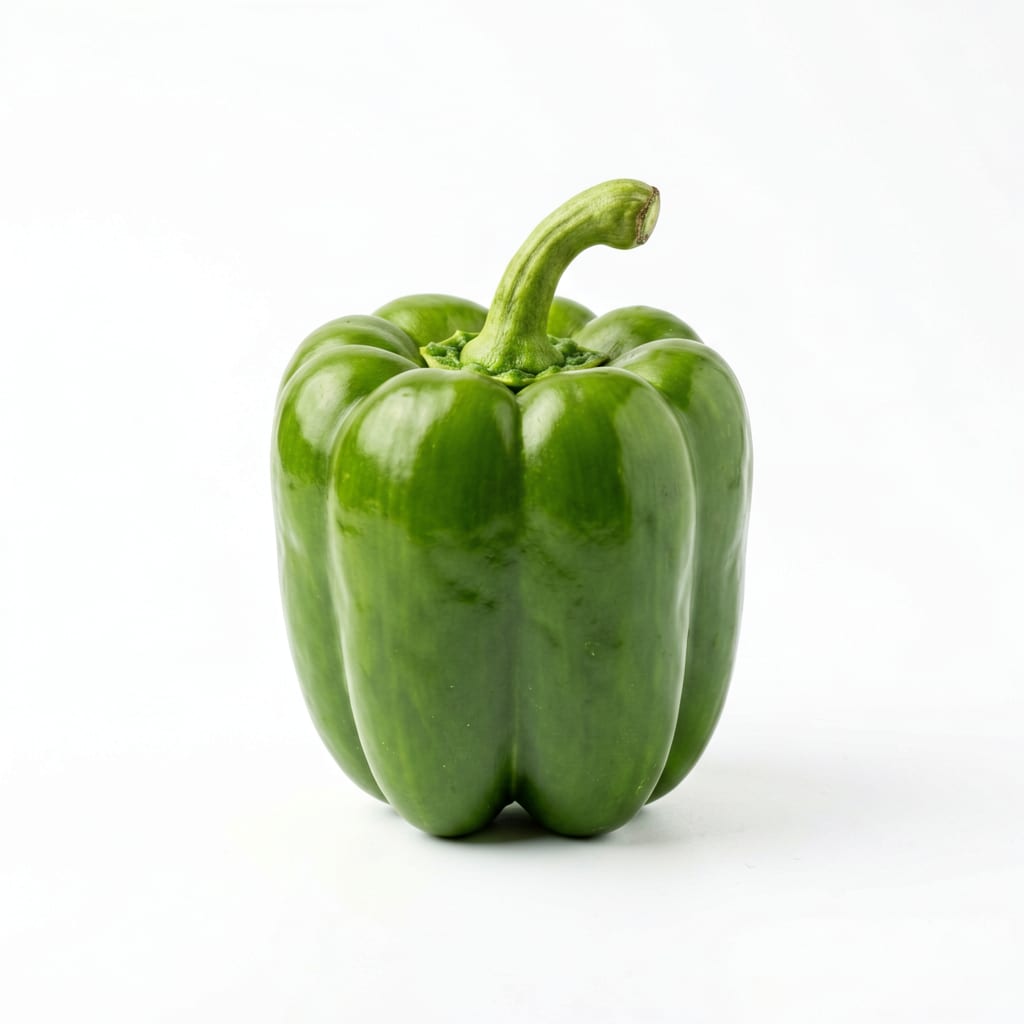
Bell Pepper
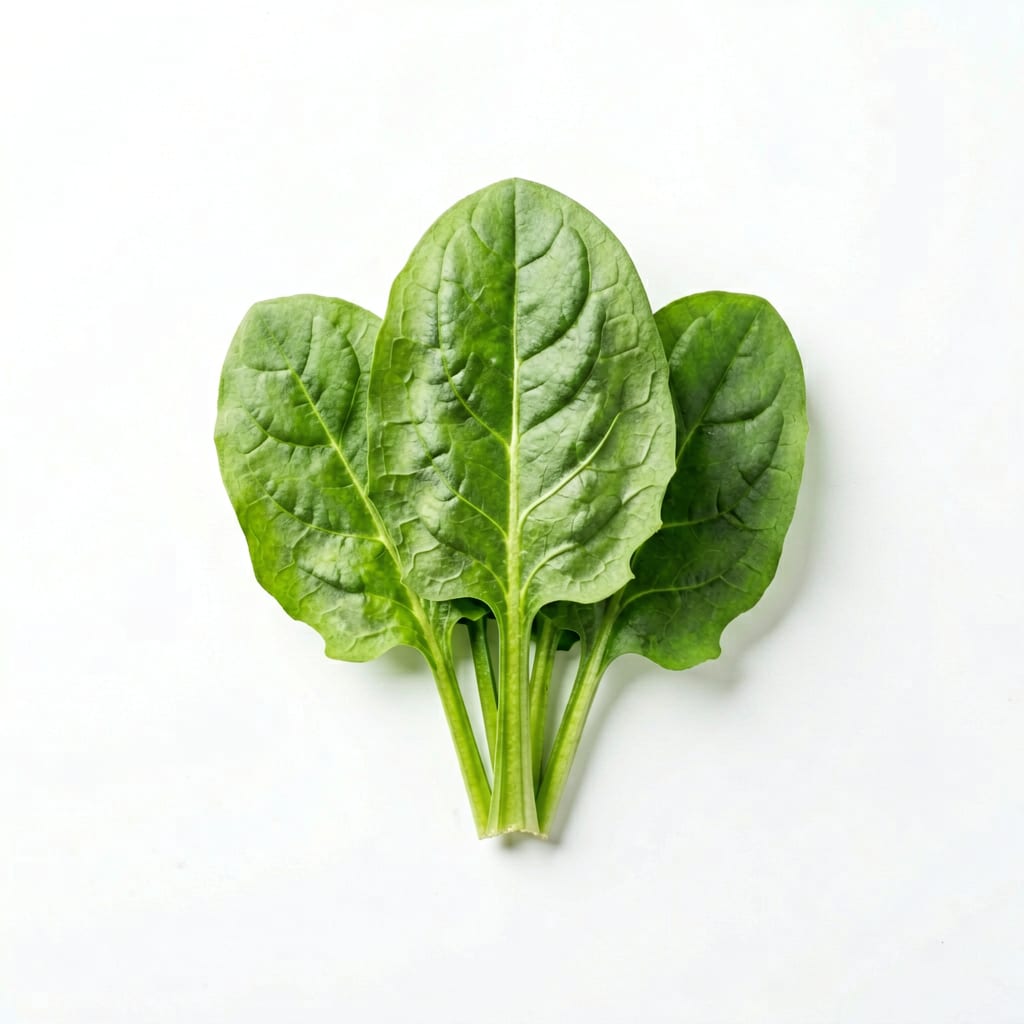
Spinach
Spinach wins on nutrient density and mineral content, but Bell Pepper delivers unmatched vitamin C and a more satisfying eating experience raw.
Spinach scores higher due to superior overall nutrient density, especially in iron, folate, and vitamin K. Bell Pepper remains strong with exceptional vitamin C content and better raw eating appeal, but covers fewer micronutrient bases.
Spinach gives you more iron, folate, and vitamin K per bite, while Bell Pepper gives you far more vitamin C and a crunchy, sweet snackability that Spinach cannot match.
At a glance
Executive summary
Overall
It depends
Healthier
Spinach
More practical
Bell Pepper
Daily use
Spinach
Key comparison lenses
Vitamin C vs Iron and Vitamin K tradeoff
Bell Pepper delivers massive vitamin C while Spinach dominates in iron, folate, and vitamin K — the core nutritional tradeoff between these two
Nutrient density per calorie
Both are low-calorie powerhouses but Spinach packs more micronutrients per calorie, especially when cooked down
Oxalate and kidney stone risk
Spinach is high in oxalates, which matters significantly for prone individuals, while Bell Pepper has negligible oxalate content
Pesticide residue exposure
Both appear on the EWG Dirty Dozen list, making organic sourcing relevant for regular consumers
Eating versatility and satisfaction
Bell Pepper offers crunch and sweetness that makes it a satisfying raw snack, while Spinach shrinks dramatically when cooked
Best choice for
Bell Pepper
- People wanting immune support and vitamin C
- Those who enjoy crunchy raw snacks
- Anyone prone to kidney stones who must avoid oxalates
- Meal preppers who want a vegetable that holds texture for days
Spinach
- People needing iron, folate, or vitamin K
- Pregnant women seeking natural folate
- Those who cook vegetables and want maximum nutrient yield
- Anyone prioritizing nutrient density per calorie
Least suitable for
Bell Pepper
- People specifically needing iron or vitamin K
- Those on blood thinners who need stable vitamin K intake
Spinach
- People with a history of calcium oxalate kidney stones
- Those who dislike cooked greens or wilted textures
- Anyone needing a portable, mess-free raw snack
Deep comparison
Dimension by dimension
Each lens scores both foods and breaks down who each option suits.
- Dimension 1 · Priority 95Spinach
Vitamin and Mineral Density
Bell Pepper · 65Spinach · 90Spinach delivers significantly more iron, folate, vitamin K, and magnesium per calorie. Bell Pepper excels almost exclusively in vitamin C, where it is one of the richest sources available.
Tradeoff
You get broader mineral coverage with Spinach but sacrifice the massive vitamin C hit that Bell Pepper provides.
Why it matters
If you are borderline on iron or folate, Spinach moves the needle meaningfully. If you rarely eat fruit, Bell Pepper may be your best vitamin C source.
Real-world impact
A cup of raw Spinach covers over 100% of your vitamin K needs. A medium red Bell Pepper covers over 150% of your vitamin C needs. They solve different deficiency risks.
Bell Pepper
- Vitamin C supplementation through whole food
- Collagen support and skin health
- Iron absorption when paired with iron-rich foods
Better for
- Low in iron and folate
- Minimal vitamin K content
Worse for
Spinach
- Iron intake especially for menstruating women
- Folate for prenatal nutrition
- Vitamin K for bone and blood health
- Magnesium for muscle and nerve function
Better for
- Moderate vitamin C at best unless eaten raw in large volumes
Worse for
- Dimension 2 · Priority 78Bell Pepper
Oxalate and Digestive Safety
Bell Pepper · 95Spinach · 55Bell Pepper is virtually oxalate-free and gentle on the digestive system. Spinach is one of the highest-oxalate foods commonly eaten, which is a real concern for some people.
Tradeoff
Spinach's iron and calcium are partially bound by oxalates, reducing absorption, while Bell Pepper poses essentially no digestive risk.
Why it matters
For the roughly 10-15% of people who form calcium oxalate kidney stones, Spinach is one of the worst foods to eat regularly.
Real-world impact
If you have had a kidney stone, your urologist likely told you to limit Spinach. Bell Pepper faces no such restriction and can be eaten freely.
Bell Pepper
- Kidney stone prevention
- Easy digestion for sensitive stomachs
- No mineral absorption interference from oxalates
Better for
- No significant oxalate-related downsides
Worse for
Spinach
- Boiling Spinach reduces oxalate levels significantly
Better for
- High oxalate content risks kidney stones in prone individuals
- Oxalates bind iron and calcium, reducing their absorption
- Raw Spinach is the highest-oxalate form
Worse for
- Dimension 3 · Priority 72Bell Pepper
Raw Eating Appeal and Satiety
Bell Pepper · 88Spinach · 50Bell Pepper is crunchy, sweet, and satisfying to eat raw. Spinach raw is watery and insubstantial, though it shines when cooked into a condensed form.
Tradeoff
Bell Pepper works as a standalone snack. Spinach needs preparation or pairing to feel like a meaningful food experience.
Why it matters
People eat more of what they enjoy eating raw. Bell Pepper's crunch and sweetness make it an easy habit; raw Spinach is more of a chore.
Real-world impact
Slicing a Bell Pepper for snacking feels natural and satisfying. Eating a raw Spinach salad requires dressing, toppings, and effort to feel like a meal.
Bell Pepper
- Standalone raw snacking
- Dipping into hummus or guacamole
- Adding crunch to salads and stir-fries
- Meal prep that holds texture for days
Better for
- Loses some appeal when cooked to softness
Worse for
Spinach
- Cooked dishes where volume condenses into nutrient density
- Smoothies where raw Spinach blends invisibly
Better for
- Raw Spinach feels insubstantial as a snack
- Cooks down to a fraction of its raw volume
- Wilted texture is off-putting for some people
Worse for
- Dimension 4 · Priority 70It depends
Antioxidant Diversity
Bell Pepper · 80Spinach · 82Bell Pepper offers carotenoids like beta-carotene and lutein plus exceptional vitamin C. Spinach provides lutein, zeaxanthin, and unique flavonoids but less vitamin C.
Tradeoff
Both are antioxidant-rich but through different compounds. Red Bell Pepper has more total antioxidant capacity per serving; Spinach has more eye-specific antioxidants.
Why it matters
Eye health benefits are strong in both but through slightly different pathways. Spinach's lutein and zeaxanthin are particularly well-studied for macular degeneration.
Real-world impact
Eating both regularly gives you complementary antioxidant coverage. Choosing only one means missing unique compounds the other provides.
Bell Pepper
- Vitamin C as a direct water-soluble antioxidant
- Beta-carotene in red and orange varieties
- Quercetin and luteolin flavonoids
Better for
- Fewer unique flavonoid classes compared to Spinach
Worse for
Spinach
- Lutein and zeaxanthin for macular health
- Kaempferol flavonoid with anti-inflammatory properties
- More total antioxidant variety per calorie
Better for
- Lower total antioxidant capacity per serving without cooking
Worse for
- Dimension 5 · Priority 68It depends
Pesticide Residue and Sourcing
Bell Pepper · 60Spinach · 55Both Bell Pepper and Spinach consistently appear on the EWG Dirty Dozen list, meaning conventional versions carry notable pesticide residues.
Tradeoff
Neither is clean conventionally. Organic matters for both, but Spinach often tests with more residue types per sample.
Why it matters
If you eat these daily, pesticide exposure accumulates. Prioritizing organic for both is worthwhile, especially Spinach.
Real-world impact
Budget-conscious shoppers should consider that both foods are worth buying organic. If forced to choose, organic Spinach may matter slightly more due to residue frequency.
Bell Pepper
- Slightly fewer pesticide residue types detected on average
- Thicker skin provides some barrier
Better for
- Still on Dirty Dozen list consistently
Worse for
Spinach
- Cooking reduces some surface pesticide residues
Better for
- Often ranks among the highest residue leafy greens
- No protective skin barrier
Worse for
Timeline
Health impact over time
Short-term
Hours to days
Bell Pepper
- Quick vitamin C boost supporting immune function
- Hydrating crunch that satisfies snack cravings without heavy calories
- Mild blood sugar stability from low sugar and moderate fiber
Spinach
- Rapid folate and iron intake supporting energy and blood health
- Very low calorie volume that supports short-term calorie deficits
- Can cause bloating in sensitive individuals when eaten raw in large amounts
Long-term
Months to years
Bell Pepper
- Consistent vitamin C intake supports skin aging and immune resilience
- Carotenoid intake supports long-term eye health
- Low oxalate load means no kidney stone risk accumulation
Spinach
- Sustained vitamin K intake supports bone density and cardiovascular health
- Folate intake supports cellular repair and prenatal development
- Oxalate accumulation increases kidney stone risk over years for susceptible people
- Iron accumulation could be a concern for people with hemochromatosis
Risk profile
Safety & processing
Both Bell Pepper and Spinach are whole, minimally processed vegetables with no additive concerns when fresh. The main naturalness consideration is pesticide residue, not processing.
Bell Pepper
Pesticide residue
mediumBell Peppers consistently rank on the EWG Dirty Dozen. Washing helps but does not eliminate all residues. Organic sourcing reduces this significantly.
Nightshade sensitivity
lowBell Peppers belong to the nightshade family. A small percentage of people with autoimmune conditions report joint pain or inflammation from nightshades, though evidence is largely anecdotal.
Spinach
Oxalate-related kidney stones
highSpinach is one of the highest-oxalate foods. For people with calcium oxalate kidney stone history, regular Spinach consumption significantly increases recurrence risk.
Pesticide residue
mediumSpinach frequently tops the Dirty Dozen list with multiple pesticide residues detected per sample. Organic is strongly recommended for regular consumers.
Bacterial contamination
mediumLeafy greens are a common source of E. coli and Salmonella outbreaks due to farm proximity and handling. Pre-washed bagged Spinach carries slightly higher risk.
Who wins for whom
Audience fit
Same foods, different winners depending on your goal.
children
Bell PepperKids are far more likely to accept the sweet crunch of raw Bell Pepper than cooked Spinach. Getting children to eat vegetables consistently matters more than marginal nutrient differences.
daily consumption
SpinachSpinach covers more micronutrient bases per serving and integrates easily into cooked meals. The oxalate caveat applies only to a minority of people.
diabetes
SpinachSpinach has essentially zero impact on blood sugar with negligible carbohydrate content. Bell Pepper is still very safe but contains slightly more natural sugar.
elderly
SpinachSpinach's vitamin K supports bone density and folate supports cognitive health, both critical concerns for aging adults. The oxalate risk should be assessed individually.
muscle gain
It dependsNeither is a protein source. Spinach offers more magnesium for muscle function, while Bell Pepper provides vitamin C that supports collagen repair post-workout.
weight loss
SpinachSpinach provides more nutrients per calorie and can be eaten in larger cooked volumes for minimal calories, making it easier to fill up without overeating.
Your move
Decision guide
Choose Bell Pepper
- You want a satisfying raw snack you actually look forward to eating
- You have a history of kidney stones or oxalate sensitivity
- You need more vitamin C in your diet and do not eat much fruit
- You are feeding children who resist leafy greens
- You meal prep and want vegetables that hold texture for days
Choose Spinach
- You need more iron, folate, or vitamin K in your diet
- You are pregnant or trying to conceive and need natural folate
- You cook most of your vegetables and want maximum nutrient yield
- You are focused on nutrient density per calorie above all else
- You have no kidney stone history and want the most micronutrient coverage
Either works if
- You want antioxidant diversity and can rotate both through your week
- You are generally healthy and just trying to eat more vegetables
- Budget allows buying both organic to avoid pesticide concerns
Avoid both if
- You are on warfarin and need strictly controlled vitamin K intake — Spinach is especially problematic
- You have severe oral allergy syndrome triggered by raw vegetables
Final recommendation
Eat both if you can. Spinach gives you the mineral depth and folate that Bell Pepper lacks, while Bell Pepper gives you the vitamin C and eating enjoyment that Spinach cannot match. If forced to pick one for daily use, Spinach covers more nutritional ground — but Bell Pepper is the safer and more enjoyable choice for anyone with oxalate concerns or kids at the table.
Practical
Consumer tips
- 1
Boiling Spinach for 1-2 minutes and discarding the water reduces oxalate content by up to 87%, making it much safer for kidney stone-prone individuals
- 2
Pairing Spinach with a vitamin C source like Bell Pepper actually improves your iron absorption from the Spinach — they work better together
- 3
Red Bell Pepper contains about 50% more vitamin C than green Bell Pepper, so choose red when available
- 4
Buy both organic when possible since they both appear on the Dirty Dozen list — if budget forces a choice, prioritize organic Spinach
- 5
Freeze Spinach before it wilts — it retains most nutrients and is perfect for smoothies or cooked dishes
- 6
Store Bell Peppers in the crisper drawer unwashed; they last up to two weeks, while Spinach lasts only 3-5 days even refrigerated