
Nutrition comparison
Bell Pepper vs Celery: Nutrition, Weight Loss, and Health Comparison
Compare Bell Pepper vs Celery for vitamins, weight loss, and snacking. Discover which crunchy vegetable is better for your health goals and daily diet.
Overall winner · Bell Pepper
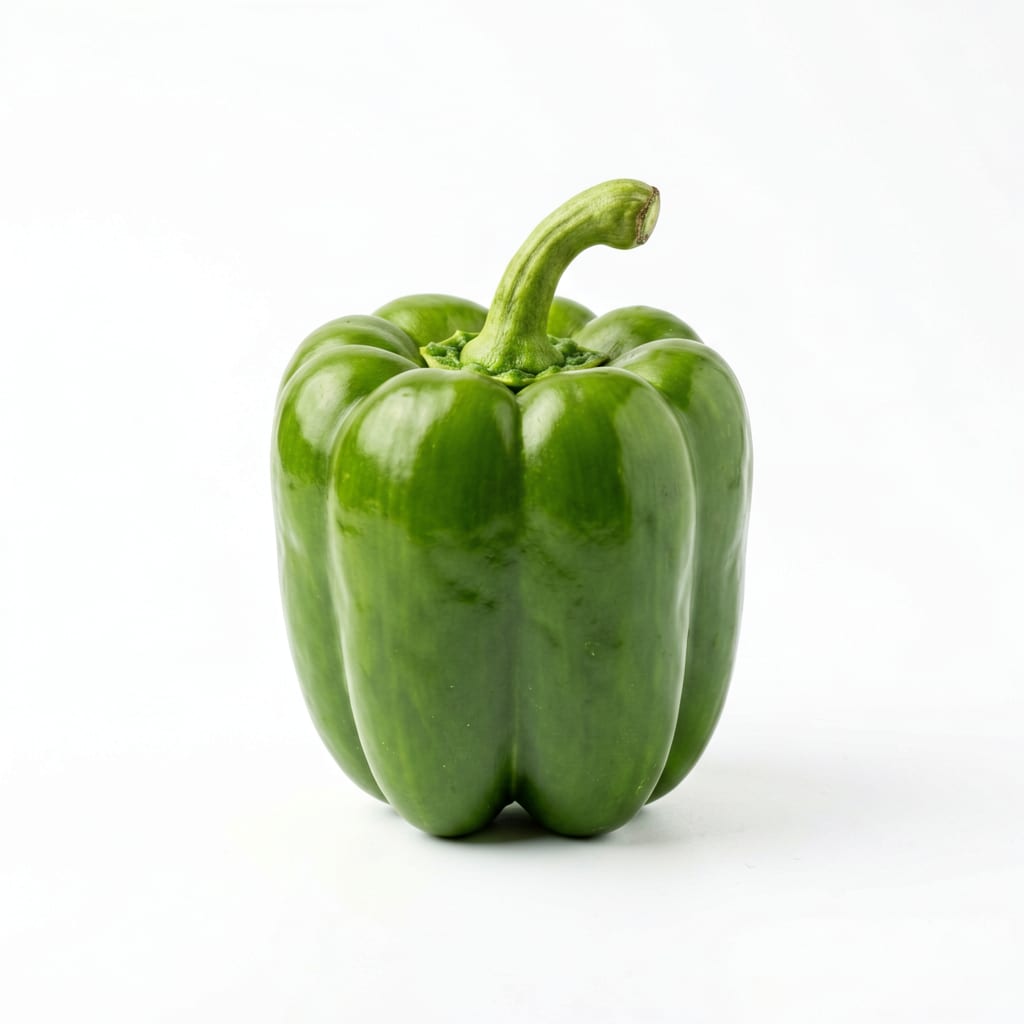
Bell Pepper
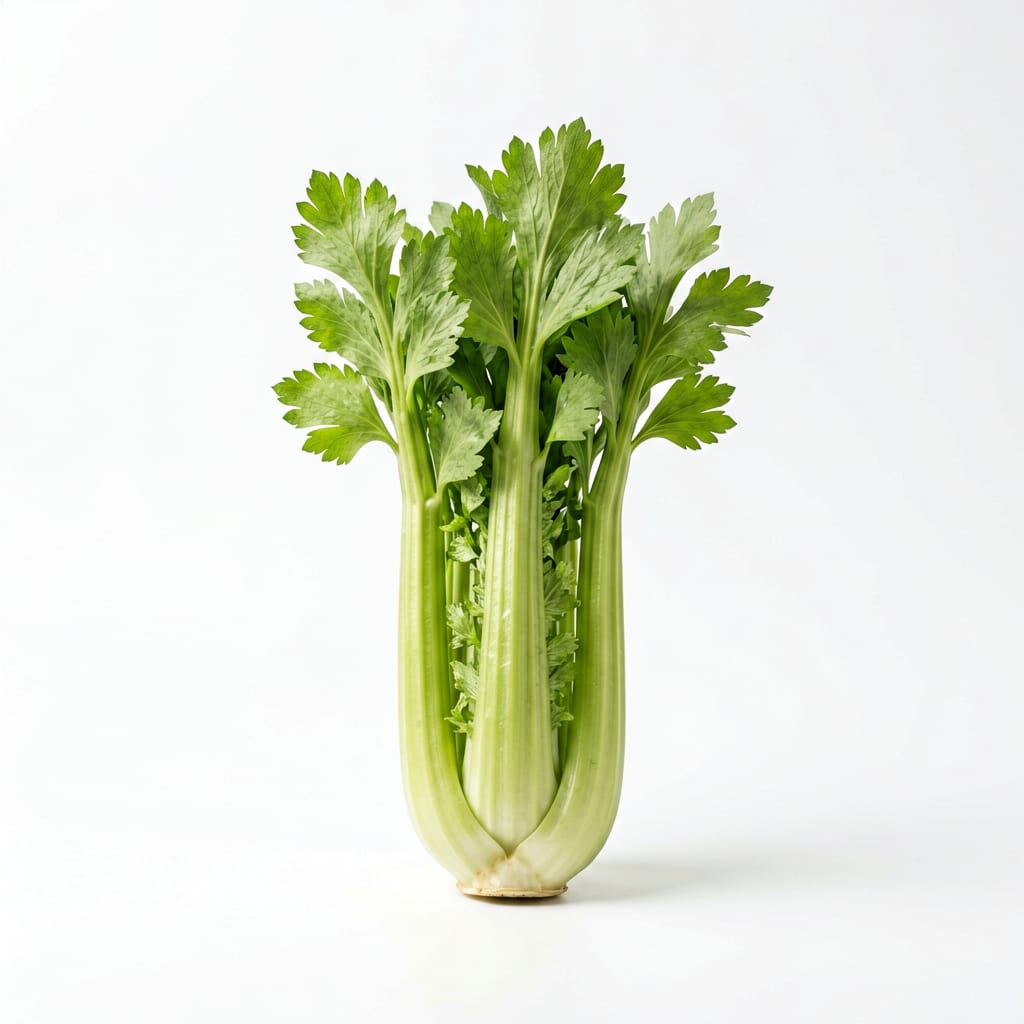
Celery
Bell Pepper delivers far more nutrition per bite, especially Vitamin C and antioxidants, while Celery is the ultimate near-zero calorie hydration snack.
Bell Pepper scores higher because it provides substantially more vitamins, antioxidants, and culinary versatility. Celery is excellent for what it is, but its nutritional profile is mostly water.
You choose between Bell Pepper's rich vitamin density and flavor, or Celery's unmatched low-calorie crunch and water content.
At a glance
Executive summary
Overall
Bell Pepper
Healthier
Bell Pepper
More practical
It depends
Daily use
Bell Pepper
Key comparison lenses
Nutrient density vs. hydration and volume
Bell Pepper offers massive vitamin payloads, while Celery provides extreme water volume and crunch for minimal calories.
Low-calorie snacking and weight management
Both are classic diet foods, but they serve very different snacking needs—flavor and satisfaction versus pure crunch and hydration.
Pesticide exposure risk
Both frequently appear on the EWG's Dirty Dozen list, making organic sourcing a relevant concern for consumers.
Best choice for
Bell Pepper
- Boosting immune function and skin health
- Adding satisfying crunch and sweet flavor to meals
- Getting antioxidants like Vitamin C and Vitamin A
Celery
- Maximizing snack volume with almost zero calories
- Staying hydrated throughout the day
- Neutral vehicles for healthy dips like hummus
Least suitable for
Bell Pepper
- People with severe nightshade sensitivities or allergies
- Those strictly limiting even natural sugars
Celery
- Anyone needing dense nutrition in a small portion
- People seeking satisfying flavor without heavy dips
Deep comparison
Dimension by dimension
Each lens scores both foods and breaks down who each option suits.
- Dimension 1 · Priority 95Bell Pepper
Vitamin and Antioxidant Density
Bell Pepper · 97Celery · 25Bell Pepper is a nutritional powerhouse, especially red and yellow varieties, while Celery offers minimal vitamins.
Tradeoff
You sacrifice the massive Vitamin C hit from Bell Pepper if you choose Celery for your snack.
Why it matters
A single Bell Pepper can provide over 150% of your daily Vitamin C needs, directly supporting immune defense and collagen production.
Real-world impact
Eating Bell Pepper regularly can help you fight off seasonal colds and keep your skin glowing, whereas Celery relies heavily on what you pair it with for nutrients.
Bell Pepper
- Immune system support
- Skin health and anti-aging
- Reducing oxidative stress
Better for
Celery
- Preventing nutrient deficiencies
- Fighting cellular damage
Worse for
- Dimension 2 · Priority 85Celery
Low-Calorie Volume Eating
Bell Pepper · 70Celery · 98Celery is the king of volume eating, offering massive crunch and water for almost zero caloric cost.
Tradeoff
Celery fills your stomach with water and fiber for fewer calories, but leaves you hungry again much faster than Bell Pepper.
Why it matters
When cutting calories, the physical act of chewing and stomach distension matters for satiety hormones.
Real-world impact
Munching on Celery sticks in the afternoon gives you something to do with your hands and mouth for barely 15 calories a cup, but you will need a protein or fat source to stay full.
Bell Pepper
- Longer lasting energy from natural sugars
Better for
- Ultra-strict calorie counting per bite
Worse for
Celery
- Strict calorie restriction
- Binge-eating prevention through volume
- Staying hydrated
Better for
- Sustained energy between meals
Worse for
- Dimension 3 · Priority 80Celery
Blood Sugar Stability
Bell Pepper · 75Celery · 95Celery has virtually zero impact on blood sugar, while Bell Pepper has a minimal but present effect due to its natural sugars.
Tradeoff
Bell Pepper's natural sugars give a slight energy lift but cause a tiny glucose response; Celery keeps blood sugar perfectly flat.
Why it matters
For diabetics or those aiming for strict ketosis, even small amounts of carbohydrates from vegetables can add up.
Real-world impact
If you are monitoring glucose closely, Celery is a worry-free snack. Bell Pepper is still very safe but requires slight accounting for its carbs.
Bell Pepper
- Zero-carb diet adherence
Worse for
Celery
- Diabetics needing worry-free snacking
- Strict ketogenic dieters
Better for
- Dimension 4 · Priority 75It depends
Pesticide Residue Risk
Bell Pepper · 55Celery · 50Both Bell Pepper and Celery are consistently flagged for high pesticide residues when grown conventionally.
Tradeoff
Choosing conventional versions of either food means exposing yourself to a cocktail of chemicals; organic is strongly advised for both.
Why it matters
Pesticides can disrupt endocrine function and gut health, counteracting many of the benefits of eating vegetables.
Real-world impact
If budget is a concern, washing these foods thoroughly is mandatory, but prioritizing organic for these two specific vegetables makes a real difference in reducing your toxic load.
Bell Pepper
- Conventional farming exposure
Worse for
Celery
- Conventional farming exposure
Worse for
Timeline
Health impact over time
Short-term
Hours to days
Bell Pepper
- Quick boost in Vitamin C for immediate immune support
- Natural sugars provide a mild, steady energy lift
- Crunchy texture satisfies snack cravings
Celery
- Rapid hydration due to high water content
- Physical fullness from fiber and water volume
- Neutral flavor cleanses the palate
Long-term
Months to years
Bell Pepper
- Lower risk of chronic inflammation due to high antioxidant load
- Better skin integrity and joint health from Vitamin C
- Improved eye health from Vitamin A and carotenoids
Celery
- Easier long-term weight maintenance through low-calorie volume eating
- Healthy blood pressure support from natural sodium and potassium balance
- Improved digestion from insoluble fiber
Risk profile
Safety & processing
Both foods are whole, raw vegetables with no artificial ingredients when purchased fresh. The only concern is agricultural chemical residues rather than food processing additives.
Bell Pepper
Pesticide residue
highConventional Bell Peppers are heavily sprayed and retain pesticides on their smooth skin, making organic preferable.
Nightshade sensitivity
lowContains solanine which can trigger joint pain or inflammation in a very small subset of sensitive individuals.
Celery
Pesticide residue
highCelery lacks a protective skin, making it highly porous and prone to absorbing chemical sprays directly into the stalks.
Foodborne illness
mediumThe deep grooves in Celery stalks can trap soil and bacteria, requiring very thorough washing before raw consumption.
Who wins for whom
Audience fit
Same foods, different winners depending on your goal.
children
Bell PepperBell Pepper has a sweeter, more appealing taste for kids, and the high Vitamin C supports growing immune systems.
daily consumption
Bell PepperBell Pepper provides a wider array of essential daily vitamins, making it a more impactful daily staple than water-heavy Celery.
diabetes
CeleryCelery has virtually zero carbohydrates and will not spike blood sugar at all, making glucose management effortless.
elderly
Bell PepperThe dense micronutrients in Bell Pepper help counteract age-related nutrient malabsorption and support eye health.
muscle gain
Bell PepperBell Pepper provides Vitamin C, which is essential for collagen synthesis and joint recovery during heavy training.
weight loss
CeleryCelery allows for massive portion sizes and mindless crunching for almost zero calories, making it easier to maintain a deficit.
Your move
Decision guide
Choose Bell Pepper
- You want to boost your immune system and skin health
- You crave flavor and sweetness in your salads or snacks
- You need a nutrient-dense addition to your meals
Choose Celery
- You are strictly counting calories and want maximum volume
- You need a low-carb vehicle for healthy fats like hummus or peanut butter
- You struggle to drink enough water throughout the day
Either works if
- You want a satisfying raw crunch instead of processed chips
- You are looking to increase your daily vegetable intake
- You need a fresh, hydrating afternoon snack
Avoid both if
- You have severe digestive issues with raw fibrous vegetables
- You cannot source organic and are highly concerned about pesticide exposure
Final recommendation
Keep both in your crisper drawer. Use Bell Pepper when your body needs real nourishment, flavor, and vitamins. Use Celery when you just want to chew something refreshing without breaking the calorie bank. If you must pick one for overall health impact, Bell Pepper is the clear winner.
Practical
Consumer tips
- 1
Wash both vegetables thoroughly under running water, even if buying organic, to remove hidden soil and bacteria.
- 2
Buy organic for both Bell Pepper and Celery whenever possible, as they are consistently ranked high for pesticide residue.
- 3
Pair Celery with a protein or fat source like almond butter to make the snack actually satiating.
- 4
Choose red or yellow Bell Peppers over green for a massive upgrade in Vitamin C and antioxidant content.