
Fruit
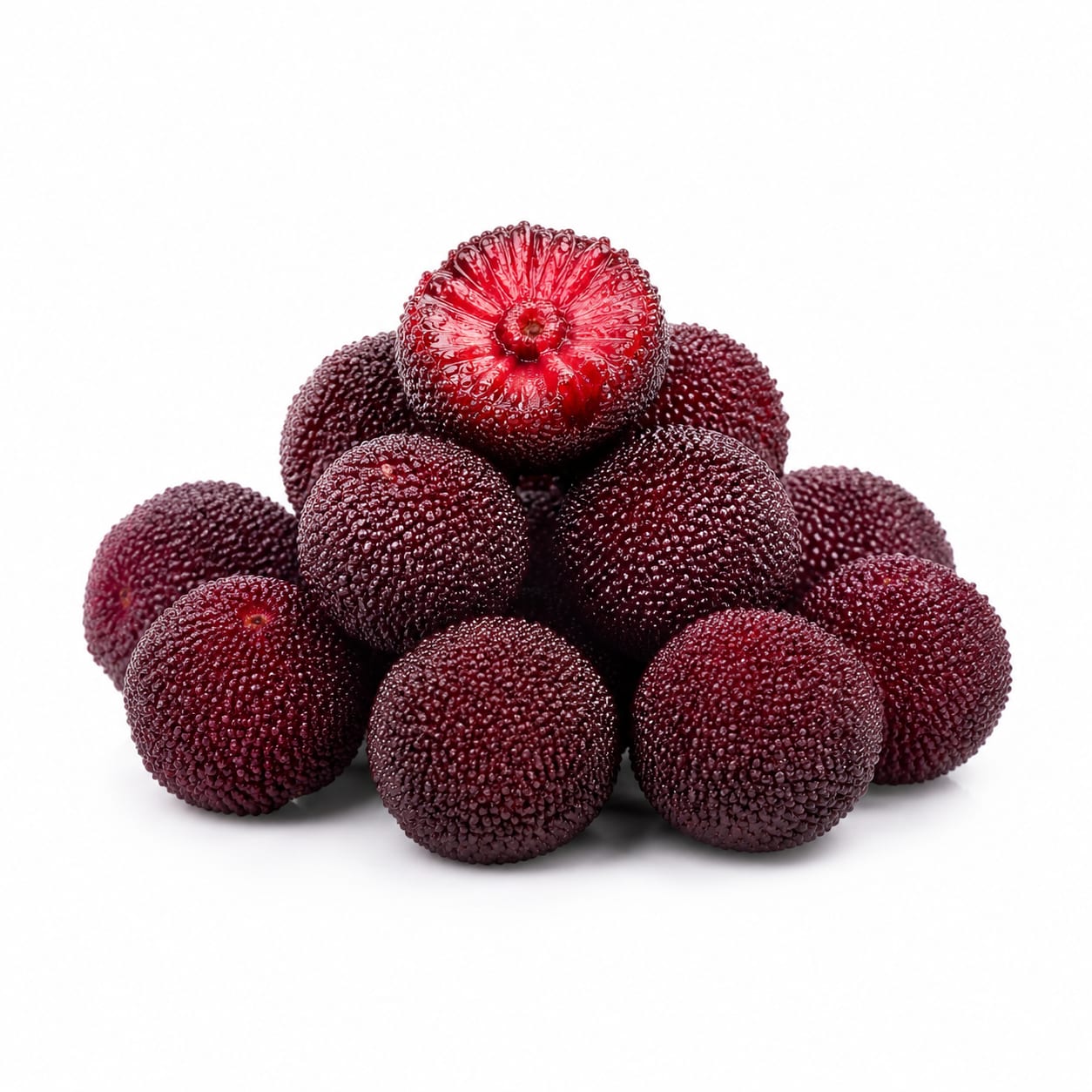
Bayberry
A highly nutritious, antioxidant-rich Asian berry with a sweet-tart flavor.
A sweet and tart, deeply colored berry native to Asia, known for its high antioxidant content and juicy texture.
antioxidant-dense low-calorie fruit
Typical serving · 100g
Common varieties · Dongkui, Biqi, Wuzi, Zaodamei, Xiangshan
Overall context score across nutrition, safety, and diet fit
At a glance
Quick facts
Simple indicators based on nutrition, processing, and diet fit.
The story
What makes it unique
Bayberry is a low-calorie, water-rich fruit with a moderate sugar content and low glycemic index. Its digestion speed is moderate due to fiber and polyphenol content, providing reasonable satiety. The macronutrient profile is carbohydrate-dominant with negligible fat and protein. Minimally processed fresh bayberries offer high concentrations of anthocyanins.
Varieties: Dongkui · Biqi · Wuzi · Zaodamei · Xiangshan
Per 100g
Nutrition breakdown
Macro balance and key metrics at a glance.
Energy
Density 0.57 kcal/g
Protein
Carbs
Fat
Fiber
Sugar
10.5 g
Sodium
3 mg
Potassium
150 mg
Glycemic index
35
Glycemic load
4.5
Water content
85%
Standout compounds
Nutrient highlights
Cyanidin-3-glucoside
highPotent antioxidant that reduces oxidative stress and inflammation
Vitamin C
moderateSupports immune function and collagen synthesis
Dietary Fiber
moderatePromotes digestive regularity and gut microbiome health
Potassium
moderateHelps regulate blood pressure and fluid balance
Wellness map
Health scores & processing
NOVA processing scale
Minimally processed · Whole food
Fresh bayberries are unprocessed whole foods. Processed forms like juices or dried bayberries fall into higher NOVA groups due to added sugars and concentration.
Diet compatibility
- Weight loss
- Muscle gain
- Diabetes
- Gut health
- Low carb
- High protein
- Heart health
Relative standing
Food rankings
Qualitative ranks compared to similar whole foods.
- Satietygood
- Blood sugarexcellent
- Nutrient densitygood
- Fitness fuelmoderate
- Processing qualityexcellent
Eat with confidence
Food safety profile
Fresh bayberries spoil rapidly and have crevices that can trap pests and pesticides. Washing thoroughly is essential.
Evidence confidence 85%
- Pesticidesmoderate
- Antibioticslow
- Heavy metalslow
- Contaminationmoderate
Watch for
- pesticide residues
- mold
- yeast
- fruit flies
Safer choices
Organic bayberries to reduce pesticide exposure.
Prep tips
Soak in saltwater for 10-15 minutes to draw out insects and remove surface residues before rinsing.
High pesticide use reported in some conventional farming due to pest susceptibility.
Deep dive
Health analysis
How this food may fit different goals and preparation choices.
Weight loss
Low energy density and high water content make bayberries a filling, low-calorie snack for weight management.
Blood sugar
Despite containing natural sugars, the polyphenols and fiber slow glucose absorption, resulting in a low glycemic impact.
Fitness & energy
Provides quick-digesting carbohydrates for short-term energy, though lacking the protein needed for muscle recovery.
Gut health
Dietary fiber and polyphenols support a healthy gut microbiome by promoting beneficial bacteria.
Processing quality
Best consumed fresh to retain vitamin C and anthocyanins, which degrade during processing and drying.
Food safety
The textured surface traps debris and pesticides; saltwater soaking is highly recommended before consumption.
Common mistakes
Assuming dried bayberry or bayberry juice has the same health profile as fresh, as processing often adds sugar and destroys heat-sensitive nutrients.
Best preparation
Eaten fresh after a saltwater soak, or blended into unsweetened smoothies.
Practical guide
Best use cases
When and how this food fits real eating patterns.
Low-calorie dessert alternative
Satisfies sweet cravings with minimal calories and high antioxidant value.
Post-meal blood sugar moderation
Polyphenols can help blunt the glycemic response when eaten after a meal.
Hydrating summer snack
High water content makes it refreshing and hydrating in hot weather.
Balance sheet
Pros & cons
Upsides
- Rich in powerful antioxidants like anthocyanins
- Low calorie and high water content support weight management
- Low glycemic impact makes it suitable for blood sugar control
- Good source of vitamin C for immune support
- Polyphenols support cardiovascular health
Trade-offs
- Highly perishable with a short shelf life
- Textured skin traps dirt and requires careful washing
- Moderate sugar content may not suit strict keto diets
- Fresh availability is mostly limited to Asian markets or specialty stores
Fit check
Who is it for?
Great match
- weight management
- antioxidant boosting
- blood sugar control
- low-calorie snacking
Consider alternatives
- strict ketogenic diets
- long-term storage
- high-protein diets
Side by side
How it compares
Open the full head-to-head analysis for nutrition, safety, and practical tradeoffs.
This food
Bayberry
VS85% alike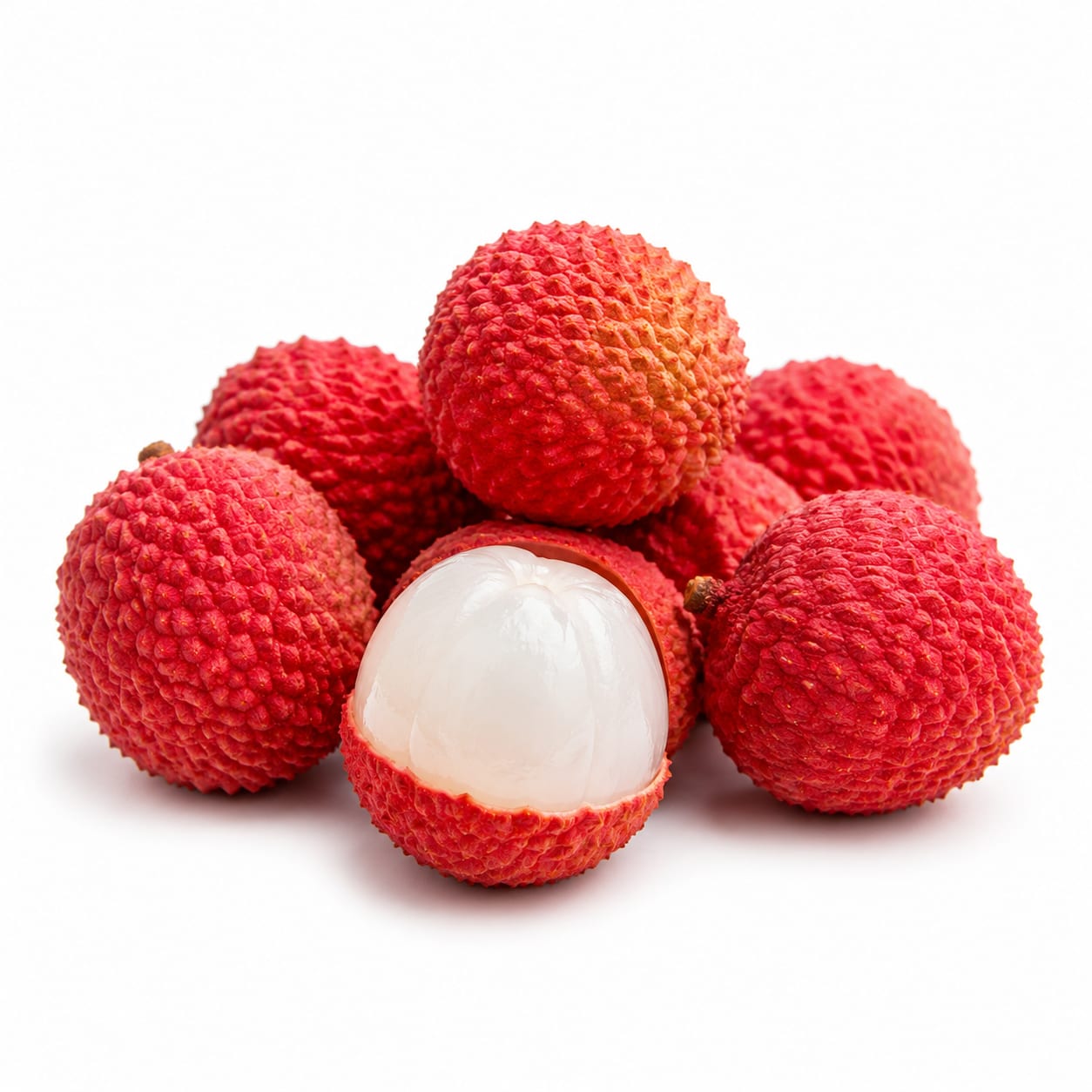
Compare with
Lychee
Bayberry is lower in calories and sugar than lychee, with a stronger antioxidant profile.
Bayberry provides fewer calories and less sugar than lychee, making it a better choice for weight loss and blood sugar control.
This food
Bayberry
VS75% alike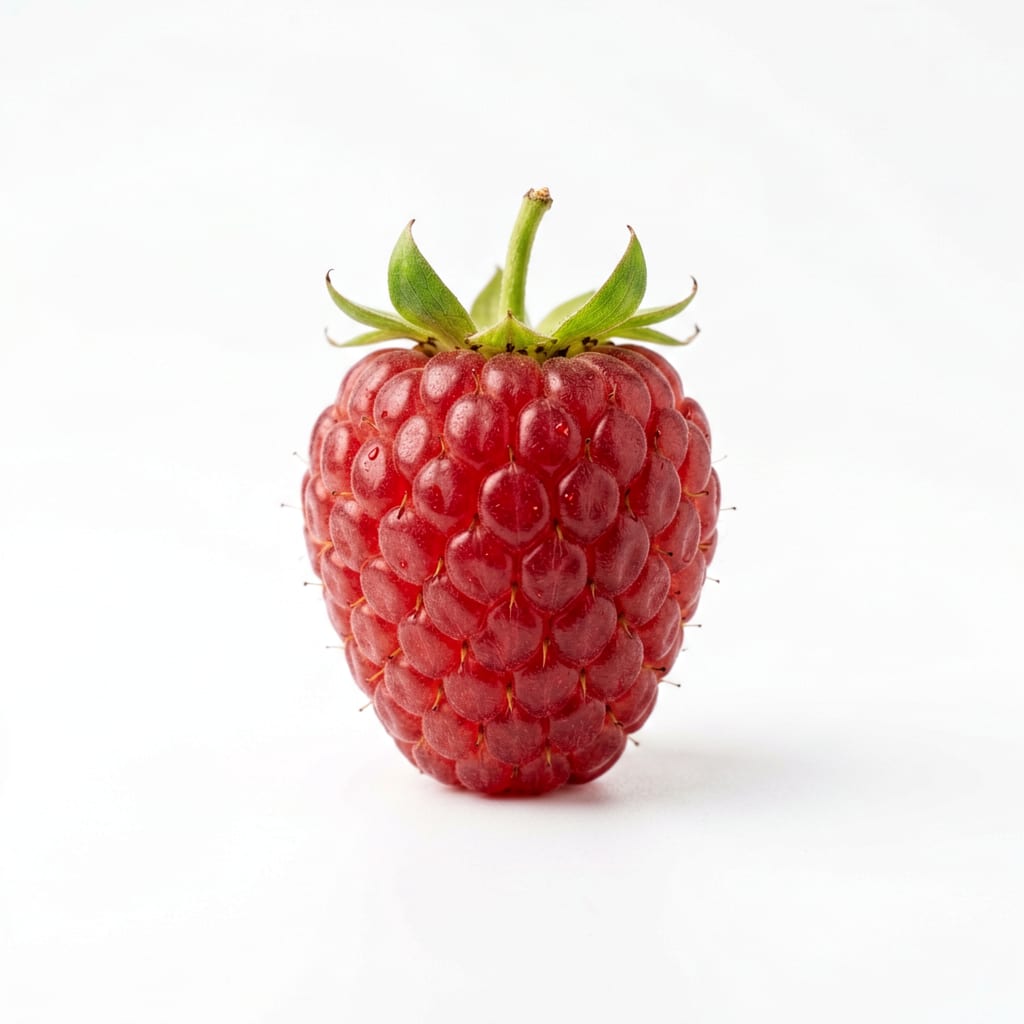
Compare with
Raspberry
Raspberries are much higher in fiber and lower in sugar, while bayberries offer more vitamin C and unique anthocyanins.
Raspberries are higher in fiber and lower in sugar, offering better satiety, while bayberries provide a unique tart-sweet flavor and strong antioxidants.
This food
Bayberry
VS80% alike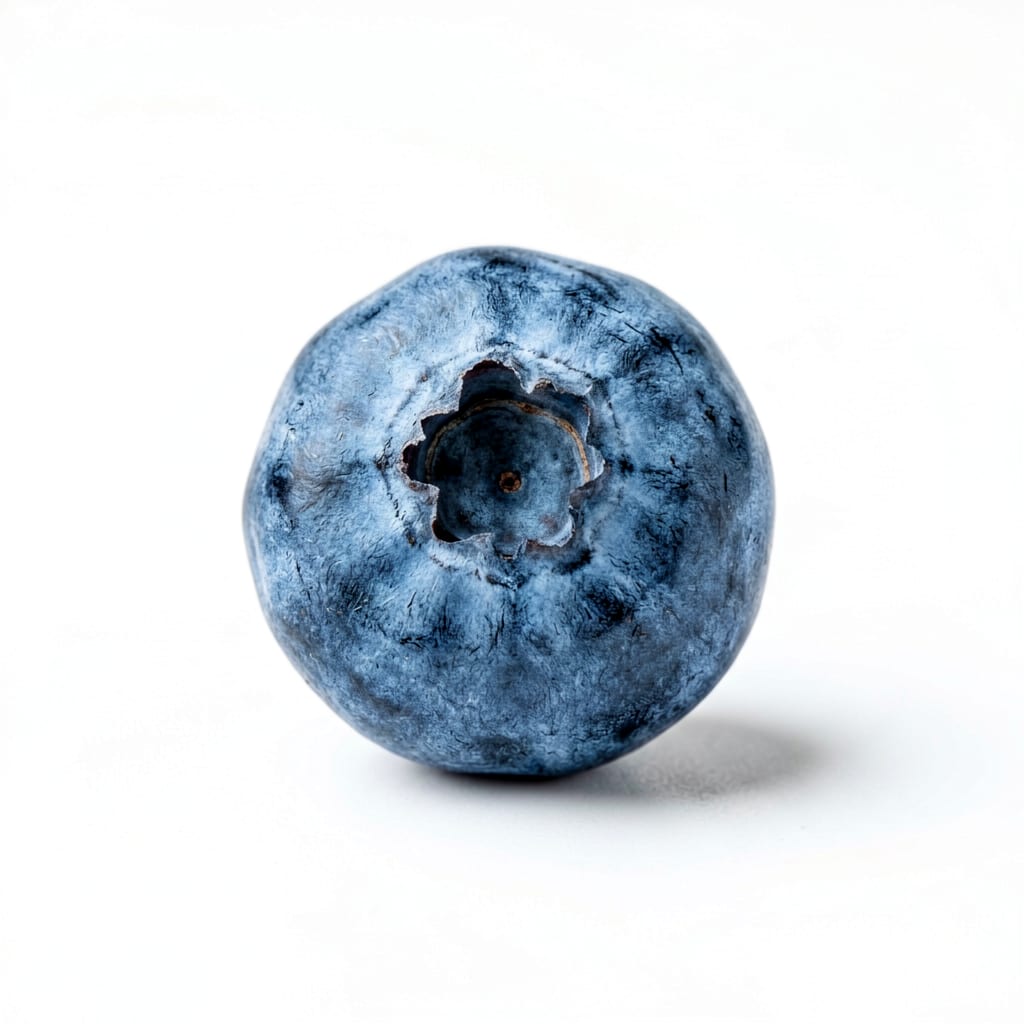
Compare with
Blueberry
Blueberries are milder and lower in vitamin C, while bayberries have a more intense tart flavor and higher specific anthocyanin content.
Bayberries are slightly lower in calories and sugar than blueberries, with a more potent antioxidant profile, though both are excellent choices.
This food
Bayberry
VS70% alike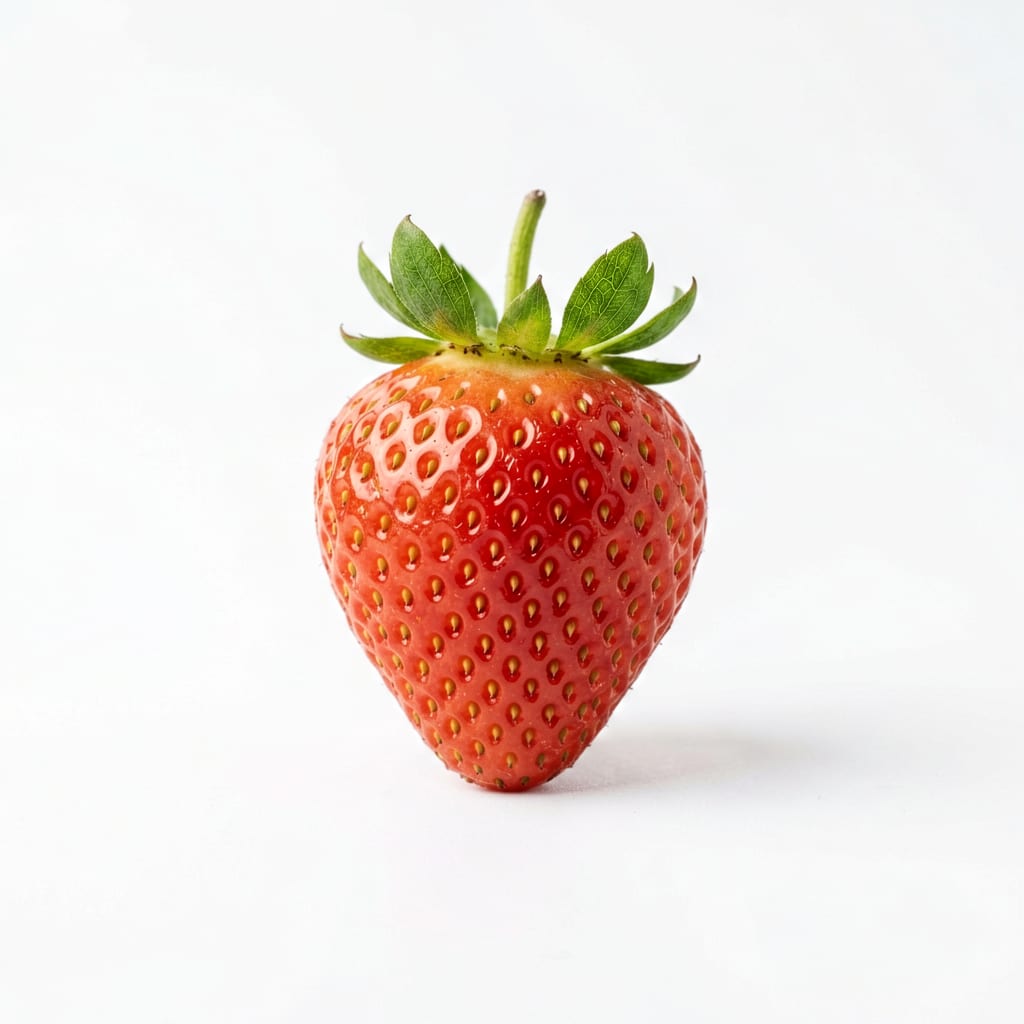
Compare with
Strawberry
Strawberries are lower in calories and higher in fiber, but bayberries have a denser concentration of certain polyphenols.
Strawberries are lower in calories and higher in fiber, making them slightly better for satiety, while bayberries offer a more concentrated antioxidant punch.
This food
Bayberry
VS65% alike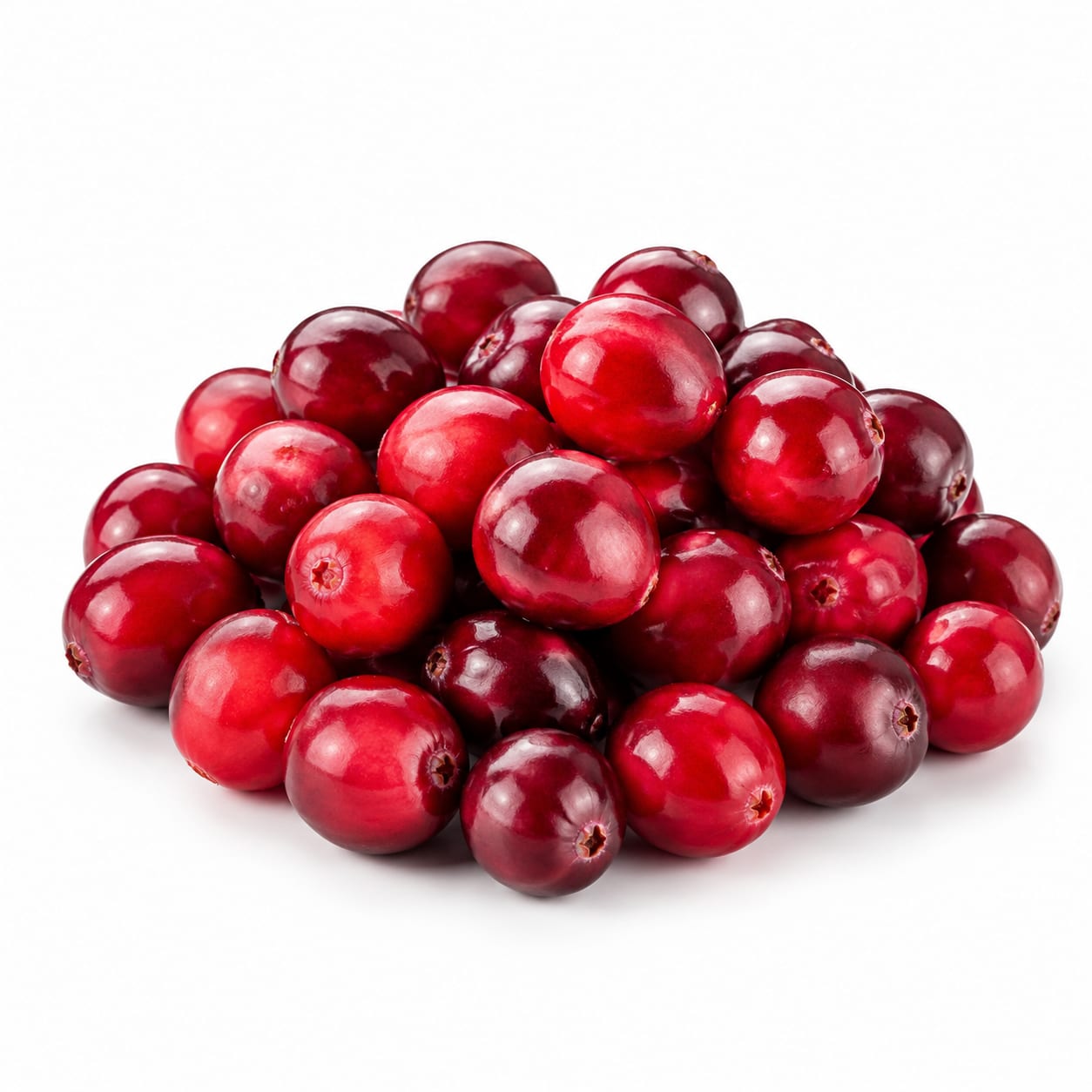
Compare with
Cranberry
Fresh cranberries are extremely tart and much lower in sugar, whereas bayberries are sweeter and easier to eat raw.
Fresh cranberries are much lower in sugar and calories but very tart, while bayberries are sweeter and more palatable for raw snacking.
This food
Bayberry
VS75% alike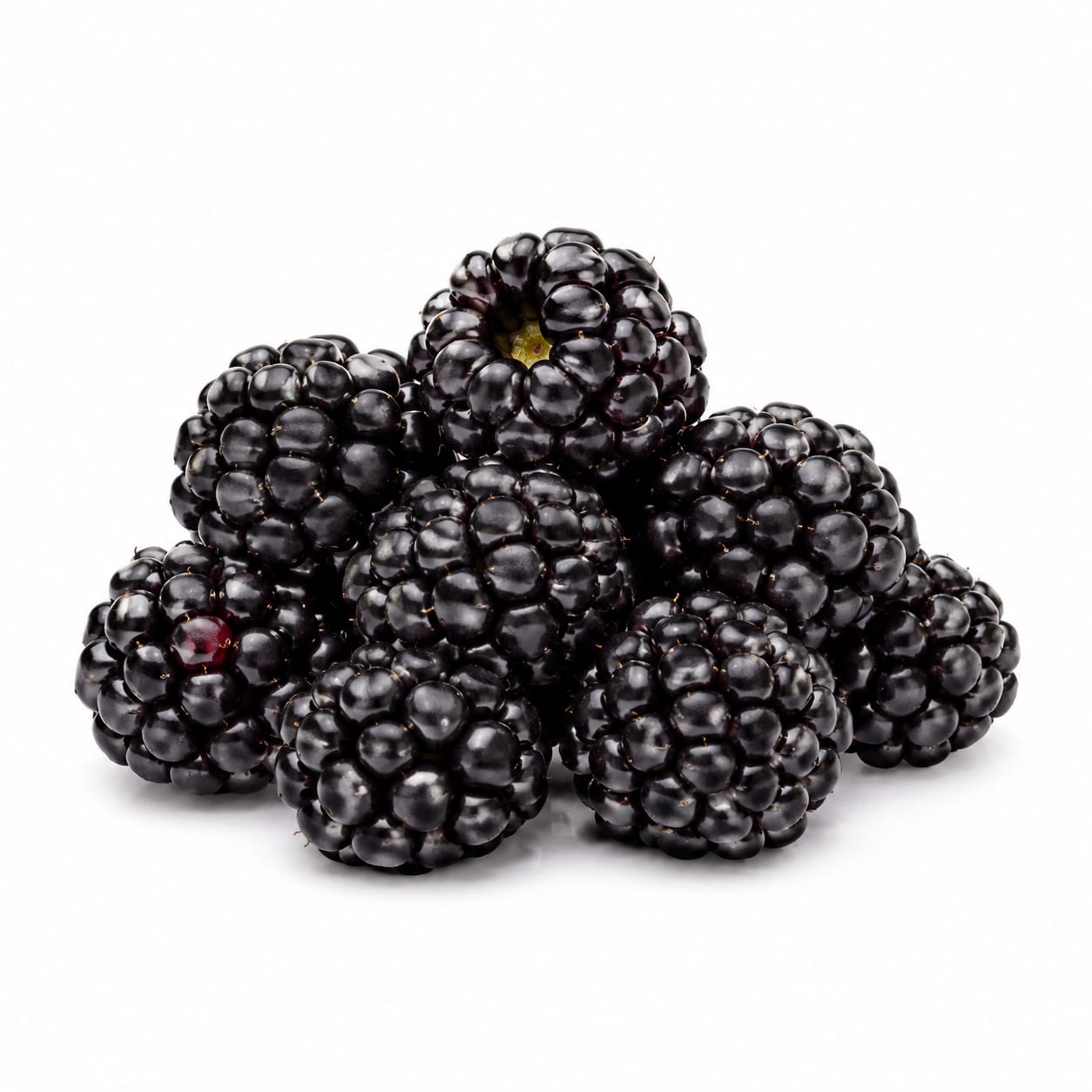
Compare with
Blackberry
Blackberries are significantly higher in fiber, while bayberries are juicier and higher in vitamin C.
Blackberries offer more fiber and better satiety, whereas bayberries are juicier with a distinct sweet-tart flavor and high vitamin C.
This food
Bayberry
VS70% alike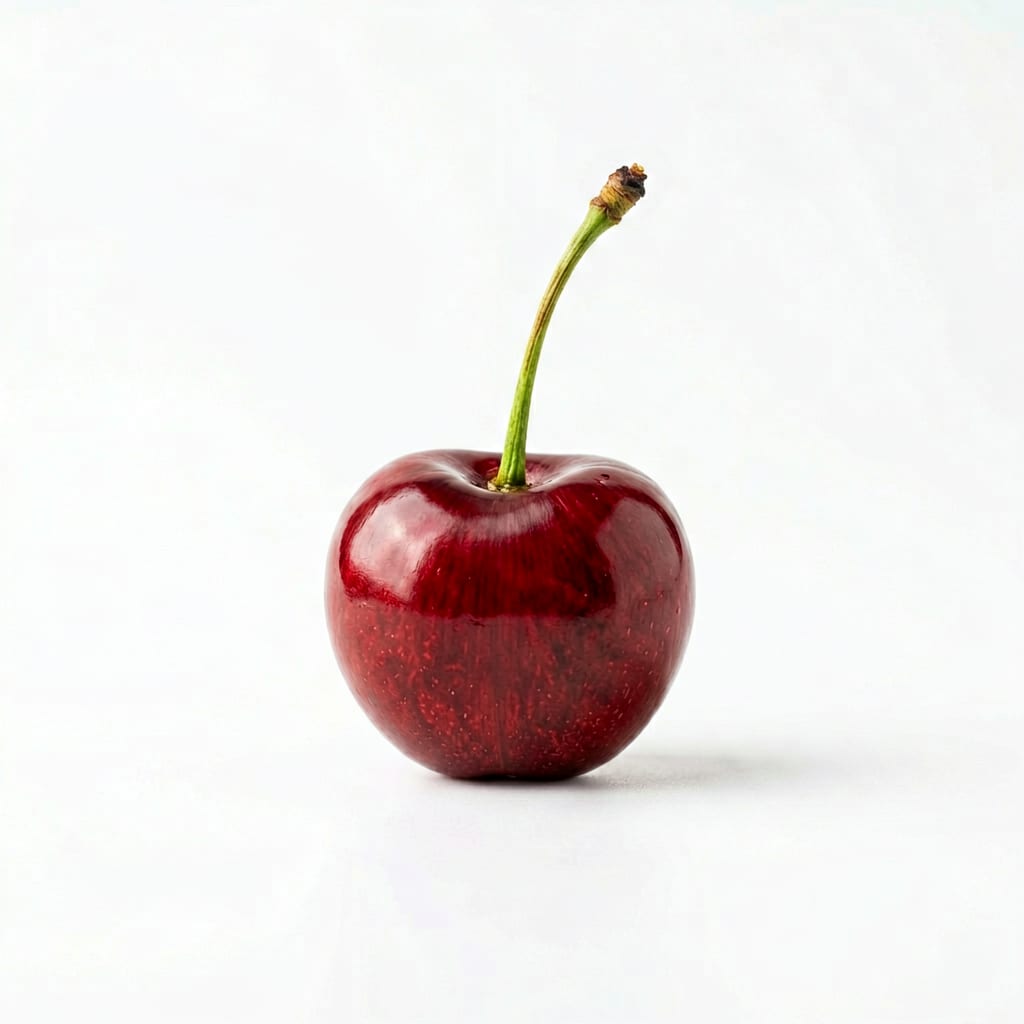
Compare with
Cherry
Cherries are higher in calories and sugar, while bayberries offer a lighter, lower-glycemic alternative.
Bayberries are lower in calories and sugar than cherries, making them a better option for blood sugar management, though cherries are more filling.
This food
Bayberry
VS60% alike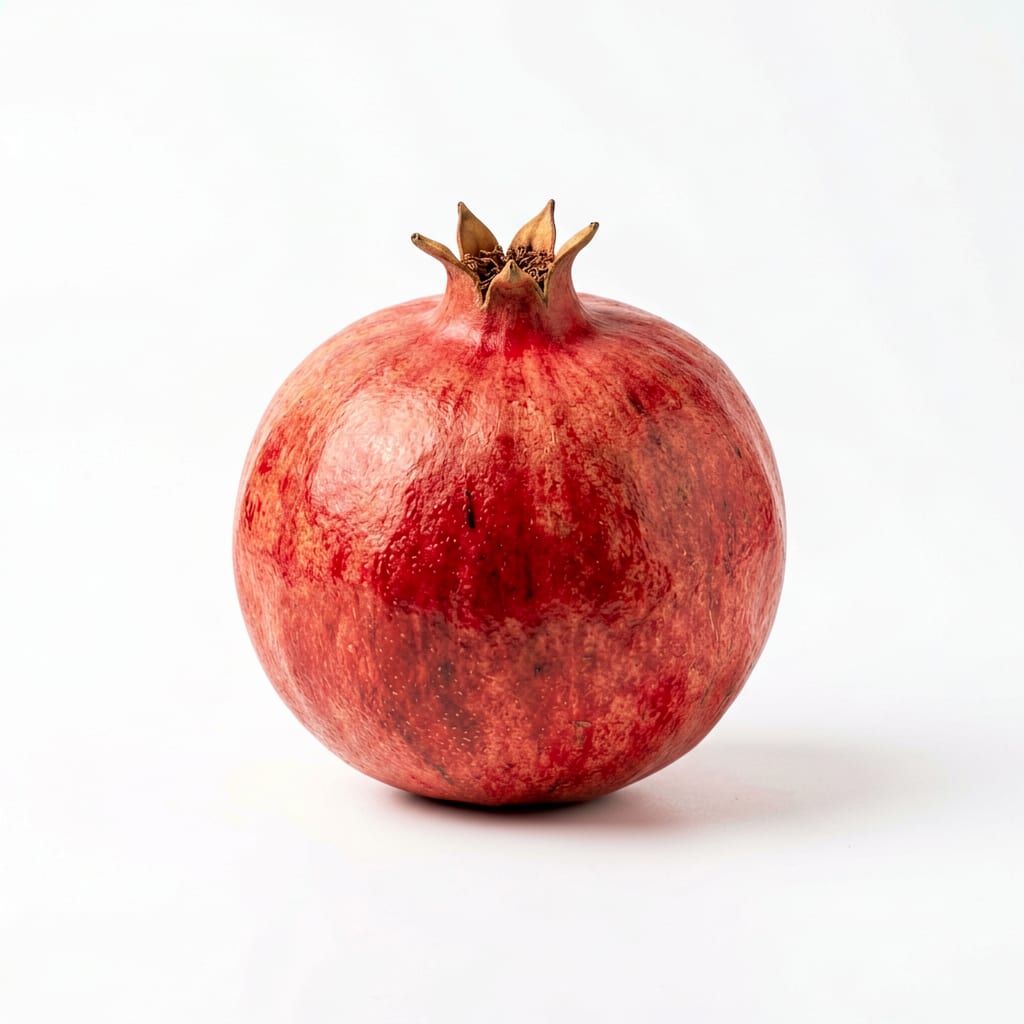
Compare with
Pomegranate
Pomegranate seeds are higher in fiber and calories, while bayberries are easier to eat whole and lower in energy density.
Bayberries are lower in calories and easier to snack on, while pomegranates provide more fiber and a crunchier texture for satiety.
This food
Bayberry
VS65% alike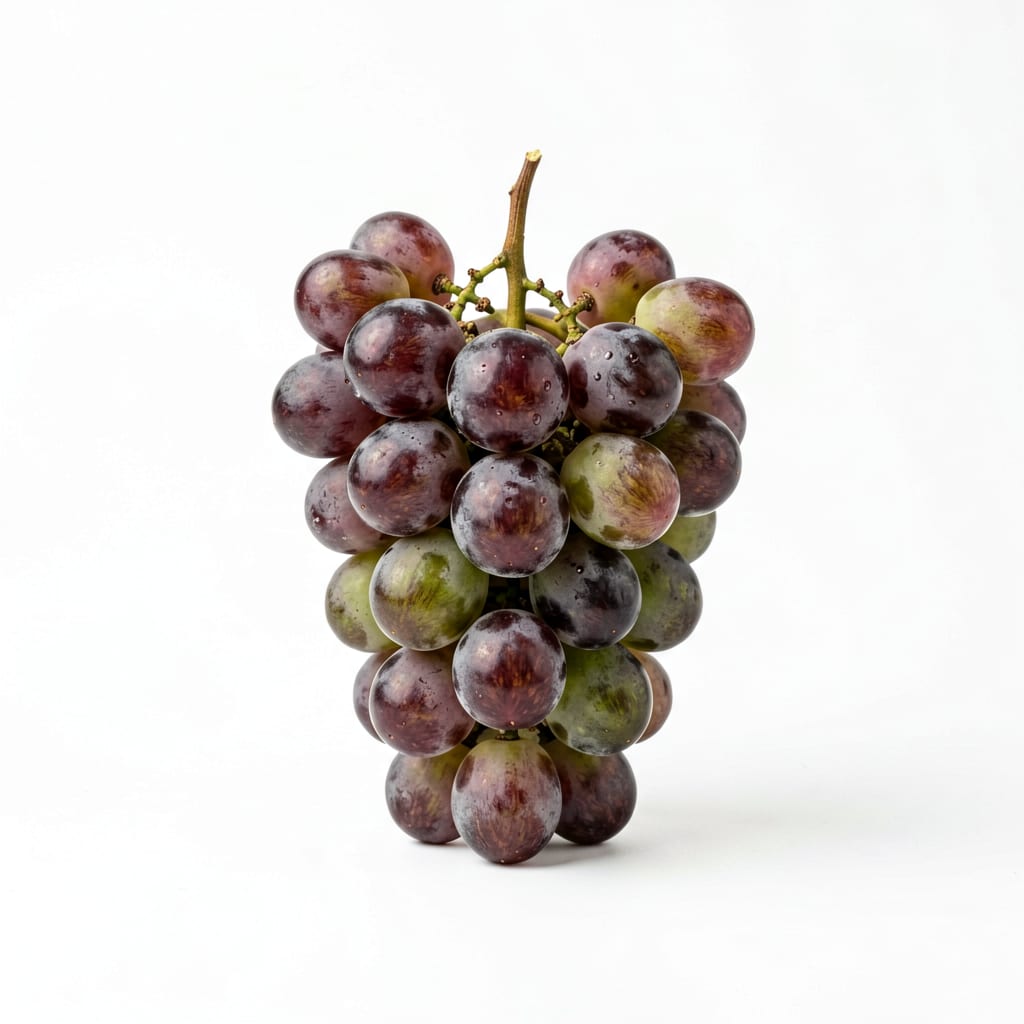
Compare with
Grape
Grapes are higher in sugar and calories, while bayberries provide more vitamin C and a lower glycemic load.
Bayberries are significantly lower in sugar and calories compared to grapes, offering better blood sugar control and weight loss support.
This food
Bayberry
VS85% alike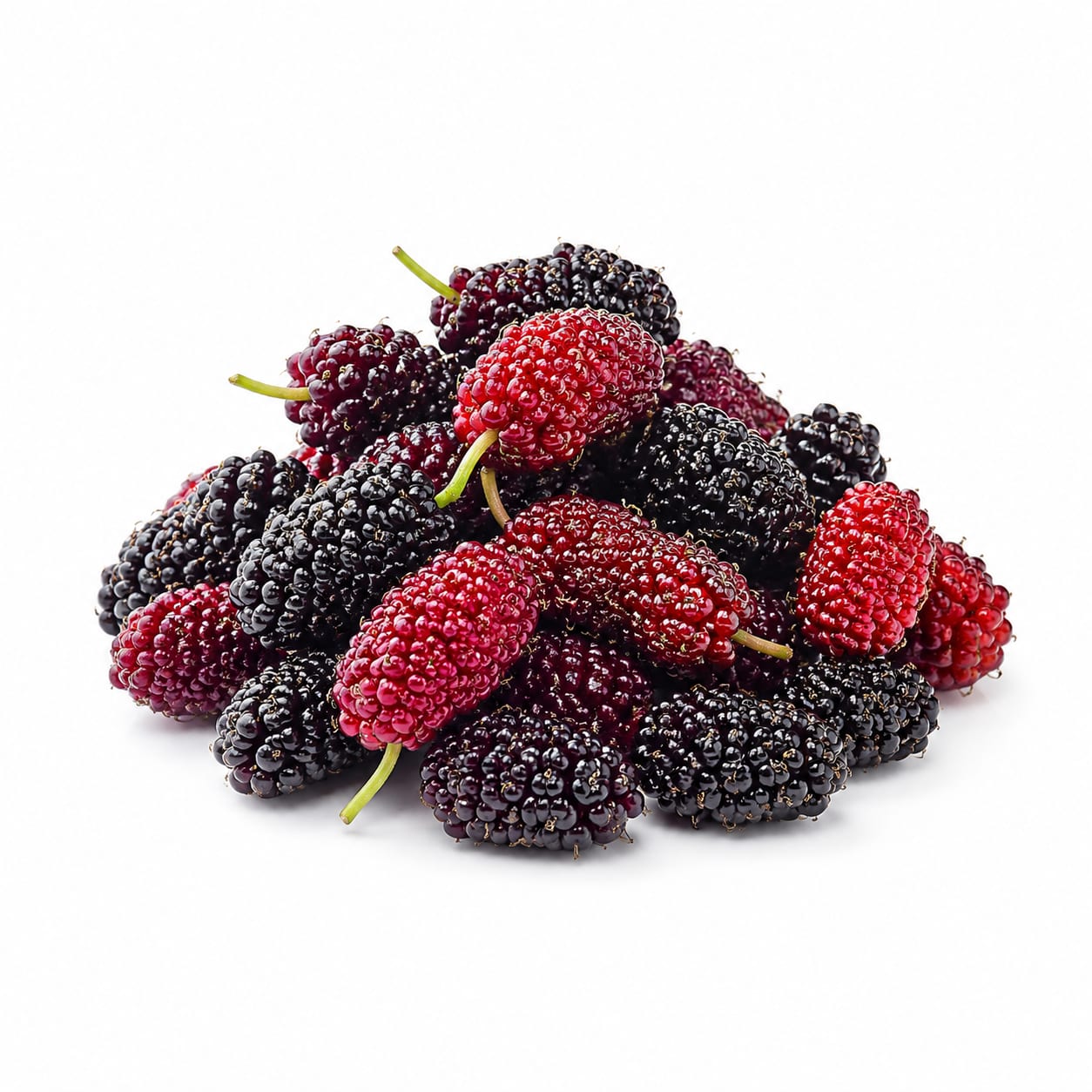
Compare with
Mulberry
Mulberries are slightly higher in iron and vitamin C, while bayberries have a more intense flavor and higher specific anthocyanins.
Mulberries are slightly higher in iron and vitamin C, but both are excellent low-calorie, antioxidant-rich berries for healthy snacking.
Common questions
FAQ
Answers aligned with how people search for this food.
Are bayberries good for weight loss?
Yes, they are low in calories and high in water, which helps increase fullness without overconsuming calories.
Can diabetics eat bayberries?
Yes, bayberries have a low glycemic index and contain polyphenols that may help improve insulin sensitivity.
How do you clean bayberries properly?
Soak them in lightly salted water for 10 to 15 minutes to remove insects and pesticide residues, then rinse with clean water.
Is bayberry high in sugar?
Bayberries contain moderate natural sugars, around 10 grams per 100 grams, but their fiber and polyphenols prevent rapid blood sugar spikes.
What are the benefits of eating bayberry?
They are rich in antioxidants like anthocyanins, support heart health, and provide a good source of vitamin C.
Why do bayberries spoil so quickly?
Their high water content and delicate skin make them highly perishable, often lasting only a few days in the refrigerator.
Is bayberry the same as yangmei?
Yes, yangmei is the Chinese name for bayberry, scientifically known as Myrica rubra.
Can you eat bayberry seeds?
The seed inside is very hard and not typically eaten, though the juicy flesh is easily scraped off.
Transparency
Data confidence
Estimated confidence for nutrition data, interpretation, safety notes, and comparisons.
Nutrition data
Health analysis
Food safety
Comparisons