
Nutrition comparison
Bayberry vs Blueberry: Antioxidant Showdown, Vitamin C Gap, and Which Berry to Eat Daily
Compare bayberry and blueberry nutrition—vitamin C, antioxidants, sugar, availability, and brain health benefits. Find out which berry fits your goals best.
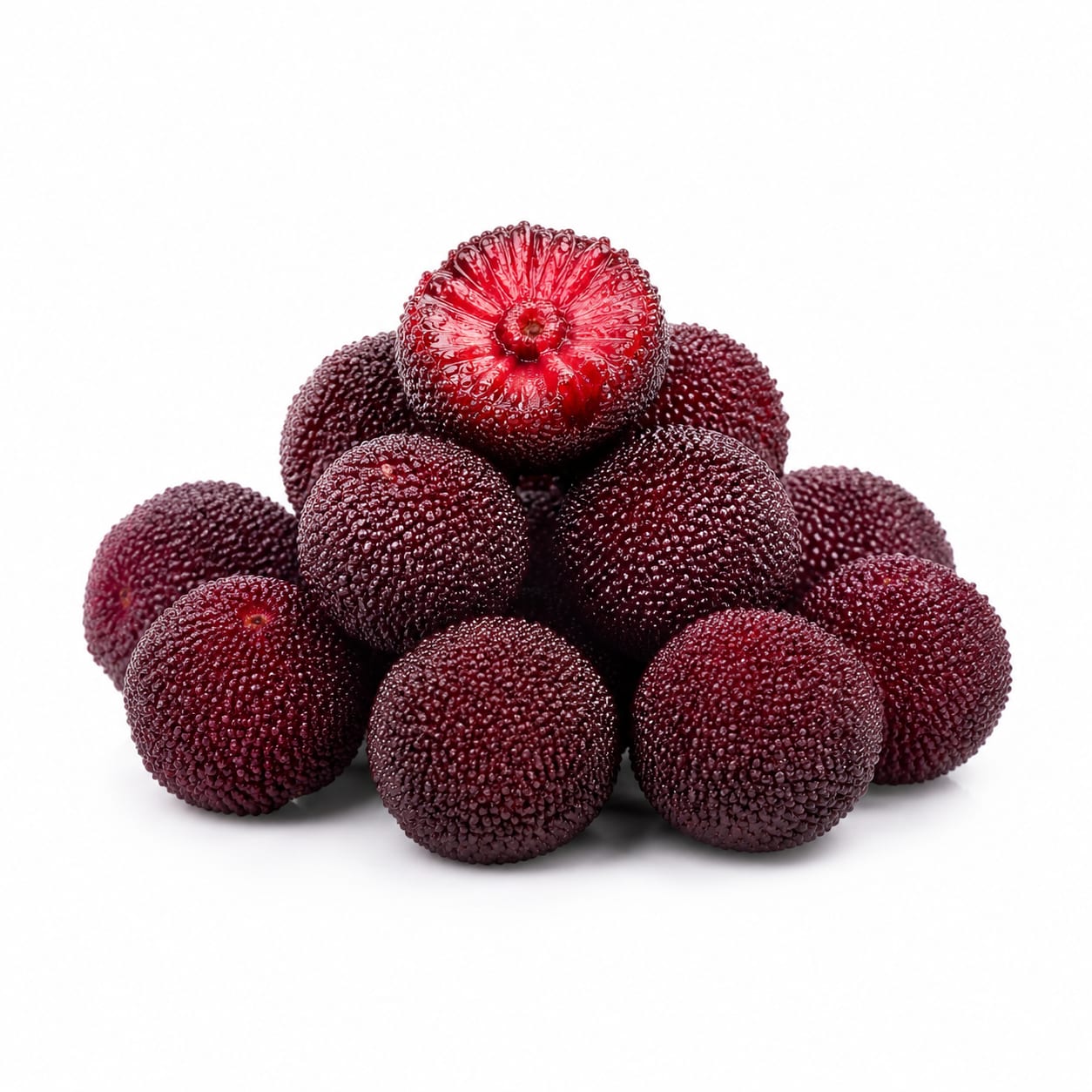
Bayberry
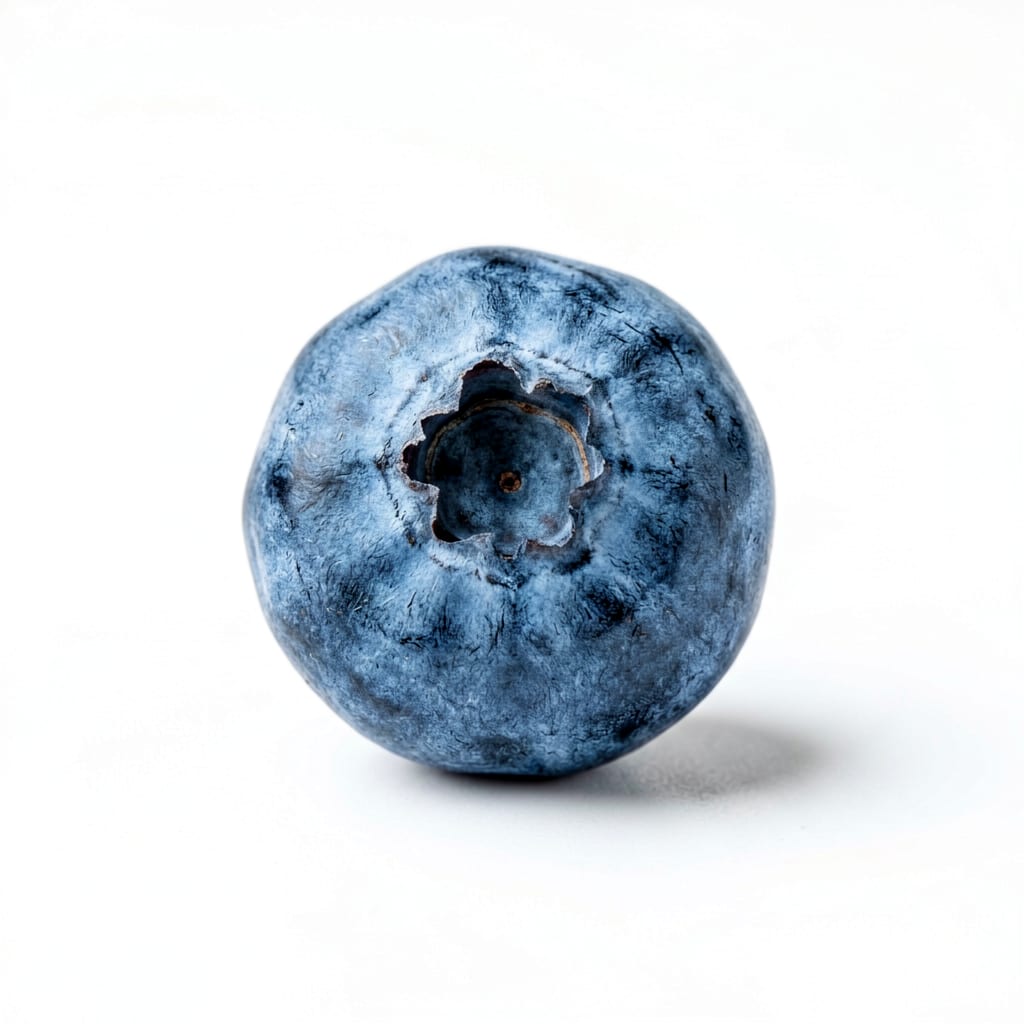
Blueberry
Blueberry wins on practicality and brain-health research; bayberry delivers a vitamin C punch that blueberry simply cannot match.
Blueberry scores higher primarily due to superior accessibility, versatility, and depth of clinical evidence. Bayberry matches or exceeds blueberry in certain nutrients like vitamin C but loses ground on availability and research backing.
Bayberry offers far more vitamin C and unique polyphenols but is seasonal and harder to find; blueberry provides consistent, year-round antioxidant support with stronger evidence for cognitive benefits.
At a glance
Executive summary
Overall
It depends
Healthier
It depends
More practical
Blueberry
Daily use
Blueberry
Key comparison lenses
antioxidant potential
Both berries are prized for their antioxidant content, but their profiles differ significantly—bayberry excels in vitamin C while blueberry leads in anthocyanins
everyday accessibility
Blueberries are available year-round globally; fresh bayberries are seasonal and hard to find outside East and Southeast Asia
immune support
Bayberry's exceptional vitamin C content makes it a standout for immune function, a key differentiator from blueberry
cognitive and brain health
Blueberries have strong clinical evidence for brain health benefits; bayberry lacks equivalent research depth
sugar and glycemic impact
Both are relatively low-sugar fruits, but subtle differences matter for blood sugar management
Best choice for
Bayberry
- Immune system support during cold season
- Maximizing vitamin C intake from whole food
- Exploring traditional Asian fruit varieties
- Anti-inflammatory focus with myricetin-rich foods
Blueberry
- Consistent daily antioxidant intake
- Brain health and cognitive longevity
- Easy meal prep and smoothie routines
- Reliable year-round fruit option
Least suitable for
Bayberry
- People who need consistent year-round availability
- Those unfamiliar with proper preparation of the fruit
- Budget-conscious shoppers outside Asia
- Anyone needing a versatile cooking and baking berry
Blueberry
- Those specifically seeking high vitamin C from a single fruit source
- People looking for novel polyphenol profiles beyond anthocyanins
- Anyone wanting a tart, aromatic tropical fruit experience
Deep comparison
Dimension by dimension
Each lens scores both foods and breaks down who each option suits.
- Dimension 1 · Priority 92It depends
antioxidant_diversity_and_power
Bayberry · 85Blueberry · 88Blueberry has broader anthocyanin coverage; bayberry has a more concentrated vitamin C and myricetin profile.
Tradeoff
Bayberry delivers a vitamin C load roughly 4-5 times higher than blueberry, but blueberry offers a wider spectrum of well-studied anthocyanins linked to brain and vascular health.
Why it matters
Different antioxidants protect different systems. Vitamin C supports immunity and collagen; anthocyanins support cognition and circulation.
Real-world impact
Eating bayberries during cold season feels like targeted immune support. Eating blueberries daily feels like a long-term investment in brain aging.
Bayberry
- Acute immune challenges
- Vitamin C repletion
- Myricetin-specific anti-inflammatory benefits
Better for
- Situations requiring broad anthocyanin intake
- Long-term brain health optimization based on current evidence
Worse for
Blueberry
- Long-term cognitive protection
- Cardiovascular antioxidant support
- Consistent daily oxidative stress defense
Better for
- Situations demanding high vitamin C from a single serving
- Accessing myricetin-specific anti-inflammatory pathways
Worse for
- Dimension 2 · Priority 80Bayberry
vitamin_and_mineral_density
Bayberry · 86Blueberry · 72Bayberry is notably richer in vitamin C and folate; blueberry provides more vitamin K and manganese.
Tradeoff
Bayberry's vitamin C content is dramatically higher, making it a stronger micronutrient contributor per serving. Blueberry's vitamin K advantage matters more for bone and blood clotting health.
Why it matters
A single serving of bayberry can cover a large portion of daily vitamin C needs, while blueberry requires pairing with other foods to reach similar micronutrient benchmarks.
Real-world impact
One handful of bayberries feels like taking a natural vitamin C supplement. Blueberries feel more like a gentle daily nutrient top-up.
Bayberry
- Rapid vitamin C replenishment
- Folate intake for pregnancy support
- Boosting iron absorption when eaten with iron-rich foods
Better for
- Situations where vitamin K intake is a priority
Worse for
Blueberry
- Vitamin K needs for bone density
- Manganese intake for metabolism and connective tissue
Better for
- Anyone relying on a single fruit for vitamin C
Worse for
- Dimension 3 · Priority 88Blueberry
availability_and_convenience
Bayberry · 35Blueberry · 95Blueberries are available fresh, frozen, and dried year-round worldwide. Fresh bayberries are seasonal, fragile, and largely restricted to Asian markets.
Tradeoff
You can buy blueberries at nearly any grocery store any day of the year. Fresh bayberries require specialty markets, appear briefly in summer, and spoil quickly.
Why it matters
The healthiest fruit is the one you can actually access and eat regularly. Availability determines whether a food becomes a habit or a rare treat.
Real-world impact
Blueberries are a grab-and-go staple for smoothies, snacks, and oatmeal. Bayberries are more like a seasonal delicacy you seek out intentionally.
Bayberry
- Experiencing unique seasonal fruit traditions
- Expanding dietary diversity when available
Better for
- Anyone without access to Asian grocery stores
- Meal prep that requires reliable ingredient sourcing
Worse for
Blueberry
- Consistent weekly meal planning
- Frozen storage for smoothies and baking
- Travel and on-the-go snacking
Better for
- Situations where dietary novelty and variety are the priority
Worse for
- Dimension 4 · Priority 65Blueberry
blood_sugar_and_satiety
Bayberry · 70Blueberry · 78Both are low-glycemic fruits, but blueberry's slightly higher fiber and lower sugar per serving gives it a modest edge for blood sugar stability.
Tradeoff
Bayberry tends to be sweeter and slightly higher in sugar per serving, which makes it more satisfying as a snack but slightly less ideal for tight glucose control.
Why it matters
For most people, both berries are excellent choices. The difference only matters for those monitoring blood sugar closely, such as people with diabetes.
Real-world impact
Blueberries feel like a safe, steady snack that will not spike energy. Bayberries feel like a more indulgent sweet treat that still stays within healthy bounds.
Bayberry
- A naturally sweet treat that still qualifies as low-glycemic
- Satisfying a sweet craving without processed sugar
Better for
- Strict glycemic control protocols
Worse for
Blueberry
- Tighter blood sugar management
- Longer-lasting satiety between meals
Better for
- Moments when only a more intensely sweet fruit will satisfy
Worse for
- Dimension 5 · Priority 60It depends
digestive_tolerance_and_gut_friendliness
Bayberry · 75Blueberry · 78Both are gentle on digestion for most people. Blueberry's fiber is slightly more gut-friendly due to pectin content; bayberry's organic acids may bother sensitive stomachs in large amounts.
Tradeoff
Bayberry's tartness comes from organic acids that can irritate an empty stomach. Blueberry's milder profile is safer for sensitive digestion.
Why it matters
If you have acid sensitivity or GERD, the fruit you choose for a morning snack matters.
Real-world impact
Blueberries are a safe bet on an empty stomach. Bayberries are best enjoyed after a meal or in moderate portions.
Bayberry
- Stimulating digestion after a heavy meal
- Adding pleasant tartness to a fruit salad
Better for
- Acid reflux or GERD flare-ups
- Eating large quantities on an empty stomach
Worse for
Blueberry
- Sensitive stomachs and morning snacking
- Consistent daily fiber for gut regularity
Better for
- Situations where digestive stimulation from tartness is desired
Worse for
Timeline
Health impact over time
Short-term
Hours to days
Bayberry
- Noticeable vitamin C boost supporting immune readiness within hours
- Tart flavor can stimulate saliva and digestive enzyme production
- Natural sugar provides a quick but moderate energy lift
Blueberry
- Steady, gentle energy without blood sugar spikes
- Mild satiety from fiber and water content
- Quick, stomach-friendly snacking even on an empty stomach
Long-term
Months to years
Bayberry
- Sustained vitamin C intake supports collagen production and skin elasticity
- Myricetin and cyanidin compounds may contribute to reduced chronic inflammation
- Limited long-term clinical data compared to blueberry
Blueberry
- Consistent anthocyanin intake associated with slower cognitive decline in aging populations
- Regular consumption linked to improved vascular function and blood pressure regulation
- Well-documented long-term safety and health benefits across large population studies
Risk profile
Safety & processing
Both bayberry and blueberry are whole, minimally processed fruits when consumed fresh or frozen. The main concern is that bayberry is sometimes sold as dried fruit or juice with added sugar, which reduces its health advantage. Always check labels on packaged bayberry products.
Bayberry
Pesticide residue on skin
mediumBayberry's textured, uneven skin surface can trap pesticide residues more than smooth-skinned berries. Washing thoroughly is essential, especially if sourced from conventional farms.
Rapid spoilage and mold
mediumFresh bayberries are highly perishable and can develop mold within 1-2 days at room temperature. Mold exposure can cause allergic reactions or gastrointestinal upset.
Added sugar in processed forms
mediumDried bayberries and bayberry juice often contain significant added sugar, which undermines the health benefits of the whole fruit.
Blueberry
Pesticide residue
mediumBlueberries consistently appear on the Environmental Working Group's Dirty Dozen list. Organic options significantly reduce exposure.
Contamination in frozen products
lowOccasional recalls of frozen blueberries due to hepatitis A or norovirus contamination have occurred. Reputable brands and proper handling minimize this risk.
Who wins for whom
Audience fit
Same foods, different winners depending on your goal.
children
BlueberryBlueberries are mild, sweet, easy to chew, and widely available—making them a reliable kid-friendly fruit. Bayberry's tartness and limited availability make it a harder sell.
daily consumption
BlueberryYear-round availability, gentle digestion, and extensive safety data make blueberry the more sustainable daily habit.
diabetes
BlueberryBlueberry's lower sugar content and higher fiber per serving provide a more stable glycemic response, though both are acceptable in moderation.
elderly
BlueberryBlueberry's strong evidence for cognitive protection and vascular health is especially relevant for aging populations. Its wide availability also supports consistent daily intake.
muscle gain
It dependsNeither berry is a significant protein source. Both serve as antioxidant-rich accompaniments to protein-focused meals.
weight loss
BlueberryBlueberries are slightly lower in calories and sugar per serving, with marginally more fiber, making them easier to fit into a calorie-controlled plan.
Your move
Decision guide
Choose Bayberry
- You want a potent natural vitamin C source during cold and flu season
- You have access to fresh or high-quality frozen bayberries and want dietary diversity
- You are interested in traditional Asian fruit varieties and their unique polyphenol profiles
- You enjoy tart, aromatic fruits and find them more satisfying than milder berries
Choose Blueberry
- You want a reliable, year-round antioxidant-rich fruit for daily smoothies or snacks
- Brain health and cognitive longevity are top priorities for you
- You need a fruit that is easy to find, store, and incorporate into meals
- You have blood sugar concerns and want the lowest-sugar berry option
Either works if
- You simply want to eat more berries and increase your daily antioxidant intake
- You enjoy rotating different fruits for dietary variety
- You are generally healthy and have no specific nutrient deficiencies
Avoid both if
- You have a known allergy to berries or similar fruits
- You are on a very strict low-FODMAP diet and are sensitive to fruit sugars in larger quantities
Final recommendation
Make blueberry your daily staple and treat bayberry as a seasonal upgrade when you can find it. Blueberry gives you consistency, accessibility, and the deepest research backing. Bayberry gives you a vitamin C surge and a flavor experience that blueberry cannot replicate. The best approach is to use both—blueberry as your reliable base, bayberry as your seasonal booster.
Practical
Consumer tips
- 1
Choose organic blueberries when possible—they consistently rank high for pesticide residue on conventional farms
- 2
Wash bayberries thoroughly under running water before eating; their textured skin holds onto residues more than smooth berries
- 3
Buy frozen blueberries for smoothies and baking; they retain antioxidants well and are more cost-effective than fresh out of season
- 4
If buying dried bayberries, check the ingredient list for added sugar—many brands add significant sweeteners
- 5
Store fresh bayberries in the refrigerator and consume within 2 days; they spoil much faster than blueberries
- 6
Freeze fresh bayberries on a tray before transferring to a bag if you want to extend their short season