
Nutrition comparison
Bayberry vs Raspberry: Which Berry Is Healthier for Daily Eating?
Compare bayberry and raspberry nutrition including fiber, sugar, antioxidants, and availability. Learn which berry fits your health goals and when to choose each one.
Overall winner · Raspberry
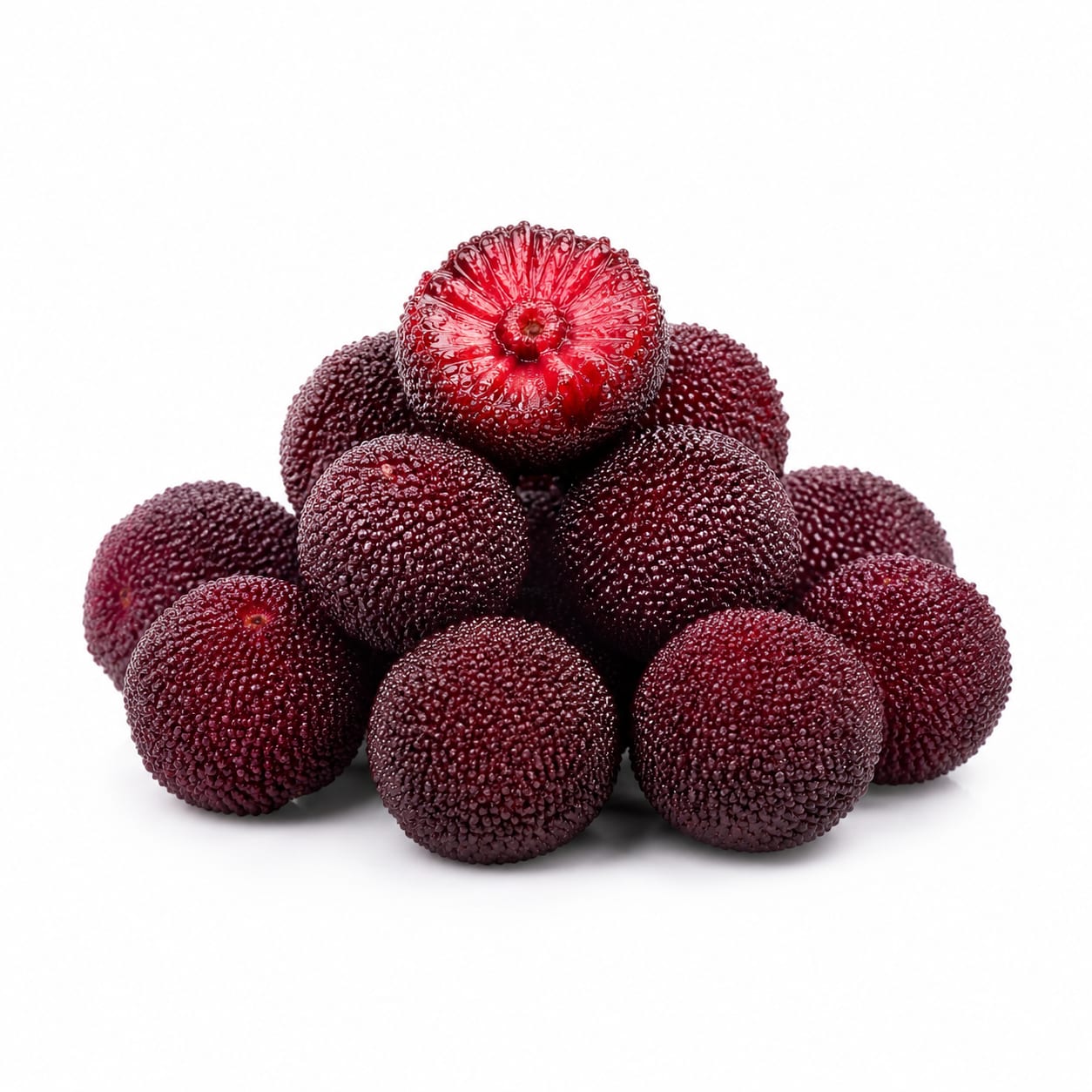
Bayberry
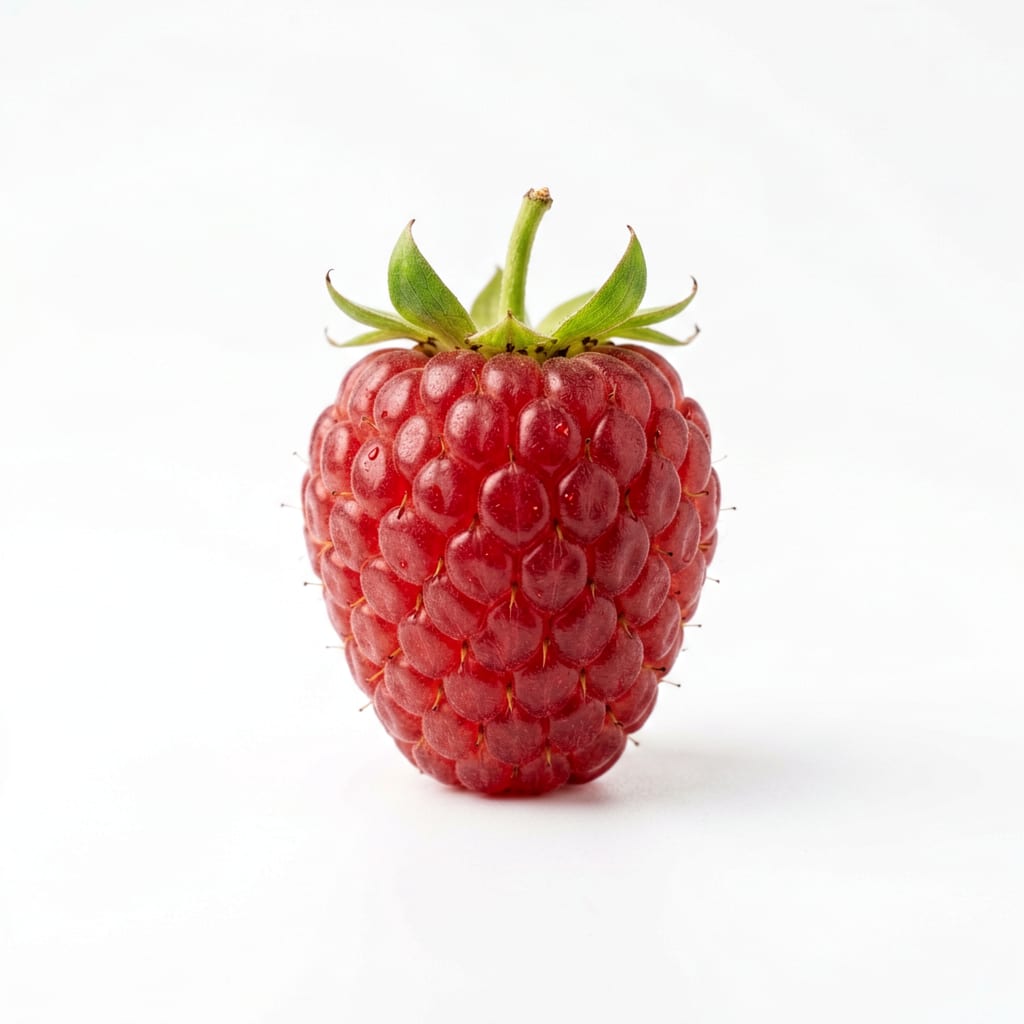
Raspberry
Raspberries win on fiber, sugar control, and everyday availability, while bayberries offer a unique antioxidant punch worth seeking out occasionally.
Raspberries score notably higher due to superior fiber, lower sugar, wider availability, and better suitability for daily consumption. Bayberries remain nutritionally impressive but lose ground on practicality and consistency.
Bayberry delivers exotic, potent anthocyanins you rarely get elsewhere, but raspberries are the reliable daily workhorse with superior fiber and far easier access.
At a glance
Executive summary
Overall
Raspberry
Healthier
Raspberry
More practical
Raspberry
Daily use
Raspberry
Key comparison lenses
antioxidant potential
Both berries are prized for unique antioxidant profiles, making this the primary reason users compare them
daily practicality
Bayberry is seasonal and region-specific while raspberries are widely available year-round, heavily influencing real-world choices
blood sugar and fiber
Raspberry is exceptionally high in fiber and low in sugar, a critical differentiator for health-conscious users
digestive health
Fiber disparity between these berries significantly affects gut health outcomes
weight management
Low-calorie berry comparison is common for users seeking satisfying snacks without excess calories
Best choice for
Bayberry
- People seeking novel antioxidant compounds like myricetin and cyanidin-3-glucoside
- Those with access to fresh Asian markets during bayberry season
- Anyone wanting a tart-sweet treat with immune-supporting vitamin C
- Fans of tropical flavors looking to diversify their berry intake
Raspberry
- Daily fiber seekers aiming for better digestion and fullness
- People managing blood sugar who need low-sugar fruit options
- Shoppers wanting reliable year-round availability at any grocery store
- Meal preppers who need berries that store and freeze well
Least suitable for
Bayberry
- People without access to specialty Asian grocers
- Anyone needing a consistent daily fruit habit
- Those sensitive to tart flavors who prefer milder sweetness
- Budget-conscious shoppers during off-season
Raspberry
- Those bored with common berries wanting novel flavors
- People specifically seeking myricetin or bayberry-exclusive phytonutrients
- Anyone looking for a higher-vitamin-C single serving
Deep comparison
Dimension by dimension
Each lens scores both foods and breaks down who each option suits.
- Dimension 1 · Priority 95Raspberry
fiber_and_satiety
Bayberry · 40Raspberry · 94Raspberries are one of the highest-fiber fruits available, delivering roughly 8g per cup. Bayberries provide only moderate fiber.
Tradeoff
Choosing bayberry means settling for less fullness per calorie, which can lead to overeating later in the day.
Why it matters
Fiber is the single most underrated factor in fruit selection. It controls hunger, steadies blood sugar, and feeds gut bacteria.
Real-world impact
A cup of raspberries with breakfast keeps you full until lunch. A cup of bayberries leaves you reaching for a snack an hour later.
Bayberry
- Light snacking when you do not want to feel overly full
Better for
- Anyone relying on fruit as a filling snack
- Those needing digestive regularity from food alone
Worse for
Raspberry
- Sustained energy between meals
- Gut health and regular digestion
- Weight management through natural appetite control
Better for
- Situations where a lighter stomach feel is preferred before exercise
Worse for
- Dimension 2 · Priority 90Bayberry
antioxidant_diversity
Bayberry · 91Raspberry · 82Bayberries contain rare anthocyanins like cyanidin-3-glucoside and high levels of myricetin, compounds with limited dietary sources. Raspberries offer ellagic acid and quercetin, which are valuable but more common in diets.
Tradeoff
Bayberry gives you antioxidants you simply cannot easily get elsewhere, but you sacrifice the fiber and convenience of raspberries to get them.
Why it matters
Antioxidant diversity matters more than total ORAC scores. Getting unique compounds from less common foods broadens your cellular defense network.
Real-world impact
Eating bayberries a few times during their short season is like a targeted supplement for your antioxidant intake. Raspberries provide solid but familiar protection daily.
Bayberry
- Breaking antioxidant monotony from eating the same berries weekly
- Targeted anti-inflammatory support during cold and flu season
- Anyone already eating raspberries regularly who wants variety
Better for
- Cannot rely on bayberry for consistent daily antioxidant support due to availability
Worse for
Raspberry
- Consistent daily antioxidant intake without thinking about seasonality
- Ellagic acid specifically, which has strong anti-cancer research backing
Better for
- May miss out on the unique myricetin benefits if raspberries are your only berry
Worse for
- Dimension 3 · Priority 88Raspberry
sugar_and_blood_sugar_impact
Bayberry · 55Raspberry · 90Raspberries are among the lowest-sugar fruits with roughly 5g per cup and a high fiber-to-sugar ratio. Bayberries contain notably more sugar with less fiber to buffer absorption.
Tradeoff
Bayberry tastes sweeter and more indulgent, but that sweetness comes with a faster blood sugar rise.
Why it matters
For anyone watching glucose, the fiber-to-sugar ratio determines whether a fruit feels energizing or crash-inducing.
Real-world impact
Raspberries pair perfectly with yogurt without spiking sugar. Bayberries feel more like a dessert fruit that you should enjoy mindfully.
Bayberry
- Post-workout when faster carbohydrate replenishment is actually beneficial
- Satisfying a sweet tooth with whole fruit instead of candy
Better for
- Late-night snacking where sugar spikes disrupt sleep quality
- Anyone monitoring fasting glucose closely
Worse for
Raspberry
- Steady energy without afternoon crashes
- Diabetics and prediabetics needing low-glycemic fruit
- Keto-adjacent eaters fitting berries into carb limits
Better for
- Hard training athletes who want faster carb uptake after exercise
Worse for
- Dimension 4 · Priority 85Raspberry
availability_and_convenience
Bayberry · 25Raspberry · 92Raspberries are available fresh or frozen in virtually every grocery store year-round. Fresh bayberries are extremely seasonal and mostly found in East Asian markets during early summer.
Tradeoff
You can build a daily habit around raspberries. Bayberries are a seasonal treat that requires planning or geographic luck.
Why it matters
The healthiest food is the one you can actually buy and eat consistently. Availability determines whether a food moves from idea to habit.
Real-world impact
Frozen raspberries sit in your freezer ready for smoothies any day. Fresh bayberries require a trip to a specialty market during a narrow window.
Bayberry
- Creating a special seasonal eating ritual
- Experiencing food culture and novelty
Better for
- Anyone without Asian grocery access
- People who dislike planning meals around seasonal availability
Worse for
Raspberry
- Meal prep and weekly grocery routines
- Consistent daily fruit intake without stress
- Frozen storage for smoothies and baking year-round
Better for
- Adventurous eaters who find routine boring
Worse for
- Dimension 5 · Priority 72Bayberry
vitamin_c_and_immune_support
Bayberry · 85Raspberry · 70Bayberries are notably rich in vitamin C, often exceeding raspberries per serving. This gives them an edge for immune support during cold season.
Tradeoff
More vitamin C from bayberry, but you can easily close the gap with raspberries plus a single serving of bell pepper or citrus.
Why it matters
Vitamin C from whole fruit comes packaged with synergistic flavonoids that enhance absorption and effectiveness.
Real-world impact
Eating bayberries during their season feels like targeted immune insurance. Raspberries contribute steadily but modestly to daily vitamin C needs.
Bayberry
- Seasonal immune boosting when fresh bayberries are available
- Getting a concentrated vitamin C dose from a single fruit serving
Better for
- Cannot depend on bayberry for year-round vitamin C due to seasonality
Worse for
Raspberry
- Reliable baseline vitamin C intake as part of a varied diet
Better for
- Those relying heavily on this one fruit for vitamin C may fall short of optimal intake
Worse for
- Dimension 6 · Priority 70It depends
flavor_and_eating_enjoyment
Bayberry · 80Raspberry · 78Bayberries offer a unique sweet-tart-wine-like flavor that is unlike any common berry. Raspberries deliver a familiar bright tartness with floral sweetness.
Tradeoff
Bayberry is more exciting and novel. Raspberry is more versatile and crowd-pleasing.
Why it matters
Enjoyment determines whether you actually eat the fruit or let it rot in the fridge. Both score well here but for different moods.
Real-world impact
Bayberries feel like a special occasion fruit you savor slowly. Raspberries are the everyday berry you toss into everything.
Bayberry
- Adventurous palates craving something new
- Impressing guests with an unusual fruit
- Mindful eating moments where flavor complexity is the point
Better for
- Those who dislike tart or astringent flavors
Worse for
Raspberry
- Kids and picky eaters who prefer familiar flavors
- Culinary versatility from salads to desserts to smoothies
Better for
- Experienced berry lovers finding the flavor too familiar
Worse for
Timeline
Health impact over time
Short-term
Hours to days
Bayberry
- Quick energy boost from natural sugars
- Noticeable tartness may stimulate digestion
- Vitamin C surge supporting immediate immune function
- Possible mild stomach upset if eaten in large quantities due to acidity
Raspberry
- Sustained fullness from high fiber content
- Stable blood sugar without energy crashes
- Gentle digestive stimulation from fiber and natural acids
- Hydrating and refreshing without sugar overload
Long-term
Months to years
Bayberry
- Unique myricetin intake may support cardiovascular and neuroprotective health
- Seasonal consumption limits cumulative benefits compared to daily staples
- Anthocyanin exposure supports vascular flexibility and anti-aging pathways
- Risk of missing benefits entirely if access is inconsistent
Raspberry
- Consistent fiber intake dramatically improves gut microbiome diversity over time
- Ellagic acid exposure linked to reduced cancer risk in epidemiological studies
- Low sugar habit protects metabolic health and insulin sensitivity long-term
- Daily berry consumption associated with slower cognitive decline in aging populations
Risk profile
Safety & processing
Both bayberries and raspberries are whole, unprocessed fruits when purchased fresh or frozen. Neither typically contains additives in their natural form. The main concern is pesticide residue on conventionally grown raspberries, which are known to retain surface chemicals. Bayberries from Asian markets may have less regulated pesticide oversight depending on origin. Choosing organic for either berry is worthwhile when possible.
Bayberry
Pesticide residue from imported sources
mediumBayberries imported from China may have less stringent pesticide regulation. Washing thoroughly is essential, and sourcing from trusted organic suppliers is advisable.
Rapid spoilage and mold
mediumBayberries spoil extremely quickly after harvest, sometimes within 1-2 days. Mold growth can produce mycotoxins if consumed after spoilage begins.
Limited food safety traceability
lowCompared to widely regulated berries like raspberries, bayberry supply chains are less transparent, making contamination events harder to track.
Raspberry
Pesticide residue on conventional berries
mediumRaspberries consistently rank on the EWG Dirty Dozen list due to pesticide retention on their delicate surface. Organic is strongly recommended.
Mold and fungal contamination
lowRaspberries are fragile and mold-prone but generally have shorter and more controlled supply chains than bayberries.
Viral contamination from handling
lowAs with all fresh berries, norovirus and hepatitis A outbreaks have been linked to contaminated berry batches. Washing before eating reduces risk.
Who wins for whom
Audience fit
Same foods, different winners depending on your goal.
children
RaspberryRaspberries are widely available, familiar, and easy to incorporate into lunches and snacks. Bayberry tartness and limited access make them less kid-friendly.
daily consumption
RaspberryRaspberries can be eaten daily year-round with stable blood sugar effects and strong fiber benefits. Bayberries are best enjoyed as a seasonal addition, not a daily staple.
diabetes
RaspberryRaspberries have roughly half the sugar of bayberries per serving with double the fiber, resulting in a much gentler blood sugar response.
elderly
RaspberryThe high fiber in raspberries supports digestive regularity, a common concern in aging. Consistent availability also matters more for older adults who may not shop at specialty markets.
muscle gain
It dependsNeither berry is a protein source. Bayberries offer slightly more carbohydrate for post-workout glycogen replenishment, but the difference is negligible. Choose based on taste preference.
weight loss
RaspberryRaspberries provide dramatically more fiber per calorie, keeping you fuller longer with less sugar. This makes overeating far less likely compared to bayberries.
Your move
Decision guide
Choose Bayberry
- You have access to fresh bayberries at an Asian market during their short summer season
- You want to diversify your antioxidant intake with rare compounds like myricetin
- You enjoy tart, complex flavors and treat fruit as an experience, not just nutrition
- You already eat raspberries regularly and want something different
Choose Raspberry
- You need a reliable daily berry that supports digestion, blood sugar, and fullness
- You want the most fiber-dense fruit option available at any grocery store
- You are managing weight, diabetes, or metabolic health concerns
- You meal prep and need berries that freeze well for smoothies and oatmeal
Either works if
- You simply want a whole-food fruit snack and both are available
- You rotate berries weekly for antioxidant diversity, which is ideal
- You pair berries with a protein source like yogurt and either works well
Avoid both if
- You have a severe berry allergy or salicylate sensitivity
- You are on a very strict low-FODMAP diet during elimination phase, as both contain moderate fructose
Final recommendation
Make raspberries your daily berry for fiber, blood sugar stability, and convenience. When bayberries appear in season, enjoy them as a special antioxidant boost and flavor adventure. The ideal approach is not choosing one, but using raspberries as your baseline and bayberries as your seasonal upgrade.
Practical
Consumer tips
- 1
Buy organic raspberries whenever possible since they rank high for pesticide residue on the EWG Dirty Dozen list
- 2
Wash bayberries thoroughly under running water, especially if imported, to reduce potential pesticide exposure
- 3
Freeze raspberries in a single layer on a baking sheet before bagging to prevent clumping for smoothies
- 4
Eat bayberries within 24-48 hours of purchase since they spoil faster than almost any other berry
- 5
Pair either berry with a protein or fat source like Greek yogurt or nuts to slow sugar absorption and extend fullness
- 6
If you cannot find fresh bayberries, look for dried or juiced versions but watch for added sugars
- 7
Mix both berries together when bayberries are in season for a synergistic antioxidant blend