
Nutrition comparison
Bayberry vs Lychee: Which Tropical Fruit is Healthier?
Compare Bayberry and Lychee to discover which fruit offers more antioxidants, less sugar, and better safety for daily snacking. Learn the real health tradeoffs.
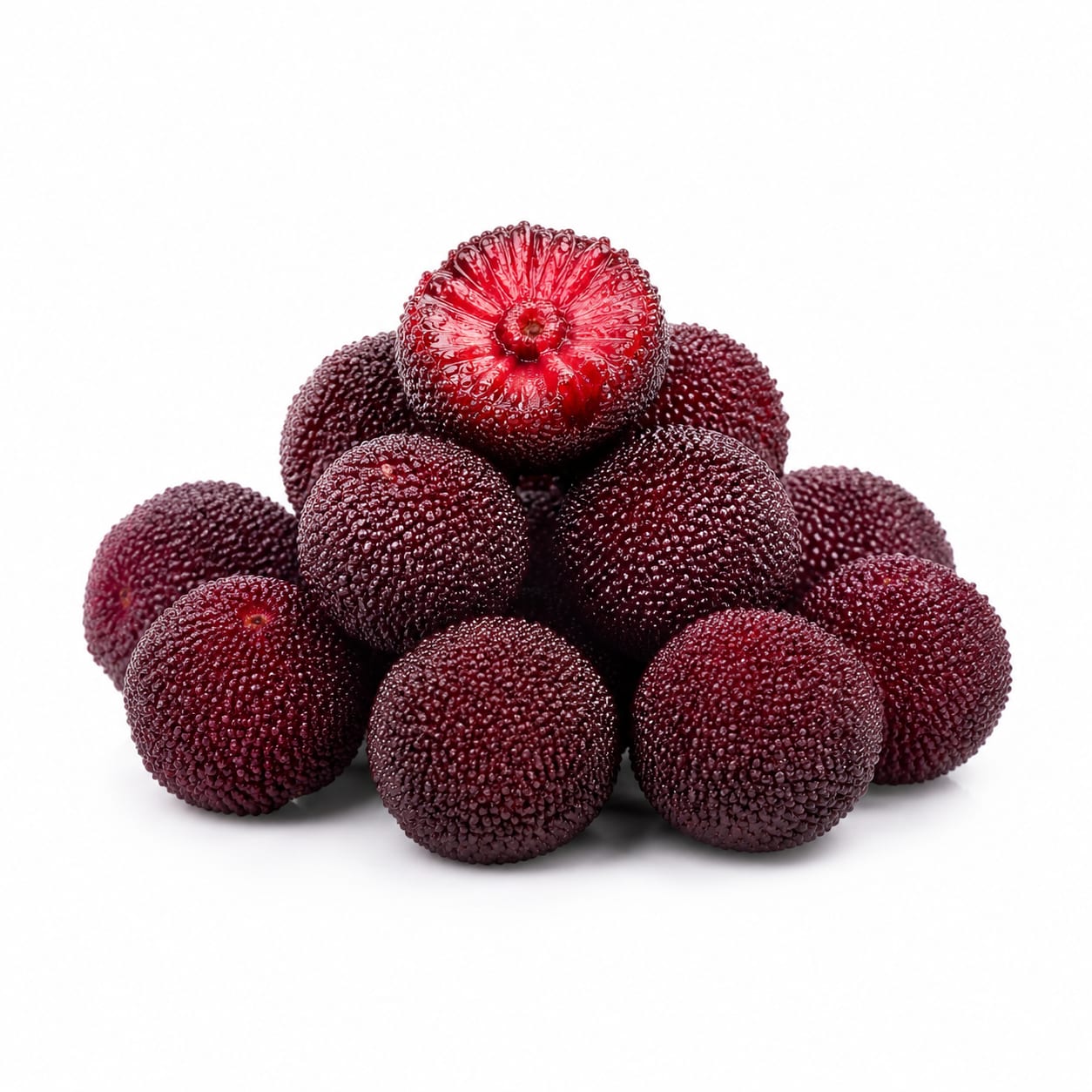
Bayberry
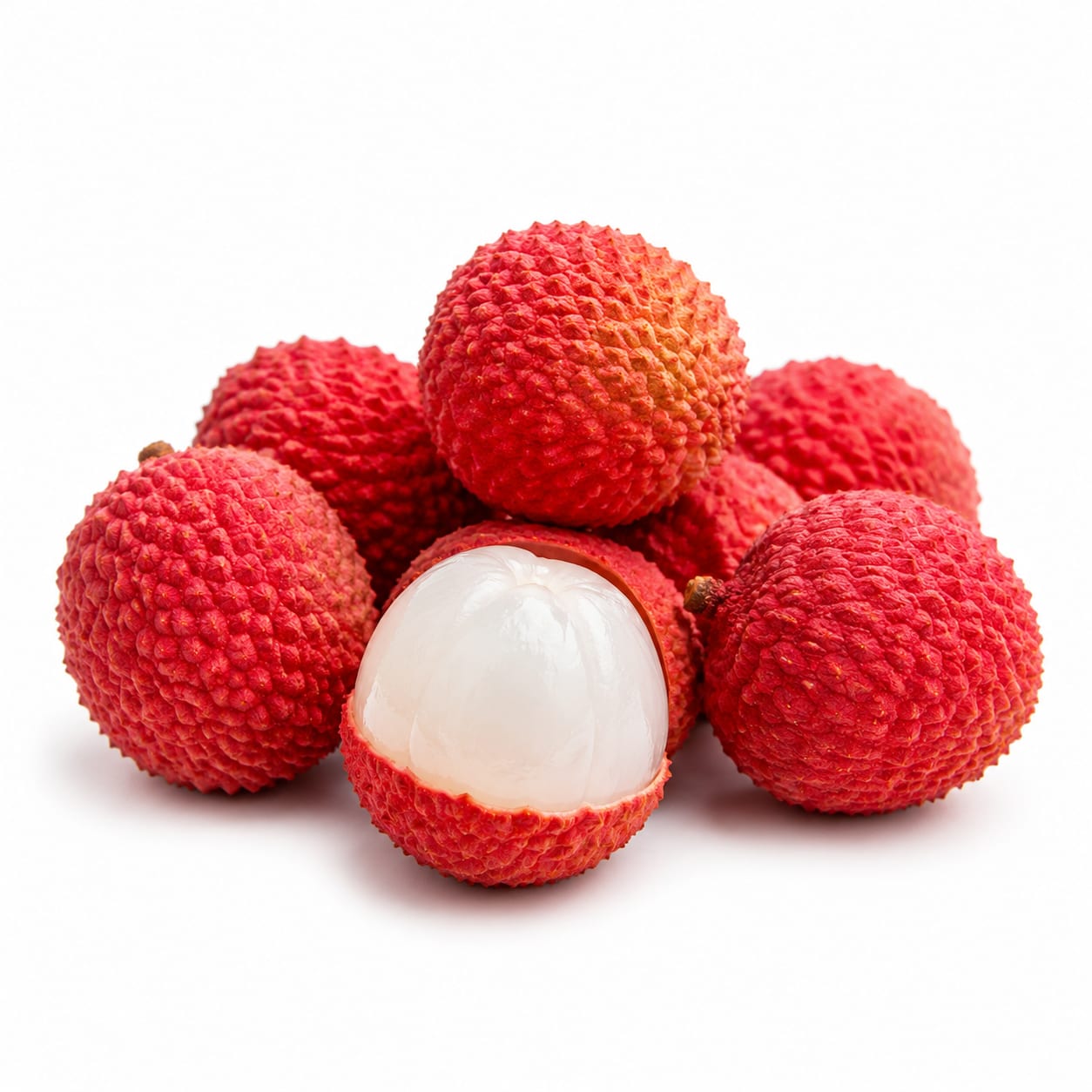
Lychee
Bayberry wins for antioxidants and blood sugar control, while Lychee is easier to find and more enjoyable as a sweet treat.
Bayberry scores higher due to its superior antioxidant profile and lower sugar content, but Lychee remains close because of its broader appeal, hydration benefits, and easier availability.
You trade lower sugar and higher antioxidants in Bayberry for the widespread availability and dessert-like sweetness of Lychee.
At a glance
Executive summary
Overall
It depends
Healthier
Bayberry
More practical
Lychee
Daily use
Bayberry
Key comparison lenses
Antioxidant and anti-aging benefits
Bayberry is exceptionally rich in anthocyanins and cyanidin, making it a powerhouse for cellular defense compared to Lychee.
Blood sugar management and sugar load
Lychee is significantly sweeter and higher in sugar, raising concerns for blood sugar spikes, while Bayberry offers a lower-sugar tart alternative.
Safety and toxicity on empty stomach
Lychee contains hypoglycin A and MCPG, which can cause dangerous drops in blood sugar if eaten without other food, a risk Bayberry does not carry.
Practical availability and convenience
Lychee is globally available and loved for its sweet floral taste, whereas Bayberry is highly seasonal and hard to find fresh outside East Asia.
Best choice for
Bayberry
- People monitoring their blood sugar
- Antioxidant enthusiasts seeking anti-aging benefits
- Those who prefer tart, less sweet fruits
Lychee
- Anyone needing quick natural energy
- People with limited access to specialty Asian markets
- Those craving a sweet, hydrating summer snack
Least suitable for
Bayberry
- People sensitive to highly acidic fruits
- Those wanting an easy-to-find everyday fruit
- Anyone who strongly dislikes tart flavors
Lychee
- Diabetics or those on low-sugar diets
- Children eating fruit on an empty stomach
- People trying to limit total carbohydrate intake
Deep comparison
Dimension by dimension
Each lens scores both foods and breaks down who each option suits.
- Dimension 1 · Priority 90Bayberry
Antioxidant Density
Bayberry · 95Lychee · 55Bayberry is loaded with anthocyanins that give it its deep red color, offering much stronger cellular protection than Lychee.
Tradeoff
You get far more antioxidant power from Bayberry, but you miss out on Lychee's broader vitamin C content per standard serving.
Why it matters
Higher antioxidant intake helps combat daily oxidative stress, supporting skin health and long-term vitality.
Real-world impact
Eating Bayberry regularly is like adding a shield against environmental aging; Lychee offers lighter, more general immune support.
Bayberry
- Reducing oxidative stress
- Anti-aging skin support
- Post-workout recovery
Better for
- Those on blood-thinning medications due to high vitamin K and anthocyanin interactions
Worse for
Lychee
- Basic immune maintenance
- Adding mild vitamin C
Better for
- Combating deep cellular aging
Worse for
- Dimension 2 · Priority 85Bayberry
Blood Sugar and Sugar Load
Bayberry · 82Lychee · 45Bayberry is tart and relatively low in sugar, making it much gentler on blood sugar than the candy-sweet Lychee.
Tradeoff
Choosing Bayberry keeps your energy steadier, while Lychee provides a rapid sugar rush that can lead to a crash.
Why it matters
Preventing blood sugar spikes helps maintain focus, avoids afternoon energy dips, and supports metabolic health.
Real-world impact
A bowl of Lychee can feel like eating dessert and leave you hungry an hour later; Bayberry feels more like a refreshing, light snack.
Bayberry
- Steady energy levels
- Diabetic-friendly snacking
- Keto or low-carb diets
Better for
- Providing fast energy when you are genuinely depleted
Worse for
Lychee
- Quick pre-workout fuel
- Replenishing carbs after intense exercise
Better for
- Managing insulin resistance
- Avoiding sugar cravings
Worse for
- Dimension 3 · Priority 80Bayberry
Safety and Toxicity
Bayberry · 85Lychee · 60Lychee contains natural toxins that can cause severe hypoglycemia if eaten in large amounts on an empty stomach, a risk Bayberry lacks.
Tradeoff
Lychee requires more caution with portion sizes and meal timing, while Bayberry is safer to eat freely, though its acidity can upset sensitive stomachs.
Why it matters
Understanding fruit-specific toxins prevents dangerous health emergencies, especially in children.
Real-world impact
Eating Lychee before a meal can make you feel dizzy or lightheaded; Bayberry is safe to enjoy on an empty stomach without this risk.
Bayberry
- Safe fasting-mimicking snacking
- Uncomplicated portion control
Better for
- People with severe acid reflux due to high organic acids
Worse for
Lychee
- None regarding toxicity
Better for
- Children who might snack on fruit before dinner
- Anyone skipping meals
Worse for
- Dimension 4 · Priority 75Lychee
Availability and Convenience
Bayberry · 30Lychee · 85Lychee is widely available in canned, frozen, and fresh forms globally, while fresh Bayberry is notoriously fragile and regional.
Tradeoff
You can easily find Lychee year-round, but enjoying fresh Bayberry usually requires living in or visiting East Asia during its short summer season.
Why it matters
A fruit's health benefits only matter if you can actually buy and eat it consistently.
Real-world impact
You can grab Lychee at most grocery stores, but finding fresh Bayberry might require a specialty market or ordering frozen online.
Bayberry
- Experiencing unique seasonal flavors
Better for
- Reliable meal prep
- Living outside East Asia
Worse for
Lychee
- Easy grocery shopping
- Year-round access
- Multiple preserved formats
Better for
- Seeking rare, nutrient-dense superfruits
Worse for
- Dimension 5 · Priority 70Lychee
Taste and Palatability
Bayberry · 70Lychee · 90Lychee offers a universally loved, sweet floral flavor, whereas Bayberry has a tart, astringent bite that polarizes palates.
Tradeoff
Lychee is an easy crowd-pleaser, while Bayberry is an acquired taste that some find too sour or mouth-puckering.
Why it matters
You are more likely to eat a fruit regularly if you genuinely enjoy the taste.
Real-world impact
Serving Lychee at a party is always a hit; serving Bayberry might require explaining its tartness to guests.
Bayberry
- Fans of sour and tart flavors
- Pairing with sweet desserts for balance
Better for
- Those with sweet tooths
- Kids expecting a sugary treat
Worse for
Lychee
- Satisfying sweet cravings naturally
- Introducing fruit to picky eaters
Better for
- People who find overly sweet fruit cloying
Worse for
Timeline
Health impact over time
Short-term
Hours to days
Bayberry
- Provides a refreshing, tart burst of energy without a sugar crash
- May cause mild stomach discomfort in sensitive individuals due to high acidity
Lychee
- Delivers quick energy from high natural sugars, ideal for an afternoon slump
- Can cause dizziness or lightheadedness if eaten on an empty stomach due to hypoglycin
Long-term
Months to years
Bayberry
- Strong antioxidant intake supports skin elasticity and reduces cellular aging
- Lower sugar content helps maintain insulin sensitivity over time
Lychee
- High regular consumption could contribute to elevated blood sugar levels if not managed
- Vitamin C and polyphenols support general immune health, but less anti-aging power than Bayberry
Risk profile
Safety & processing
Both fruits are whole foods when fresh, but canned Lychee often sits in heavy syrup, adding unnecessary refined sugar, whereas Bayberry is typically found fresh, dried, or fermented without added sugars.
Bayberry
Tooth enamel erosion
lowThe high acidity in Bayberry can wear down enamel if consumed in massive quantities; rinsing with water afterward helps.
Pesticide residue
mediumBayberry is known to be heavily sprayed in some regions because the fruit is very attractive to insects; washing thoroughly is essential.
Lychee
Hypoglycemic encephalopathy
highUnripe Lychee contains hypoglycin A and MCPG, which block fatty acid metabolism and can cause dangerously low blood sugar, especially in malnourished children eating it on an empty stomach.
High sugar load from canned versions
mediumCanned Lychee is often packed in sugary syrup, drastically increasing calorie and sugar intake compared to the fresh fruit.
Who wins for whom
Audience fit
Same foods, different winners depending on your goal.
children
BayberryBayberry lacks the dangerous hypoglycemic toxins found in Lychee, making it a safer choice for kids who might snack between meals.
daily consumption
BayberryBayberry's lower sugar and higher antioxidant content make it a better daily staple, assuming you can find it.
diabetes
BayberryWith significantly less sugar and a lower glycemic impact, Bayberry is much safer for blood sugar management than Lychee.
elderly
BayberryThe high antioxidant content in Bayberry supports cardiovascular and cognitive health, and its low sugar profile suits slower metabolisms.
muscle gain
LycheeLychee provides more quick-digesting carbohydrates that can help replenish glycogen stores after a heavy lifting session.
weight loss
BayberryBayberry is lower in sugar and calories, making it easier to fit into a calorie-controlled diet without triggering sweet cravings.
Your move
Decision guide
Choose Bayberry
- You want maximum antioxidant benefits with minimal sugar
- You are prone to blood sugar spikes or managing diabetes
- You love tart, mouth-puckering flavors
Choose Lychee
- You need quick, natural energy before or after a workout
- You want a sweet, hydrating fruit that is easy to find at any grocery store
- You are eating a balanced meal and want a dessert-like fruit to finish it
Either works if
- You just want a refreshing summer fruit and both are available fresh
- You are looking for natural vitamin C sources to support your immune system
Avoid both if
- You have a severe fructose intolerance
- You are on a strict very-low-carb or carnivore diet
Final recommendation
If you have access to fresh Bayberry, choose it for the superior health benefits and lower sugar. If Bayberry is unavailable, enjoy Lychee in moderation after a meal to avoid blood sugar crashes and skip the canned versions in syrup.
Practical
Consumer tips
- 1
Always eat Lychee with or after a meal to prevent the dangerous blood sugar drops caused by its natural toxins.
- 2
If buying canned Lychee, look for versions packed in water or light syrup rather than heavy syrup to save on sugar.
- 3
Rinse fresh Bayberry thoroughly under running water to remove potential pesticide residue from the crevices.
- 4
Freeze fresh Bayberry during its short summer season to enjoy its tart benefits year-round in smoothies.
- 5
Drink water after eating Bayberry to protect your tooth enamel from its natural acids.