
Nutrition comparison
Bayberry vs Cherry: Antioxidant Power, Sugar Content, and Which to Pick
Compare bayberry and cherry on antioxidants, sugar, availability, and health benefits. Find out which fruit is better for weight loss, inflammation, and daily snacking.
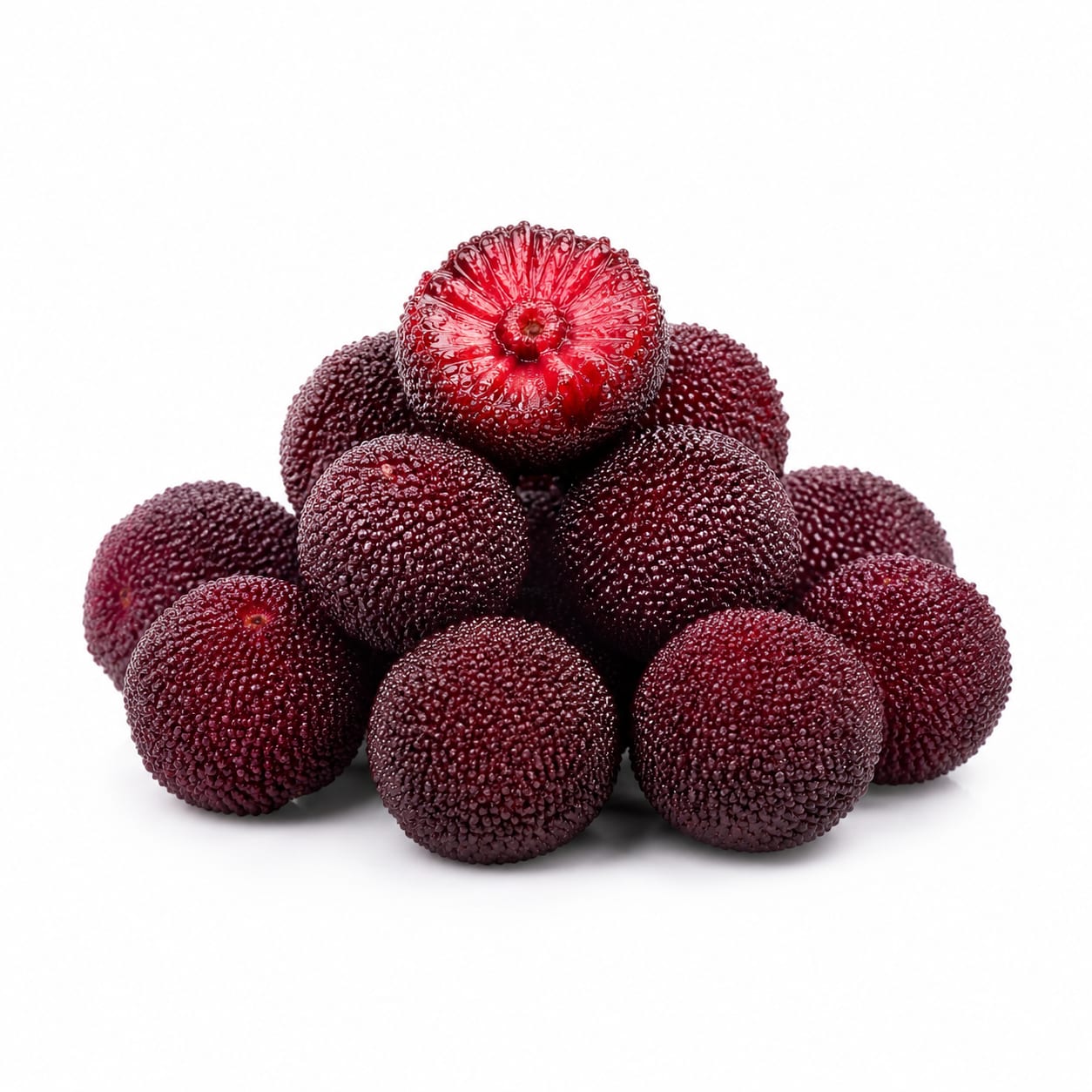
Bayberry
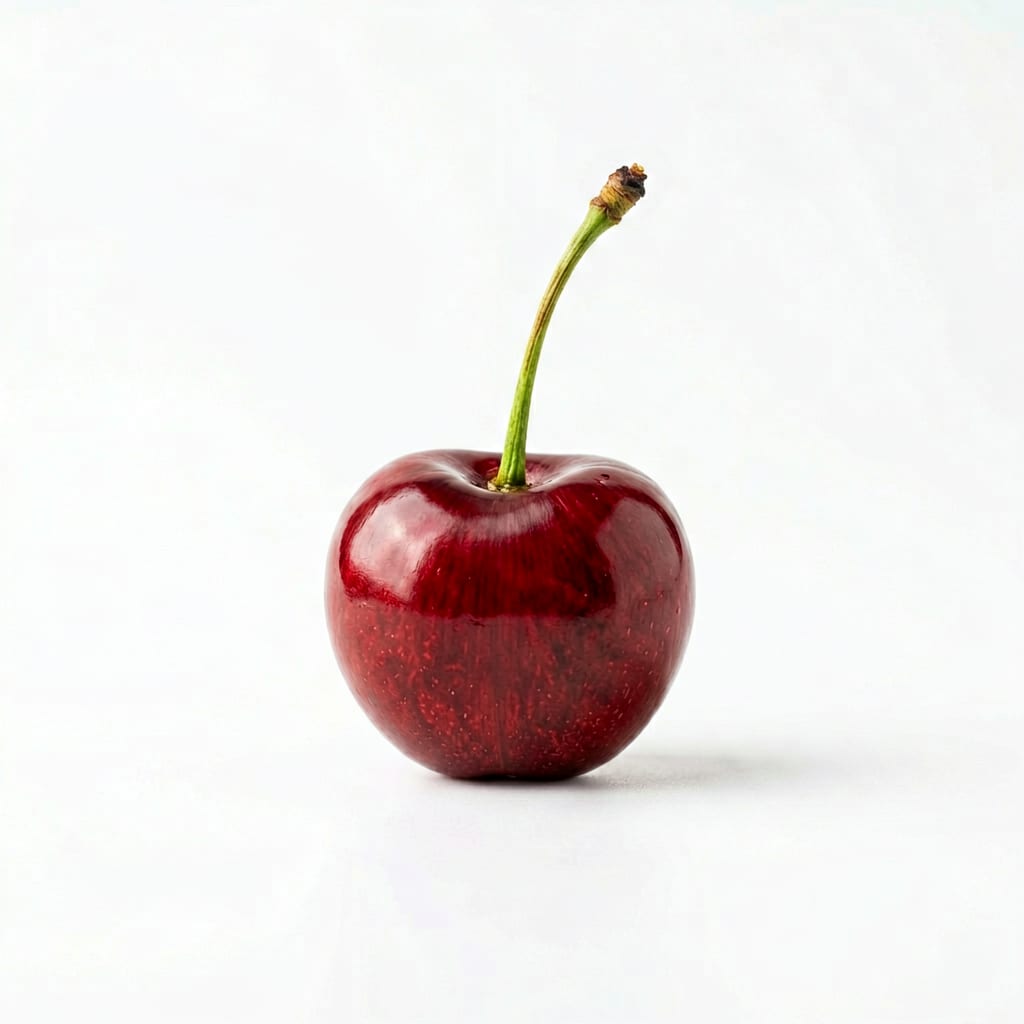
Cherry
Bayberry edges ahead nutritionally with denser antioxidants and less sugar, but cherries win on availability, versatility, and research-backed benefits.
Bayberry scores higher on nutrient density and lower sugar, but cherry's global availability, longer shelf life, and extensive health research push it ahead for most people's daily reality.
Peak nutrition with limited access versus solid nutrition you can actually find year-round.
At a glance
Executive summary
Overall
It depends
Healthier
Bayberry
More practical
Cherry
Daily use
Cherry
Key comparison lenses
antioxidant potential
Both fruits are prized for anthocyanin content, making antioxidant comparison the most relevant dimension
accessibility and everyday usability
Bayberry is seasonal and regionally limited while cherries are globally available, heavily influencing real-world choice
sugar and calorie consciousness
Users comparing berries often care about sugar load and calorie density for weight management
anti inflammatory benefits
Both fruits are associated with inflammation reduction but through different compounds
digestive tolerance
Bayberry can cause stomach upset in excess due to tannins; cherries may trigger IBS symptoms in sensitive individuals
Best choice for
Bayberry
- Antioxidant enthusiasts seeking variety beyond common fruits
- People in East Asia with access to fresh bayberry markets
- Low-sugar snack seekers wanting intense flavor without the sweetness hit
- Traditional Chinese medicine followers who value yangmei for digestive warmth
Cherry
- Everyday snackers who need reliable fruit at any grocery store
- Post-workout recovery thanks to natural melatonin and anti-inflammatory compounds
- Home cooks wanting a fruit that works in desserts, salads, and sauces
- People managing gout or joint inflammation with well-studied cherry extract
Least suitable for
Bayberry
- People outside Asia who cannot find fresh bayberry reliably
- Anyone sensitive to tannins or astringent flavors
- Budget-conscious shoppers facing imported bayberry prices
- Meal preppers needing fruit that lasts more than a day or two
Cherry
- Strict low-sugar eaters tracking every gram of fructose
- People with cherry allergies or birch pollen cross-reactivity
- Those prone to IBS flares from high-FODMAP fruits
Deep comparison
Dimension by dimension
Each lens scores both foods and breaks down who each option suits.
- Dimension 1 · Priority 92Bayberry
antioxidant_density
Bayberry · 91Cherry · 82Bayberry packs more anthocyanins per gram than cherry, giving it a stronger antioxidant punch in a smaller serving.
Tradeoff
You get more antioxidant firepower from bayberry, but cherry's benefits are far better studied in human trials.
Why it matters
Higher antioxidant intake correlates with slower cellular aging and reduced chronic disease risk over decades.
Real-world impact
Eating bayberry when available is like getting a concentrated berry supplement in whole-food form.
Bayberry
- Cellular protection against oxidative stress
- Skin health through concentrated cyanidin-3-glucoside
- Cardiovascular defense via myricetin
Better for
- Limited human clinical trials compared to cherry research
- Antioxidant benefits are theoretical extrapolations more than proven outcomes
Worse for
Cherry
- Gout management through well-documented uric acid reduction
- Post-exercise recovery with proven inflammation markers improvement
- Sleep support from natural melatonin content
Better for
- Lower total anthocyanin concentration per serving
- Less diverse polyphenol profile than bayberry's unique myricetin and quercetin combo
Worse for
- Dimension 2 · Priority 80Bayberry
sugar_and_calorie_profile
Bayberry · 86Cherry · 72Bayberry is tangier and less sweet, with fewer calories and less sugar per serving than cherry.
Tradeoff
Less sugar means less blood sugar impact, but the astringent taste makes bayberry harder to eat in quantity.
Why it matters
For anyone watching glucose or cutting sugar, bayberry offers more flavor intensity per gram of fructose.
Real-world impact
A bowl of bayberry satisfies with tartness without the sugar crash that follows a cherry binge.
Bayberry
- Lower glycemic impact for blood sugar management
- Fewer calories per satisfying portion
- Less likely to trigger sugar cravings after eating
Better for
- Tartness limits how much most people enjoy eating at once
- Astringency can feel unpleasant without an acquired taste
Worse for
Cherry
- Natural sweetness makes it a healthier dessert replacement
- Better for athletes needing quick carbohydrate fuel
Better for
- Higher sugar content adds up quickly in large bowls
- Can spike blood sugar more than bayberry in equivalent servings
Worse for
- Dimension 3 · Priority 88Cherry
availability_and_convenience
Bayberry · 35Cherry · 90Cherries are available globally year-round in some form, while fresh bayberry is nearly impossible to find outside East Asia.
Tradeoff
The most nutritious fruit means nothing if you cannot buy it, and bayberry fails this test for most of the world.
Why it matters
Consistency beats perfection. A fruit you can actually eat weekly outperforms a superior fruit you see once a year.
Real-world impact
Most people reading this can get cherries today. Finding fresh bayberry requires specialty markets or travel.
Bayberry
- Seasonal scarcity makes it a special experience when found
- Often cheaper at source in southern China during summer
Better for
- Perishes within 1-2 days of purchase even refrigerated
- Virtually nonexistent in Western, African, and South American grocery stores
- Imported bayberry is expensive and often sold frozen with quality loss
Worse for
Cherry
- Available fresh, frozen, dried, juiced, and supplement form globally
- Easy to meal prep since cherries last days refrigerated
- Works in smoothies, baking, salads, and savory dishes
Better for
- Out-of-season imported cherries can be costly
- Environmental footprint of long-distance cherry shipping
Worse for
- Dimension 4 · Priority 78Cherry
anti_inflammatory_and_pain_relief
Bayberry · 74Cherry · 85Cherry has stronger clinical evidence for reducing inflammation and pain, especially for gout and exercise recovery.
Tradeoff
Bayberry has anti-inflammatory compounds too, but the research depth and real-world results favor cherry significantly.
Why it matters
For people with chronic pain or joint issues, cherry is one of the few fruits with prescription-level evidence.
Real-world impact
Tart cherry juice is used by professional athletes and recommended by rheumatologists. Bayberry has no equivalent clinical following.
Bayberry
- Myricetin offers unique anti-inflammatory pathways
- Traditional medicine systems have used bayberry for centuries for gut inflammation
Better for
- Almost no human clinical trials on inflammation outcomes
- Cannot be recommended as a therapeutic food with confidence
Worse for
Cherry
- Proven uric acid reduction in gout patients across multiple studies
- Reduces muscle soreness markers after intense exercise
- Melatonin content helps regulate inflammatory sleep cycles
Better for
- Effects are modest compared to medication for serious conditions
- Tart cherry juice needed for therapeutic doses contains concentrated sugar
Worse for
- Dimension 5 · Priority 65It depends
digestive_tolerance
Bayberry · 68Cherry · 70Both fruits can irritate sensitive stomachs but through different mechanisms, making this highly individual.
Tradeoff
Bayberry's tannins can cause nausea in excess; cherries can ferment in the gut and cause bloating in IBS sufferers.
Why it matters
The healthiest fruit still fails if it makes you uncomfortable, so personal tolerance matters more than nutrition facts here.
Real-world impact
Some people feel great after bayberry and sick after cherries, and vice versa. There is no universal winner.
Bayberry
- Traditional use as a digestive aid in small amounts
- Lower sugar means less fermentation in the gut
Better for
- Tannins cause nausea and stomach discomfort if overeaten
- Astringency can feel harsh on an empty stomach
Worse for
Cherry
- Moderate fiber supports regular bowel movements
- Less astringent so gentler on the stomach lining for most people
Better for
- High FODMAP content triggers IBS symptoms in sensitive people
- Large quantities cause bloating and gas
Worse for
Timeline
Health impact over time
Short-term
Hours to days
Bayberry
- Quick antioxidant boost with noticeable tart flavor satisfaction
- Possible mild stomach discomfort if eating more than a cup at once
- Natural astringency can create a mouth-drying sensation that limits overeating
Cherry
- Rapid blood sugar rise from natural sugars, especially sweet varieties
- Quick anti-inflammatory effect noticeable within hours for some users
- Satiating sweetness that can curb dessert cravings effectively
Long-term
Months to years
Bayberry
- Consistent intake may support cardiovascular health through myricetin and anthocyanins
- Potential for improved gut microbiome diversity from unique polyphenol profile
- Long-term access is the main barrier to realizing these benefits
Cherry
- Regular consumption associated with lower gout attack frequency in clinical studies
- Improved sleep quality over weeks from consistent melatonin intake
- Better exercise recovery and reduced chronic inflammation markers with daily intake
Risk profile
Safety & processing
Both fruits are typically consumed whole and fresh with minimal processing. The main concern is that bayberry sold outside Asia is often frozen or preserved, while cherries are commonly available fresh. Dried and juiced versions of both exist but often contain added sugars.
Bayberry
pesticide_residue
mediumBayberry grown in China may have higher pesticide exposure due to less stringent regulation; washing thoroughly is essential
perishability_and_mold
highBayberry spoils within 24-48 hours and mold can develop rapidly, potentially producing mycotoxins if consumed after spoilage
tannin_overconsumption
lowExcessive intake of tannin-rich bayberry can cause nausea and digestive distress, though this requires eating large quantities
Cherry
pesticide_residue
mediumCherries frequently appear on the EWG Dirty Dozen list with detectable pesticide residues; organic options are recommended
cherry_pit_cyanide
lowCherry pits contain amygdalin which releases cyanide when crushed; swallowing whole pits is harmless but cracked pits should be avoided
allergic_cross_reactivity
mediumPeople with birch pollen allergy may experience oral allergy syndrome with fresh cherries, causing mouth itching and swelling
Who wins for whom
Audience fit
Same foods, different winners depending on your goal.
children
CherrySweet flavor is more kid-friendly, cherries are easier to find, and the choking hazard from pits is manageable with supervision
daily consumption
CherryYear-round availability, longer shelf life, and gentler digestion make cherries a realistic daily habit for most people
diabetes
BayberryLess sugar per serving and lower glycemic impact make bayberry the safer choice for blood sugar management
elderly
CherryCherries offer well-documented anti-inflammatory benefits for joint pain and better sleep, both critical concerns for older adults
muscle gain
CherryCherries provide faster carbohydrates for post-workout recovery and have proven anti-inflammatory benefits for muscle repair
weight loss
BayberryLower sugar and calorie content with intense flavor that satisfies quickly, making overeating less likely
Your move
Decision guide
Choose Bayberry
- You live in or visit East Asia during bayberry season and want peak antioxidant intake
- You are tracking sugar carefully and want maximum flavor with minimum fructose
- You enjoy tart, astringent flavors and find sweet fruits too cloying
- You want to diversify your polyphenol intake beyond common Western fruits
Choose Cherry
- You need a fruit you can actually buy this week at a regular grocery store
- You struggle with joint pain, gout, or post-workout inflammation
- You want a versatile fruit for cooking, baking, smoothies, and snacks
- You value well-researched health benefits over theoretical nutritional advantages
Either works if
- You simply want a whole-food antioxidant boost and both are available
- You rotate fruits seasonally and neither is a daily staple
- You enjoy both flavors and want dietary variety
Avoid both if
- You have a confirmed allergy to either fruit or birch pollen
- You are on a strict very-low-carb diet and cannot accommodate fruit sugar
- You have severe IBS and struggle with most fruits regardless of type
Final recommendation
Eat bayberry when you can find it fresh for a nutrient-dense, low-sugar treat. But build your daily fruit habit around cherries, which deliver reliable, well-studied benefits with far less hassle. The best fruit is always the one you will actually eat consistently.
Practical
Consumer tips
- 1
Choose organic cherries when possible since they rank high for pesticide residue
- 2
If buying frozen bayberry, check for added syrups or preservatives in the ingredient list
- 3
Freeze fresh cherries in season for year-round smoothies at a fraction of off-season prices
- 4
Eat bayberry on the day of purchase since it deteriorates faster than almost any other fruit
- 5
Tart cherry juice offers therapeutic anti-inflammatory doses but watch the concentrated sugar content
- 6
Wash both fruits thoroughly before eating, even if you plan to peel or pit them