
Nutrition comparison
Bayberry vs Mulberry: Antioxidants, Blood Sugar, and Which Berry Wins for Daily Health
Compare bayberry and mulberry nutrition including antioxidants, iron, blood sugar benefits, and availability. Find out which berry is better for diabetes, weight loss, and daily use.
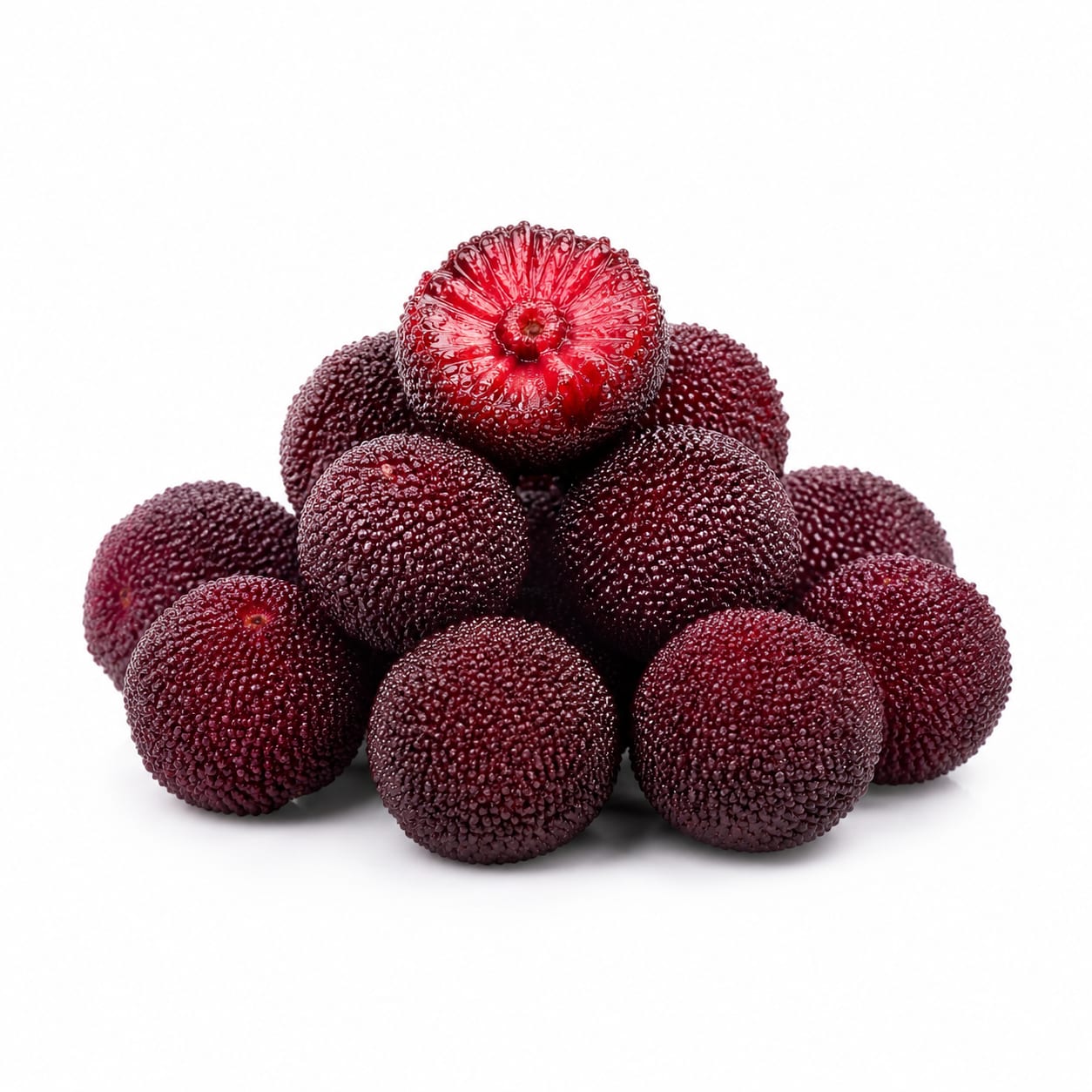
Bayberry
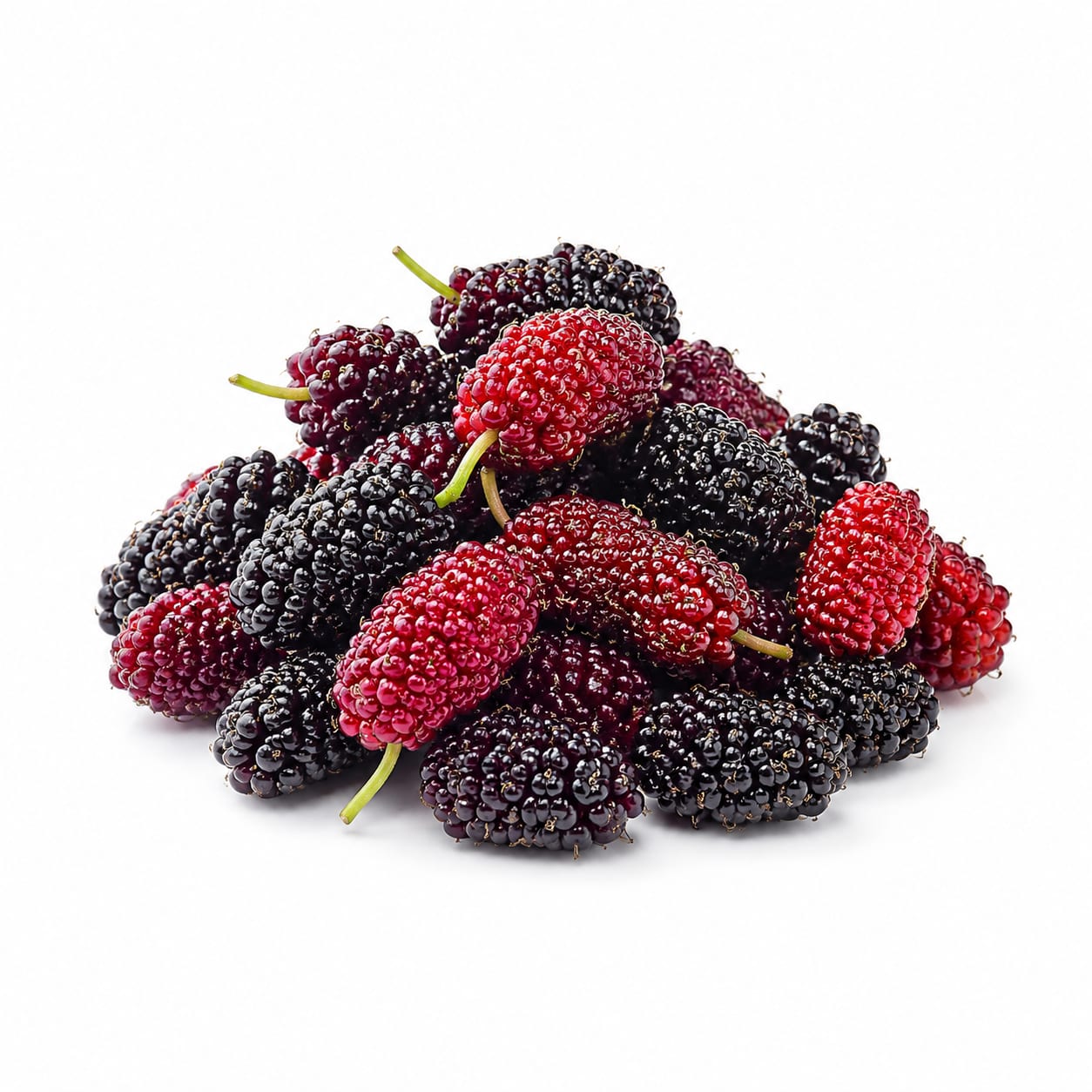
Mulberry
Mulberry wins on accessibility, iron, and blood sugar control. Bayberry delivers stronger antioxidants per bite but is harder to find and enjoy regularly.
Mulberry scores higher overall due to better availability, unique blood sugar benefits, and superior iron content. Bayberry earns strong marks for antioxidant density but loses ground on practicality and seasonal limitations.
Bayberry offers more concentrated antioxidant power in a tart, seasonal package, while mulberry provides steadier daily nutrition with unique blood sugar benefits and wider availability.
At a glance
Executive summary
Overall
It depends
Healthier
It depends
More practical
Mulberry
Daily use
Mulberry
Key comparison lenses
Antioxidant potency and anti-aging benefits
Both berries are prized for exceptionally high anthocyanin and flavonoid content, making antioxidant comparison the most relevant dimension
Blood sugar management and diabetes-friendliness
Mulberry contains unique DNJ compounds that inhibit sugar absorption, while bayberry has a different glycemic profile worth comparing
Availability and everyday practicality
Bayberry is seasonal and hard to find outside East Asia, while mulberry is more accessible globally in fresh, dried, and frozen forms
Iron and blood-building nutrition
Mulberry is notably iron-rich for a fruit, while bayberry is traditionally associated with blood health in Chinese medicine
Digestive tolerance and gut comfort
Both contain tannins and organic acids that can affect sensitive stomachs differently
Best choice for
Bayberry
- Maximum antioxidant intake in a short seasonal window
- Traditional Chinese medicine approaches to gut and digestive health
- Those who enjoy bold, tart-sweet flavors
- Anti-inflammatory focus during bayberry season
Mulberry
- Consistent daily berry consumption year-round
- Blood sugar management and insulin sensitivity
- Iron-deficient individuals seeking plant-based sources
- People who want a milder, sweeter berry for snacking or recipes
Least suitable for
Bayberry
- Anyone outside East Asia during most of the year
- People sensitive to very tart or astringent flavors
- Those wanting a reliable daily fruit staple
- Individuals with acid sensitivity or GERD
Mulberry
- People seeking the most potent antioxidant concentration per serving
- Those who find mulberries too mild or bland
- Anyone monitoring iron intake due to hemochromatosis
Deep comparison
Dimension by dimension
Each lens scores both foods and breaks down who each option suits.
- Dimension 1 · Priority 92Bayberry
Antioxidant Density
Bayberry · 91Mulberry · 78Bayberry packs more anthocyanins and cyanidin compounds per gram than mulberry, giving it a stronger antioxidant punch in each bite.
Tradeoff
Bayberry's antioxidant edge comes with a shorter season and more astringent taste that limits how much people actually eat.
Why it matters
Higher antioxidant density means more cellular protection per serving, which matters for anti-aging and inflammation reduction.
Real-world impact
Eating bayberries during their brief season can deliver a concentrated antioxidant boost, but you cannot rely on them year-round like mulberries.
Bayberry
- Short-term antioxidant surges during summer
- Reducing oxidative stress in a concentrated dose
Better for
- Cannot sustain high antioxidant intake beyond a few weeks
- Tartness may limit portion sizes
Worse for
Mulberry
- Consistent moderate antioxidant intake all year
- Combining with other foods without overpowering flavors
Better for
- Lower total anthocyanin concentration per serving
- Less dramatic anti-inflammatory impact per bite
Worse for
- Dimension 2 · Priority 88Mulberry
Blood Sugar Control
Bayberry · 68Mulberry · 89Mulberry contains 1-deoxynojirimycin (DNJ), a natural compound that slows carbohydrate absorption, making it genuinely helpful for blood sugar management.
Tradeoff
Bayberry's tartness comes from organic acids that may slightly irritate sensitive stomachs, while mulberry's blood sugar benefit requires regular consumption to matter.
Why it matters
DNJ is rare in foods and gives mulberry a pharmacological edge that most fruits simply do not have.
Real-world impact
Adding mulberries to a meal can blunt the blood sugar spike from carbs, making them a smart pairing with oatmeal or yogurt.
Bayberry
- Lower calorie intake per serving due to tartness limiting consumption
Better for
- No special compound targeting sugar metabolism
- Acidic nature may worsen reflux on an empty stomach
Worse for
Mulberry
- Active reduction of post-meal glucose spikes
- Long-term insulin sensitivity support with daily use
- Diabetic-friendly snacking without guilt
Better for
- Benefits require consistent daily intake, not occasional treats
Worse for
- Dimension 3 · Priority 80Mulberry
Iron and Blood-Building Nutrition
Bayberry · 62Mulberry · 84Mulberry is one of the most iron-rich berries available, providing a meaningful plant-based iron source. Bayberry, despite its traditional association with blood health in Chinese medicine, delivers less actual iron per serving.
Tradeoff
Mulberry's iron is non-heme iron, so absorption is lower than from animal sources. Pairing with vitamin C foods helps, which ironically bayberry provides more of.
Why it matters
Iron deficiency is the most common nutrient deficiency worldwide, and finding it in a fruit is unusual and valuable.
Real-world impact
A handful of dried mulberries can contribute meaningfully to daily iron intake, especially for vegetarians and women of reproductive age.
Bayberry
- Higher vitamin C content helps absorb iron from other foods eaten alongside
Better for
- Lower actual iron content despite traditional blood-building reputation
Worse for
Mulberry
- Direct iron contribution to daily requirements
- Traditional use in Chinese medicine for blood building has some nutritional backing
- Useful for vegetarians seeking plant-based iron
Better for
- Non-heme iron is less efficiently absorbed than heme iron from meat
Worse for
- Dimension 4 · Priority 85Mulberry
Availability and Practicality
Bayberry · 38Mulberry · 82Mulberry is available fresh, frozen, and dried across many markets year-round. Bayberry has a narrow harvest window of about one month and is rarely found outside East Asia.
Tradeoff
Bayberry's rarity makes it special and exciting when found, but impossible to build dietary habits around for most people.
Why it matters
The healthiest food is the one you can actually eat consistently. Availability determines whether a food becomes a habit or a novelty.
Real-world impact
You can keep dried mulberries in your pantry always. Bayberry requires planning, travel to specialty stores, or frozen imports that lose texture quality.
Bayberry
- Exciting seasonal treat that feels special
- Cultural and culinary experience value
Better for
- Essentially unavailable fresh for 11 months of the year
- Difficult to find outside Chinese and Japanese markets
- Frozen versions lose the unique texture
Worse for
Mulberry
- Year-round access in multiple forms
- Easy to incorporate into daily meals and snacks
- Available in most health food stores and online
Better for
- Less exciting or novel as an everyday food
Worse for
- Dimension 5 · Priority 72Mulberry
Digestive Tolerance
Bayberry · 58Mulberry · 76Bayberry's high tannin and acid content can irritate sensitive stomachs, especially on an empty stomach. Mulberry is gentler and better tolerated by most people.
Tradeoff
Bayberry's astringency is part of its traditional digestive remedy reputation, but modern eaters with GERD or IBS may find it uncomfortable.
Why it matters
A food that causes discomfort will not be eaten consistently, no matter how nutritious it is.
Real-world impact
Eating bayberries on an empty stomach can cause a burning sensation for some people. Mulberries are generally comfortable any time of day.
Bayberry
- Tannins may help with mild diarrhea in traditional medicine contexts
Better for
- High acidity can trigger heartburn or reflux
- Tannins may cause nausea in large amounts
- Not ideal for those with gastritis or ulcers
Worse for
Mulberry
- Gentle on most stomachs including sensitive ones
- Good fiber content supports regular digestion
- Can be eaten on an empty stomach without discomfort
Better for
- Very high intake of dried mulberries can cause mild constipation due to concentrated fiber and sugar
Worse for
- Dimension 6 · Priority 70Bayberry
Vitamin C Content
Bayberry · 85Mulberry · 65Bayberry delivers more vitamin C per serving than mulberry, supporting immune function and collagen synthesis more effectively.
Tradeoff
Vitamin C degrades quickly after harvest, so bayberry's advantage shrinks if it is not eaten very fresh or properly frozen.
Why it matters
Vitamin C is essential for immunity, skin health, and iron absorption, and getting it from whole fruit is better than supplements.
Real-world impact
Fresh bayberries during season can give a noticeable immune boost. Mulberries provide a decent but not standout vitamin C contribution.
Bayberry
- Stronger immune support during cold season if available fresh
- Better vitamin C for iron absorption when paired with iron-rich meals
Better for
- Vitamin C advantage disappears with poor storage or long transport
Worse for
Mulberry
- More consistent vitamin C intake year-round due to availability
Better for
- Lower vitamin C per serving compared to bayberry and many other berries
Worse for
Timeline
Health impact over time
Short-term
Hours to days
Bayberry
- Tangy, energizing burst of flavor that can feel refreshing in hot weather
- Possible stomach irritation if eaten in large quantities on an empty stomach
- Quick vitamin C boost supporting immediate immune function
- Staining of fingers and lips from intense pigments
Mulberry
- Gentle, satisfying sweetness that stabilizes energy without a crash
- Mild blood sugar blunting effect when eaten with carbohydrate-containing meals
- Comforting digestive regularity from fiber content
- Quick iron top-up especially from dried mulberries
Long-term
Months to years
Bayberry
- Strong anti-inflammatory protection during seasonal consumption windows
- Potential reduction in oxidative stress markers when eaten regularly during availability
- Limited long-term impact due to inability to consume year-round for most people
- Traditional use suggests benefits for gut microbiome diversity
Mulberry
- Sustained blood sugar improvement with daily consumption over months
- Gradual improvement in iron status for deficient individuals
- Consistent antioxidant intake supporting cardiovascular health
- Better long-term compliance due to year-round availability and pleasant taste
Risk profile
Safety & processing
Both berries are typically consumed in their natural state. Dried mulberries sometimes contain added sugar, so check labels. Frozen bayberries may have minimal processing but no additives. Fresh versions of both are as natural as fruit gets.
Bayberry
Pesticide residue on imported bayberries
mediumBayberries have a textured surface that can trap pesticides. Imported versions may have different pesticide standards. Wash thoroughly or choose organic when possible.
Mold and spoilage due to high moisture content
mediumBayberries spoil extremely quickly, sometimes within 1-2 days of harvest. Mold can develop rapidly and produce toxins. Inspect carefully before eating.
Choking hazard from large pit
lowThe single large seed in each bayberry can be a choking risk for young children. Supervise consumption and teach children to spit the pit.
Mulberry
Added sulfur dioxide in dried mulberries
mediumSome commercially dried mulberries are treated with sulfites as a preservative, which can trigger reactions in sensitive individuals. Look for unsulfured versions.
Contamination on roadside mulberry trees
mediumWild mulberries growing near roads may absorb heavy metals from vehicle emissions. Avoid foraging near busy roads.
Added sugar in dried versions
lowSome dried mulberry products contain added sweeteners that increase calorie density and undermine blood sugar benefits. Read ingredient lists carefully.
Who wins for whom
Audience fit
Same foods, different winners depending on your goal.
children
MulberryMulberry's sweeter, milder taste and smaller seedless bites make it more kid-friendly. Bayberry's large pit and intense tartness are less suitable for young children.
daily consumption
MulberryYear-round availability, gentle digestion, and versatile culinary use make mulberry the realistic daily choice. Bayberry is a seasonal luxury, not a daily staple.
diabetes
MulberryMulberry's DNJ compound actively slows carbohydrate absorption, giving it a unique pharmacological advantage for blood sugar control that no other common berry matches.
elderly
MulberryMulberry's gentle digestion, iron contribution, and blood sugar benefits align well with common elderly health concerns. Dried mulberries are also easier to keep stocked.
muscle gain
MulberryMulberry's iron content supports oxygen delivery to muscles, and its mild flavor pairs better with protein-rich meals for recovery nutrition.
weight loss
MulberryMulberry's fiber, lower tartness allowing moderate portions, and blood sugar stabilizing effect make it more supportive of sustainable weight management.
Your move
Decision guide
Choose Bayberry
- You live in or visit East Asia during bayberry season and want maximum antioxidant impact
- You enjoy bold, tart flavors and find sweet berries boring
- You want a concentrated vitamin C boost during summer months
- You are exploring traditional Chinese medicinal foods for digestive astringency
Choose Mulberry
- You want a reliable daily berry you can actually find at the store year-round
- Blood sugar management is a priority for you
- You need plant-based iron in your diet
- You prefer gentle, sweet flavors that work in smoothies, oatmeal, and snacks
- You want a berry the whole family including kids will eat happily
Either works if
- You simply want more berry variety in your diet
- Antioxidant intake from any source is your main goal
- You enjoy exploring lesser-known fruits beyond the usual supermarket options
Avoid both if
- You have a severe berry allergy or salicylate sensitivity
- You are on a very low-carb or keto diet and need to limit all fruit sugar
- You have hemochromatosis and must strictly limit iron intake, especially from mulberry
Final recommendation
Make mulberry your everyday berry for consistent blood sugar support, iron intake, and year-round availability. Treat bayberry as a seasonal powerhouse to seek out in summer for its unmatched antioxidant intensity and vitamin C. The best approach is using both strategically rather than choosing just one.
Practical
Consumer tips
- 1
When buying dried mulberries, check that the only ingredient is mulberries with no added sugar or sulfites.
- 2
Fresh bayberries spoil within 1-2 days. Eat immediately or freeze on the same day you buy them.
- 3
Pair mulberries with a vitamin C source like citrus to boost iron absorption from the berries.
- 4
If you find frozen bayberries, they work well in smoothies but lose the unique fresh texture.
- 5
Start with small amounts of bayberry if you have a sensitive stomach. The tannins and acids can be surprisingly intense.
- 6
Dried mulberries make an excellent trail mix addition with nuts for balanced snacking that stabilizes blood sugar.
- 7
Wash bayberries very thoroughly due to their textured surface trapping potential pesticide residue.
- 8
For blood sugar benefits, eat mulberries at the start of a meal rather than after dessert.