
Nutrition comparison
Bayberry vs Grape: Which Fruit Is Healthier and Why It Depends on Access
Compare bayberry and grape nutrition including antioxidants, sugar, vitamins, and pesticide risk. Discover when bayberry outperforms grapes and why grapes win for daily use.
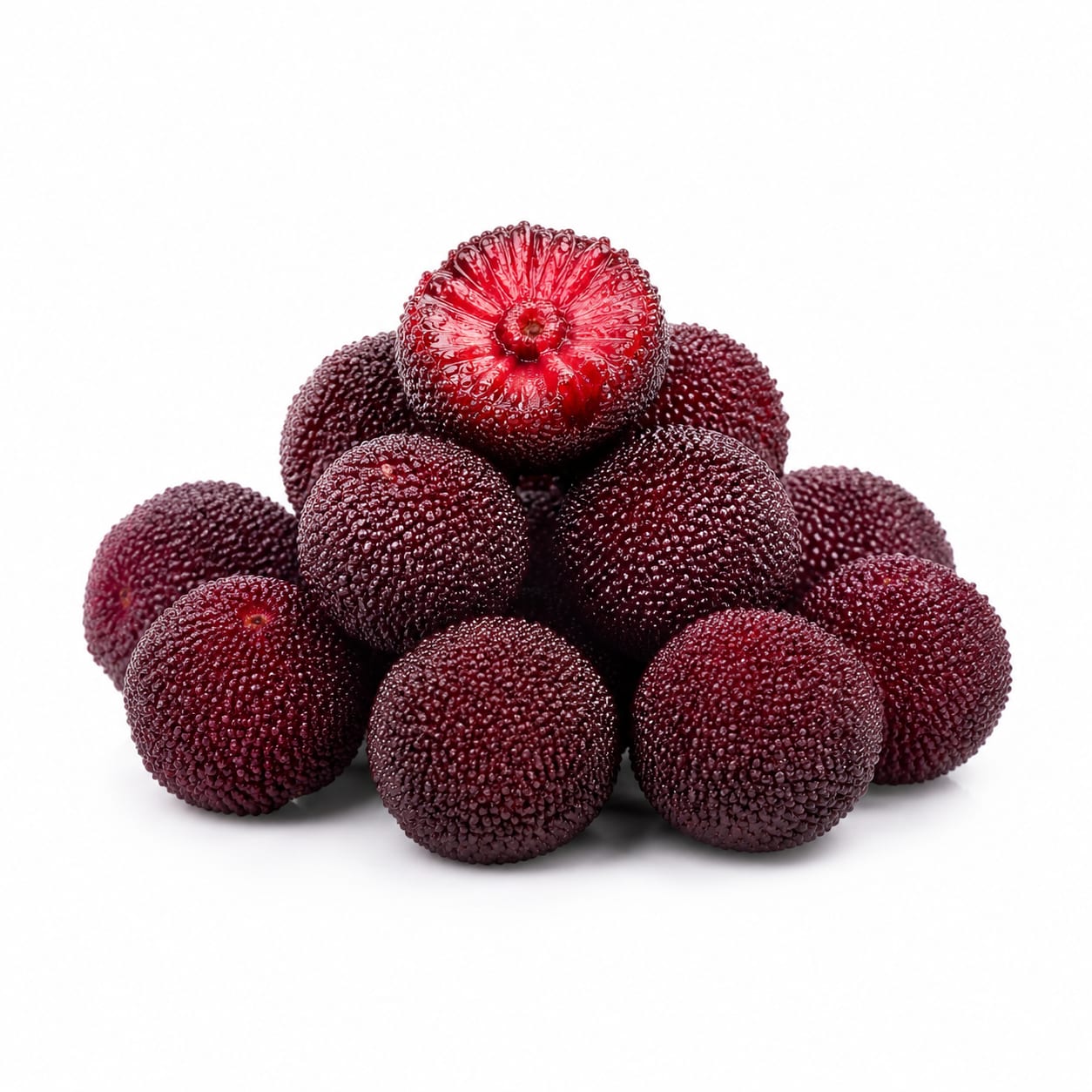
Bayberry
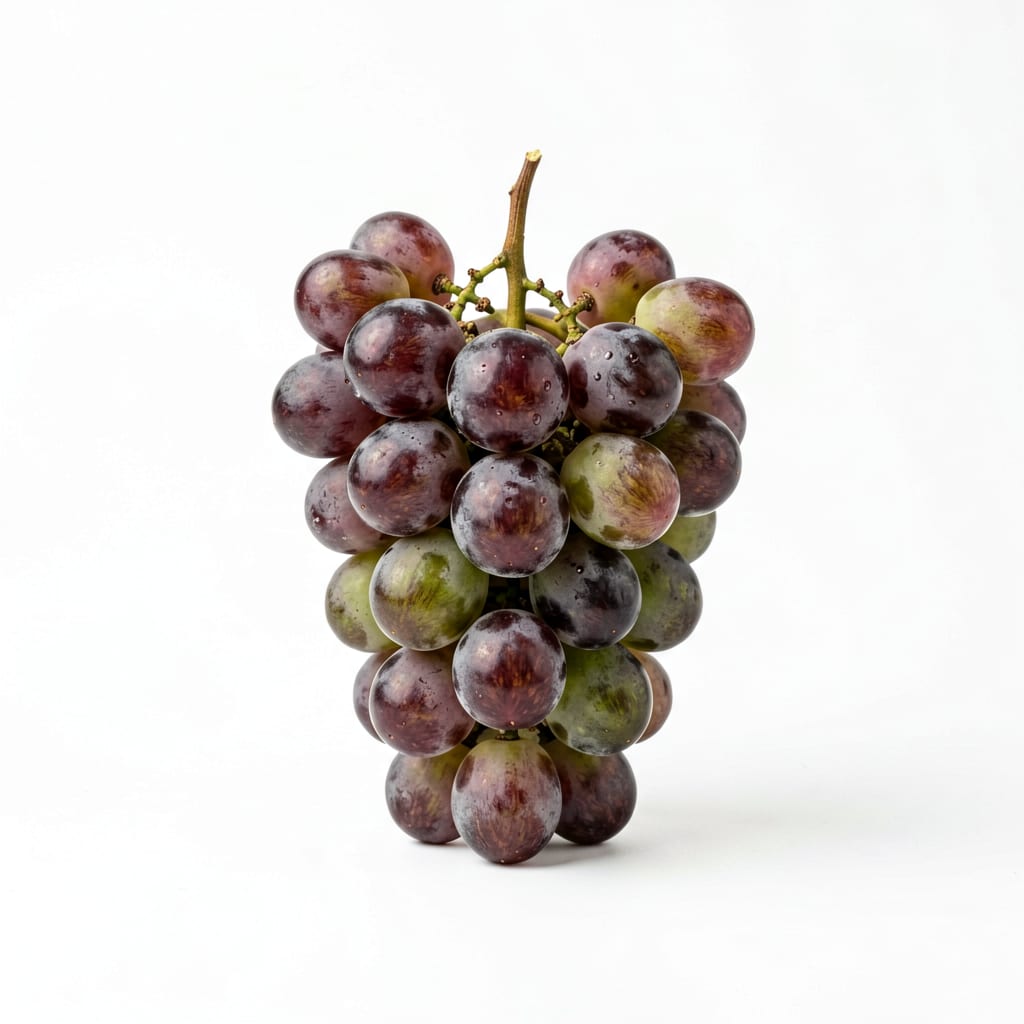
Grape
Bayberry wins on antioxidant power and nutrient density, but grapes win on practicality and everyday accessibility.
Bayberry edges ahead on nutritional potency but loses significant ground on availability and practicality. Grapes score consistently across all dimensions without dramatic strengths or weaknesses.
Exceptional health benefits in a hard-to-find fruit versus good-but-ordinary nutrition in something you can buy anywhere.
At a glance
Executive summary
Overall
It depends
Healthier
Bayberry
More practical
Grape
Daily use
Grape
Key comparison lenses
antioxidant density comparison
Bayberry is exceptionally rich in anthocyanins and unique polyphenols, making antioxidant power the standout differentiator
everyday accessibility
Grapes are available globally year-round while bayberries have extremely limited seasonal and geographic availability
sugar and blood sugar impact
Both are sweet fruits but differ in sugar load and glycemic effect, relevant for daily consumption decisions
digestive and gut health
Bayberry has astringent properties and different fiber profile that affect digestion differently than grapes
pesticide and contamination concerns
Grapes are notorious for pesticide residues while bayberries have thin skins and spoilage vulnerabilities
Best choice for
Bayberry
- Antioxidant maximization and anti-aging focus
- Exploring traditional Asian fruit remedies
- Seasonal treat hunters seeking novel flavors
- Those wanting peak polyphenol intake during summer
Grape
- Consistent daily fruit consumption
- Families needing kid-friendly portable snacks
- Budget-conscious shoppers
- Anyone needing reliable year-round fruit access
Least suitable for
Bayberry
- People outside East or Southeast Asia during most of the year
- Those who need a dependable daily fruit option
- Budget-limited households
Grape
- People seeking the highest possible antioxidant intake per calorie
- Those bored with common fruits wanting novel nutrition
- Individuals avoiding conventional pesticide-heavy crops
Deep comparison
Dimension by dimension
Each lens scores both foods and breaks down who each option suits.
- Dimension 1 · Priority 92Bayberry
antioxidant_power
Bayberry · 94Grape · 68Bayberry delivers substantially more anthocyanins and unique polyphenols per serving than grapes, including cyanidin-3-glucoside at concentrations rarely matched by common fruits.
Tradeoff
You get far more antioxidant firepower from bayberry, but only during its brief summer window.
Why it matters
Higher antioxidant intake correlates with reduced oxidative stress, better skin aging, and lower inflammation over time.
Real-world impact
Eating bayberries regularly during season could meaningfully boost your body's defense against cellular wear and tear in ways grapes simply cannot match.
Bayberry
- Anti-aging and longevity-focused diets
- Post-sun exposure recovery
- Inflammation reduction protocols
Better for
- No benefit when fruit is unavailable most of the year
Worse for
Grape
- Moderate but consistent antioxidant intake year-round
- Red grape varieties still offer decent resveratrol
Better for
- Lower total polyphenol content means slower antioxidant payoff
Worse for
- Dimension 2 · Priority 88Grape
availability_and_convenience
Bayberry · 25Grape · 95Grapes are one of the most accessible fruits on earth. Bayberries are seasonal, regional, and fragile, making them impractical for most consumers most of the time.
Tradeoff
The most nutritious option does you no good if you cannot find or afford it.
Why it matters
Consistency beats intensity for long-term health. A fruit you can eat daily outperforms a superior fruit you eat once a year.
Real-world impact
Most people reading this comparison will have grapes in their grocery store today. Bayberries may require specialty Asian markets and perfect timing.
Bayberry
- Residents of southern China, Taiwan, or Japan during early summer
- Travelers seeking unique local superfruits
Better for
- Zero availability in most Western supermarkets
- Extremely short harvest season of just a few weeks
- Highly perishable once picked
Worse for
Grape
- Everyone else, virtually all the time
- Meal preppers needing reliable weekly staples
- Parents packing school lunches
Better for
- Commonness can feel nutritionally uninspiring
Worse for
- Dimension 3 · Priority 75Bayberry
sugar_and_blood_sugar_impact
Bayberry · 72Grape · 60Bayberries contain slightly less sugar per serving and have a lower glycemic impact thanks to their tart flavor and astringent compounds that slow sugar absorption.
Tradeoff
Neither fruit is a low-sugar food, but bayberries give you more flavor complexity with less sweetness load.
Why it matters
Steadier blood sugar means fewer energy crashes and better hunger control throughout the afternoon.
Real-world impact
A bowl of grapes can disappear fast and leave you wanting more. Bayberries satisfy with fewer pieces thanks to their intense tart-sweet balance.
Bayberry
- People monitoring blood sugar closely
- Those prone to afternoon energy crashes from sweet snacks
- Anyone trying to reduce total sugar intake without giving up fruit
Better for
- Tartness may trigger overeating sweeter foods afterward in some people
Worse for
Grape
- Athletes needing quick natural sugar before or after exercise
- Children who refuse tart flavors
Better for
- Easy to overeat due to sweet mild flavor and poppable size
- Higher sugar per serving can spike blood sugar faster
Worse for
- Dimension 4 · Priority 72Bayberry
vitamin_and_mineral_density
Bayberry · 78Grape · 58Bayberries provide notably more vitamin C, some B vitamins, and trace minerals. Grapes offer decent vitamin K but are otherwise nutritionally mild.
Tradeoff
Bayberry functions more like a supplement in fruit form. Grapes are more like pleasant hydration with modest nutrition.
Why it matters
Vitamin C from whole fruit supports immune function and iron absorption better than from pills.
Real-world impact
Eating bayberries during cold season could give your immune system a more meaningful nudge than grapes.
Bayberry
- Immune support during winter illness season
- Iron absorption enhancement when paired with iron-rich meals
- Vitamin C optimizers
Better for
- Vitamin C degrades quickly in stored fruit, limiting practical benefit
Worse for
Grape
- Vitamin K needs for bone and blood health
- Casual nutrition without thinking about it
Better for
- Relatively vitamin-poor compared to most other fruits
Worse for
- Dimension 5 · Priority 68It depends
digestive_tolerance
Bayberry · 62Grape · 70Bayberries have astringent tannins that can cause mouth puckering and mild stomach upset in sensitive people. Grapes are gentler but their skins can bother some.
Tradeoff
Bayberries may feel harsh on an empty stomach while grapes are usually well-tolerated but can cause bloating if overeaten.
Why it matters
A healthy fruit that hurts your stomach is not actually healthy for you.
Real-world impact
If you have a sensitive gut, grapes are the safer snack. Bayberries are best eaten in moderation after meals.
Bayberry
- People who enjoy astringent flavors like tea and cranberry
- Those wanting digestive stimulation before heavier meals
Better for
- Can cause stomach discomfort if eaten in large quantities
- Astringency may be unpleasant for unaccustomed palates
Worse for
Grape
- Sensitive stomachs and IBS-prone individuals
- Children and elderly with delicate digestion
- Empty-stomach snacking
Better for
- Large quantities can cause loose stools due to sugar and fiber combo
- Skins may irritate sensitive digestive tracts
Worse for
- Dimension 6 · Priority 65Bayberry
pesticide_and_contamination_risk
Bayberry · 70Grape · 45Grapes consistently rank on the Dirty Dozen list for pesticide residues. Bayberries are typically grown with fewer synthetic chemicals but have food safety concerns around spoilage and hygiene.
Tradeoff
Grapes carry known pesticide risk you can partially wash off. Bayberries carry unknown handling risk you cannot see.
Why it matters
Long-term pesticide exposure adds to your body's toxic burden even at low levels.
Real-world impact
Choosing organic grapes significantly reduces risk. Bayberries from reputable sources are generally cleaner but require trust in the supply chain.
Bayberry
- Those prioritizing low-pesticide fruit options
- Consumers avoiding Dirty Dozen crops
Better for
- Imported bayberries may have unregulated pesticide use depending on origin
- Spoilage and mold can introduce toxins if not consumed quickly
Worse for
Grape
- Organic grape buyers who want guaranteed certification standards
- People who trust regulated supply chains over imported specialty fruit
Better for
- Conventionally grown grapes are among the most pesticide-contaminated fruits available
- Thin skins absorb and retain spray residues effectively
Worse for
Timeline
Health impact over time
Short-term
Hours to days
Bayberry
- Quick vitamin C boost supporting immediate immune response
- Astringent compounds may temporarily dry mouth and tighten tissues
- Mild digestive stimulation from organic acids
Grape
- Rapid natural sugar energy for quick fuel
- Hydration boost from high water content
- Possible blood sugar spike if eaten in large amounts on empty stomach
Long-term
Months to years
Bayberry
- Superior antioxidant intake may slow cellular aging and reduce chronic inflammation
- Consistent vitamin C intake supports collagen and skin health over decades
- Limited availability means actual long-term intake is likely low for most people
Grape
- Moderate but reliable polyphenol intake from daily grape consumption supports heart health
- Resveratrol in red and purple varieties may offer cardiovascular protection over years
- Consistent sugar intake from daily grape snacking could contribute to metabolic issues if portions are large
Risk profile
Safety & processing
Both fruits are typically consumed fresh and whole. Neither requires processing or additives when eaten raw. The main concern is agricultural chemical use rather than food manufacturing.
Bayberry
Rapid spoilage and mold growth
mediumBayberries are extremely perishable and can develop harmful mold within 1-2 days of harvest if not refrigerated properly. Always inspect carefully before eating.
Unregulated pesticide use in some origins
mediumDepending on country of origin, agricultural chemical standards may be less stringent than Western regulations. Source from trusted suppliers.
Parasitic contamination from traditional growing regions
lowFresh bayberries from certain regions have historically been associated with parasitic concerns. Thorough washing is essential.
Grape
High pesticide residue load
highGrapes consistently rank in the top 10 most pesticide-contaminated produce items. Conventional grapes often carry multiple pesticide residues even after washing.
Choking hazard for young children
mediumWhole grapes are a leading choking hazard for children under 5. Always cut lengthwise before serving to young kids.
Sulfite exposure in some imported varieties
lowCertain imported grapes may be treated with sulfites as preservatives, which can trigger reactions in sensitive individuals.
Who wins for whom
Audience fit
Same foods, different winners depending on your goal.
children
GrapeGrapes are sweeter, more familiar, and generally preferred by kids. Just remember to cut them lengthwise for safety. Bayberries are too tart for most children and pose availability issues.
daily consumption
GrapeYear-round availability, affordable pricing, and broad acceptance make grapes a realistic daily fruit. Bayberries simply cannot be accessed consistently enough for daily use.
diabetes
BayberryLower sugar content and astringent compounds that slow glucose absorption make bayberries gentler on blood sugar, though both require portion control.
elderly
GrapeGrapes are softer, easier to chew, more familiar, and provide gentle hydration. Bayberry astringency can be uncomfortable for sensitive digestive systems common in older adults.
muscle gain
GrapeGrapes provide quicker natural sugar for post-workout glycogen replenishment and are easier to eat in larger quantities when calorie needs are high.
weight loss
BayberryLower sugar per serving and more intense flavor means bayberries satisfy with fewer calories. Grapes are easy to overeat due to their sweet mild taste and poppable size.
Your move
Decision guide
Choose Bayberry
- You live in or visit East Asia during bayberry season and want a nutritional powerhouse
- Antioxidant density is your top priority and you have access to fresh bayberries
- You enjoy tart, complex fruit flavors and want something beyond ordinary grocery options
- You are looking for a vitamin C-rich fruit with lower sugar than typical options
Choose Grape
- You need a reliable, affordable fruit you can buy any week of the year
- You are packing snacks for children or family members who prefer sweet flavors
- You want post-workout natural sugar replenishment
- You prefer organic produce with clear certification standards
Either works if
- You simply want a refreshing whole fruit snack and both are available
- You are rotating through different colored fruits for diverse phytonutrients
- Neither fruit is a dietary staple for you and you just want variety
Avoid both if
- You are on a strict very-low-carb or ketogenic diet and cannot accommodate fruit sugar
- You have a known allergy to either fruit
- You are sensitive to salicylates, which both fruits contain in moderate amounts
Final recommendation
Eat bayberries enthusiastically when you can find them fresh, because their antioxidant content is genuinely exceptional. But build your daily fruit routine around grapes or other accessible options, since consistency matters more than occasional superfruit moments. If you choose grapes, go organic when possible to avoid the heavy pesticide load.
Practical
Consumer tips
- 1
If buying bayberries, consume within 24-48 hours and refrigerate immediately. Discard any with visible mold or fermented smell.
- 2
Wash bayberries thoroughly in running water before eating, even if they look clean. A brief vinegar soak can help remove surface contaminants.
- 3
For grapes, choose organic whenever budget allows. If buying conventional, wash vigorously and consider peeling if pesticide exposure is a major concern.
- 4
Freeze grapes for a refreshing summer snack that also slows down eating speed, helping with portion control.
- 5
Red and purple grapes contain significantly more resveratrol and antioxidants than green grapes. Choose darker varieties when available.
- 6
If you cannot find fresh bayberries, look for frozen or dried versions in Asian grocery stores. Some nutritional value is lost but the core benefits remain.
- 7
Pair either fruit with a protein or fat source like nuts or cheese to blunt the blood sugar rise and extend satiety.