
Nutrition comparison
Bayberry vs Blackberry: Nutrition, Antioxidants, and Health Benefits
Compare bayberry and blackberry to find out which berry is better for weight loss, blood sugar, and daily nutrition. Learn the key differences in fiber, sugar, and antioxidants.
Overall winner · Blackberry
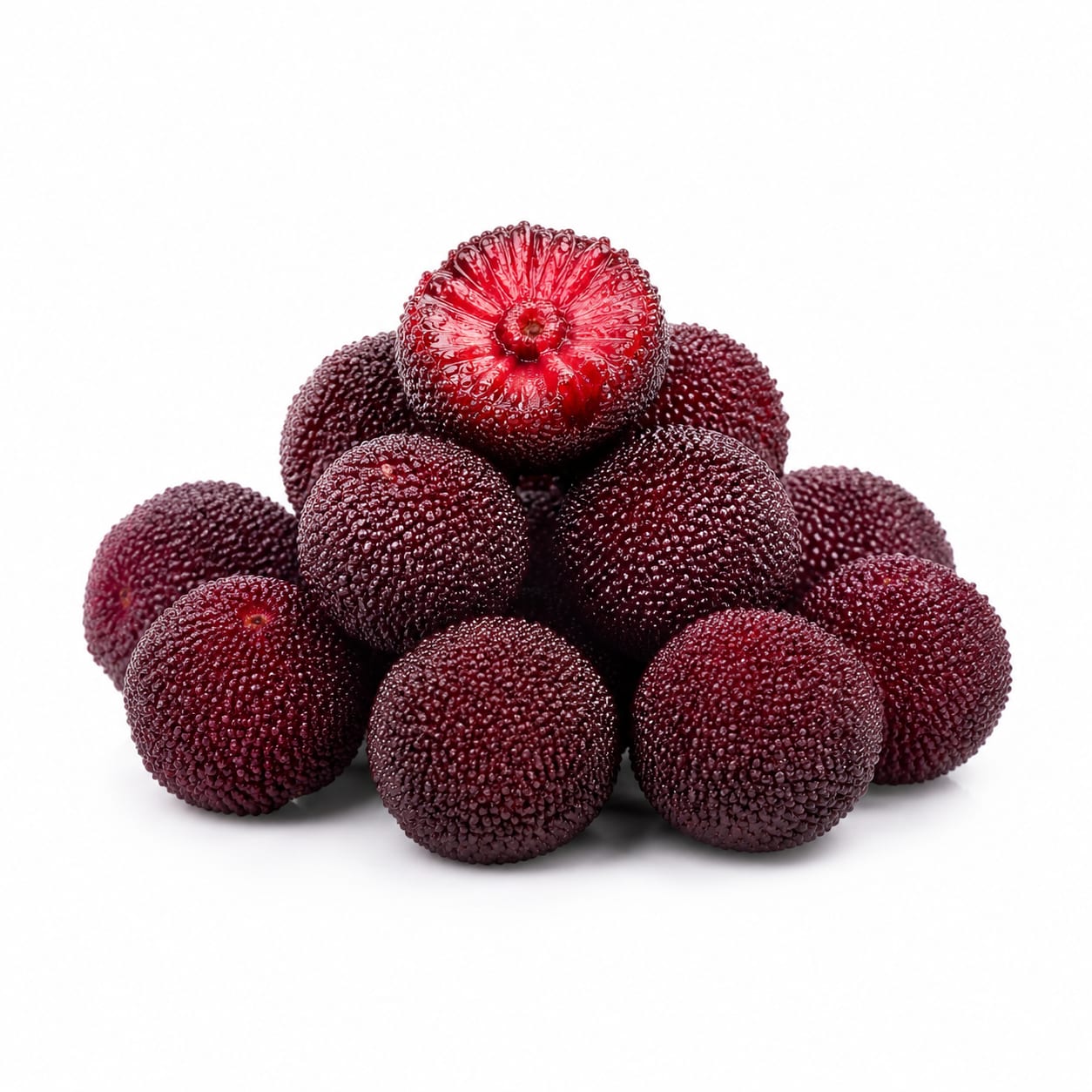
Bayberry
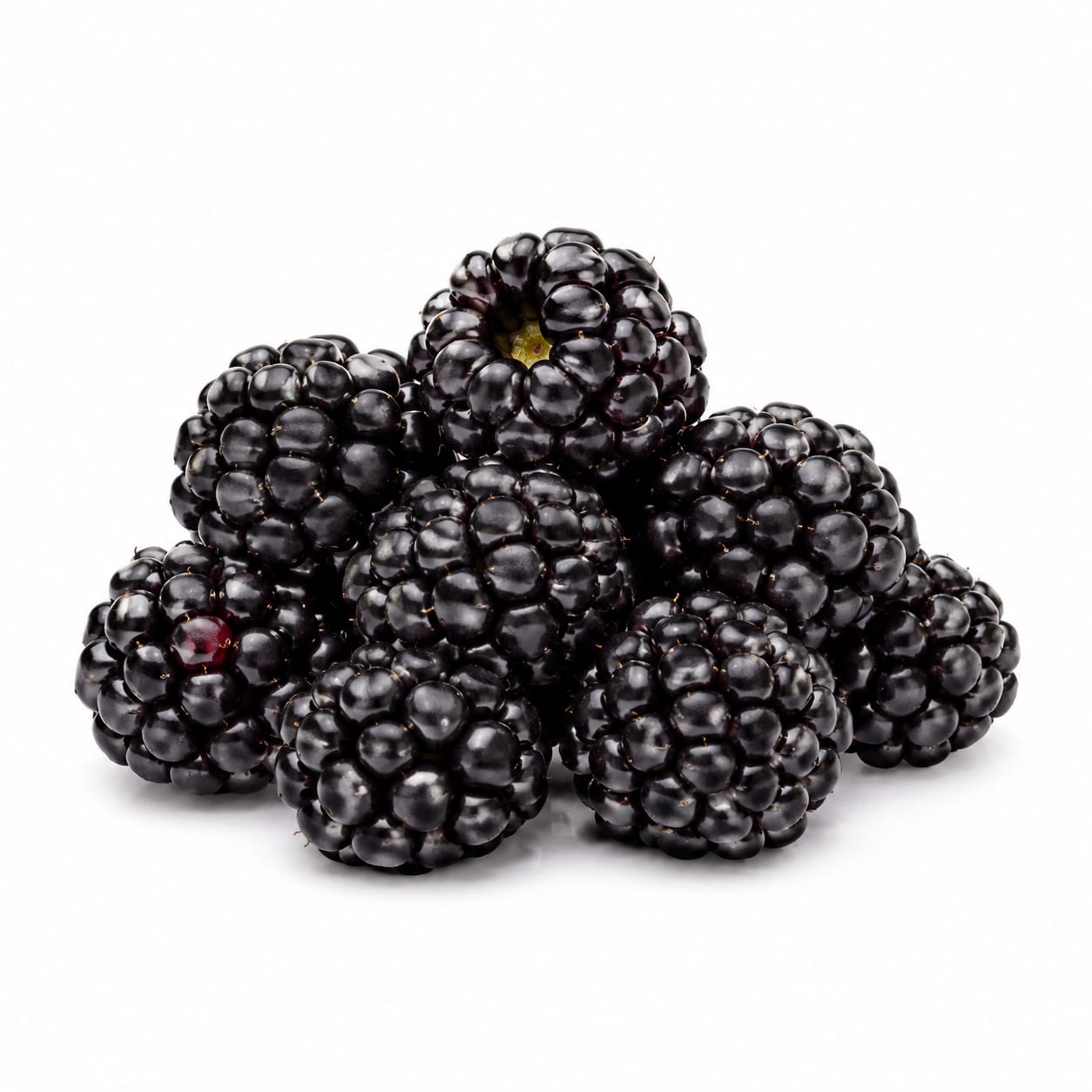
Blackberry
Blackberries win for everyday nutrition with vastly more fiber and less sugar, while bayberries are a delicious, antioxidant-rich treat best enjoyed in moderation due to higher sugar and limited availability.
Blackberry scores higher due to its superior fiber content, lower sugar, and global accessibility. Bayberry remains an excellent fruit but is held back by its seasonal scarcity and higher sugar relative to fiber.
Blackberries provide steady energy and fullness from fiber, whereas bayberries offer a unique sweet-tart burst but can spike blood sugar faster and are harder to find fresh.
At a glance
Executive summary
Overall
Blackberry
Healthier
Blackberry
More practical
Blackberry
Daily use
Blackberry
Key comparison lenses
Antioxidant potency and variety
Both berries are prized for high antioxidant levels, but their specific phytonutrient profiles differ significantly
Blood sugar impact and fiber content
Bayberry is notably sweeter and lower in fiber, while blackberry is a fiber powerhouse with low sugar
Availability and everyday practicality
Blackberries are globally accessible year-round, whereas fresh bayberries are highly seasonal and regionally limited
Weight management and satiety
The fiber-to-sugar ratio heavily influences how filling these fruits are and their suitability for calorie-controlled diets
Best choice for
Bayberry
- Seeking a unique, seasonal sweet treat
- Exploring traditional Asian fruit varieties
- Getting a specific burst of cyanidin-based antioxidants
Blackberry
- Managing weight or blood sugar
- Boosting daily fiber intake effortlessly
- Reliable, year-round snacking
Least suitable for
Bayberry
- People strictly limiting sugar intake
- Those relying on consistent grocery store availability
- Individuals needing high-fiber foods for digestion
Blackberry
- People with seed sensitivities or diverticulitis
- Those wanting a very sweet, low-tartness fruit
- Individuals looking for novelty in their fruit rotation
Deep comparison
Dimension by dimension
Each lens scores both foods and breaks down who each option suits.
- Dimension 1 · Priority 95Blackberry
Fiber and Digestive Health
Bayberry · 40Blackberry · 95Blackberries are one of the highest-fiber berries available, while bayberries are relatively low in fiber.
Tradeoff
Choosing bayberry means missing out on the digestive benefits that make berries so gut-friendly.
Why it matters
Fiber keeps you full, feeds gut bacteria, and prevents blood sugar spikes.
Real-world impact
A cup of blackberries makes a satisfying afternoon snack that curbs hunger; a cup of bayberries leaves you looking for more food sooner.
Bayberry
- Those on a low-residue diet
Better for
- Feeling hungry shortly after eating
Worse for
Blackberry
- Improving gut microbiome diversity
- Staying full between meals
- Preventing constipation
Better for
- Causing discomfort if you have severe seed sensitivities
Worse for
- Dimension 2 · Priority 90Blackberry
Blood Sugar Stability
Bayberry · 60Blackberry · 92Blackberries have a remarkably low sugar content paired with high fiber, making them very blood sugar friendly.
Tradeoff
Bayberries are significantly sweeter and lower in fiber, leading to a faster rise in blood sugar.
Why it matters
Steady blood sugar prevents energy crashes and reduces cravings later in the day.
Real-world impact
Eating blackberries leads to steadier energy, while the sweetness of bayberries might trigger a desire for more sweets an hour later.
Bayberry
- Quick pre-workout energy
Better for
- Risk of an energy crash
Worse for
Blackberry
- Diabetics managing glucose spikes
- Sustained afternoon energy
- Reducing sugar cravings
Better for
- Failing to satisfy an intense sweet tooth
Worse for
- Dimension 3 · Priority 85It depends
Antioxidant Power
Bayberry · 90Blackberry · 88Both are antioxidant superstars, but they shine in different areas. Bayberry is rich in cyanidin, while blackberry offers ellagic acid and diverse anthocyanins.
Tradeoff
Bayberry provides potent specific antioxidants, while blackberry offers a broader spectrum of protective compounds.
Why it matters
Diverse antioxidants protect different systems in the body, from skin to blood vessels.
Real-world impact
Mixing both in your diet when possible gives your body a wider defense net against cellular damage.
Bayberry
- Targeted anti-inflammatory benefits
- Traditional medicinal use
Better for
- Missing out on ellagic acid benefits
Worse for
Blackberry
- Broad-spectrum cellular protection
- Vitamin K and manganese intake
Better for
- Missing out on the unique cyanidin concentration of bayberry
Worse for
- Dimension 4 · Priority 80Blackberry
Availability and Practicality
Bayberry · 30Blackberry · 95Blackberries are a grocery store staple, while fresh bayberries are incredibly perishable and hard to find outside East Asia.
Tradeoff
You can eat blackberries daily with ease, but bayberries are a rare, seasonal luxury.
Why it matters
A healthy food only works if you can actually buy and eat it consistently.
Real-world impact
You can grab blackberries any day of the year; finding fresh bayberries requires specialty markets and perfect timing.
Bayberry
- Experiencing a unique seasonal delicacy
Better for
- Frustration finding the fresh fruit
- Relying on processed or sugary bayberry products
Worse for
Blackberry
- Consistent weekly meal prep
- Easy grocery shopping
- Year-round nutritional habits
Better for
- Culinary boredom
Worse for
Timeline
Health impact over time
Short-term
Hours to days
Bayberry
- Quick burst of energy from natural sugars
- Refreshing, thirst-quenching hydration
- Less immediate satiety compared to blackberries
Blackberry
- Feeling comfortably full due to high fiber
- Steady energy without a sugar crash
- Tart flavor that cleanses the palate
Long-term
Months to years
Bayberry
- Excellent anti-inflammatory protection from unique antioxidants
- Potential blood sugar challenges if eaten in large quantities frequently
- Strong traditional ties to digestive and oral health
Blackberry
- Improved digestion and regularity from high fiber
- Better long-term blood sugar management
- Cardiovascular support from diverse anthocyanins and fiber
Risk profile
Safety & processing
Fresh versions of both are whole foods. However, because bayberries are highly perishable, they are frequently found as juices, wines, or dried snacks that often contain added sugars, making additive concerns higher for packaged bayberry products.
Bayberry
Rapid spoilage
mediumBayberries spoil very quickly after picking, sometimes within a day, increasing the risk of consuming fermented or moldy fruit if not stored properly.
Added sugars in processed forms
highBayberry juices and dried snacks often contain high amounts of added sugar to balance their natural tartness and preserve them.
Blackberry
Pesticide residue
highBlackberries frequently appear on the EWG's Dirty Dozen list due to high pesticide residue; buying organic is strongly recommended.
Mold growth
mediumBlackberries are prone to mold within days of purchase; always inspect the container before buying and consume quickly.
Who wins for whom
Audience fit
Same foods, different winners depending on your goal.
children
BlackberryBlackberries are easier to find, easier to portion, and lower in sugar, making them a better everyday fruit for kids.
daily consumption
BlackberryConsistent access, better blood sugar control, and superior fiber make blackberries an ideal daily staple.
diabetes
BlackberryThe high fiber and low sugar content of blackberries make them exceptionally safe for blood sugar management.
elderly
BlackberryThe high fiber in blackberries supports digestive regularity, a common concern for older adults.
muscle gain
It dependsNeither berry is a significant protein source, though bayberry's slightly higher sugar might offer marginally better quick energy for training.
weight loss
BlackberryBlackberries offer far more fiber and fewer calories from sugar, keeping you full longer on fewer calories.
Your move
Decision guide
Choose Bayberry
- You find them fresh in season and want a unique treat
- You are looking for a specific cyanidin antioxidant boost
- You want a sweeter, juicier alternative to typical berries
Choose Blackberry
- You want a reliable, high-fiber daily snack
- You are monitoring your blood sugar or trying to lose weight
- You need a versatile berry for smoothies, oatmeal, or salads
Either works if
- You simply want to increase your overall antioxidant intake
- You are looking for a whole-food dessert alternative
Avoid both if
- You have a severe salicylate sensitivity
Final recommendation
Make blackberries your everyday berry for their fiber, low sugar, and convenience. When bayberries are in season, enjoy them as a special, antioxidant-rich treat, but keep portions in check due to the higher sugar content.
Practical
Consumer tips
- 1
Always buy organic blackberries to avoid high pesticide residues.
- 2
Rinse blackberries right before eating, not before storing, to prevent mold.
- 3
If buying bayberry products like juice or dried snacks, check the label for added sugars.
- 4
Freeze fresh blackberries on a baking sheet before transferring to a bag to keep them from clumping.
- 5
Enjoy bayberries fresh within 24-48 hours of purchase for the best flavor and safety.