
Nutrition comparison
Bayberry vs Pomegranate: Which Antioxidant Fruit Is Better for You?
Compare bayberry and pomegranate nutrition, antioxidants, vitamin C, and health benefits. Learn which fruit wins for heart health, immunity, and daily use.
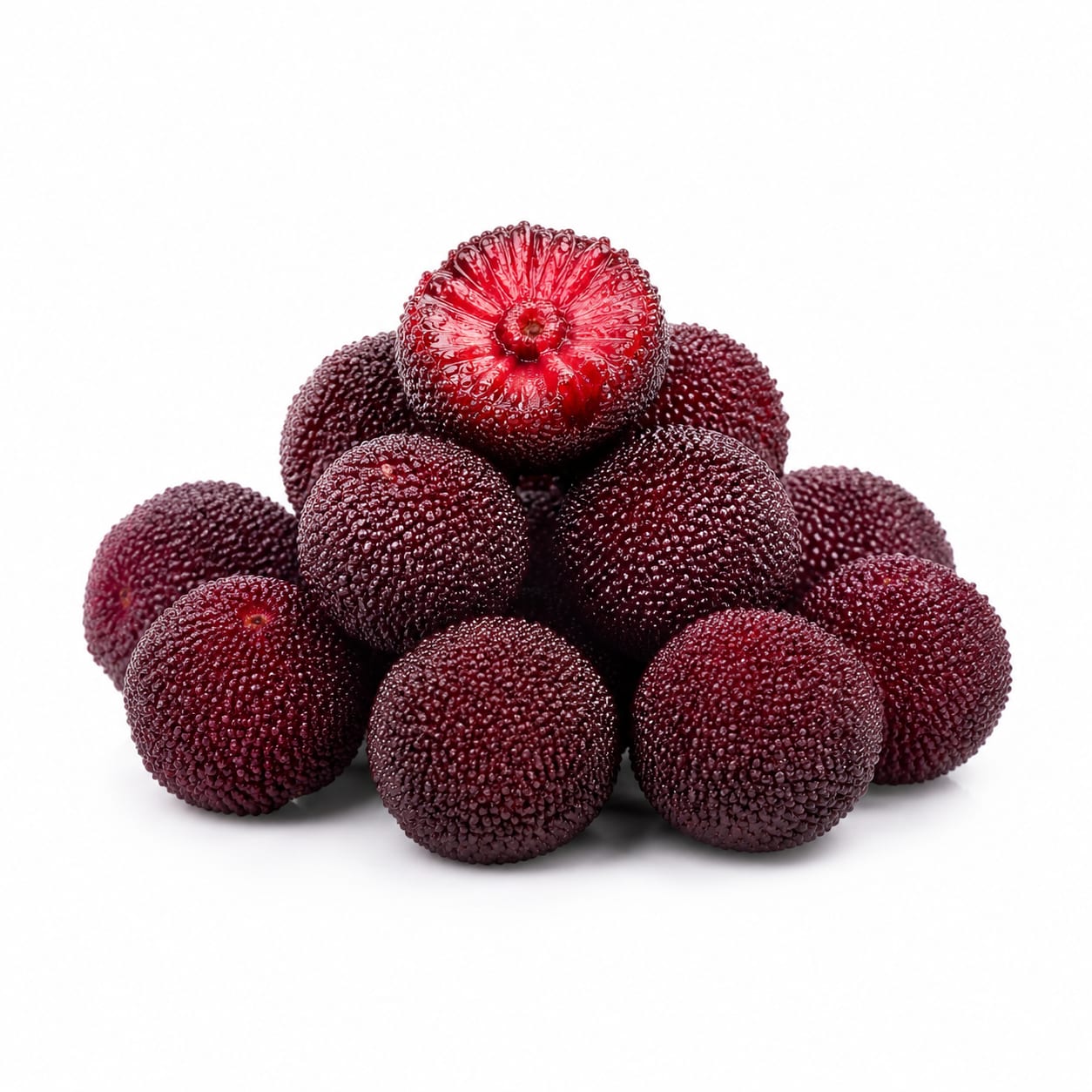
Bayberry
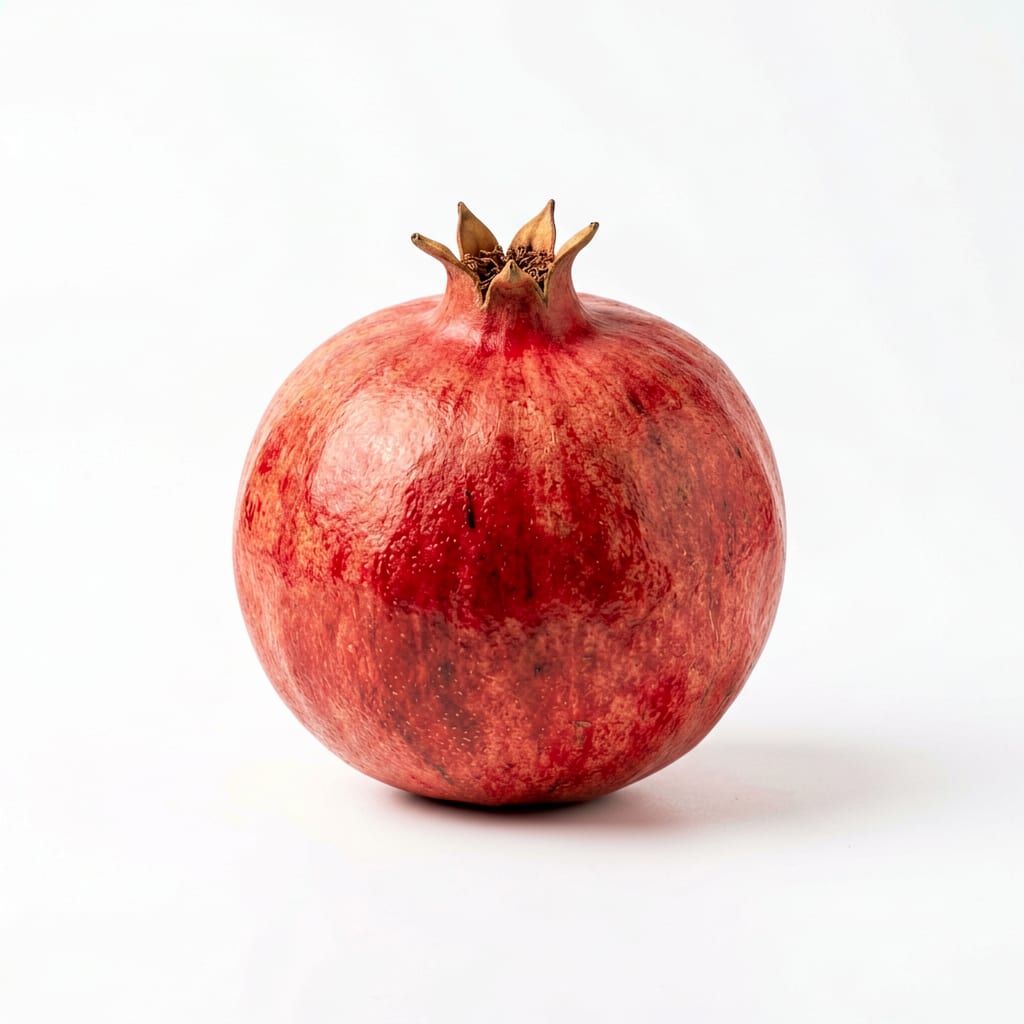
Pomegranate
Pomegranate wins on research-backed health benefits, availability, and versatility. Bayberry delivers superior vitamin C and a unique tart-sweet experience but is harder to find and more perishable.
Pomegranate scores higher due to stronger clinical evidence, global availability, and culinary versatility. Bayberry remains nutritionally impressive but loses points on accessibility, perishability, and limited research.
Bayberry offers a vitamin C powerhouse with exotic appeal but limited access. Pomegranate provides proven heart-health polyphenols with reliable year-round availability.
At a glance
Executive summary
Overall
It depends
Healthier
Pomegranate
More practical
Pomegranate
Daily use
Pomegranate
Key comparison lenses
antioxidant potency and anti-inflammatory benefits
Both fruits are prized for exceptionally high antioxidant content, making this the primary reason most people choose between them
availability and practical everyday use
Bayberry is seasonal and region-limited while pomegranate is globally accessible year-round, heavily influencing real-world decisions
vitamin C and immune support
Bayberry is notably richer in vitamin C, a key differentiator for immunity-focused consumers
heart health and cardiovascular protection
Pomegranate has strong clinical evidence for heart health, while bayberry has less research backing
culinary versatility and recipe integration
Pomegranate arils work in salads, desserts, and savory dishes; bayberry is mostly eaten fresh or juiced
Best choice for
Bayberry
- People seeking maximum vitamin C intake
- Anyone wanting a unique tart-sweet flavor experience
- Those with access to fresh Asian markets during bayberry season
- Immune support during cold season
Pomegranate
- Heart health and cardiovascular protection
- Consistent daily antioxidant intake year-round
- Culinary versatility across sweet and savory dishes
- People who want well-researched, evidence-backed benefits
Least suitable for
Bayberry
- Anyone without access to specialty Asian markets
- People needing a reliable year-round fruit option
- Those who dislike tart flavors
- Meal preppers due to extreme perishability
Pomegranate
- People who find seeding pomegranates too tedious
- Those watching sugar intake closely
- Anyone with pomegranate allergies
Deep comparison
Dimension by dimension
Each lens scores both foods and breaks down who each option suits.
- Dimension 1 · Priority 92Pomegranate
antioxidant density
Bayberry · 82Pomegranate · 91Both are antioxidant superstars, but pomegranate's punicalagins are among the most potent polyphenols studied in any fruit.
Tradeoff
Bayberry has impressive anthocyanins, but pomegranate's unique compounds have been tested in human trials with measurable cardiovascular improvements.
Why it matters
Higher antioxidant potency translates to better protection against cellular aging and chronic inflammation over time.
Real-world impact
Regular pomegranate consumption has been linked to measurable reductions in blood pressure and oxidative stress markers within weeks.
Bayberry
- Quick antioxidant boost during short seasonal windows
- Variety in your antioxidant sources
Better for
- Limited human clinical data on specific outcomes
- Short season means inconsistent intake
Worse for
Pomegranate
- Consistent long-term antioxidant protection
- Cardiovascular-specific antioxidant benefits
- Measurable health outcomes backed by studies
Better for
- None significant in this category
Worse for
- Dimension 2 · Priority 80Bayberry
vitamin C content
Bayberry · 90Pomegranate · 55Bayberry is significantly richer in vitamin C, delivering a much stronger immune-supporting punch per serving.
Tradeoff
You get more vitamin C from bayberry, but only during its brief harvest season. Pomegranate provides less vitamin C but more consistently.
Why it matters
Vitamin C is essential for immune function, collagen production, and iron absorption. A single serving of bayberry can cover most of your daily needs.
Real-world impact
Eating bayberries during cold season could meaningfully reduce how often you get sick, especially if your diet is otherwise low in vitamin C.
Bayberry
- Immune support during cold and flu season
- Collagen and skin health
- Iron absorption when paired with iron-rich meals
Better for
- Vitamin C degrades quickly as the fruit ages
- Seasonal availability limits consistent intake
Worse for
Pomegranate
- Steady low-level vitamin C intake year-round
Better for
- Not a significant vitamin C source relative to other fruits
Worse for
- Dimension 3 · Priority 85Pomegranate
heart health evidence
Bayberry · 55Pomegranate · 93Pomegranate is one of the most studied fruits for cardiovascular protection, with strong evidence for blood pressure and arterial health.
Tradeoff
Bayberry likely supports heart health through antioxidants, but lacks the clinical trial data that makes pomegranate a cardiologist-recommended fruit.
Why it matters
Heart disease remains the leading cause of death globally. Having a fruit with proven cardiovascular benefits is genuinely valuable.
Real-world impact
Drinking pomegranate juice daily has been shown to reduce systolic blood pressure by 5-10 points in some studies within two weeks.
Bayberry
- General antioxidant support that may indirectly benefit heart health
Better for
- No human clinical trials on cardiovascular outcomes
- Cannot be recommended specifically for heart patients
Worse for
Pomegranate
- Blood pressure reduction
- Arterial plaque reduction
- Improved blood flow and nitric oxide production
- LDL cholesterol protection from oxidation
Better for
- Natural sugar content requires moderation for those on low-sugar heart diets
Worse for
- Dimension 4 · Priority 88Pomegranate
availability and convenience
Bayberry · 30Pomegranate · 78Pomegranate is available year-round in most grocery stores worldwide. Bayberry is seasonal, regional, and extremely perishable.
Tradeoff
Bayberry's rarity makes it a special treat but useless as a daily staple. Pomegranate requires effort to seed but is always findable.
Why it matters
The healthiest fruit in the world does nothing if you cannot buy it. Consistency matters more than perfection.
Real-world impact
Most people outside East Asia have never seen fresh bayberry. Pomegranate is in every supermarket, making it a realistic daily habit.
Bayberry
- Exciting seasonal treat when available
- Fun novelty for food enthusiasts
Better for
- Available only 2-4 weeks per year
- Found mainly in East Asian markets
- Degrades within 1-2 days of purchase
- Almost impossible to find in Western countries fresh
Worse for
Pomegranate
- Reliable year-round access
- Available frozen and as juice when fresh is inconvenient
- Found in virtually any grocery store
Better for
- Seeding takes time and can be messy
- Juice is expensive and often contains added sugar
Worse for
- Dimension 5 · Priority 68Pomegranate
fiber and digestive health
Bayberry · 50Pomegranate · 72Pomegranate arils provide more fiber per serving, supporting digestion and gut health better than bayberry.
Tradeoff
Bayberry is mostly water and juice with less fibrous material. Pomegranate seeds add crunch and meaningful fiber.
Why it matters
Fiber keeps you full longer, stabilizes blood sugar, and feeds beneficial gut bacteria.
Real-world impact
A serving of pomegranate arils gives you about 4 grams of fiber, helping you feel satisfied and supporting regular digestion.
Bayberry
- Lighter eating experience if you prefer less fiber
- Easier to consume as juice
Better for
- Less filling per serving
- Minimal fiber contribution to daily needs
Worse for
Pomegranate
- Better satiety and fullness
- Improved digestive regularity
- More gut-friendly fiber for microbiome support
Better for
- Seed texture bothers some people
Worse for
- Dimension 6 · Priority 72Bayberry
sugar and blood sugar impact
Bayberry · 70Pomegranate · 58Bayberry tends to have slightly less sugar per serving and a lower glycemic impact than pomegranate.
Tradeoff
Both are moderate-sugar fruits, but pomegranate's higher sugar content is offset by its fiber. Bayberry is the lighter option overall.
Why it matters
For people monitoring blood sugar, even small differences in sugar content and glycemic load matter for steady energy.
Real-world impact
Bayberry is less likely to cause a sugar spike, making it a safer choice for an afternoon snack if blood sugar is a concern.
Bayberry
- Lower sugar load per serving
- Less likely to cause energy crashes
- Better for glucose-sensitive individuals
Better for
- Eating large quantities as juice removes any sugar advantage
Worse for
Pomegranate
- Fiber helps slow sugar absorption
- Still moderate compared to tropical fruits
Better for
- Higher natural sugar per serving
- Pomegranate juice is concentrated sugar without fiber
Worse for
- Dimension 7 · Priority 70Pomegranate
culinary versatility
Bayberry · 40Pomegranate · 85Pomegranate arils work in salads, desserts, grain bowls, marinades, and cocktails. Bayberry is mostly eaten fresh or juiced.
Tradeoff
Bayberry's delicate texture and tart flavor limit it to simple preparations. Pomegranate is a kitchen staple across cuisines.
Why it matters
A versatile fruit gets used more often, reducing waste and increasing your overall antioxidant intake.
Real-world impact
You can sprinkle pomegranate on oatmeal, salads, or yogurt daily. Bayberry is best enjoyed on its own while fresh.
Bayberry
- Unique flavor for adventurous cooks
- Beautiful garnish for desserts when available
Better for
- Very limited recipe applications
- Texture breaks down quickly in cooking
- Almost never used in Western recipes
Worse for
Pomegranate
- Works in sweet and savory dishes
- Beautiful garnish for any plate
- Juice reduces into sauces and glazes
- Pairs with Middle Eastern, Mediterranean, and Indian cuisines
Better for
- Seeding is a barrier to frequent cooking use
Worse for
Timeline
Health impact over time
Short-term
Hours to days
Bayberry
- Quick vitamin C boost supporting immune readiness
- Hydrating due to high water content
- Tart flavor can stimulate appetite and digestion
- Mild blood sugar rise due to natural sugars
Pomegranate
- Noticeable antioxidant surge measurable in blood tests within hours
- Mild blood pressure lowering effect after consumption
- Satiety from fiber-rich arils curbs overeating
- Natural sugars provide steady energy without sharp crashes
Long-term
Months to years
Bayberry
- Consistent seasonal vitamin C intake may reduce cold frequency
- Anthocyanins support vascular health and cognitive function over time
- Limited by seasonal access so benefits are intermittent
- Traditional Chinese medicine links bayberry to digestive and gut health
Pomegranate
- Reduced cardiovascular risk markers including blood pressure and LDL oxidation
- Anti-inflammatory effects may lower chronic disease risk
- Polyphenols support memory and cognitive function in aging populations
- Fiber contributes to sustained gut health and microbiome diversity
Risk profile
Safety & processing
Both fruits are consumed in their natural state. The main concern is pomegranate juice products that add sugar or preservatives. Fresh bayberry and whole pomegranate arils are as clean as food gets.
Bayberry
pesticide residue
mediumBayberry's textured surface can trap pesticides. Thorough washing is essential, especially from non-organic sources.
extreme perishability
mediumBayberry spoils within 1-2 days at room temperature. Mold and fermentation develop quickly, potentially causing stomach upset.
parasitic contamination
lowFresh bayberry from unregulated markets may carry surface parasites. Always wash thoroughly before eating.
Pomegranate
pesticide residue on peel
lowThe thick pomegranate rind protects arils from most pesticide exposure. You eat the protected inner seeds, not the sprayed exterior.
added sugar in commercial juice
mediumMany pomegranate juice brands add sugar or blend with cheaper juices. Always check labels for 100% pure juice.
choking hazard for young children
lowWhole arils with seeds could pose a minor choking risk for toddlers. Mash or cut for children under 4.
Who wins for whom
Audience fit
Same foods, different winners depending on your goal.
children
PomegranatePomegranate arils are fun to eat, widely available, and the sweet-tart flavor appeals to kids. Bayberry's tartness and rarity make it less kid-friendly.
daily consumption
PomegranateYear-round availability and strong evidence for daily intake make pomegranate the realistic daily habit.
diabetes
BayberryBayberry has slightly less sugar and a lower glycemic load per serving, making it the safer choice for blood sugar management.
elderly
PomegranatePomegranate's proven cardiovascular and cognitive benefits are especially valuable for older adults. The fiber also supports digestive regularity.
muscle gain
It dependsNeither fruit is significant for muscle building. Both offer antioxidants that support recovery but negligible protein.
weight loss
PomegranatePomegranate's fiber content provides more satiety per calorie, helping control hunger between meals.
Your move
Decision guide
Choose Bayberry
- You have access to fresh bayberries at an Asian market during summer
- You want a vitamin C powerhouse during cold season
- You are curious about unique flavors and enjoy tart fruits
- You want a lower-sugar antioxidant fruit option
Choose Pomegranate
- You want a reliable daily antioxidant source available all year
- Heart health is a top priority for you
- You enjoy cooking and want a versatile fruit ingredient
- You want well-researched health benefits with clinical backing
Either works if
- You simply want more antioxidant-rich fruits in your diet
- You enjoy tart-sweet flavor profiles
- You are looking for natural anti-inflammatory foods
- You want to reduce reliance on processed snacks
Avoid both if
- You have a strict low-sugar diet and cannot accommodate fruit sugars
- You are allergic to either fruit
- You are seeking high-protein or high-calorie food sources
Final recommendation
Make pomegranate your everyday antioxidant staple for its proven benefits and reliable access. When bayberry season arrives, enjoy it as a special vitamin C boost and flavor adventure. Both fruits deserve a place in your diet, but pomegranate is the practical workhorse while bayberry is the seasonal gem.
Practical
Consumer tips
- 1
Buy whole pomegranates instead of pre-packaged arils to save money and ensure freshness
- 2
Seed pomegranates underwater in a bowl to avoid juice stains and easily separate arils from membrane
- 3
When you find fresh bayberries, eat them within 24 hours or freeze them immediately for later use in smoothies
- 4
Choose 100% pure pomegranate juice with no added sugar if you prefer juice over whole fruit
- 5
Freeze pomegranate arils on a baking sheet then transfer to a bag for easy portioning and longer storage
- 6
Wash bayberries thoroughly in a vinegar-water solution to remove potential pesticide residue from the textured surface
- 7
If you cannot find fresh bayberry, look for frozen or dried versions at Asian grocery stores