
Nutrition comparison
Bayberry vs Cranberry: Antioxidant Power, UTI Benefits, and Which Berry to Pick
Compare bayberry and cranberry on antioxidants, vitamin C, sugar, urinary tract health, and availability. Find out which berry fits your health goals and lifestyle.
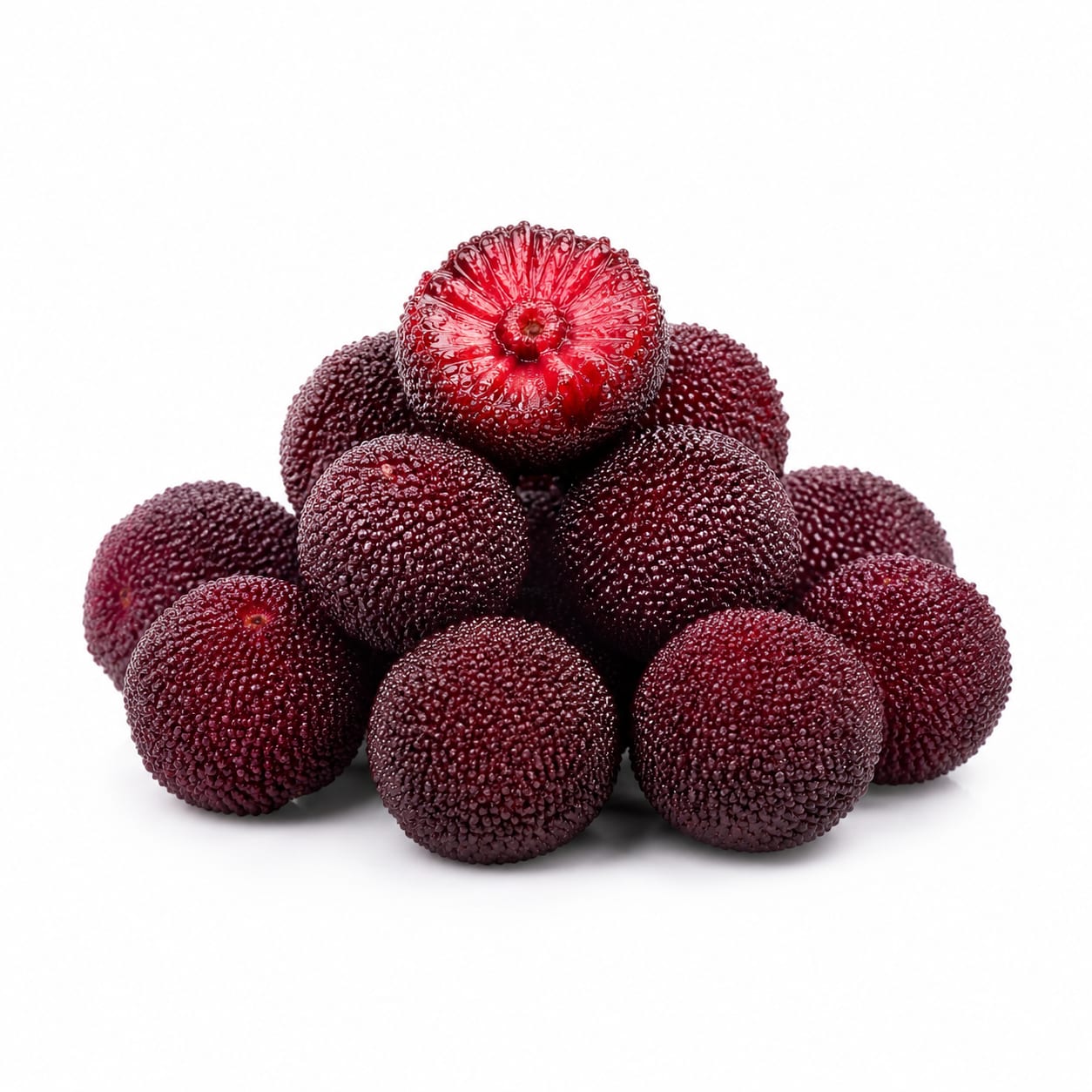
Bayberry
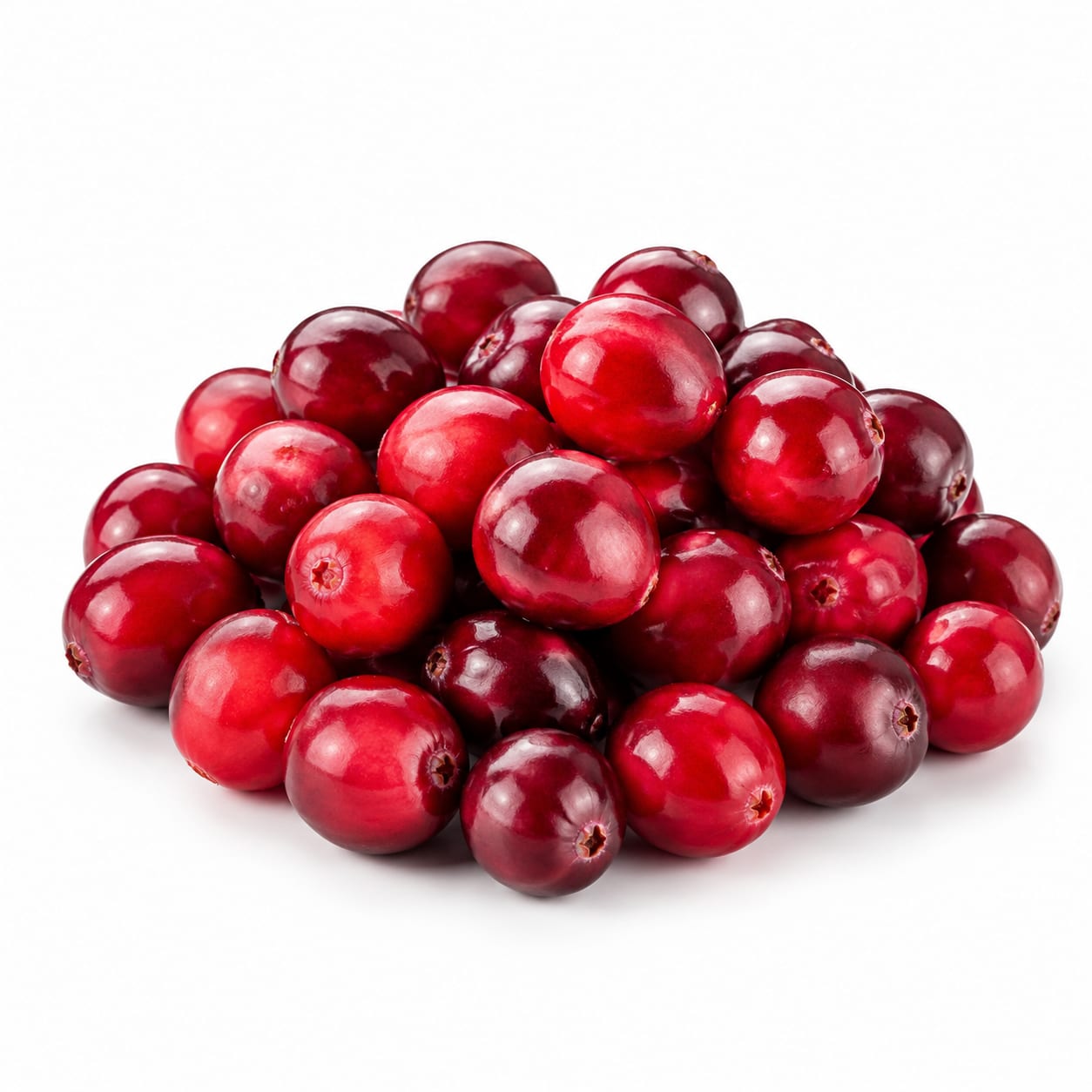
Cranberry
Bayberry wins on fresh-eating pleasure and vitamin C density, while cranberry dominates for urinary tract health and year-round availability
Cranberry edges ahead due to stronger clinical evidence, versatile formats, and global availability, but bayberry scores well for fresh-eating appeal and vitamin C content
Taste and freshness versus proven functional health benefits and practical access
At a glance
Executive summary
Overall
It depends
Healthier
It depends
More practical
Cranberry
Daily use
Cranberry
Key comparison lenses
antioxidant and immune health
Both berries are prized for potent anthocyanins and vitamin C, making immune and oxidative stress protection the top comparison driver
urinary tract protection
Cranberry is famous for UTI prevention while bayberry has no equivalent clinical evidence, creating a clear differentiator
fresh eating enjoyment vs functional use
Bayberry is a delicious fresh snack while cranberry is rarely eaten raw due to extreme tartness, shaping how people actually consume each
availability and everyday practicality
Cranberry is globally available year-round in multiple forms while bayberry is seasonal and largely limited to East Asian markets
sugar and glycemic impact
Fresh cranberry is very low sugar but rarely eaten that way, while bayberry is naturally sweeter, and most cranberry products add significant sugar
Best choice for
Bayberry
- Fresh fruit lovers wanting a sweet-tart antioxidant snack
- People with access to Asian markets during summer season
- Those seeking high vitamin C from a whole fruit source
- Anyone wanting a naturally delicious berry without added sugar
Cranberry
- Women prone to recurrent UTIs
- People who want proven functional health benefits daily
- Those needing long-term storage and year-round access
- Anyone building an antioxidant routine with flexible formats like dried, juice, or frozen
Least suitable for
Bayberry
- People without access to specialty Asian grocers
- Anyone needing a consistent year-round berry supply
- Those who want clinically validated health outcomes
- People looking for convenient long-shelf-life options
Cranberry
- People sensitive to tart or astringent flavors who want a fresh-eating fruit
- Anyone avoiding added sugars who dislikes unsweetened cranberry
- Those seeking a high-vitamin-C fresh fruit snack
- People wanting a low-preparation grab-and-go fresh berry
Deep comparison
Dimension by dimension
Each lens scores both foods and breaks down who each option suits.
- Dimension 1 · Priority 90Bayberry
antioxidant_power
Bayberry · 85Cranberry · 78Bayberry delivers slightly higher total antioxidant capacity with exceptional anthocyanin density in its deep red flesh
Tradeoff
Cranberry's antioxidants are better studied for specific clinical outcomes like UTI prevention, while bayberry's are more potent in vitro but less validated in human trials
Why it matters
Stronger antioxidant capacity means more cellular protection per serving, but only if the benefits translate to real health outcomes
Real-world impact
Eating bayberry feels like a vitamin boost you can taste; cranberry feels like a supplement disguised as food
Bayberry
- Maximizing raw antioxidant intake per calorie
- Enjoying antioxidants in a naturally sweet package
Better for
- Lacking clinical trials to confirm real-world disease prevention
- Seasonal availability limits consistent antioxidant intake
Worse for
Cranberry
- Targeted urinary tract protection with proven proanthocyanidins
- Consistent daily antioxidant intake through various convenient formats
Better for
- Most cranberry products have added sugar that partially offsets antioxidant benefits
- Fresh cranberry is so tart most people cannot eat enough to match bayberry's per-serving potency
Worse for
- Dimension 2 · Priority 88Cranberry
urinary_tract_health
Bayberry · 25Cranberry · 95Cranberry is the gold standard fruit for UTI prevention with decades of research; bayberry has no meaningful evidence here
Tradeoff
Choosing bayberry means missing out on the most well-documented berry benefit for urinary health
Why it matters
For anyone with recurrent UTIs, this single dimension could decide the entire comparison
Real-world impact
A daily handful of dried cranberries or a glass of unsweetened cranberry juice can meaningfully reduce UTI recurrence; bayberry cannot make this claim
Bayberry
- Not applicable for this dimension
Better for
- No proanthocyanidins that prevent bacterial adhesion in the urinary tract
- No clinical evidence for urinary health benefits
Worse for
Cranberry
- Women with recurrent UTIs
- Older adults at risk for urinary infections
- Anyone wanting preventive urinary tract support
Better for
- Sweetened cranberry products may feed the very bacteria you are trying to fight
Worse for
- Dimension 3 · Priority 75Bayberry
vitamin_c_content
Bayberry · 88Cranberry · 62Bayberry is notably richer in vitamin C, delivering a stronger immune-supporting punch per serving
Tradeoff
Cranberry still provides decent vitamin C but you would need to consume more or choose fortified juice to match bayberry
Why it matters
Vitamin C supports immune function, skin health, and iron absorption from meals
Real-world impact
A cup of fresh bayberry covers most of your daily vitamin C needs; cranberry covers about a third
Bayberry
- Boosting immune defense during cold season
- Enhancing iron absorption when eaten with iron-rich meals
Better for
- Vitamin C degrades quickly in stored fruit, so only fresh bayberry retains this advantage
Worse for
Cranberry
- Cranberry juice often has added vitamin C, partially closing the gap
Better for
- Fresh cranberry has moderate vitamin C, and drying destroys most of it
Worse for
- Dimension 4 · Priority 72It depends
sugar_and_glycemic_impact
Bayberry · 70Cranberry · 68Fresh cranberry is lower in sugar but almost nobody eats it plain; bayberry has more natural sugar but requires no added sweetener to be enjoyable
Tradeoff
Bayberry's natural sweetness is honest and whole-food based, while most cranberry products hide significant added sugar
Why it matters
The way each berry is actually consumed determines its real glycemic impact more than its raw nutritional profile
Real-world impact
A handful of fresh bayberry gives you pleasant sweetness with no guilt; a cranberry juice cocktail can deliver more sugar than soda
Bayberry
- Getting a satisfying sweet treat with only natural fruit sugars
- Avoiding hidden added sugars that come with most cranberry products
Better for
- More natural sugar per serving than fresh cranberry, which may matter for very strict glycemic control
Worse for
Cranberry
- Unsweetened frozen or fresh cranberry is extremely low sugar for strict low-carb diets
- Cranberry supplements and extracts bypass sugar entirely
Better for
- The most popular cranberry formats like juice cocktail and sweetened dried cranberries are sugar bombs
Worse for
- Dimension 5 · Priority 80Cranberry
availability_and_practicality
Bayberry · 35Cranberry · 90Cranberry is available year-round in frozen, dried, juiced, and supplement forms globally; bayberry is a seasonal specialty mostly found in East Asia
Tradeoff
You can build a consistent daily cranberry habit anywhere; bayberry is a rare seasonal treat for most people
Why it matters
The healthiest berry is the one you can actually access and eat regularly
Real-world impact
Cranberry lives in every grocery store; bayberry requires a trip to a specialty market during a narrow summer window
Bayberry
- Experiencing a unique seasonal delicacy when available
- Enjoying a fresh berry that needs zero preparation or sweetening
Better for
- Extremely limited geographic and seasonal availability
- Highly perishable with a short fresh shelf life
- Almost no processed formats available outside Asia
Worse for
Cranberry
- Consistent year-round access in multiple convenient formats
- Global availability regardless of where you live
- Long freezer and pantry shelf life
Better for
- Fresh cranberry requires cooking or sweetening to be palatable
- Convenience comes at the cost of added sugars in most formats
Worse for
- Dimension 6 · Priority 65Cranberry
digestive_health
Bayberry · 60Cranberry · 72Cranberry offers more fiber per serving and supports gut health through its prebiotic compounds and anti-adhesion properties that may extend beyond the urinary tract
Tradeoff
Bayberry is gentler on the stomach and less likely to cause acidity discomfort, but provides less fiber
Why it matters
Digestive comfort and regularity affect daily wellbeing more than most people realize
Real-world impact
Dried cranberries added to oatmeal support morning regularity; bayberry is a light refreshing snack that sits easily
Bayberry
- People with sensitive stomachs who find cranberry too acidic
- Light snacking that will not cause heartburn
Better for
- Lower fiber content per serving
- No evidence for gut-specific antimicrobial benefits
Worse for
Cranberry
- Supporting gut regularity with higher fiber content
- Potential anti-adhesion benefits against H. pylori in the stomach
Better for
- Can be too acidic for people with GERD or sensitive stomachs
- Juice format removes most of the fiber benefit
Worse for
Timeline
Health impact over time
Short-term
Hours to days
Bayberry
- Quick vitamin C boost supporting immediate immune function
- Refreshing hydration from high water content
- Mild blood sugar rise from natural fruit sugars
Cranberry
- Immediate urinary tract anti-adhesion protection within hours of consumption
- Potential stomach acidity or heartburn in sensitive individuals
- Unsweetened cranberry can temporarily reduce oral bacteria
Long-term
Months to years
Bayberry
- Consistent antioxidant intake may reduce oxidative stress over time
- Vitamin C contribution supports skin collagen and wound healing long-term
- Limited evidence for specific disease prevention compared to cranberry
Cranberry
- Reduced UTI recurrence with regular consumption is the most well-documented long-term berry benefit
- Potential cardiovascular benefits from polyphenol intake
- Risk of excess added sugar intake if consuming sweetened cranberry products regularly
Risk profile
Safety & processing
Bayberry is almost always consumed fresh and unprocessed, while cranberry is rarely eaten raw and typically consumed as sweetened dried fruit, juice, or sauce with added sugars and sometimes preservatives
Bayberry
Pesticide residue
mediumBayberry's delicate skin and no-peel consumption mean pesticide residues can be hard to wash off; sourcing from reputable organic growers is advisable
Rapid spoilage
mediumHighly perishable fruit that can mold within days; spoiled bayberry may harbor harmful fungi or mycotoxins
Limited food safety regulation outside Asia
lowImported bayberry may not meet the same pesticide and handling standards as domestically regulated produce
Cranberry
Added sugar in processed formats
highSweetened dried cranberries and juice cocktails can contain 25-30g of added sugar per serving, contributing to metabolic risk when consumed regularly
Oxalate content
mediumCranberry contains moderate oxalates which may contribute to kidney stone formation in susceptible individuals when consumed in large amounts
Medication interaction
lowCranberry juice may interact with blood-thinning medications like warfarin; consult a doctor if on anticoagulants
Who wins for whom
Audience fit
Same foods, different winners depending on your goal.
children
BayberryBayberry's natural sweetness and fun texture make it an appealing whole fruit snack kids will actually eat without added sugar
daily consumption
CranberryYear-round availability in shelf-stable formats makes cranberry realistic as a daily habit, while bayberry's seasonality prevents consistent use
diabetes
CranberryFresh or frozen unsweetened cranberry has minimal sugar and a low glycemic load, while bayberry's higher natural sugar content requires more portion awareness
elderly
CranberryCranberry's proven UTI prevention is especially valuable for older adults, and its flexible formats accommodate chewing difficulties
muscle gain
It dependsNeither berry is significant for muscle gain; both are low in protein and primarily offer antioxidant support around training rather than building material
weight loss
CranberryUnsweetened cranberry is extremely low in calories and sugar, and cranberry supplements provide benefits without any caloric cost, though bayberry is also relatively low calorie
Your move
Decision guide
Choose Bayberry
- You have access to fresh bayberry and want a delicious antioxidant-rich snack
- Vitamin C intake is a priority for immune or skin health
- You prefer eating fruit fresh and whole without any preparation
- You enjoy seasonal eating and unique fruit experiences
Choose Cranberry
- UTI prevention is your primary health concern
- You need a berry you can find any time of year in any grocery store
- You want flexible formats like dried, frozen, juice, or supplements
- You are building a long-term daily antioxidant routine
Either works if
- You simply want more antioxidant-rich berries in your diet
- You enjoy rotating different fruits seasonally
- Neither berry is a staple but both add variety to your fruit intake
Avoid both if
- You have a berry allergy or salicylate sensitivity
- You are on a strict very-low-sugar diet and cannot tolerate any fruit sugar
- You are primarily seeking protein-dense or calorie-dense foods
Final recommendation
Make cranberry your daily driver for proven urinary tract benefits and reliable access, but chase fresh bayberry whenever you find it for a vitamin C-rich seasonal treat that cranberry cannot match for pure eating pleasure
Practical
Consumer tips
- 1
If buying cranberry products, always check labels for added sugar; unsweetened frozen cranberries and extract supplements are the cleanest options
- 2
Wash bayberry thoroughly before eating due to potential pesticide residue on the delicate skin
- 3
Freeze fresh bayberry within a day of purchase to preserve its short shelf life and vitamin C content
- 4
Add a handful of unsweetened dried cranberries to oatmeal or salads for fiber and UTI protection without the sugar crash of juice cocktails
- 5
If prone to kidney stones, moderate cranberry intake and stay well hydrated due to oxalate content
- 6
Bayberry season is brief, typically June to July in East Asia; enjoy it fresh when available rather than seeking processed versions