
Nutrition comparison
Bayberry vs Strawberry: Antioxidants, Vitamin C, Pesticides, and Which Berry to Choose
Compare bayberry and strawberry on antioxidants, vitamin C, fiber, pesticide risk, and daily practicality. Find out which berry fits your health goals and lifestyle best.
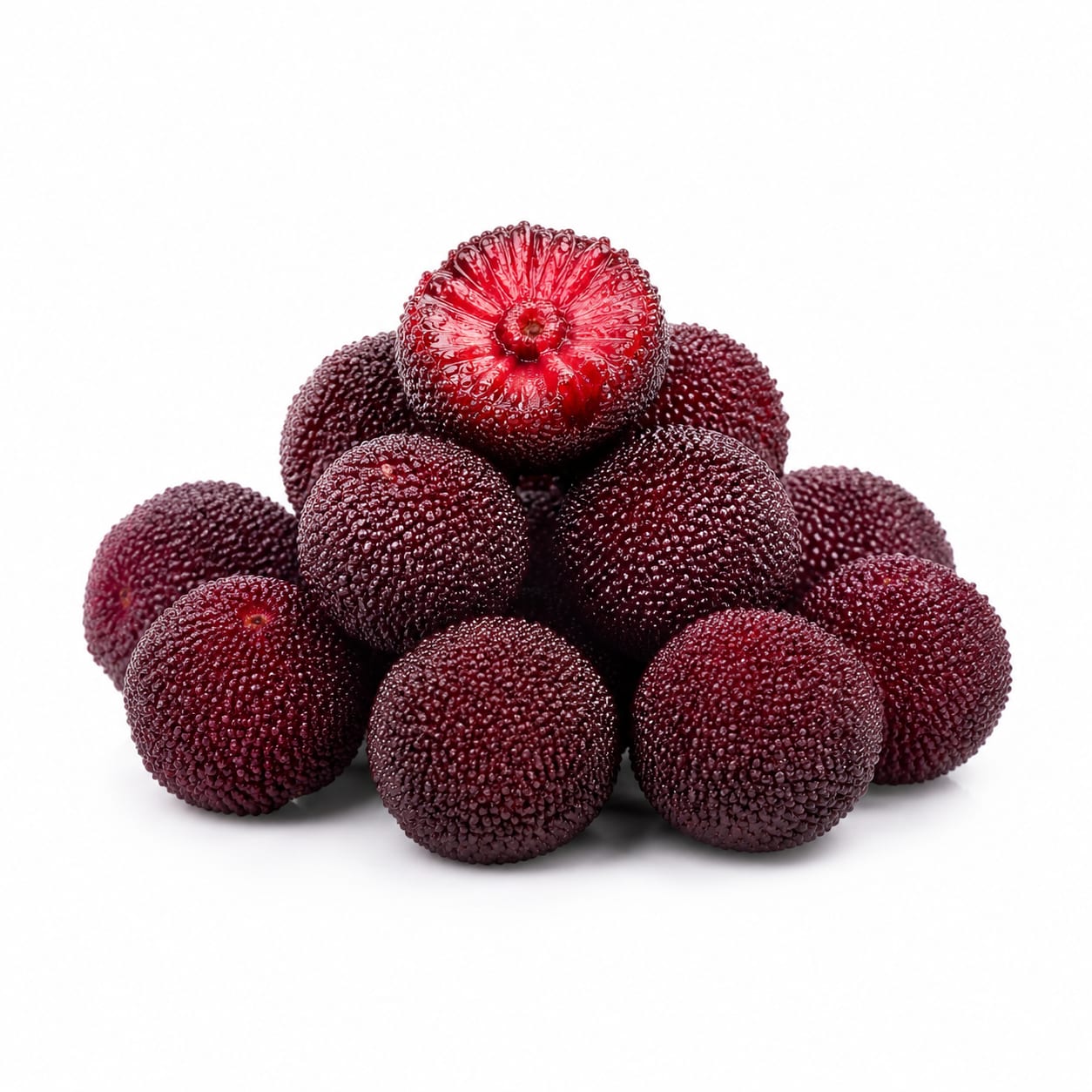
Bayberry
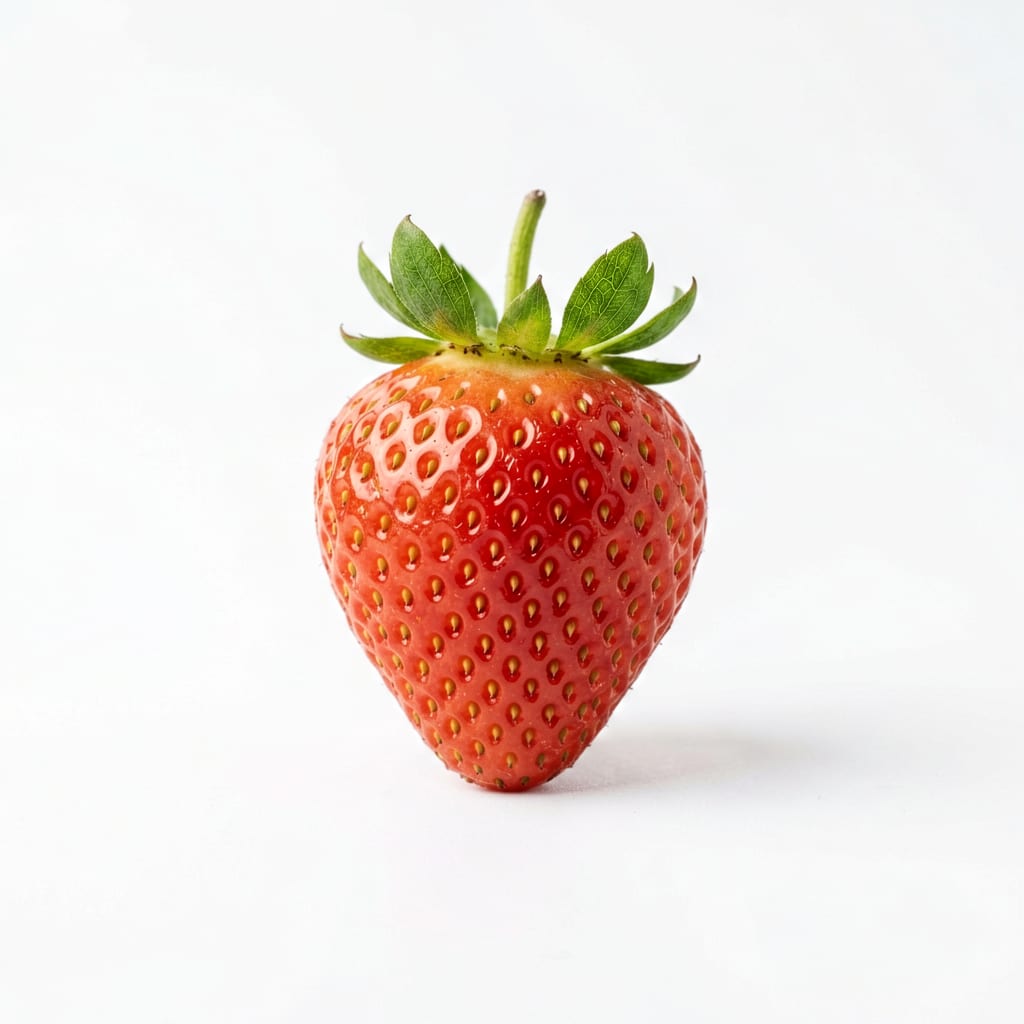
Strawberry
Bayberry delivers superior antioxidants and lower pesticide risk, but strawberries win on vitamin C, fiber, availability, and everyday practicality.
Strawberries score higher overall due to superior accessibility, fiber, and vitamin C content. Bayberries close the gap with exceptional antioxidants and lower pesticide concerns, but limited availability reduces their real-world utility for most people.
Peak antioxidant power and cleaner growing practices versus reliable access, higher vitamin C, and better fiber content.
At a glance
Executive summary
Overall
It depends
Healthier
It depends
More practical
Strawberry
Daily use
Strawberry
Key comparison lenses
antioxidant density and anti aging benefits
Bayberry is exceptionally rich in anthocyanins and myricetin, making antioxidant comparison the most meaningful dimension here
everyday accessibility and practicality
Strawberries are available year-round globally while bayberries are seasonal and regional, heavily impacting real-world choice
vitamin C and immune support
Both are valued for vitamin C but strawberries deliver significantly more per serving
pesticide and contamination exposure
Strawberries consistently rank on the Dirty Dozen list, while bayberries are typically grown with fewer chemical inputs
blood sugar and weight management
Both are low-calorie fruits but subtle sugar and fiber differences matter for daily snacking decisions
Best choice for
Bayberry
- Maximizing antioxidant and anti-inflammatory intake
- Reducing pesticide exposure from fruit
- Exploring traditional Asian health foods
- Seasonal treat with unique tart-sweet flavor
Strawberry
- Consistent daily vitamin C intake
- Reliable fiber for digestion and satiety
- Year-round affordable fruit option
- Versatile cooking and smoothie ingredient
Least suitable for
Bayberry
- People who need easy year-round availability
- Those unfamiliar with sourcing specialty Asian fruits
- Budget-conscious shoppers outside East Asia
Strawberry
- People prioritizing lowest possible pesticide exposure
- Those seeking the most concentrated antioxidant punch per calorie
- Anyone with a strawberry allergy
Deep comparison
Dimension by dimension
Each lens scores both foods and breaks down who each option suits.
- Dimension 1 · Priority 92Bayberry
antioxidant_density
Bayberry · 93Strawberry · 72Bayberries are antioxidant powerhouses, packing significantly more anthocyanins and myricetin per serving than strawberries.
Tradeoff
You get a deeper antioxidant hit from bayberries, but strawberries still provide solid protection with easier consistency.
Why it matters
Higher antioxidant intake correlates with reduced oxidative stress, better skin aging, and lower chronic disease risk over time.
Real-world impact
Eating bayberries during their short season is like taking a concentrated anti-aging supplement in fruit form.
Bayberry
- Fighting cellular aging and oxidative damage
- Anti-inflammatory diets
- Post-illness recovery with nutrient density
Better for
- Consistency — you simply cannot get them most of the year
Worse for
Strawberry
- Maintaining steady baseline antioxidant intake year-round
- Combining with other foods for balanced nutrition
Better for
- Peak antioxidant concentration per calorie
Worse for
- Dimension 2 · Priority 80Strawberry
vitamin_C_content
Bayberry · 45Strawberry · 88Strawberries deliver roughly 6 times more vitamin C per 100g than bayberries, making them a far more reliable immune-supporting fruit.
Tradeoff
Bayberries offer other unique phytonutrients but fall short on the vitamin most people associate with berry health benefits.
Why it matters
Vitamin C supports immune function, collagen production, and iron absorption — daily adequacy matters more than occasional high doses.
Real-world impact
A cup of strawberries covers most of your daily vitamin C needs. Bayberries would barely move the needle on that front.
Bayberry
- Situations where antioxidants matter more than vitamin C specifically
Better for
- Anyone relying on fruit as a primary vitamin C source
Worse for
Strawberry
- Daily immune support
- Skin health and collagen production
- Iron absorption when paired with plant-based meals
Better for
- Not applicable — strawberries clearly dominate this dimension
Worse for
- Dimension 3 · Priority 70Strawberry
fiber_and_satiety
Bayberry · 40Strawberry · 74Strawberries provide about 2g of fiber per 100g compared to roughly 0.4g in bayberries, making them noticeably more filling.
Tradeoff
Bayberries are lighter and more refreshing but will not keep you full for long on their own.
Why it matters
Fiber slows sugar absorption, supports gut health, and helps control appetite — critical for weight management and steady energy.
Real-world impact
A strawberry snack feels satisfying. A bayberry snack feels like a quick burst that leaves you reaching for something else within 30 minutes.
Bayberry
- Light refreshing treats where low fiber is actually preferred
- Pre-workout when you want quick energy without digestive weight
Better for
- Sustained energy and fullness
- Blood sugar management for diabetics
Worse for
Strawberry
- Between-meal snacking that actually curbs hunger
- Blood sugar stability
- Gut health maintenance
Better for
- Not applicable — strawberries clearly win on fiber
Worse for
- Dimension 4 · Priority 75Bayberry
pesticide_and_contamination_risk
Bayberry · 82Strawberry · 38Strawberries consistently rank among the most pesticide-contaminated fruits. Bayberries are typically grown with far fewer chemical inputs.
Tradeoff
Choosing organic strawberries closes the gap but increases cost significantly. Bayberries offer cleaner eating by default.
Why it matters
Chronic low-level pesticide exposure is linked to hormonal disruption and neurological concerns, especially for children.
Real-world impact
If you eat strawberries daily, going organic is almost mandatory. Bayberries give you peace of mind without the premium price tag.
Bayberry
- Minimizing cumulative pesticide exposure
- Feeding children without worrying about chemical residues
- Budget-conscious clean eating
Better for
- Not applicable — bayberries clearly win on lower pesticide risk
Worse for
Strawberry
- Organic strawberries are widely available if you can afford them
Better for
- Conventional strawberries are among the worst pesticide offenders
- Even washing does not remove systemic pesticide residues
Worse for
- Dimension 5 · Priority 88Strawberry
availability_and_everyday_practicality
Bayberry · 25Strawberry · 95Strawberries are available in virtually every grocery store year-round. Fresh bayberries are seasonal and mostly found in East Asian markets.
Tradeoff
The healthiest fruit only matters if you can actually buy and eat it regularly.
Why it matters
Nutrition consistency beats occasional perfection. A fruit you eat three times a week outperforms one you eat once a year.
Real-world impact
Strawberries are a grab-and-go staple. Bayberries require planning, specialty shopping, or settling for frozen or juiced versions.
Bayberry
- Specialty culinary experiences and seasonal enjoyment
- Frozen bayberry products are becoming more available online
Better for
- Most consumers outside East Asia simply cannot find fresh bayberries
- Short harvest season of only a few weeks per year
Worse for
Strawberry
- Reliable weekly meal prep
- Travel and on-the-go snacking
- Consistent daily fruit habits
Better for
- Not applicable — strawberries clearly dominate on availability
Worse for
- Dimension 6 · Priority 65Bayberry
sugar_load_and_blood_sugar_impact
Bayberry · 76Strawberry · 62Bayberries contain slightly less sugar per serving and their lower fiber means faster absorption, but the total sugar load is modestly lower than strawberries.
Tradeoff
Both are low-sugar fruits by any reasonable standard. The difference is minor and unlikely to matter for most people.
Why it matters
For diabetics and those managing insulin resistance, even small sugar differences between fruits can influence portion decisions.
Real-world impact
Neither fruit will spike blood sugar dramatically. Choose based on other factors and simply watch portions if you are diabetic.
Bayberry
- Slightly lower total sugar per serving
- Quick energy without a large sugar load
Better for
- Low fiber means sugar hits the bloodstream faster
Worse for
Strawberry
- Higher fiber slows sugar absorption, creating a gentler blood sugar curve
- Better glycemic profile overall despite slightly more sugar
Better for
- Marginally higher sugar content per serving
Worse for
Timeline
Health impact over time
Short-term
Hours to days
Bayberry
- Quick energizing burst from natural sugars with low fiber drag
- Noticeable tartness can stimulate digestion and appetite
- High antioxidant dose may provide immediate anti-inflammatory effect
Strawberry
- Steadier energy release thanks to higher fiber content
- Vitamin C boost supports immediate immune readiness
- More filling as a standalone snack between meals
Long-term
Months to years
Bayberry
- Consistent antioxidant intake may reduce chronic inflammation markers
- Lower pesticide exposure reduces cumulative toxic burden
- Limited availability makes consistent long-term intake challenging for most people
Strawberry
- Reliable daily vitamin C supports collagen, immunity, and cardiovascular health over decades
- Fiber contributes to gut microbiome diversity and colorectal health
- Pesticide exposure from conventional strawberries is a legitimate long-term concern if not mitigated
Risk profile
Safety & processing
Both fruits are typically consumed fresh and whole with minimal processing. The bigger concern is agricultural chemical inputs rather than food additives. Bayberries have a natural edge here due to fewer pesticide applications in typical cultivation.
Bayberry
Mold and spoilage due to delicate skin and short shelf life
mediumBayberries spoil within 1-2 days at room temperature. Refrigerate immediately and consume quickly. Mold can develop rapidly on damaged fruit.
Dye or chemical treatment on some commercially sold bayberries
lowSome unscrupulous vendors may artificially enhance color. Buy from reputable sources and wash thoroughly.
Strawberry
Pesticide residue contamination
highStrawberries consistently top the EWG Dirty Dozen list. Conventional strawberries frequently test positive for multiple pesticide residues, including some linked to hormonal disruption.
Allergic reactions
mediumStrawberry allergy is relatively common, especially in children. Symptoms range from oral itching to hives. The protein Fra a 1 is the primary allergen.
Mold and botrytis spoilage
lowStrawberries mold quickly but are generally easy to spot and discard. Inspect before eating and consume within a few days of purchase.
Who wins for whom
Audience fit
Same foods, different winners depending on your goal.
children
StrawberryStrawberries are widely accepted by kids, easy to find, and familiar. However, always choose organic for children due to pesticide concerns.
daily consumption
StrawberryYear-round availability and balanced nutrition make strawberries a sustainable daily habit. Bayberries are better treated as a seasonal supplement to your regular fruit rotation.
diabetes
StrawberryStrawberries have a better glycemic profile due to higher fiber slowing sugar absorption, despite slightly more total carbohydrates.
elderly
StrawberryStrawberries offer more fiber for digestive regularity and higher vitamin C for immune support — both critical concerns for older adults.
muscle gain
It dependsNeither fruit is a protein source. Both offer marginal benefits — strawberries for vitamin C supporting collagen in tendons, bayberries for anti-inflammatory recovery support.
weight loss
StrawberryStrawberries provide more fiber and satiety per calorie, making them a more effective hunger-managing snack for calorie-controlled diets.
Your move
Decision guide
Choose Bayberry
- You have access to fresh or frozen bayberries and want maximum antioxidant impact
- Pesticide exposure is a top concern and organic strawberries are too expensive
- You enjoy tart, complex flavors and want something different from everyday fruit
- You are building an anti-inflammatory eating pattern
Choose Strawberry
- You need a reliable, affordable fruit you can buy any week of the year
- Vitamin C intake and immune support are priorities
- You want a filling snack that actually curbs hunger between meals
- You are meal-prepping or cooking recipes that call for berries
Either works if
- You simply want a low-calorie, whole-food snack instead of processed options
- You are rotating through different berries for nutrient diversity
- Both are available and you want variety in your fruit intake
Avoid both if
- You have a known allergy to either fruit
- You are on a very strict low-FODMAP diet and sensitive to fructose
- You are seeking a high-protein or high-calorie food for energy needs
Final recommendation
Make strawberries your daily berry staple for consistent vitamin C, fiber, and convenience. When bayberries are in season and available, treat them as a powerful antioxidant boost to layer on top of your regular fruit habits. The best approach is not choosing one — it is using strawberries as your baseline and adding bayberries whenever you can find them.
Practical
Consumer tips
- 1
Buy organic strawberries whenever possible — the pesticide difference is among the most significant of any fruit
- 2
Fresh bayberries spoil fast: refrigerate immediately and eat within 2 days, or freeze for later use in smoothies
- 3
Frozen bayberries retain most of their antioxidant content and solve the availability problem
- 4
Wash strawberries with a baking soda soak to reduce surface pesticide residues, though systemic residues remain
- 5
Pair either fruit with a protein source like Greek yogurt for a more balanced, filling snack
- 6
If buying bayberry juice, check for added sugars — many commercial versions are heavily sweetened
- 7
Look for bayberry products in Chinese and Japanese grocery stores, especially in frozen sections