
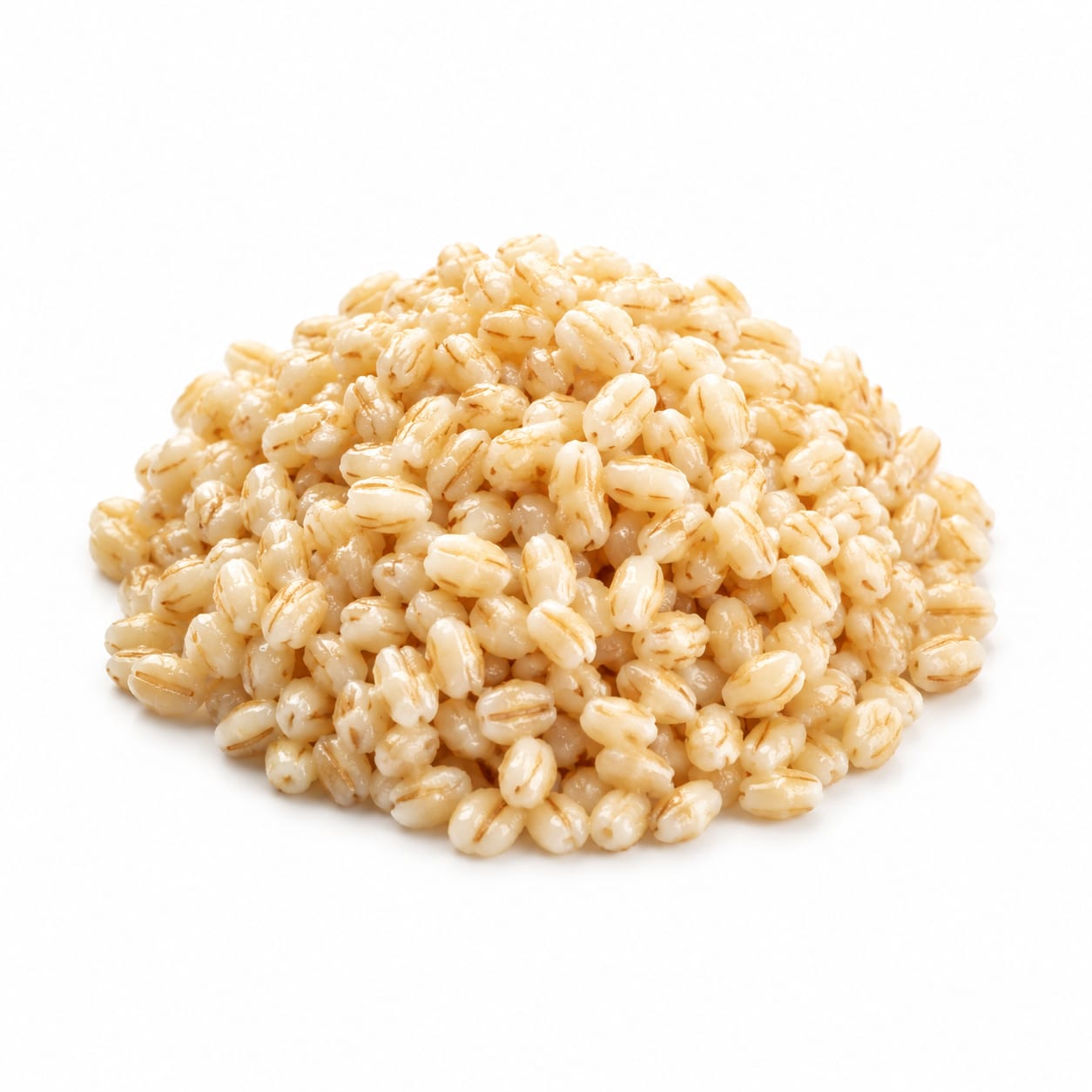
Whole Grain
Barley
A high-fiber whole grain known for its cholesterol-lowering beta-glucan content.
A versatile cereal grain with a chewy texture and mild nutty flavor, widely recognized for its high beta-glucan soluble fiber content and culinary uses in soups, stews, and salads.
slow-digesting high-fiber carbohydrate source
Typical serving · 100g
Common varieties · hulled, pearled, flakes, flour, grits
Overall context score across nutrition, safety, and diet fit
At a glance
Quick facts
Simple indicators based on nutrition, processing, and diet fit.
The story
What makes it unique
Barley is a slow-digesting carbohydrate source rich in beta-glucan, which increases satiety and delays gastric emptying. Its macronutrient profile features moderate protein and high complex carbohydrates. Processing methods like pearling remove the bran layer, significantly reducing fiber and micronutrient content compared to hulled barley.
Varieties: hulled · pearled · flakes · flour · grits
Per 100g
Nutrition breakdown
Macro balance and key metrics at a glance.
Energy
Density 3.50 kcal/g
Protein
Carbs
Fat
Fiber
Sugar
0.8 g
Sodium
2 mg
Potassium
280 mg
Glycemic index
28
Glycemic load
22
Water content
10.1%
Standout compounds
Nutrient highlights
Beta-Glucan
highLowers cholesterol and stabilizes blood sugar
Manganese
highSupports bone health and metabolism
Selenium
moderatePromotes antioxidant defense and thyroid function
Dietary Fiber
highImproves gut motility and feeds beneficial bacteria
Copper
moderateAids iron absorption and energy production
Wellness map
Health scores & processing
NOVA processing scale
Moderate · Whole food
Pearled barley, the most common variety, has its hull and bran layers removed (NOVA 3), while hulled barley is minimally processed (NOVA 1).
Diet compatibility
- Weight loss
- Muscle gain
- Diabetes
- Gut health
- Low carb
- High protein
- Heart health
Relative standing
Food rankings
Qualitative ranks compared to similar whole foods.
- Satietyexcellent
- Blood sugarexcellent
- Nutrient densitygood
- Fitness fuelgood
- Processing qualitymoderate
Eat with confidence
Food safety profile
Barley is generally safe with low risks for heavy metals and microbial contamination. Mycotoxin risk is well-regulated in the commercial grain supply.
Evidence confidence 90%
- Pesticideslow
- Antibioticslow
- Heavy metalslow
- Contaminationlow
Watch for
- mycotoxins
- pesticide residues
Safer choices
Organic hulled barley minimizes pesticide exposure and retains maximum nutritional value.
Prep tips
Rinse thoroughly under cold water before cooking to remove debris, dust, and surface starches.
Standard grain monitoring for mycotoxins and pesticide residues applies to commercial barley crops.
Deep dive
Health analysis
How this food may fit different goals and preparation choices.
Weight loss
High soluble fiber content promotes prolonged fullness and reduces overall calorie intake, though raw calorie density requires portion awareness.
Blood sugar
Beta-glucan forms a viscous gel in the gut, slowing glucose absorption and resulting in a low glycemic index that stabilizes blood sugar.
Fitness & energy
Provides sustained complex carbohydrate energy for endurance activities, but requires lengthy digestion time making it unsuitable right before intense workouts.
Gut health
Acts as an excellent prebiotic, feeding beneficial gut bacteria and supporting regular bowel movements through high insoluble and soluble fiber.
Processing quality
Pearled barley loses significant bran and nutrients during polishing; hulled barley retains the whole grain profile but requires longer cooking.
Food safety
Minimal safety risks exist; proper dry storage prevents mold and mycotoxin development.
Common mistakes
Confusing pearled barley with hulled barley; pearled cooks faster but has substantially less fiber and micronutrients.
Best preparation
Simmer hulled barley for 40-50 minutes or pearled barley for 25-30 minutes in broth to enhance flavor and nutrient absorption.
Practical guide
Best use cases
When and how this food fits real eating patterns.
Hearty Soups and Stews
Adds thickness, texture, and sustained energy to slow-cooked meals without breaking down into mush.
High-Fiber Side Dish
Serves as a nutritious alternative to white rice or pasta, boosting meal satiety and fiber intake.
Cholesterol-Lowering Diet
Daily consumption of beta-glucan from barley actively helps reduce LDL cholesterol levels.
Balance sheet
Pros & cons
Upsides
- exceptionally high in cholesterol-lowering beta-glucan
- promotes stable blood sugar levels
- excellent prebiotic for gut health
- highly versatile in savory cooking
- good source of trace minerals like manganese and selenium
Trade-offs
- contains gluten, making it unsuitable for celiacs
- pearled variety loses most of its beneficial bran
- raw energy density is high, requiring portion control
- hulled barley requires long cooking times
Fit check
Who is it for?
Great match
- cholesterol management
- blood sugar stabilization
- high-volume eating
- prebiotic gut support
Consider alternatives
- celiac disease or gluten intolerance
- strict low-carb or ketogenic diets
- pre-workout fuel due to slow digestion
Side by side
How it compares
Open the full head-to-head analysis for nutrition, safety, and practical tradeoffs.
This food
Barley
VS90% alike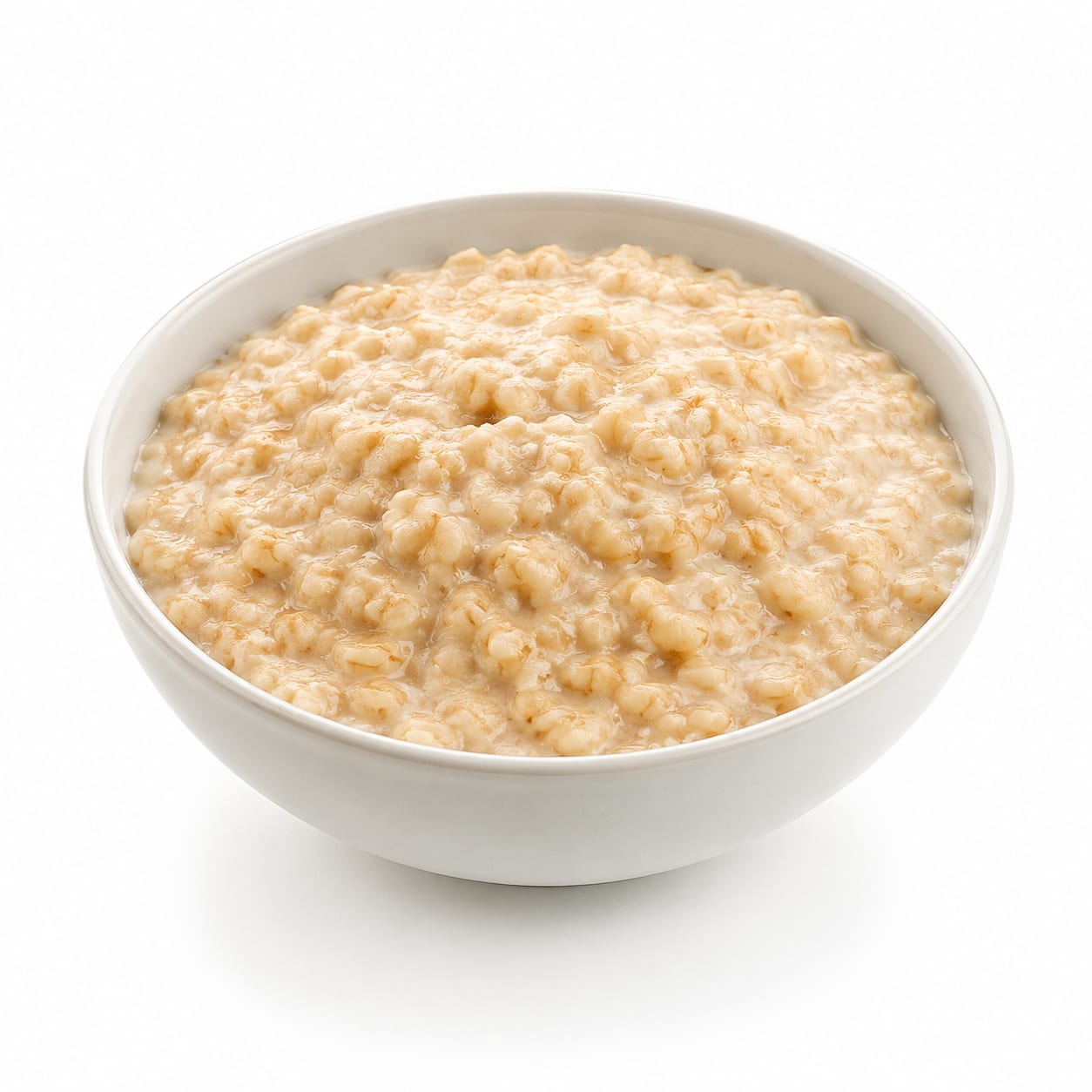
Compare with
Oats
Oats are higher in protein and fat, while barley offers a lower glycemic index and a chewier texture for savory dishes.
Barley provides better blood sugar control and a lower glycemic index, while oats are slightly higher in protein and better for quick breakfast porridge.
This food
Barley
VS85% alike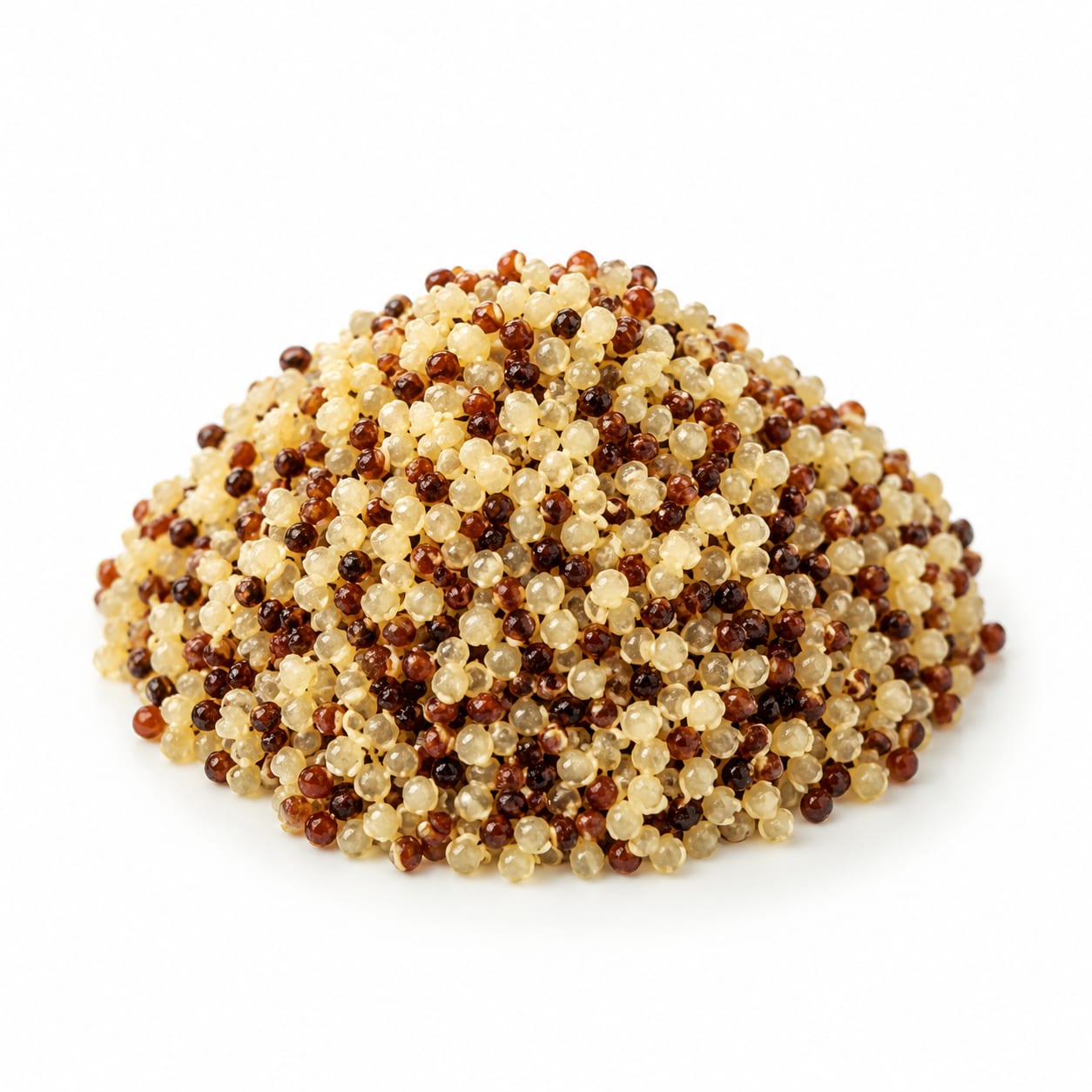
Compare with
Quinoa
Quinoa is a complete protein and gluten-free, whereas barley is superior for soluble fiber and cholesterol reduction.
Quinoa is better for muscle building as a complete protein, but barley is superior for gut health and blood sugar control due to its high beta-glucan content.
This food
Barley
VS80% alike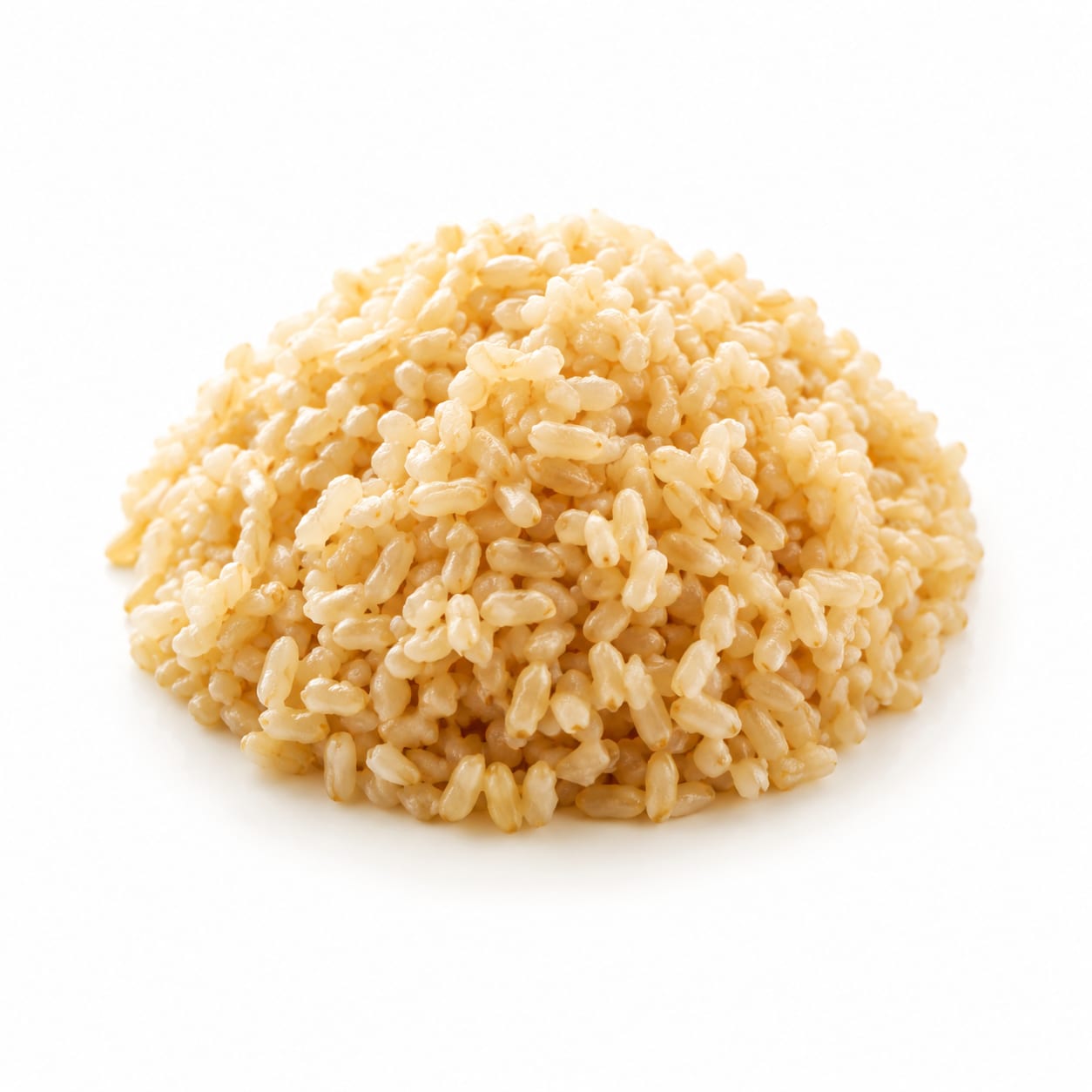
Compare with
Brown Rice
Barley contains significantly more fiber and protein than brown rice, leading to better satiety.
Barley is much higher in fiber and protein than brown rice, keeping you full longer and providing better blood sugar stability.
This food
Barley
VS85% alike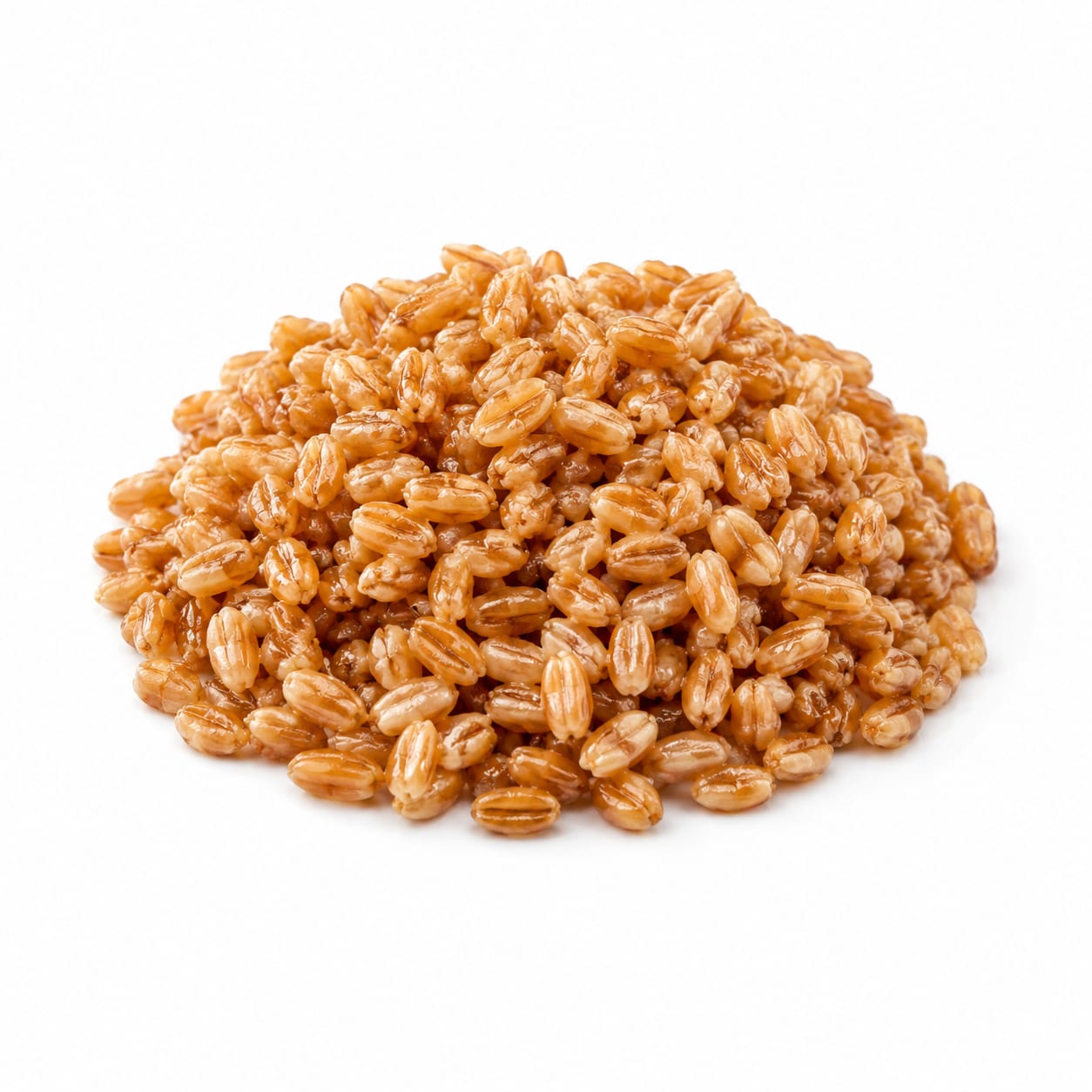
Compare with
Farro
Farro has more protein, while barley provides more soluble fiber and a stronger impact on cholesterol.
Farro offers more protein and a slightly nuttier flavor, but barley wins for heart health and cholesterol management due to its beta-glucan.
This food
Barley
VS75% alike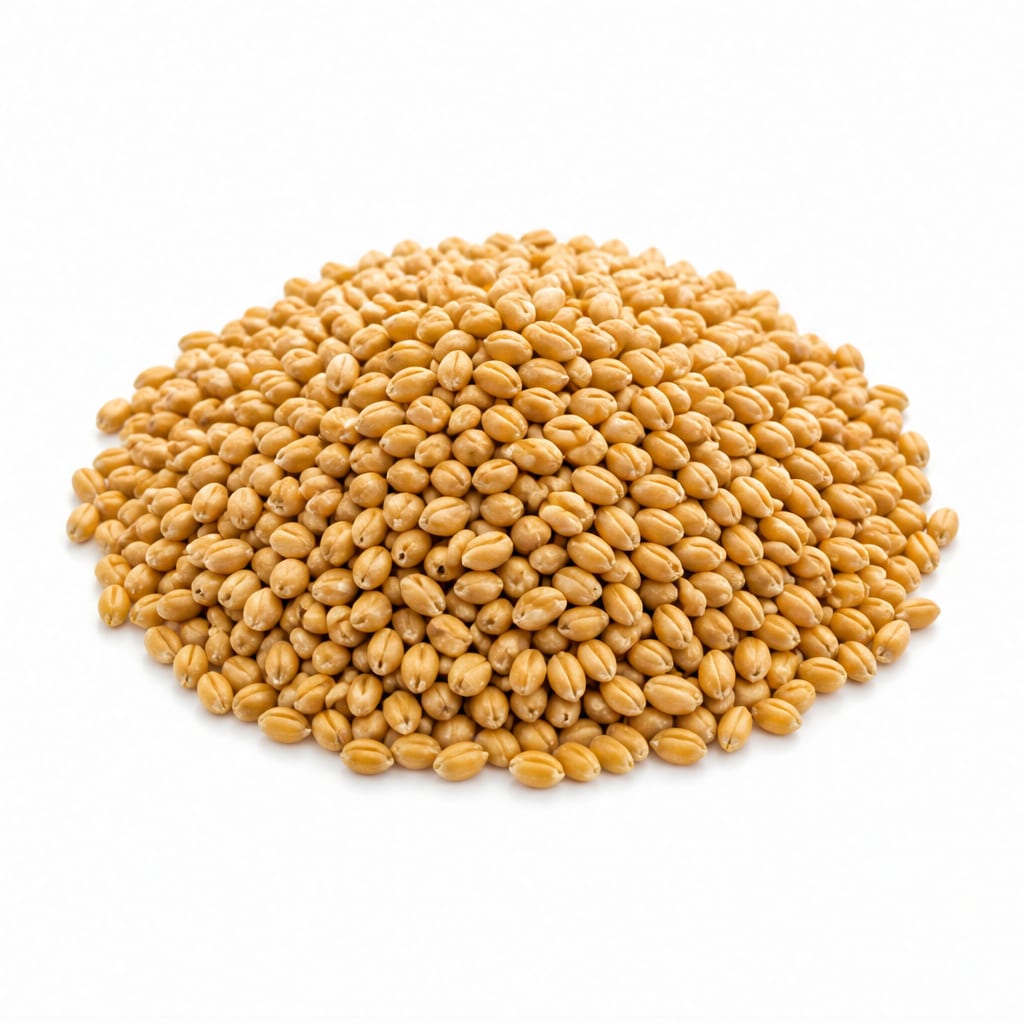
Compare with
Wheat Berries
Wheat berries are higher in protein, while barley is distinctly richer in beta-glucan soluble fiber.
Wheat berries provide more protein, but barley is the clear winner for lowering cholesterol and managing blood sugar.
This food
Barley
VS70% alike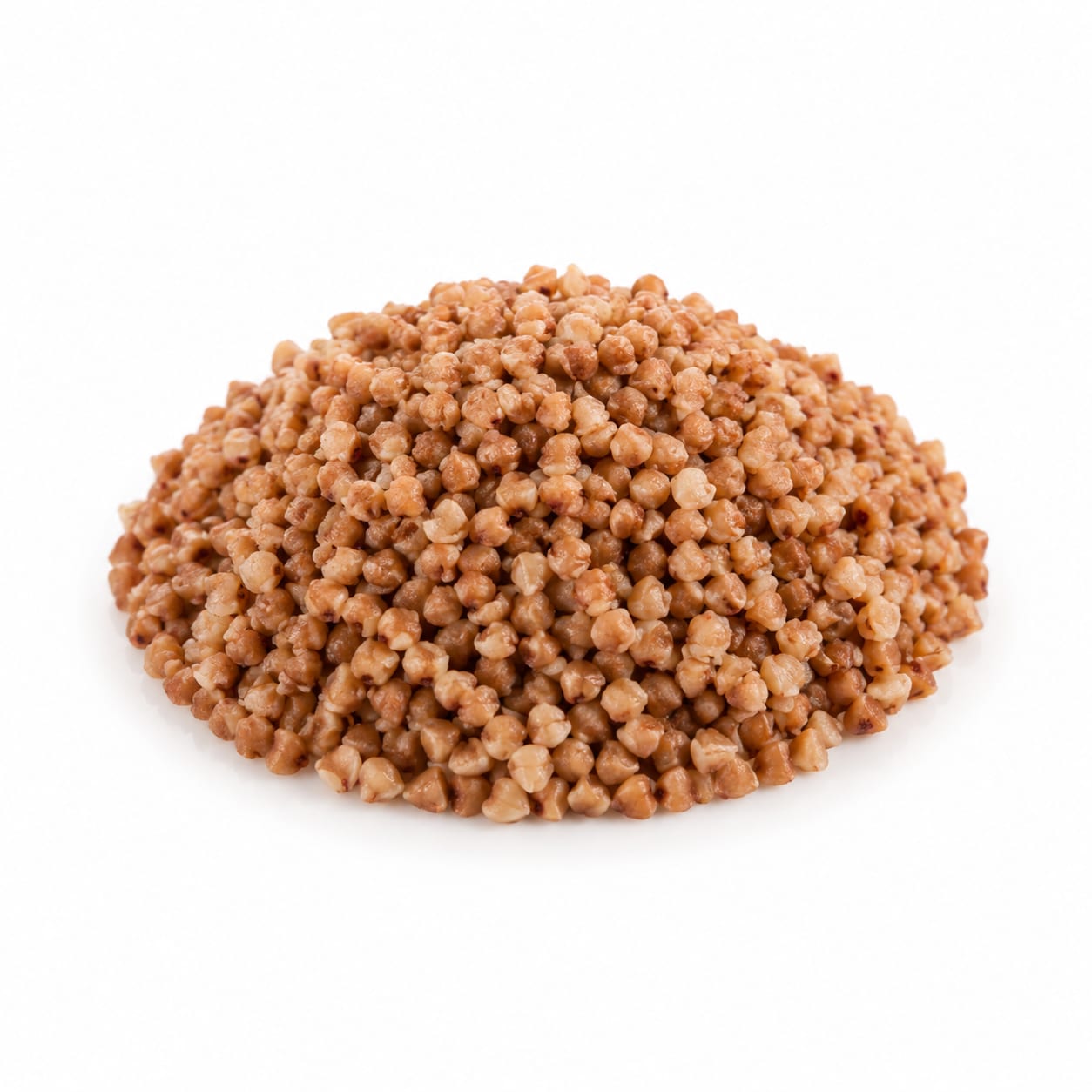
Compare with
Buckwheat
Buckwheat is gluten-free and richer in antioxidants, while barley is much higher in total and soluble fiber.
Buckwheat is gluten-free and better for those with sensitivities, but barley provides superior fiber for gut health and satiety.
This food
Barley
VS70% alike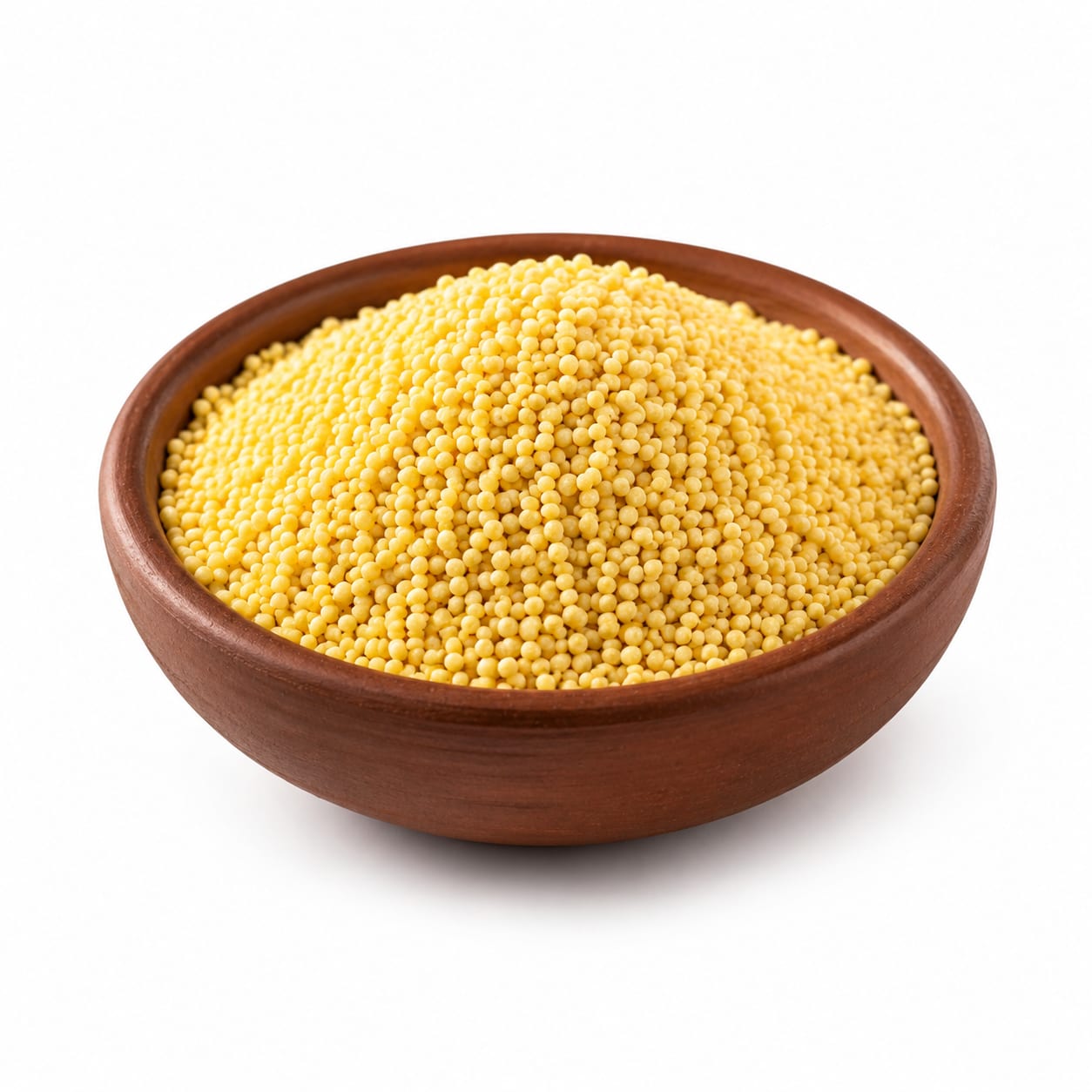
Compare with
Millet
Millet is gluten-free and cooks faster, while barley offers significantly more fiber and a lower glycemic index.
Millet is a great gluten-free alternative that cooks quickly, but barley is far better for blood sugar control and lowering cholesterol.
This food
Barley
VS75% alike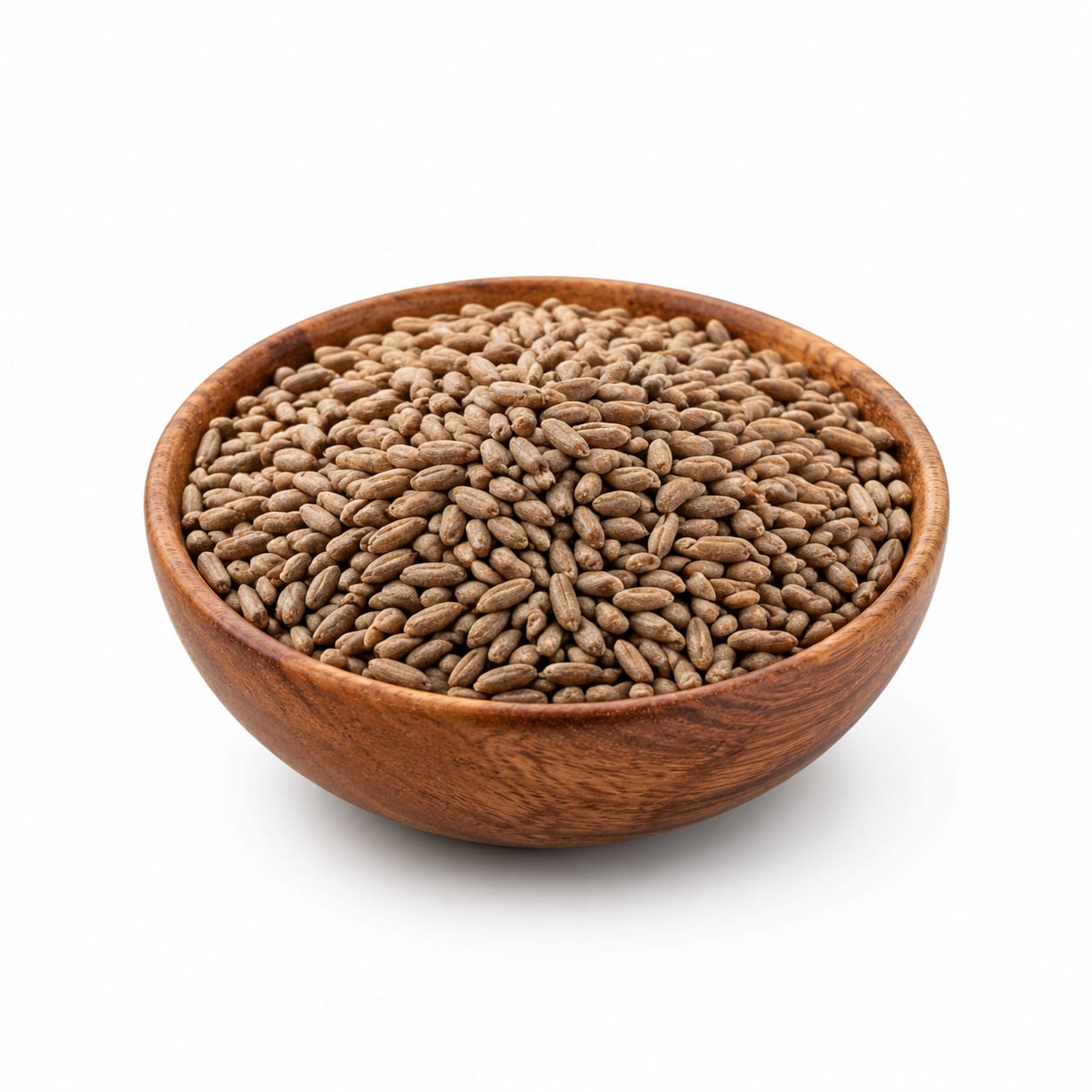
Compare with
Rye
Rye is often used for bread and has a lower glycemic index in bread form, but whole barley contains more beta-glucan per serving.
Rye and barley are both excellent high-fiber grains for blood sugar control, but barley offers slightly more soluble beta-glucan per serving.
This food
Barley
VS65% alike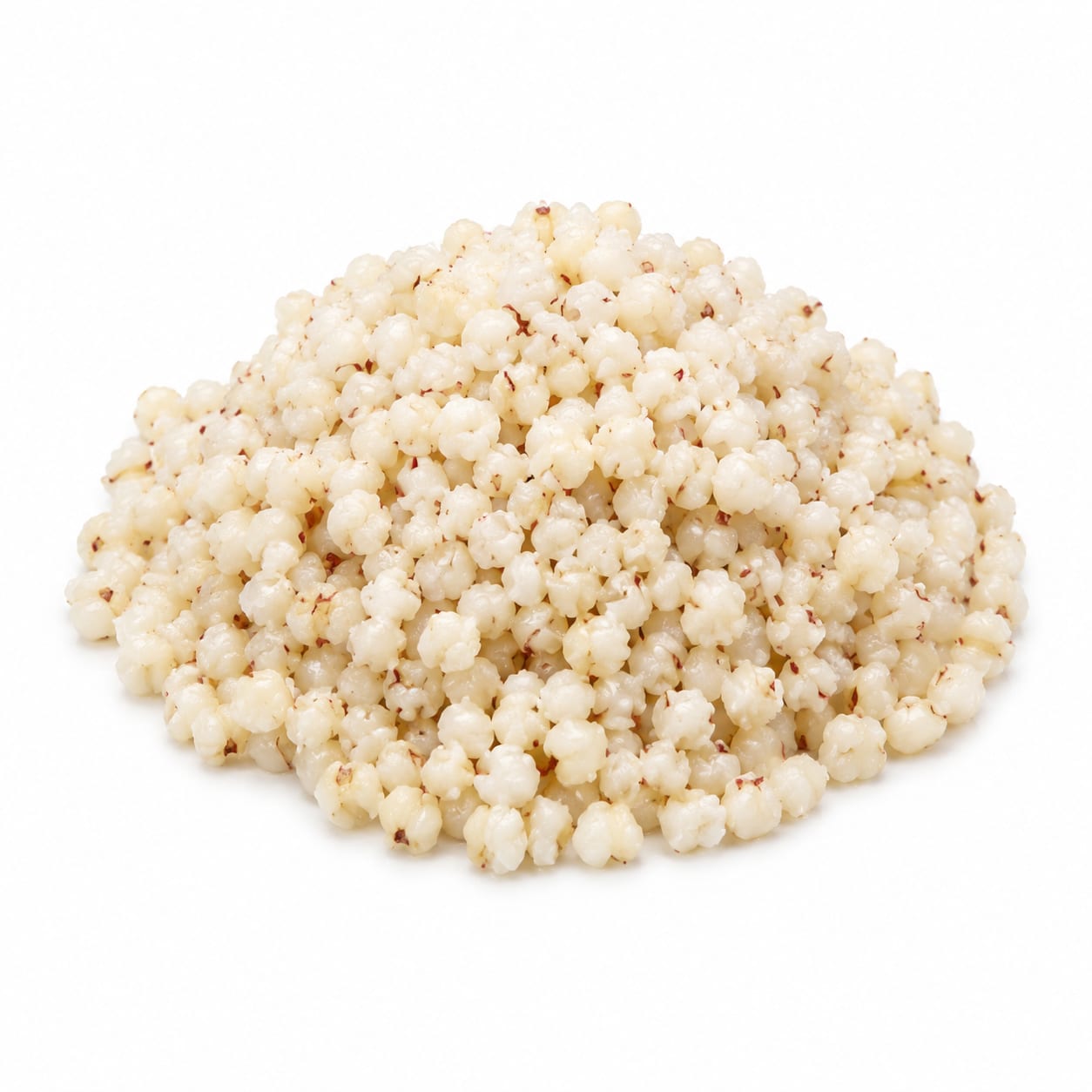
Compare with
Sorghum
Sorghum is gluten-free and high in antioxidants, whereas barley is much richer in soluble fiber.
Sorghum is a safe choice for gluten-free diets, but barley provides much stronger cholesterol-lowering and blood sugar-stabilizing benefits.
This food
Barley
VS60% alike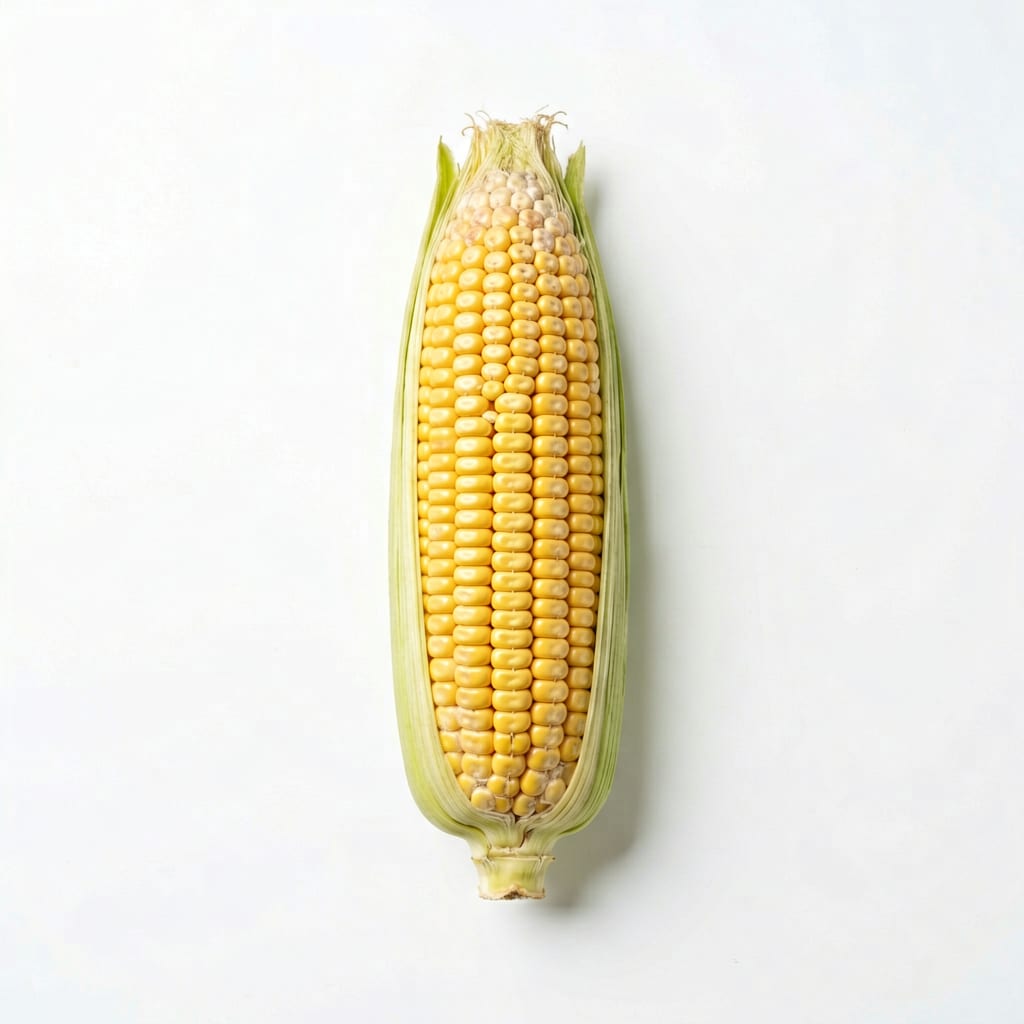
Compare with
Corn
Barley is significantly higher in protein and fiber, while corn is higher in natural sugars and antioxidants.
Barley is far superior to corn for weight loss and blood sugar control due to its much higher fiber and protein content.
Common questions
FAQ
Answers aligned with how people search for this food.
Is barley good for weight loss?
Yes, barley is excellent for weight loss due to its high fiber content, which slows digestion and keeps you feeling full for longer, reducing overall calorie intake.
Does barley spike blood sugar?
No, barley has a low glycemic index. Its abundant beta-glucan fiber slows down carbohydrate absorption, preventing rapid blood sugar spikes and making it ideal for diabetics.
Is barley gluten free?
No, barley contains gluten. People with celiac disease or gluten intolerance should avoid barley and choose gluten-free grains like quinoa or millet instead.
What is the difference between pearled and hulled barley?
Hulled barley is the whole grain with only the inedible outer hull removed, retaining maximum nutrients. Pearled barley has the hull and bran polished away, cooking faster but losing most of its fiber and micronutrients.
Is barley healthier than rice?
Barley is generally healthier than white rice because it contains significantly more fiber, particularly cholesterol-lowering beta-glucan, and has a lower glycemic index. Brown rice is closer nutritionally but still has less fiber than barley.
Can diabetics eat barley?
Yes, barley is highly recommended for diabetics. Its high soluble fiber content improves insulin sensitivity and helps regulate blood glucose levels effectively after meals.
Is barley good for high cholesterol?
Yes, barley is proven to lower LDL cholesterol. The beta-glucan soluble fiber binds to cholesterol in the digestive tract, preventing its absorption into the bloodstream.
Does barley need to be soaked before cooking?
Pearled barley does not require soaking and cooks in about 25-30 minutes. Hulled barley benefits from soaking to reduce its 40-50 minute cooking time.
How much beta-glucan is in barley?
Barley contains approximately 3-8 grams of beta-glucan per 100 grams, making it one of the richest sources of this beneficial soluble fiber.
Is barley a good source of protein?
Barley provides moderate protein at about 10 grams per 100 grams raw, but it is not a complete protein as it lacks sufficient lysine.
Transparency
Data confidence
Estimated confidence for nutrition data, interpretation, safety notes, and comparisons.
Nutrition data
Health analysis
Food safety
Comparisons