
Nutrition comparison
Barley vs Wheat Berries: Which Grain is Healthier?
Compare Barley vs Wheat Berries for fiber, protein, and blood sugar impact. Find out which whole grain is better for weight loss, diabetes, and meal prep.
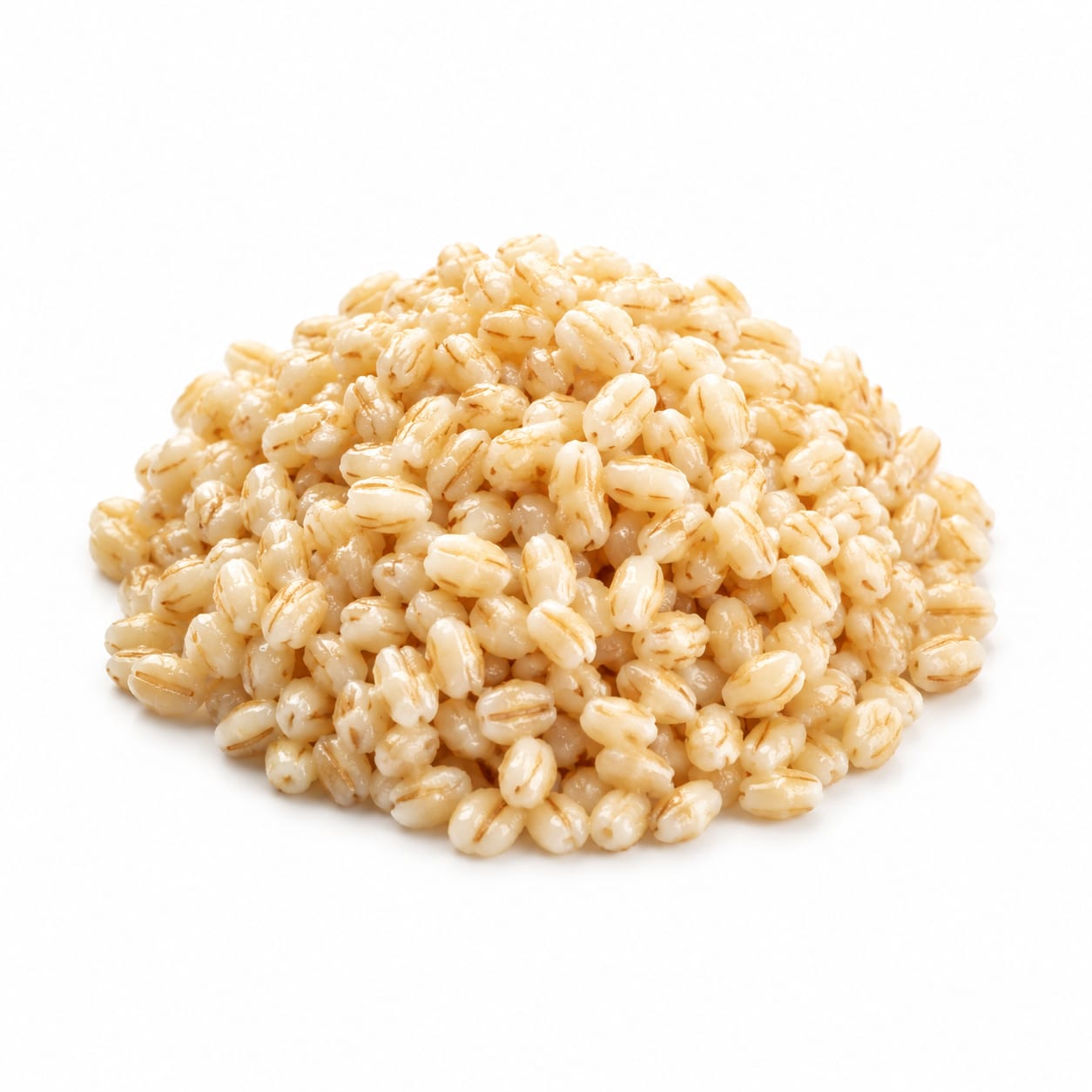
Barley
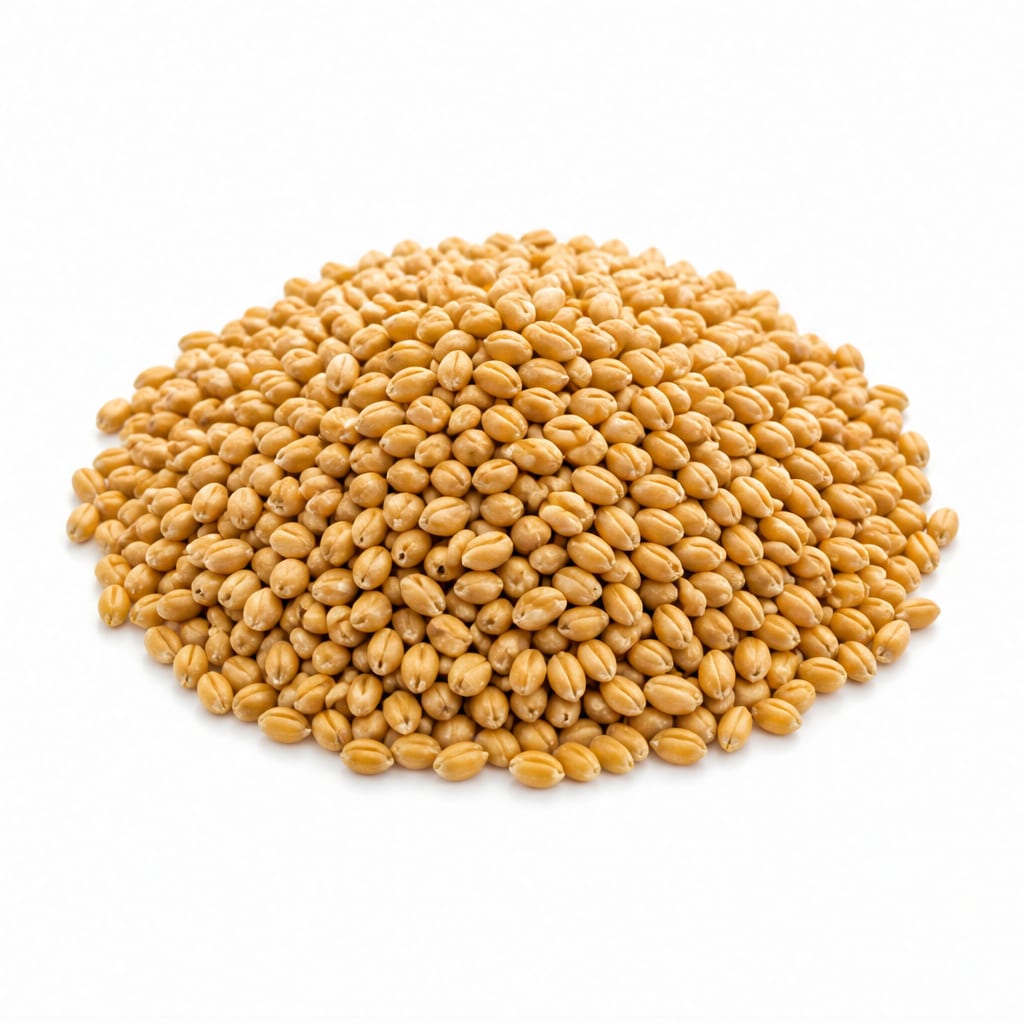
Wheat Berries
Barley wins for blood sugar control and quick cooking, while Wheat Berries deliver more protein and a heartier chew for meal prep.
Barley scores slightly higher due to its exceptional beta-glucan content for metabolic health and easier cooking. Wheat Berries are nutritionally robust but less convenient and lack the same targeted heart-health benefits.
The cholesterol-lowering soluble fiber of Barley versus the muscle-feeding protein and robust texture of Wheat Berries.
At a glance
Executive summary
Overall
It depends
Healthier
Barley
More practical
Barley
Daily use
Barley
Key comparison lenses
Blood sugar management
Barley is uniquely rich in beta-glucan, a soluble fiber that dramatically slows glucose absorption.
Cooking practicality
Wheat Berries require significantly longer cooking times, impacting real-world convenience.
Protein and satiety
Wheat Berries offer a denser protein profile, which matters for plant-based meals.
Fiber type differentiation
The contrast between soluble fiber in Barley and insoluble fiber in Wheat Berries drives different gut health outcomes.
Best choice for
Barley
- Managing blood sugar spikes
- Lowering cholesterol
- Quick weeknight soups and sides
Wheat Berries
- High-protein plant-based bowls
- Hearty meal-prep salads
- Sustained energy for active days
Least suitable for
Barley
- Gluten-free diets
- Those wanting a very chewy, distinct grain texture
Wheat Berries
- Last-minute weeknight dinners
- People needing gentle digestion
Deep comparison
Dimension by dimension
Each lens scores both foods and breaks down who each option suits.
- Dimension 1 · Priority 95Barley
Blood Sugar Control
Barley · 92Wheat Berries · 68Barley is a powerhouse for blood sugar stability thanks to its high beta-glucan content.
Tradeoff
Wheat Berries have a higher glycemic impact and less soluble fiber, making them less ideal for glucose management.
Why it matters
Steadier blood sugar means fewer afternoon energy crashes and reduced cravings.
Real-world impact
Eating Barley at lunch will likely keep you full and energized much longer than Wheat Berries.
Barley
- People with insulin resistance
- Avoiding the post-lunch energy crash
Better for
- Those who need a quick carbohydrate spike after heavy lifting
Worse for
Wheat Berries
- Endurance athletes needing faster carb replenishment
Better for
- Anyone monitoring their A1C closely
Worse for
- Dimension 2 · Priority 85Wheat Berries
Protein Content
Barley · 62Wheat Berries · 86Wheat Berries pack significantly more protein per serving than Barley.
Tradeoff
If you rely on grains for plant-based protein, Barley falls noticeably short.
Why it matters
More protein means better muscle maintenance and longer-lasting satiety.
Real-world impact
A Wheat Berry bowl will keep you feeling fuller for longer after a workout compared to a Barley dish.
Barley
- Lighter meals where you want less dense calories
Better for
- Using the grain as a primary protein source
Worse for
Wheat Berries
- Vegans and vegetarians seeking plant protein
- Post-workout recovery meals
Better for
- Those who prefer lighter, less calorie-dense sides
Worse for
- Dimension 3 · Priority 80Barley
Cooking Convenience
Barley · 82Wheat Berries · 40Pearled Barley cooks in about 25 minutes, while Wheat Berries can take over an hour.
Tradeoff
Wheat Berries require soaking and long cooking, making them impractical for spontaneous meals.
Why it matters
Convenience often dictates what you actually cook on a busy Tuesday.
Real-world impact
You can easily throw Barley into a weeknight soup, but Wheat Berries need weekend meal-prep planning.
Barley
- Busy professionals needing fast sides
- Impromptu dinner decisions
Better for
- Those who love the ritual of slow-cooking grains
Worse for
Wheat Berries
- Weekend meal prep sessions
- Slow cooker recipes
Better for
- Anyone short on time after work
Worse for
- Dimension 4 · Priority 75It depends
Fiber Profile & Gut Health
Barley · 90Wheat Berries · 80Barley excels in soluble fiber, while Wheat Berries offer more insoluble fiber for digestion.
Tradeoff
Soluble fiber feeds gut bacteria and lowers cholesterol; insoluble fiber keeps things moving through your digestive tract.
Why it matters
Your gut needs both types of fiber, but soluble fiber is rarer in modern diets.
Real-world impact
Barley acts like a sponge to lower cholesterol, while Wheat Berries act like a broom to aid digestion.
Barley
- Lowering LDL cholesterol
- Feeding beneficial gut bacteria
Better for
- Those who need help with constipation specifically
Worse for
Wheat Berries
- Improving digestive regularity
- Adding bulk to stool
Better for
- Those focused on heart health via cholesterol reduction
Worse for
Timeline
Health impact over time
Short-term
Hours to days
Barley
- Steady energy without sugar spikes
- Quick feeling of fullness from soluble fiber
Wheat Berries
- Sustained fullness from high protein
- Very chewy, satisfying eating experience
Long-term
Months to years
Barley
- Reduced risk of type 2 diabetes
- Lower LDL cholesterol levels
- Improved heart health markers
Wheat Berries
- Better digestive regularity
- Supports long-term muscle maintenance
- Sustained intake of B-vitamins and iron
Risk profile
Safety & processing
Both are whole foods when purchased in their intact form. Note that pearled Barley is more processed than hulled Barley, stripping away some bran, while Wheat Berries are almost always sold as the complete whole kernel.
Barley
Gluten content
highBarley contains gluten and is strictly unsafe for those with celiac disease or severe gluten intolerance.
Wheat Berries
Gluten content
highWheat Berries contain gluten and are strictly unsafe for those with celiac disease or severe gluten intolerance.
Who wins for whom
Audience fit
Same foods, different winners depending on your goal.
children
BarleyBarley's softer texture when cooked is easier for kids to chew and digest than the tough, chewy Wheat Berries.
daily consumption
BarleyBarley is easier to integrate into daily cooking due to faster prep time and wider culinary versatility in soups and stews.
diabetes
BarleyBarley's soluble fiber dramatically slows sugar absorption, preventing glucose spikes better than Wheat Berries.
elderly
BarleyBarley is gentler on the digestive system, easier to chew, and offers targeted heart-health benefits crucial for older adults.
muscle gain
Wheat BerriesWheat Berries provide a denser protein profile per serving, supporting muscle repair and growth better.
weight loss
BarleyBarley's beta-glucan creates a gel in the gut, delaying hunger and reducing overall calorie absorption more effectively.
Your move
Decision guide
Choose Barley
- You want to actively lower your cholesterol
- You need a quick-cooking whole grain for weeknight dinners
- You are focused on managing blood sugar levels
Choose Wheat Berries
- You want a high-protein base for grain bowls
- You are meal-prepping for the week ahead
- You love a very chewy, nutty grain texture in salads
Either works if
- You are looking for healthy whole-grain alternatives to white rice
- You want to increase your daily fiber intake
Avoid both if
- You have celiac disease or a severe gluten intolerance
Final recommendation
Choose Barley for everyday health benefits like blood sugar control and quick weeknight meals. Opt for Wheat Berries when you have time for meal prep and want a protein-packed, chewy base for robust salads.
Practical
Consumer tips
- 1
If buying Barley, choose hulled over pearled to keep the maximum fiber and nutrients intact.
- 2
Soak Wheat Berries overnight to cut down on the long cooking time significantly.
- 3
Both grains freeze well after cooking, so make a large batch on weekends to save time.
- 4
Always rinse both grains thoroughly under cold water before cooking to remove debris.