
Nutrition comparison
Barley vs Oats: Which Grain is Better for Blood Sugar and Breakfast?
Compare Barley vs Oats for fiber, blood sugar control, and weight loss. Discover which grain is better for your health goals and daily routine.
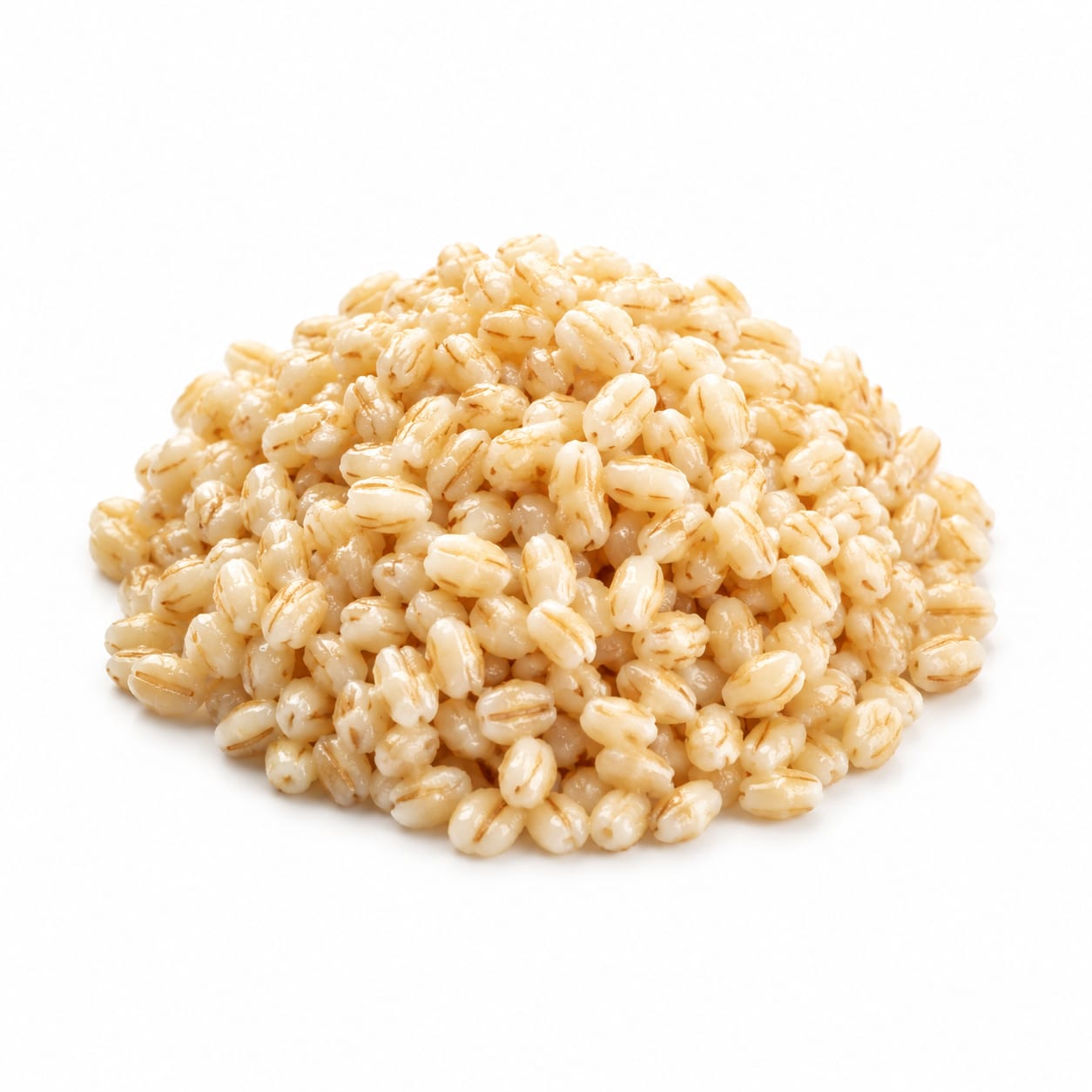
Barley
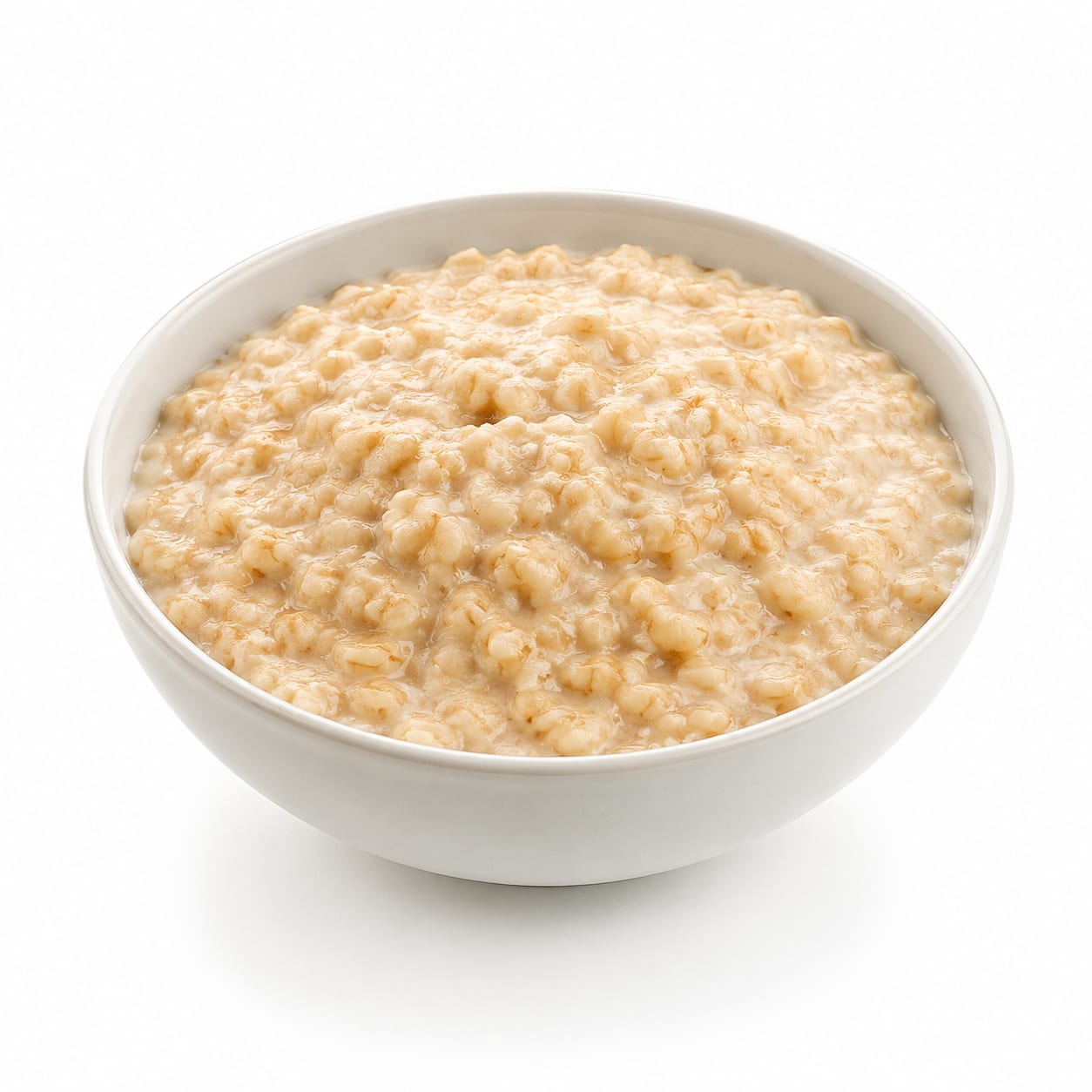
Oats
Barley edges out Oats for blood sugar control and total fiber, but Oats win on convenience, breakfast appeal, and gluten-free compatibility.
Oats score slightly higher due to everyday practicality and broader dietary compatibility, though Barley holds a narrow nutritional edge for metabolic health.
Superior metabolic benefits and chewy texture of Barley versus the comforting creaminess and everyday ease of Oats.
At a glance
Executive summary
Overall
It depends
Healthier
Barley
More practical
Oats
Daily use
Oats
Key comparison lenses
Blood sugar management and diabetes prevention
Barley is renowned for its exceptionally low glycemic index and high beta-glucan content, making it a critical point of comparison against Oats.
Breakfast convenience and daily routine fit
Oats are a breakfast staple that cook in minutes, while Barley requires significantly more preparation time, heavily influencing daily adherence.
Gluten tolerance and digestive compatibility
Barley contains gluten, whereas Oats are naturally gluten-free, making this a decisive factor for those with celiac disease or sensitivities.
Heart health and cholesterol lowering
Both grains are packed with soluble fiber, but users often want to know which is more effective for reducing LDL cholesterol.
Best choice for
Barley
- People managing type 2 diabetes or insulin resistance
- Those seeking maximum fiber and fullness per serving
- Hearty soup and grain bowl enthusiasts
Oats
- Quick breakfast eaters needing a fast morning routine
- People with celiac disease or gluten sensitivity
- Those who prefer creamy, comforting textures
Least suitable for
Barley
- People with celiac disease or gluten intolerance
- Anyone needing a quick 5-minute meal
Oats
- Those wanting the absolute lowest glycemic index grain
- People looking for a firm, chewy grain for savory dinner sides
Deep comparison
Dimension by dimension
Each lens scores both foods and breaks down who each option suits.
- Dimension 1 · Priority 95Barley
Blood Sugar Stability
Barley · 92Oats · 80Barley has a significantly lower glycemic index and more beta-glucan per serving, making it superior for keeping blood sugar steady.
Tradeoff
You get better glycemic control with Barley, but Oats are still a solid choice and much easier to prepare in the morning.
Why it matters
Steadier blood sugar means fewer afternoon energy crashes and reduced cravings.
Real-world impact
Eating Barley at lunch can prevent the mid-afternoon slump better than a bowl of Oats.
Barley
- Diabetics
- Insulin-resistant individuals
Better for
- Those needing quick energy post-workout
Worse for
Oats
- Casual healthy eaters
Better for
- People highly sensitive to carb-induced sugar spikes
Worse for
- Dimension 2 · Priority 90Oats
Convenience and Culinary Fit
Barley · 55Oats · 92Oats are a breakfast staple that cook in minutes, while Barley takes longer and is usually a side dish.
Tradeoff
Barley requires planning and longer cooking times, but offers a satisfying chewiness Oats cannot match.
Why it matters
If a healthy food takes too long to cook, you are less likely to eat it consistently.
Real-world impact
You can make Oats in 3 minutes before work; Barley needs 40+ minutes or overnight soaking.
Barley
- Meal preppers
- Stew and soup enthusiasts
Better for
- People with only 5 minutes to cook
Worse for
Oats
- Busy professionals
- Quick breakfast makers
Better for
- Those wanting a grain for savory dinner sides
Worse for
- Dimension 3 · Priority 85It depends
Heart Health and Cholesterol
Barley · 90Oats · 89Both are beta-glucan powerhouses that actively lower cholesterol, making them two of the best grains for heart health.
Tradeoff
Barley offers slightly more soluble fiber per serving, but Oats have vastly more research backing their cholesterol-lowering claims.
Why it matters
Soluble fiber binds to cholesterol in the gut, removing it before it hits your bloodstream.
Real-world impact
Eating a bowl of either daily can meaningfully improve cholesterol numbers over a few months.
Barley
- Those maximizing soluble fiber intake
Better for
- People who won't eat it due to texture or time
Worse for
Oats
- Those who prefer a heart-healthy breakfast routine
Better for
- People who find oats less filling
Worse for
- Dimension 4 · Priority 80Oats
Digestive Tolerance and Allergens
Barley · 60Oats · 90Oats are naturally gluten-free, while Barley contains gluten, making Oats accessible to more digestive systems.
Tradeoff
Barley's gluten gives it a satisfying chew but excludes those with celiac disease or gluten sensitivity.
Why it matters
Gluten can cause severe inflammation and digestive distress for a significant portion of the population.
Real-world impact
If you have a sensitive stomach, Barley might cause bloating, whereas certified gluten-free Oats feel gentle.
Barley
- Those without gluten issues wanting a hearty grain
Better for
- Anyone with gluten intolerance
Worse for
Oats
- People with celiac disease
- Those with IBS triggered by gluten
Better for
- Those looking for a firmer, chewier grain texture
Worse for
Timeline
Health impact over time
Short-term
Hours to days
Barley
- Prolonged fullness due to extremely high fiber content
- Slower energy release preventing sugar crashes
- Potential bloating if you are not used to high fiber intake
Oats
- Quick and comforting satiety
- Gentle on the digestive tract
- Steady morning energy
Long-term
Months to years
Barley
- Improved insulin sensitivity
- Lower LDL cholesterol
- Better weight management due to extreme fullness
Oats
- Reduced heart disease risk
- Consistent digestive regularity
- Easier long-term adherence to a healthy breakfast habit
Risk profile
Safety & processing
Both Barley and Oats are whole grains with minimal processing in their pure forms. Watch out for instant oat packets loaded with sugar, and choose hulled Barley over pearled Barley to retain maximum nutrients.
Barley
Gluten presence
highContains gluten inherently, making it unsafe for those with celiac disease or severe gluten intolerance.
Oats
Cross-contamination with wheat
mediumOften processed in facilities with wheat; certified gluten-free Oats are necessary for celiacs.
Avenin sensitivity
lowA small percentage of people with celiac disease also react to avenin, a protein in Oats.
Who wins for whom
Audience fit
Same foods, different winners depending on your goal.
children
OatsOats have a familiar, comforting taste and creamy texture that kids accept much more easily.
daily consumption
OatsOats are quicker to prepare and more versatile for daily breakfast routines, making the habit easier to sustain.
diabetes
BarleyBarley's lower glycemic index and higher beta-glucan content make it superior for blood sugar regulation.
elderly
OatsOats are easier to chew and digest, which is important for aging digestive systems and dental concerns.
muscle gain
OatsOats have slightly more protein and are easier to eat in large quantities for a calorie surplus.
weight loss
BarleyBarley's exceptional fiber content keeps you fuller for longer, reducing the urge to snack between meals.
Your move
Decision guide
Choose Barley
- You are managing diabetes or insulin resistance
- You want the most filling grain possible to prevent overeating
- You are making soups, stews, or savory grain bowls
Choose Oats
- You need a quick, comforting breakfast in under 5 minutes
- You are sensitive to gluten or have celiac disease
- You want an easy daily habit you will not skip
Either works if
- You want to improve heart health and lower cholesterol
- You are looking for whole-grain sources of soluble fiber
Avoid both if
- You are on a strict ketogenic or very low-carb diet
Final recommendation
Keep Oats in your morning rotation for convenience and comfort, but swap in Barley for lunches or dinners when you need exceptional blood sugar control and lasting fullness.
Practical
Consumer tips
- 1
Choose hulled Barley over pearled Barley to retain maximum fiber and nutrients, though it takes longer to cook.
- 2
If you are gluten-free, always buy certified gluten-free Oats to avoid cross-contamination from wheat processing.
- 3
Try adding a handful of Oats to your smoothie for extra thickness and fiber without cooking.
- 4
Cook a big batch of Barley on Sunday to add to salads and bowls throughout the week, saving you time on busy days.