
Nutrition comparison
Barley vs Corn: Which Grain Is Better for Blood Sugar, Weight Loss, and Daily Health?
Compare barley and corn nutrition including fiber, glycemic impact, cholesterol benefits, and gluten content. Find out which grain is better for diabetes, weight loss, and everyday eating.
Overall winner · Barley
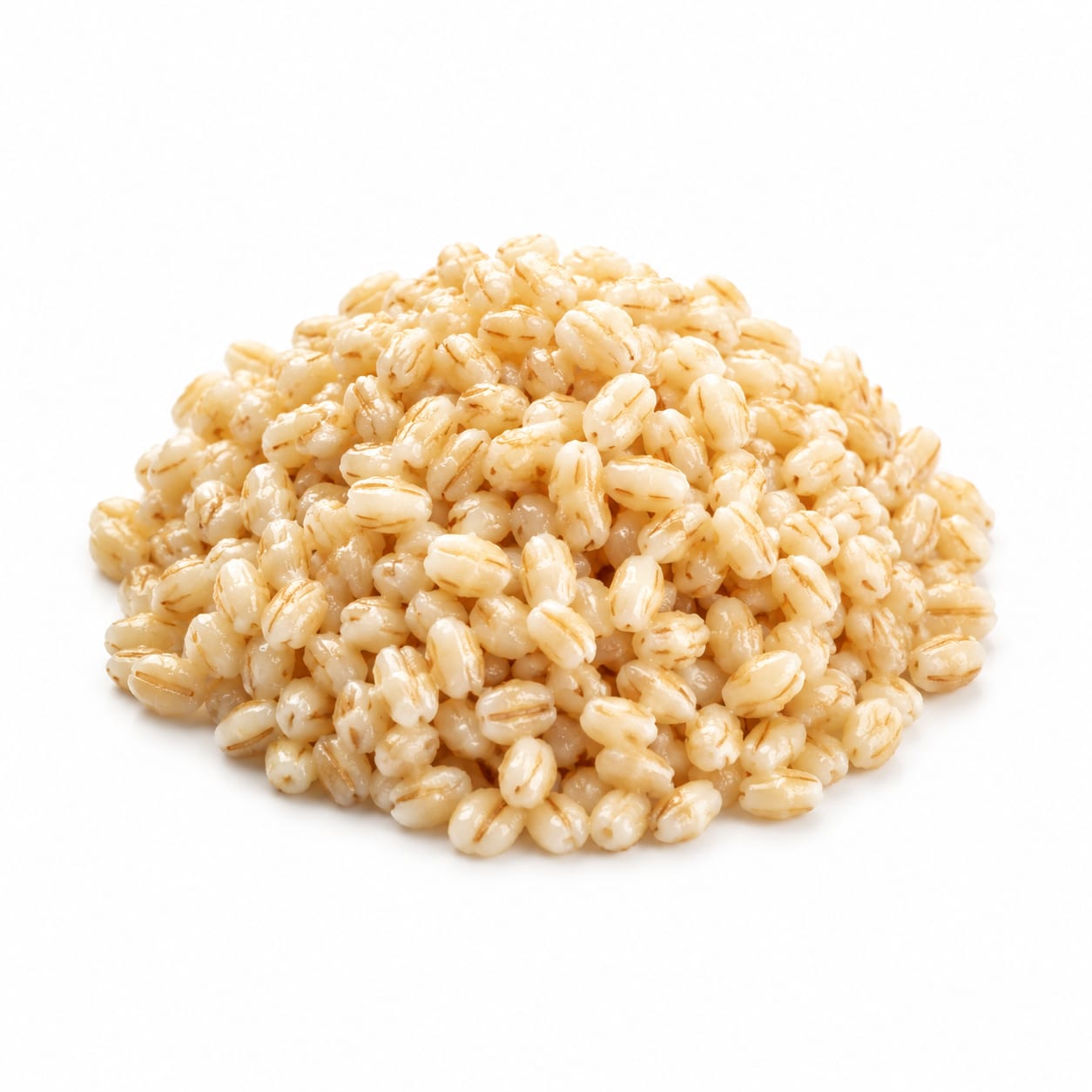
Barley
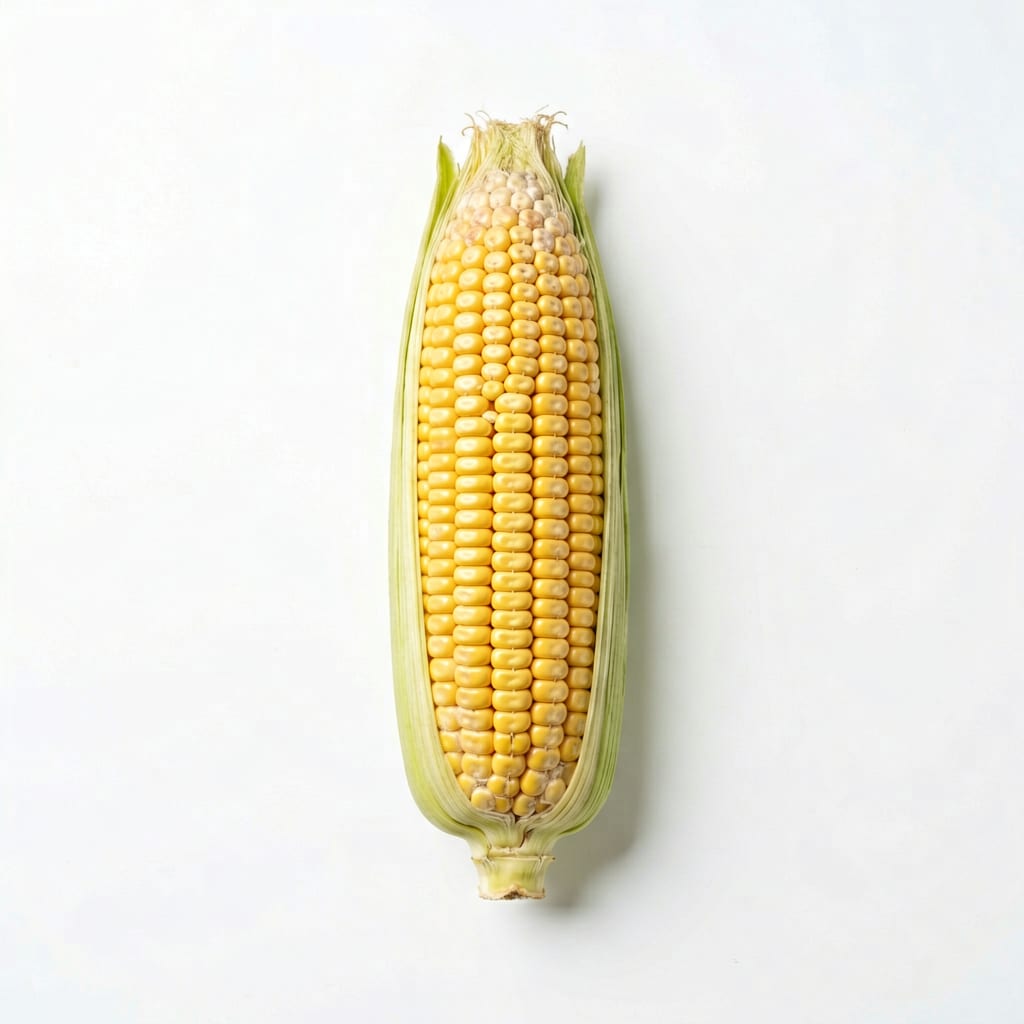
Corn
Barley wins for metabolic health and lasting fullness, but corn wins for convenience and gluten-free diets.
Barley scores notably higher due to its superior fiber profile, blood sugar stability, and cholesterol-lowering beta-glucan. Corn remains a solid whole grain choice but its higher glycemic impact and lower satiety pull its score down for everyday health optimization.
Barley gives you steadier energy and better cholesterol control at the cost of longer cook times and gluten content. Corn is quicker and gluten-free but hits your blood sugar harder.
At a glance
Executive summary
Overall
Barley
Healthier
Barley
More practical
Corn
Daily use
Barley
Key comparison lenses
blood sugar management
Barley's beta-glucan fiber dramatically slows glucose absorption compared to corn's faster-digesting starch, making this the most consequential difference for daily health
weight loss and satiety
Barley keeps you full significantly longer due to soluble fiber, while corn's natural sugars and faster digestion can trigger earlier hunger
heart health and cholesterol
Barley is one of the few grains with FDA-approved heart health claims for beta-glucan's cholesterol-lowering effect, giving it a clear edge
dietary restriction compatibility
Corn is naturally gluten-free while barley contains gluten, making this a deciding factor for anyone with celiac or gluten sensitivity
everyday convenience and versatility
Corn is faster to prepare and more familiar in most kitchens, while barley requires longer cooking and is less intuitive for many home cooks
Best choice for
Barley
- People managing prediabetes or type 2 diabetes
- Anyone trying to lower cholesterol naturally
- Those seeking long-lasting fullness between meals
- People wanting steadier energy without afternoon crashes
Corn
- People with celiac disease or gluten intolerance
- Families needing quick weeknight side dishes
- Athletes needing faster carbohydrate energy after workouts
- Anyone wanting a naturally sweet whole grain option
Least suitable for
Barley
- Anyone with celiac disease or gluten sensitivity
- People who need quick-cooking meal solutions
- Those who dislike chewy, dense grain textures
Corn
- People carefully managing blood sugar spikes
- Those on low-carb or keto-style eating plans
- Anyone trying to maximize satiety per calorie
Deep comparison
Dimension by dimension
Each lens scores both foods and breaks down who each option suits.
- Dimension 1 · Priority 95Barley
Blood Sugar Stability
Barley · 88Corn · 48Barley's beta-glucan forms a gel in your gut that slows sugar absorption dramatically. Corn digests faster and can cause noticeable glucose spikes.
Tradeoff
You get much steadier energy with barley, but corn provides quicker energy when you actually need fast carbs.
Why it matters
Blood sugar crashes drive cravings, fatigue, and overeating. The grain you choose daily shapes this cycle more than most people realize.
Real-world impact
A barley lunch keeps you focused through the afternoon. A corn-heavy lunch may leave you reaching for a snack by 3pm.
Barley
- Prediabetics and type 2 diabetics
- People prone to afternoon energy crashes
- Anyone trying to reduce sugar cravings
Better for
- Situations requiring rapid energy replenishment
Worse for
Corn
- Endurance athletes mid-event
- Post-workout recovery when quick glycogen refill matters
Better for
- Sedentary evenings when blood sugar spikes are least useful
Worse for
- Dimension 2 · Priority 90Barley
Satiety and Fullness
Barley · 85Corn · 55Barley's soluble fiber absorbs water and expands in your stomach, creating lasting fullness. Corn digests noticeably faster.
Tradeoff
Barley keeps hunger away for hours but feels heavier in the stomach. Corn feels lighter but hunger returns sooner.
Why it matters
The grain that keeps you full longer is the one you actually stick with. Hunger undermines every eating plan.
Real-world impact
A barley bowl at noon can easily carry you to dinner. Corn might leave you hunting for something else by mid-afternoon.
Barley
- People trying to eat less between meals
- Weight loss efforts relying on portion control
- Busy professionals who skip snacks
Better for
- Pre-workout meals where feeling heavy is counterproductive
Worse for
Corn
- Light meals before exercise when you want energy without heaviness
- People who feel uncomfortable with a full stomach
Better for
- Anyone prone to overeating when hunger returns quickly
Worse for
- Dimension 3 · Priority 85Barley
Heart Health and Cholesterol
Barley · 90Corn · 50Barley's beta-glucan is clinically proven to lower LDL cholesterol. Corn lacks this specific benefit despite being a whole grain.
Tradeoff
Barley actively improves cholesterol numbers. Corn is heart-healthy by being low in fat but does not actively lower cholesterol.
Why it matters
Heart disease remains the leading cause of death worldwide. A daily grain choice that actively lowers cholesterol is a low-effort intervention with real impact.
Real-world impact
Eating barley regularly can reduce LDL cholesterol by 5-10%, comparable to some dietary interventions people find much harder to maintain.
Barley
- People with elevated LDL cholesterol
- Anyone with family history of heart disease
- Those wanting food-based cholesterol management
Better for
- Those already on statins who may not see additive benefit
Worse for
Corn
- People whose cholesterol is already optimal
Better for
- Anyone relying on diet alone to improve cholesterol numbers
Worse for
- Dimension 4 · Priority 75Corn
Convenience and Cooking Speed
Barley · 35Corn · 82Corn cooks in minutes whether fresh, frozen, or canned. Barley requires 25-50 minutes depending on the type.
Tradeoff
Corn fits easily into busy weeknights. Barley rewards patience with better nutrition but demands planning ahead.
Why it matters
The healthiest grain only matters if you actually cook it. Convenience often determines what ends up on your plate.
Real-world impact
Corn can be a spontaneous side dish. Barley usually requires thinking about dinner earlier in the day or using a pressure cooker.
Barley
- Meal preppers who cook grains in batches
- Slow cooker and pressure cooker enthusiasts
Better for
- Spontaneous cooking without prep time
Worse for
Corn
- Busy parents on weeknights
- Anyone who decides dinner 20 minutes before eating
- Camping and quick-prep situations
Better for
- Situations where you want to cook a large batch to last all week
Worse for
- Dimension 5 · Priority 80Corn
Dietary Restriction Compatibility
Barley · 25Corn · 90Corn is naturally gluten-free. Barley contains gluten and is completely off-limits for anyone with celiac disease or gluten sensitivity.
Tradeoff
Corn works for a wider range of dietary needs. Barley's nutritional advantages are irrelevant if you cannot eat it safely.
Why it matters
For the roughly 7% of people with gluten-related disorders, this single factor eliminates barley entirely regardless of its other benefits.
Real-world impact
If you have celiac disease, barley is not an option at all. Corn becomes the easy default whole grain.
Barley
- People without any gluten sensitivity
Better for
- Every gluten-free household
Worse for
Corn
- Anyone with celiac disease or non-celiac gluten sensitivity
- Households cooking for mixed dietary needs including gluten-free
- People following autoimmune protocol diets
Better for
- No specific downside here beyond missing barley's other benefits
Worse for
- Dimension 6 · Priority 72Barley
Nutrient Density
Barley · 78Corn · 62Barley delivers more manganese, selenium, and fiber per serving. Corn offers more B vitamins and unique antioxidants like lutein.
Tradeoff
Barley is stronger on minerals and fiber. Corn is stronger on vision-protecting antioxidants and certain B vitamins.
Why it matters
Micronutrient differences add up over years of daily eating. Small daily advantages compound into meaningful health differences.
Real-world impact
Barley covers your manganese and selenium needs more effectively. Corn supports eye health with lutein that barley lacks entirely.
Barley
- People wanting to maximize mineral intake from grains
- Those not taking multivitamins who rely on food for selenium
Better for
- People specifically seeking lutein for eye health
Worse for
Corn
- People concerned about age-related eye degeneration
- Those wanting B-vitamin support from whole foods
Better for
- Those who need to maximize fiber and mineral intake per calorie
Worse for
- Dimension 7 · Priority 68It depends
Digestive Tolerance
Barley · 55Corn · 65Barley's high fiber can cause bloating if you are not used to it. Corn's insoluble fiber is gentler for some but the outer skin can be hard to digest for others.
Tradeoff
Barley may cause gas during adjustment period. Corn may pass partially undigested and cause different discomfort.
Why it matters
A grain that causes daily discomfort will not stay in your rotation regardless of its nutritional merits.
Real-world impact
Start with small barley portions and increase gradually. Chew corn thoroughly to avoid seeing it unchanged later.
Barley
- People already accustomed to high-fiber diets
- Those whose digestive systems handle soluble fiber well
Better for
- People with IBS who react to fermentable fibers
- Anyone suddenly increasing fiber intake
Worse for
Corn
- People with sensitive digestion who find soluble fiber bloating
- Those transitioning to whole grains from refined grains
Better for
- People with diverticulitis concerns about undigested particles
Worse for
Timeline
Health impact over time
Short-term
Hours to days
Barley
- Noticeable fullness lasting 4-5 hours after a meal
- Steady energy without the post-meal crash
- Possible bloating or gas if increasing fiber too quickly
- Slower digestion that may feel heavy before exercise
Corn
- Faster energy availability within 30-60 minutes
- Quicker return of hunger, often within 2-3 hours
- Gentler initial digestion for most people
- Possible visible undigested kernels in stool
Long-term
Months to years
Barley
- Clinically meaningful LDL cholesterol reduction with regular consumption
- Improved insulin sensitivity over months of consistent intake
- Better weight maintenance through naturally reduced calorie intake at subsequent meals
- Lower risk of type 2 diabetes in large population studies
Corn
- Supports eye health through consistent lutein and zeaxanthin intake
- Maintains whole grain benefits over refined grain alternatives
- May contribute to higher blood sugar patterns if eaten frequently without protein or fat pairing
- Sustained B-vitamin intake supporting energy metabolism
Risk profile
Safety & processing
Both barley and corn are naturally whole foods when purchased in their unprocessed forms. However, corn has a much higher chance of being genetically modified in the US market, and both grains lose significant nutritional value when refined into pearled barley or degermed corn products.
Barley
Gluten contamination
highBarley contains gluten and is strictly unsafe for anyone with celiac disease. Even trace cross-contamination in shared facilities poses risks for highly sensitive individuals.
Mycotoxin exposure
lowLike all grains, barley can harbor mold-derived mycotoxins if stored improperly, but quality controls generally keep this well within safe limits.
Corn
GMO exposure
mediumOver 90% of US corn is genetically modified. While health effects remain debated, many consumers prefer avoiding GMOs. Choosing organic corn eliminates this concern.
Aflatoxin contamination
mediumCorn is more susceptible to aflatoxin-producing molds than barley, particularly in warm humid storage conditions. Proper storage and sourcing from reputable suppliers minimizes risk.
Pesticide residue
lowConventionally grown corn can carry pesticide residues, though levels typically test below regulatory thresholds. Organic corn reduces this further.
Who wins for whom
Audience fit
Same foods, different winners depending on your goal.
children
CornCorn's natural sweetness and familiar flavor make it far more appealing to kids, and its gluten-free nature suits the higher rates of gluten sensitivity detected in children.
daily consumption
BarleyBarley's cumulative benefits for cholesterol, blood sugar, and satiety make it the stronger daily staple for most people without gluten restrictions.
diabetes
BarleyBarley's beta-glucan fiber is one of the most effective food-based interventions for flattening glucose curves, making it strongly preferred for blood sugar management.
elderly
BarleyBarley's cholesterol-lowering and blood sugar-stabilizing effects address the cardiovascular and metabolic concerns most common in older adults, though texture should be cooked soft.
muscle gain
CornCorn provides faster-digesting carbohydrates that replenish glycogen more quickly after training, and its gluten-free nature avoids gut inflammation that some athletes report.
weight loss
BarleyBarley's superior satiety means you naturally eat less at subsequent meals, creating a meaningful calorie deficit without conscious restriction.
Your move
Decision guide
Choose Barley
- You want steadier energy and fewer cravings throughout the day
- You are working on lowering cholesterol through diet
- You are managing prediabetes or type 2 diabetes
- You meal prep and do not mind longer cooking times
- You want the most filling grain per calorie
Choose Corn
- You have celiac disease or gluten sensitivity
- You need a quick-cooking grain for busy weeknights
- You want a naturally sweeter whole grain that kids will eat
- You need fast carbohydrate energy after workouts
- You prefer organic and want to avoid GMO barley concerns
Either works if
- You simply want a whole grain instead of refined grains
- You rotate grains for dietary diversity
- You pair grains with protein and healthy fats for balanced meals
Avoid both if
- You are on a strict very-low-carb eating plan
- You have severe grain allergies or sensitivities to both
- You are in an active flare of IBS and need to reduce all fiber temporarily
Final recommendation
Make barley your default grain if gluten is not a concern. Its blood sugar and cholesterol benefits compound meaningfully over time. Keep corn as a backup for rushed evenings, post-workout meals, or when cooking for gluten-free guests. The best approach is rotating both to get barley's metabolic benefits and corn's unique antioxidants, but barley should anchor your grain rotation.
Practical
Consumer tips
- 1
Choose hulled barley over pearled barley when possible. Hulled retains more fiber and nutrients, though it takes longer to cook.
- 2
If barley's cook time is a barrier, prepare a large batch and refrigerate portions for up to 5 days. It reheats perfectly.
- 3
Pair corn with black beans and a fat source like avocado. The protein and fat slow corn's glucose absorption significantly.
- 4
Buy organic corn if you want to avoid GMOs. The organic label guarantees non-GMO sourcing.
- 5
Soak barley overnight to cut cooking time in half and improve digestibility.
- 6
If new to barley, start with half-cup servings to let your gut adjust to the fiber increase without bloating.
- 7
Freeze cooked barley in portioned bags for instant grain bowls throughout the week.