
Nutrition comparison
Barley vs Farro: Which Ancient Grain Is Better for Your Health Goals?
Barley delivers unmatched beta-glucan fiber for blood sugar and cholesterol control. Farro offers more protein and better texture. Compare nutrition, taste, and best uses to pick the right grain for you.
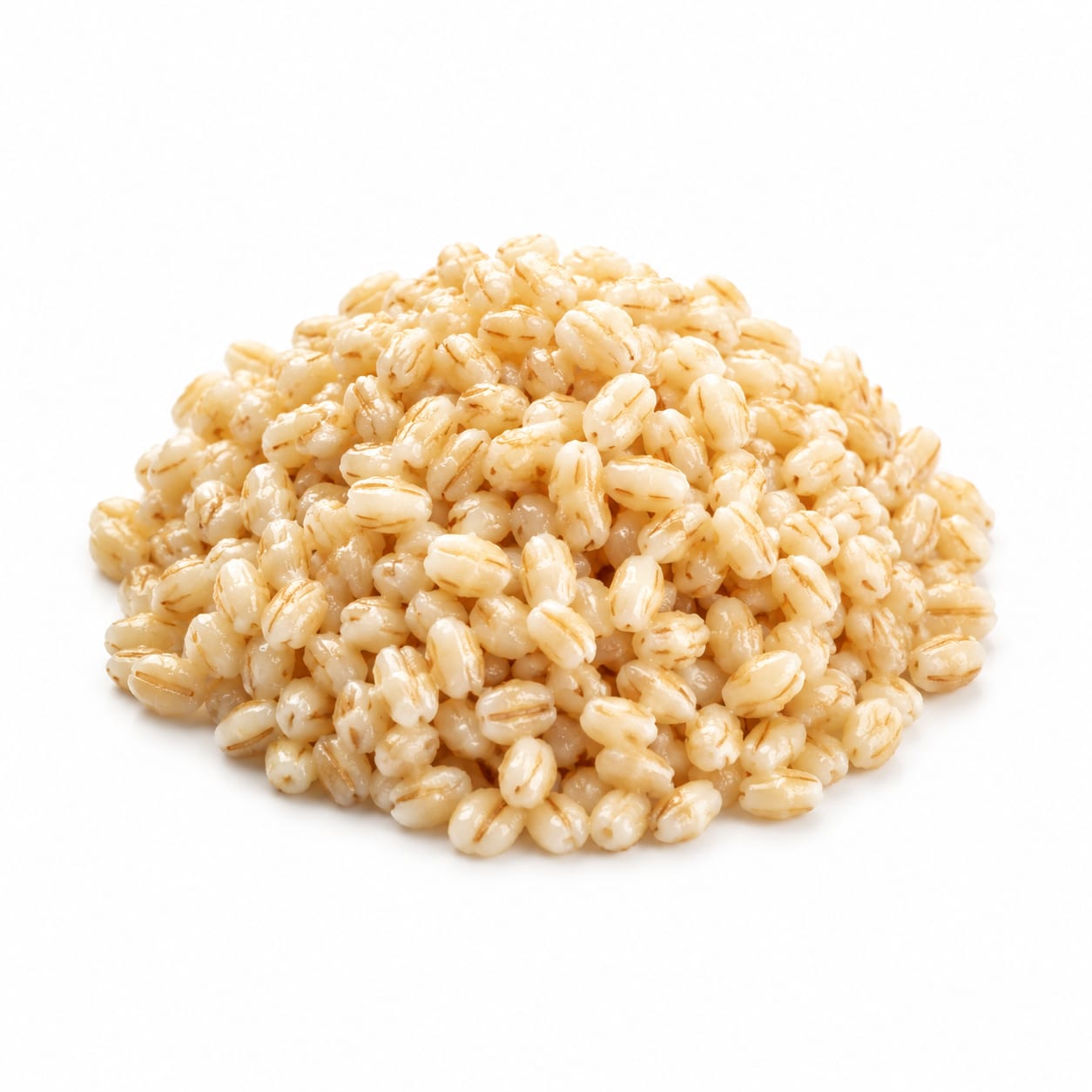
Barley
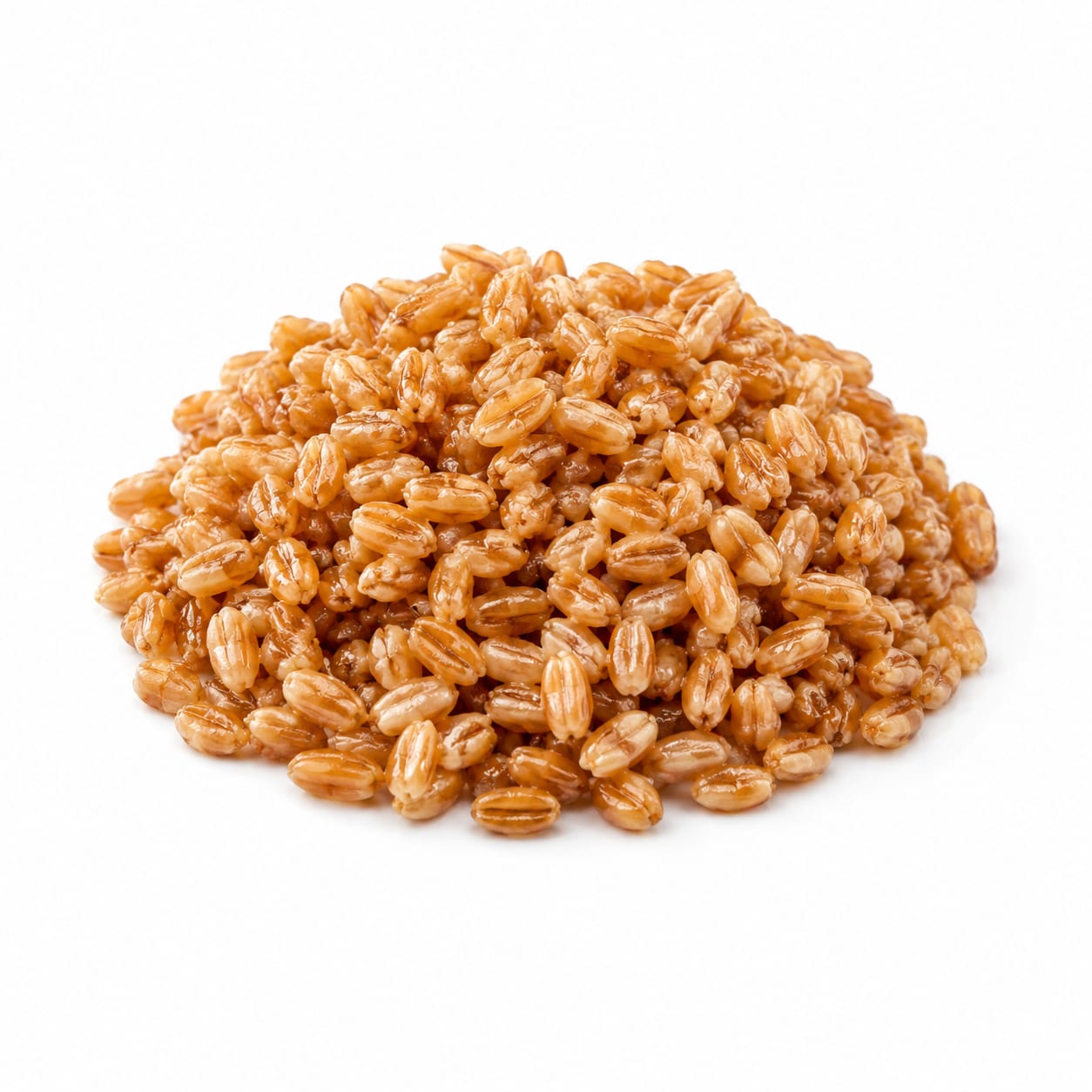
Farro
Barley is the metabolic champion with unmatched fiber for blood sugar and cholesterol control, while farro is the protein-rich culinary star that feels more satisfying on the plate.
Barley edges ahead on measurable health outcomes, especially blood sugar and cholesterol. Farro wins on protein, taste, and meal satisfaction. The gap is narrow because culinary enjoyment drives long-term adherence.
Barley gives you superior heart and blood sugar benefits but a softer, less exciting eating experience. Farro gives you more protein, better texture, and richer flavor but less dramatic health metrics.
At a glance
Executive summary
Overall
It depends
Healthier
Barley
More practical
Farro
Daily use
Barley
Key comparison lenses
Blood sugar management and diabetes-friendliness
Barley's exceptional beta-glucan content makes it a standout for glucose control, while farro behaves more like a typical whole grain
Heart health and cholesterol reduction
Barley is one of the few grains with clinically proven cholesterol-lowering beta-glucan fiber
Protein quality and satiety for active lifestyles
Farro delivers notably more protein per serving, making it more filling and better suited for athletes
Culinary experience and meal satisfaction
Farro's chewy texture and nutty flavor make it more enjoyable as a standalone grain dish
Mineral density and micronutrient value
Farro provides more iron, zinc, and magnesium, which matters for those eating grain-based diets
Best choice for
Barley
- People managing type 2 diabetes or prediabetes
- Anyone actively trying to lower cholesterol
- Those seeking maximum fiber on a budget
- People who prefer softer grains in soups and stews
Farro
- Athletes and active individuals needing more protein
- Home cooks wanting a grain that stands on its own as a dish
- People following Mediterranean diet patterns
- Anyone bored with bland grains who wants nutty, chewy satisfaction
Least suitable for
Barley
- People with celiac disease or gluten sensitivity
- Those who find soft, mushy textures unappealing
- Anyone seeking a high-protein grain base
Farro
- People with celiac disease or wheat allergies
- Those strictly monitoring blood sugar spikes
- Budget-conscious shoppers (farro is significantly pricier)
Deep comparison
Dimension by dimension
Each lens scores both foods and breaks down who each option suits.
- Dimension 1 · Priority 95Barley
Blood Sugar Stability
Barley · 92Farro · 68Barley's beta-glucan fiber forms a gel in your gut that slows glucose absorption dramatically. Farro digests more like other whole wheat varieties.
Tradeoff
Barley delivers steadier energy with less post-meal crashing. Farro is still decent but won't give you the same glucose-dampening effect.
Why it matters
If you're watching blood sugar, this is the single most important difference between these two grains.
Real-world impact
After a barley bowl, you're less likely to feel that mid-afternoon energy dip. After farro, you might reach for a snack sooner.
Barley
- Diabetics needing predictable glucose responses
- People who experience energy crashes after carb-heavy meals
Better for
- Those wanting quick energy replenishment after intense exercise
Worse for
Farro
- Athletes who actually want faster carb availability post-workout
Better for
- Anyone needing tight glycemic control
Worse for
- Dimension 2 · Priority 90Barley
Heart Health and Cholesterol
Barley · 94Farro · 65Barley contains 3-8 grams of beta-glucan per serving, which is the specific fiber clinically shown to lower LDL cholesterol by 5-10%.
Tradeoff
Farro has decent fiber but lacks the concentrated beta-glucan that makes barley a legitimate heart-health tool.
Why it matters
This isn't theoretical. Health agencies officially recognize barley beta-glucan for cholesterol reduction. Few grains can make this claim.
Real-world impact
Eating barley regularly could meaningfully shift your cholesterol numbers over months. Farro is heart-healthy in a general sense but won't move the needle as directly.
Barley
- People with elevated LDL cholesterol
- Those with family history of heart disease wanting proactive dietary action
Better for
- People who dislike the texture and won't eat it consistently enough for benefits
Worse for
Farro
- Those whose heart health strategy focuses more on overall Mediterranean patterns
Better for
- Anyone specifically targeting cholesterol reduction through diet
Worse for
- Dimension 3 · Priority 85Farro
Protein Content and Satiety
Barley · 62Farro · 84Farro delivers roughly 7-8g of protein per cooked cup versus barley's 3-4g. That difference makes farro noticeably more filling.
Tradeoff
Farro keeps you fuller for longer thanks to more protein. Barley relies more on fiber for fullness, which works but feels different.
Why it matters
Protein-driven satiety tends to last longer and feel more satisfying than fiber-driven fullness alone.
Real-world impact
A farro grain bowl at lunch is more likely to carry you to dinner without snacking. A barley bowl might leave you hunting for a protein boost.
Barley
- Those who pair grains with protein sources and don't rely on the grain alone
Better for
- People eating grain-heavy meals without added protein
Worse for
Farro
- Vegetarians needing protein from multiple sources
- Active people who want their grain to contribute meaningful protein
- Anyone trying to stay full between meals
Better for
- Those already exceeding protein needs from other sources
Worse for
- Dimension 4 · Priority 75Farro
Mineral and Micronutrient Density
Barley · 66Farro · 80Farro provides more iron, zinc, and magnesium per serving. Barley offers more selenium and manganese but falls short on iron.
Tradeoff
Farro is the better mineral source overall, especially for iron. Barley's selenium edge matters for thyroid health but is less commonly deficient.
Why it matters
If grains are a significant part of your diet, their mineral contribution adds up meaningfully over time.
Real-world impact
For vegetarians and women prone to iron deficiency, farro is the more helpful grain. For thyroid concerns, barley has a slight edge.
Barley
- Those concerned about selenium intake and thyroid function
Better for
- People relying on grains as a primary iron source
Worse for
Farro
- Vegetarians and vegans needing plant-based iron
- Women with higher iron requirements
- Anyone eating grain-centric diets who needs minerals to add up
Better for
- Those specifically seeking selenium-rich foods
Worse for
- Dimension 5 · Priority 80Farro
Culinary Experience and Enjoyment
Barley · 58Farro · 88Farro has a satisfying chew, nutty depth, and holds its shape beautifully. Barley tends toward softness and can become porridge-like.
Tradeoff
Farro is simply more enjoyable to eat as a standalone grain. Barley shines in soups but rarely excites as a base grain.
Why it matters
The best grain for your health is the one you'll actually eat regularly. Taste and texture drive adherence more than nutrition facts.
Real-world impact
Farro salads feel like a real meal. Barley sides often feel like something you're eating because you should, not because you crave it.
Barley
- Soup lovers who want a grain that thickens and blends
- Those who prefer softer, comfort-food textures
Better for
- People who dislike mushy textures
- Those seeking a grain that works in cold salads
Worse for
Farro
- Home cooks wanting a grain that impresses guests
- Salad builders needing a grain that holds its shape
- Anyone who finds most grains boring and wants more flavor
Better for
- Those wanting a grain that dissolves into and thickens soups
Worse for
- Dimension 6 · Priority 70Barley
Cost and Accessibility
Barley · 85Farro · 55Barley is one of the cheapest whole grains available. Farro is often 2-3 times more expensive and harder to find in regular grocery stores.
Tradeoff
Barley is budget-friendly and everywhere. Farro is a specialty purchase that requires more effort and money to keep stocked.
Why it matters
Cost determines whether a food becomes a staple or an occasional treat. Accessibility determines if you can even find it.
Real-world impact
You can buy barley at any grocery store for pennies per serving. Farro might require a trip to a specialty store or online order.
Barley
- Budget-conscious households
- People who shop at conventional grocery stores
- Those buying grains in bulk
Better for
- Those who associate low cost with low quality and avoid it
Worse for
Farro
- Those with access to specialty or Italian markets
- People willing to pay more for a superior eating experience
Better for
- Anyone on a tight food budget
- People in areas without specialty grocery access
Worse for
Timeline
Health impact over time
Short-term
Hours to days
Barley
- Noticeably steadier energy after meals due to beta-glucan slowing digestion
- Stronger feeling of gut fullness from soluble fiber, which can reduce between-meal snacking
- Possible mild bloating if you're not used to high soluble fiber intake
Farro
- More sustained fullness from higher protein content per serving
- Moderate energy release without dramatic spikes or crashes
- Slightly faster digestion than barley, meaning hunger returns sooner
Long-term
Months to years
Barley
- Clinically meaningful LDL cholesterol reduction with regular consumption
- Improved insulin sensitivity and lower diabetes risk over years
- Better gut health from consistent high soluble fiber feeding beneficial bacteria
Farro
- Better mineral status over time, particularly iron and magnesium
- Improved muscle maintenance from higher protein intake in grain-based diets
- General whole-grain benefits including reduced cardiovascular risk, though less targeted than barley
Risk profile
Safety & processing
Both are whole, ancient grains with minimal processing. However, pearled barley is common and has its bran partially removed. Hulled barley is the true whole grain form. Farro is typically sold as whole grain or semi-pearled. Always check packaging to ensure you're getting the least processed version.
Barley
Gluten exposure
highBarley contains gluten and is unsafe for those with celiac disease or non-celiac gluten sensitivity. Even small amounts trigger reactions in sensitive individuals.
Pesticide residue
lowConventionally grown barley may carry pesticide residues, but the risk is lower than many crops. Organic options are widely available.
Farro
Gluten and wheat allergen exposure
highFarro is a form of wheat and contains gluten. It is unsuitable for anyone with celiac disease, wheat allergy, or gluten sensitivity.
Cross-contamination in processing
mediumFarro is often processed in facilities handling other grains, so those with severe allergies should verify dedicated processing lines.
Who wins for whom
Audience fit
Same foods, different winners depending on your goal.
children
FarroFarro's chewy texture and nutty flavor are more appealing to kids. The higher protein and iron content also support growing bodies better.
daily consumption
BarleyBarley's superior health metrics and lower cost make it more sustainable as a daily staple. The health benefits compound with consistent intake.
diabetes
BarleyBarley's beta-glucan is clinically proven to reduce post-meal glucose spikes and improve insulin sensitivity. This is its single greatest strength.
elderly
BarleyBarley's softer texture when cooked is easier to chew and digest. The fiber supports regularity, which is a common concern in older adults.
muscle gain
FarroFarro's higher protein content supports muscle maintenance and repair better, especially when paired with other protein sources throughout the day.
weight loss
BarleyBarley's beta-glucan fiber creates stronger satiety signals with fewer calories, making it easier to eat less overall. The soluble fiber gel physically fills your stomach.
Your move
Decision guide
Choose Barley
- You're managing diabetes, prediabetes, or metabolic syndrome
- You have elevated cholesterol and want a food that actively helps lower it
- You're on a budget and need an affordable whole grain staple
- You love grain soups and stews where a softer texture works perfectly
- You want the grain with the strongest evidence base for measurable health improvements
Choose Farro
- You want a grain that actually excites you to eat it
- You're active and need more protein from your carb sources
- You follow a Mediterranean eating pattern
- You're building grain bowls or salads where texture matters
- You're not struggling with blood sugar or cholesterol and want a delicious whole grain
Either works if
- You tolerate gluten and just want a nutritious whole grain rotation
- You're already eating a varied diet and neither grain needs to be your sole staple
- You want to alternate between them based on the meal you're cooking
Avoid both if
- You have celiac disease or gluten sensitivity
- You have a wheat allergy
- You're following a strict grain-free or paleo protocol
Final recommendation
Keep both in your pantry if budget allows. Use barley when health metrics are your priority, especially for blood sugar and cholesterol management. Use farro when you want a grain that makes the meal feel special. If you must choose one, barley delivers more measurable health benefits per dollar, but farro delivers more eating pleasure per bite. The best choice is the one you'll eat consistently.
Practical
Consumer tips
- 1
Buy hulled barley instead of pearled barley to get the full bran layer and maximum beta-glucan content
- 2
Soak farro overnight to reduce cooking time and improve digestibility
- 3
Toast farro in a dry pan for 2-3 minutes before cooking to deepen its nutty flavor
- 4
If barley's soft texture bothers you, try undercooking it slightly for more bite
- 5
Batch-cook both grains and freeze portions for quick weeknight meals
- 6
Check farro packaging for 'whole grain' or 'semi-pearled' labels to ensure you're getting maximum nutrition
- 7
Rinse both grains before cooking to remove any debris and reduce surface starch that can make them gummy
- 8
Pair barley with legumes to compensate for its lower protein content
- 9
Use farro in cold salads with olive oil and vegetables for a satisfying summer meal
- 10
Start with small portions of barley if you're not used to high soluble fiber to avoid bloating