
Vegetable
Baby Corn
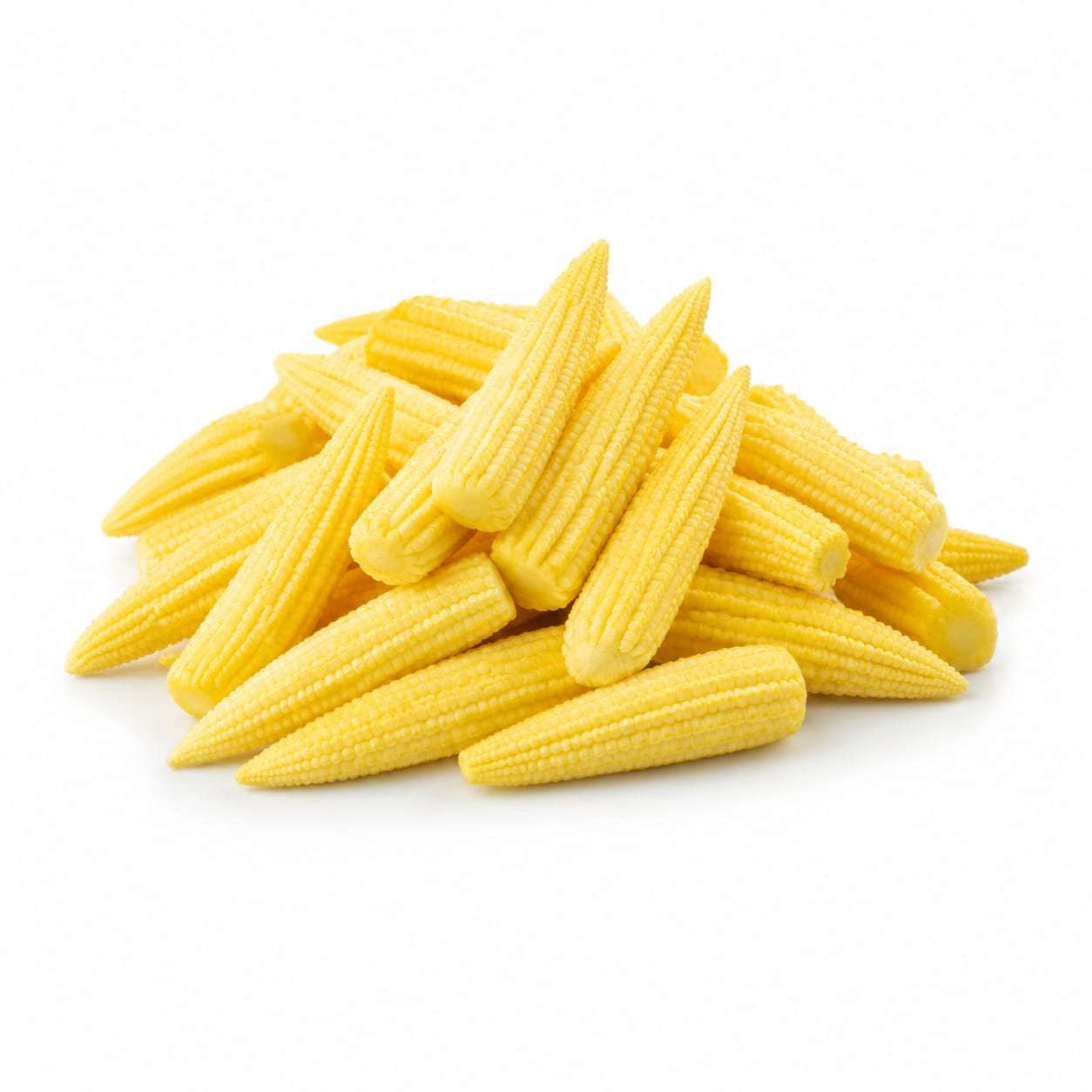
Baby corn is the immature ear of maize harvested before pollination, consumed as a low-calorie, crunchy vegetable.
Baby corn is a cereal grain taken from corn harvested early, specifically the immature ear of maize, eaten whole including the cob. It is commonly used in Asian cuisine and stir-fries.
high-volume low-calorie vegetable
Typical serving · 85g
Common varieties · yellow, white, fresh, canned, frozen
Overall context score across nutrition, safety, and diet fit
At a glance
Quick facts
Simple indicators based on nutrition, processing, and diet fit.
The story
What makes it unique
Baby corn has a low energy density due to its high water and fiber content. It digests slowly because of the intact cellular structure and fiber, providing moderate satiety without rapid glycemic spikes. The macronutrient profile is low in calories, fat, and sugar compared to mature sweet corn.
Varieties: yellow · white · fresh · canned · frozen
Per 100g
Nutrition breakdown
Macro balance and key metrics at a glance.
Energy
Density 0.26 kcal/g
Protein
Carbs
Fat
Fiber
Sugar
1.2 g
Sodium
5 mg
Potassium
210 mg
Glycemic index
35
Glycemic load
2
Water content
90%
Standout compounds
Nutrient highlights
Fiber
moderatesupports digestion and gut microbiome health
Potassium
moderatehelps regulate blood pressure and fluid balance
Vitamin C
lowsupports immune function and collagen synthesis
Folate
lowimportant for cell division and DNA synthesis
Wellness map
Health scores & processing
NOVA processing scale
minimally processed · Whole food
Fresh or frozen baby corn is unprocessed. Canned versions may contain added salt but remain minimally processed.
Diet compatibility
- Weight loss
- Muscle gain
- Diabetes
- Gut health
- Low carb
- High protein
- Heart health
Relative standing
Food rankings
Qualitative ranks compared to similar whole foods.
- Satietygood
- Blood sugarexcellent
- Nutrient densitygood
- Fitness fuelpoor
- Processing qualityexcellent
Eat with confidence
Food safety profile
Baby corn is generally safe with low contamination and pesticide risks. Canned varieties may contain added sodium or BPA from can linings.
Evidence confidence 90%
- Pesticideslow
- Antibioticslow
- Heavy metalslow
- Contaminationlow
Watch for
- BPA from can linings
- sodium from canning brine
Safer choices
Fresh or frozen over canned to avoid added sodium and BPA exposure.
Prep tips
Rinse canned varieties to reduce sodium by up to 30%. Wash fresh baby corn thoroughly to remove surface debris.
Minimal concerns; standard agricultural practices apply.
Deep dive
Health analysis
How this food may fit different goals and preparation choices.
Weight loss
Extremely low energy density allows large portion sizes with minimal caloric intake, promoting fullness without calorie surplus.
Blood sugar
Low glycemic index and load prevent rapid blood sugar spikes, making it safe for glucose management and diabetic diets.
Fitness & energy
Lacks the dense carbohydrates needed for high-intensity fuel, better used as a volume filler in meals rather than a primary energy source.
Gut health
Provides dietary fiber that supports bowel regularity and feeds beneficial gut bacteria without causing bloating.
Processing quality
Typically sold fresh, frozen, or canned with minimal additives, retaining its whole food status and nutrient profile.
Food safety
Low risk of agricultural contaminants; primary concern is sodium content in canned versions.
Common mistakes
Assuming it has the same nutritional profile as mature sweet corn, which is significantly higher in carbs and calories.
Best preparation
Stir-frying, steaming, or adding raw to salads preserves crunch and nutrients without adding excess calories.
Practical guide
Best use cases
When and how this food fits real eating patterns.
high-volume low-calorie eating
Add bulk to meals with minimal calories to promote physical fullness.
low-carb stir-fries
Provides the classic corn texture and visual appeal without the high carbohydrate count of mature corn.
salad crunch enhancer
Adds raw crunch and visual interest to salads without adding significant calories or sugar.
Balance sheet
Pros & cons
Upsides
- Very low in calories and net carbohydrates
- Low glycemic index prevents blood sugar spikes
- Adds significant volume and crunch to meals
- Versatile for cooking methods like stir-frying and steaming
- Naturally gluten-free and grain-free despite being a corn variety
Trade-offs
- Lower in protein and healthy fats, requiring meal pairing for balance
- Canned versions often contain high sodium
- Less macronutrient fuel for high-intensity athletics
- Can be more expensive and harder to find fresh than other common vegetables
Fit check
Who is it for?
Great match
- weight loss diets
- low-carb eating
- diabetic meal plans
- high-volume eaters
Consider alternatives
- high-calorie bulking
- post-workout carb loading
- strict zero-carb diets
Side by side
How it compares
Open the full head-to-head analysis for nutrition, safety, and practical tradeoffs.
This food
Baby Corn
VS85% alike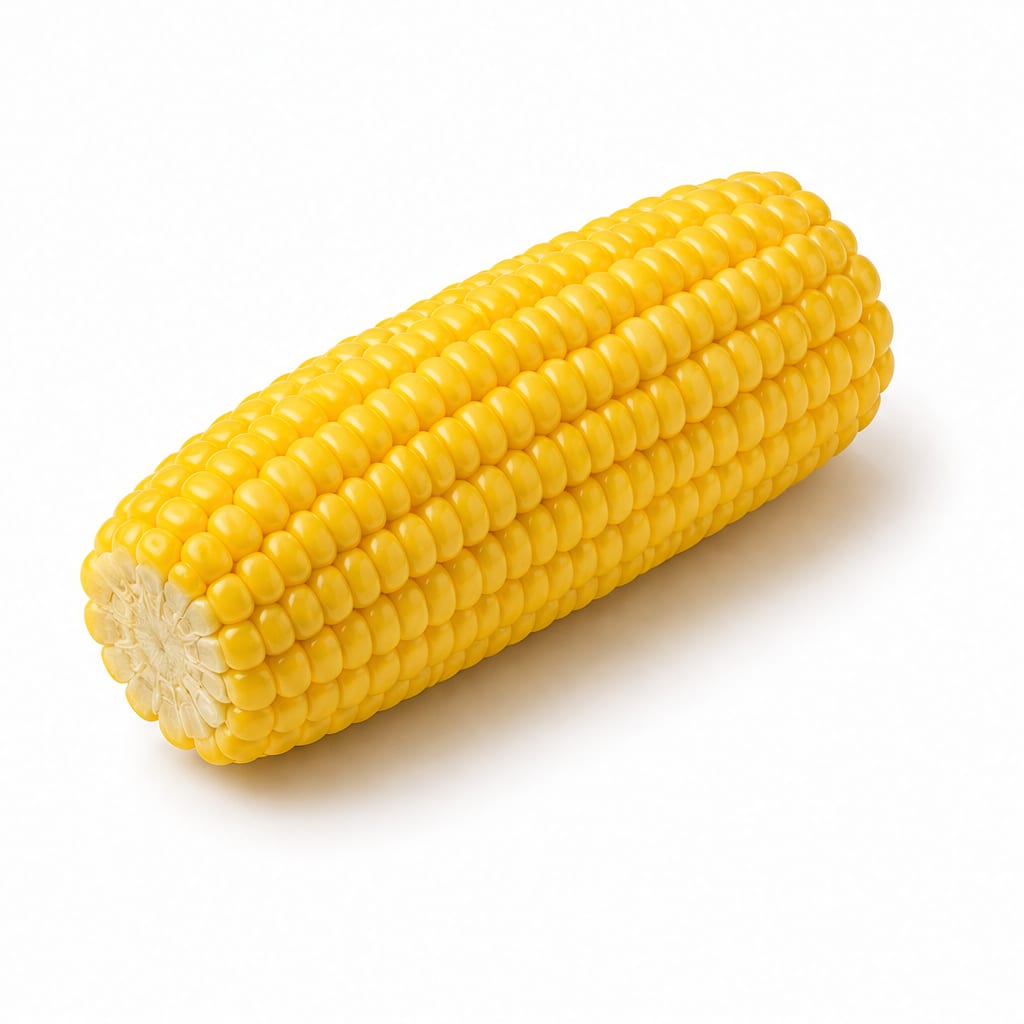
Compare with
Regular Corn
Baby corn is harvested early, resulting in far fewer calories and carbs than mature sweet corn, which has accumulated sugars.
Baby corn is much lower in calories and carbs than regular corn, making it better for weight loss, while regular corn provides more energy for workouts.
This food
Baby Corn
VS75% alike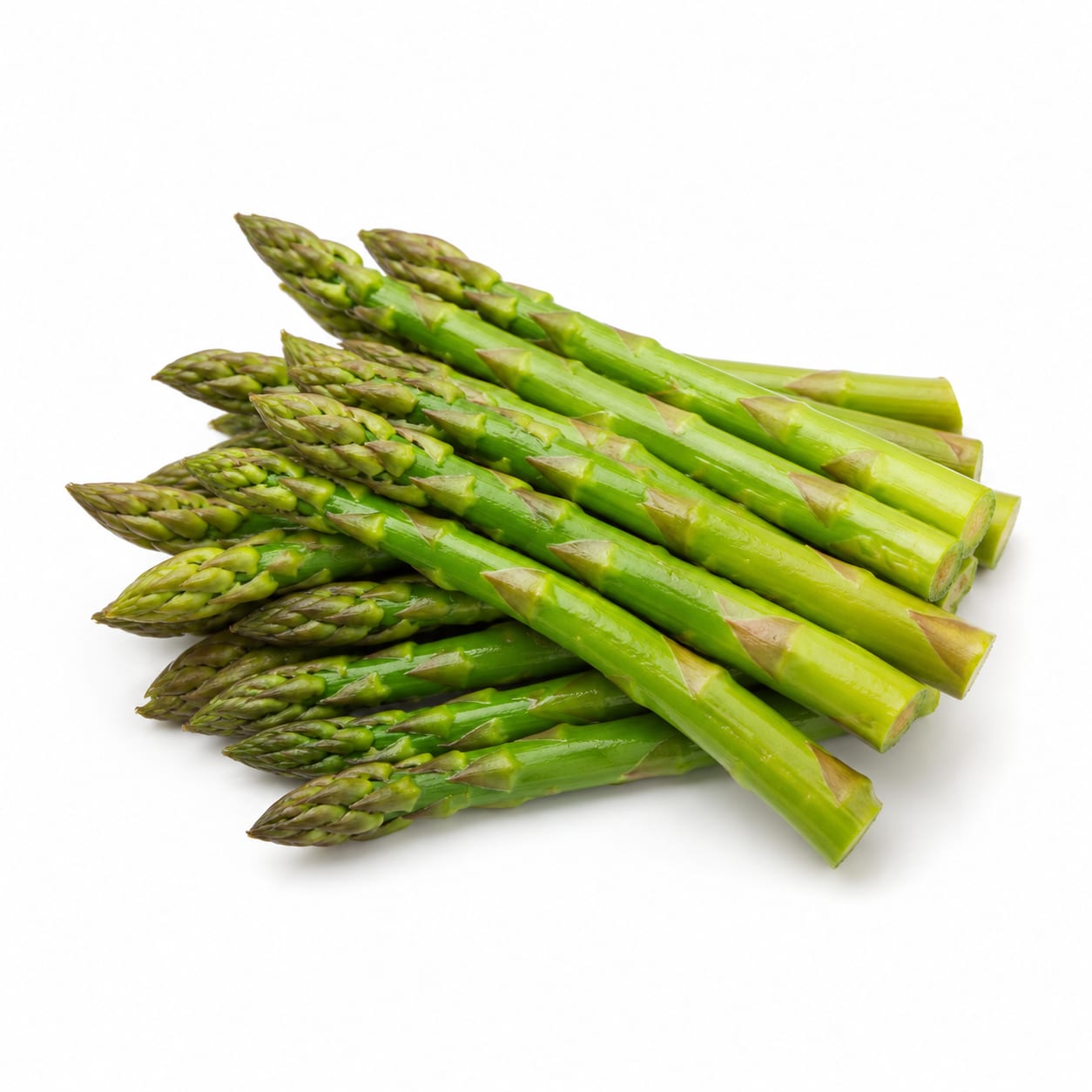
Compare with
Asparagus
Both are excellent low-calorie vegetables, but asparagus offers more micronutrients like folate and vitamin K.
Baby corn and asparagus are both great for weight loss and blood sugar control, though asparagus has a slight edge in vitamin content.
This food
Baby Corn
VS80% alike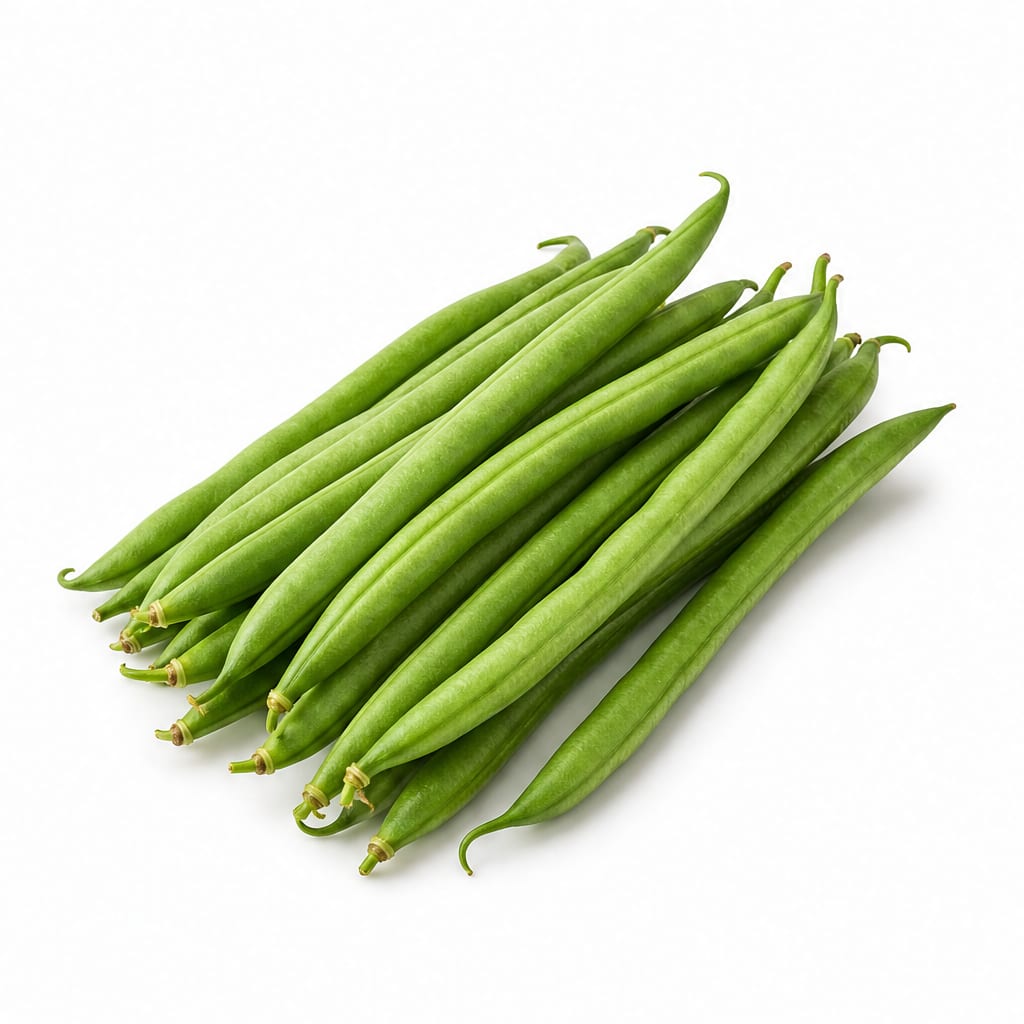
Compare with
Green Beans
Green beans are slightly lower in carbohydrates, while baby corn offers a crunchier texture and slightly different flavor profile.
Green beans and baby corn are both low-calorie, but green beans are slightly lower in carbs while baby corn provides a unique crunch.
This food
Baby Corn
VS90% alike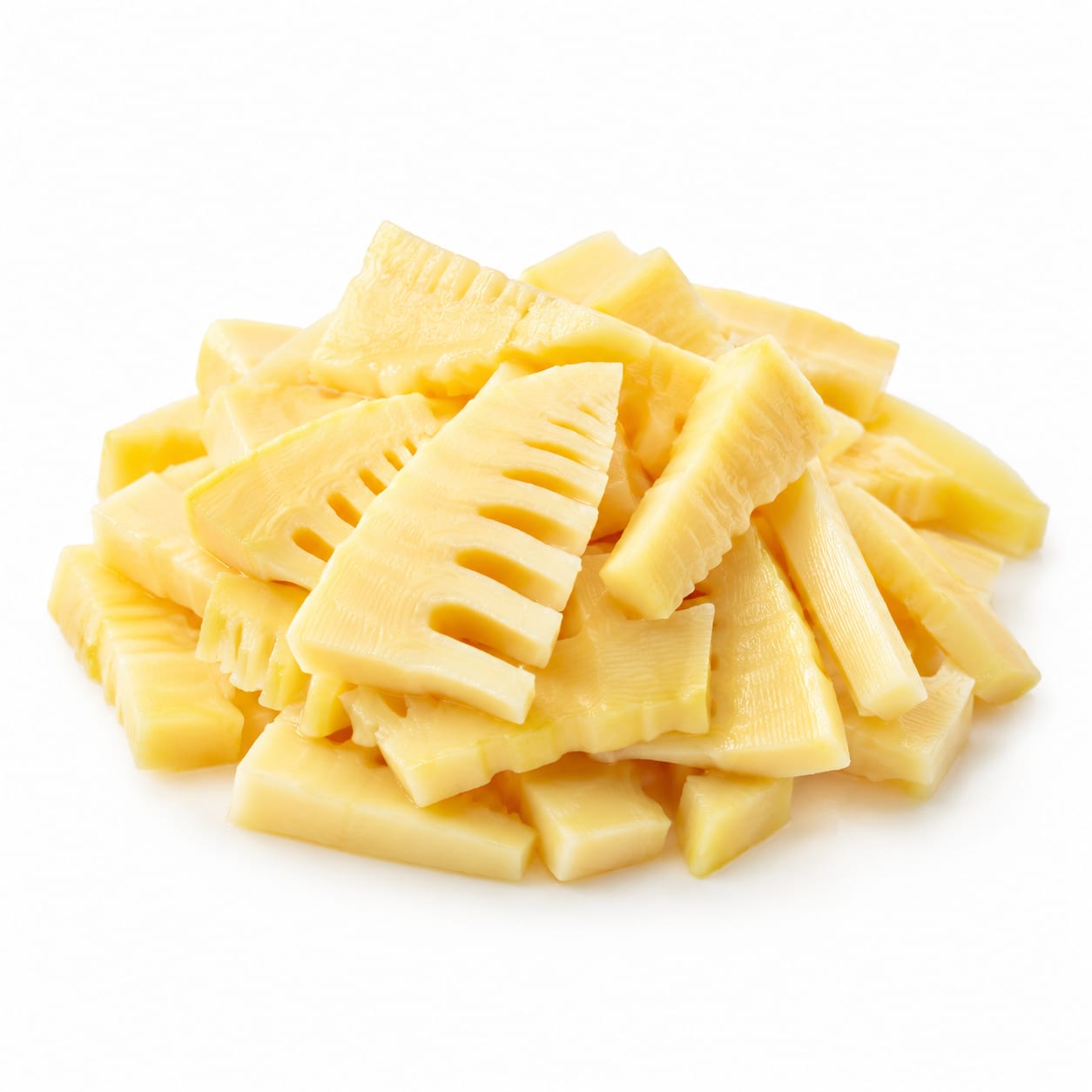
Compare with
Bamboo Shoots
Both are extremely low-calorie crunch vegetables used in stir-fries. Bamboo shoots are slightly lower in carbs but comparable in nutrition.
Bamboo shoots and baby corn are nearly identical in calories and use, both offering excellent low-carb crunch for stir-fries.
This food
Baby Corn
VS70% alike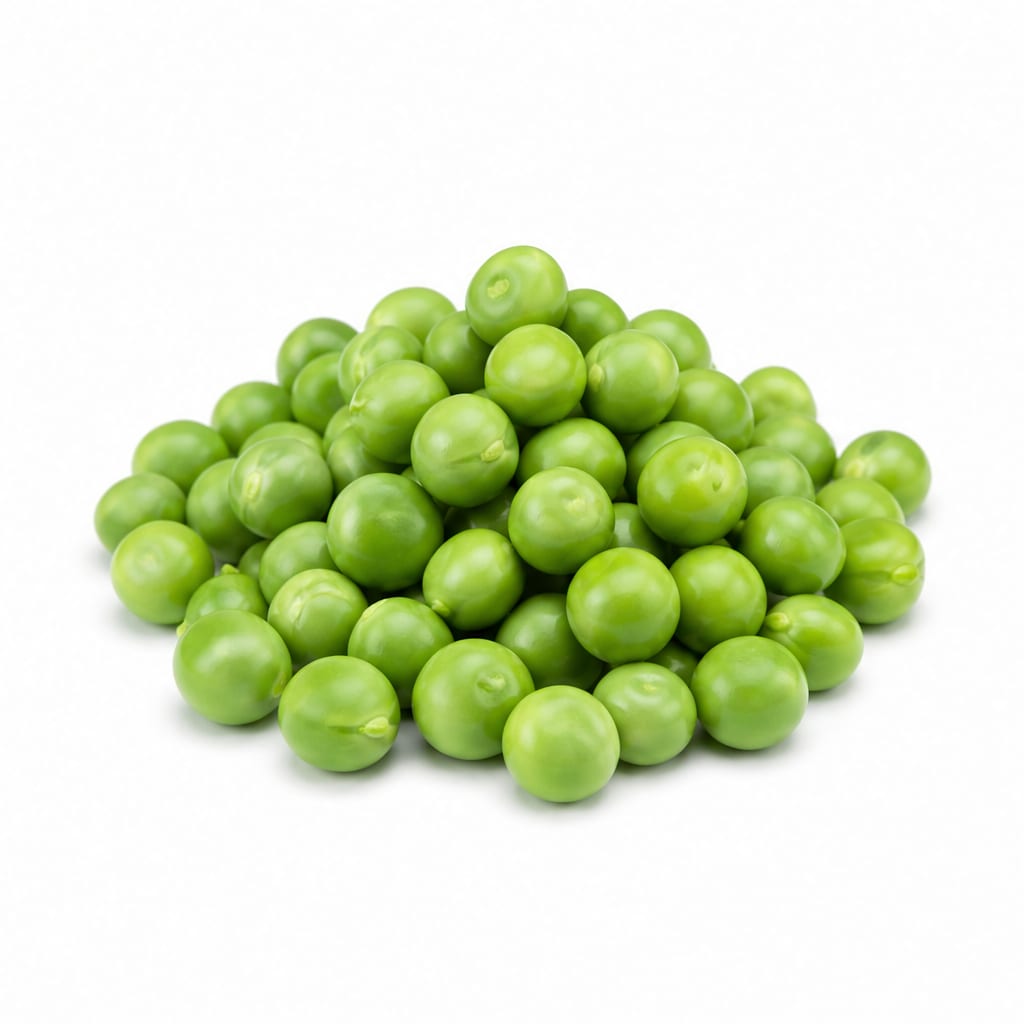
Compare with
Peas
Peas are significantly higher in protein and carbohydrates, making them more filling but less suitable for strict low-carb diets than baby corn.
Baby corn is much lower in carbs and calories than peas, making it better for low-carb diets, while peas offer more protein and fiber for satiety.
This food
Baby Corn
VS80% alike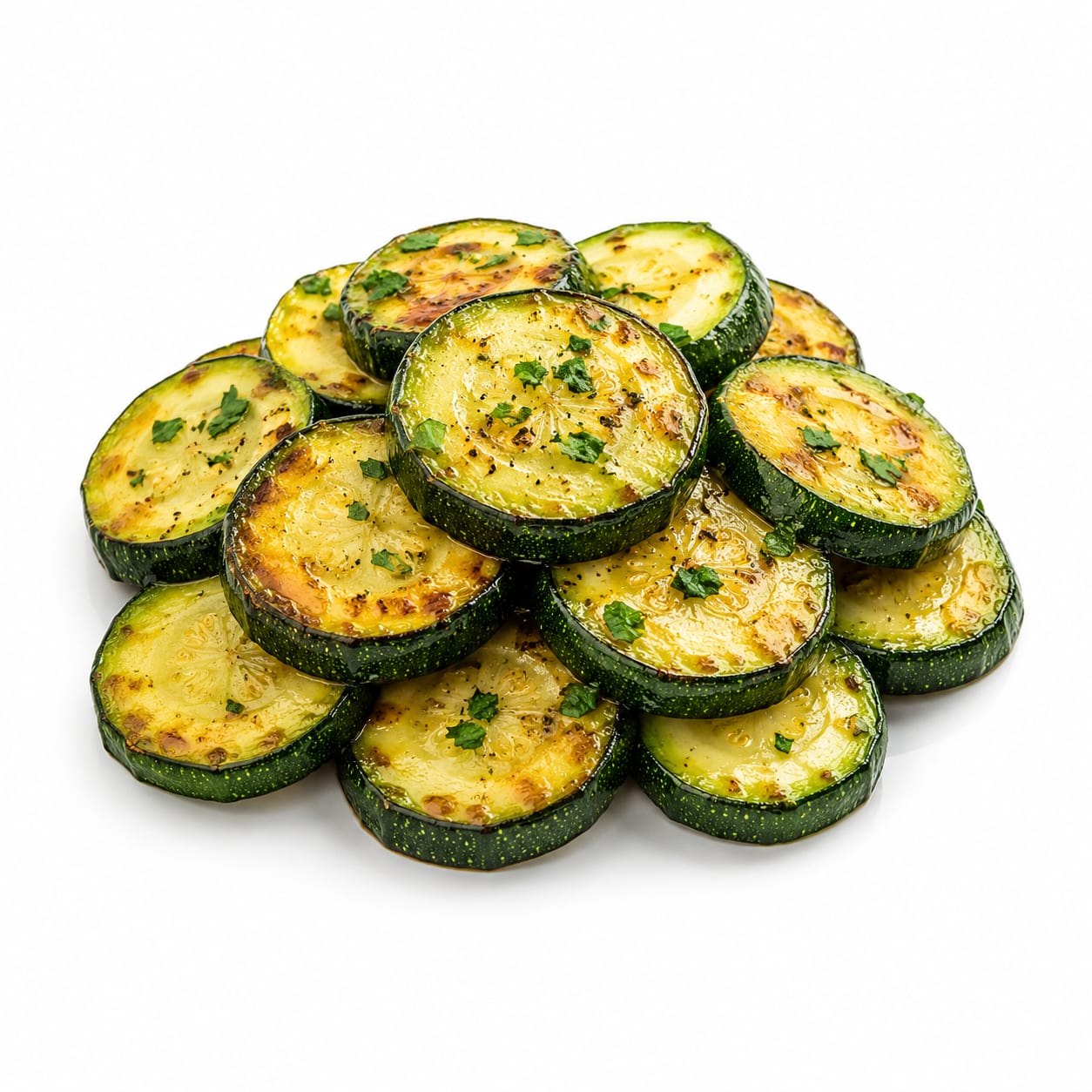
Compare with
Zucchini
Zucchini is even lower in calories and carbs than baby corn, but baby corn has a denser crunch and slightly more protein per gram.
Zucchini beats baby corn for sheer calorie reduction, but both are excellent low-glycemic vegetables for weight loss.
This food
Baby Corn
VS75% alike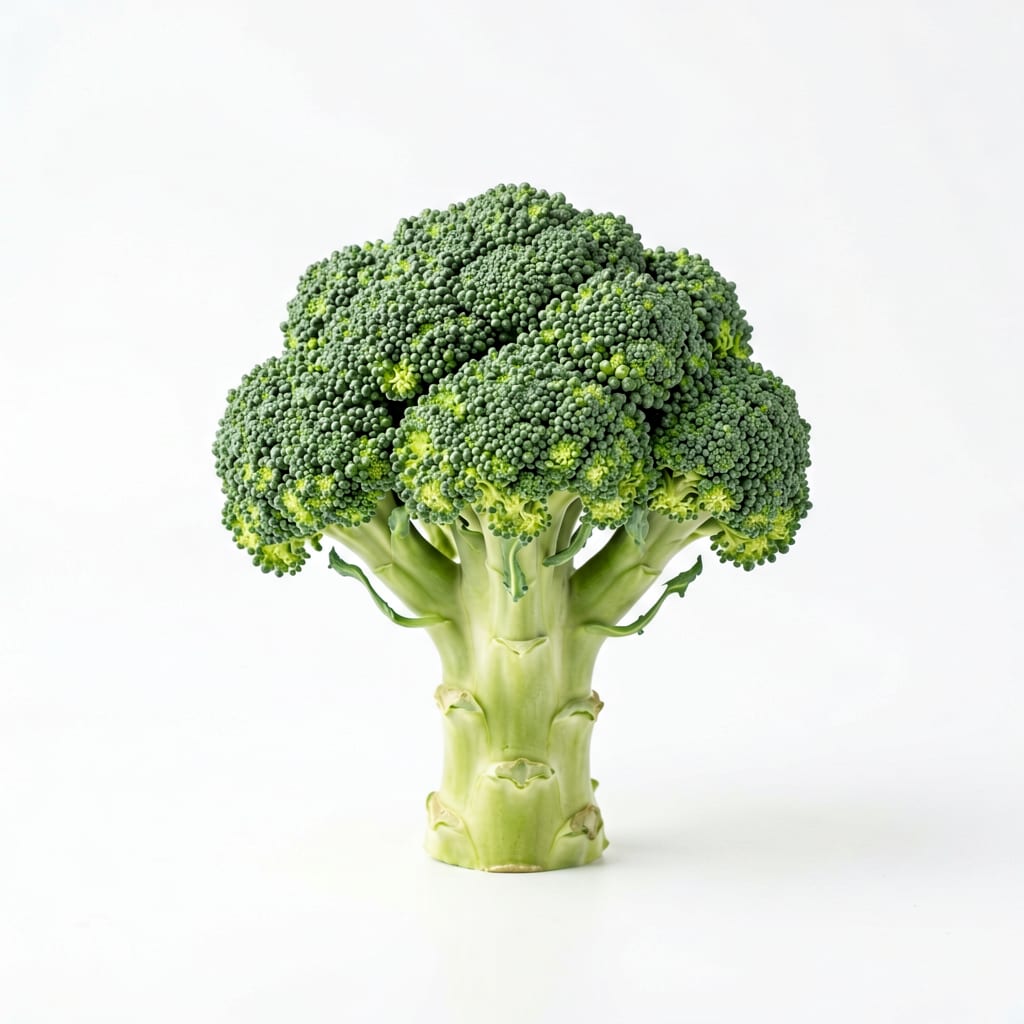
Compare with
Broccoli
Broccoli provides more vitamin C, fiber, and protein per calorie, making it more nutrient-dense, while baby corn offers a milder flavor.
Broccoli is more nutrient-dense and filling than baby corn, though both are low-calorie and great for blood sugar control.
This food
Baby Corn
VS70% alike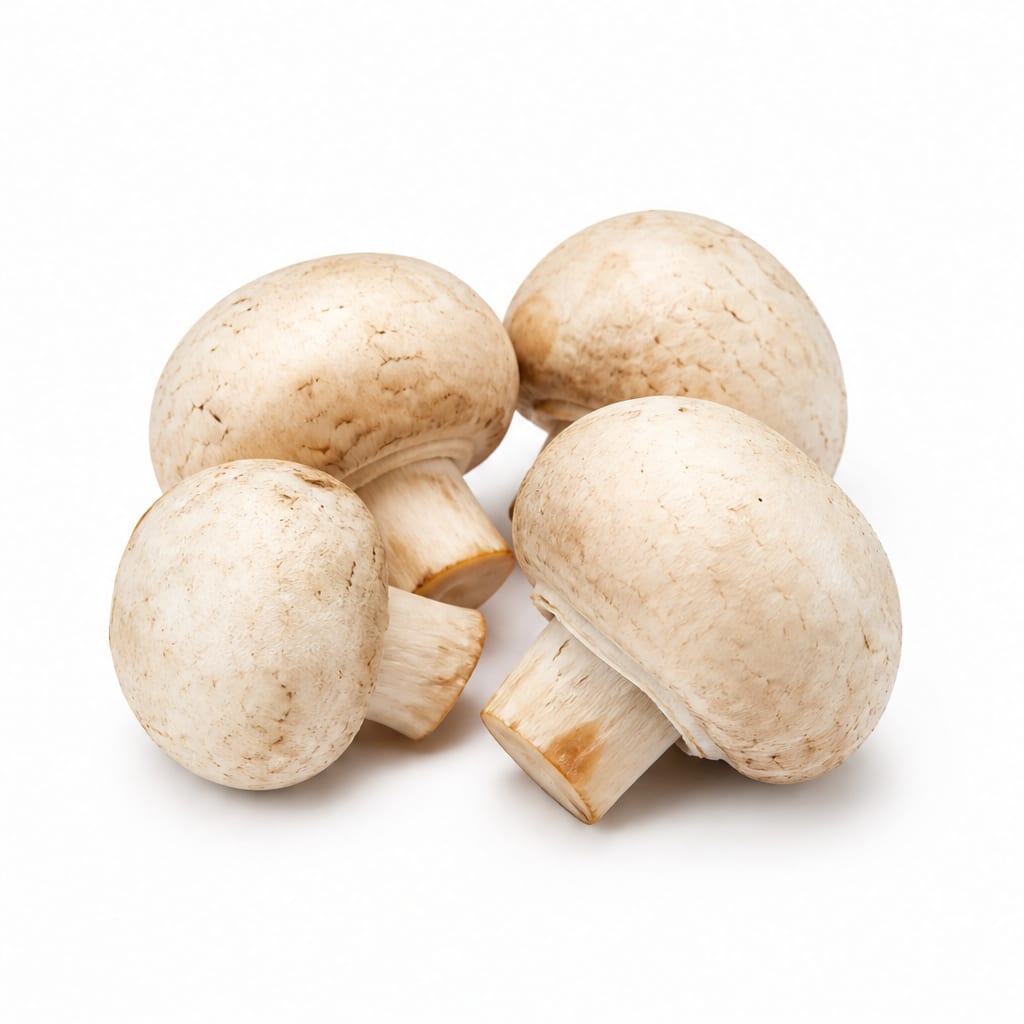
Compare with
Mushrooms
Mushrooms are lower in calories and carbs than baby corn and offer unique immune-supporting compounds, while baby corn provides more crunch.
Mushrooms are slightly lower in calories than baby corn, but both are excellent low-carb additions to increase meal volume.
This food
Baby Corn
VS75% alike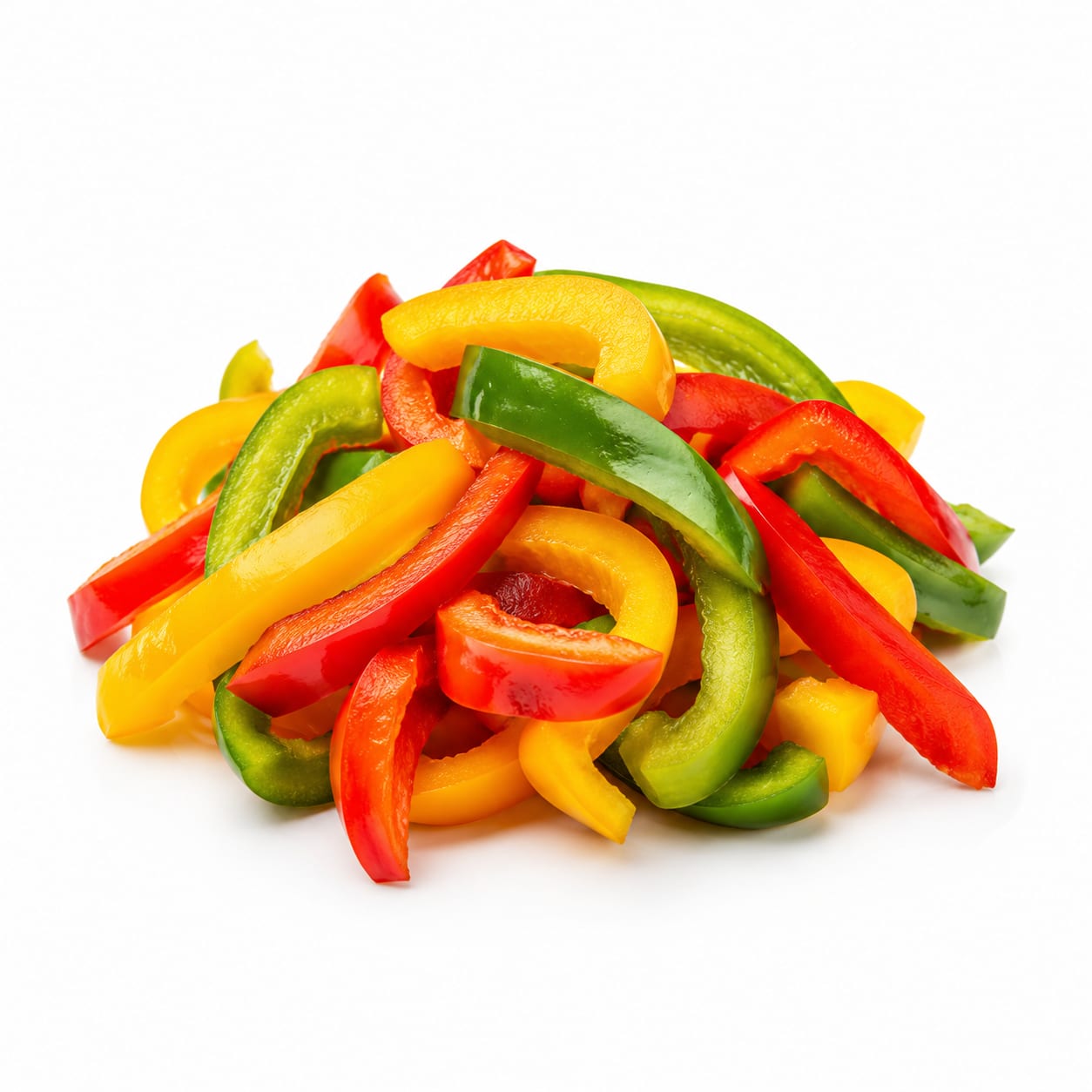
Compare with
Bell Peppers
Bell peppers are higher in vitamin C and sugar, while baby corn is lower in net carbs and calories.
Baby corn is lower in sugar and carbs than bell peppers, making it a slightly better choice for strict blood sugar control.
This food
Baby Corn
VS60% alike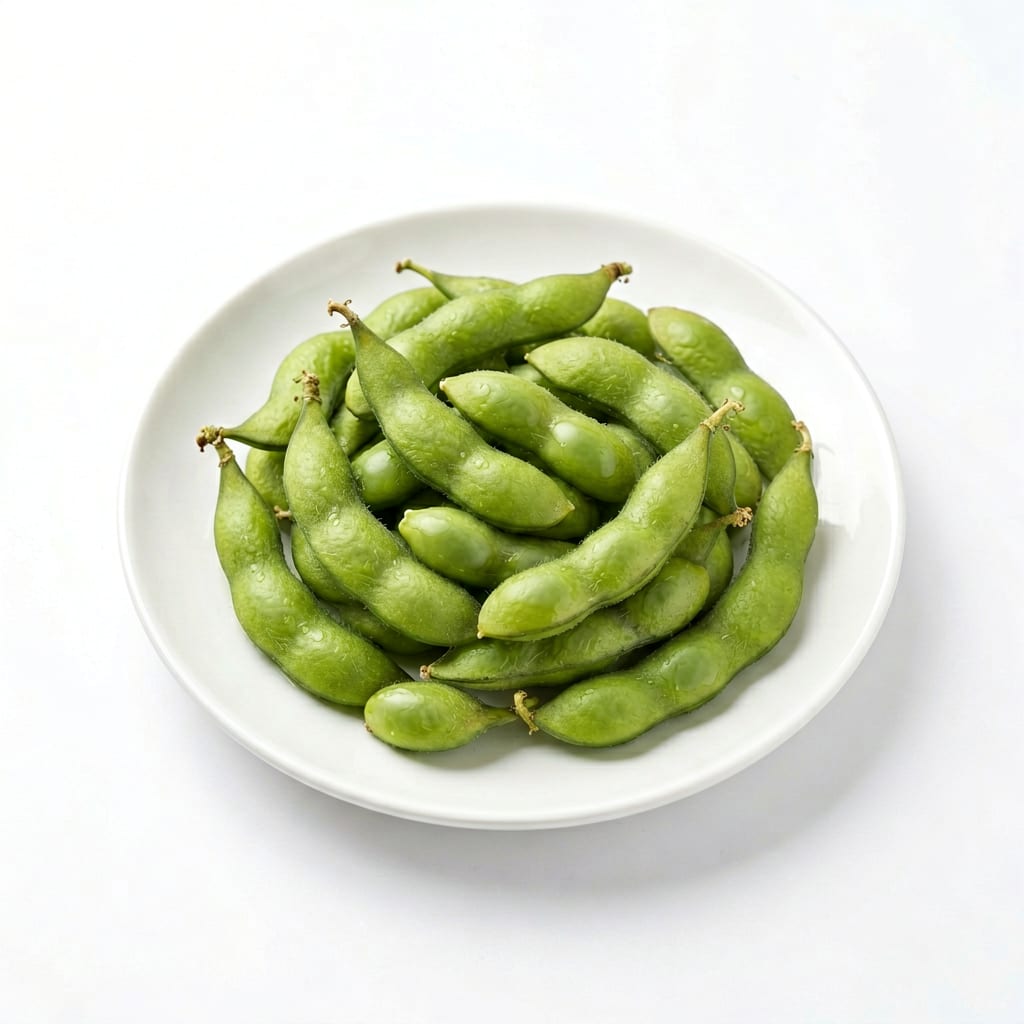
Compare with
Edamame
Edamame is a high-protein legume, whereas baby corn is a low-calorie vegetable. Edamame wins for muscle building, baby corn for pure volume eating.
Edamame provides much more protein and fitness fuel, while baby corn offers fewer calories and carbs for weight loss.
Common questions
FAQ
Answers aligned with how people search for this food.
Is baby corn good for weight loss?
Yes, baby corn is excellent for weight loss. It is very low in calories and carbohydrates while providing dietary fiber and a satisfying crunch, allowing you to eat large portions without overconsuming calories.
Can diabetics eat baby corn?
Yes, baby corn is a diabetes-friendly vegetable. It has a low glycemic index and low glycemic load, meaning it will not cause rapid blood sugar spikes unlike mature sweet corn.
Is baby corn the same as regular corn?
Baby corn and regular corn come from the same plant, but baby corn is harvested much earlier before it matures and its sugars develop. This makes baby corn lower in calories, carbs, and sugar compared to regular sweet corn.
How many carbs are in baby corn?
There are approximately 4.7 grams of total carbohydrates and 2.1 grams of fiber per 100 grams of baby corn, yielding only about 2.6 grams of net carbs.
Is baby corn keto friendly?
Yes, baby corn can fit into a keto diet in moderate portions due to its low net carb content, making it a much better alternative to mature sweet corn for low-carb dieters.
Does baby corn have fiber?
Yes, baby corn provides a moderate amount of fiber, about 2.1 grams per 100 grams, which aids in digestion and promotes satiety.
Is canned baby corn healthy?
Canned baby corn retains most of its nutrients but often contains added sodium from the canning brine. Rinsing it before eating can significantly reduce the sodium content.
What does baby corn taste like?
Baby corn has a mild, slightly sweet, and earthy flavor with a crisp, crunchy texture. It absorbs the flavors of sauces and seasonings it is cooked with, making it ideal for stir-fries.
Transparency
Data confidence
Estimated confidence for nutrition data, interpretation, safety notes, and comparisons.
Nutrition data
Health analysis
Food safety
Comparisons