
Nutrition comparison
Baby Corn vs Edamame: Which Snack Is Better for You?
Baby Corn offers ultra-low calorie crunch while Edamame delivers filling plant protein. Compare nutrition, satiety, and best uses to pick the right snack for your goals.
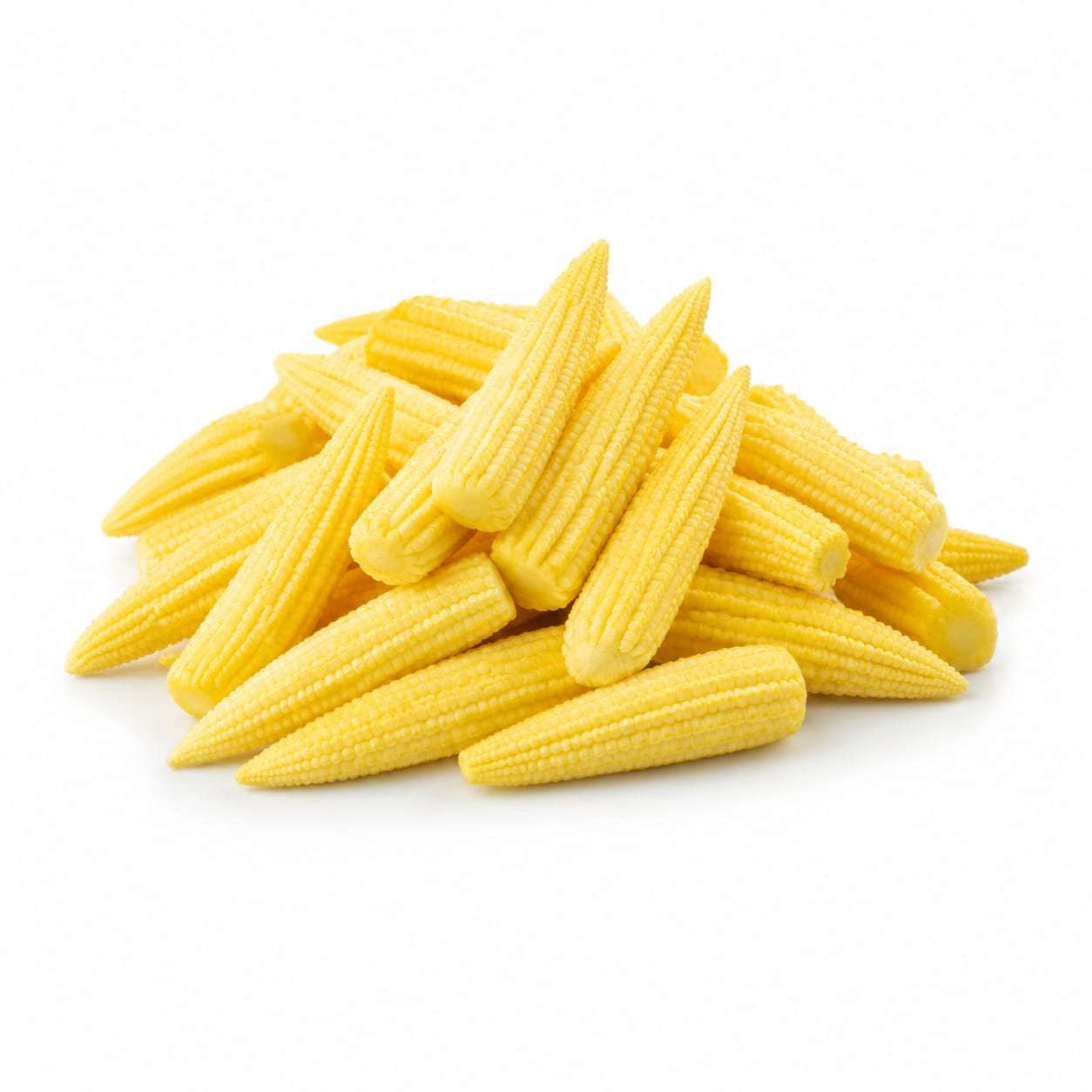
Baby Corn
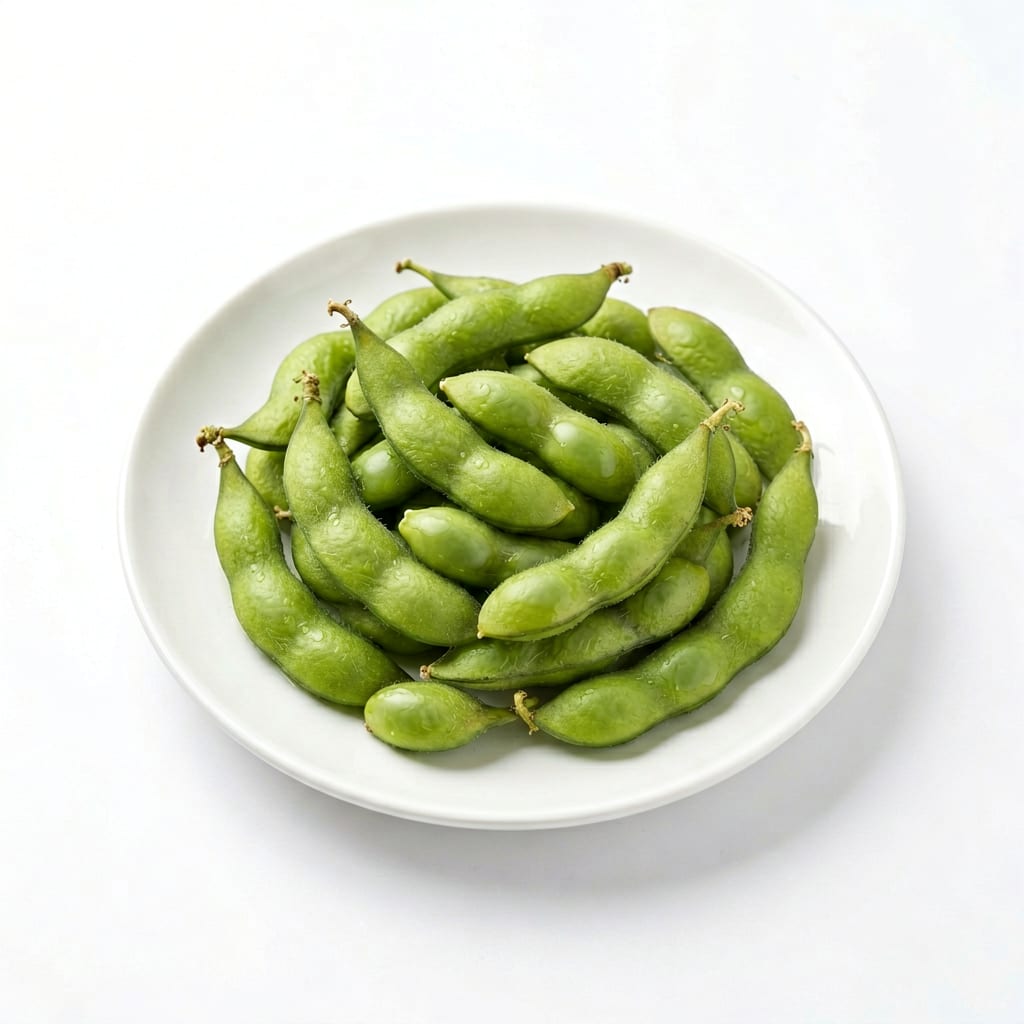
Edamame
Baby Corn is your ultra-light crunch snack; Edamame is your protein-powered filling snack. They serve completely different hunger moments.
Edamame scores notably higher due to superior protein, fiber, and satiety value. Baby Corn earns solid marks for being virtually calorie-free and allergen-safe, but its minimal nutritional payload limits its overall score.
Volume and low calories versus protein and lasting fullness — you can eat piles of Baby Corn or a modest bowl of Edamame and feel equally satisfied in different ways.
At a glance
Executive summary
Overall
It depends
Healthier
Edamame
More practical
It depends
Daily use
Edamame
Key comparison lenses
low calorie snacking vs satiety
Baby Corn offers crunch with almost no calories while Edamame provides lasting fullness from protein and fat
plant protein comparison
Edamame is a rare complete plant protein source, Baby Corn provides negligible protein
weight management strategy
Users choosing between these are often deciding between volume eating and protein-driven satiety
snack convenience and preparation
Both are popular snack options with different prep requirements and eating experiences
allergen and safety considerations
Edamame carries soy allergen concerns while Baby Corn is generally allergen-free
Best choice for
Baby Corn
- Volume eaters who want big portions with tiny calorie counts
- People avoiding soy due to allergy or sensitivity
- Anyone craving crunch without the caloric cost of chips or crackers
- Light grazers who snack while working or watching TV
Edamame
- People needing plant-based protein that actually satisfies hunger
- Post-workout snackers wanting muscle-supporting amino acids
- Anyone trying to cut back on animal protein without losing satiety
- Those who want a snack that prevents overeating at the next meal
Least suitable for
Baby Corn
- Anyone relying on snacks for protein intake
- People wanting a snack that holds them over for hours
- Those who find low-calorie snacks triggering rather than satisfying
Edamame
- People with soy allergies or sensitivities
- Those avoiding GMO crops unless buying organic certified
- Anyone counting every calorie strictly and preferring larger portions
Deep comparison
Dimension by dimension
Each lens scores both foods and breaks down who each option suits.
- Dimension 1 · Priority 95Edamame
protein_and_satiety
Baby Corn · 15Edamame · 88Edamame delivers 11g of complete protein per 100g compared to Baby Corn's 2.5g. This is not a close comparison.
Tradeoff
You sacrifice the ability to eat large volumes, but you gain a snack that actually keeps you full for hours instead of minutes.
Why it matters
Protein is the single most satiating macronutrient. A protein-rich snack reduces cravings and prevents the cascade of overeating that follows unsatisfying low-protein snacks.
Real-world impact
A bowl of Edamame at 3pm can comfortably carry you to dinner. Baby Corn will disappear fast and leave you hunting for more food within an hour.
Baby Corn
- Moments when you just want mouth activity, not fullness
Better for
- Anyone whose snacking goal is genuine hunger relief
Worse for
Edamame
- Bridging long gaps between meals
- Post-workout recovery without heavy food
- Preventing the afternoon energy crash and cravings
Better for
- People who feel uncomfortably full from protein-heavy snacks before a meal
Worse for
- Dimension 2 · Priority 88Baby Corn
calorie_efficiency_and_volume_eating
Baby Corn · 92Edamame · 45Baby Corn delivers massive eating volume at roughly 26 calories per 100g. Edamame runs about 121 calories for the same weight — nearly five times more.
Tradeoff
You can eat an enormous pile of Baby Corn guilt-free, but those calories carry almost no nutritional substance. Edamame costs more calorically but pays you back in protein and nutrients.
Why it matters
For emotional or habitual eaters, volume matters psychologically. Being able to eat a large portion can feel more satisfying than a small nutrient-dense one, even if the nutrition is inferior.
Real-world impact
If you need to snack while streaming a movie and want a big bowl in your lap, Baby Corn lets you do that for under 50 calories. Edamame gives you a smaller bowl but you will not be hungry again in 45 minutes.
Baby Corn
- Mindless snacking where volume is the point
- Strict calorie-cutting phases where every calorie counts
- Late-night snacking when you want something but not weight gain
Better for
- Anyone who finds that eating without satiety triggers more cravings
Worse for
Edamame
- Active people who can afford the calories and need the protein
- Replacing a mini-meal, not just a nibble
Better for
- Very low-calorie diet phases where 121 calories per 100g feels expensive
Worse for
- Dimension 3 · Priority 85Edamame
nutrient_density
Baby Corn · 30Edamame · 82Edamame brings protein, fiber, folate, vitamin K, manganese, and iron. Baby Corn offers modest fiber and small amounts of a few vitamins but essentially no meaningful macronutrients.
Tradeoff
Edamame is a nutrient-packed small package. Baby Corn is mostly water and structure with a faint nutritional footprint.
Why it matters
Nutrient-dense foods reduce the need for supplementation and support long-term health without conscious effort. Empty volume foods require you to get nutrition elsewhere.
Real-world impact
Regularly choosing Edamame as a snack contributes meaningfully to your daily protein, iron, and fiber targets. Baby Corn contributes almost nothing to your nutritional ledger.
Baby Corn
- Situations where the snack is purely recreational, not nutritional
Better for
- People relying on snacks to fill nutritional gaps
Worse for
Edamame
- Plant-based eaters needing to hit protein and iron goals efficiently
- Anyone trying to make every calorie nutritionally count
- Women who need more folate and iron from food sources
Better for
- Those already meeting all nutrient targets who just want a light bite
Worse for
- Dimension 4 · Priority 80Edamame
blood_sugar_stability
Baby Corn · 55Edamame · 82Both foods have low glycemic impact, but Edamame's protein and fat slow digestion further, creating steadier blood sugar over time.
Tradeoff
Baby Corn will not spike blood sugar simply because there is almost nothing in it to affect it. Edamame actively stabilizes blood sugar through its macronutrient composition.
Why it matters
Stable blood sugar means fewer energy crashes, fewer cravings, and more consistent focus throughout the day.
Real-world impact
Edamame as an afternoon snack helps prevent the 4pm energy dip and the subsequent carb craving. Baby Corn will not cause a dip but will not prevent one either.
Baby Corn
- Anyone already managing blood sugar well who just wants a safe nibble
Better for
- People who need their snack to actively help manage blood sugar, not just avoid worsening it
Worse for
Edamame
- People with insulin resistance or prediabetes
- Those prone to energy crashes between meals
- Anyone trying to reduce sugar cravings through stable blood sugar
Better for
- No real downside here — Edamame is genuinely helpful for glycemic control
Worse for
- Dimension 5 · Priority 72Baby Corn
allergen_and_safety_profile
Baby Corn · 90Edamame · 55Baby Corn is one of the least allergenic foods available. Edamame is soy, which is a top 8 allergen and carries GMO concerns for conventional crops.
Tradeoff
Baby Corn is safe for nearly everyone. Edamame excludes anyone with soy allergy and requires organic certification to avoid GMO exposure.
Why it matters
Food safety is not just about contamination — it includes whether your body can tolerate the food at all. Soy allergy affects millions and is often hidden in processed forms.
Real-world impact
If you have soy sensitivity, Edamame is off the table entirely. Baby Corn has virtually no allergy risk and is safe for almost every dietary restriction.
Baby Corn
- Households with mixed allergy profiles
- Serving snacks to groups where soy allergy status is unknown
- People with multiple food sensitivities looking for safe options
Better for
- No real downside on allergen safety
Worse for
Edamame
- No allergen advantage — this dimension clearly favors Baby Corn
Better for
- Anyone with confirmed or suspected soy allergy
- Those avoiding GMO unless they consistently buy organic certified Edamame
Worse for
- Dimension 6 · Priority 65It depends
preparation_convenience
Baby Corn · 70Edamame · 72Both are convenient but in different ways. Canned Baby Corn is ready to eat instantly. Frozen Edamame needs 3-5 minutes but delivers a better eating experience warm.
Tradeoff
Baby Corn from a can is faster but the texture and flavor suffer. Edamame takes slightly more effort but feels more like a real food experience.
Why it matters
The best snack is one you actually prepare and eat. Convenience barriers, even small ones, reduce how often you reach for a healthy option.
Real-world impact
Baby Corn from a can is open-and-eat in seconds, making it ideal for truly lazy moments. Frozen Edamame needs boiling or microwaving, but the 3-minute wait is usually worth the superior taste and texture.
Baby Corn
- Zero-prep snacking moments
- Packing in lunchboxes where heating is not available
- Travel snacks where preparation is impossible
Better for
- Canned Baby Corn can taste metallic and feel rubbery compared to fresh
Worse for
Edamame
- Home snacking where a quick boil is easy
- Situations where the ritual of preparation adds to satisfaction
Better for
- Cannot eat frozen Edamame without at least minimal preparation
Worse for
Timeline
Health impact over time
Short-term
Hours to days
Baby Corn
- Very low calorie intake means minimal energy contribution
- Light crunch can satisfy oral fixation without caloric consequence
- Will not cause bloating or digestive discomfort due to low fiber and fat content
- Unlikely to trigger any allergic or sensitivity reaction
Edamame
- Noticeable fullness within 20-30 minutes due to protein and fiber
- Stable energy for 2-3 hours without crash
- Possible mild bloating if you are not accustomed to high-fiber soy foods
- Soy can cause reactions in sensitive individuals including gas or stomach discomfort
Long-term
Months to years
Baby Corn
- Minimal positive nutritional contribution if relied on heavily
- No harmful effects but no meaningful protective benefits either
- Could support weight maintenance through calorie displacement if used to replace higher-calorie snacks
- Canned versions may contribute to gradual sodium exposure if consumed frequently
Edamame
- Supports muscle maintenance and metabolic health through consistent protein intake
- Isoflavones in Edamame may support heart health and bone density over time
- Regular soy consumption associated with modest cholesterol improvements
- Long-term soy consumption remains debated for hormone-sensitive conditions — moderate intake is generally considered safe
Risk profile
Safety & processing
Both foods are whole foods with minimal processing. Fresh Baby Corn and frozen Edamame are about as natural as snacks get. The main concern is canned Baby Corn, which often contains added salt and may have a slight metallic taste from the can lining. Frozen Edamame is typically just steamed and frozen with no additives.
Baby Corn
sodium_from_canning
mediumCanned Baby Corn typically contains added salt. Rinsing helps but does not eliminate all sodium. Fresh Baby Corn avoids this entirely.
pesticide_residue
lowCorn is moderately sprayed but Baby Corn is harvested early, reducing exposure. Choosing organic further minimizes risk.
bisphenol_exposure
lowCanned varieties may have BPA in can linings. Jarred or fresh Baby Corn eliminates this concern.
Edamame
soy_allergy
highSoy is a top 8 allergen. Reactions can range from mild hives to anaphylaxis. Not suitable for anyone with confirmed soy allergy.
gmo_exposure
mediumThe majority of conventional soy grown in the US is genetically modified. Choosing organic Edamame guarantees non-GMO.
phytoestrogen_effects
lowSoy isoflavones have weak estrogenic activity. Moderate consumption appears safe for most people, but those with hormone-sensitive conditions should consult their doctor.
Who wins for whom
Audience fit
Same foods, different winners depending on your goal.
children
Baby CornBaby Corn is allergen-safe, fun to eat, and poses no choking hazard when cut appropriately. Edamame carries soy allergy risk and whole pods can be a choking concern for very young children.
daily consumption
EdamameEdamame provides daily nutritional value that compounds over time — protein, fiber, iron, and folate. Baby Corn is safe daily but does not earn its caloric place with meaningful nutrition.
diabetes
EdamameBoth have low glycemic impact, but Edamame's protein and fat actively slow glucose absorption and improve post-meal blood sugar stability better than Baby Corn's near-empty calorie profile.
elderly
EdamameOlder adults need protein to prevent sarcopenia and fiber for digestive health. Edamame delivers both effectively. Baby Corn's soft texture is easy to chew but contributes little to nutritional needs that increase with age.
muscle gain
EdamameEdamame provides 11g of complete protein per 100g with all essential amino acids. Baby Corn offers negligible protein and cannot support muscle maintenance or growth.
weight loss
It dependsBaby Corn wins for pure calorie deficit since you can eat large volumes for almost no calories. Edamame wins for sustainable weight loss because protein-driven satiety reduces overall daily intake more effectively long-term.
Your move
Decision guide
Choose Baby Corn
- You want to snack on something large and crunchy without caloric consequences
- You or someone you are feeding has a soy allergy
- You are in a strict calorie-cutting phase and need volume to feel satisfied
- You need a zero-prep snack from the pantry right now
- You want a light garnish or stir-fry addition that adds texture without heaviness
Choose Edamame
- You want a snack that actually fills you up and prevents overeating later
- You are plant-based and need efficient protein sources
- You want your snack to contribute meaningful nutrition, not just occupy your mouth
- You are willing to spend 3-5 minutes preparing something more satisfying
- You want stable energy between meals without crashes or cravings
Either works if
- You want a whole-food snack instead of processed chips or crackers
- You are looking for something to nibble on before dinner without ruining your appetite
- You want a low-glycemic option that will not spike blood sugar
Avoid both if
- You need a portable, shelf-stable snack that requires zero refrigeration or preparation — both are best chilled or cooked
- You are looking for a high-energy snack for endurance activities — neither provides sufficient carbohydrates for that purpose
Final recommendation
Keep both in your rotation for different moments. Reach for Baby Corn when you want guilt-free volume and crunch. Reach for Edamame when you need real nourishment and lasting fullness. If you must choose one for daily use, Edamame gives you far more nutritional value per calorie and per dollar spent.
Practical
Consumer tips
- 1
Rinse canned Baby Corn thoroughly to remove up to 40% of added sodium
- 2
Buy organic Edamame to guarantee non-GMO soy and reduce pesticide exposure
- 3
Fresh Baby Corn from farmers markets tastes dramatically better than canned — worth seeking out
- 4
Steam Edamame for 3-5 minutes and finish with sea salt for a snack that rivals any junk food for satisfaction
- 5
Keep frozen Edamame on hand — it lasts months and is ready faster than delivery
- 6
Avoid Baby Corn in brine if you are watching sodium — look for jarred in water instead
- 7
If you find Edamame causes bloating, start with small portions and increase gradually as your gut adapts to the fiber