
Nutrition comparison
Baby Corn vs Bamboo Shoots: Nutrition, Safety, and Which to Choose
Compare Baby Corn and Bamboo Shoots side by side — fiber, calories, safety concerns, and real-world advice on which low-calorie vegetable fits your cooking and health goals better.
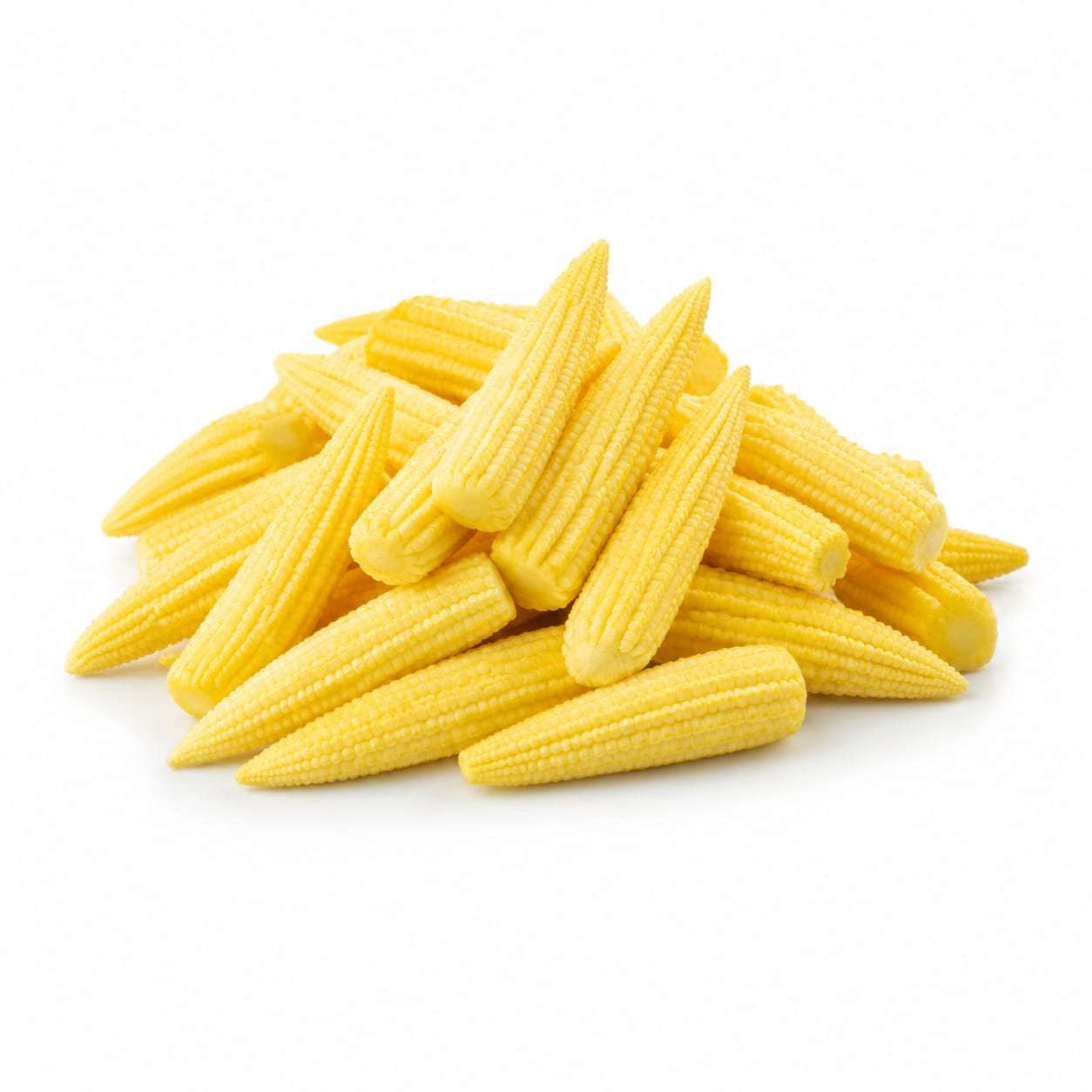
Baby Corn
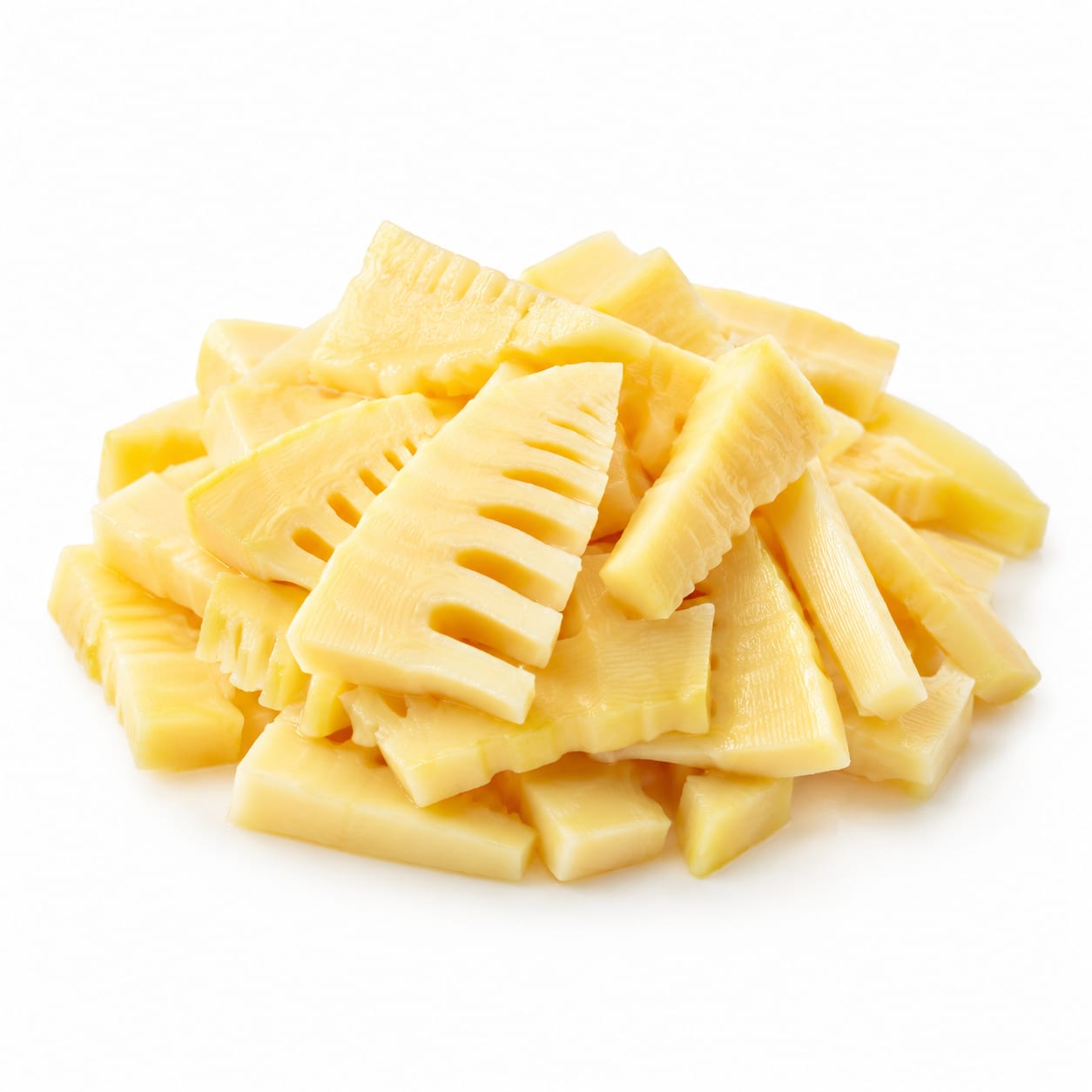
Bamboo Shoots
Baby Corn wins on safety and ease of use, while Bamboo Shoots edge ahead on fiber and unique phytonutrients — but both shine in different kitchens and contexts.
Bamboo Shoots score slightly higher due to superior fiber content and unique phytonutrients, but Baby Corn stays competitive thanks to better safety profile and everyday convenience. The close scores reflect that both are solid low-calorie vegetables with different strengths.
Bamboo Shoots offer more fiber and cholesterol-lowering potential, but require careful preparation and carry higher safety concerns. Baby Corn is safer and more convenient but less nutritionally distinctive.
At a glance
Executive summary
Overall
It depends
Healthier
Bamboo Shoots
More practical
Baby Corn
Daily use
Baby Corn
Key comparison lenses
Low-calorie vegetable selection for weight management
Both foods are extremely low in calories, making them popular choices for calorie-conscious eaters looking to add volume to meals
Safety and preparation requirements
Bamboo shoots require specific preparation to remove natural toxins, while baby corn is safe to eat raw or lightly cooked
Canned vs fresh sodium concerns
Both are commonly sold canned, which dramatically affects sodium content and health profile
Fiber and digestive health benefits
Both vegetables provide notable fiber, but bamboo shoots are particularly valued for digestive benefits
Culinary versatility in Asian cooking
Both are staples in stir-fries and Asian dishes, but they serve different textural and flavor roles
Best choice for
Baby Corn
- Busy home cooks wanting a safe, ready-to-eat vegetable
- People new to Asian cooking who want foolproof ingredients
- Families with children who enjoy crunchy, mild-flavored vegetables
- Anyone needing a low-calorie snack that requires zero prep
Bamboo Shoots
- People focused on lowering cholesterol through diet
- Those seeking maximum fiber per calorie
- Traditional Asian cuisine enthusiasts comfortable with proper preparation
- Anyone wanting unique phytonutrients not found in common vegetables
Least suitable for
Baby Corn
- People seeking strong nutritional differentiation from other vegetables
- Those looking for significant protein or fat content in their vegetables
Bamboo Shoots
- Anyone unwilling to properly prepare or source pre-cooked bamboo shoots
- People with thyroid concerns who want to minimize goitrogenic compounds
- Pregnant women wanting to avoid foods with any cyanogenic glycoside risk
Deep comparison
Dimension by dimension
Each lens scores both foods and breaks down who each option suits.
- Dimension 1 · Priority 90Bamboo Shoots
Calorie Density and Weight Management
Baby Corn · 72Bamboo Shoots · 85Both are extremely low-calorie, but Bamboo Shoots deliver more fiber per calorie, making them slightly more filling for the same energy cost.
Tradeoff
Baby Corn has a mildly sweet flavor that feels more satisfying as a standalone snack, while Bamboo Shoots work better as a volume-adding ingredient in mixed dishes.
Why it matters
When every calorie counts, the food that keeps you fuller longer wins — and fiber is the main driver of that difference.
Real-world impact
A cup of Bamboo Shoots in your stir-fry will keep you satisfied longer than the same portion of Baby Corn, though both are excellent choices compared to starchy sides.
Baby Corn
- Snacking straight from the can or jar
- Meals where you want a slightly sweet crunch
Better for
- People who need maximum fullness from minimal calories
Worse for
Bamboo Shoots
- Large-volume meals where maximum satiety per calorie matters
- Weight loss plans emphasizing high-fiber, low-energy foods
Better for
- Those who find the taste too bland without heavy seasoning
Worse for
- Dimension 2 · Priority 88Bamboo Shoots
Fiber and Digestive Health
Baby Corn · 65Bamboo Shoots · 88Bamboo Shoots are a fiber powerhouse, providing roughly double the fiber of Baby Corn per serving, with specific compounds that support gut health.
Tradeoff
The high fiber in Bamboo Shoots can cause bloating if you're not used to it, while Baby Corn offers gentler fiber that's easier on sensitive stomachs.
Why it matters
Fiber isn't just about regularity — it feeds gut bacteria, stabilizes blood sugar, and helps control appetite naturally.
Real-world impact
Adding Bamboo Shoots to your diet a few times a week can meaningfully improve digestion and satiety, but introduce them gradually to avoid gas and discomfort.
Baby Corn
- People with sensitive digestion who need gentle fiber
- Those transitioning to a higher-fiber diet
Better for
- Those who need a high-fiber vegetable to meet daily targets
Worse for
Bamboo Shoots
- Anyone wanting to significantly boost daily fiber intake
- People managing cholesterol through dietary fiber
Better for
- People with IBS or severe bloating sensitivity
Worse for
- Dimension 3 · Priority 92Baby Corn
Safety and Preparation Requirements
Baby Corn · 95Bamboo Shoots · 55Baby Corn is safe to eat raw or cooked with no special handling. Fresh Bamboo Shoots contain cyanogenic glycosides that must be removed through proper cooking.
Tradeoff
The extra preparation Bamboo Shoots require is a real barrier for many home cooks, though canned versions eliminate this concern at the cost of added sodium.
Why it matters
A vegetable that can make you sick if prepared incorrectly is a genuine concern, especially for casual cooks or those feeding children.
Real-world impact
You can toss Baby Corn into any dish without thinking. With fresh Bamboo Shoots, you need to know what you're doing — or stick to canned versions and watch the salt.
Baby Corn
- Families wanting worry-free meal prep
- Beginner cooks unfamiliar with toxin-removal techniques
- Anyone meal-prepping in bulk who needs simple ingredients
Better for
- No real safety downside — this is Baby Corn's strongest advantage
Worse for
Bamboo Shoots
- Experienced cooks who enjoy traditional preparation methods
- Those who buy pre-cooked or canned versions and manage sodium elsewhere
Better for
- Anyone uncomfortable boiling and draining multiple times
- People who want to eat vegetables raw in salads or crudités
Worse for
- Dimension 4 · Priority 82Baby Corn
Sodium and Canned Variations
Baby Corn · 70Bamboo Shoots · 58Both are frequently canned, but Bamboo Shoots are more commonly available only in canned form outside Asia, making sodium a bigger practical concern.
Tradeoff
Baby Corn is easier to find fresh or jarred with lower sodium, while fresh Bamboo Shoots can be hard to source in Western grocery stores.
Why it matters
Canned vegetables can contain 400-800mg of sodium per serving, which is a significant portion of your daily limit and a real concern for blood pressure.
Real-world impact
If you're watching sodium, you'll have an easier time finding low-salt Baby Corn options. With Bamboo Shoots, you may need to seek out specialty stores for fresh ones or rinse canned versions thoroughly.
Baby Corn
- People on sodium-restricted diets
- Those who prefer fresh vegetables over canned
Better for
- Those who only find heavily salted pickled versions
Worse for
Bamboo Shoots
- Anyone with access to Asian markets selling fresh shoots
- People who regularly rinse and drain canned vegetables anyway
Better for
- People relying on standard grocery store canned options
- Anyone with hypertension who doesn't rinse canned goods
Worse for
- Dimension 5 · Priority 78Bamboo Shoots
Unique Phytonutrients and Long-Term Health
Baby Corn · 55Bamboo Shoots · 82Bamboo Shoots contain lignans and phytosterols linked to cholesterol reduction, plus unique compounds with anti-inflammatory properties not found in Baby Corn.
Tradeoff
These benefits are real but modest — you won't see dramatic health changes from either vegetable alone. Baby Corn's nutritional profile is more generic but still solid.
Why it matters
Over years of consistent eating, small phytonutrient advantages compound into meaningful health differences, especially for cardiovascular health.
Real-world impact
Regularly eating Bamboo Shoots as part of a vegetable-rich diet may contribute to better cholesterol numbers over time, while Baby Corn functions more as a pleasant low-calorie crunch without specific medicinal properties.
Baby Corn
- Those who view vegetables primarily as calorie-light meal components
Better for
- People seeking functional food benefits beyond basic nutrition
Worse for
Bamboo Shoots
- People with family history of high cholesterol
- Those interested in traditional medicinal foods
- Anyone wanting their vegetables to work harder for long-term health
Better for
- Those expecting dramatic, quick health improvements
Worse for
- Dimension 6 · Priority 75Baby Corn
Culinary Versatility and Enjoyment
Baby Corn · 80Bamboo Shoots · 68Baby Corn's mild sweetness and appealing crunch make it more versatile across cuisines, while Bamboo Shoots have a distinct earthy flavor that works best in specific dishes.
Tradeoff
Bamboo Shoots bring a unique taste you can't replicate, but Baby Corn plays well in almost anything from salads to stir-fries to pasta dishes.
Why it matters
A vegetable you actually enjoy eating consistently matters more than a slightly healthier one that sits unused in your fridge.
Real-world impact
You'll likely find more ways to use Baby Corn throughout the week — in salads, as a snack, in pasta, or in stir-fries. Bamboo Shoots shine in Asian soups and curries but feel out of place in many Western dishes.
Baby Corn
- Home cooks wanting one versatile vegetable for many cuisines
- People who enjoy snacking on vegetables raw
- Families needing kid-friendly crunch
Better for
- Cooks wanting an authentic Asian flavor profile
Worse for
Bamboo Shoots
- Enthusiasts of Chinese, Thai, or Japanese cooking
- Those who appreciate distinct, earthy flavors in their dishes
Better for
- Anyone cooking Mediterranean, Mexican, or American-style meals regularly
Worse for
Timeline
Health impact over time
Short-term
Hours to days
Baby Corn
- Provides a low-calorie crunch that satisfies without heaviness
- Mild fiber supports gentle digestion without bloating
- Natural sweetness can curb sugar cravings in a healthier way
Bamboo Shoots
- High fiber creates noticeable fullness, helpful for portion control
- May cause temporary bloating or gas if introduced too quickly
- Contributes to steadier blood sugar after meals when paired with carbs
Long-term
Months to years
Baby Corn
- Consistent low-calorie intake supports weight maintenance without feeling deprived
- Gentle fiber contributes to regular digestion over time
- Minimal safety concerns make it sustainable for daily use
Bamboo Shoots
- Phytosterols and lignans may contribute to lower LDL cholesterol over years
- High fiber intake supports diverse gut microbiome when consumed regularly
- Anti-inflammatory compounds may reduce chronic inflammation markers with consistent intake
Risk profile
Safety & processing
Both vegetables are naturally whole foods when fresh. The main processing concern is canning, which adds sodium but not artificial additives. Fresh Baby Corn and fresh Bamboo Shoots are equally natural, though Baby Corn is easier to find in fresh form outside specialty markets.
Baby Corn
Canned sodium content
mediumCanned Baby Corn can contain 400-600mg sodium per serving. Rinsing helps but doesn't eliminate it entirely. Choose jarred or fresh when possible.
Pesticide residue on conventional crops
lowBaby Corn generally has low pesticide concerns, but conventional farming practices vary. The enclosed husk provides some natural protection.
Bamboo Shoots
Cyanogenic glycosides in fresh shoots
highRaw Bamboo Shoots contain taxiphyllin, a cyanogenic glycoside that releases hydrogen cyanide. Must be boiled thoroughly (20+ minutes) with the lid off and water drained. Never eat fresh Bamboo Shoots raw.
High sodium in canned versions
mediumCanned Bamboo Shoots often contain 500-800mg sodium per serving. This is a significant concern for blood pressure management. Rinse thoroughly or seek fresh options.
Goitrogenic compounds
lowBamboo Shoots contain compounds that may interfere with thyroid function when consumed in very large quantities, particularly in those with existing thyroid conditions. Moderate intake is not a concern for most people.
Who wins for whom
Audience fit
Same foods, different winners depending on your goal.
children
Baby CornBaby Corn is safer, sweeter, and more fun for kids to eat. Its crunch and mild flavor make it an easy sell, while Bamboo Shoots present safety concerns and a flavor many children reject.
daily consumption
Baby CornBaby Corn's combination of safety, versatility, and gentle digestion makes it more sustainable as an everyday vegetable. Bamboo Shoots are better enjoyed a few times per week.
diabetes
Bamboo ShootsHigher fiber content in Bamboo Shoots slows glucose absorption more effectively, leading to steadier blood sugar responses when eaten with carbohydrate-containing meals.
elderly
Baby CornBaby Corn's softer texture when cooked and gentler fiber make it easier on aging digestive systems. The safety margin is also important for elderly consumers who may be less careful with food preparation.
muscle gain
It dependsNeither vegetable is significant for muscle gain — both are low-protein, low-calorie foods. Choose based on what helps you eat more of your protein sources alongside.
weight loss
Bamboo ShootsBamboo Shoots provide more fiber per calorie, creating stronger satiety signals that help control overall food intake throughout the day.
Your move
Decision guide
Choose Baby Corn
- You want a no-fuss vegetable you can use any night of the week
- Safety and simplicity matter more than maximizing every nutrient
- You're cooking for kids or anyone who prefers mild, sweet flavors
- You struggle to find fresh Bamboo Shoots and want to avoid canned sodium
- Your stomach is sensitive to high-fiber foods
Choose Bamboo Shoots
- You're focused on cholesterol management and want every dietary advantage
- You have access to fresh Bamboo Shoots and know how to prepare them properly
- You cook Asian cuisine regularly and want authentic flavor and texture
- Maximum fiber per calorie is your priority
- You enjoy traditional food preparation and don't mind the extra steps
Either works if
- You're simply looking for low-calorie vegetables to add volume to meals
- You eat a varied diet and don't rely on either as a staple
- You're building a stir-fry and both would work well
- You rinse canned vegetables and manage sodium elsewhere in your diet
Avoid both if
- You need calorie-dense or protein-rich foods to meet nutritional needs
- You're looking for vegetables with significant vitamin or mineral density — both are relatively low in micronutrients compared to leafy greens or colorful vegetables
Final recommendation
Keep both in rotation. Use Baby Corn for everyday ease and snacking, and Bamboo Shoots when you're cooking Asian dishes and want the authentic flavor plus the fiber boost. If you must pick one for regular use, Baby Corn is the safer, more practical choice — but you'd be missing out on Bamboo Shoots' unique health benefits.
Practical
Consumer tips
- 1
If buying canned Bamboo Shoots, look for 'no salt added' versions or rinse thoroughly for 30 seconds under running water to remove about 40% of the sodium
- 2
Fresh Bamboo Shoots must be boiled for at least 20 minutes with the lid off to allow cyanogenic compounds to dissipate — never skip this step
- 3
Baby Corn can be eaten raw in salads, making it one of the easiest vegetables to prep when you're short on time
- 4
Store fresh Bamboo Shoots in the refrigerator and use within 3-4 days — they become increasingly bitter as they age
- 5
Frozen Baby Corn retains texture better than frozen Bamboo Shoots, which can become watery and limp
- 6
If you're new to Bamboo Shoots, start with small portions to test your digestive tolerance before making them a regular part of meals