
Nutrition comparison
Baby Corn vs Broccoli: Nutrition, Digestion, and Health Benefits
Compare Baby Corn vs Broccoli to see which is better for weight loss, digestion, and daily nutrition. Learn the tradeoffs between Broccoli's superfood status and Baby Corn's gentle crunch.
Overall winner · Broccoli
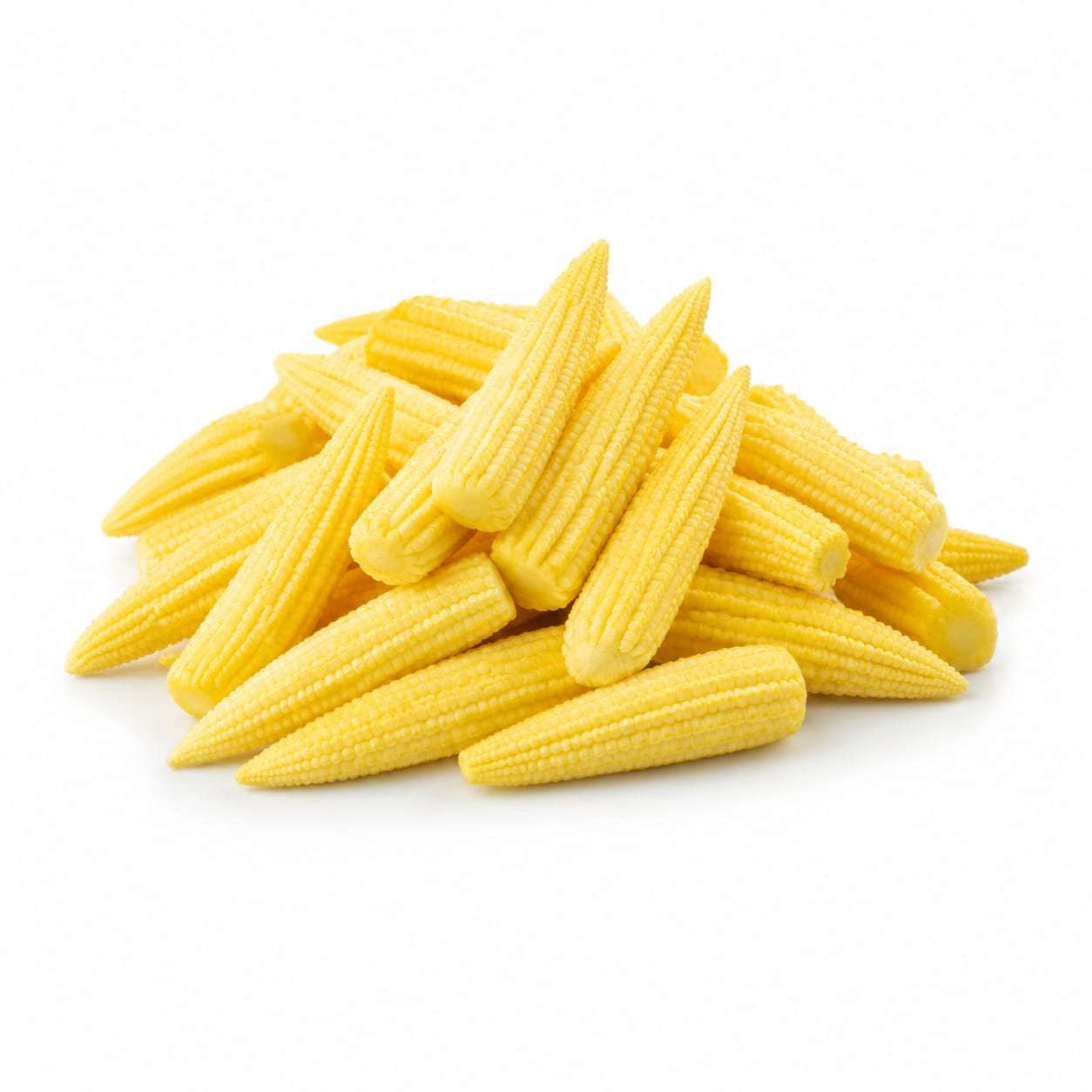
Baby Corn
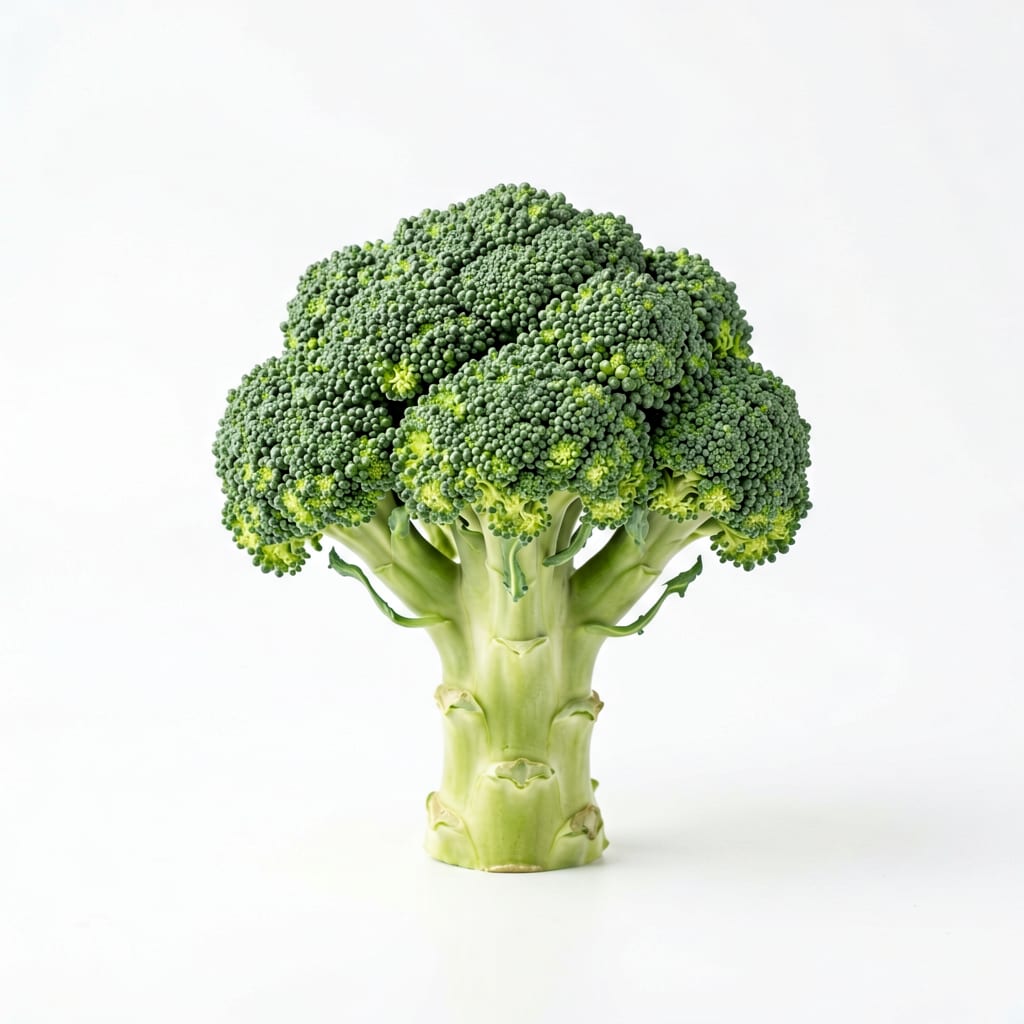
Broccoli
Broccoli dominates in nutritional value, but Baby Corn wins for digestive comfort and crunch.
Broccoli scores significantly higher due to its exceptional vitamin, mineral, and antioxidant profile, while Baby Corn is a solid but less nutrient-dense vegetable.
You trade heavy-duty vitamins and antioxidants in Broccoli for a lighter, easier-to-digest crunch in Baby Corn.
At a glance
Executive summary
Overall
Broccoli
Healthier
Broccoli
More practical
It depends
Daily use
Broccoli
Key comparison lenses
Nutrient Density vs Mild Digestibility
Broccoli is a micronutrient powerhouse while Baby Corn offers a gentler, easier-to-digest alternative with satisfying crunch.
Satiety and Appetite Control
Broccoli's dense fiber keeps you full, whereas Baby Corn provides volume without the heavy fullness that can sometimes cause bloating.
Culinary Texture and Convenience
Baby Corn delivers a foolproof crisp texture, while Broccoli offers versatility but risks becoming mushy if overcooked.
Best choice for
Baby Corn
- Quick stir-fries
- Sensitive stomachs
- Picky eaters who dislike strong flavors
Broccoli
- Maximizing daily nutrient intake
- Filling up on fewer calories
- Anti-inflammatory diets
Least suitable for
Baby Corn
- Fighting off illness with high vitamin intake
- Staying full during long work shifts
Broccoli
- Low-FODMAP diets
- Pre-workout meals where bloating is a concern
Deep comparison
Dimension by dimension
Each lens scores both foods and breaks down who each option suits.
- Dimension 1 · Priority 95Broccoli
Micronutrient Density
Baby Corn · 40Broccoli · 95Broccoli is packed with Vitamins C, K, and cancer-fighting sulforaphane, whereas Baby Corn offers mostly water and mild fiber.
Tradeoff
Choosing Baby Corn means missing out on the heavy-hitting antioxidants and vitamins that Broccoli provides.
Why it matters
Consistent intake of nutrient-dense foods like Broccoli supports long-term immune health and reduces disease risk.
Real-world impact
Eating Broccoli regularly can help you fight off colds and reduce inflammation, while Baby Corn mostly adds volume without much nutritional punch.
Baby Corn
- Days when you need a low-impact, low-fiber veggie
Better for
- Recovering from illness where you need high vitamin intake
Worse for
Broccoli
- Daily immune support and long-term disease prevention
Better for
- Days when your digestion is highly sensitive or bloated
Worse for
- Dimension 2 · Priority 90Baby Corn
Digestive Comfort
Baby Corn · 90Broccoli · 55Baby Corn is very gentle on the gut, while Broccoli contains raffinose and high fiber that can cause gas and bloating.
Tradeoff
You get more gut-healing fiber from Broccoli, but it can cause discomfort if you aren't used to it or have IBS.
Why it matters
Digestive discomfort can ruin your day and make you avoid healthy foods altogether.
Real-world impact
Baby Corn lets you enjoy a veggie side dish without worrying about after-dinner bloating, unlike Broccoli which might require careful portion control.
Baby Corn
- People with IBS or sensitive digestion
- Pre-workout meals where bloating is a problem
Better for
- Situations where you actively need high fiber to stay regular
Worse for
Broccoli
- Those needing to improve gut motility and increase stool bulk
Better for
- First dates or social events where gas is a major concern
Worse for
- Dimension 3 · Priority 85Broccoli
Satiety and Fullness
Baby Corn · 60Broccoli · 85Broccoli's dense fiber and protein content keep you full much longer than the watery crunch of Baby Corn.
Tradeoff
Broccoli is more filling but heavier in the stomach; Baby Corn is light but won't keep hunger at bay for long.
Why it matters
Staying full between meals prevents unnecessary snacking and helps maintain a healthy weight.
Real-world impact
A side of Broccoli at lunch will likely keep you satisfied until dinner, while Baby Corn might leave you hunting for a snack an hour later.
Baby Corn
- Light meals right before intense exercise
Better for
- Long work shifts where you can't snack
Worse for
Broccoli
- Weight loss diets where maximizing fullness is crucial
Better for
- When you want a light, unbloated feeling after eating
Worse for
- Dimension 4 · Priority 80It depends
Culinary Texture and Versatility
Baby Corn · 80Broccoli · 80Baby Corn brings an unbeatable crisp crunch to Asian dishes, while Broccoli acts as a flavor sponge for roasts and pastas.
Tradeoff
Baby Corn maintains its snap even in soups and stir-fries, whereas Broccoli can become mushy if overcooked but absorbs sauces beautifully.
Why it matters
Enjoying the texture of your food makes healthy eating sustainable.
Real-world impact
If you love a satisfying crunch without the hassle of perfect cooking times, Baby Corn is foolproof. If you love roasted, caramelized edges, Broccoli is your go-to.
Baby Corn
- Stir-fries and quick sautés
- Raw vegetable platters
Better for
- Dishes where you want the vegetable to break down and thicken a sauce
Worse for
Broccoli
- Roasting and grilling
- Casseroles and soups where a soft texture is desired
Better for
- Meal prep where it might be reheated multiple times and turn mushy
Worse for
Timeline
Health impact over time
Short-term
Hours to days
Baby Corn
- Light, non-bloating energy
- Quick digestion without heaviness
Broccoli
- High satiety and fullness
- Potential for gas or stomach rumbling if eaten in large amounts
Long-term
Months to years
Baby Corn
- Maintains low-calorie eating habits
- Moderate fiber for regular digestion
Broccoli
- Strong immune system support from Vitamin C
- Reduced inflammation and cancer risk from sulforaphane
- Improved bone density from Vitamin K
Risk profile
Safety & processing
Both Baby Corn and Broccoli are whole, natural vegetables with minimal processing. Canned Baby Corn may contain added salt, so rinsing or choosing fresh or frozen is best.
Baby Corn
Sodium in canned varieties
mediumCanned Baby Corn often contains added salt for preservation, which can sneak sodium into your diet if not rinsed.
BPA exposure from can linings
lowSome cans still use BPA in their linings, which can leach into the liquid surrounding the Baby Corn.
Broccoli
Pesticide residue
mediumConventional Broccoli can retain pesticide residues, though it is generally considered a moderate-risk vegetable; washing thoroughly or buying organic mitigates this.
Digestive distress
mediumThe high fiber and raffinose in Broccoli can cause significant bloating, cramping, and gas for people with sensitive systems.
Who wins for whom
Audience fit
Same foods, different winners depending on your goal.
children
Baby CornBaby Corn has a fun shape, mild taste, and satisfying crunch that appeals more to kids than the sometimes bitter or mushy texture of Broccoli.
daily consumption
BroccoliThe sheer density of vitamins, minerals, and antioxidants makes Broccoli a superior daily health staple.
diabetes
BroccoliBroccoli has a lower glycemic index and contains sulforaphane, which may help improve insulin sensitivity.
elderly
BroccoliThe high Vitamin K and calcium in Broccoli support bone health, which is crucial for older adults.
muscle gain
BroccoliBroccoli provides more micronutrients that support recovery and reduce exercise-induced inflammation.
weight loss
BroccoliBroccoli's high fiber and protein content make it far more filling, helping you eat fewer calories overall.
Your move
Decision guide
Choose Baby Corn
- You have a sensitive stomach or IBS and need a low-FODMAP, non-gassy vegetable.
- You want a foolproof crunch in stir-fries without worrying about overcooking.
- You are trying to introduce vegetables to a picky child.
Choose Broccoli
- You want to maximize your vitamin and antioxidant intake per bite.
- You need a filling side dish to help control your appetite.
- You are focused on long-term anti-inflammatory and immune benefits.
Either works if
- You just need a low-calorie vegetable to bulk up a meal.
- You are making a mixed vegetable dish and want varied textures.
Avoid both if
- You are on a strict very-low-fiber diet for a medical procedure or acute digestive flare-up.
Final recommendation
Make Broccoli your daily driver for its unmatched nutritional benefits, but keep Baby Corn in rotation for days when your stomach needs a break or your stir-fry needs a satisfying crunch.
Practical
Consumer tips
- 1
If buying canned Baby Corn, rinse it thoroughly under cold water to remove up to 40% of the added sodium.
- 2
Steam or microwave Broccoli instead of boiling it to retain its cancer-fighting sulforaphane and Vitamin C.
- 3
If Broccoli causes you gas, try roasting it or starting with very small portions to let your gut bacteria adjust.
- 4
Baby Corn does not need to be cooked; toss it raw into salads for a quick, crunchy, zero-prep vegetable.