
Nutrition comparison
Baby Corn vs Green Beans: Which Vegetable Is Actually Better For You?
Compare Baby Corn and Green Beans on nutrition, fiber, sodium, and daily usability. Discover which low-calorie vegetable deserves a regular spot on your plate.
Overall winner · Green Beans
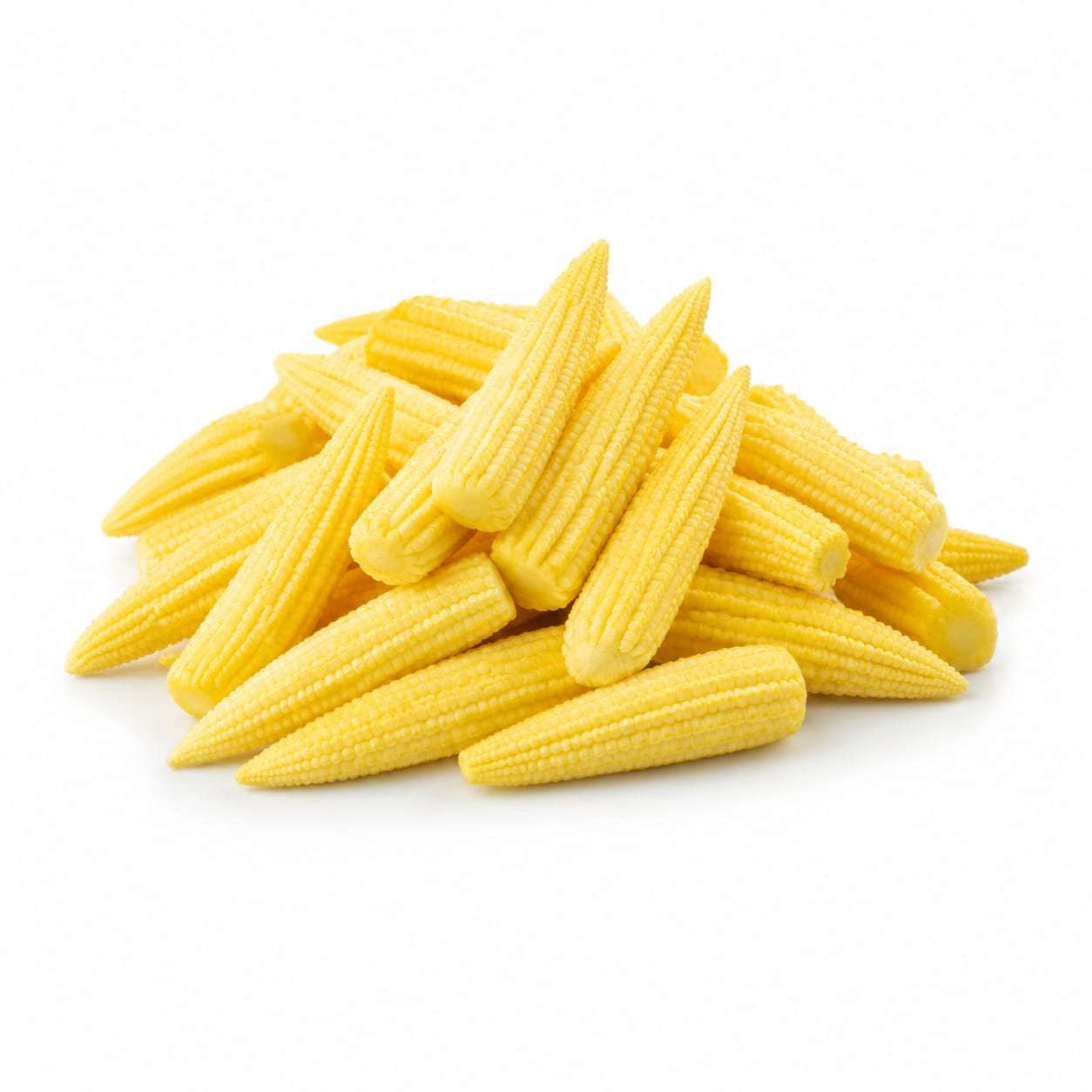
Baby Corn
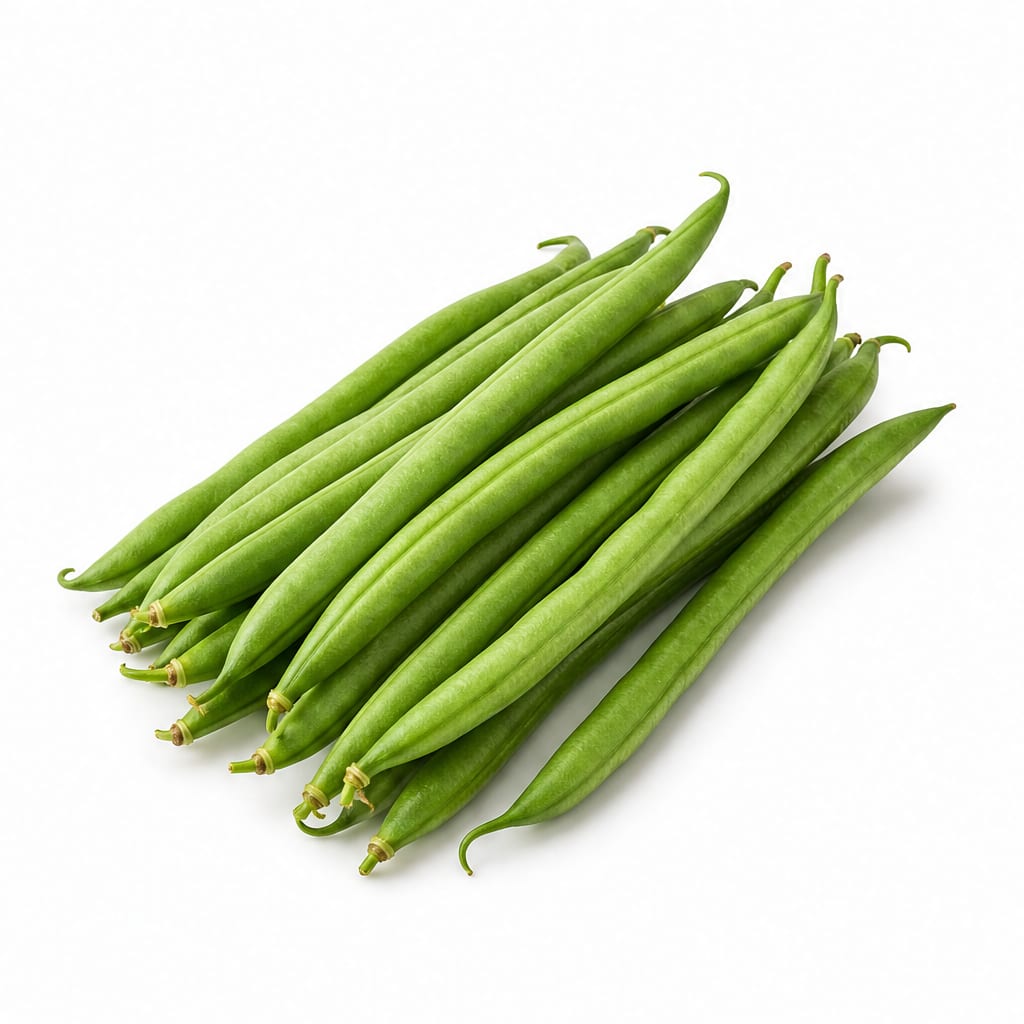
Green Beans
Green Beans deliver significantly more vitamins, minerals, and fiber per calorie, making them the stronger everyday vegetable choice.
Green Beans score substantially higher due to superior vitamin K, vitamin C, manganese, and fiber content. Baby Corn is not unhealthy but offers modest nutrition compared to most vegetables, functioning more as a textural addition than a nutritional powerhouse.
Baby Corn offers fun crunch and visual appeal in stir-fries, but Green Beans win on nearly every nutritional metric and are easier to find fresh.
At a glance
Executive summary
Overall
Green Beans
Healthier
Green Beans
More practical
Green Beans
Daily use
Green Beans
Key comparison lenses
nutrient density per calorie
Both are low-calorie vegetables, so the real question is which delivers more nutrition per bite
everyday side dish versatility
Users choosing between these are likely deciding what to serve regularly with meals
canned vs fresh sodium concerns
Baby corn is most commonly canned, raising sodium and processing questions green beans avoid when bought fresh
fiber and digestive benefits
Both are fiber sources, but the difference in fiber quality and quantity affects satiety and gut health
weight loss plate bulk
Both foods fill plates with minimal calories, a key strategy for sustainable weight management
Best choice for
Baby Corn
- Stir-fry enthusiasts wanting authentic Asian texture
- People seeking visual variety and fun presentation
- Anyone tired of the same side vegetables
- Low-fiber diets requiring gentle produce
Green Beans
- Daily vegetable rotation with maximum nutrition
- Blood sugar management and fiber intake
- Heart health and anti-inflammatory eating
- Budget-conscious shoppers buying fresh produce
Least suitable for
Baby Corn
- Sodium-sensitive individuals eating canned versions
- Those seeking maximum nutrient density per serving
- People avoiding canned or processed foods
Green Beans
- Individuals with severe legume allergies or sensitivities
- Those wanting a neutral-flavored vegetable for bold sauces
Deep comparison
Dimension by dimension
Each lens scores both foods and breaks down who each option suits.
- Dimension 1 · Priority 95Green Beans
Vitamin and Mineral Density
Baby Corn · 35Green Beans · 82Green Beans contain dramatically more vitamin K, vitamin C, manganese, and folate than Baby Corn.
Tradeoff
Baby Corn provides a small amount of folate and potassium but cannot compete with the micronutrient breadth of Green Beans.
Why it matters
Vitamin K supports bone health and blood clotting. Vitamin C boosts immunity and iron absorption. These add up meaningfully when eaten daily.
Real-world impact
A cup of Green Beans covers roughly 20% of your daily vitamin C and 25% of vitamin K. Baby Corn covers less than 5% of most vitamins.
Baby Corn
- Mild folate contribution during pregnancy when combined with other sources
Better for
- Relying on Baby Corn as a significant vitamin source
Worse for
Green Beans
- Bone health through vitamin K
- Immune support through vitamin C
- Iron absorption from meals when served alongside iron-rich foods
Better for
- Vitamin K can interfere with blood-thinning medications like warfarin
Worse for
- Dimension 2 · Priority 88Green Beans
Fiber and Satiety
Baby Corn · 40Green Beans · 78Green Beans provide roughly double the fiber per serving, leading to better fullness and digestive regularity.
Tradeoff
Baby Corn's lower fiber makes it gentler on sensitive stomachs but less effective at keeping you full between meals.
Why it matters
Fiber slows digestion, stabilizes blood sugar, and feeds beneficial gut bacteria. The difference between 2g and 4g per serving compounds over time.
Real-world impact
A Green Bean side dish helps you feel satisfied longer after dinner. Baby Corn disappears quickly from your hunger radar.
Baby Corn
- People with IBS or fiber sensitivity who need gentler vegetables
- Recovery meals after digestive illness
Better for
- Overeating later due to low satiety contribution
Worse for
Green Beans
- Sustained energy between meals
- Gut microbiome nourishment
- Blood sugar stability when eating carbohydrate-rich mains
Better for
- Gas or bloating in fiber-sensitive individuals when consumed in large amounts
Worse for
- Dimension 3 · Priority 82Green Beans
Sodium and Processing Concerns
Baby Corn · 30Green Beans · 85Most Baby Corn is canned with added sodium, while Green Beans are widely available fresh or frozen without additives.
Tradeoff
Fresh Baby Corn exists but is rare in typical grocery stores. Canned versions can deliver 300-500mg sodium per serving unless rinsed thoroughly.
Why it matters
Excess sodium raises blood pressure and strains cardiovascular health over years. Choosing fresh or frozen eliminates this concern entirely.
Real-world impact
A single serving of canned Baby Corn can contain 15-20% of your daily sodium limit. Fresh Green Beans contain virtually zero sodium naturally.
Baby Corn
- Convenience for quick stir-fry preparation
- Long pantry shelf life for emergency meals
Better for
- Hidden sodium in canned versions catching people off guard
- BPA exposure risk from can linings
Worse for
Green Beans
- Blood pressure management
- Clean eating with zero additives
- Full control over seasoning and salt content
Better for
- Fresh Green Beans spoil within a week if not used
Worse for
- Dimension 4 · Priority 75Green Beans
Antioxidant and Anti-inflammatory Value
Baby Corn · 30Green Beans · 72Green Beans contain chlorophyll, quercetin, and various flavonoids with documented anti-inflammatory effects. Baby Corn offers minimal antioxidant value.
Tradeoff
Baby Corn's mild antioxidant content comes mostly from ferulic acid in its young cell walls, but concentrations are low compared to mature vegetables.
Why it matters
Chronic inflammation drives heart disease, joint pain, and aging. Vegetables rich in flavonoids help counter this silently over decades.
Real-world impact
Regular Green Bean consumption contributes to your body's antioxidant reserves. Baby Corn contributes texture more than cellular protection.
Baby Corn
- Adding variety to an already antioxidant-rich diet
Better for
- Counting on Baby Corn for meaningful antioxidant intake
Worse for
Green Beans
- Long-term inflammatory condition management
- Cardiovascular protection through dietary flavonoids
- Skin health supported by quercetin and vitamin C together
Better for
- Overcooking destroys much of the heat-sensitive antioxidant content
Worse for
- Dimension 5 · Priority 70It depends
Culinary Versatility and Enjoyment
Baby Corn · 68Green Beans · 72Green Beans work in more cuisines and preparations, but Baby Corn brings unique crunch and visual appeal to Asian dishes.
Tradeoff
Baby Corn is a one-trick specialist that excels in stir-fries. Green Beans adapt to roasting, steaming, sautéing, grilling, and casseroles.
Why it matters
The best vegetable for you is the one you actually enjoy eating regularly. Versatility keeps meals interesting long-term.
Real-world impact
Green Beans can star in a weeknight side dish, a holiday casserole, or a salad. Baby Corn mostly appears in takeout-style stir-fries.
Baby Corn
- Creating authentic Asian restaurant-style dishes at home
- Fun finger food for kids who enjoy the mini corn shape
- Visual contrast in colorful vegetable medleys
Better for
- Limited to mostly Asian-inspired recipes
- Gets soggy quickly when overcooked
Worse for
Green Beans
- Weeknight side dishes with minimal effort
- Holiday meals and family recipes
- Meal prep that reheats well across multiple days
Better for
- Can become stringy or tough if not trimmed properly
Worse for
Timeline
Health impact over time
Short-term
Hours to days
Baby Corn
- Low blood sugar impact regardless of portion size
- Quick digestion due to lower fiber content
- Possible sodium spike if eating canned versions without rinsing
Green Beans
- Noticeable fullness after a standard serving
- Steady blood sugar response when paired with carbohydrate foods
- Possible mild gas if suddenly increasing fiber intake
Long-term
Months to years
Baby Corn
- Modest contribution to daily vegetable intake goals
- Potential sodium-related blood pressure concerns if relying on canned versions frequently
- Minimal risk of any adverse effects from the vegetable itself
Green Beans
- Improved cardiovascular markers from regular flavonoid and fiber intake
- Better digestive regularity and gut microbiome diversity
- Stronger bone density supported by consistent vitamin K consumption
Risk profile
Safety & processing
Fresh Green Beans are essentially untouched from field to plate. Canned Baby Corn typically contains salt, sometimes sugar, and may have BPA exposure from can linings. Fresh Baby Corn exists but is uncommon outside specialty markets.
Baby Corn
Sodium from canning liquid
mediumCanned Baby Corn often packs 300-500mg sodium per serving. Rinsing reduces this by roughly 40% but does not eliminate it.
BPA from can linings
lowMost canned foods historically used BPA in linings. Many brands now use BPA-free alternatives, but verification requires checking individual labels.
Pesticide residue on imported fresh Baby Corn
lowMuch fresh Baby Corn is imported from Southeast Asia where pesticide regulations may differ. Washing thoroughly reduces risk.
Green Beans
Pesticide residue on conventional Green Beans
mediumGreen Beans frequently appear on the Environmental Working Group's watch list for pesticide residues. Choosing organic significantly reduces exposure.
Lectin content in raw Green Beans
lowRaw Green Beans contain lectins that can cause digestive upset. Cooking eliminates this concern entirely.
Who wins for whom
Audience fit
Same foods, different winners depending on your goal.
children
Baby CornKids often find Baby Corn's fun size and crunch more appealing, which matters more for children than marginal nutrient differences. Getting kids to eat any vegetable consistently outweighs optimizing vitamin content.
daily consumption
Green BeansGreen Beans offer broader nutritional coverage, easier fresh access, and zero sodium concerns. They integrate smoothly into daily meal routines without hidden drawbacks.
diabetes
Green BeansHigher fiber content in Green Beans slows glucose absorption more effectively. Both have minimal carbohydrate impact, but Green Beans provide better blood sugar stability.
elderly
Green BeansOlder adults benefit more from the vitamin K for bone density, fiber for digestion, and folate for cognitive support that Green Beans provide in greater amounts.
muscle gain
It dependsNeither vegetable contributes meaningful protein. Both serve as low-calorie plate fillers alongside protein sources. Choose based on what makes your protein meal more enjoyable.
weight loss
Green BeansGreen Beans provide more fiber and satiety per calorie, helping control hunger between meals. Both are low-calorie, but Green Beans keep you fuller longer.
Your move
Decision guide
Choose Baby Corn
- You are making a stir-fry and want that authentic restaurant crunch
- Your child refuses most vegetables but finds Baby Corn fun to eat
- You want a low-fiber vegetable during a digestive flare-up
- You are building a visually impressive vegetable platter
Choose Green Beans
- You want maximum nutrition from your side dishes every day
- You are managing blood pressure and avoiding hidden sodium
- You need more fiber to stay regular and feel full
- You prefer buying fresh vegetables over canned
- You are building heart-protective eating habits long-term
Either works if
- You already eat a wide variety of vegetables and just want variety
- You are counting calories and both fit your budget
- You are making a mixed vegetable dish where both contribute different textures
Avoid both if
- You need a protein-rich vegetable alternative like edamame or legumes
- You are looking for a calorie-dense food to meet high energy needs
Final recommendation
Make Green Beans your everyday vegetable for their superior fiber, vitamins, and fresh availability. Keep Baby Corn as an occasional treat for stir-fry nights when you want that satisfying crunch and visual appeal. If you do use canned Baby Corn, rinse it thoroughly to cut sodium by roughly 40%, and check for BPA-free labeling.
Practical
Consumer tips
- 1
Rinse canned Baby Corn for 30 seconds under cold water to remove roughly 40% of added sodium
- 2
Buy frozen Green Beans as a budget-friendly alternative to fresh with nearly identical nutrition
- 3
If you find fresh Baby Corn at an Asian market, grab it — the flavor and texture are dramatically better than canned
- 4
Snap Green Beans by hand instead of cutting to preserve more texture during cooking
- 5
Steam or quick-blanch Green Beans rather than boiling to retain water-soluble vitamins like C and folate
- 6
Look for BPA-free cans when buying Baby Corn, especially if you eat it regularly
- 7
Roast Green Beans with olive oil and garlic at 425°F for 15 minutes for an easy side dish that even skeptics enjoy