
Nutrition comparison
Baby Corn vs Peas: Which Vegetable Is Actually Better for You?
Baby corn offers ultra-low calories while peas deliver protein, fiber, and real nutrition. Compare these two vegetables to find which fits your health goals, diet strategy, and cooking style.
Overall winner · Peas
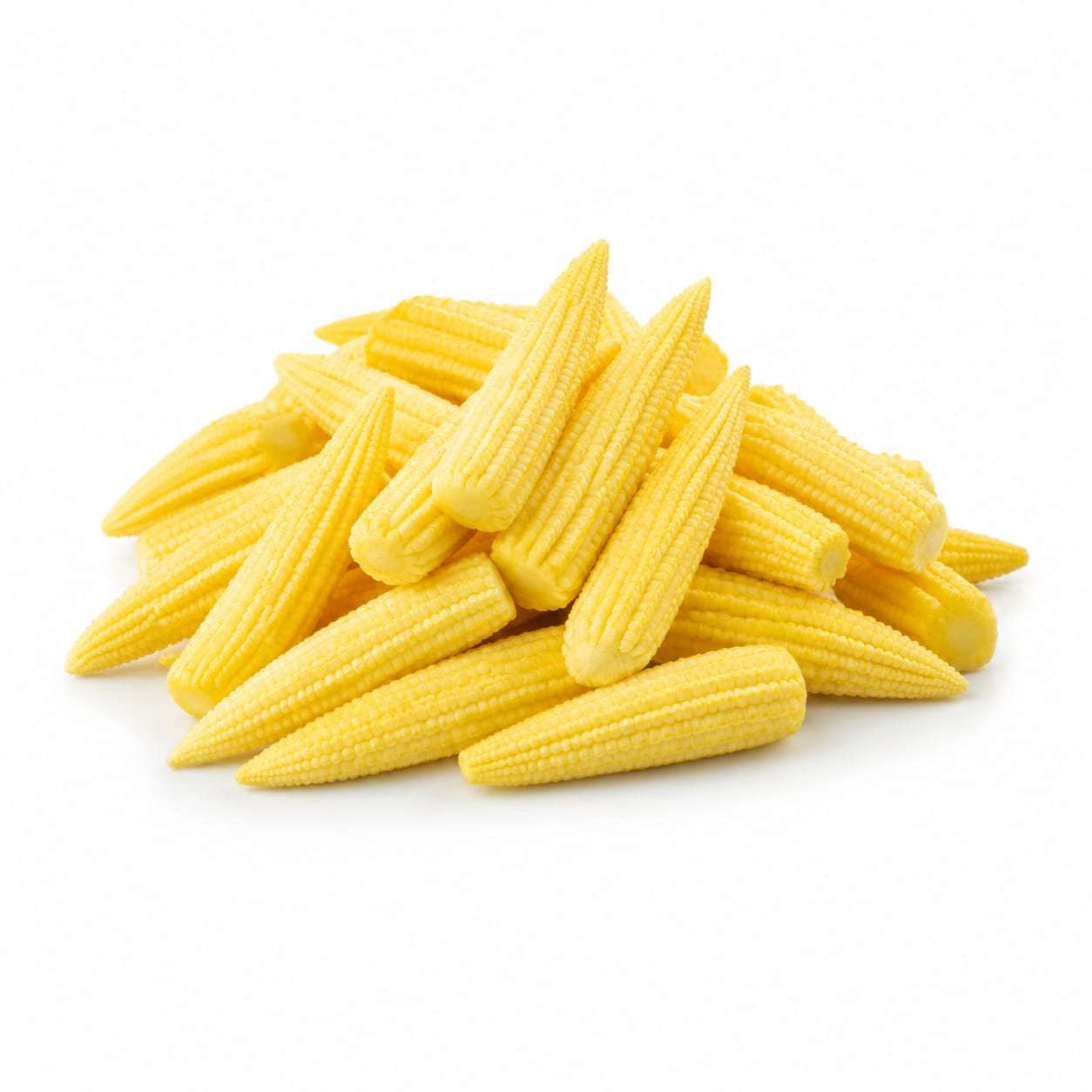
Baby Corn
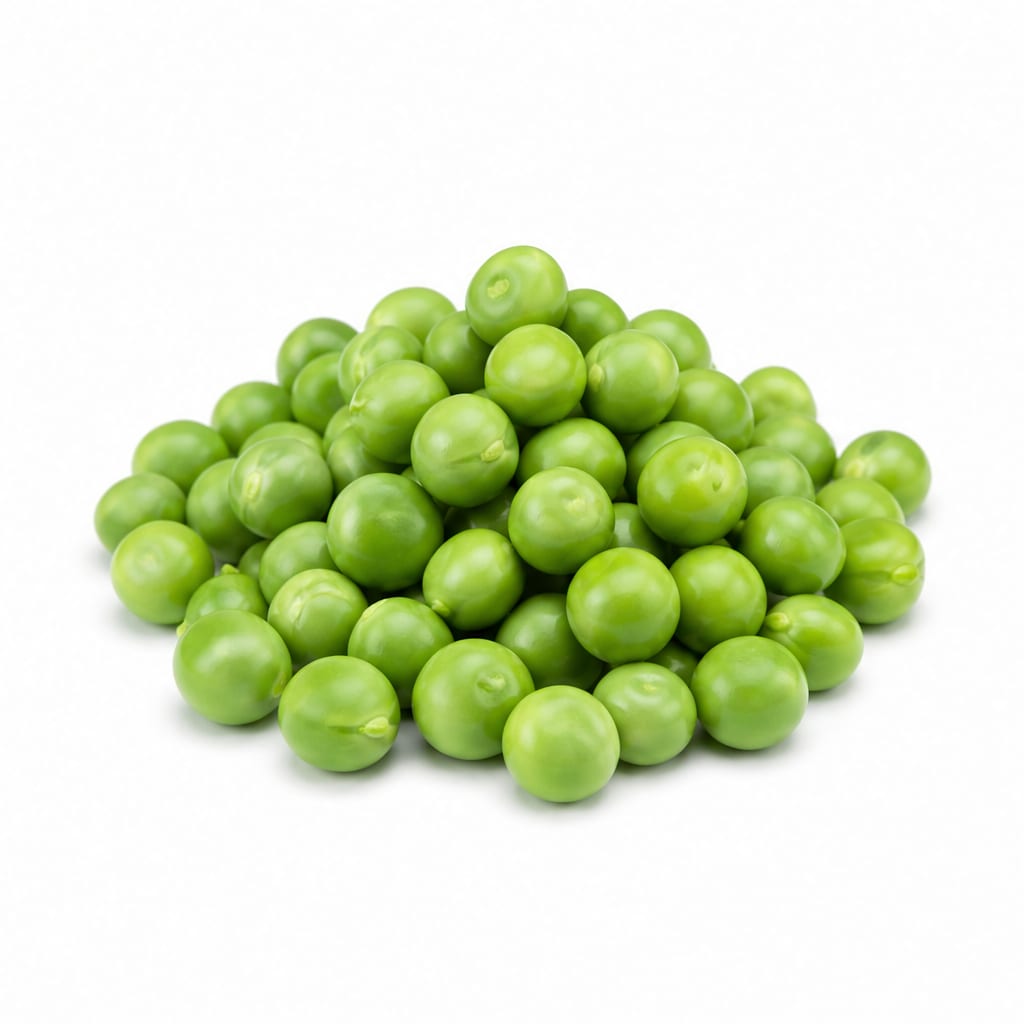
Peas
Peas deliver far more nutrition per bite, but baby corn wins when you need maximum volume with minimal calories.
Peas score substantially higher due to superior protein, fiber, vitamin, and mineral content. Baby corn remains useful but is nutritionally lightweight — its value comes from low calories and culinary texture rather than nourishment.
Nutritional substance versus calorie-free crunch — peas nourish you while baby corn lets you eat more without consequence.
At a glance
Executive summary
Overall
Peas
Healthier
Peas
More practical
It depends
Daily use
Peas
Key comparison lenses
nutritional value comparison
Peas are dramatically more nutrient-dense than baby corn, making this the most consequential difference
weight loss strategy
Baby corn offers extreme low-calorie volume eating while peas provide sustaining protein and fiber
satiety and fullness
The protein and fiber gap between these foods significantly affects how satisfied you feel after eating
blood sugar management
Baby corn has minimal carbs while peas carry more sugars and starches that affect glucose
meal role and versatility
These foods serve very different purposes in meals — crunch vs substance
Best choice for
Baby Corn
- Volume eaters who want large portions without calories
- Low-carb dieters needing vegetable variety
- Stir-fry and Asian cuisine enthusiasts
- People managing blood sugar who miss corn flavor
Peas
- Anyone seeking plant-based protein and fiber
- Families needing affordable, nutrient-dense sides
- Athletes requiring recovery nutrition
- People wanting one vegetable that actually sustains them
Least suitable for
Baby Corn
- Those relying on vegetables for meaningful protein or iron
- People prone to hunger after meals
- Anyone seeking nutrient density per calorie
- Those wanting a satisfying standalone side dish
Peas
- Strict low-carb dieters counting every gram
- People with pea or legume allergies
- Those sensitive to fermentable carbohydrates (FODMAPs)
- Anyone needing near-zero calorie bulk
Deep comparison
Dimension by dimension
Each lens scores both foods and breaks down who each option suits.
- Dimension 1 · Priority 95Peas
Nutritional Density
Baby Corn · 25Peas · 88Peas are among the most nutrient-dense vegetables you can eat. Baby corn is mostly water and fiber with minimal vitamins or minerals.
Tradeoff
You get more crunch and fewer calories from baby corn, but you sacrifice nearly all meaningful nutrition.
Why it matters
If your vegetable is not providing nutrients, you need to get them elsewhere — which defeats the purpose of eating vegetables.
Real-world impact
A cup of peas gives you 8g protein, 7g fiber, and significant iron and folate. A cup of baby corn gives you 2g protein, 2g fiber, and trace minerals.
Baby Corn
- Situations where you already hit your nutrient targets elsewhere
- Meals where you need low-calorie filler
Better for
- Using baby corn as your primary vegetable and wondering why you feel depleted
Worse for
Peas
- Daily vegetable servings that actually contribute to your nutrition goals
- Plant-based diets needing protein from diverse sources
Better for
- Strict calorie restriction where every calorie must be minimized
Worse for
- Dimension 2 · Priority 88Peas
Satiety and Fullness
Baby Corn · 30Peas · 82Peas keep you full for hours thanks to their protein-fiber combo. Baby corn disappears from your stomach quickly.
Tradeoff
Baby corn lets you eat a large volume without feeling heavy, but you will be hungry again soon.
Why it matters
Vegetables that fail to satisfy often lead to overeating later, negating their low-calorie advantage.
Real-world impact
A side of peas with dinner keeps you satisfied until morning. A side of baby corn leaves you raiding the fridge by 9pm.
Baby Corn
- Light meals before events where you do not want to feel bloated
- Appetizer courses where heaviness is unwanted
Better for
- Reliance on baby corn as a diet food that leaves you perpetually hungry
Worse for
Peas
- Main meals where the vegetable needs to carry real satiety weight
- Lunches that need to sustain you through a long afternoon
Better for
- Light snacking where you want something refreshing, not filling
Worse for
- Dimension 3 · Priority 78Baby Corn
Blood Sugar Stability
Baby Corn · 90Peas · 65Baby corn has almost no carbohydrates to impact blood sugar. Peas contain enough starch and sugar to cause a modest glucose rise.
Tradeoff
Baby corn is safer for tight glucose control, but peas offer enough protein and fiber to buffer their own carb impact reasonably well.
Why it matters
For diabetics and metabolic health optimizers, even vegetable carbs require awareness.
Real-world impact
Baby corn will not move your blood sugar needle at all. Peas might cause a small rise, but their fiber prevents a spike.
Baby Corn
- Diabetics monitoring every carb gram carefully
- Ketogenic dieters needing zero-impact vegetables
Better for
- Post-workout recovery where some carbohydrate helps replenish glycogen
Worse for
Peas
- Active people who benefit from moderate carbs for energy
- Balanced meals where some carbohydrate is actually desired
Better for
- Very insulin-resistant individuals who need to minimize all carb sources
Worse for
- Dimension 4 · Priority 75Baby Corn
Calorie Efficiency
Baby Corn · 92Peas · 58Baby corn is one of the lowest-calorie vegetables available. Peas carry three times the calories per cup.
Tradeoff
You can eat massive portions of baby corn guilt-free, but you get almost nothing nutritionally. Peas cost more calories but pay you back generously.
Why it matters
For aggressive calorie restriction, volume eating with baby corn works. But it is a strategy with diminishing returns.
Real-world impact
Three cups of baby corn costs you roughly 80 calories. Three cups of peas costs about 240 calories — but delivers real protein and sustained energy.
Baby Corn
- Volume eaters who need to feel physically full on minimal calories
- Late-night snacking where calories matter more than nutrition
Better for
- Using baby corn as a meal replacement strategy that leaves you undernourished
Worse for
Peas
- People who understand that some calories are worth spending for the nutrition returned
- Active individuals whose calorie budgets are not severely restricted
Better for
- Very low-calorie diet phases where every calorie is tightly budgeted
Worse for
- Dimension 5 · Priority 82Peas
Protein Quality
Baby Corn · 12Peas · 78Peas are a legitimate plant protein source. Baby corn is essentially protein-free.
Tradeoff
If you need protein from vegetables, peas deliver. Baby corn contributes nothing meaningful here.
Why it matters
Plant-based eaters especially need vegetables that pull protein weight, not just fill space.
Real-world impact
A cup of peas provides about 8g of protein — meaningful toward daily targets. Baby corn gives you roughly 2g, which is negligible.
Baby Corn
- Meals where protein is already covered by other components
Better for
- Plant-based diets relying on baby corn as a vegetable staple
Worse for
Peas
- Vegetarian and vegan meals needing protein from every possible source
- Post-workout meals where plant protein aids recovery
Better for
- Situations where added protein is unnecessary due to ample intake
Worse for
- Dimension 6 · Priority 65Baby Corn
Digestive Tolerance
Baby Corn · 80Peas · 55Baby corn is gentle on digestion for most people. Peas can cause bloating and gas due to their fiber and oligosaccharide content.
Tradeoff
Baby corn is easier on your stomach but gives your gut microbiome less to work with. Peas feed beneficial bacteria but may cause discomfort.
Why it matters
For people with IBS or sensitive digestion, this difference affects daily comfort significantly.
Real-world impact
Baby corn sits lightly and rarely causes issues. A large portion of peas can leave you bloated and uncomfortable, especially if you are not used to high-fiber foods.
Baby Corn
- People with IBS or sensitive stomachs
- Days when you need to feel light and unbloated
Better for
- Missing out on prebiotic benefits that support long-term gut health
Worse for
Peas
- Healthy guts that benefit from prebiotic fiber feeding beneficial bacteria
- Gradually increasing fiber intake for long-term microbiome health
Better for
- Social situations where bloating and gas would be embarrassing
- FODMAP-sensitive individuals during flare-ups
Worse for
- Dimension 7 · Priority 60It depends
Culinary Versatility
Baby Corn · 65Peas · 72Baby corn excels in stir-fries and Asian dishes. Peas work across far more cuisines and meal types.
Tradeoff
Baby corn has a specific niche it dominates. Peas are the more versatile everyday ingredient.
Why it matters
A vegetable you actually cook with regularly beats one that sounds interesting but sits in your pantry.
Real-world impact
Peas go into soups, pastas, salads, curries, rice dishes, and sides. Baby corn mostly lands in stir-fries and Thai curries.
Baby Corn
- Asian-inspired meal prep and stir-fry routines
- Dishes where visual appeal and crunch matter
Better for
- Cooks who rarely make Asian cuisine and find baby corn awkward to use
Worse for
Peas
- Weeknight cooking that needs a reliable, versatile vegetable
- Comfort food dishes where peas are a classic addition
Better for
- Dishes where crunch and visual distinctiveness are desired
Worse for
Timeline
Health impact over time
Short-term
Hours to days
Baby Corn
- Very light feeling after eating — minimal digestive burden
- Unlikely to cause bloating or gas
- Will not trigger blood sugar fluctuations
- May leave you hungry again within an hour or two
Peas
- Noticeable fullness and satisfaction after eating
- Possible mild bloating if you eat a large portion or are unaccustomed to fiber
- Small but stable blood sugar response due to protein-fiber buffering
- Sustained energy for 2-3 hours after eating
Long-term
Months to years
Baby Corn
- Risk of nutrient shortfalls if baby corn replaces more nutritious vegetables
- Minimal contribution to long-term disease prevention
- Gentle on digestion over time with no cumulative irritation
- Possible over-reliance on low-calorie volume eating strategies
Peas
- Supports cardiovascular health through fiber and plant protein
- Contributes meaningful folate intake for cellular repair
- Prebiotic fiber supports microbiome diversity over time
- Iron and vitamin K contribute to blood and bone health
Risk profile
Safety & processing
Both baby corn and peas are whole vegetables with minimal processing concerns. Canned versions of both may contain added sodium, so rinsing or choosing frozen is preferable. Neither carries significant additive risks.
Baby Corn
Canned sodium content
mediumCanned baby corn often packs 400-600mg sodium per serving. Rinsing helps but does not eliminate it entirely.
Pesticide residue
lowBaby corn generally shows low pesticide levels, and canned versions undergo washing that reduces residues further.
Peas
Canned sodium content
mediumCanned peas can contain 300-500mg sodium per serving. Frozen peas are typically sodium-free.
FODMAP sensitivity
mediumPeas contain galacto-oligosaccharides that trigger symptoms in IBS and FODMAP-sensitive individuals.
Pesticide residue
lowPeas are on the EWG's Clean Fifteen list with minimal pesticide concerns, especially when frozen.
Who wins for whom
Audience fit
Same foods, different winners depending on your goal.
children
PeasPeas deliver protein, iron, and folate that growing bodies need. Baby corn is fun to eat but nutritionally hollow for developing kids.
daily consumption
PeasPeas earn their place daily through consistent nutritional contributions. Baby corn is fine occasionally but does not pull its weight as a daily vegetable.
diabetes
Baby CornBaby corn has negligible carbohydrate impact, making glucose management simpler. Peas are still acceptable but require carb counting.
elderly
PeasOlder adults benefit from peas' protein for muscle preservation and fiber for digestion. Baby corn is easier to chew but contributes little to nutritional needs that become more critical with age.
muscle gain
PeasPeas provide actual protein that contributes to muscle recovery. Baby corn offers essentially nothing for muscle building.
weight loss
It dependsBaby corn wins for aggressive calorie restriction through volume eating. Peas win for sustainable weight loss because protein and fiber prevent the rebound hunger that derails diets.
Your move
Decision guide
Choose Baby Corn
- You are aggressively cutting calories and need volume to stay sane
- You have diabetes or metabolic syndrome and want zero-impact vegetables
- You cook a lot of stir-fries and Asian dishes
- You have a sensitive stomach and need gentle foods
- You want a low-carb corn substitute that satisfies the craving
Choose Peas
- You want a vegetable that actually nourishes you, not just fills space
- You are plant-based and need protein from diverse sources
- You want sustained energy and fullness from your meals
- You are feeding a family and need affordable, nutrient-dense options
- You care about long-term health outcomes over short-term calorie tricks
Either works if
- You are building a mixed vegetable dish and both add value
- Your calorie and carb budgets allow flexibility
- You rotate vegetables for variety and both fit your week
Avoid both if
- You have a corn or legume allergy respectively
- You are on a strict FODMAP elimination and cannot tolerate peas
- You only have highly sodium-loaded canned versions and are on a sodium-restricted diet
Final recommendation
Make peas your everyday vegetable — they deliver real nutrition that compounds over time. Save baby corn for when you need low-calorie crunch or are cooking Asian-inspired meals. If you can only stock one, peas are the clear choice for health, satiety, and value.
Practical
Consumer tips
- 1
Choose frozen peas over canned to avoid sodium and preserve nutrients — frozen peas are flash-locked at peak freshness
- 2
If buying canned baby corn, rinse thoroughly to remove up to 40% of the added sodium
- 3
Combine both in stir-fries: baby corn for crunch, peas for substance and protein
- 4
Do not expect baby corn to replace regular corn nutritionally — it is a different food with a fraction of the nutrients
- 5
Introduce peas gradually if you are not used to high-fiber foods to minimize bloating
- 6
Baby corn is best fresh or frozen — canned versions lose the crisp texture that makes them appealing