
Nutrition comparison
Baby Corn vs Regular Corn: Nutrition, Calories, and Which to Choose
Baby corn has far fewer calories and less starch than regular corn, making it better for weight loss and blood sugar control. But regular corn is more filling and nutritious. Compare them here.
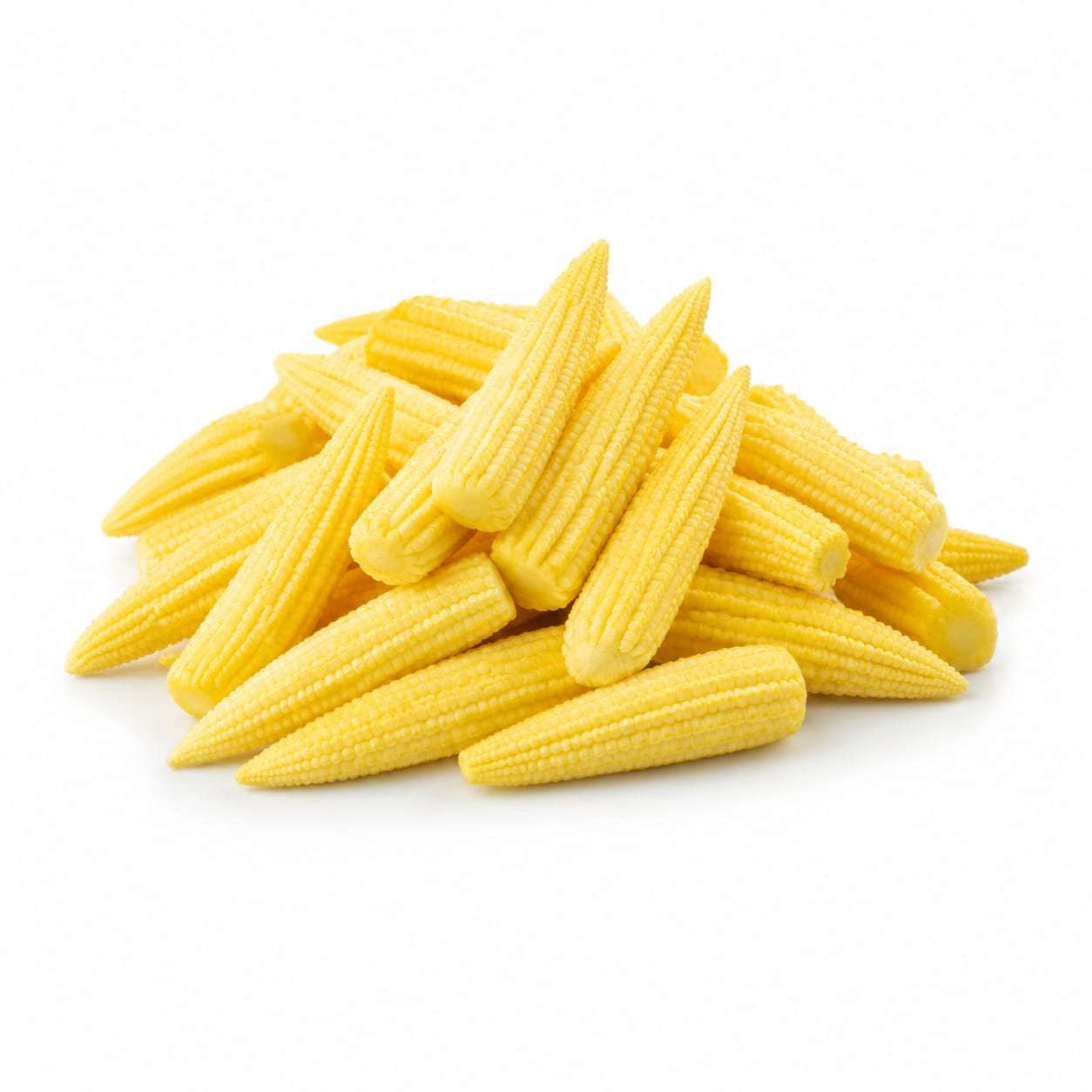
Baby Corn
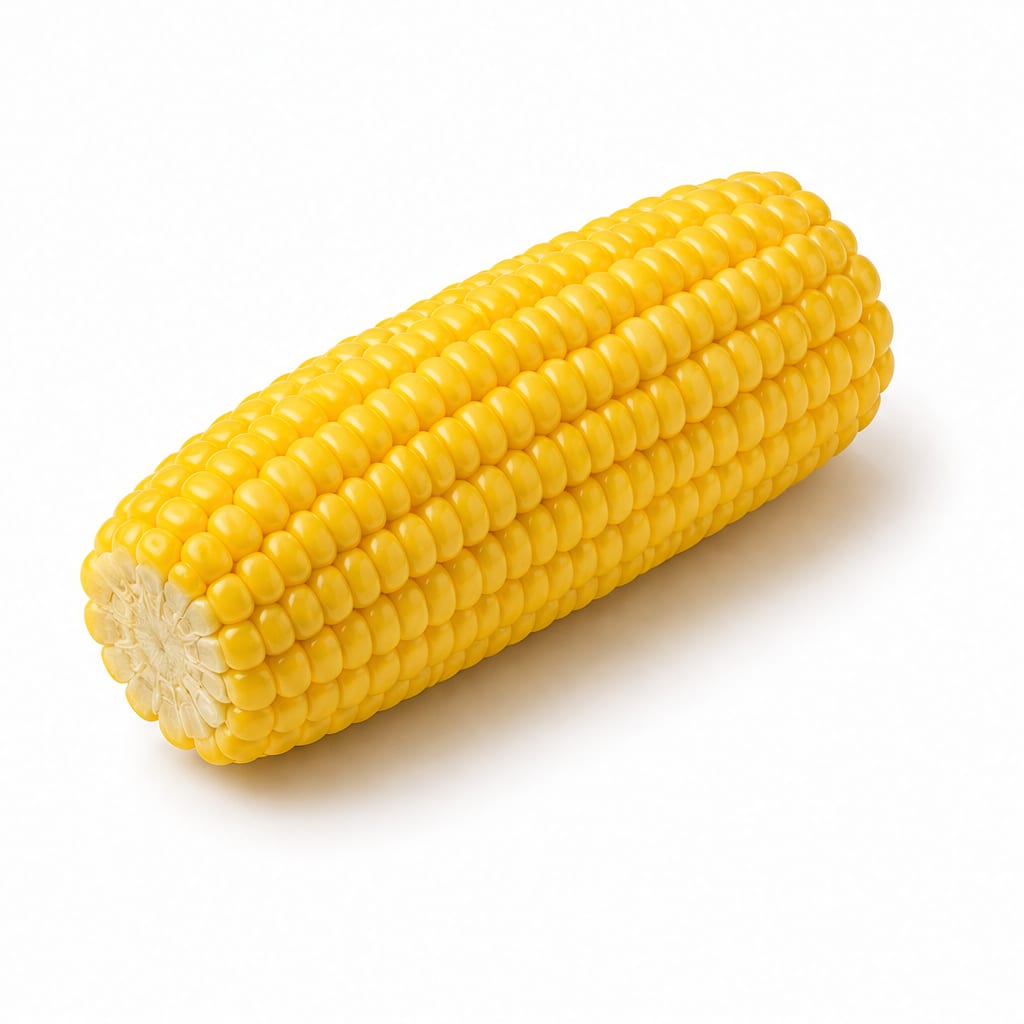
Regular Corn
Baby corn wins for low-calorie snacking and blood sugar control, while regular corn wins for nutrition, satiety, and energy
Regular corn scores slightly higher due to superior nutrient density, satiety, and versatility. Baby corn excels in specific contexts like calorie restriction and blood sugar management but is less satisfying and often comes canned with added sodium.
Volume and lightness versus substance and nourishment — baby corn is the dieter's friend, regular corn is the eater's friend
At a glance
Executive summary
Overall
It depends
Healthier
It depends
More practical
Regular Corn
Daily use
Regular Corn
Key comparison lenses
weight management and calorie control
Baby corn is dramatically lower in calories and carbs, making it a common swap for people cutting calories while still wanting corn flavor and texture
blood sugar and diabetes friendliness
The starch and sugar difference between immature and mature corn significantly affects glycemic response, a key concern for diabetics
nutrient density vs volume eating
Regular corn delivers more vitamins and minerals per serving, but baby corn lets you eat more volume for fewer calories — a classic tradeoff
satiety and fullness
Regular corn is substantially more filling due to higher starch and calorie content, which matters for meal satisfaction
processing and canning concerns
Baby corn is most commonly found canned, introducing sodium and preservative considerations that fresh regular corn avoids
Best choice for
Baby Corn
- People actively cutting calories who still want corn texture
- Diabetics managing blood sugar spikes
- Stir-fry and Asian cuisine lovers wanting low-cal crunch
- Volume eaters who prefer larger portions with fewer calories
Regular Corn
- Athletes and active people needing real energy
- Anyone seeking a filling, satisfying side dish
- Families wanting affordable, nutrient-dense food
- People who eat corn as an actual energy source, not just a garnish
Least suitable for
Baby Corn
- Athletes needing caloric fuel for performance
- People seeking a filling meal component
- Those avoiding canned goods with added sodium
Regular Corn
- Strict low-carb dieters
- People with severe blood sugar management needs
- Those counting every calorie on an aggressive cut
Deep comparison
Dimension by dimension
Each lens scores both foods and breaks down who each option suits.
- Dimension 1 · Priority 92Baby Corn
Calorie Density and Weight Management
Baby Corn · 90Regular Corn · 55Baby corn has roughly one-third the calories of regular corn per serving, making it far easier to fit into a calorie deficit
Tradeoff
You save calories but sacrifice the satisfying fullness that regular corn provides
Why it matters
When cutting calories, volume eating helps you feel less deprived — baby corn lets you eat a full cup for under 30 calories
Real-world impact
A heaping plate of baby corn stir-fry feels indulgent but costs almost nothing calorically, while the same plate of regular corn would be a significant portion of your daily intake
Baby Corn
- Aggressive calorie cuts
- Volume eaters
- Late-night snacking with minimal guilt
Better for
- Recovering from illness when you need calories
- Athletes in a caloric surplus
Worse for
Regular Corn
- Maintaining weight without tracking
- Active people who burn calories freely
Better for
- Strict calorie counting
- People who tend to overeat starchy sides
Worse for
- Dimension 2 · Priority 88Baby Corn
Blood Sugar Impact
Baby Corn · 85Regular Corn · 50Baby corn's immature kernels contain far less starch and sugar, resulting in a much gentler blood sugar response
Tradeoff
Gentler blood sugar comes with less usable energy for active periods
Why it matters
For anyone with insulin resistance or diabetes, the difference between a food that spikes glucose and one that barely moves it is critical
Real-world impact
Eating regular corn can cause a noticeable blood sugar rise followed by a crash, while baby corn keeps things steady — important for afternoon energy and mood stability
Baby Corn
- Diabetics and pre-diabetics
- People prone to energy crashes
- Low-carb dieters wanting corn flavor
Better for
- Situations requiring quick energy
Worse for
Regular Corn
- Post-workout carb replenishment
- Endurance athletes mid-activity
Better for
- Sedentary evenings when sugar spikes linger
- Anyone monitoring fasting glucose
Worse for
- Dimension 3 · Priority 85Regular Corn
Nutrient Density
Baby Corn · 45Regular Corn · 82Regular corn delivers significantly more B vitamins, magnesium, potassium, and antioxidants per serving because the kernels have fully developed
Tradeoff
More nutrients also come with more calories — you cannot separate the two in whole foods
Why it matters
If corn is a staple side dish, regular corn contributes meaningfully to your daily micronutrient intake while baby corn contributes almost nothing
Real-world impact
A serving of regular corn covers a decent chunk of your daily thiamine and folate needs; baby corn barely registers nutritionally
Baby Corn
- Situations where corn is a garnish, not a nutrient source
Better for
- Anyone relying on side dishes for meaningful nutrition
Worse for
Regular Corn
- Plant-based eaters relying on whole foods for B vitamins
- Budget-conscious families needing nutrient-dense staples
- Pregnant women needing folate from food sources
Better for
- When you only need texture, not sustenance
Worse for
- Dimension 4 · Priority 80Regular Corn
Satiety and Fullness
Baby Corn · 35Regular Corn · 80Regular corn's starch and calorie content make it genuinely filling, while baby corn is light enough to barely register
Tradeoff
Feeling full helps prevent overeating later, but a heavy side can also feel sluggish if you overdo it
Why it matters
A food that leaves you hungry 30 minutes later often leads to more snacking, negating its low-calorie advantage
Real-world impact
Baby corn in a stir-fry disappears quickly and leaves you reaching for more food; regular corn as a side sticks with you for hours
Baby Corn
- Light appetizers before a big meal
- When you want crunch without heaviness
Better for
- Anyone who gets hungry soon after eating
- Meals that need to hold you for 4-5 hours
Worse for
Regular Corn
- Main meal sides where satisfaction matters
- Preventing late-night snacking by eating filling dinners
Better for
- Hot summer days when heavy food feels oppressive
Worse for
- Dimension 5 · Priority 75Regular Corn
Processing and Canning Concerns
Baby Corn · 40Regular Corn · 85Fresh regular corn is minimally processed, while most baby corn is canned with added sodium and sometimes preservatives
Tradeoff
Canned baby corn is convenient and shelf-stable but comes with sodium and processing tradeoffs fresh corn avoids
Why it matters
Sodium from canned baby corn can add up quickly, especially if you eat it frequently or do not rinse it
Real-world impact
A single cup of canned baby corn can contain 400-600mg of sodium — a significant portion of your daily limit — while fresh regular corn has virtually none
Baby Corn
- Pantry stocking and emergency meals
- Quick stir-fry prep without fresh shopping
Better for
- People with hypertension
- Anyone watching sodium closely
Worse for
Regular Corn
- Sodium-sensitive individuals
- Clean eating and whole-food diets
- Families wanting minimal processing
Better for
- Situations requiring long shelf life
Worse for
- Dimension 6 · Priority 70Regular Corn
Culinary Versatility
Baby Corn · 55Regular Corn · 85Regular corn works in dozens of dishes from soups to salads to grilled sides, while baby corn is mostly limited to stir-fries and Asian dishes
Tradeoff
Baby corn has a unique tender-crisp texture that regular corn cannot replicate, but it shines in far fewer recipes
Why it matters
A versatile ingredient gets eaten more often and wasted less, making it more practical for weekly meal planning
Real-world impact
Regular corn can be grilled, roasted, boiled, blended into chowder, made into salsa, or eaten on the cob — baby corn basically goes in stir-fries
Baby Corn
- Asian-inspired meals
- Crudité platters
- Quick pickling projects
Better for
- Cooks who want one ingredient for many meals
Worse for
Regular Corn
- Weeknight cooking across many cuisines
- Summer grilling and barbecues
- Meal prep with diverse recipes
Better for
- Authentic Asian stir-fry recipes
Worse for
Timeline
Health impact over time
Short-term
Hours to days
Baby Corn
- Minimal blood sugar impact after eating
- Very light in the stomach, unlikely to cause bloating
- Canned versions may cause slight water retention from sodium
Regular Corn
- Noticeable energy boost from starch and natural sugars
- Can cause bloating in sensitive individuals due to fiber and starch
- More immediate feeling of fullness and satisfaction
Long-term
Months to years
Baby Corn
- Helpful for sustained calorie deficit and weight management
- Low nutrient contribution means it should not replace more nutritious vegetables
- Regular consumption of canned versions increases daily sodium intake
Regular Corn
- Consistent intake supports B vitamin status and antioxidant defenses
- Higher starch intake may challenge blood sugar management if eaten in large portions daily
- Fiber contributes to long-term digestive health and regularity
Risk profile
Safety & processing
Fresh regular corn is essentially unprocessed — you eat the kernel as it grew. Baby corn is naturally immature corn, but it is almost always canned, which introduces sodium, potential preservatives, and loss of heat-sensitive nutrients. Fresh baby corn exists but is rare outside of specialty markets and farm stands near corn-growing regions.
Baby Corn
Sodium from canning
mediumCanned baby corn typically contains 300-600mg sodium per cup. Rinsing helps but does not eliminate it entirely. Regular consumption can contribute to exceeding daily sodium limits.
BPA exposure from can linings
lowMost cans still use BPA-lined interiors. While many manufacturers are phasing this out, it remains a concern with frequent canned food consumption.
Pesticide residue
lowBaby corn is harvested very early, meaning less time for pesticide accumulation. Canning processes also tend to reduce surface residues.
Regular Corn
Pesticide residue on conventional corn
lowSweet corn is actually one of the cleaner conventional produce items, with relatively low pesticide residues compared to other crops. The husk provides natural protection.
GMO concerns
lowMost field corn is GMO, but sweet corn sold fresh is less commonly GMO. If this is a concern, organic sweet corn guarantees non-GMO status.
Mycotoxin contamination
lowImproperly stored corn can develop mold and mycotoxins. Fresh sweet corn consumed promptly carries minimal risk.
Who wins for whom
Audience fit
Same foods, different winners depending on your goal.
children
Regular CornRegular corn is more filling, more nutritious, and kids generally prefer the sweet taste. Baby corn is fine as an occasional vegetable but does not contribute meaningful nutrition for growing bodies
daily consumption
Regular CornRegular corn provides consistent nutritional value and energy. Daily baby corn consumption would mean daily canned sodium intake and minimal nutrient return, unless you can source fresh baby corn
diabetes
Baby CornBaby corn's minimal starch and sugar content makes it far safer for blood sugar management, while regular corn can cause problematic glucose spikes
elderly
Regular CornOlder adults benefit more from the B vitamins, fiber, and potassium in regular corn. The softer texture of cooked regular corn is also easy to chew, and the nutrient density matters more when appetite decreases
muscle gain
Regular CornRegular corn provides actual carbohydrates for training fuel and recovery, plus more B vitamins that support energy metabolism during intense training
weight loss
Baby CornBaby corn's extremely low calorie count makes it one of the easiest vegetables to eat freely while cutting, though the lack of satiety means you may eat more of other foods to compensate
Your move
Decision guide
Choose Baby Corn
- You are actively cutting calories and need low-energy-density foods
- You have diabetes or insulin resistance and need to minimize starch intake
- You love stir-fries and Asian cooking and want an authentic low-cal ingredient
- You practice volume eating and prefer larger portions with fewer calories
Choose Regular Corn
- You want a filling, satisfying side dish that actually nourishes
- You are active and need real carbohydrate energy for performance
- You prefer fresh whole foods over canned products
- You eat corn regularly and want meaningful nutritional return per serving
Either works if
- You simply want vegetable variety in your diet
- You are at a healthy weight and eat a balanced diet overall
- You enjoy both and can use them in different dishes
Avoid both if
- You have a confirmed corn allergy
- You are on a strict very-low-carb ketogenic diet
- You have severe digestive issues with grains and cannot tolerate either form
Final recommendation
Keep both in your rotation for different purposes. Use baby corn when you need a low-calorie crunch in stir-fries or want to fill your plate without filling your calorie budget. Use regular corn when you want real nourishment, satisfying energy, and a versatile side that works across dozens of meals. If you eat baby corn regularly, seek out fresh or low-sodium canned versions and always rinse before using.
Practical
Consumer tips
- 1
Rinse canned baby corn thoroughly under running water to remove up to 40% of the added sodium
- 2
Look for fresh baby corn at farmers markets or Asian grocery stores — it is far superior to canned and has no sodium
- 3
If choosing canned baby corn, check labels for brands with no added sugar and the lowest sodium per serving
- 4
Regular corn loses sweetness quickly after harvest — buy it fresh, cook it the same day, and never store it more than 2 days
- 5
Frozen regular corn retains most nutrients and is a practical middle ground between fresh and canned
- 6
For the best of both worlds, use baby corn in stir-fries and regular corn as a side dish in the same week