
Nutrition comparison
Baby Corn vs Mushrooms: Which Low-Calorie Vegetable Is Better for You?
Compare baby corn and mushrooms on nutrition, satiety, blood sugar impact, and long-term health benefits. Find out which low-calorie vegetable fits your goals better.
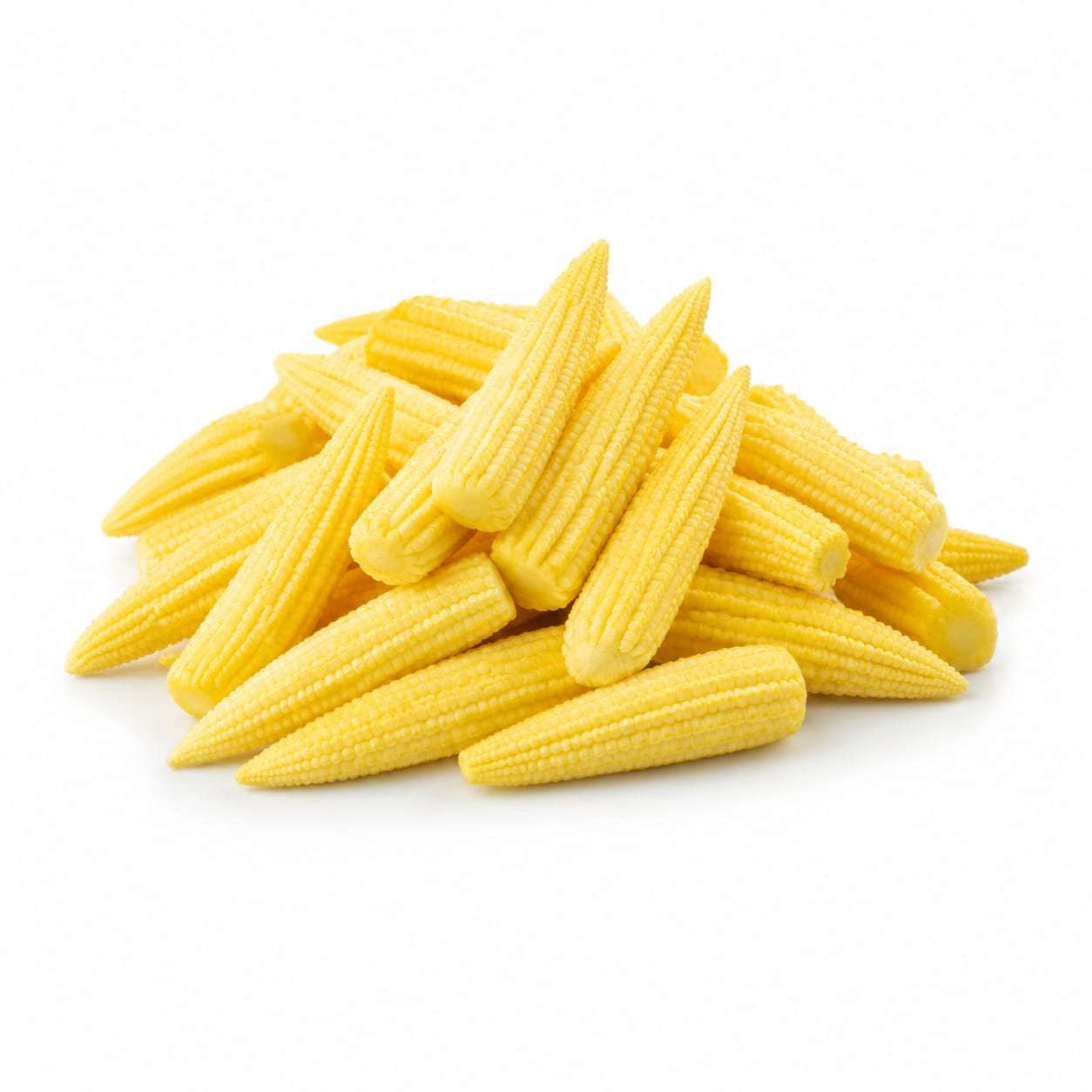
Baby Corn
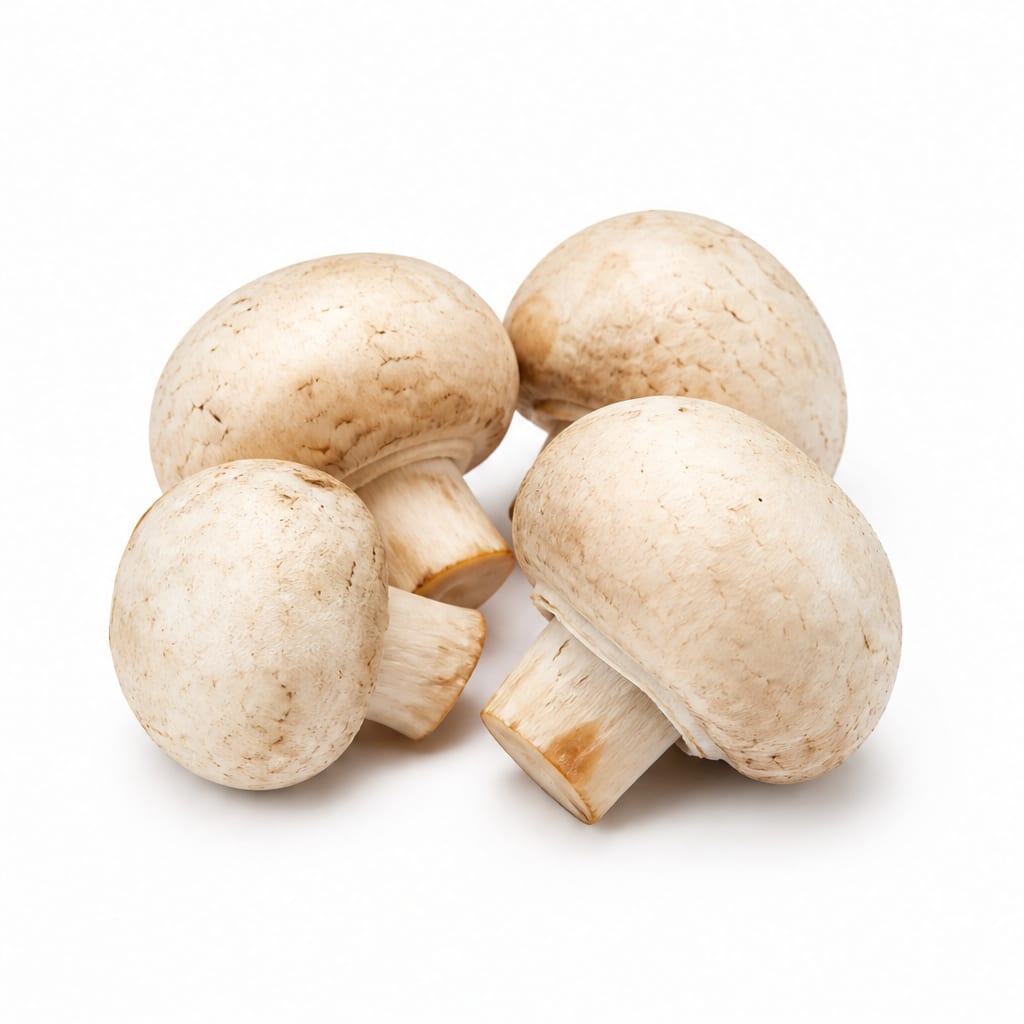
Mushrooms
Mushrooms deliver far more nutritional depth and unique health compounds, but baby corn offers satisfying crunch and fiber that makes meals more filling.
Mushrooms score notably higher due to superior nutrient density, unique bioactive compounds like ergothioneine, and stronger long-term health evidence. Baby corn remains a solid low-calorie option but offers less nutritional return per bite.
Nutritional potency versus textural satisfaction — mushrooms are the smarter health investment, while baby corn makes low-calorie eating feel less depriving.
At a glance
Executive summary
Overall
It depends
Healthier
Mushrooms
More practical
Baby Corn
Daily use
Mushrooms
Key comparison lenses
low-calorie vegetable selection for weight management
Both foods are extremely low in calories, making them popular choices for people trying to eat more volume without gaining weight
nutrient density comparison
Mushrooms offer unique bioactive compounds and B vitamins that baby corn cannot match, while baby corn provides different nutritional benefits
culinary role and meal satisfaction
These foods serve different purposes in meals — crunch versus umami — and users want to know which better fits their cooking needs
safety and sourcing concerns
Mushrooms carry foraging and contamination risks that baby corn does not, while canned baby corn may have sodium concerns
Best choice for
Baby Corn
- People who need satisfying crunch without calories
- Stir-fry lovers wanting low-calorie bulk
- Anyone bored with soft textures on a diet
- Those seeking easy-to-prep raw snacks
Mushrooms
- People prioritizing immune and antioxidant support
- Anyone wanting B vitamins without meat
- Those seeking umami flavor without sodium
- Long-term health-conscious eaters
Least suitable for
Baby Corn
- People seeking high nutrient density per calorie
- Those avoiding canned goods with sodium
- Anyone wanting significant protein or healthy fats
Mushrooms
- People with mushroom allergies or sensitivities
- Those uncomfortable with foraging or sourcing safety
- Anyone seeking crunchy, satisfying textures
Deep comparison
Dimension by dimension
Each lens scores both foods and breaks down who each option suits.
- Dimension 1 · Priority 95Mushrooms
Nutrient Density
Baby Corn · 40Mushrooms · 82Mushrooms pack significantly more vitamins, minerals, and unique antioxidants per calorie than baby corn.
Tradeoff
Baby corn provides more fiber and a small amount of natural sugars for quick energy, but mushrooms deliver B vitamins, selenium, copper, and compounds found in almost no other food.
Why it matters
When eating very low-calorie foods, every calorie should work harder. Mushrooms make each calorie count more.
Real-world impact
Eating mushrooms regularly can meaningfully contribute to your B vitamin intake and antioxidant defenses, while baby corn mostly adds bulk without much nutritional payoff.
Baby Corn
- Quick energy from natural sugars
- More fiber per serving
Better for
- Minimal mineral content
- No unique bioactive compounds
Worse for
Mushrooms
- B vitamins especially B2, B3, and B5
- Selenium and copper for thyroid and immune function
- Ergothioneine — a unique longevity-associated antioxidant
- Beta-glucans for immune modulation
Better for
- Very low calorie means you need larger portions for nutrient impact
- Minimal fiber compared to baby corn
Worse for
- Dimension 2 · Priority 88Baby Corn
Satiety and Fullness
Baby Corn · 72Mushrooms · 55Baby corn's crunch and fiber make it more satisfying to eat, while mushrooms cook down to very little volume.
Tradeoff
Mushrooms provide umami satisfaction that can make meals feel more complete, but their physical fullness factor is lower because they shrink significantly when cooked.
Why it matters
If you are eating low-calorie foods specifically to feel full without overeating, texture and fiber matter as much as flavor.
Real-world impact
A cup of baby corn feels like a substantial snack. A cup of mushrooms cooked into a dish nearly disappears, leaving you hungry sooner.
Baby Corn
- Crunchy texture triggers more satiety signals
- More fiber slows digestion
- Holds volume when cooked
- Feels like eating real food, not a garnish
Better for
- Low protein means fullness fades relatively quickly
Worse for
Mushrooms
- Umami flavor increases meal satisfaction psychologically
- Can replace higher-calorie ingredients like meat
Better for
- Dramatic volume loss when cooked
- Very low fiber for physical fullness
- Can feel insubstantial as a standalone snack
Worse for
- Dimension 3 · Priority 82Mushrooms
Blood Sugar Stability
Baby Corn · 65Mushrooms · 90Mushrooms have almost zero impact on blood sugar, while baby corn contains enough carbohydrates to cause a small rise.
Tradeoff
Baby corn's carbs are modest and come with fiber, so the glycemic impact is still low — but mushrooms are essentially a free food for blood sugar.
Why it matters
For anyone managing diabetes, insulin resistance, or energy crashes, even small carb differences between vegetables add up over the day.
Real-world impact
Mushrooms will not cause any afternoon energy dip. Baby corn is still safe for most people with blood sugar concerns but requires slightly more awareness.
Baby Corn
- Still low glycemic index overall
- Fiber helps moderate the carb impact
Better for
- Contains measurable carbohydrates that require tracking in strict plans
Worse for
Mushrooms
- Virtually zero glycemic impact
- Safe for any blood sugar management plan
- No carb counting needed
Better for
- Dimension 4 · Priority 90Mushrooms
Immune and Long-Term Health
Baby Corn · 35Mushrooms · 85Mushrooms are one of the few vegetable sources of immune-modulating beta-glucans and the antioxidant ergothioneine, giving them a unique health profile.
Tradeoff
Baby corn is harmless but does not actively contribute to long-term disease prevention the way mushrooms can.
Why it matters
Daily food choices compound over decades. Mushrooms offer protective compounds that baby corn simply lacks.
Real-world impact
Regular mushroom consumption is associated with better immune function, lower inflammation, and potentially reduced cancer risk. Baby corn is essentially neutral — it fills you up without hurting you, but it does not actively help either.
Baby Corn
- Antioxidant content from vitamin C and phenolic compounds
Better for
- No unique disease-fighting compounds
- Minimal contribution to long-term health beyond basic nutrition
Worse for
Mushrooms
- Beta-glucans stimulate immune cell activity
- Ergothioneine protects cells from oxidative damage
- Selenium supports thyroid and immune function
- Associated with reduced inflammation markers in studies
Better for
- Benefits require consistent regular consumption, not occasional use
Worse for
- Dimension 5 · Priority 78It depends
Culinary Versatility
Baby Corn · 68Mushrooms · 72Baby corn excels in Asian dishes and raw applications, while mushrooms are more globally versatile across cuisines and cooking methods.
Tradeoff
Baby corn has a narrower culinary range but does its job extremely well. Mushrooms adapt to almost any savory dish but cannot provide crunch.
Why it matters
The best healthy food is one you actually enjoy cooking with repeatedly.
Real-world impact
Mushrooms can go into pasta, soup, risotto, burgers, stir-fries, and more. Baby corn shines in stir-fries and salads but feels out of place in most Western dishes.
Baby Corn
- Excellent raw in salads and crudités
- Perfect crunch in stir-fries
- Fun finger food for kids and snacks
- No cooking required
Better for
- Limited to mostly Asian-inspired dishes
- Does not absorb flavors well
- Can feel watery when canned
Worse for
Mushrooms
- Works in virtually every savory cuisine
- Absorbs flavors beautifully
- Can replace meat in many dishes
- Multiple varieties offer different experiences
Better for
- Cannot provide crunch texture
- Requires cooking for best flavor and safety
- Texture not appealing to some people
Worse for
Timeline
Health impact over time
Short-term
Hours to days
Baby Corn
- Provides quick light energy from natural sugars
- Fiber supports comfortable digestion
- Very low calorie intake helps with daily calorie targets
- Crunchy texture satisfies snack cravings without guilt
Mushrooms
- Almost zero caloric impact on daily intake
- Umami flavor reduces cravings for heavier savory foods
- B vitamins support same-day energy metabolism
- May cause mild digestive discomfort if eaten raw in large quantities
Long-term
Months to years
Baby Corn
- Consistent fiber intake supports gut health over time
- Low calorie density helps maintain healthy weight long-term
- Minimal contribution to disease prevention beyond basic nutrition
- Canned versions may contribute to higher sodium intake if used frequently
Mushrooms
- Beta-glucans may reduce cancer risk with regular consumption
- Ergothioneine associated with lower cognitive decline risk in studies
- Selenium supports thyroid health over decades
- Consistent intake linked to lower inflammatory markers
- Potential vitamin D benefits if UV-exposed varieties are chosen
Risk profile
Safety & processing
Fresh baby corn and fresh mushrooms are both whole foods with minimal processing. However, baby corn is frequently sold canned with added salt and sometimes preservatives, which raises its additive concern. Mushrooms are typically sold fresh with no additives.
Baby Corn
Sodium from canning
mediumCanned baby corn often contains 200-400mg sodium per serving. Rinsing helps but does not eliminate it entirely. Fresh baby corn avoids this issue.
Pesticide residue
lowConventional baby corn may carry pesticide residues, but the small size and husk protection reduce exposure compared to other vegetables.
Mushrooms
Wild foraging misidentification
highForaging wild mushrooms carries serious risk of poisoning from toxic lookalikes. Only experts should forage, and store-bought mushrooms eliminate this risk entirely.
Agaritine content
lowRaw button mushrooms contain small amounts of agaritine, a mildly carcinogenic compound. Cooking reduces it significantly, making this a minor concern for normal consumption.
Histamine intolerance
lowSome people with histamine intolerance react to mushrooms, experiencing headaches or digestive symptoms.
Who wins for whom
Audience fit
Same foods, different winners depending on your goal.
children
Baby CornKids enjoy the fun shape and crunch of baby corn, and it requires no cooking. Mushrooms have a texture many children reject.
daily consumption
MushroomsMushrooms offer cumulative health benefits with regular intake, while baby corn is safe daily but does not build meaningful health advantages over time.
diabetes
MushroomsMushrooms have essentially zero glycemic impact, making them the safest choice for blood sugar management.
elderly
MushroomsMushrooms provide B vitamins, selenium, and ergothioneine that support cognitive health and immune function in aging populations.
muscle gain
It dependsNeither food is meaningful for muscle gain — both lack sufficient protein. Choose based on what makes your protein-rich meals more enjoyable.
weight loss
MushroomsMushrooms have fewer calories and can replace higher-calorie ingredients like meat, while baby corn adds bulk but also adds modest carbs.
Your move
Decision guide
Choose Baby Corn
- You crave satisfying crunch without calories
- You make Asian stir-fries regularly
- You want a raw snack that requires zero prep
- You are feeding picky children who dislike mushroom texture
- You need visual bulk on your plate to feel satisfied
Choose Mushrooms
- You want the most nutritional value per calorie
- You are focused on immune support and long-term health
- You cook a variety of cuisines and want versatility
- You are managing blood sugar or insulin resistance
- You enjoy umami flavor and want to reduce meat consumption
Either works if
- You just need low-calorie vegetable bulk in a meal
- You are eating well overall and this choice will not make or break your diet
- You want variety and can rotate both through your week
Avoid both if
- You need significant protein or healthy fats in your meal — neither food provides these
- You are looking for a calorie-dense energy source for athletic performance
Final recommendation
Keep both in rotation but prioritize mushrooms for their unique health compounds. Use baby corn when texture and crunch matter most, and mushrooms when nutrient density and flavor depth are the goal. If you can only choose one for daily use, mushrooms give you more long-term health return.
Practical
Consumer tips
- 1
If buying canned baby corn, rinse thoroughly to remove up to 40% of added sodium
- 2
Cook mushrooms before eating to reduce agaritine and improve nutrient absorption
- 3
Choose UV-exposed mushrooms when available for natural vitamin D content
- 4
Fresh baby corn is worth seeking out at farmers markets — the flavor and texture far exceed canned
- 5
Pair mushrooms with a small amount of healthy fat like olive oil to absorb fat-soluble nutrients
- 6
Add baby corn to salads raw for maximum crunch and fiber retention
- 7
Shiitake and oyster mushrooms offer stronger beta-glucan content than standard button mushrooms