
Nutrition comparison
Baby Corn vs Asparagus: Which Vegetable Is Actually Better for You?
Compare baby corn and asparagus on nutrition, fiber, antioxidants, sodium, and cooking convenience. Find out which vegetable earns more plate space and when each one shines.
Overall winner · Asparagus
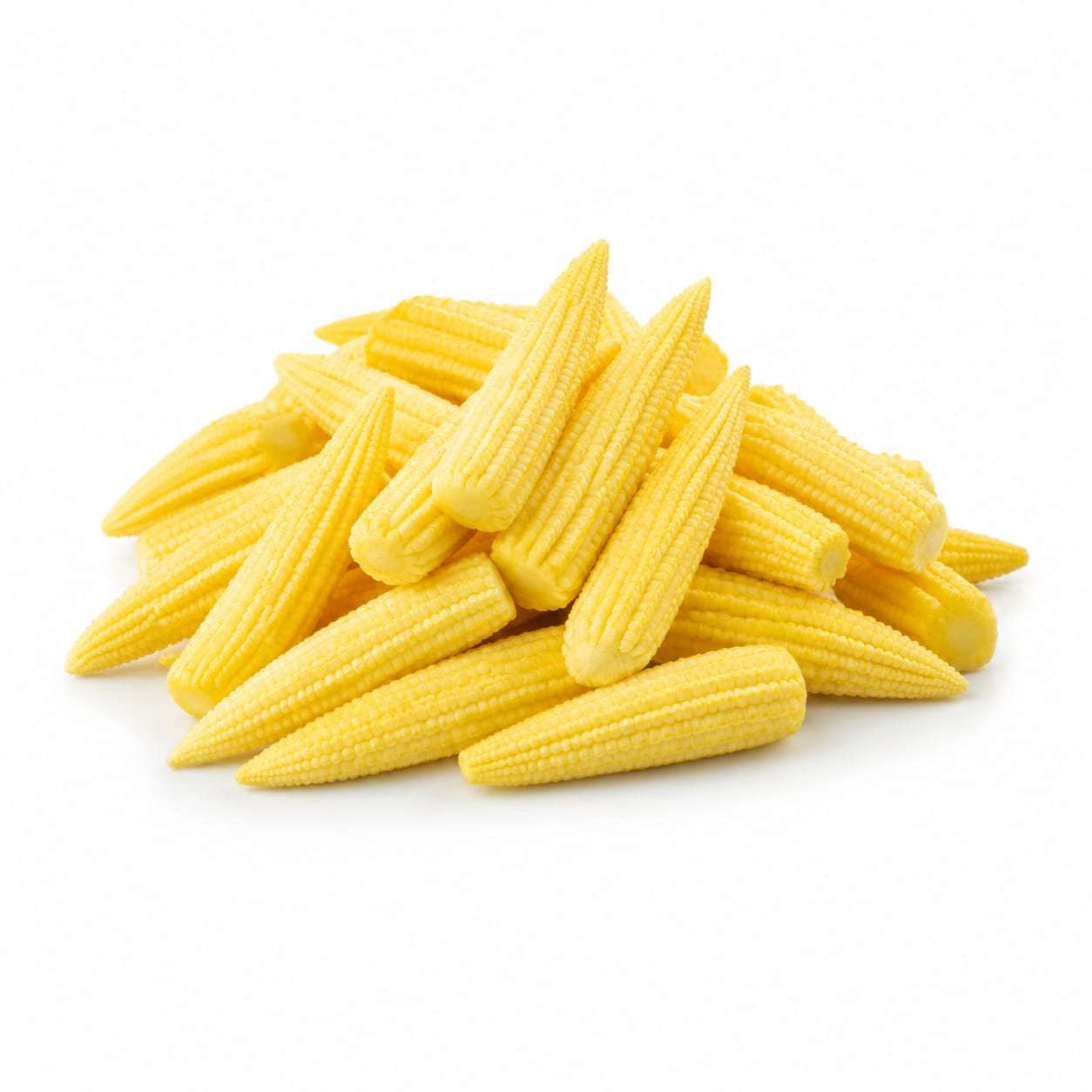
Baby Corn
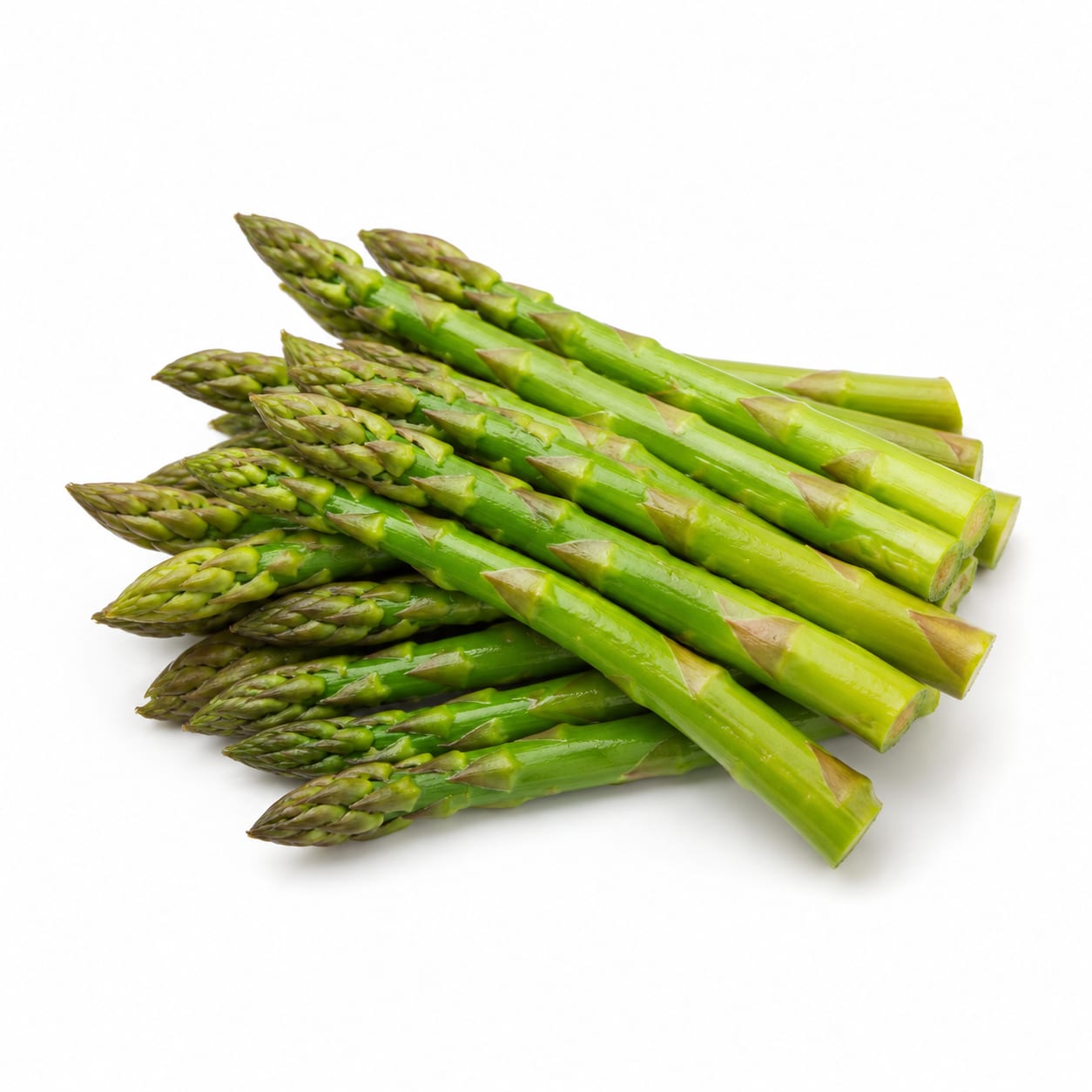
Asparagus
Asparagus outperforms baby corn on nearly every nutritional metric, but baby corn holds its own as a convenient, crunchy addition to Asian-inspired dishes.
Asparagus scores notably higher due to its superior vitamin K, folate, antioxidant, and fiber content. Baby corn is not unhealthy but delivers far less nutritional value per serving, and canned versions introduce sodium concerns.
You trade substantially more vitamins, fiber, and antioxidants in asparagus for the stir-fry convenience and kid-friendly crunch of baby corn.
At a glance
Executive summary
Overall
Asparagus
Healthier
Asparagus
More practical
Baby Corn
Daily use
Asparagus
Key comparison lenses
nutrient density comparison
Asparagus delivers significantly more vitamins and minerals per calorie than baby corn, making this the most consequential difference
everyday vegetable selection
Users choosing between these are likely meal-planning and need to know which vegetable earns its plate space more consistently
digestive and gut health
Asparagus contains prebiotic fiber that feeds beneficial gut bacteria, while baby corn offers less digestive benefit
cooking versatility and convenience
Baby corn is a stir-fry staple available canned year-round, while asparagus shines roasted or grilled but has a shorter fresh season
sodium and processing awareness
Canned baby corn often carries added sodium, whereas fresh asparagus is naturally very low in sodium
Best choice for
Baby Corn
- Stir-fries and Asian dishes where crunch matters
- Households with picky eaters who prefer mild sweetness
- Meal prep that benefits from shelf-stable canned vegetables
- Quick weeknight cooking when prep time is minimal
Asparagus
- Maximizing nutrient intake per calorie eaten
- Supporting gut health and digestion long-term
- Elegant side dishes for roasting or grilling
- Pregnant women needing folate
Least suitable for
Baby Corn
- Those watching sodium intake if using canned varieties
- Anyone seeking high nutrient density from their vegetables
- People looking for significant fiber contribution
Asparagus
- Those sensitive to the urine odor it causes
- People on a tight budget during off-season months
- Anyone who needs a shelf-stable pantry vegetable
Deep comparison
Dimension by dimension
Each lens scores both foods and breaks down who each option suits.
- Dimension 1 · Priority 95Asparagus
Nutrient Density
Baby Corn · 35Asparagus · 90Asparagus is a nutritional powerhouse compared to baby corn, packing far more vitamins and minerals into each bite.
Tradeoff
Baby corn's mild flavor and lower nutrient profile make it less likely to overwhelm a dish, but you get fewer health benefits per serving.
Why it matters
If your vegetable portions are limited, asparagus gives you significantly more nutritional return on every calorie.
Real-world impact
A serving of asparagus covers over half your daily vitamin K and folate needs, while baby corn barely moves the needle on any vitamin.
Baby Corn
- Dishes where you want vegetable bulk without strong nutritional flavor competing
Better for
- Those relying on vegetables as their primary vitamin source
Worse for
Asparagus
- Anyone trying to get maximum vitamins from limited vegetable servings
- Pregnant women needing folate support
- People concerned about bone health and blood clotting
Better for
- Situations where a very nutrient-dense vegetable might feel too rich or intense
Worse for
- Dimension 2 · Priority 88Asparagus
Fiber and Digestive Health
Baby Corn · 40Asparagus · 82Asparagus contains both soluble prebiotic fiber and insoluble fiber, feeding gut bacteria and supporting regularity better than baby corn.
Tradeoff
Baby corn provides some fiber but lacks the inulin that makes asparagus a gut-health standout.
Why it matters
Gut health affects everything from immunity to mood, and asparagus actively nourishes beneficial bacteria.
Real-world impact
Regular asparagus eaters support their microbiome more effectively, while baby corn contributes modest fiber without the prebiotic bonus.
Baby Corn
- People with very sensitive digestion who need gentler, lower-fiber options
Better for
- Those counting on vegetables for meaningful fiber intake
Worse for
Asparagus
- Anyone focused on gut health and microbiome support
- People wanting steadier digestion and less bloating from irregularity
Better for
- People experiencing gas from inulin-rich foods
Worse for
- Dimension 3 · Priority 82Asparagus
Antioxidant and Anti-inflammatory Power
Baby Corn · 30Asparagus · 85Asparagus is loaded with glutathione and other anti-inflammatory compounds that baby corn simply does not match.
Tradeoff
Baby corn's antioxidant content is minimal, so you miss the long-term protective benefits asparagus offers.
Why it matters
Chronic inflammation drives aging and disease, and antioxidant-rich vegetables are one of the most practical defenses.
Real-world impact
Eating asparagus regularly contributes to your body's cellular defense system in ways baby corn cannot replicate.
Baby Corn
- Meals where antioxidant contribution from vegetables is less critical
Better for
- Those wanting their vegetables to actively fight inflammation
Worse for
Asparagus
- Anyone concerned about inflammation and cellular aging
- People with inflammatory conditions seeking dietary support
Better for
- Situations where the slight bitterness from antioxidants is unwanted
Worse for
- Dimension 4 · Priority 75Baby Corn
Culinary Versatility and Convenience
Baby Corn · 78Asparagus · 65Baby corn wins on convenience — it is available canned year-round, requires minimal prep, and adds instant crunch to stir-fries.
Tradeoff
Asparagus demands more skill to cook well and has a limited fresh season, though its flavor is more rewarding when prepared properly.
Why it matters
The vegetable you actually cook with consistently beats the one that sits in your crisper drawer.
Real-world impact
Baby corn can be dumped straight from can to wok on a busy Tuesday, while asparagus needs trimming, timing, and attention to avoid overcooking.
Baby Corn
- Busy weeknights when speed matters more than nutrition
- Stir-fry and Asian-inspired recipes
- Pantry stocking for unpredictable schedules
Better for
- Fine dining or dishes where vegetable quality is the star
Worse for
Asparagus
- Weekend cooking when you can roast or grill properly
- Dinner parties and elegant side dishes
- Spring seasonal cooking at peak freshness
Better for
- Last-minute meal prep when time is extremely tight
Worse for
- Dimension 5 · Priority 70Asparagus
Sodium and Processing Concerns
Baby Corn · 45Asparagus · 88Fresh asparagus is naturally very low in sodium, while canned baby corn often contains added salt as a preservative.
Tradeoff
Choosing fresh baby corn avoids sodium issues but is harder to find and more expensive, reducing the convenience advantage.
Why it matters
For anyone managing blood pressure or sodium intake, canned baby corn can be a hidden source of salt.
Real-world impact
A single serving of canned baby corn can contain 200-400mg of sodium, while fresh asparagus has under 5mg naturally.
Baby Corn
- Situations where you can source fresh baby corn or rinse canned versions thoroughly
Better for
- Those who do not check labels and unknowingly consume excess sodium from canned varieties
Worse for
Asparagus
- Anyone on a low-sodium diet
- People managing hypertension or heart health concerns
Better for
- Situations where asparagus is prepared with heavy salt or butter, negating its natural advantage
Worse for
- Dimension 6 · Priority 68Asparagus
Satiety and Blood Sugar Stability
Baby Corn · 50Asparagus · 72Asparagus provides more fiber and protein per calorie, leading to slightly better fullness and steadier blood sugar.
Tradeoff
Neither vegetable is a major satiety player on its own, but asparagus contributes more meaningingly to a balanced plate.
Why it matters
Vegetables that help stabilize blood sugar make your entire meal more satisfying and reduce later snacking.
Real-world impact
A side of asparagus with dinner helps you feel more satisfied than baby corn would, though both need protein and fat to truly fill you up.
Baby Corn
- Light snacking where you want minimal impact on appetite
Better for
- Those relying on vegetables to help control hunger between meals
Worse for
Asparagus
- Meals where you want the vegetable to actively contribute to fullness
- Blood sugar management as part of a broader dietary approach
Better for
- People who find asparagus too filling before main courses
Worse for
Timeline
Health impact over time
Short-term
Hours to days
Baby Corn
- Mild energy from small amounts of natural carbohydrates
- Crunchy texture can satisfy snack cravings without heavy calories
- Canned versions may cause slight bloating from sodium
Asparagus
- Natural diuretic effect may reduce water retention quickly
- Noticeable urine odor within hours due to asparagusic acid breakdown
- Fiber content supports comfortable digestion within a day
Long-term
Months to years
Baby Corn
- Minimal risk but also minimal protective benefit if relied on as a primary vegetable
- Consistent canned consumption could contribute to higher sodium intake over years
- Does not meaningfully reduce chronic disease risk compared to nutrient-dense alternatives
Asparagus
- Folate and vitamin K support bone density and cardiovascular health over decades
- Glutathione and antioxidants may reduce cellular aging and inflammation markers
- Prebiotic fiber contributes to a healthier gut microbiome with consistent consumption
- Natural diuretic properties may help maintain healthy blood pressure long-term
Risk profile
Safety & processing
Fresh asparagus is essentially unprocessed, while most baby corn encountered in stores is canned with added salt and sometimes preservatives. Fresh baby corn exists but is far less common, especially outside Asian markets. This processing gap is the biggest practical difference between the two.
Baby Corn
Sodium from canning
mediumCanned baby corn typically contains 200-400mg sodium per serving. Rinsing helps but does not eliminate it entirely.
BPA exposure from can linings
lowSome canned baby corn uses BPA-lined cans, though many brands have transitioned to alternatives. Check labels if this concerns you.
Pesticide residue
lowBaby corn generally has low pesticide concerns, especially since the husk protects the kernels during growth.
Asparagus
Pesticide residue
mediumAsparagus appears on the Clean Fifteen list most years, meaning it typically tests low for pesticide residue. Still worth washing thoroughly.
Allergic reactions in sensitive individuals
lowRare but documented cases of asparagus allergy exist, typically presenting as skin reactions or respiratory symptoms.
Urine odor confusion
lowNot a health risk, but asparagusic acid metabolites cause strong urine odor that can alarm people who are not expecting it.
Who wins for whom
Audience fit
Same foods, different winners depending on your goal.
children
Baby CornBaby corn's mild sweetness, fun shape, and satisfying crunch make it more appealing to kids who resist stronger-flavored vegetables like asparagus.
daily consumption
AsparagusAsparagus provides more consistent nutritional value when eaten daily, assuming you can access it fresh or frozen regularly.
diabetes
AsparagusAsparagus has more fiber and a lower glycemic impact, supporting steadier blood sugar. Canned baby corn's sodium can worsen blood pressure concerns common in diabetes.
elderly
AsparagusAsparagus delivers folate, vitamin K, and anti-inflammatory compounds that support bone density, cognitive health, and cardiovascular function in aging bodies.
muscle gain
It dependsNeither vegetable is a meaningful protein source. Asparagus offers slightly more protein per calorie, but both need to be paired with protein-rich foods.
weight loss
AsparagusAsparagus provides more fiber and nutrients per calorie, helping you feel more satisfied while eating less overall.
Your move
Decision guide
Choose Baby Corn
- You cook stir-fries regularly and want an authentic crunch
- You need a shelf-stable vegetable for your pantry
- You have picky eaters who prefer milder vegetables
- You want a low-effort vegetable that requires almost no prep
Choose Asparagus
- You want maximum nutritional value from your vegetable servings
- Gut health and digestive support are priorities for you
- You enjoy roasting or grilling vegetables as a side dish
- You are pregnant or planning pregnancy and need folate
- You are managing blood pressure and want a naturally low-sodium option
Either works if
- You are simply trying to eat more vegetables and would enjoy either
- You are building a mixed vegetable dish where both could complement each other
- Calorie counting is your primary concern, as both are very low calorie
Avoid both if
- You need a substantial protein or calorie source, as neither provides meaningful energy
- You have a specific allergy to either vegetable
Final recommendation
Make asparagus your everyday vegetable for its superior nutrient density, gut health benefits, and anti-inflammatory power. Keep baby corn as a specialty ingredient for stir-fries and Asian dishes where its crunch and convenience genuinely shine. If you use canned baby corn, rinse it well to reduce sodium, or seek out fresh baby corn at Asian markets for the best of both worlds.
Practical
Consumer tips
- 1
Rinse canned baby corn under running water for 30 seconds to remove roughly 20-30% of the added sodium
- 2
Look for fresh baby corn at Asian grocery stores — it has a crisper texture and no sodium concerns
- 3
Snap asparagus stalks near the base to find the natural breaking point — the woody ends break off cleanly
- 4
Roast asparagus at 400°F for 12-15 minutes with olive oil and garlic for a preparation that rivals restaurant quality
- 5
Freeze fresh asparagus if you buy in season — blanch for 2 minutes first to preserve texture and nutrients
- 6
Pair either vegetable with a healthy fat like olive oil to absorb fat-soluble vitamins more effectively
- 7
If baby corn is your only canned vegetable, the sodium impact is manageable — just watch your intake from other sources