
Nutrition comparison
Baby Corn vs Bell Peppers: Nutrition, Calories, and Health Benefits
Compare baby corn vs bell peppers to see which is better for weight loss, vitamins, and daily nutrition. Discover the health tradeoffs and best uses for each.
Overall winner · Bell Peppers
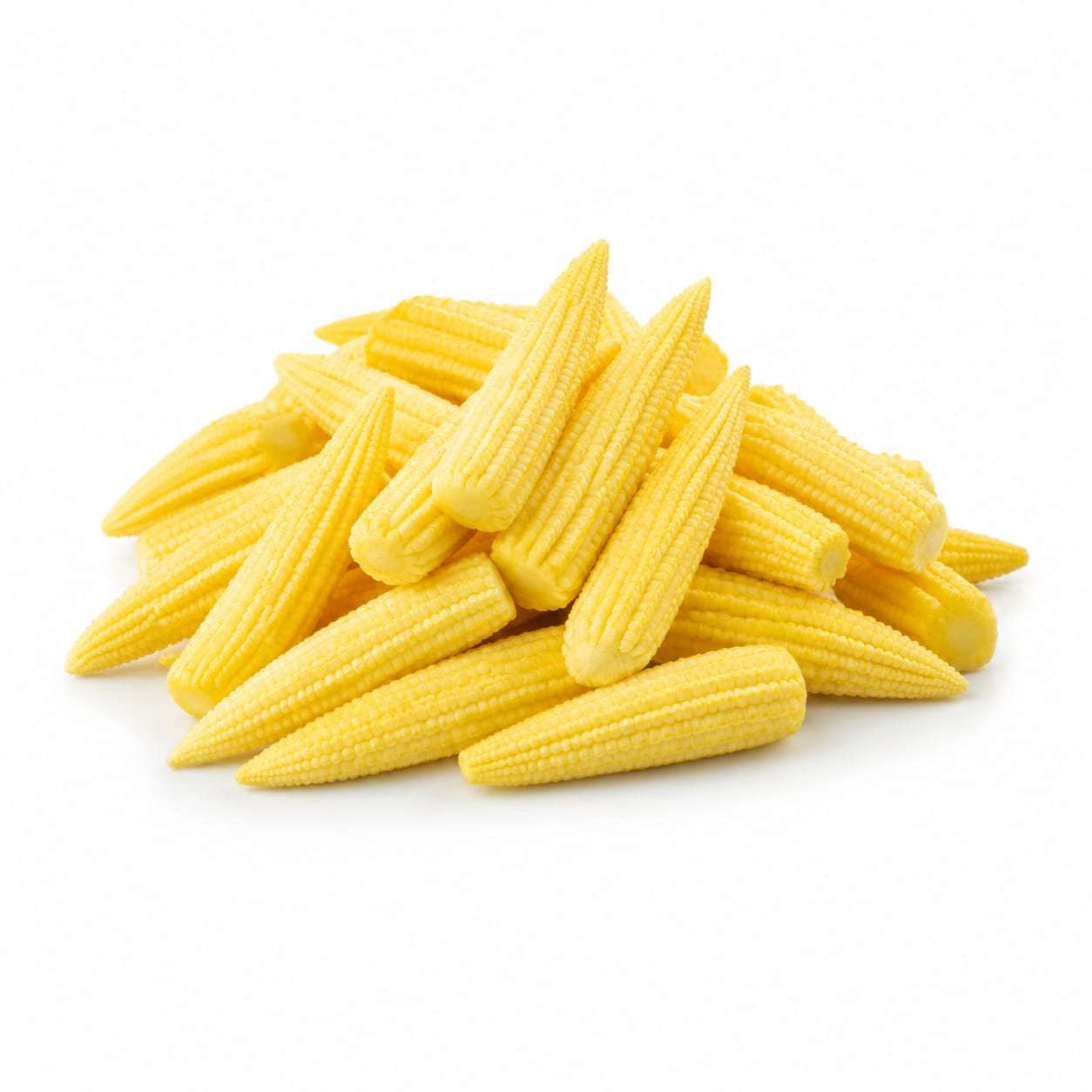
Baby Corn
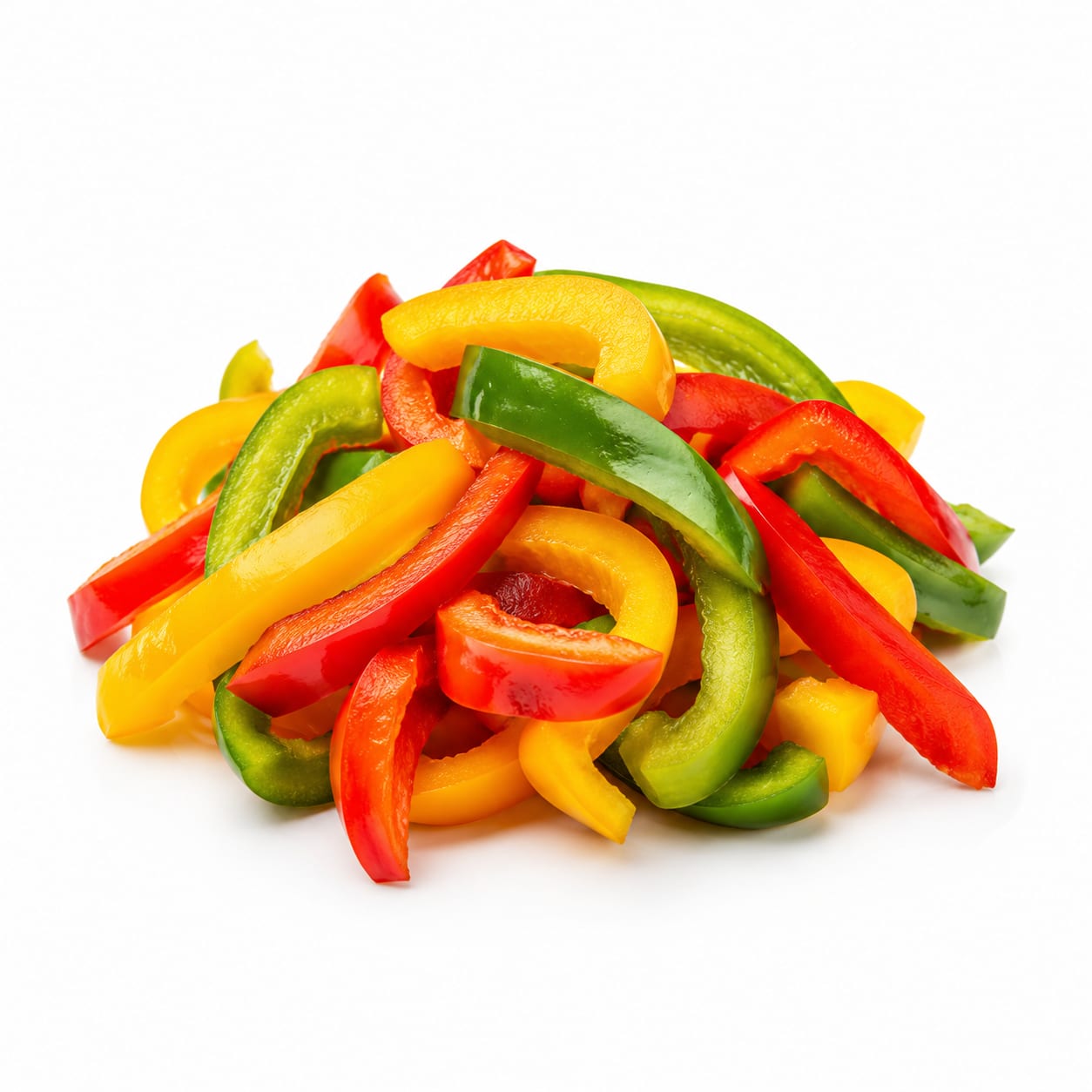
Bell Peppers
Bell peppers deliver a massive vitamin C punch and far more antioxidants, while baby corn offers a fun, low-calorie crunch best suited for stir-fries.
Bell peppers score higher due to exceptional vitamin C and antioxidant content, making them a more impactful daily vegetable. Baby corn is still a great low-calorie option but lacks the micronutrient density.
Bell peppers win on pure nutrient density and raw versatility, whereas baby corn offers a unique texture for cooked dishes with slightly fewer calories.
At a glance
Executive summary
Overall
Bell Peppers
Healthier
Bell Peppers
More practical
Bell Peppers
Daily use
Bell Peppers
Key comparison lenses
Vitamin C and antioxidant intake
Bell peppers are world-class sources of vitamin C, while baby corn provides minimal amounts, creating a massive nutritional divergence.
Low-calorie snacking and weight loss
Both foods are extremely low in calories, making them popular for volume eating and dieting.
Culinary use and versatility
Bell peppers are eaten raw or cooked globally, whereas baby corn is primarily a stir-fry specialty, often bought canned.
Pesticide and additive exposure
Bell peppers are heavily sprayed (Dirty Dozen), while fresh baby corn is protected by its husk, but canned versions often contain added sodium.
Best choice for
Baby Corn
- Baby corn for stir-fry lovers
- Baby corn for volume eaters wanting a crunchy cooked vegetable
Bell Peppers
- Bell peppers for raw snackers
- Bell peppers for immune support
- Bell peppers for salad lovers
Least suitable for
Baby Corn
- Baby corn for those needing high Vitamin C
- Baby corn for people avoiding canned goods with sodium
Bell Peppers
- Bell peppers for people with nightshade sensitivities
- Bell peppers for those avoiding acidic foods
Deep comparison
Dimension by dimension
Each lens scores both foods and breaks down who each option suits.
- Dimension 1 · Priority 95Bell Peppers
Vitamin C & Antioxidant Density
Baby Corn · 25Bell Peppers · 95Bell peppers are one of the richest sources of vitamin C on the planet, while baby corn provides minimal amounts.
Tradeoff
Choosing baby corn means missing out on a major immune-boosting vitamin that bell peppers deliver effortlessly.
Why it matters
Vitamin C is crucial for skin health, immunity, and iron absorption.
Real-world impact
Eating a single bell pepper covers your daily vitamin C needs; you would need piles of baby corn to get the same effect.
Baby Corn
- Baby corn for those who get vitamin C elsewhere
Better for
- Baby corn for preventing colds
- Baby corn for collagen production
Worse for
Bell Peppers
- Bell peppers for immune support
- Bell peppers for skin health
- Bell peppers for iron absorption
Better for
- Bell peppers for those with severe acid reflux
Worse for
- Dimension 2 · Priority 90Baby Corn
Low-Calorie Volume Eating
Baby Corn · 92Bell Peppers · 88Both are incredibly light, but baby corn edges out with slightly fewer calories per bite and a satisfying crunch that slows down eating.
Tradeoff
Baby corn offers a touch more volume for fewer calories, though the nutritional payoff per bite is much smaller.
Why it matters
Low-calorie density helps you feel full without overeating, which is key for weight loss.
Real-world impact
Munching on baby corn before a meal takes the edge off hunger without costing you much of your daily calorie budget.
Baby Corn
- Baby corn for strict calorie counters
- Baby corn for mindless crunching
Better for
- Baby corn for those wanting bold flavor without dips
Worse for
Bell Peppers
- Bell peppers for flavorful low-cal snacking
Better for
- Bell peppers for very strict cutting phases
Worse for
- Dimension 3 · Priority 85Bell Peppers
Culinary Versatility
Baby Corn · 60Bell Peppers · 90Bell peppers work raw, roasted, stuffed, or sautéed. Baby corn is mostly limited to stir-fries and Asian dishes.
Tradeoff
Bell peppers fit into almost any meal seamlessly, while baby corn is more of a specialty ingredient.
Why it matters
Versatility makes it easier to eat a vegetable daily without getting bored.
Real-world impact
You can throw bell peppers into eggs, salads, or fajitas easily; baby corn usually requires a specific recipe to shine.
Baby Corn
- Baby corn for Asian cuisine enthusiasts
- Baby corn for quick stir-fries
Better for
- Baby corn for sandwiches
- Baby corn for fresh salads
Worse for
Bell Peppers
- Bell peppers for meal prep
- Bell peppers for raw snacking
- Bell peppers for diverse cuisines
Better for
- Bell peppers for traditional Asian soups
Worse for
- Dimension 4 · Priority 75Baby Corn
Pesticide & Additive Exposure
Baby Corn · 85Bell Peppers · 60Fresh baby corn is often shielded by its husk, reducing pesticide exposure. Bell peppers are on the Dirty Dozen list. Canned baby corn, however, may contain added salt.
Tradeoff
Fresh baby corn is cleaner pesticide-wise, but if you buy it canned, you trade pesticides for sodium.
Why it matters
Reducing pesticide and sodium exposure matters for long-term health and blood pressure management.
Real-world impact
Buying organic bell peppers or seeking out fresh baby corn avoids the worst of both worlds.
Baby Corn
- Baby corn for avoiding pesticide residues (if fresh)
Better for
- Baby corn for sodium concerns (if canned)
Worse for
Bell Peppers
- Bell peppers for avoiding canned sodium
Better for
- Bell peppers for pesticide exposure (if conventional)
Worse for
Timeline
Health impact over time
Short-term
Hours to days
Baby Corn
- Baby corn provides a quick low-calorie crunch
- Baby corn satisfies the urge to chew without heavy calories
Bell Peppers
- Bell peppers give an immediate vitamin C boost
- Bell peppers are hydrating and refreshing
Long-term
Months to years
Baby Corn
- Baby corn provides decent fiber for digestion
- Baby corn carries a very low risk of weight gain
Bell Peppers
- Bell peppers offer strong immune support
- Bell peppers promote better skin health from vitamin C and beta-carotene
- Bell peppers help reduce oxidative stress
Risk profile
Safety & processing
Both are whole vegetables in their fresh form. However, baby corn is frequently sold canned with added sodium, which lowers its naturalness score slightly compared to fresh bell peppers.
Baby Corn
Canned sodium
mediumCanned baby corn often contains added salt, which can bloat daily sodium intake if not rinsed.
Bell Peppers
Pesticide residue
mediumConventional bell peppers consistently rank high for pesticide residue; washing thoroughly or buying organic is recommended.
Who wins for whom
Audience fit
Same foods, different winners depending on your goal.
children
Bell PeppersThe sweet taste and bright colors of bell peppers appeal more to kids, and the vitamin C supports growth.
daily consumption
Bell PeppersGreater nutrient density and culinary versatility make bell peppers easier to eat every day.
diabetes
Bell PeppersBell peppers have slightly more fiber and a lower glycemic impact, helping stabilize blood sugar better.
elderly
Bell PeppersBell peppers provide higher vitamin C and beta-carotene, supporting immune and eye health critical in older age.
muscle gain
It dependsNeither is a protein powerhouse, but bell peppers offer vitamin C which helps with collagen and joint repair.
weight loss
Baby CornBaby corn offers slightly lower calorie density and a satisfying crunch, making it a great volume-eating food for strict deficits.
Your move
Decision guide
Choose Baby Corn
- You love stir-fries and want baby corn's unique crunch
- You want the lowest possible calorie vegetable for volume eating
- You can find fresh baby corn or low-sodium canned options
Choose Bell Peppers
- You want a massive vitamin C boost from bell peppers
- You need a versatile veggie for raw snacking or cooking
- You can buy organic bell peppers to avoid pesticides
Either works if
- You just need a low-calorie side dish
- You want to add color and crunch to a meal
Avoid both if
- You need a protein-rich or calorie-dense food to meet energy needs
Final recommendation
Keep bell peppers as your daily driver for their unmatched vitamin C and versatility, but keep baby corn on hand for a fun, low-calorie stir-fry addition when you want something different.
Practical
Consumer tips
- 1
Rinse canned baby corn thoroughly to remove up to 30% of the added sodium.
- 2
Buy organic bell peppers when possible, as they are consistently on the Dirty Dozen list.
- 3
Pair bell peppers with iron-rich foods like spinach or lentils; the vitamin C dramatically boosts iron absorption.
- 4
Roast bell peppers to bring out their natural sweetness if you find them too bitter raw.