
Nutrition comparison
Baby Corn vs Zucchini: Nutrition, Calories, and Which Is Healthier
Compare baby corn and zucchini side by side. Find out which low-calorie vegetable has more fiber, vitamins, and versatility for your meals.
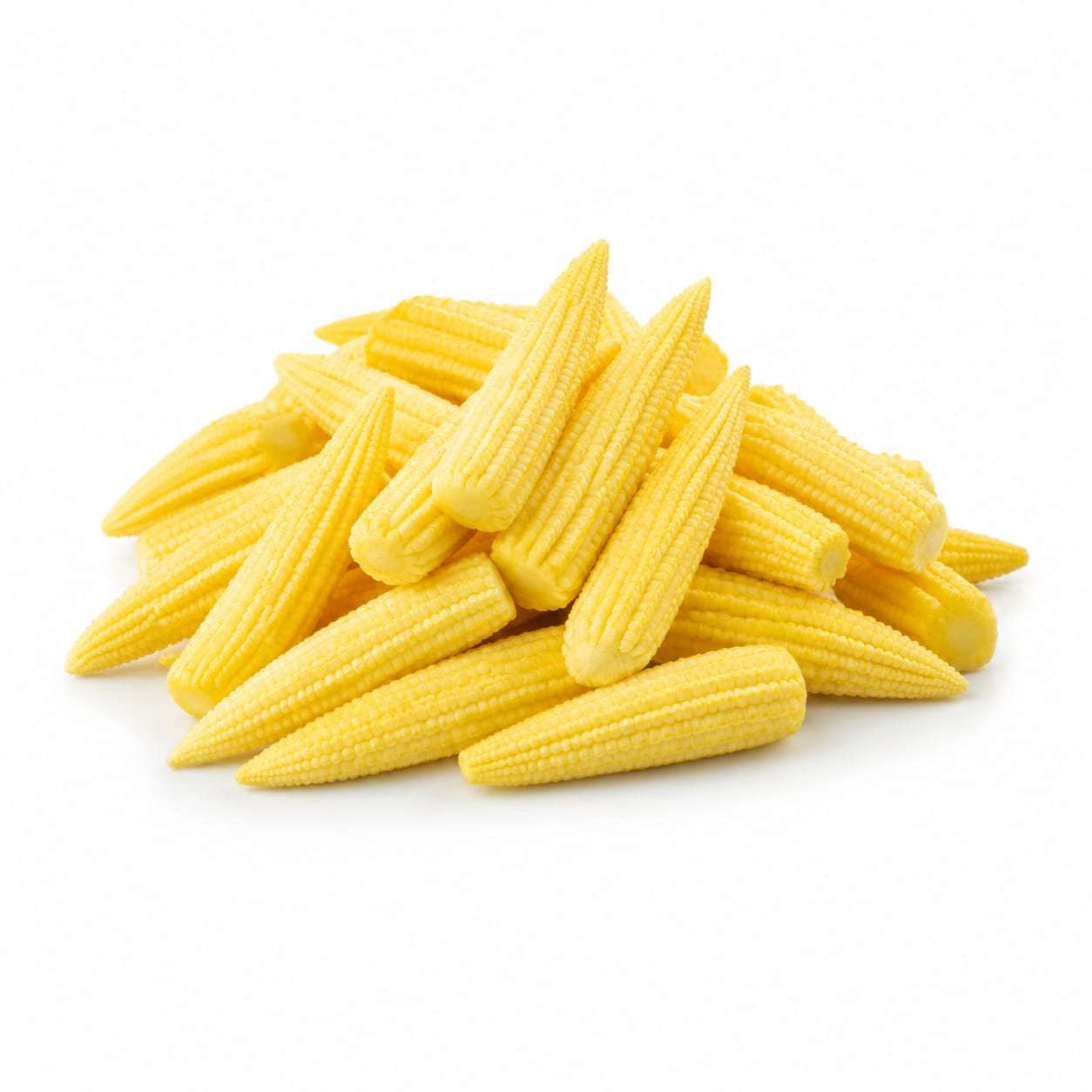
Baby Corn
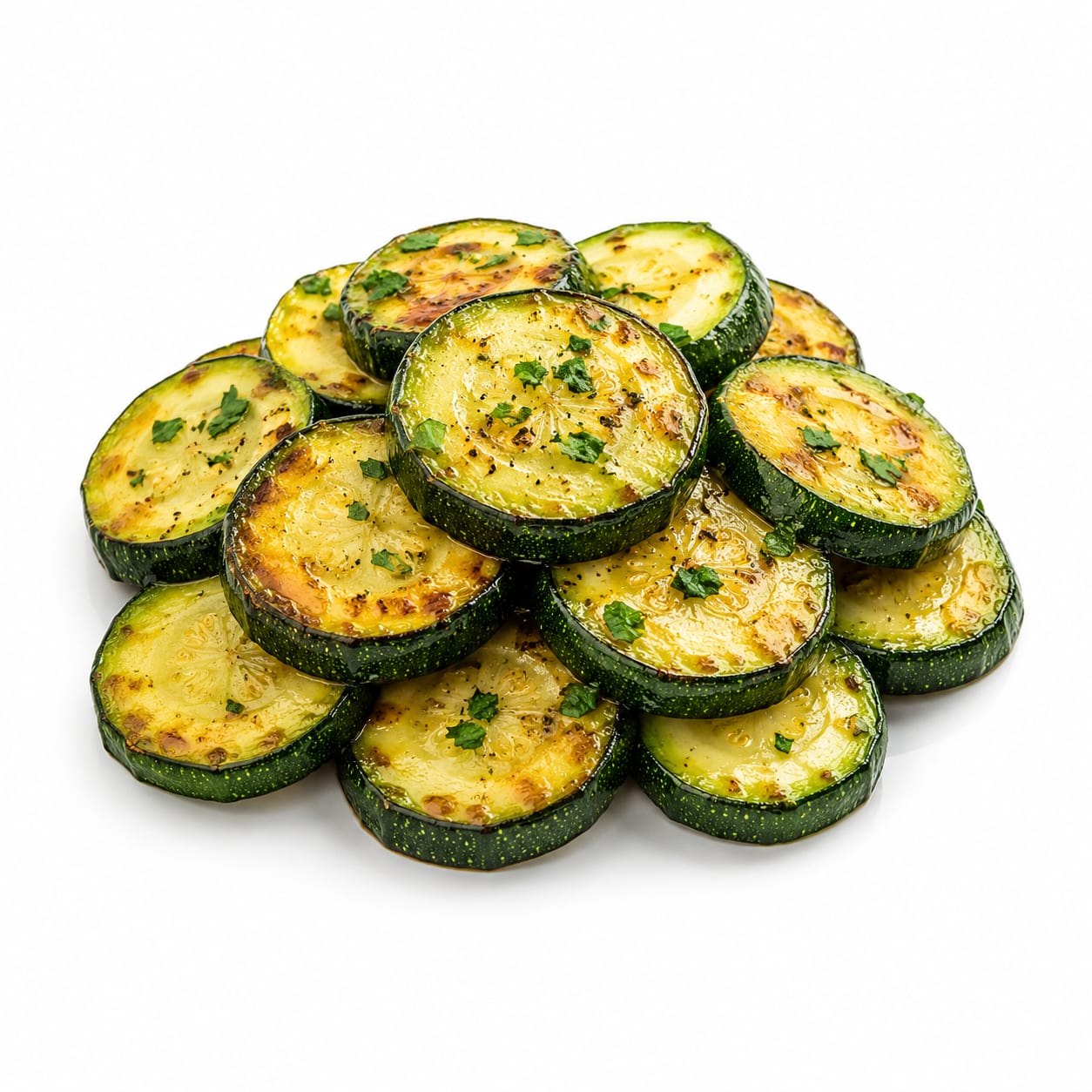
Zucchini
Zucchini wins on nutrient density and versatility, while baby corn offers more fiber and a satisfying crunch that keeps you fuller longer.
Zucchini scores higher due to superior vitamin content, cooking versatility, and lower sodium risk. Baby corn remains competitive with better fiber and satiety, but its common canned form and narrower culinary use hold it back.
Zucchini gives you more vitamins per bite and adapts to almost any dish, but baby corn's fiber and texture make it more filling and better for snacking.
At a glance
Executive summary
Overall
It depends
Healthier
Zucchini
More practical
Zucchini
Daily use
Zucchini
Key comparison lenses
Low-calorie vegetable selection for weight management
Both are popular low-calorie vegetables often chosen for diet meals
Nutrient density comparison for daily vegetable intake
Users want to know which delivers more vitamins and minerals per calorie
Meal versatility and cooking convenience
Practical everyday cooking decisions depend on how flexible each vegetable is
Blood sugar and diabetes-friendly eating
Both are low-carb options frequently recommended for glycemic control
Satiety and fullness per serving
Snacking and meal satisfaction matters when choosing between light vegetables
Best choice for
Baby Corn
- People who want a crunchy low-calorie snack
- Stir-fry and Asian cuisine lovers
- Those needing more fiber to stay full
- Anyone bored with soft vegetables and craving texture
Zucchini
- Anyone maximizing vitamin intake per calorie
- Low-carb dieters seeking a pasta substitute
- Home cooks wanting one vegetable that does everything
- People meal-prepping on a budget
Least suitable for
Baby Corn
- Those avoiding canned goods with added sodium
- People seeking high vitamin C or A intake
- Anyone wanting a neutral flavor base for dishes
Zucchini
- People who find watery vegetables unsatisfying
- Those wanting a crunchy raw snack
- Anyone sensitive to FODMAPs (large portions)
Deep comparison
Dimension by dimension
Each lens scores both foods and breaks down who each option suits.
- Dimension 1 · Priority 92Zucchini
Nutrient Density
Baby Corn · 55Zucchini · 82Zucchini delivers significantly more vitamin C, vitamin A, and antioxidants per calorie than baby corn.
Tradeoff
Baby corn provides more B vitamins and folate, but the overall vitamin gap favors zucchini.
Why it matters
If you are eating vegetables partly for their micronutrients, zucchini gives you more return per bite.
Real-world impact
A single cup of cooked zucchini covers roughly 35% of your daily vitamin C needs, while baby corn covers less than 10%.
Baby Corn
- Folate intake during pregnancy
Better for
- Relying on baby corn as a primary vitamin source
Worse for
Zucchini
- Immune support through vitamin C
- Eye health via lutein and zeaxanthin
- Skin health from vitamin A precursors
Better for
- Those specifically targeting folate intake
Worse for
- Dimension 2 · Priority 88Baby Corn
Fiber and Satiety
Baby Corn · 78Zucchini · 62Baby corn has more fiber per serving and its crunch makes meals feel more substantial.
Tradeoff
Zucchini is more filling by volume due to water content, but the fullness fades faster than baby corn's fiber-driven satisfaction.
Why it matters
Staying full between meals is one of the main reasons people choose vegetables over other snacks.
Real-world impact
A baby corn snack at 3 PM is more likely to hold you until dinner than the same volume of raw zucchini.
Baby Corn
- Between-meal snacking without hunger returning quickly
- Supporting digestive regularity
- Adding satisfying chew to light meals
Better for
- Those wanting maximum food volume per calorie
Worse for
Zucchini
- Large-volume meals where you want to feel physically full on fewer calories
Better for
- People who feel hungry again 30 minutes after eating vegetables
Worse for
- Dimension 3 · Priority 90Zucchini
Calorie Density and Weight Loss
Baby Corn · 72Zucchini · 85Both are extremely low in calories, but zucchini is slightly lower and more voluminous per calorie.
Tradeoff
Baby corn's higher fiber helps with satiety, but zucchini lets you eat more total volume for the same calories.
Why it matters
For weight loss, volume eating can be psychologically easier than portion restriction.
Real-world impact
You can eat nearly twice the volume of zucchini compared to baby corn for the same calories.
Baby Corn
- Those who prefer smaller portions with more chewing satisfaction
Better for
- Large-portion eaters who feel deprived by small servings
Worse for
Zucchini
- Volume eaters who want large plates of food
- Anyone replacing higher-calorie ingredients like pasta
Better for
- People who find water-heavy vegetables unsatisfying
Worse for
- Dimension 4 · Priority 85Zucchini
Culinary Versatility
Baby Corn · 55Zucchini · 90Zucchini works in at least five times more recipes than baby corn, from noodles to baking to grilling.
Tradeoff
Baby corn has a distinct identity in stir-fries and Asian dishes, but it rarely appears outside that lane.
Why it matters
A versatile vegetable gets eaten more often, which matters more than theoretical nutrition superiority.
Real-world impact
You can spiralize zucchini into pasta, grate it into muffins, grill it as a side, stuff it, or eat it raw. Baby corn is mostly a stir-fry ingredient.
Baby Corn
- Quick stir-fry meals where you want crunch without prep
- Asian-inspired meal prep
Better for
- Anyone wanting one vegetable for multiple weekly meals
- Home cooks who rarely make stir-fries
Worse for
Zucchini
- Low-carb pasta alternatives
- Sneaking vegetables into baked goods
- Grilling and roasting
- Raw salads and crudités platters
Better for
- Those specifically wanting an authentic Asian dish texture
Worse for
- Dimension 5 · Priority 80It depends
Blood Sugar Stability
Baby Corn · 75Zucchini · 78Both are excellent for blood sugar, with a slight edge to zucchini for lower carbs and to baby corn for higher fiber slowing absorption.
Tradeoff
Zucchini has fewer carbs overall, but baby corn's fiber may slow glucose absorption more effectively.
Why it matters
For diabetes management, both carb quantity and absorption speed matter.
Real-world impact
Neither will spike blood sugar meaningfully, but pairing either with protein makes both safe choices for diabetics.
Baby Corn
- Meals where fiber-driven slow absorption is preferred
Better for
- Very low-carb ketogenic diets
Worse for
Zucchini
- Strict low-carb eating where every gram of carbohydrate counts
Better for
- Those relying on fiber alone for glycemic control
Worse for
- Dimension 6 · Priority 76Zucchini
Sodium and Processing Risk
Baby Corn · 50Zucchini · 88Baby corn is frequently sold canned with added sodium, while zucchini is almost always fresh or frozen without additives.
Tradeoff
Fresh baby corn avoids the sodium issue entirely but is much harder to find in most grocery stores.
Why it matters
Canned baby corn can contain 400-600mg of sodium per serving, which is significant for blood pressure management.
Real-world impact
If you eat canned baby corn regularly, you may be consuming a hidden sodium source that undermines the health benefits of choosing a vegetable.
Baby Corn
- Access to fresh baby corn at farmers markets or Asian grocers
Better for
- Those buying canned baby corn without rinsing
- People with hypertension eating canned varieties frequently
Worse for
Zucchini
- Anyone watching sodium intake
- People who want minimal processing in their vegetables
- Convenience shoppers relying on standard grocery stores
Better for
- Rarely a concern in this category
Worse for
Timeline
Health impact over time
Short-term
Hours to days
Baby Corn
- Quick crunch satisfaction that curbs the urge for chips or crackers
- Possible sodium load if eating canned varieties without rinsing
- Mild blood sugar stabilization from fiber content
Zucchini
- Immediate hydration boost from high water content
- Light feeling after meals without heaviness or bloating
- Vitamin C absorption supporting same-day immune function
Long-term
Months to years
Baby Corn
- Improved digestive regularity from consistent fiber intake
- Potential sodium-related blood pressure concerns if relying on canned versions
- Moderate antioxidant benefits from ferulic acid in corn
Zucchini
- Better long-term eye health from consistent lutein and zeaxanthin intake
- Lower chronic disease risk from higher overall antioxidant consumption
- Sustained healthy weight management through low-calorie volume eating
Risk profile
Safety & processing
Baby corn is most commonly found canned, which involves heat processing and often added salt or preservatives. Fresh baby corn exists but is rare in typical supermarkets. Zucchini is almost always sold fresh, making it the more natural choice by default.
Baby Corn
Sodium from canning liquid
mediumCanned baby corn typically sits in brine. Rinsing reduces sodium by roughly 30-40%, but significant salt remains.
BPA exposure from can linings
lowMost cans still use BPA-lined interiors. Occasional consumption is low risk, but daily intake could accumulate exposure.
Pesticide residue on fresh baby corn
lowCorn generally has lower pesticide residue than many vegetables, and baby corn's small size means less surface area for accumulation.
Zucchini
Pesticide residue on conventionally grown zucchini
mediumZucchini is not on the highest-risk pesticide list, but thin-skinned summer squash can retain surface residues. Washing thoroughly or choosing organic reduces this.
FODMAP sensitivity in large portions
lowZucchini contains fructans that can trigger IBS symptoms in sensitive individuals when eaten in large amounts. Normal portions are usually fine.
Bitter cucurbitacin compounds
lowRarely, zucchini can develop bitter compounds called cucurbitacins that cause digestive distress. If it tastes unusually bitter, discard it immediately.
Who wins for whom
Audience fit
Same foods, different winners depending on your goal.
children
ZucchiniZucchini can be hidden in pasta sauces, muffins, and smoothies, making it easier to feed vegetable-resistant kids. Baby corn's novelty factor appeals to some children but not all.
daily consumption
ZucchiniZucchini's versatility means you can eat it daily without getting bored, and its fresh form avoids the sodium accumulation risk of daily canned baby corn consumption.
diabetes
ZucchiniZucchini has slightly fewer carbs and more consistent availability in fresh form, avoiding the sodium concerns of canned baby corn that can worsen blood pressure alongside diabetes.
elderly
ZucchiniZucchini's soft texture when cooked is easier to chew and digest. Its higher vitamin C and A content also supports immune and eye health concerns common in older adults.
muscle gain
It dependsNeither is a significant protein source. Both serve as low-calorie sides for protein-rich meals. Zucchini pairs better with more dishes, but the difference is minimal.
weight loss
ZucchiniZucchini's ultra-low calorie density and high volume make it easier to create large, satisfying meals that keep you in a deficit without feeling deprived.
Your move
Decision guide
Choose Baby Corn
- You crave crunch and texture in your vegetable snacks
- You cook stir-fries regularly and want an authentic ingredient
- You find watery vegetables unsatisfying and prefer something with chew
- You can source fresh baby corn or are willing to rinse canned versions thoroughly
Choose Zucchini
- You want maximum nutrition per calorie from your vegetables
- You need one versatile vegetable for multiple weekly meals
- You are watching sodium or avoiding canned foods
- You want to replace pasta or bread with a low-carb alternative
- You are meal-prepping on a budget and need flexibility
Either works if
- You just need a low-calorie vegetable side dish
- You are building a salad or vegetable platter and want variety
- Blood sugar management is your primary concern
Avoid both if
- You need a substantial protein or fat source in your meal
- You are looking for a calorie-dense food for weight gain
- You have specific allergies to corn or cucurbit vegetables
Final recommendation
Keep zucchini as your everyday vegetable and treat baby corn as a specialty ingredient. Zucchini's vitamin content, cooking flexibility, and fresh availability make it the more practical daily choice. When you make stir-fries or want a crunchy snack, baby corn is a great addition — just rinse canned versions to cut sodium, or seek out fresh baby corn when possible.
Practical
Consumer tips
- 1
Rinse canned baby corn for 30 seconds under cold water to remove roughly a third of the sodium
- 2
Look for fresh baby corn at Asian grocery stores — it has no sodium concerns and better texture than canned
- 3
Spiralize zucchini into noodles but avoid overcooking: 2 minutes in a hot pan keeps the texture pleasant
- 4
Grate zucchini into muffins or meatballs for hidden vegetable nutrition that picky eaters will not notice
- 5
If baby corn is your go-to snack, consider alternating with fresh cucumber or jicama for similar crunch without the sodium
- 6
Choose organic zucchini when possible to reduce pesticide exposure on the thin skin
- 7
Freeze excess zucchini by grating it first — it works perfectly in soups and baking later